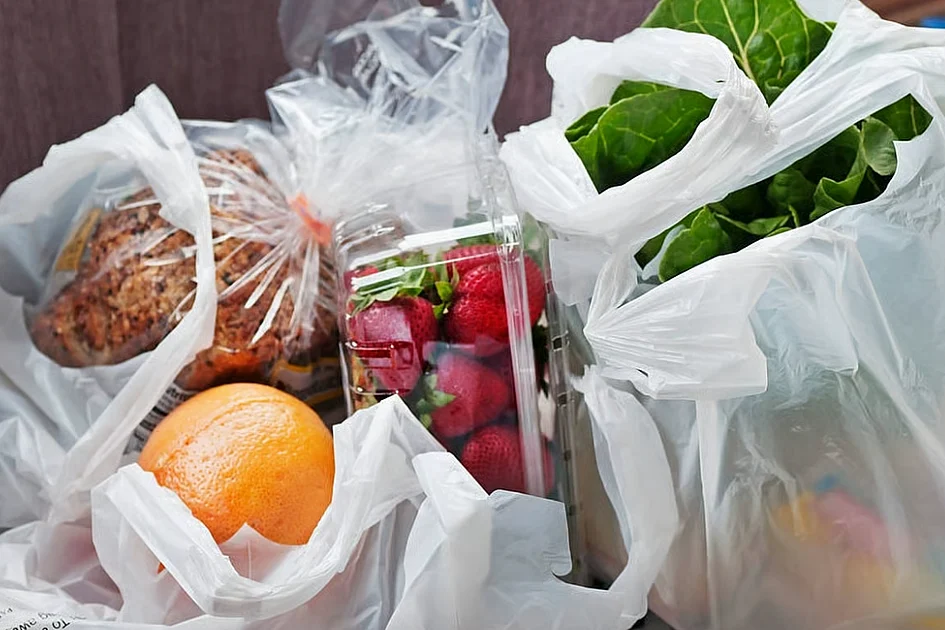
The United Arab Emirates is pressing forward with the second phase of its comprehensive nationwide ban on single-use plastics, set for enforcement by the Ministry of Climate Change and Environment (MOCCAE) starting January. This significant environmental policy expansion targets a specific range of products including beverage cups and lids, cutlery, plates, straws, stirrers, and Styrofoam food containers, while also implementing a full prohibition on plastic bags thinner than 50 microns.
Despite the clear regulatory direction, the transition presents substantial challenges for local manufacturers. Industry experts identify high production costs and limited availability of locally sourced recycled raw materials as primary obstacles. François de Bie, Chief Commercial Officer of Emirates Biotech, emphasizes that UAE-based manufacturers serve as the crucial ‘engine room’ for this ecological transition. Their role extends beyond production to include adapting machinery for plant-based materials and designing products with environmentally conscious end-of-life considerations.
The policy strategically exempts products manufactured from PLA biopolymers and other plant-based materials, shifting the national strategy from mere prohibition to promoting restorative and innovative sustainable solutions. Local industry leader Hotpack exemplifies this adaptation, having invested heavily over the past decade in research, development, and advanced machinery capable of utilizing up to 100% recycled materials.
According to Abdul Jebbar, Group CEO and Managing Director of Hotpack, the company has developed numerous alternatives including green polymers, reusable product ranges, and packaging solutions derived from paper, board, aluminum, molded fiber, and various biodegradable compounds. Notably, they’ve engineered an innovative alternative that reduces material usage by 30% while maintaining full recyclability and physical integrity.
The economic realities remain challenging, with recycled raw materials costing significantly more than virgin plastics. Additionally, the limited local infrastructure for recycling creates supply constraints. Both industry leaders emphasize the critical importance of public education on waste sorting and the development of domestic supply chains, including local PLA stocks and warehousing, to reduce dependence on imported alternatives with their associated long wait times and high shipping costs.
While the market remains in a preparation phase as retailers work to break established habits, the emergence of localized supply chains indicates significantly better preparedness compared to a year ago, positioning the UAE for substantial progress in its sustainability objectives.