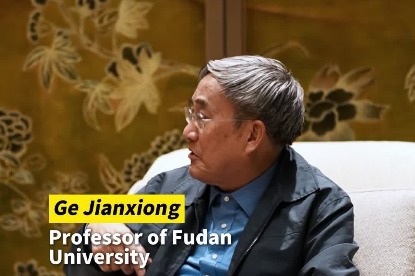
The unique Tunpu culture of Guizhou Province stands as a remarkable example of cultural exchange and adaptation, according to Professor Ge Jianxiong of Fudan University. Originating during the Ming Dynasty (1368-1644), Tunpu, which translates to ‘fortified villages,’ was established by soldiers sent to guard and cultivate the region. These settlements, largely isolated from external influences, preserved their traditions while evolving through interactions with Guizhou’s diverse ethnic groups. Over time, the culture adapted to local conditions, resulting in the distinctive Tunpu culture observed today. Professor Ge emphasized that this cultural fusion highlights the resilience and adaptability of human societies, making Tunpu a living relic of historical and cultural significance. The preservation of Tunpu culture offers valuable insights into the dynamics of cultural exchange and the enduring legacy of ancient practices in modern times.