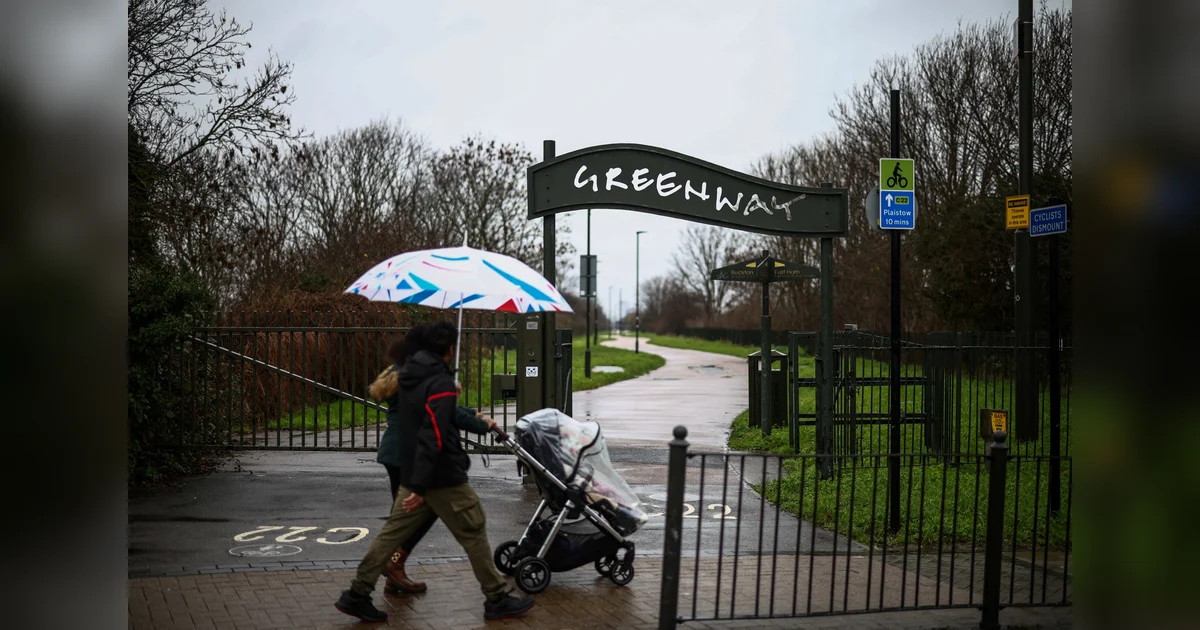
A profound mystery shrouds East London as authorities prepare to suspend the investigation into three abandoned newborn siblings discovered under nearly identical circumstances over a seven-year period. The case, unprecedented in modern Britain, has exposed critical gaps in understanding coercive situations that might drive such desperate acts.
The chronology began in September 2017 when a newborn boy, later named Harry, was discovered wrapped in a blanket in Plaistow Park. In January 2019, a second infant girl, Roman, was found in a shopping bag in a nearby park just before snowfall, discovered by dog walkers who heard crying. The pattern culminated in January 2024 with the discovery of a third sibling, named Elsa by hospital staff after the Frozen character, found less than an hour old in a shopping bag near a busy road.
In a breakthrough revelation last June, DNA testing confirmed all three children share the same biological parents. This discovery intensified concerns that the mother might be trapped in a coercive or captive situation, unable to seek help. Despite exhaustive efforts including profiling consultation, hundreds of surveillance hours reviewed, targeted DNA sampling of local residents, and an unclaimed £20,000 reward, investigators have reached an impasse.
Forensic psychology experts suggest the mother may be a migrant avoiding official detection or someone experiencing extreme terror, given the life-threatening risks of unattended births. The abandonment phenomenon is so rare in contemporary Britain that national statistics are no longer maintained, with only eight similar cases recorded in England and Wales between 2008-2018.
While the children now thrive in adoptive and foster care—described as ‘raucous bundles of excitement and laughter’—the emotional legacy of their unknown origins remains concerning. With no hospital birth records, the siblings will never be able to trace their biological mother, creating permanent psychological implications according to child development experts.