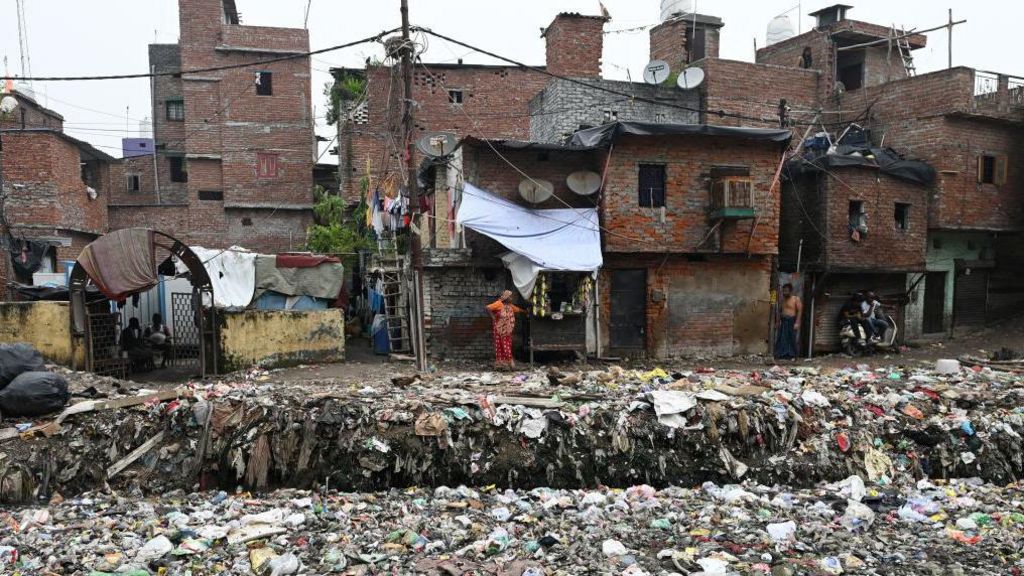
Despite massive infrastructure investments and rapid GDP growth, India’s major metropolitan centers continue grappling with severe urban decay that threatens their livability. Cities like Jaipur, Bengaluru, Mumbai, and Delhi—despite their economic significance and historical heritage—face overwhelming challenges including traffic gridlock, toxic air pollution, inadequate waste management, and crumbling infrastructure.
The contrast between India’s economic progress and urban deterioration presents a puzzling paradox. While the Modi administration has prioritized state-funded infrastructure projects—resulting in modern airports, expanded highway networks, and new metro systems—these developments have failed to translate into improved urban living conditions. Bengaluru’s tech billionaires and ordinary citizens alike have publicly expressed frustration with perpetual traffic snarls and garbage accumulation. Mumbai residents have staged unusual protests against dangerous potholes and sewage overflows, while Delhi’s winter air quality regularly reaches hazardous levels, prompting medical advisories for vulnerable populations.
Experts identify flawed governance structures as the fundamental cause of India’s urban crisis. Constitutional frameworks established decades ago never anticipated the massive scale of contemporary urbanization, leaving cities without adequate autonomous authority. Infrastructure specialist Vinayak Chatterjee notes that while the 1992 constitutional amendment theoretically empowered local bodies, implementation remains incomplete due to resistance from state-level bureaucracies and political interests.
This governance deficit stands in stark contrast to China’s urban management model, where city mayors exercise substantial executive powers over planning and development, with clear performance incentives and accountability mechanisms. Indian cities, by comparison, suffer from emaciated local governments lacking revenue-raising authority and appointment powers.
The problem extends beyond governance to basic data deficiencies. With the last census conducted over fifteen years ago and the next delayed until 2026, urban planners operate without current information on urbanization patterns and demographics. This data vacuum compounds existing challenges in addressing sanitation, transportation, and environmental issues.
Some experts suggest that only a crisis comparable to London’s 1858 ‘Great Stink’—which prompted comprehensive sewer system reforms—will generate sufficient political will to address India’s urban decay. Until then, cities continue deteriorating despite economic growth, with their glorious architectural heritage increasingly overshadowed by urban dysfunction.