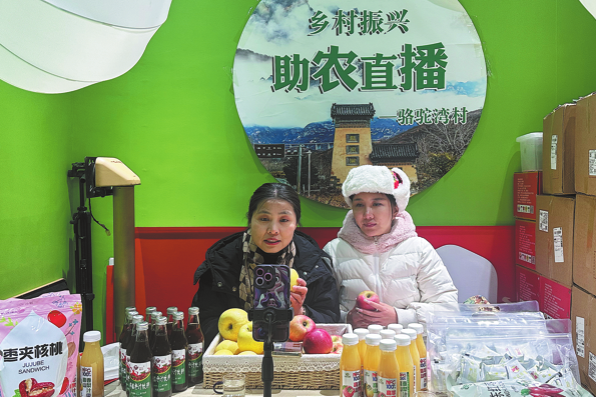
Nestled within the rugged terrain of the Taihang Mountains, Luotuowan village in Fuping county, Hebei province, has undergone a remarkable metamorphosis from one of China’s most impoverished communities to a flourishing tourism destination. The village’s stone courtyards now adorned with red lanterns and the sounds of cultural performances signal a dramatic departure from its recent past.
A decade ago, Luotuowan faced severe challenges with rocky, unproductive land, inadequate infrastructure, and mass youth migration seeking employment opportunities elsewhere. More than 70% of residents lived below the poverty line with per capita disposable income under 950 yuan ($137). The turning point emerged through strategic government-led poverty alleviation initiatives that prioritized rural tourism development.
The transformation accelerated in 2017 when former migrant workers like Bai Long returned to establish homestay businesses with government support. Today, the village operates 137 homestays offering over 300 beds, many managed through cooperatives led by the local Communist Party of China branch. Tourism has fundamentally reshaped the local economy, with annual visitor numbers surpassing 500,000 in 2025.
Beyond economic metrics, the revival has generated profound social changes. More than 70 young residents have returned to Luotuowan and neighboring Gujiatai village to establish restaurants, manage tourism accommodations, and market local agricultural products online. Elderly villagers maintain economic activity through homestay operations, with some like 78-year-old Sun Zhenze converting family homes into modest guest accommodations.
The county’s success has attracted international recognition, hosting university students from abroad and delegations from Brazil studying China’s rural poverty governance approaches. Local specialties including high-altitude apples and shiitake mushrooms have gained prominence among visitors.
With the anticipated 2027 opening of a high-speed railway connecting the region to Beijing and Shanxi province, local authorities anticipate further tourism growth. The Luotuowan model now serves as a national benchmark for culture-led rural revitalization, demonstrating how ecological assets and community-based tourism can create sustainable development in previously marginalized regions.