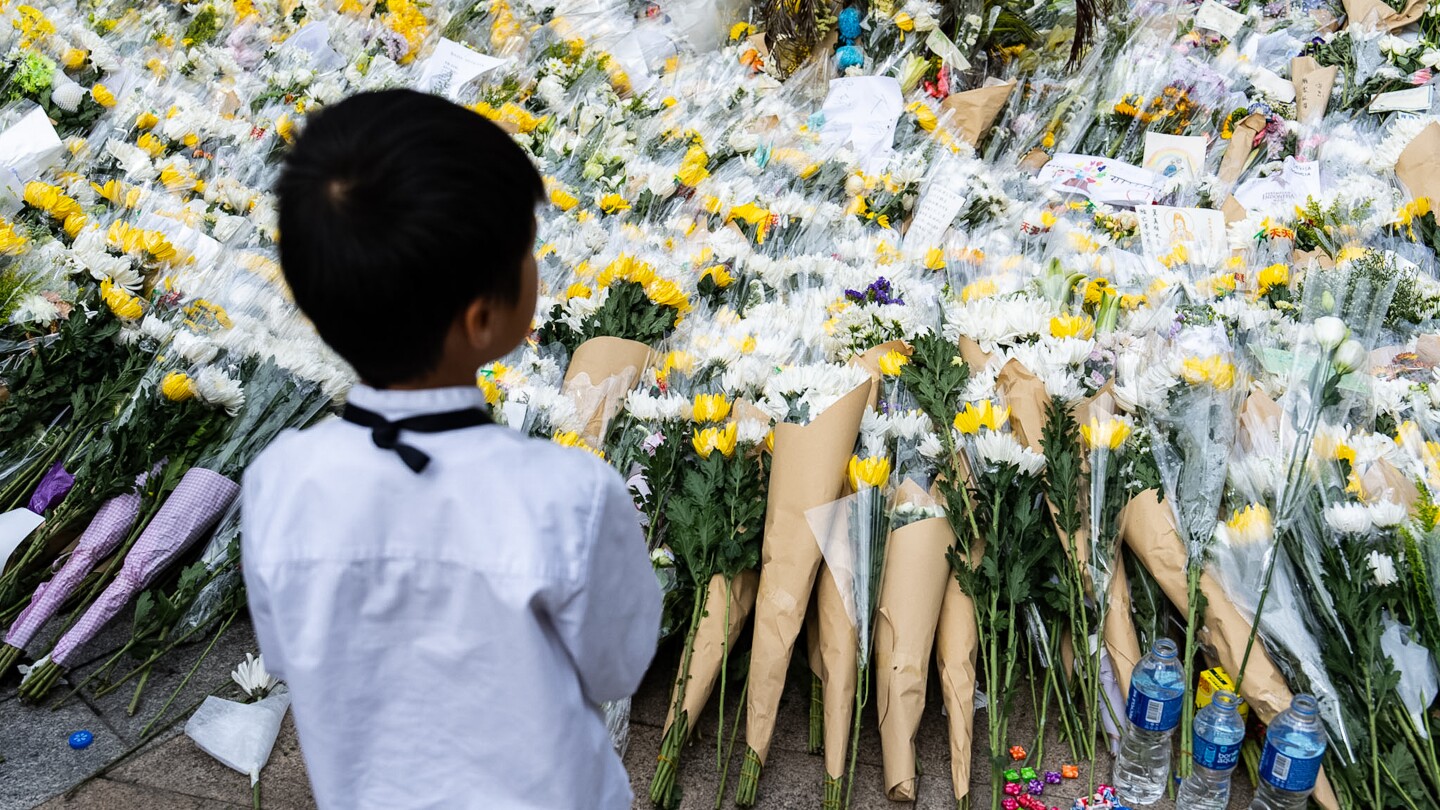
Hong Kong confronts profound systemic failures as investigations into its deadliest fire in decades reveal alarming safety breaches and corruption within the construction industry. The Wang Fuk Court apartment complex tragedy, which claimed 156 lives, has triggered widespread public outrage over building safety lapses, regulatory negligence, and suspected bid-rigging practices.
Authorities have arrested 14 individuals—including scaffolding subcontractors, construction company directors, and consultancy executives—on charges of manslaughter and gross negligence. The investigation centers on a multi-million dollar renovation project where highly flammable foam panels, used to seal windows during repairs, accelerated the fire’s rapid spread across seven of eight towers.
New forensic evidence indicates contractors deliberately used substandard safety netting to maximize profits, with seven of twenty additional samples failing safety standards. The crisis deepened as residents revealed they had previously raised concerns about construction materials, while officials acknowledged that fire alarms failed to activate during the emergency.
The scandal has prompted authorities to suspend 28 other projects managed by the same construction company. Political analysts describe the disaster as revealing ‘tip-of-the-iceberg’ problems encompassing bid-rigging, collusion, and systemic regulatory failures. Professor John Burns of the University of Hong Kong noted, ‘You’ve got all these issues which have been swept under the table.’
In response to mounting public pressure, Chief Executive John Lee announced an independent judge-led investigation and promised comprehensive reform of Hong Kong’s building renovation system. However, the government faces additional scrutiny as national security police arrested a petition organizer calling for official accountability, highlighting the political sensitivity surrounding the tragedy.