The enduring allure of the Chinese classic novel, *Romance of the Three Kingdoms* (RTK), continues to captivate South Korean audiences, transcending centuries and cultural boundaries. Written by Luo Guanzhong in the 14th century, the novel delves into the power struggles of the late Han Dynasty and the Three Kingdoms period, weaving together themes of loyalty, strategy, and political intrigue. Its timeless relevance has made it a cultural cornerstone in South Korea, where the saying goes, ‘Don’t associate with someone who hasn’t read RTK three times.’
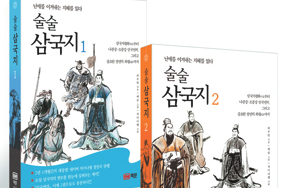
Professor Her Woo-bum, a South Korean scholar, has dedicated decades to studying and popularizing RTK. His work, *The Three Kingdoms Made Easy*, published in 2021, condenses the original 10-volume novel into two accessible volumes, enriched with commentary from Qing Dynasty critic Mao Zonggang and comparative analyses of South Korean translations. Her attributes RTK’s enduring popularity in South Korea to its alignment with traditional values like ‘righteousness’ and ‘loyalty,’ its compelling characters, and its adaptability to modern media such as games, films, and webtoons.
RTK’s influence extends beyond literature, permeating South Korean culture through over 2,000 related publications spanning history, economics, psychology, and leadership. The novel has also inspired a thriving market of derivative content, including webcomics, animations, and video games. Notably, the *Romance of the Three Kingdoms* game series by Japanese company Koei and mobile games like *The Blade of the Three Kingdoms* have garnered millions of downloads in South Korea.
Her’s journey with RTK began in childhood, evolving from comic books to in-depth academic exploration. Over two decades of research and field investigations have deepened his understanding of the novel, shifting his focus from heroic figures like Guan Yu and Zhuge Liang to the broader themes of ‘era’ and ‘human nature.’ His recent publication, *An Abridged Translation of the Records of the Three Kingdoms*, aims to guide middle-aged readers in navigating life’s challenges through the wisdom of RTK.
RTK’s introduction to South Korea dates back to the late Goryeo period, with its popularity peaking during the Joseon Dynasty. Today, it remains a cultural symbol, inspiring new translations and interpretations. As Her aptly puts it, ‘RTK is not just a historical novel; it is a literary work that embodies human nature, wisdom, and strategy.’