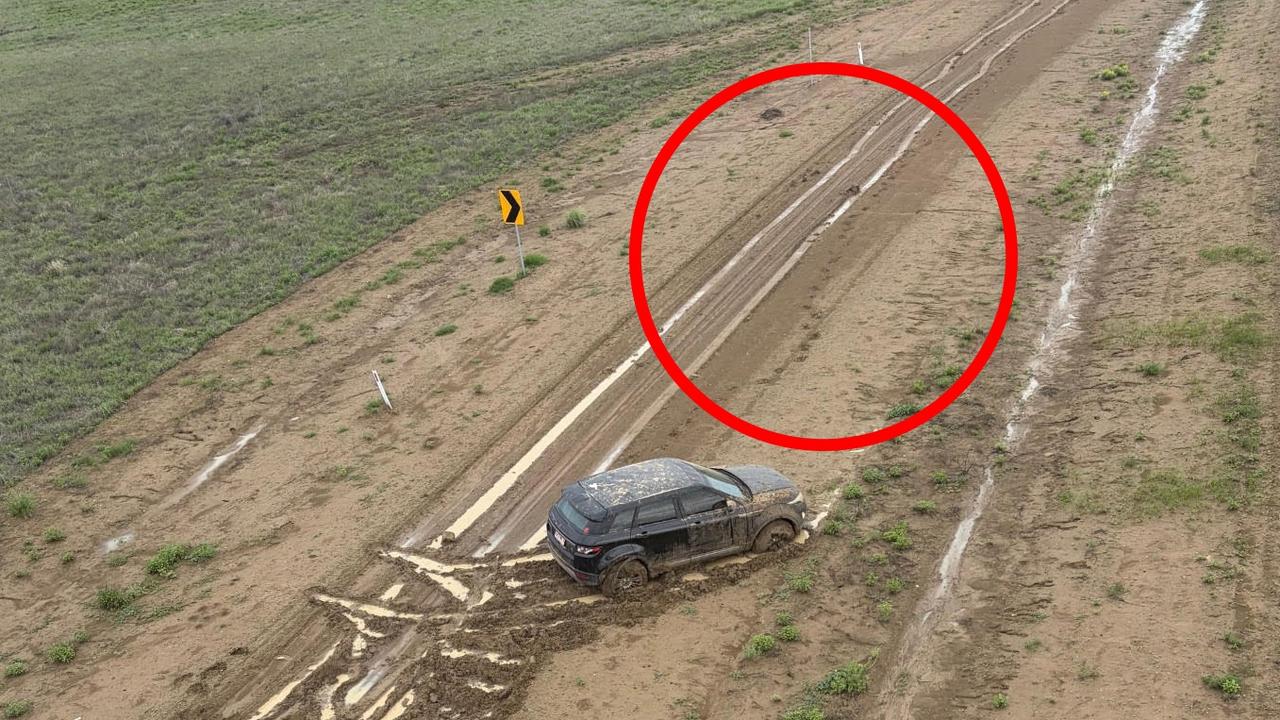
In a remarkable display of aerial rescue operations, a medical helicopter crew executed a marathon 510-kilometer mission to save three men trapped in treacherous flood conditions across northwest Queensland. The Mount Isa-based LifeFlight aeromedical team responded to multiple distress calls after torrential rains transformed the region into a quagmire, approximately 1,550 kilometers northwest of Brisbane.
The most extraordinary case involved a lone walker who had abandoned his vehicle and trekked nearly 40 kilometers through knee-deep mud in a desperate survival attempt. When the rescue helicopter located the stranded car, the occupant was missing. Crew members followed his footprints across the flooded landscape, eventually discovering the severely dehydrated and exhausted man 38 kilometers from his original location. He received immediate medical treatment from a Queensland Ambulance Service critical care paramedic before being airlifted to Hughenden Airport for hospitalization.
Simultaneously, the same rescue team performed a winch extraction of two other men in their 40s whose vehicle had become completely immobilized 70 kilometers south of Hughenden. Investigation revealed the pair had been navigating from Brisbane to Darwin using Google Maps, which directed them onto flooded roads unsuitable for travel. After repeatedly getting bogged and eventually abandoning their trailer, they became permanently stuck just 500 meters from a major flooded creek crossing.
LifeFlight pilot Andrew Caldwell described the challenging conditions: ‘We managed to land on a little high spot in the road that was solid enough to take the helicopter. The gentleman we found had no shoes, no water, no food, and his phone appeared flat. He looked absolutely exhausted – you could tell on his face he was sick of walking.’
All three rescued individuals were assessed by flight paramedics and transported to medical facilities, highlighting the critical importance of specialized emergency services in remote Australian regions during severe weather events.