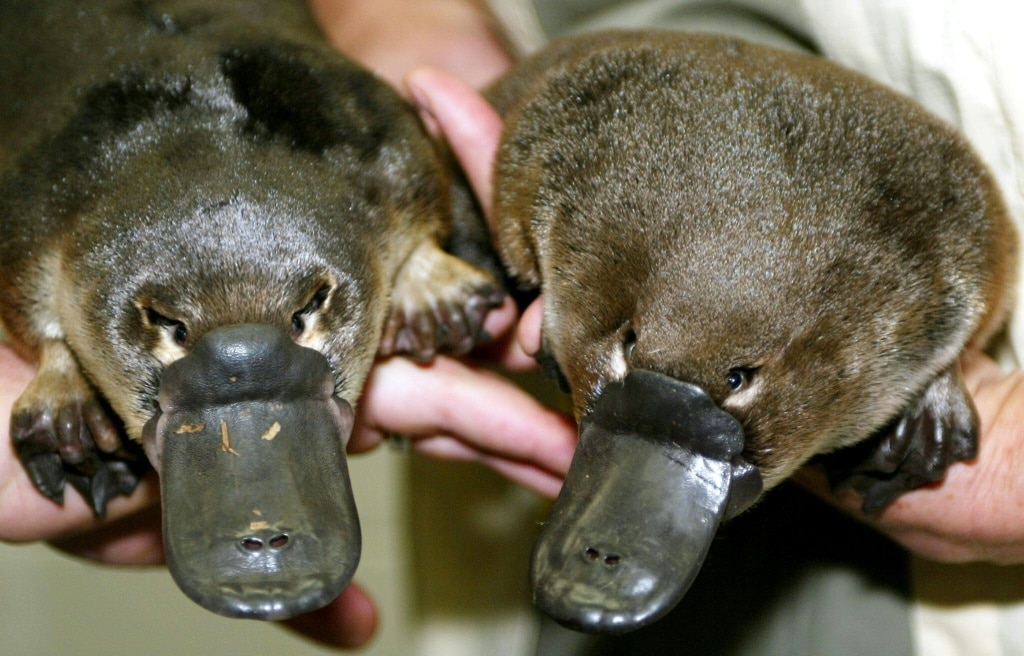
In a groundbreaking discovery that adds yet another extraordinary feature to one of nature’s most enigmatic creatures, scientists have revealed that the platypus possesses hollow melanin structures—a characteristic previously documented exclusively in birds. This finding, published in the Royal Society’s Biology Letters journal, positions the Australian monotreme as the only known mammal with this unique pigment configuration.
The research emerged unexpectedly when biologists at Ghent University in Belgium were compiling a comprehensive database of mammalian melanosomes—specialized cellular structures containing the pigment melanin. Lead author Jessica Leigh Dobson described the moment her team identified the platypus’s hollow melanosomes as “extremely surprising and exciting.”
Melanin serves critical functions in vertebrates, including ultraviolet radiation protection, thermal regulation, and coloration. While mammals typically possess solid melanosomes—elongated for dark brown/black hues (eumelanin) and spherical for reddish tones (pheomelanin)—birds exhibit hollow or flattened variants that contribute to their vibrant and iridescent plumage.
The platypus, already renowned for its duck-like bill, beaver-like tail, egg-laying reproduction, and venomous spurs, now adds hollow melanosomes to its catalog of biological curiosities. Surprisingly, these structures don’t produce iridescent effects in the platypus’s dark brown fur but appear randomly scattered throughout its hair cortex.
This discovery raises significant evolutionary questions. As descendants of aquatic burrowing ancestors, platypuses might have developed hollow melanosomes as an adaptation to aquatic environments, potentially providing enhanced insulation. However, this theory presents a paradox: why haven’t other aquatic mammals evolved similar features?
The platypus continues to fascinate scientists centuries after European naturalists first examined taxidermied specimens in 1799 and suspected an elaborate hoax. As one of only five egg-laying mammal species (monotremes) and among the few venomous mammals, this Australian native demonstrates how evolutionary pathways can produce truly exceptional biological innovations.