In the sun-drenched plains of Castile-La Mancha, Spain, Osam Abdulmumen, a 25-year-old migrant from Sudan, herds 400 sheep on a centuries-old farm in the village of Los Cortijos. This pastoral scene, reminiscent of the region’s literary fame in “Don Quixote,” masks a deeper crisis: rural depopulation has left traditional shepherding jobs unfilled, a role Spaniards increasingly shun. To address this, a government program is training migrants like Abdulmumen—many from Africa, Venezuela, and Afghanistan—to sustain the region’s prized sheep’s milk cheese industry.
Abdulmumen, who fled violence in Sudan, now lives in a modest apartment in Los Cortijos, dreaming of sending money home to his family. His journey to Spain was arduous, spanning Egypt, Tunisia, Morocco, and finally Ceuta, a Spanish enclave, where he sought asylum. Today, he finds solace in the tranquility of rural life, earning €1,300 monthly, slightly above Spain’s minimum wage.
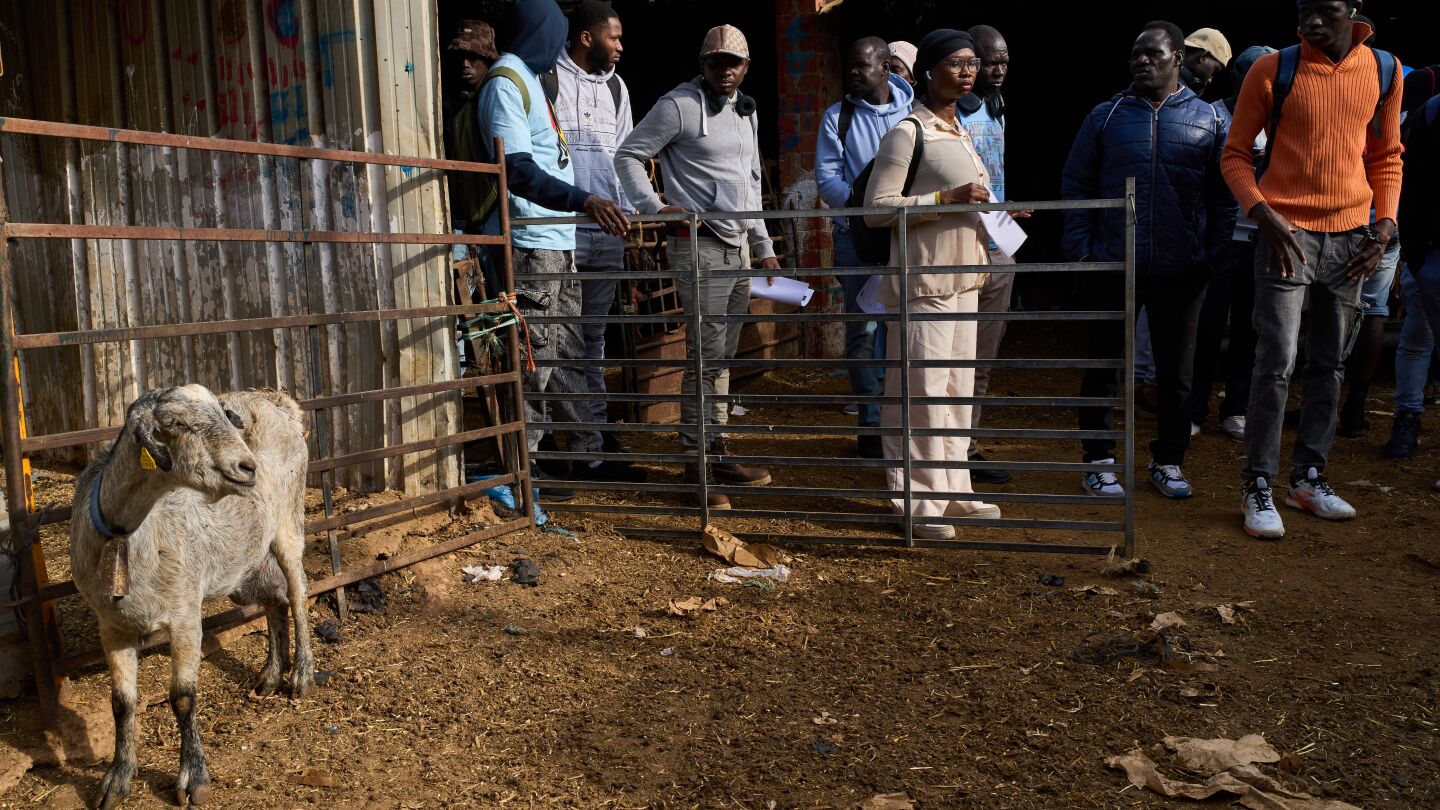
The program, funded by the regional government, has trained 460 migrants since 2022, with 51 now employed as shepherds. Sharifa Issah, a 27-year-old from Ghana, is among them, drawn to the work due to her experience with animals back home. The training, held near Toledo, covers the basics of shepherding over five days, preparing migrants for roles on farms, slaughterhouses, and olive groves.
Álvaro Esteban, a fifth-generation farmer, returned to Los Cortijos after years away, modernizing his family’s farm with drones and cheese production. He acknowledges that without migrant labor, many farms would face closure within a decade. “Most businesses won’t have successors,” he laments, highlighting the sector’s neglect.
Abdulmumen’s story is emblematic of a broader trend: migrants filling critical gaps in Spain’s rural economy, ensuring the survival of traditions and livelihoods in a region grappling with an aging population and urban migration.