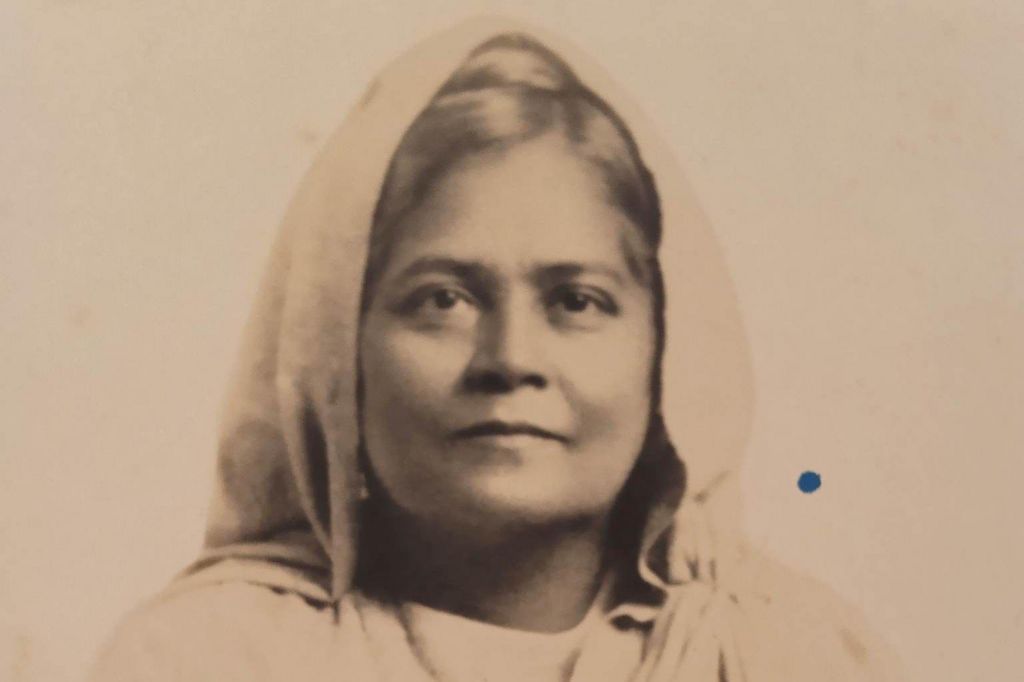
In an era when medicine remained an overwhelmingly male-dominated field and European institutions systematically excluded women, Dr. Jamini Sen shattered one of healthcare’s most formidable barriers. The Bengali physician made history in 1912 by becoming the first woman admitted as a Fellow of the Royal College of Physicians and Surgeons of Glasgow—an institution founded in 1599 that had long maintained gender-based restrictions.
Born in 1871 in Barisal within the Bengal Presidency, Sen emerged from a progressive family as one of seven siblings. Her educational journey began at Calcutta’s Bethune College, culminating in her qualification from Calcutta Medical College in 1897. This achievement marked her entry into a profession characterized by rigid racial hierarchies and gender exclusion.
Sen’s early career took an extraordinary turn when she accepted a position as house physician to Nepal’s royal household and head of Kathmandu Zenana Hospital. For nearly a decade, she practiced high-level medicine within deeply traditional settings, earning the confidence of King Prithvi Bir Bikram Shah while introducing modern clinical methods. Her tenure coincided with palace unrest and suspected political intrigue, eventually prompting her departure from the country.
Driven by professional ambition, Sen traveled to Britain in 1911 with support from the Lady Dufferin Fund. She obtained a medical license in Dublin, studied at the London School of Hygiene and Tropical Medicine, and ultimately challenged the Glasgow fellowship examinations. The Royal College had only recently opened its exams to women, and Sen’s successful completion in 1912 represented a watershed moment—though the institution restricted her privileges compared to male counterparts.
Her intellectual curiosity led her to Berlin in 1912, where she advanced her knowledge of tropical diseases at a time when continental Europe led this medical specialty. Throughout her career, Sen maintained a profound sense of responsibility toward her “sisters in my country,” as documented in the Glasgow College archives.
Returning to India, Sen joined the Women’s Medical Service, working in Agra, Shimla, and Puri. Her presence proved particularly crucial in Agra during periods of unrest directed at British doctors, as patients specifically sought out the Indian woman physician. Affectionately known as “saree-wali daktarin sahib” (the sari-clad lady doctor), Sen earned trust through her medical expertise and cultural understanding.
She confronted significant healthcare challenges, including post-childbirth sepsis epidemics that affected countless young mothers. “The greatest improvement has taken place in maternal cases,” she recorded in her journal with professional pride. Even her practical attire—a pinned sari with full-sleeved blouse and lace collar—signaled a quiet modernity suited to hospital wards rather than drawing rooms.
Sen’s personal life reflected both her independence and the era’s constraints. While in Nepal, she adopted a baby girl named Bhutu after the child’s mother died in childbirth. As a single mother in traditional Bengali society, Sen balanced professional rigor with private responsibility, though she later experienced the devastating loss of her daughter to illness.
Today, few physical artifacts survive from Sen’s remarkable life: a gold watch gifted by Nepal’s king (which she wore pinned to her sari), a Tibetan tsog spoon recognizing her medical service, a delicate blue-wing brooch purchased in London, and two grainy photographs preserved in the Glasgow College archives.
More than a century after her historic achievement, Sen’s portrait was finally unveiled at the Royal College in 2024—a symbolic restoration of a legacy that had faded into obscurity. Her story, meticulously reconstructed by great-niece Deepta Roy Chakraverti in the biography “Daktarin Jamini Sen,” reveals a woman of fierce intellect and radical resolve who confronted both racism in pre-independence India and sexism in British medical institutions.
Dr. Sen’s journey demonstrates that the making of modern medicine was never exclusively European nor male, but was also shaped in palace wards, epidemic outposts, and examination halls where a determined Bengali woman refused to step aside.