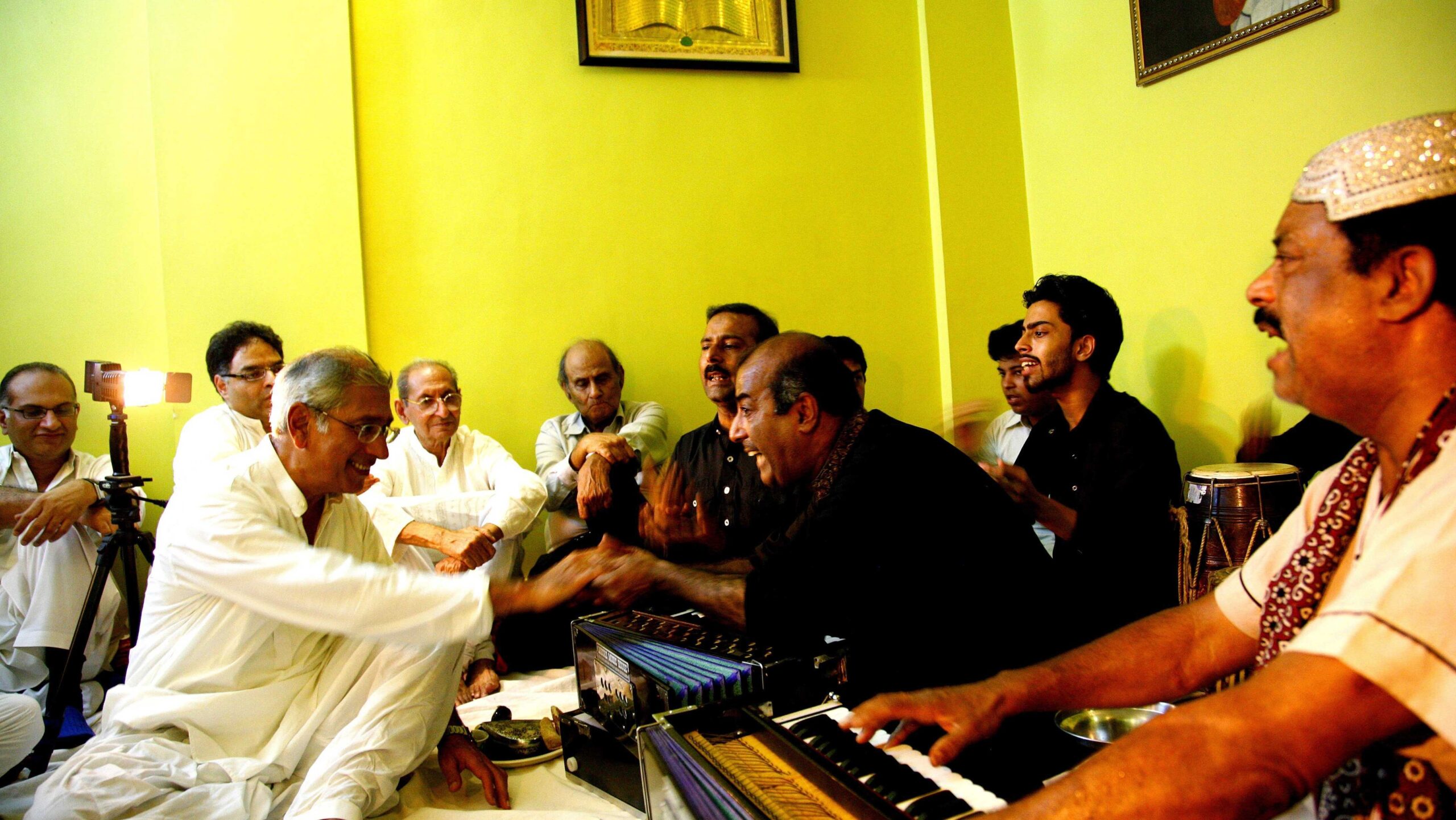
The intricate relationship between Islam and music has long shaped the cultural landscape of South Asia. While Islam’s influence on music has been a subject of debate, it has undeniably left an indelible mark on the region’s artistic traditions. In Pakistan, this relationship has been particularly complex, with music often caught in the crossfire of religious and national identity struggles. Amid these tensions, a group of Pakistani music enthusiasts embarked on a mission to preserve and celebrate their country’s neglected musical heritage. Their project, *The Dream Journey*, has since become a global phenomenon, bringing Pakistan’s rich musical traditions to the world stage. Launched in 2014, *The Dream Journey* saw its founders travel across Pakistan, documenting musicians and their families performing in intimate settings. The project’s YouTube channel, featuring videos with English subtitles, has garnered over 225,000 subscribers and millions of views. Its success has highlighted the enduring power of classical and Sufi music, even as these traditions face challenges in modern Pakistan. The channel showcases a diverse range of musical styles, from qawwali—a devotional form of Sufi music—to lesser-known family specialties. It has also amplified the work of legendary musicians like Ustad Munshi Raziuddin Khan and his descendants, who have kept the classical qawwali tradition alive. Despite the religious and political obstacles, *The Dream Journey* has provided a platform for musicians who might otherwise have remained in obscurity. The project’s meticulous translations and high-quality production have made it accessible to a global audience, ensuring that Pakistan’s musical heritage is preserved for future generations. As the group plans to resume their travels, their work stands as a testament to the resilience and beauty of Pakistan’s musical traditions.