In a high-profile case that has drawn significant attention, Yunqing Jian, a 33-year-old Chinese plant scientist at the University of Michigan, pleaded guilty on November 12, 2025, to charges of smuggling and making false statements to the FBI. Jian, who was arrested in June 2025 along with another Chinese scientist, was accused of smuggling Fusarium graminearum, a crop-damaging fungus, into the United States. Under her plea agreement, Jian was sentenced to time served and is expected to be deported. In a statement to the court, she claimed her research was aimed at protecting crops from disease.
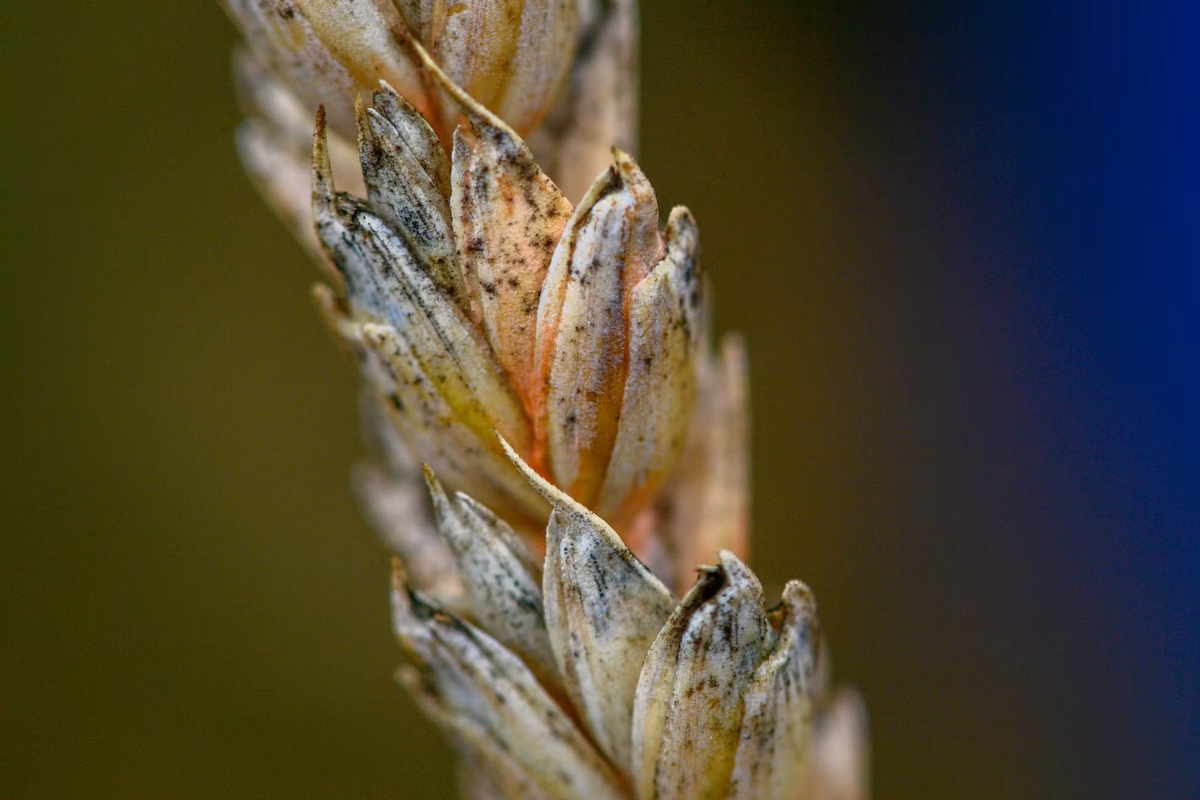
Fusarium graminearum, a well-known pathogen, poses significant risks to crops such as wheat, corn, and barley, causing Fusarium head blight, or scab. This disease can reduce crop yields by up to 45% in severe cases and has been responsible for substantial economic losses in the U.S., estimated at over $1 billion annually. The fungus also produces mycotoxins, which can harm both humans and livestock, leading to gastrointestinal damage, immune system issues, and nervous system inflammation.
The case has highlighted the strict regulations surrounding the import and movement of plant pathogens in the U.S., governed by the Plant Protection Act of 2000. Scientists must obtain permits from the USDA’s Animal and Plant Health Inspection Service (APHIS) to transport such pathogens, a process that can take up to six months. The goal is to prevent the introduction of new genetic material that could exacerbate crop damage.
Farmers combat Fusarium graminearum through integrated management strategies, including the use of fungicides, crop rotation, and planting resistant crop varieties. Researchers are also developing predictive models to forecast scab outbreaks, helping farmers apply fungicides at optimal times to minimize damage.
Jian’s case underscores the delicate balance between scientific research and biosecurity, raising questions about the ethical and legal responsibilities of scientists working with potentially harmful pathogens.