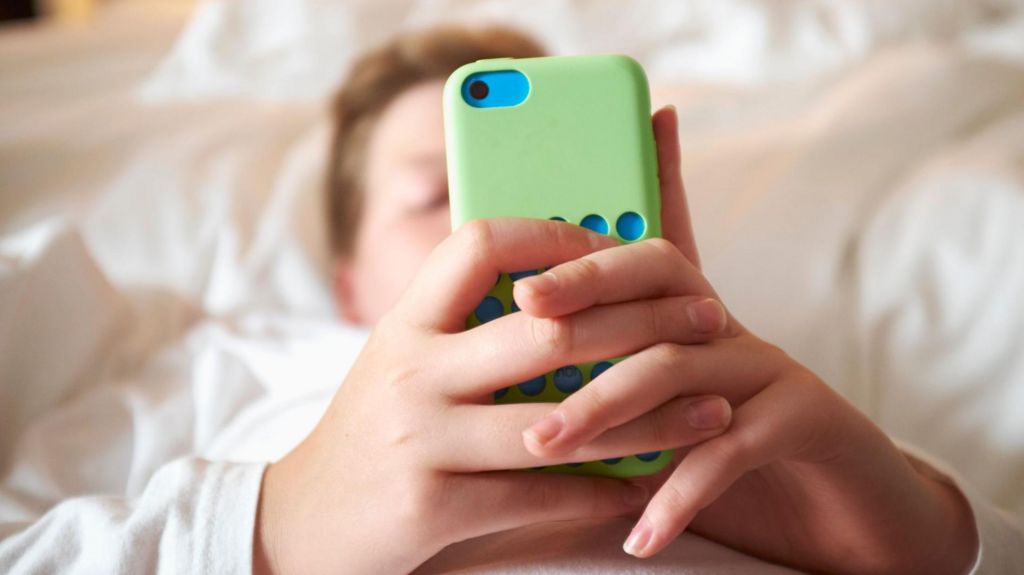
Australia’s pioneering social media ban for children under 16 is under legal scrutiny as two teenagers, supported by the Digital Freedom Project (DFP), challenge its constitutionality in the nation’s highest court. The law, set to take effect on December 10, mandates platforms like Meta, TikTok, and YouTube to prohibit accounts for users under 16, aiming to shield young people from harmful content and algorithms. However, 15-year-olds Noah Jones and Macy Neyland argue that the ban infringes on their right to free communication, likening it to the dystopian world of Orwell’s ‘1984.’
Communications Minister Anika Wells has reaffirmed the government’s commitment to the policy, stating it will not yield to legal challenges or pressure from tech giants. The DFP, led by New South Wales parliamentarian John Ruddick, contends that the ban disproportionately impacts vulnerable groups, including disabled youth, First Nations communities, and LGBTIQ+ teenagers, who rely on social media for information and connection. The group advocates for alternative measures such as digital literacy programs, age-appropriate platform features, and enhanced privacy protections.
Critics, including Jones, argue that the policy is ‘lazy’ and fails to address the root issues of online safety. Meanwhile, tech companies like Google, which owns YouTube, are reportedly considering their own constitutional challenges. While polls indicate broad public support for the ban, mental health advocates warn it could isolate children and push them toward unregulated online spaces. The case highlights the ongoing global debate over balancing child protection with digital freedoms.