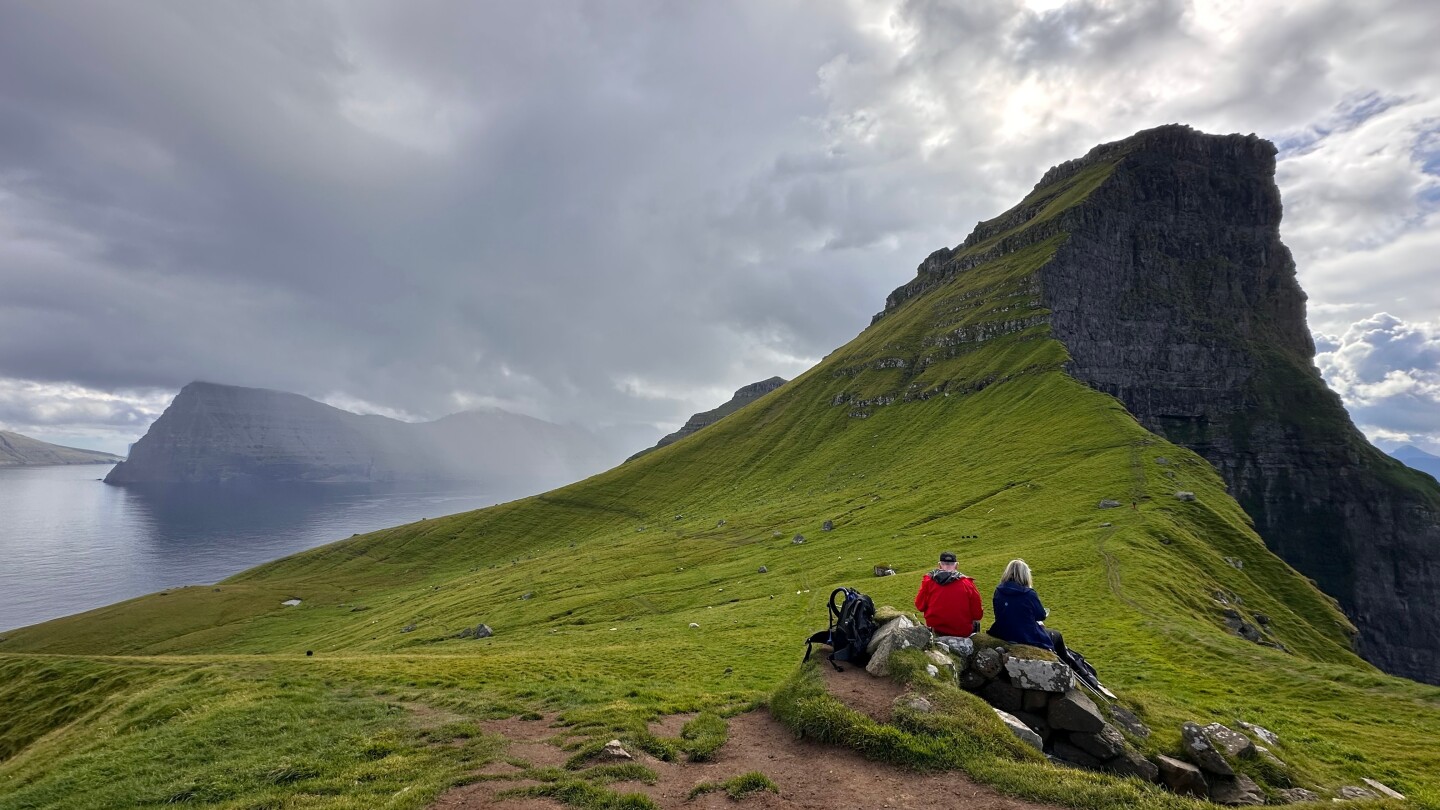
The Faroe Islands, a remote archipelago in the North Atlantic, offer awe-inspiring landscapes but pose significant challenges for visitors. Known for its dramatic cliffs, sudden gale-force winds, and steep hillsides, this self-governing territory under Denmark has become a magnet for adventurous travelers seeking bird-watching, unique culinary experiences, and ‘coolcations’ amid rising global temperatures. However, the islands’ rugged beauty comes with risks. In September, three tourists vanished near a famous waterfall, highlighting the dangers of the terrain. Locals, accustomed to the harsh environment, navigate it with ease, but tourists are often unprepared for the sudden fogs and unprotected cliffs. The Faroe Islands are taking steps to balance tourism growth with environmental preservation. Initiatives like the annual ‘closed for maintenance’ program, launched in 2019, enlist volunteers to combat erosion and maintain trails. The tourism office has also introduced self-navigating tours to divert visitors from overcrowded spots to lesser-known areas. Despite the challenges, the islands’ growing infrastructure, including undersea tunnels and an expanding network of Airbnbs, is making travel more accessible. The Faroe Islands’ unique blend of natural beauty and cultural richness continues to attract visitors, but the message is clear: respect the environment and heed local warnings to ensure a safe and memorable experience.