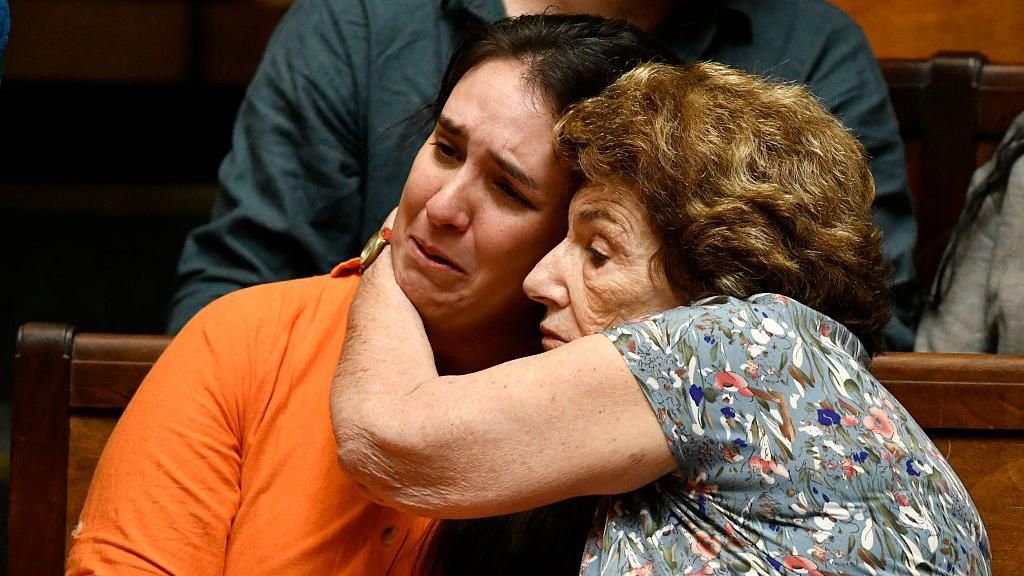
Uruguay has taken a groundbreaking step by legalizing euthanasia, marking a historic moment as the first Latin American nation to enact such legislation. The ‘Dignified Death’ bill was approved by the Senate on Wednesday, with 20 out of 31 present legislators voting in favor. This law permits mentally competent adults suffering from terminal and irreversible illnesses to opt for assisted suicide, administered by healthcare professionals. Uruguay, known for its progressive stance on social issues, has previously legalized marijuana, same-sex marriage, and abortion, setting a precedent for liberal reforms. The 10-hour Senate debate, though largely respectful, saw emotional outbursts from opponents, with some labeling the decision as ‘murder.’ Senator Patricia Kramer of the ruling leftist coalition emphasized that public opinion strongly supports the law, with 62% of Uruguayans favoring euthanasia legalization, according to a Cifra poll. The Catholic Church, a vocal opponent, criticized the bill, with Archbishop Daniel Sturla of Montevideo stating it devalues life. Under the law, individuals must personally and formally request euthanasia, ensuring the process is painless and dignified. Beatriz Gelós, a 71-year-old ALS patient, hailed the law as ‘compassionate and humane,’ highlighting the struggles of those living with debilitating conditions. While Uruguay leads in legislative approval, Colombia and Ecuador have decriminalized euthanasia through judicial rulings.
标签: South America
南美洲
-
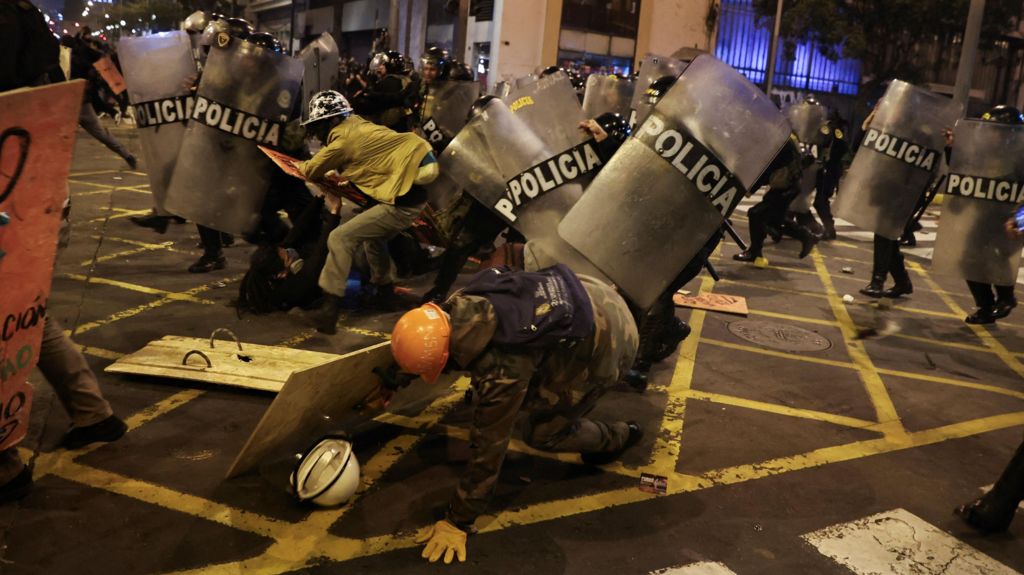
Watch: Police fire tear gas at protesters in Peru
In a tense confrontation on the streets of Peru, law enforcement officers resorted to the use of tear gas to disperse a gathering of protesters. The demonstrators, seeking refuge in nearby doorways, were met with clouds of the irritant as tensions escalated. This incident underscores the growing unrest in the region, as citizens voice their grievances against perceived injustices. The deployment of tear gas, a common crowd-control measure, highlights the challenges faced by authorities in maintaining order while balancing the right to peaceful assembly. The scene, captured on video, has sparked widespread debate on the appropriate use of force in such situations.
-
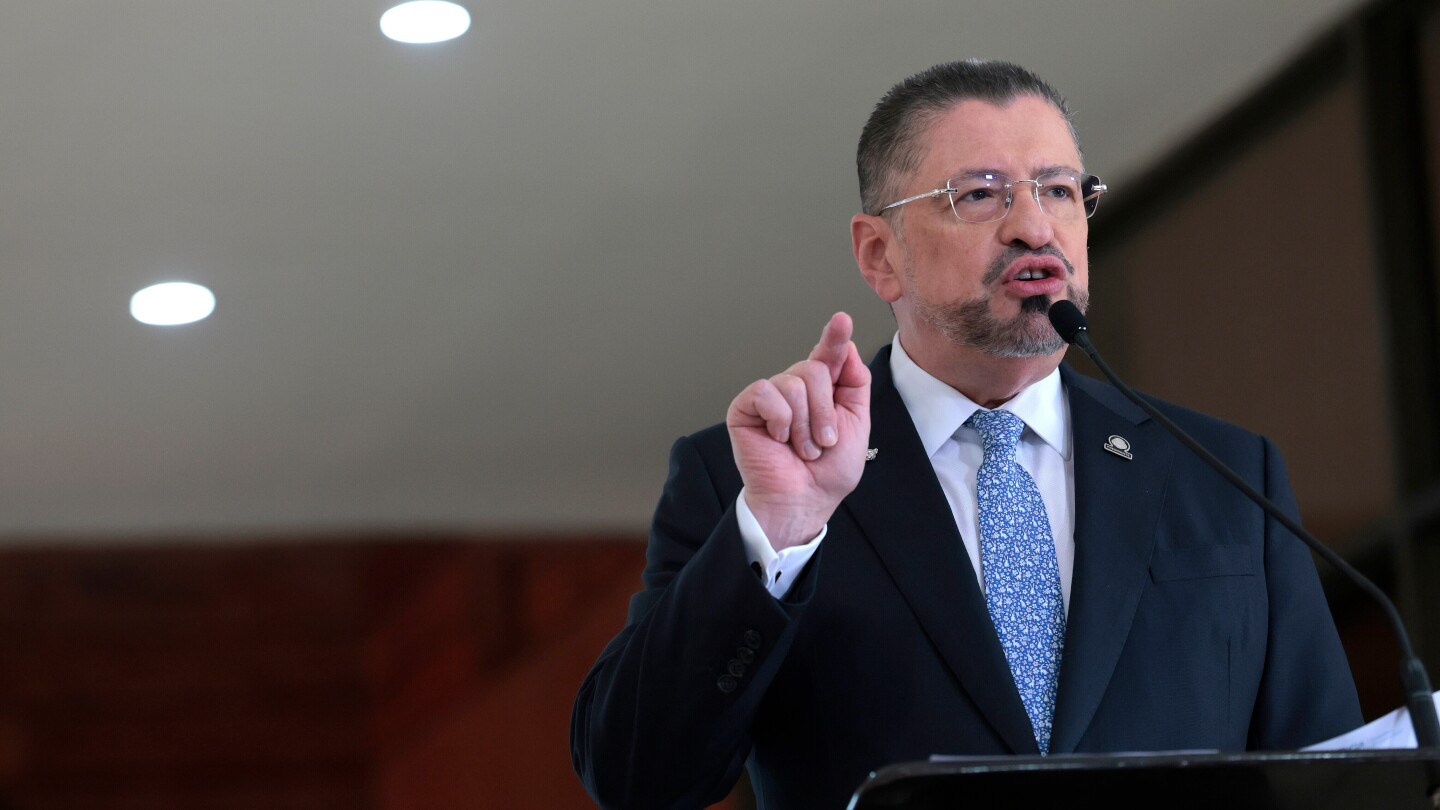
Costa Rica’s president limits abortion to life-threatening cases
In a significant policy shift, Costa Rica’s President Rodrigo Chaves has further restricted access to abortion, limiting it strictly to situations where the mother’s life is in imminent danger. The decision, announced on Wednesday, eliminates the previous allowance for abortions when a pregnancy posed a threat to the mother’s health. This change was implemented through the Health Ministry without requiring legislative approval, fulfilling a promise Chaves made to religious conservatives at the Evangelical Alliance earlier this month. During a press conference, Chaves emphasized that abortion is now permissible only when there is a direct choice between the mother’s life and the life of the fetus. This move aligns Costa Rica with other Central American nations like Honduras, El Salvador, and Nicaragua, which maintain stringent abortion bans, while Guatemala permits abortion only when the mother’s life is at risk. The Evangelical Alliance praised the decision, with its president, Pastor Ronald Vargas, calling it a step toward recognizing the universal value of human life. However, critics argue that the policy change is politically motivated, aimed at appealing to conservative voters ahead of next year’s presidential elections. Laura Valenciano, a human rights advocate with the NGO Citizen Association ACCEDER, criticized the move, stating that it disproportionately burdens women and undermines their rights. Costa Rica has historically banned most abortions, with limited exceptions that were only vaguely defined until a 2019 regulation clarified that abortions could be performed if the mother’s health was at risk. Valenciano noted that she is unaware of any abortions carried out under this exception during Chaves’ presidency and called for transparency regarding the data. Chaves, who faced allegations of sexual harassment during his tenure at the World Bank, has consistently denied the accusations. His presidency has been marked by controversy, and this latest decision has reignited debates over women’s rights and political motivations in Costa Rica.
-

Oregon and conservationists ask court to OK dam operation changes to help salmon
In a renewed effort to protect dwindling salmon populations, conservationists and the state of Oregon have petitioned a federal court to modify dam operations on the lower Snake and Columbia Rivers. The motion, filed in the U.S. District Court, seeks adjustments such as lowering reservoir water levels and increasing spill rates to facilitate safer and faster fish passage. These measures aim to help juvenile salmon bypass turbines and navigate the dams more effectively. The plaintiffs, including the National Wildlife Federation, are targeting eight dams managed by federal agencies like the National Marine Fisheries Service and the U.S. Army Corps of Engineers. However, attempts to obtain comments from federal representatives were hindered by the ongoing government shutdown. The legal battle, reignited after the Trump administration withdrew from the Resilient Columbia Basin Agreement in June 2023, underscores the tension between environmental conservation and economic interests. The $1 billion agreement, hailed as historic by the Biden administration and tribal groups, had temporarily paused litigation and aimed to restore salmon populations in the Pacific Northwest. Critics, including the Inland Ports and Navigation Group, argue that proposed changes could disrupt commerce and harm regional economies. Meanwhile, advocates emphasize the cultural, ecological, and economic significance of salmon, which are central to the identity of Native American tribes and the broader ecosystem. The dams in question, including Ice Harbor and Bonneville, have long been a source of hydropower and navigation but are also blamed for the decline of salmon species, four of which are now extinct and seven listed as endangered.
-

In a regional first, Uruguay passes a law allowing euthanasia
In a landmark decision, Uruguay’s Senate passed a law decriminalizing euthanasia on Wednesday, positioning the nation as a pioneer in Latin America on this contentious issue. The legislation, which received approval from 20 out of 31 senators, allows seriously ill patients to legally seek assistance in ending their lives. This makes Uruguay the first predominantly Catholic country in the region to enact such a law through legislative means, joining Colombia and Ecuador, where the practice was decriminalized via Supreme Court rulings. The bill had already cleared the lower house in August with overwhelming support. The law’s passage marks the culmination of a five-year legislative journey, with final implementation now awaiting government regulations. The debate surrounding euthanasia has intensified across Latin America in recent years, with Uruguay’s decision reflecting shifting societal attitudes. Sen. Patricia Kramer of the ruling leftist coalition emphasized that public opinion had driven the initiative, stating, ‘Public opinion is asking us to take this on.’ The law permits euthanasia performed by healthcare professionals but excludes assisted suicide, where patients self-administer lethal medication. Unlike similar laws in the U.S., Australia, and New Zealand, Uruguay’s legislation imposes no time limits on life expectancy or waiting periods. It allows individuals with incurable illnesses causing ‘unbearable suffering’ to seek assisted death, even if their condition is not terminal. The law also mandates that patients be mentally competent, requiring two doctors to confirm their psychological fitness. However, Uruguay will not extend euthanasia rights to minors, distinguishing it from countries like Belgium, Colombia, and the Netherlands. The Catholic Church, a vocal opponent of the law, urged Uruguayans to ‘defend the gift of life,’ but secularization has diminished resistance in the country, which has a history of progressive social policies, including the legalization of marijuana, same-sex marriage, and abortion. Vice President Carolina Cosse hailed the law as a historic milestone, reinforcing Uruguay’s reputation as a socially liberal leader in the region.
-
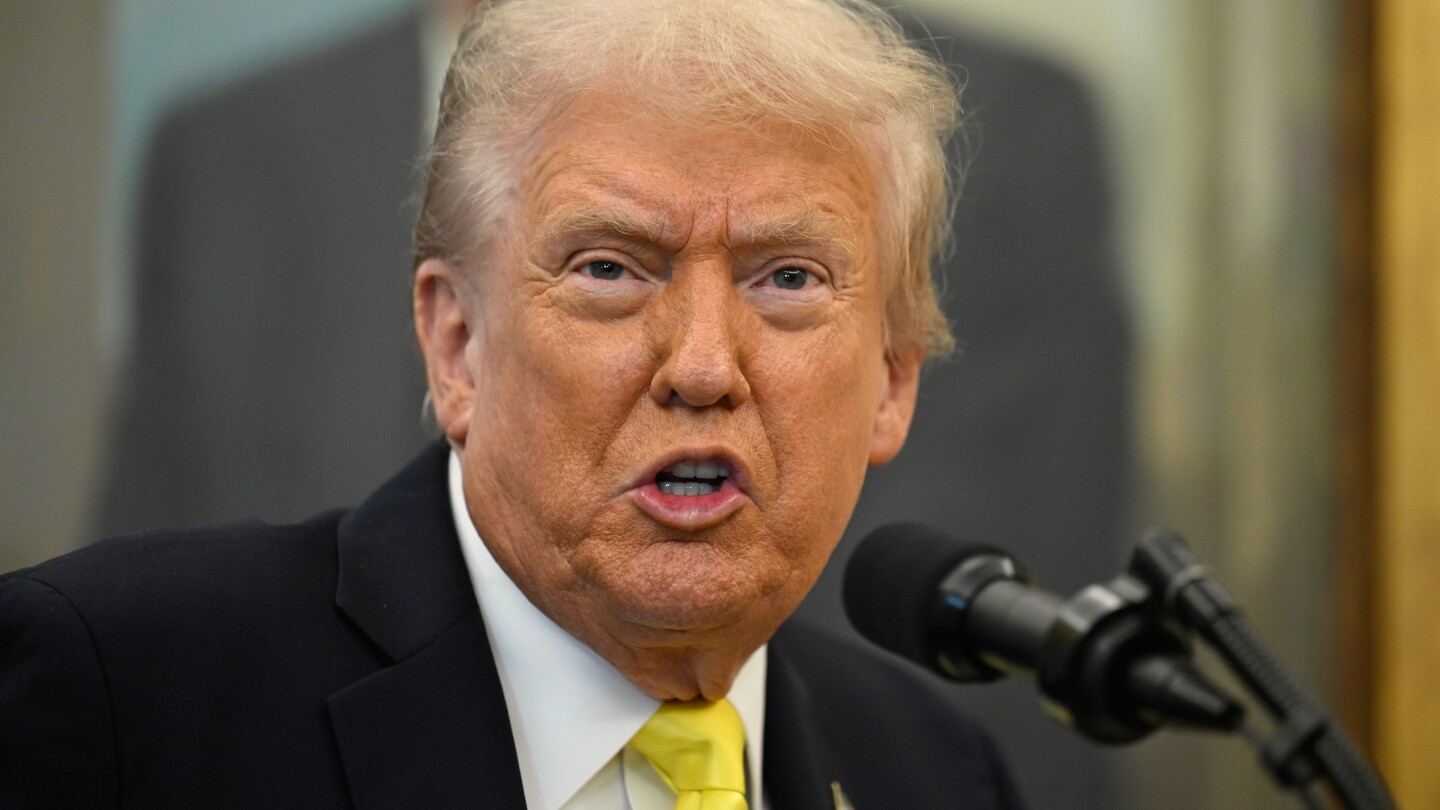
Trump confirms the CIA is conducting covert operations inside Venezuela
In a significant development, President Donald Trump confirmed on Wednesday that he has authorized the Central Intelligence Agency (CIA) to conduct covert operations within Venezuela. The announcement came during an Oval Office event, where Trump also hinted at the possibility of land operations in the region. This revelation follows a series of U.S. military strikes targeting alleged drug-smuggling boats in the Caribbean, which have resulted in the destruction of at least five vessels and the deaths of 27 individuals since early September. Four of these boats reportedly originated from Venezuela.
-
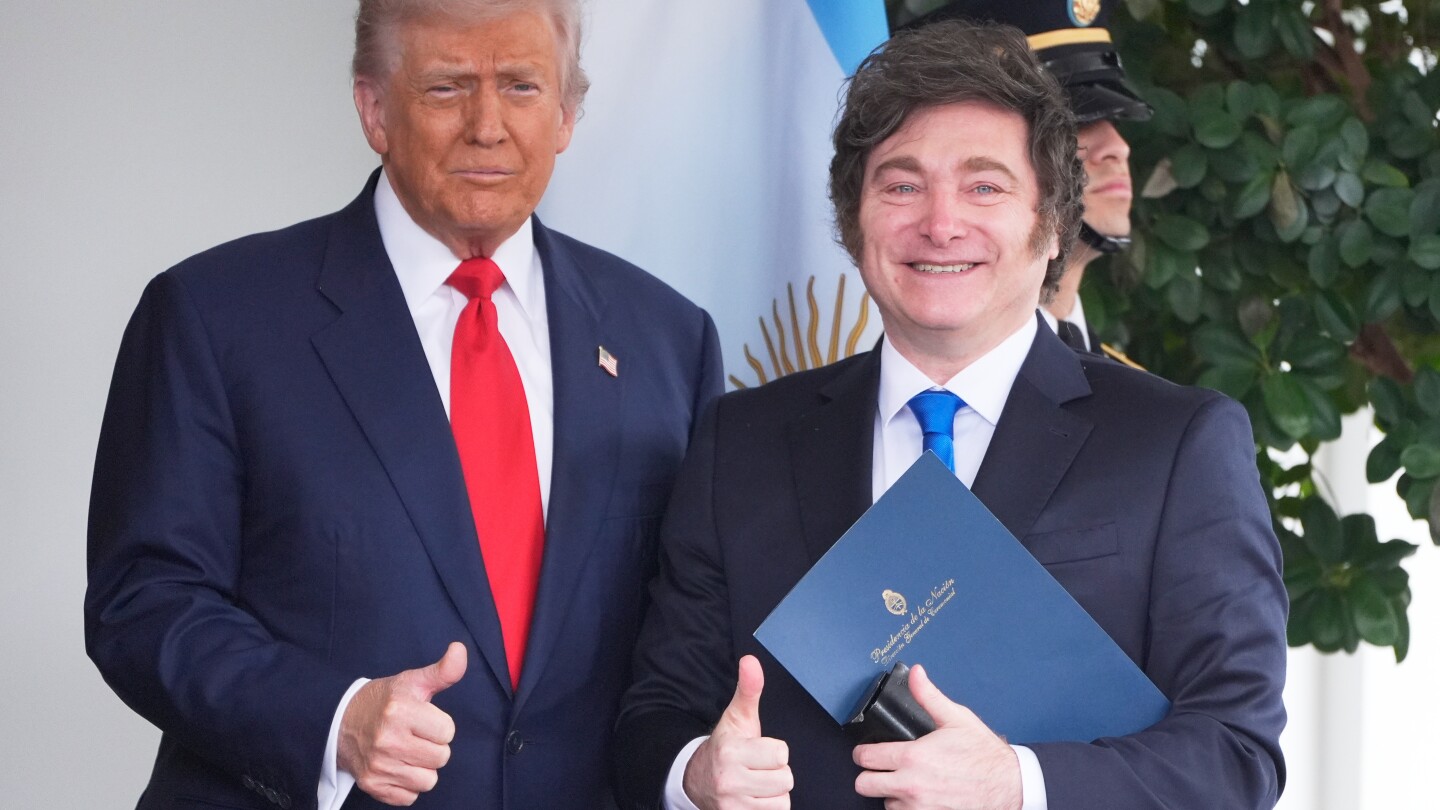
US is working on doubling aid to Argentina to $40 billion by tapping private funding sources
The Trump administration is advancing plans to provide Argentina with an additional $20 billion in financial support, supplementing the $20 billion credit swap line pledged earlier this month. This new package, designed to stabilize Argentina’s faltering currency, would involve a combination of private sector banks and sovereign funds. Treasury Secretary Scott Bessent described the initiative as a ‘private-sector solution,’ emphasizing the interest from multiple banks and sovereign funds. The move aims to bolster Argentina’s debt market and economic recovery. However, President Donald Trump has linked the aid to the political fortunes of Argentine President Javier Milei, warning that U.S. support could be withdrawn if Milei’s party loses the upcoming midterm elections on October 26. ‘If he loses, we are not going to be generous with Argentina,’ Trump stated during a White House meeting with Milei. The Argentine peso experienced a slight depreciation following Trump’s remarks, while shares of major Argentine companies saw a modest recovery after initial declines. Opposition leaders in Argentina criticized Trump’s comments, labeling them as political interference and extortion. Former President Cristina Fernández urged Argentines to consider the implications of U.S. involvement, while other opposition figures accused Trump of prioritizing Milei’s political survival over Argentina’s welfare.
-
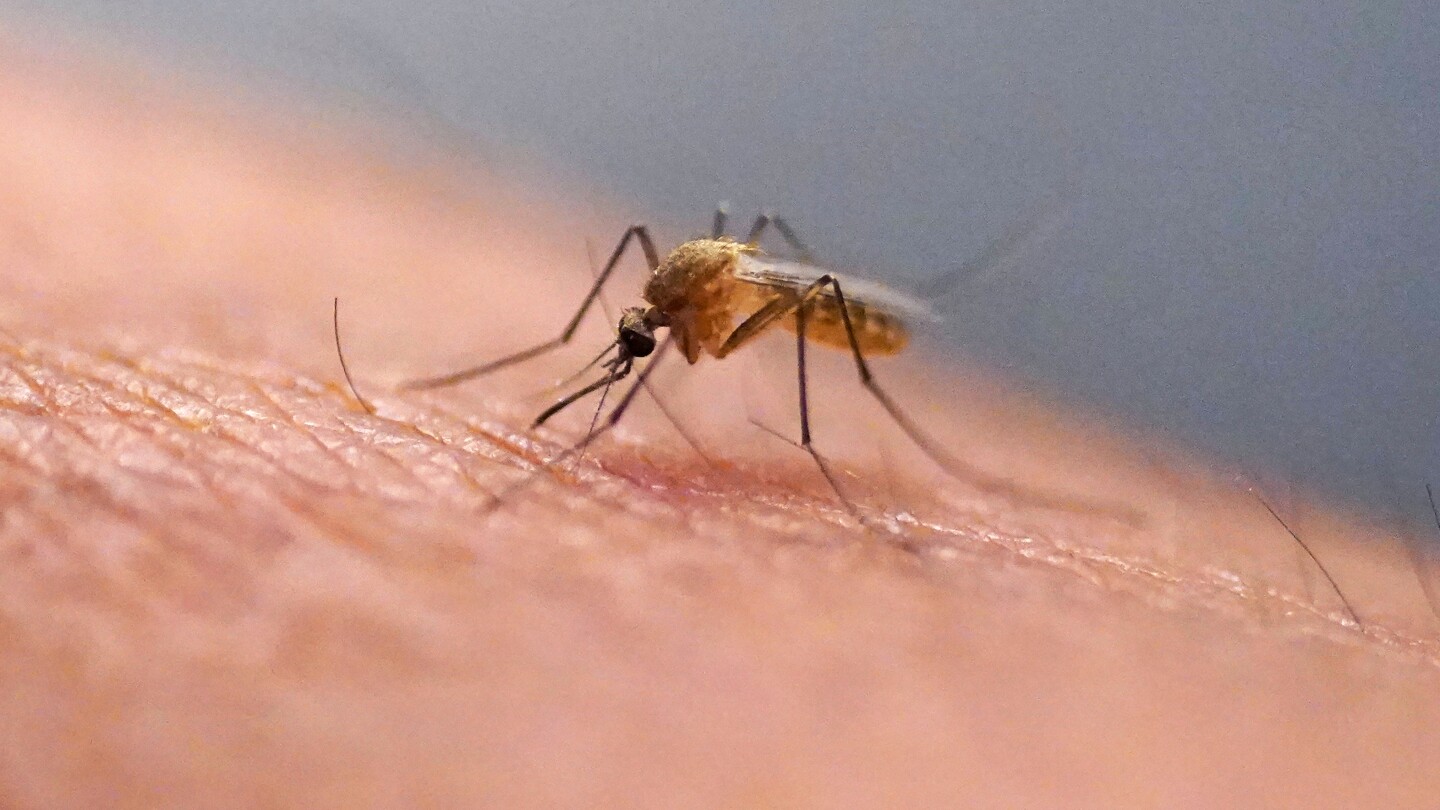
What is the chikungunya virus now transmitted in the US for the first time in years?
A resident of New York’s Long Island suburbs has tested positive for chikungunya, a mosquito-borne virus typically prevalent in South America. This marks the first locally acquired case in the U.S. mainland since 2015, raising concerns among health officials. The patient, who began experiencing symptoms in August, had recently traveled within the country but not internationally. While the exact location of the mosquito bite remains unclear, the virus has not been detected in local mosquito populations, and it is not transmitted directly between humans. Chikungunya, first identified in Tanzania in 1952, derives its name from the Makonde language, meaning “that which bends up,” due to the severe joint pain it can cause. Symptoms include fever, muscle pain, nausea, fatigue, and rash, with rare cases leading to prolonged joint pain or organ damage. Although severe cases and fatalities are uncommon, they primarily affect infants and the elderly with underlying health conditions. There is no specific treatment for chikungunya, but symptom management includes fever reducers and pain relievers. Two vaccines are approved in regions like Europe and Brazil but are not widely available in highly affected areas. Globally, chikungunya outbreaks have surged since 2000, with over 317,000 cases and 135 deaths reported in 2024 alone, primarily in Brazil, Bolivia, Argentina, and Peru. Health officials attribute the rise in mosquito-borne diseases like chikungunya, dengue, and Zika to climate change and urban expansion. In New York, the Aedes albopictus mosquito, known to transmit the virus, is present in downstate areas, though current cooler temperatures reduce transmission risks. The CDC has recorded 199 travel-related cases in 2024, highlighting the need for vigilance in mosquito prevention measures.
-

Brazilian club Botafogo in court for $21M transfer fee dispute with Atlanta United and FIFA
South American champions Botafogo, owned by American businessman John Textor, have escalated a financial dispute with Major League Soccer club Atlanta United to the Court of Arbitration for Sport (CAS). The Brazilian club is contesting FIFA’s order to pay a $21 million transfer fee for Argentina attacker Thiago Almada, a 2022 World Cup winner. The hearing took place on Wednesday, though no verdict deadline has been set. FIFA’s ruling revealed that Botafogo failed to make the first two installment payments of $3 million each in July and September 2023, leading to default notices from MLS. The Brazilian club had requested additional time to resolve the issue, but FIFA imposed a $150,000 fine and $25,000 in legal costs, citing Botafogo’s history of previous sanctions as an aggravating factor. FIFA also set a 45-day deadline for Botafogo to settle its debts or face a ban on registering new players. Almada, who played for Argentina in the 2022 World Cup and now represents Atletico Madrid, was transferred to Botafogo in June 2023 in a record-breaking MLS deal. After helping Botafogo win the Copa Libertadores, Almada was loaned to Lyon, another club owned by Textor, in January 2024. Lyon’s financial instability nearly led to their demotion from Ligue 1, but they secured a Europa League spot, indirectly affecting Crystal Palace’s UEFA competition status due to ownership integrity rules. Palace’s appeal to CAS to overturn their demotion to the Conference League was unsuccessful.
-
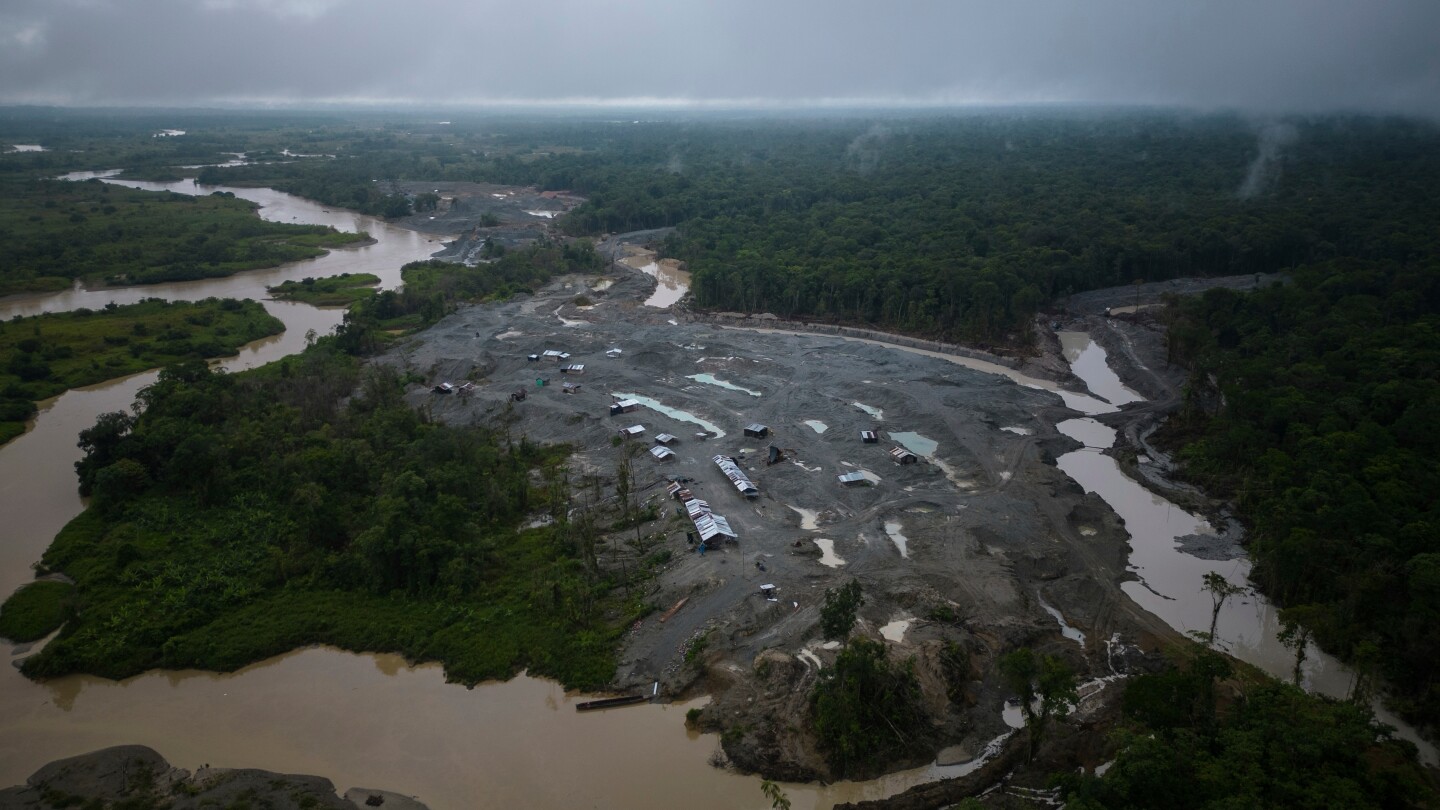
UN warns Colombia over mercury contamination in Atrato River, calls crisis a human rights emergency
The United Nations has issued a stark warning about the escalating human rights crisis in Colombia’s Atrato River basin, caused by mercury contamination from illegal gold mining. In a public letter released on Tuesday, three UN Human Rights Council special rapporteurs expressed deep concerns over the Colombian government’s inadequate compliance with a 2016 Constitutional Court ruling that recognized the Atrato River as a legal entity entitled to protection and restoration. Marcos Orellana, the UN special rapporteur on toxics and human rights, highlighted the persistent failure to enforce the court’s decision, attributing the problem to organized crime, corruption, and the smuggling of mercury and gold. The Atrato River, a vital waterway spanning nearly 500 miles through Colombia’s biodiverse Choco region, sustains Afro-Colombian and Indigenous communities reliant on fishing and farming. However, toxic pollution from illegal mining has severely threatened their health, livelihoods, and cultural practices. Orellana revealed that over a third of the population in the Atrato watershed has been exposed to mercury levels exceeding World Health Organization limits, posing risks of neurological damage, organ failure, and developmental disorders. The UN urged Colombia to take immediate action to curb illegal mining, clean up polluted areas, and provide medical care for affected communities. Despite the 2016 ruling being hailed as a landmark in environmental law, political turnover, funding shortages, and alleged corruption have hindered its enforcement. The UN also called for stronger international mercury controls under the Minamata Convention, emphasizing the need to address cross-border trade gaps. Orellana stressed that meaningful progress would require reducing the scale of illegal mining and ensuring communities have access to specialized healthcare and exposure reduction guidance. The Colombian government has yet to respond to the UN’s letter, which was sent over 60 days ago. The situation underscores the urgent need for sustained institutional commitment to protect human rights and the environment.