
In an extraordinary feat of endurance and determination, British adventurers Jess Rowe and Miriam Payne successfully rowed from Peru to Australia, completing the six-month journey entirely unsupported. The duo shared their remarkable story with the BBC, detailing how they sustained themselves by catching fish and cultivating their own vegetables during the arduous expedition. Their journey, which spanned thousands of miles across the Pacific Ocean, stands as a testament to human resilience and the spirit of adventure. Rowe and Payne’s accomplishment not only highlights their physical and mental fortitude but also underscores the importance of self-reliance and innovation in extreme conditions. This remarkable achievement has captured global attention, inspiring countless individuals to push the boundaries of what is possible.
标签: South America
南美洲
-
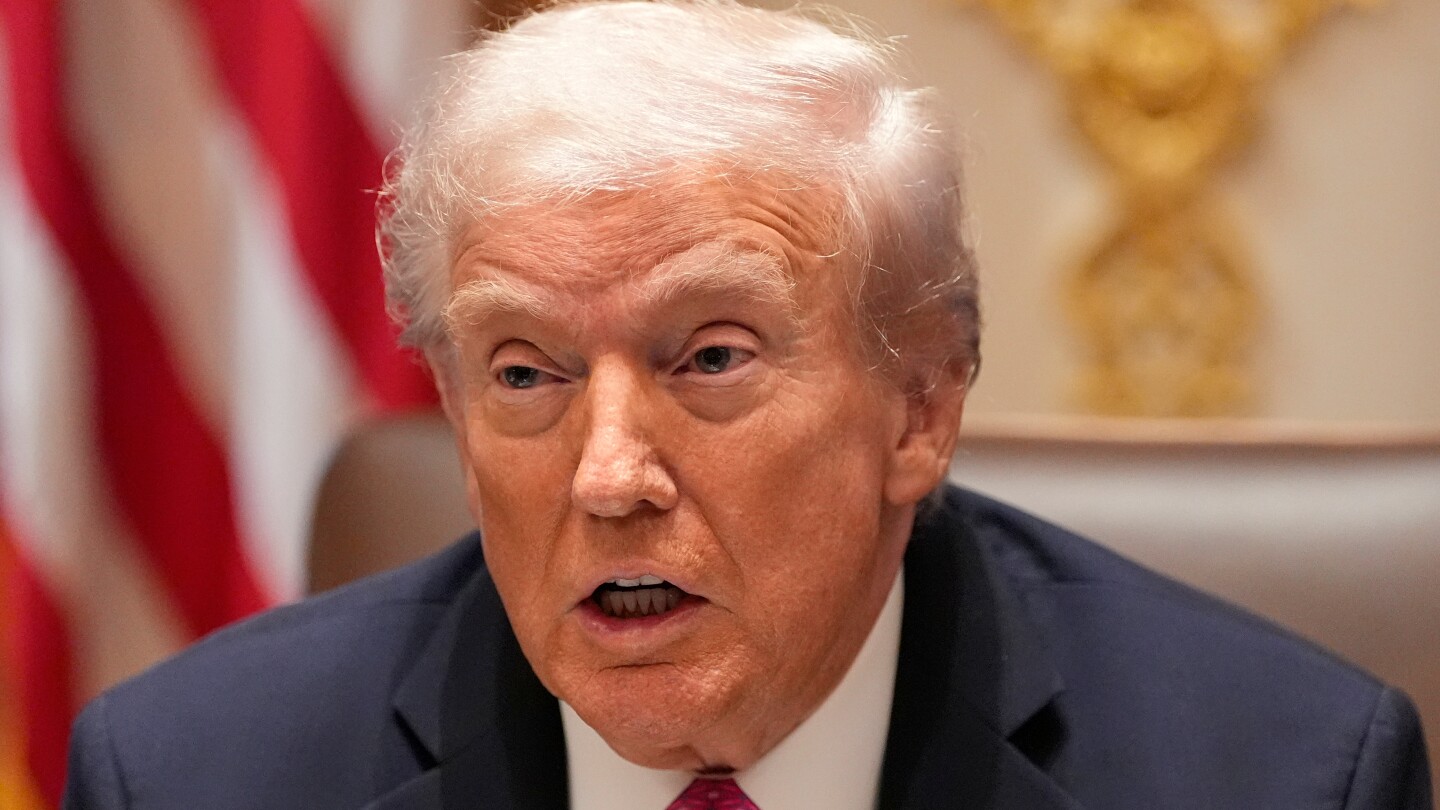
US has seized survivors after strike on suspected drug-carrying vessel in Caribbean, AP sources say
In a significant escalation of its anti-narcotics operations, the United States military launched a strike on a suspected drug-carrying submarine in the Caribbean, marking the first instance of survivors being captured since President Donald Trump initiated these aggressive measures last month. The strike, confirmed by Trump during a meeting with Ukrainian President Volodymyr Zelenskyy at the White House, targeted a vessel allegedly designed for transporting large quantities of drugs. Secretary of State Rubio acknowledged the presence of survivors but deferred detailed comments pending further investigation. This operation brings the death toll from the Trump administration’s military actions in the region to at least 28. The survivors, now in U.S. custody aboard a Navy vessel, face an uncertain legal future, with questions arising about their status as prisoners of war or criminal defendants. The administration has justified these strikes under the legal authority used in the post-9/11 war on terror, though some legal experts have raised concerns about the legality and international implications of such actions. The strikes have also sparked bipartisan unease in Congress, with lawmakers demanding more transparency and oversight. Meanwhile, reports suggest Venezuelan President Nicolás Maduro has attempted to negotiate with the U.S. by offering stakes in Venezuela’s oil and mineral wealth, though these overtures have been rejected by the White House.
-

El Salvador’s president seeks help in caring for country’s thousands of stray dogs and cats
In a bold move to address El Salvador’s stray animal crisis, President Nayib Bukele has launched a new initiative aimed at transforming the plight of thousands of homeless cats and dogs. Known for his decisive actions against gang violence, Bukele is now turning his attention to a softer yet persistent issue plaguing the nation. On October 8, he took to social media platform X to call for expert partnerships, emphasizing the need for a humane and sustainable solution that could serve as a model for Latin America.
San Salvador, like many cities across the region, struggles with a visible overpopulation of stray animals. These animals often roam the streets, scavenging for food and water, while many suffer from malnutrition, illness, or injuries. Bukele’s administration has already made strides in animal welfare, including the establishment of the region’s first public veterinary hospital, Chivo Pets Hospital, which offers services for a nominal fee of 25 cents or its equivalent in Bitcoin. Additionally, in 2021, animal abuse was criminalized, with offenders facing prison sentences of two to four years and fines.
However, the scale of the problem remains daunting. Rafaela Pérez of the Good Fortune Rescue shelter in Zacamil highlighted the urgent need for action, noting that the number of abandoned animals far exceeds what is reported on social media. Patricia Madrid of Fundación Gratitud, an organization dedicated to spaying, neutering, and caring for strays, echoed this sentiment, expressing hope for collaboration with the government to amplify their efforts.
Bukele’s call for assistance has garnered international attention, with Thailand-based social media influencer Niall Harbison offering his support. Harbison, who is on a mission to save stray dogs globally, expressed enthusiasm for partnering with El Salvador to create a replicable model for public-private collaboration in animal welfare.
While the funding for this ambitious project remains unclear, Bukele has previously leveraged unconventional resources, such as Bitcoin earnings, to finance public initiatives. As El Salvador faces mounting debt and economic challenges, the success of this endeavor will depend on strategic partnerships and innovative solutions.
-
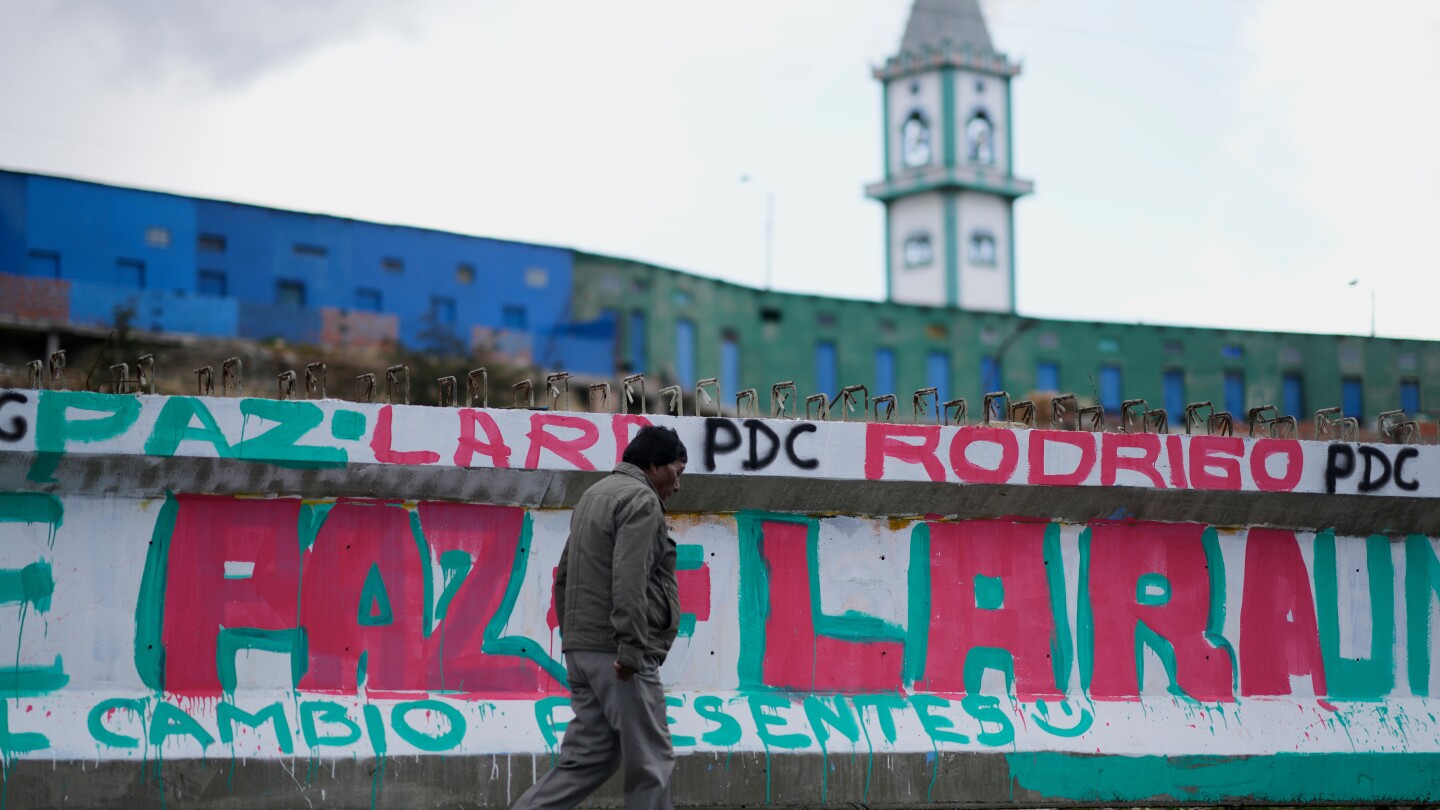
After years of socialist rule, Bolivia’s presidential runoff tests how far and fast it veers right
Bolivia, after nearly two decades of dominance by the Movement Toward Socialism (MAS) party, is witnessing a significant political shift to the right. This change comes in the wake of a severe economic crisis, marked by a collapsing currency, fuel shortages, and widespread public discontent. The recent presidential runoff, held on Sunday, features two conservative, business-friendly candidates, signaling a stark departure from the leftist policies of former President Evo Morales. The MAS party, which has ruled since 2005, suffered a dramatic decline in support in the August 17 elections, barely retaining its legal status as Bolivians expressed a strong desire for change. The incoming president faces the immediate challenge of stabilizing the economy by attracting foreign investment, addressing fuel shortages, and implementing fiscal reforms. Jorge ‘Tuto’ Quiroga, a right-wing former president, advocates for an IMF bailout and stringent fiscal adjustments. His rival, centrist senator Rodrigo Paz, proposes legalizing the black market, phasing out subsidies, and encouraging Bolivians to repatriate their dollars. Amid the worst economic crisis in four decades, many voters remain skeptical about the candidates’ ability to deliver meaningful change. The election outcome will determine the pace and extent of Bolivia’s political and economic transformation, with significant implications for its international relations, particularly with the U.S., China, and Russia.
-

After winning Trump’s $20 billion, President Milei must win votes as Argentine industry reels
The once-bustling textile mill of the Galfione Group in southern Buenos Aires now stands eerily quiet. Luciano Galfione, the owner, walks through the factory, reminiscing about the days when 200 employees operated state-of-the-art machinery to produce fabrics for Argentina’s middle class. Today, only a handful of workers remain, spooling yarn and dyeing cloth. The factory’s operations have been slashed by 80%, and half the staff has been laid off or suspended. Galfione is now dipping into his personal savings to keep the 78-year-old family business afloat. This grim scenario is emblematic of Argentina’s broader economic crisis, exacerbated by President Javier Milei’s austerity measures and free-market reforms. Since Milei took office nearly two years ago, over 17,600 businesses, including 1,800 manufacturers and 380 textile companies, have shut down, according to Fundación Pro Tejer, a nonprofit representing textile manufacturers. The crisis has been fueled by falling domestic orders, surging competition from cheap imports, and reduced consumer spending due to higher unemployment and lower wages. As Argentina approaches midterm elections on October 26, widely seen as a referendum on Milei’s policies, the textile industry’s collapse highlights the broader challenges facing the nation. The economy has stagnated, manufacturing has been gutted, and consumer confidence has plummeted. Milei’s initial success in curbing inflation has been overshadowed by rising unemployment, stagnant wages, and increased costs for essentials like transportation and healthcare. The president’s reliance on high interest rates and central bank interventions to stabilize the peso has further eroded the competitiveness of Argentine industries. Meanwhile, the removal of trade barriers has flooded the market with cheaper foreign products, leaving local manufacturers struggling to compete. As Milei seeks financial support from the U.S., many Argentines remain skeptical about the potential benefits of foreign aid, emphasizing the need for domestic economic revival. The crisis has left thousands of workers unemployed, with families struggling to make ends meet. The future of Argentina’s economy remains uncertain, as the government grapples with the dual challenges of stabilizing inflation and fostering growth.
-
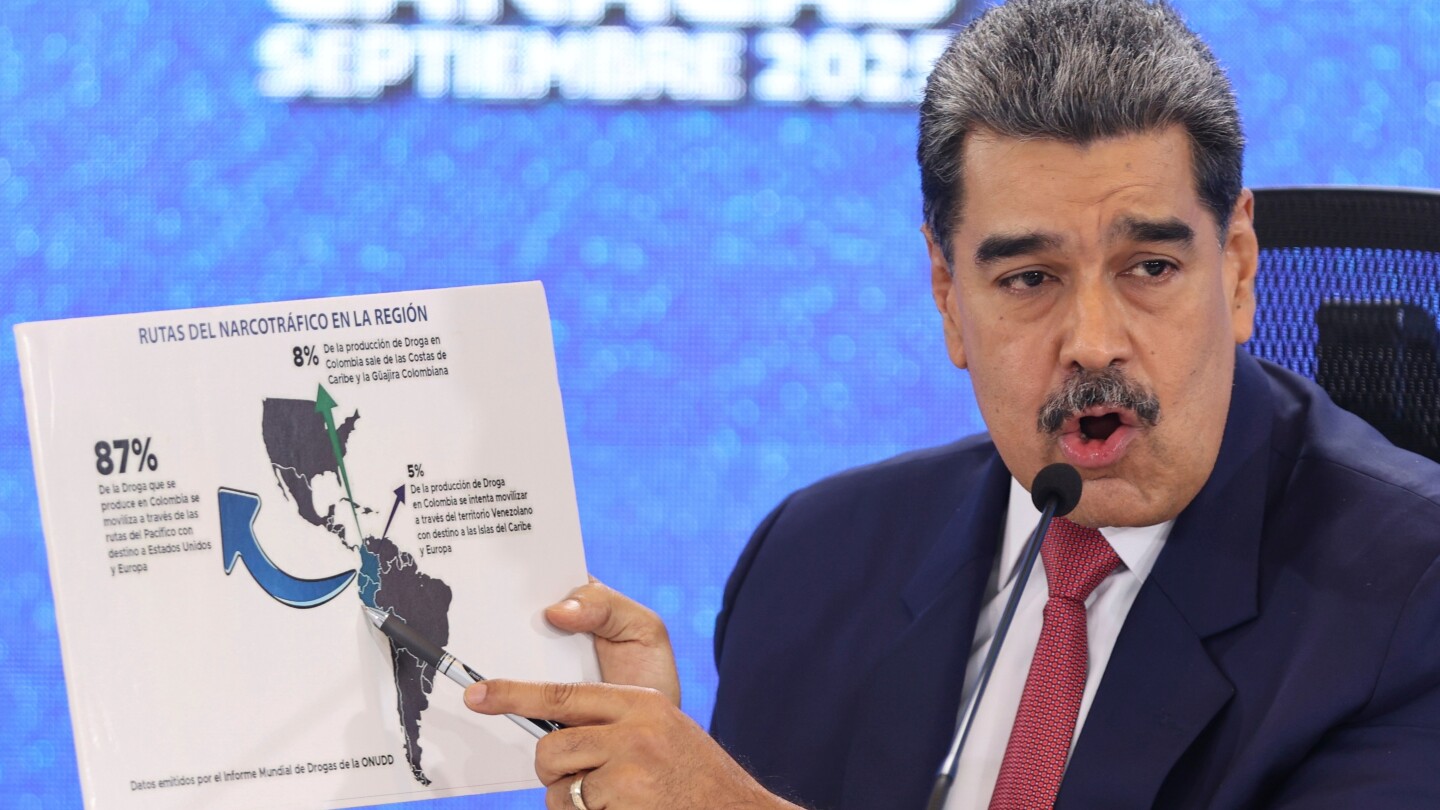
A war on drugs or a war on terror? Trump’s military pressure on Venezuela blurs the lines
The Trump administration’s approach to combating drug cartels in Latin America is drawing parallels to the post-9/11 war on terror, with legal scholars questioning the expansion of military power and its implications for international law. President Donald Trump has authorized military strikes against Venezuelan drug traffickers, relying on the same legal framework that justified lethal force against al-Qaida after the 2001 attacks. However, critics argue that this strategy stretches the boundaries of international law, particularly as the U.S. military targets groups primarily engaged in drug trafficking rather than terrorism. The administration has conducted at least five strikes, killing 27 people, without congressional approval or traditional legal investigations, raising concerns about the justification for these actions and their impact on U.S.-Latin American relations. Trump has also hinted at potential covert operations to oust Venezuelan President Nicolás Maduro, further escalating tensions. Legal experts, including Claire Finkelstein of the University of Pennsylvania, argue that labeling drug cartels as combatants in an ‘armed conflict’ undermines international law. Meanwhile, the U.S. intelligence community disputes claims that Maduro’s administration is orchestrating drug trafficking and illegal immigration. The administration’s focus on Venezuela overlooks the fact that most fentanyl, responsible for the majority of U.S. overdose deaths, is smuggled from Mexico. Despite calls for transparency, the Trump administration has yet to provide evidence to Congress proving the targeted boats were carrying narcotics. The International Criminal Court could investigate the strikes, but its efforts are hampered by internal issues and U.S. sanctions.
-
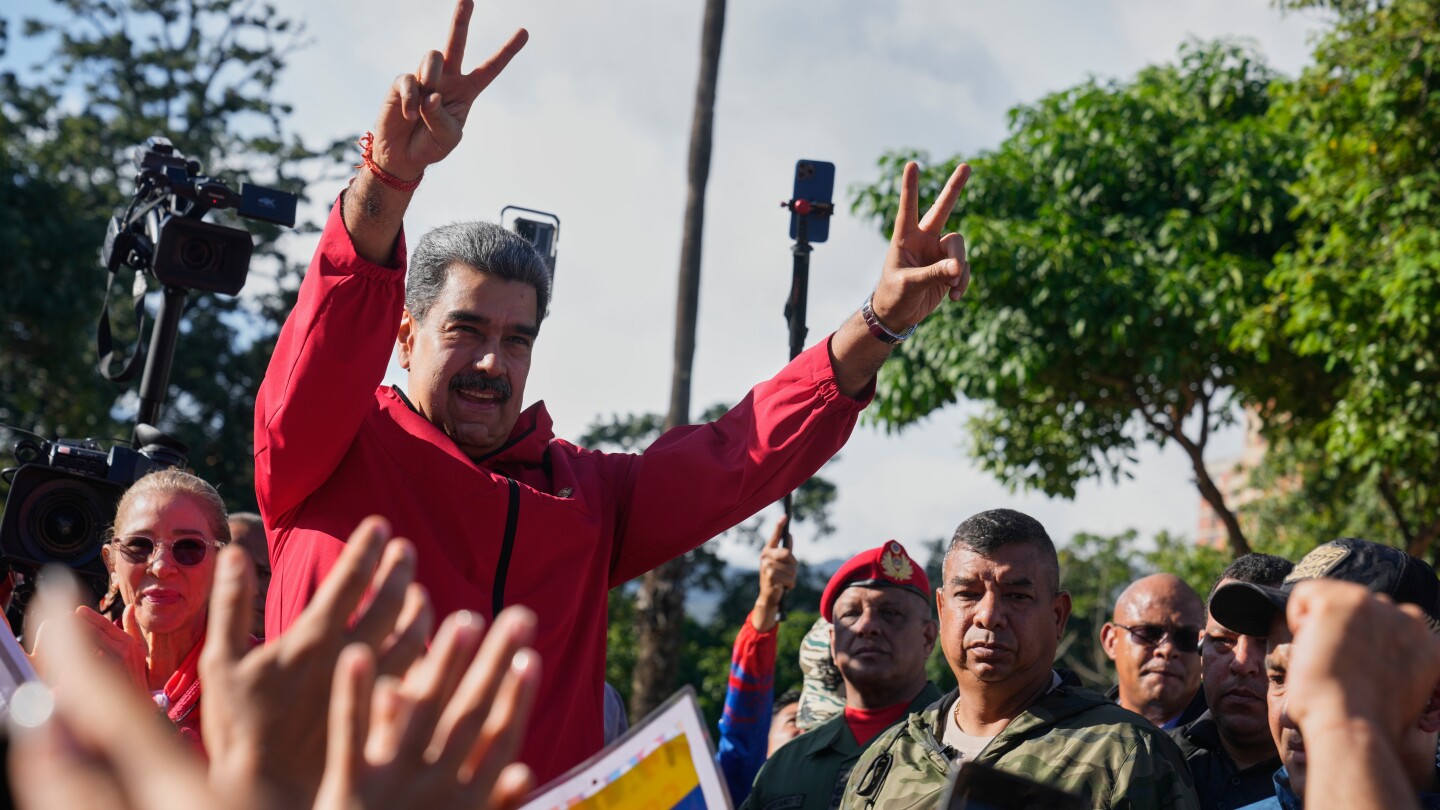
Venezuela floated a plan for Maduro to slowly give up power, but was rejected by US, AP source says
In a bid to alleviate escalating U.S. pressure, Venezuelan government officials have reportedly proposed a plan for President Nicolás Maduro to step down from power within three years, according to a former Trump administration official. The plan, which was swiftly rejected by the White House, suggests Maduro would hand over authority to Vice President Delcy Rodríguez, who would complete his current term until January 2031 without seeking re-election. The U.S. administration dismissed the proposal, citing ongoing concerns over the legitimacy of Maduro’s rule and accusations of Venezuela operating as a narco-terrorist state.
-
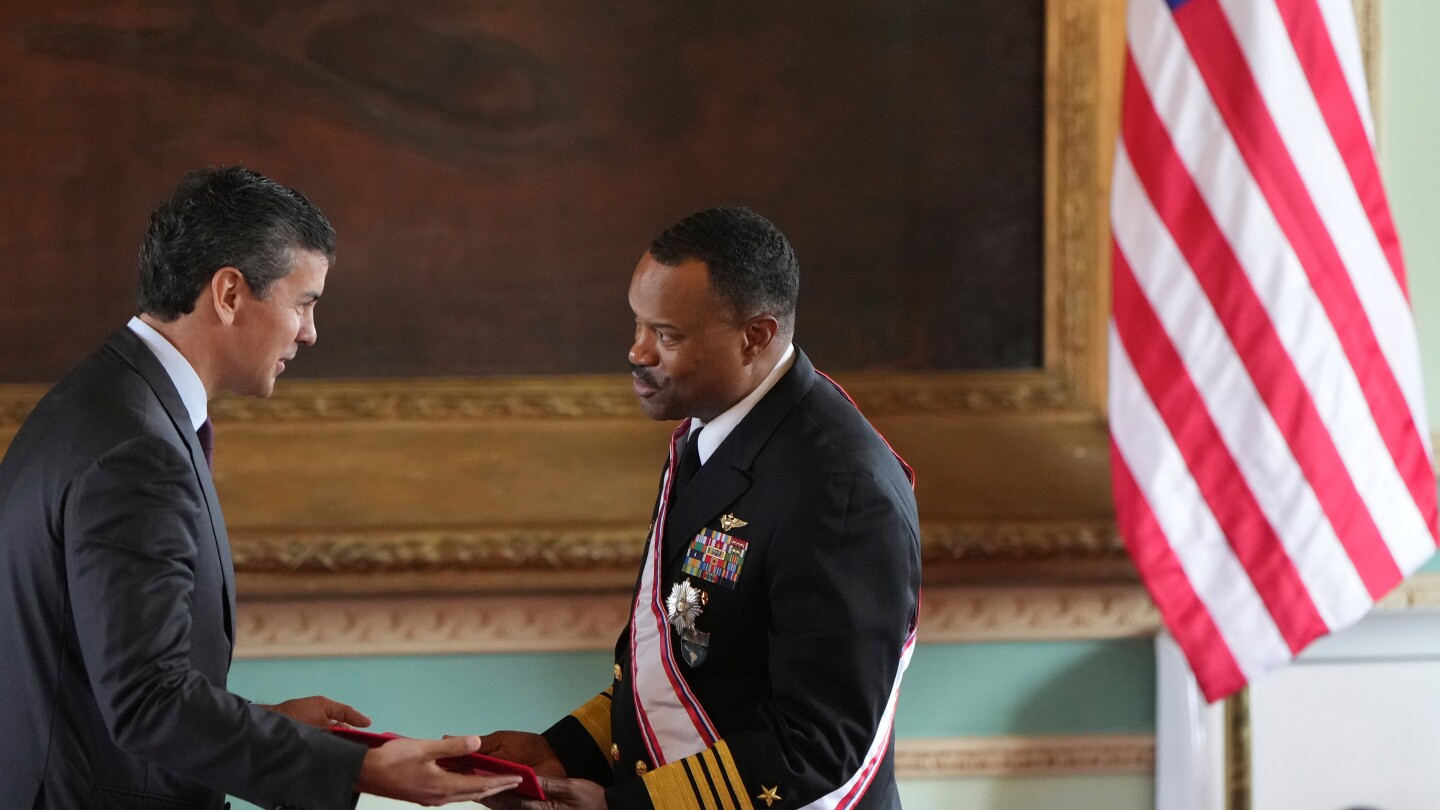
US commander overseeing fatal strikes against alleged drug boats off Venezuela will retire
Admiral Alvin Holsey, the head of U.S. Southern Command, has announced his retirement, set for December, following a tenure marked by contentious military operations in the Caribbean and off the coast of South America. Holsey, who assumed leadership in November, oversees a region that includes the Caribbean Sea and South American waters. His departure comes just two days after the U.S. military conducted its fifth deadly strike in the Caribbean against a small vessel accused of drug trafficking. The Trump administration has labeled alleged drug traffickers as ‘unlawful combatants,’ justifying the use of military force. This approach has sparked growing frustration on Capitol Hill, with Republicans demanding more information on the legal basis for the strikes, while Democrats argue they violate both U.S. and international law. In a statement on the command’s Facebook page, Holsey expressed pride in his 37 years of service, emphasizing the contributions of the SOUTHCOM team to national defense. Defense Secretary Pete Hegseth also praised Holsey’s dedication in a social media post, thanking him for his decades of service. The Pentagon has not provided further details, referring inquiries to Hegseth’s statement. The New York Times first reported Holsey’s retirement plans.
-
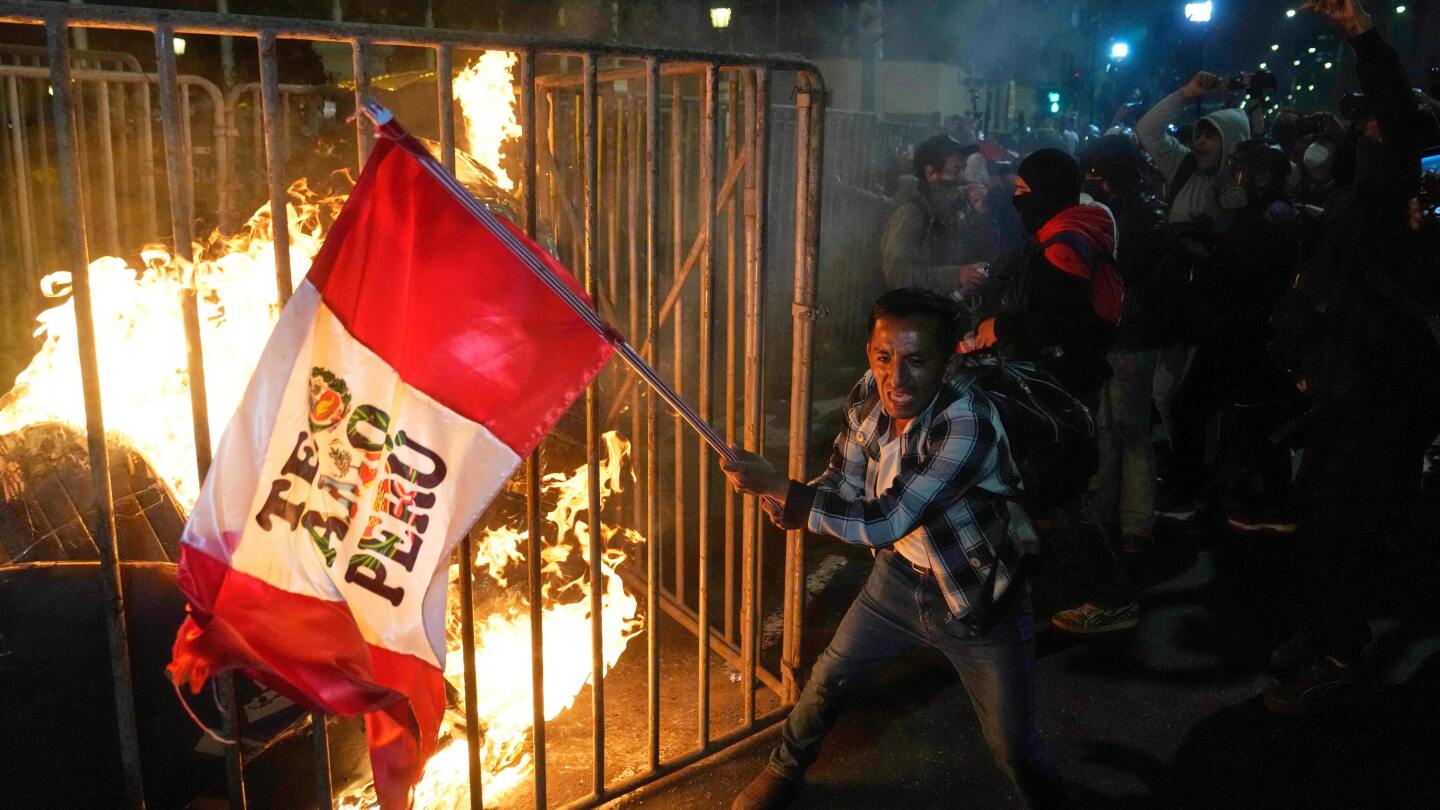
Gen Z protests in Peru leave at least 1 dead, 100 injured, prompting investigation
LIMA (AP) — Peru’s capital was engulfed in chaos as protests led by Generation Z activists turned violent overnight, resulting in at least one civilian death and over 100 injuries, including 80 police officers and 10 journalists. Authorities have launched investigations into the death of Eduardo Ruíz, a 32-year-old hip-hop singer and protester, who was reportedly shot during the mass demonstration. The incident has sparked outrage and accusations of human rights violations, with prosecutors ordering the collection of ballistic evidence and the removal of Ruíz’s body from a Lima hospital. The protests, which began a month ago over demands for better pensions and wages, have since expanded to address broader grievances, including rampant crime, corruption, and widespread disillusionment with the government. The unrest intensified following the swearing-in of Peru’s seventh president in less than a decade on October 10, with demonstrators calling for the resignation of the new president and several lawmakers. Witnesses claim the shooter responsible for Ruíz’s death was fleeing accusations of being a plainclothes police officer infiltrating the protests. The demonstrations reflect a global wave of generational discontent, with similar protests erupting in Nepal, the Philippines, Indonesia, Kenya, and Morocco. In Lima, 27-year-old electrician David Tafur joined the protests after learning about them on TikTok, expressing frustration over corruption and government violence. The protests also targeted José Jerí, the newly appointed president of Congress, who faces criticism for his alleged involvement in a rape case and his legislative support for laws perceived to weaken anti-crime efforts. The unrest underscores decades of frustration among Peruvians, who have grown increasingly cynical about their leaders’ inability to address systemic issues. Sociologist Omar Coronel noted that the protests have evolved from pension demands to encompass broader concerns about insecurity, state erosion, and corruption. The violent scenes evoke memories of earlier protests under former President Dina Boluarte, which resulted in 50 deaths. Protesters carried signs condemning abuse of power and corruption, with one woman holding a poster that read, “From a murderess to a rapist, the same filth.” Tafur summarized the sentiment, stating, “For me, it’s about outrage over abuse of power, corruption, and killings.”
-
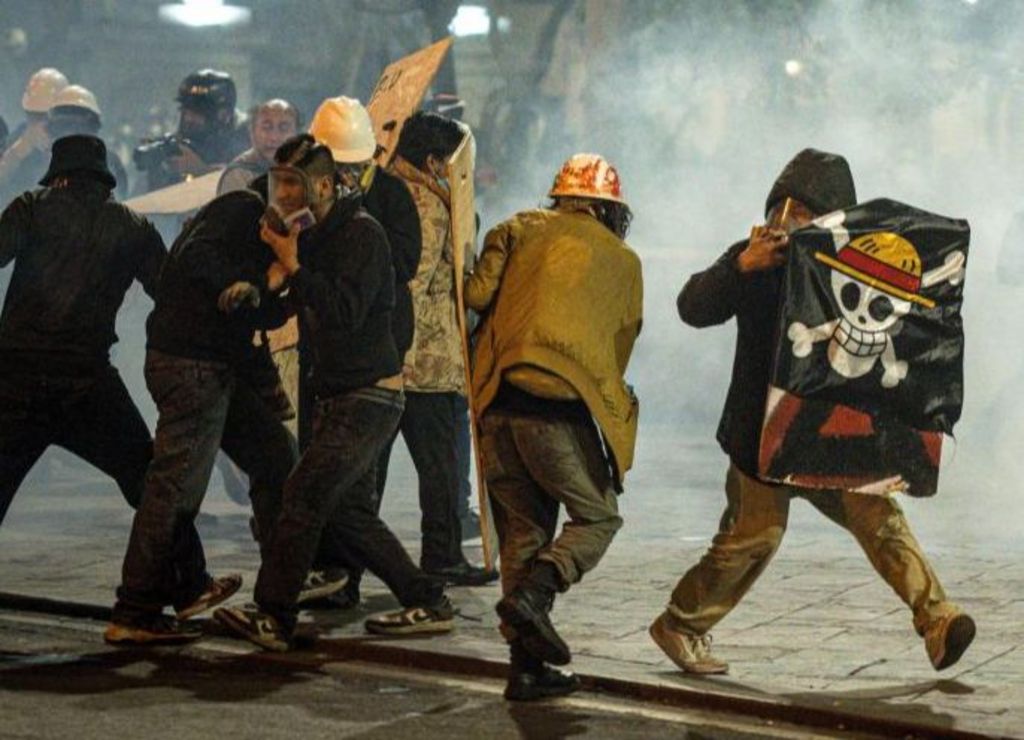
Clashes between police and Gen Z protesters in Peru leave one dead
Peru’s capital, Lima, witnessed violent confrontations between anti-government demonstrators and riot police, resulting in the death of a 32-year-old man and over 100 injuries, including numerous police officers. The unrest follows the swearing-in of interim President José Jerí, who assumed office after the impeachment of former President Dina Boluarte on grounds of ‘permanent moral incapacity’. The protests, led primarily by young Peruvians, demand stronger action against rampant crime and corruption. President Jerí condemned the violence, alleging that criminals had infiltrated the demonstrations to incite chaos, and pledged a thorough investigation into the protester’s death. Eduardo Ruiz Sáenz, a hip-hop artist, was identified as the deceased, with preliminary reports suggesting he died from a gunshot wound to the chest. Witnesses accused a plainclothes police officer of the shooting, though no official confirmation has been provided. The protests, which have spread across major cities, reflect widespread dissatisfaction with Peru’s political elite, whom demonstrators accuse of failing to address systemic issues. Jerí, a member of the conservative Somos Perú party, is Peru’s seventh president in eight years, highlighting the nation’s ongoing political instability. Protesters are calling for a ‘clean slate’ and demanding Jerí’s resignation in favor of an independent leader. The recent impeachment of Boluarte, whose popularity plummeted amid allegations of power abuse, has further fueled public anger. Analysts attribute the political shift to a recent armed attack on a band, which intensified calls for accountability. Boluarte remains in Peru, denying the allegations and awaiting investigations.