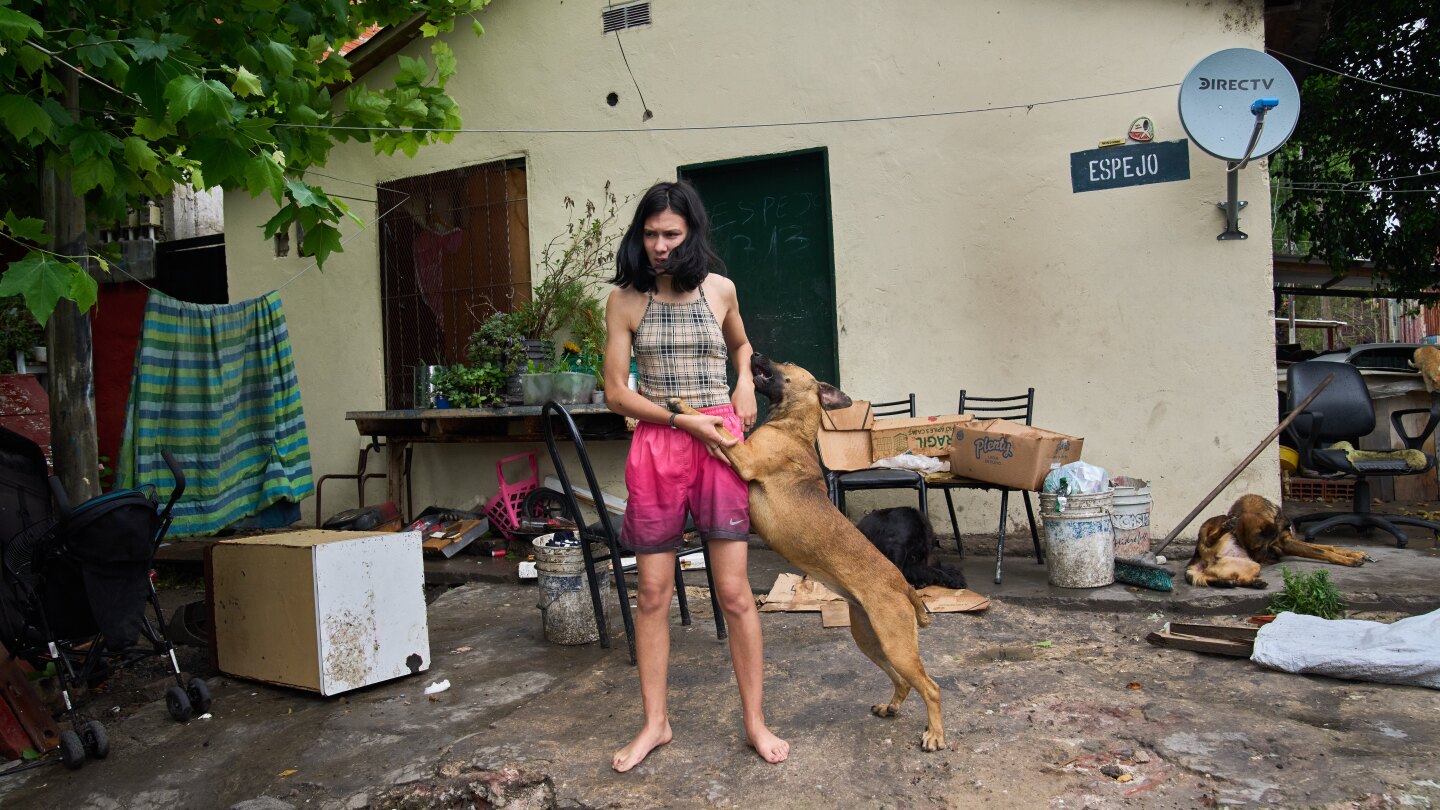
In the upscale Puerto Madero district of Buenos Aires, luxury car dealerships are thriving, and bankers are optimistic. This surge in economic activity follows President Javier Milei’s decision to lift import restrictions and end the ban on online dollar sales. Meanwhile, across the polluted Riachuelo River in Isla Maciel, Veronica Leguizamon struggles to feed her four daughters, relying on a local soup kitchen after Milei’s cuts to public subsidies and price controls on essential goods. ‘Before, we could choose what to cook,’ she lamented. ‘Now we depend on others to know if we’ll eat or not.’ This stark contrast highlights the deepening divide in Argentina as voters prepare for Sunday’s nationwide congressional midterms, a pivotal test for Milei’s libertarian government. While some praise his efforts to attract foreign investment and stabilize the economy, others suffer from the harsh realities of austerity. The election outcome could determine the future of Milei’s economic reforms and the Trump administration’s $40 billion financial rescue plan for Argentina. As the nation stands at a crossroads, the question remains: will Milei’s policies unite or further fracture a deeply polarized electorate?
标签: South America
南美洲
-

‘Brothers in the forest’ – the fight to protect an isolated Amazon tribe
Deep within the Peruvian Amazon, the Mashco Piro, one of the world’s largest uncontacted indigenous groups, face an existential threat. For over a century, this nomadic tribe has chosen isolation, relying on the rainforest for sustenance and survival. However, encroaching logging, mining, and external diseases are pushing them to the brink. Tomas Anez Dos Santos, a resident of the small village of Nueva Oceania, recounts his harrowing encounter with the Mashco Piro, who have increasingly ventured closer to human settlements due to deforestation. ‘Let them live as they live,’ he urges, echoing the sentiment of many villagers who feel both fear and respect for their forest-dwelling neighbors. A recent report by Survival International highlights the plight of 196 uncontacted groups globally, warning that half could vanish within a decade without stronger protections. The Peruvian government’s non-contact policy, aimed at safeguarding these vulnerable communities, is under strain as illegal activities and infrastructure projects threaten their habitat. In areas like the Manu River, where the Mashco Piro interact with a government-run control post, efforts to provide food and maintain distance have reduced conflict. Yet, the tribe’s desire to remain isolated is clear. As the world encroaches, the Mashco Piro’s struggle to preserve their way of life underscores the urgent need for conservation and respect for indigenous rights.
-

Brazil beats women’s European champions England 2-1 in a friendly
In a gripping encounter at Manchester, Brazil triumphed 2-1 over England in a women’s football friendly on Saturday. This marked England’s first match since their triumphant retention of the Women’s European Championship. Despite being reduced to 10 players early in the game, Brazil showcased resilience and tactical prowess to secure the win. Bia Zaneratto and Dudinha struck early goals, putting Brazil in a commanding position. The turning point came in the 21st minute when Brazil’s captain, Angelina, was sent off, offering England a glimmer of hope. Georgia Stanway capitalized on a second-half penalty, but it wasn’t enough to overturn the deficit. England’s spirited response saw Alex Greenwood and Stanway hitting the woodwork, but Brazil’s defense held firm. The match began with a celebratory atmosphere as England paraded their Euro 2025 trophy to a crowd of over 37,000. England will next face Australia on Tuesday, aiming to bounce back from this narrow defeat.
-
Grandmothers in Colombia get the quinceañera they never had
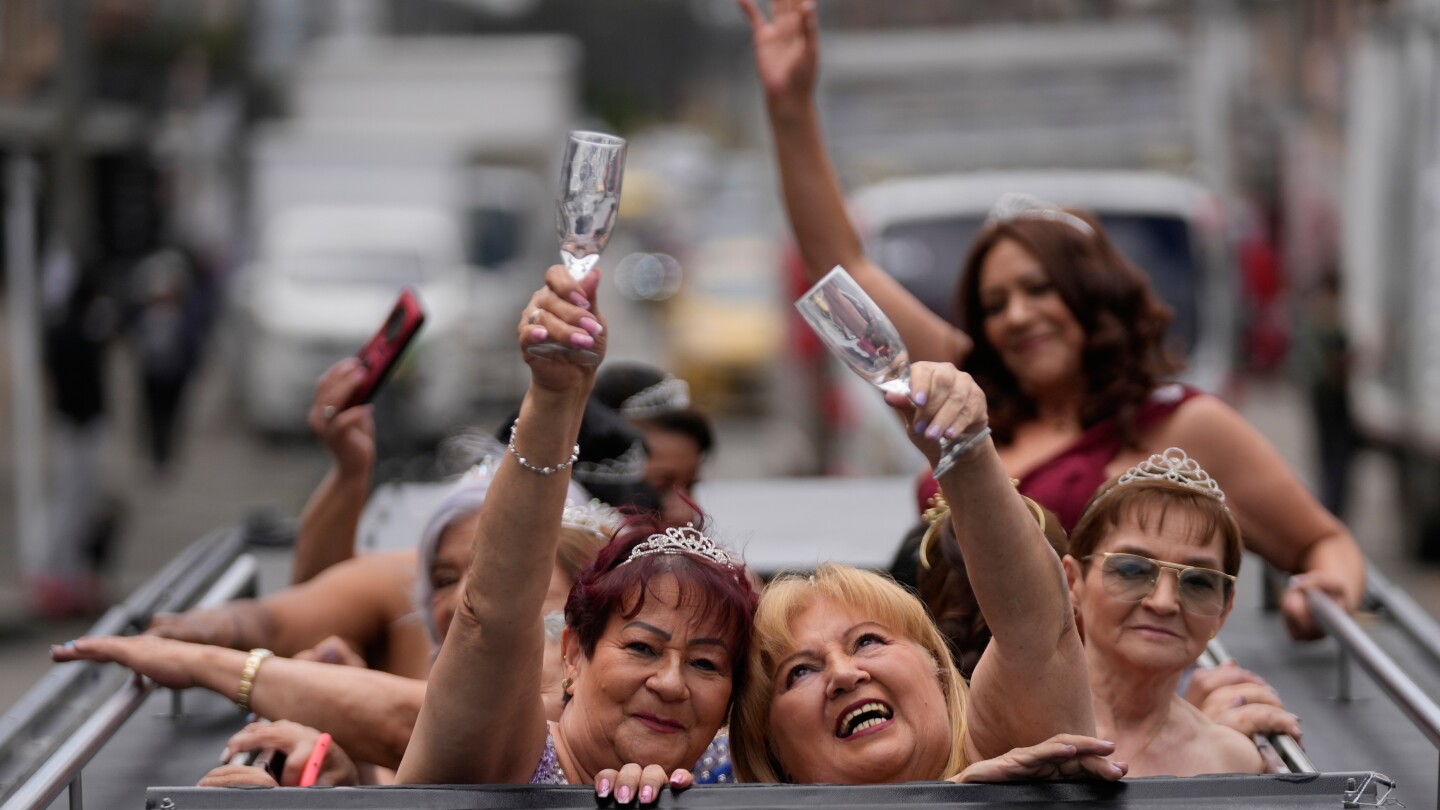
In a heartwarming celebration of resilience and joy, 72-year-old Rosalba Casas and 28 other women finally experienced their long-awaited quinceañeras in Bogotá, Colombia. Organized by the Sueños Hechos (Dreams Come True) Foundation, the event brought together women aged 60 to 85 who had missed this cherished Latin American tradition due to childhood hardships. For many, it was their first time wearing formal gowns, professional makeup, or riding in a limousine. The festivities included a red carpet entrance, a waltz, and emotional moments as the women danced with family members and police officers. The foundation, founded by retired police officer Freddy Alfonso Páez, initially focused on underprivileged girls but expanded to older women to honor those who never had the chance to celebrate their 15th birthdays. The event, supported by sponsors and local police, highlighted the deep inequalities in Colombia, where 31% of the population lives in poverty. Despite health challenges, the women embraced the celebration with laughter and gratitude, making it a day to remember.
-
US imposes sanctions on left-wing Colombian President Petro
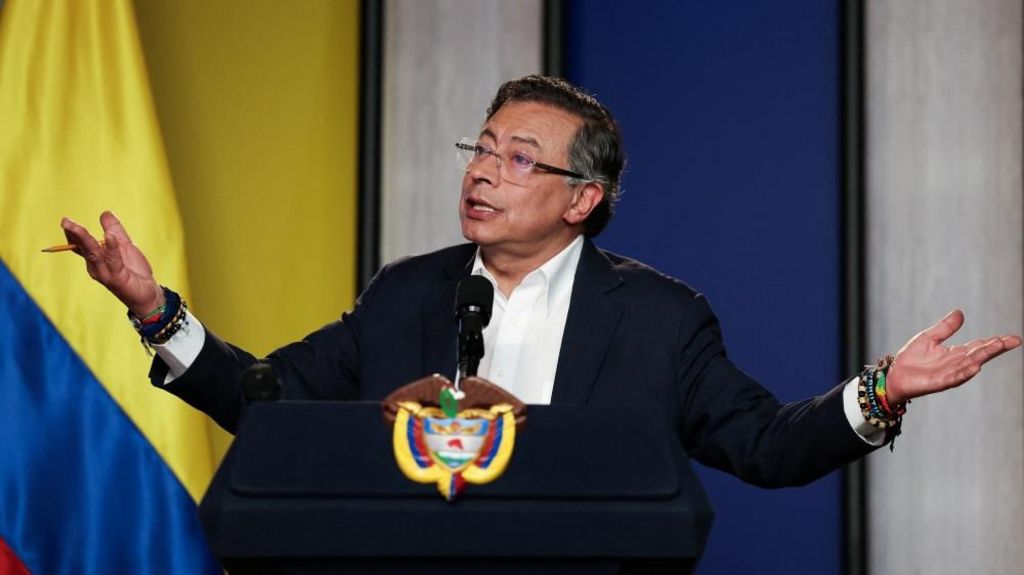
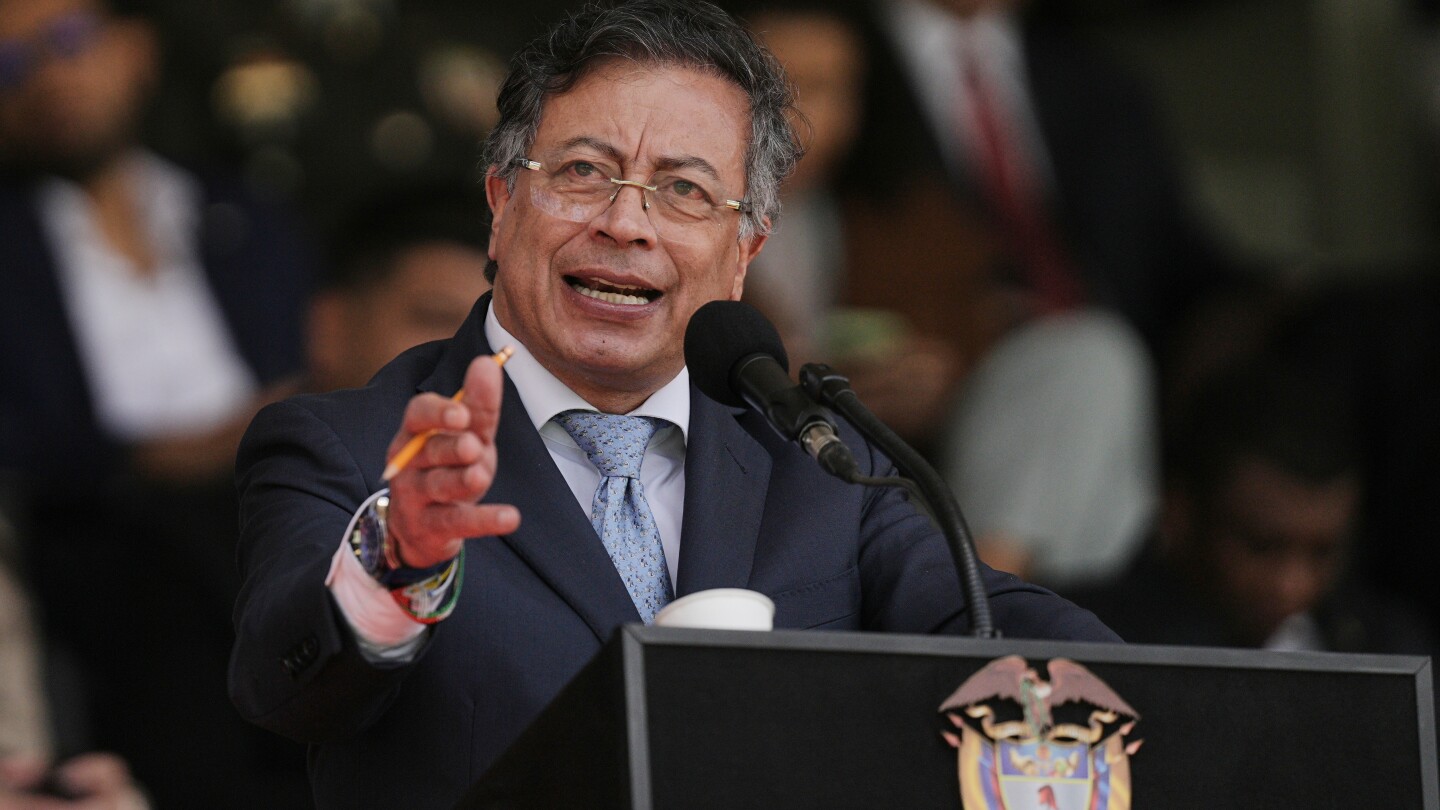
In a significant diplomatic escalation, the United States has imposed sanctions on Colombia’s left-wing President Gustavo Petro, accusing him of failing to combat drug trafficking effectively. US Treasury Secretary Scott Bessent stated that Petro has allowed drug cartels to thrive, leading to a surge in cocaine production that has ‘flooded the United States and poisoned Americans.’ Sanctions have also been levied against Colombia’s Interior Minister Armando Benedetti, Petro’s wife, and eldest son, freezing their US-based assets and properties. This move marks a sharp deterioration in relations between the two nations, which were once close allies in the war on drugs. Colombia previously received substantial military aid from the US, but tensions have escalated since former President Donald Trump returned to power. Petro, a former guerrilla leader, has vehemently denied the allegations, asserting on social media platform X that he has fought drug trafficking ‘for decades’ and aided the US in reducing cocaine consumption. He condemned the sanctions as a ‘complete paradox’ and vowed to stand firm. The US has also intensified military operations in the southern Caribbean, targeting vessels allegedly involved in drug trafficking, though evidence remains unsubstantiated. Trump recently suspended payments and subsidies to Colombia, further straining ties. Petro has criticized US airstrikes in the Caribbean as ‘acts of tyranny,’ accusing Washington of violating Colombian sovereignty. While sanctioning a head of state is rare, it is not unprecedented, with leaders from Russia, North Korea, and Venezuela previously facing similar measures.
-
US coffee prices spike due to tariffs and poor weather
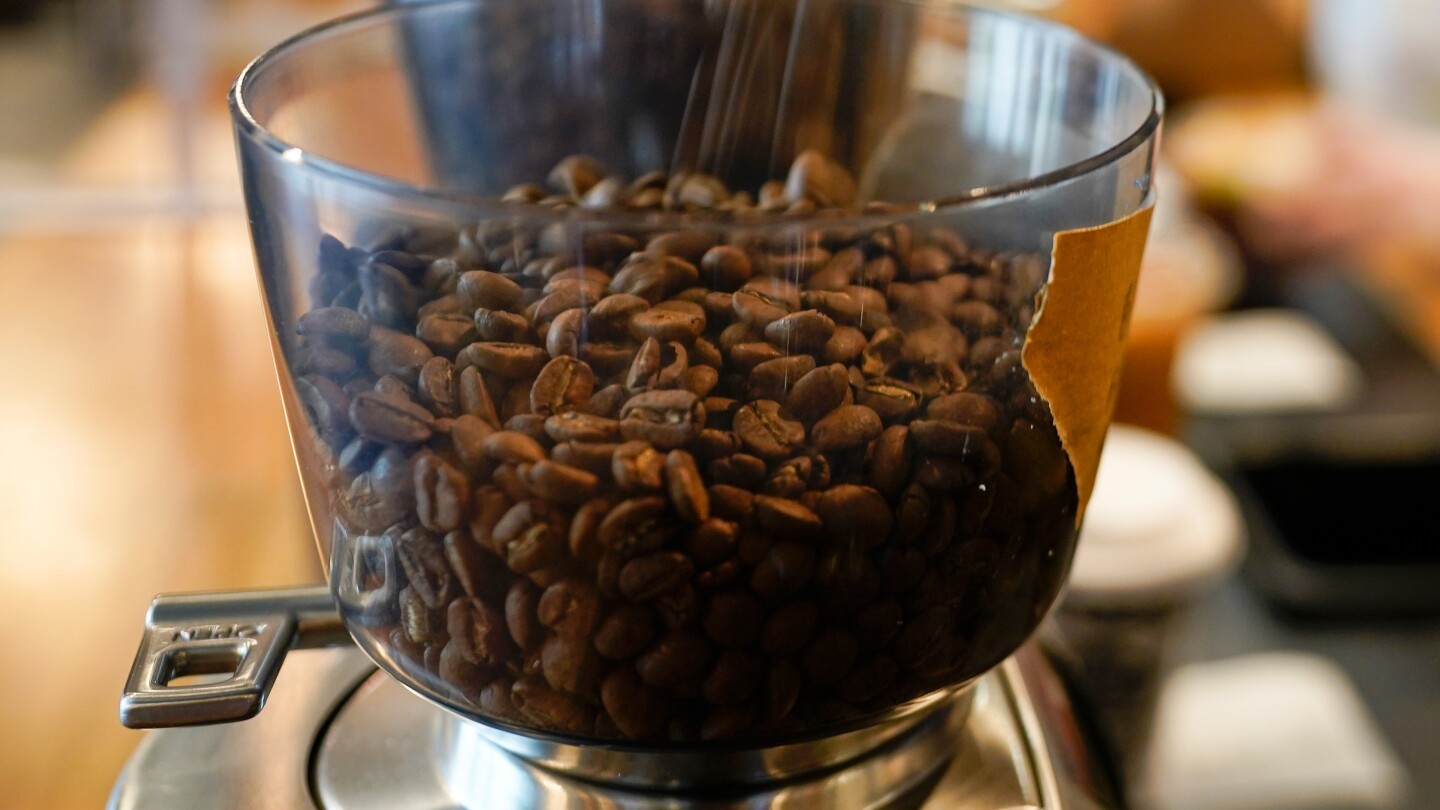
The cost of coffee in the United States has surged dramatically, with the average price of a pound of ground coffee reaching $9.14 in September, marking a 3% increase from August and a staggering 41% rise compared to September 2024. This upward trend has been consistent since the beginning of the year, driven by a combination of factors including tariffs, weather risks, and inflation. According to the U.S. Labor Department, consumer prices for food, both for home consumption and dining out, rose by 3% in September compared to the same period last year. The broader consumer price index for coffee products, including instant coffee, showed a 19% increase from September 2024, remaining steady from August. Nikki Bravo, co-owner of Momentum Coffee in Chicago, recently raised prices by approximately 15% across her four locations. She cited a 15% increase in the cost of coffee beans and additional expenses such as cups and sleeves. Bravo has started roasting more beans in-house to mitigate costs, sourcing most of her beans from Africa. The minimum wage increase in Chicago to $16.60 an hour has also contributed to rising operational costs. High inflation has left consumers hesitant to spend on luxuries like takeout coffee, with the average price of a regular coffee at U.S. restaurants rising to $3.54 in September from $3.45 a year earlier. The U.S. relies heavily on imported coffee, with 99% sourced from countries like Brazil, Colombia, and Vietnam. Tariffs imposed by the Trump administration, including a 40% tariff on Brazilian products, have disrupted supply chains, leading to reduced availability and higher prices. Weather conditions such as heat and drought have further impacted global coffee production, driving prices up by nearly 40% in 2024. In response, a bipartisan group of U.S. House members introduced a bill in September to repeal all tariffs on coffee, arguing that such measures harm consumers and lack economic rationale. Rep. Ro Khanna and Rep. Don Bacon, co-sponsors of the bill, emphasized the need for Congress to address the issue, highlighting the negative impact of tariffs on everyday Americans.
-
US imposes sanctions on Colombia’s president and family members over drug trade allegations
The Trump administration has imposed sanctions on Colombian President Gustavo Petro, his family, and a senior government official, accusing them of involvement in the global drug trade. This move marks a significant escalation in tensions between the U.S. and one of its closest allies in South America. The sanctions, announced by the Treasury Department, target Petro, his wife Veronica del Socorro Alcocer Garcia, his son Nicolas Fernando Petro Burgos, and Colombian Interior Minister Armando Alberto Benedetti. Treasury Secretary Scott Bessent stated that Petro has allowed drug cartels to thrive and failed to curb their activities, prompting President Trump to take decisive action to protect the U.S. from drug trafficking. The sanctions follow a series of clashes between the U.S. and Colombia, particularly over American military strikes on alleged drug-carrying vessels off South America. This week, the U.S. expanded its anti-drug operations to the eastern Pacific Ocean, a major cocaine smuggling route, and deployed an aircraft carrier to the region. Petro has vehemently denied the accusations, vowing to defend himself in U.S. courts and emphasizing his commitment to combating drug trafficking through alternative policies, such as agreements with coca growers to transition to legal crops. The U.S. has also slashed aid to Colombia, with expected cuts of at least 20%, or $18 million, and threatened tariffs on Colombian exports. Petro’s approach to drug policy, which focuses on addressing the root causes of drug production rather than repression, has drawn criticism from the Trump administration, which has intensified military operations in Latin America to target traffickers. The sanctions and aid cuts underscore the deepening rift between the two nations, with Petro accusing the U.S. of hypocrisy and vowing to resist pressure.
-

US says six killed in new strike on alleged drug boat in Caribbean
US Defense Secretary Pete Hegseth revealed on Friday that the United States has executed another targeted strike against a vessel allegedly linked to drug traffickers. The operation, conducted in the Caribbean Sea, targeted the Tren de Aragua criminal organization, resulting in the deaths of six individuals described as ‘narco-terrorists.’ This marks the tenth such strike since early September, as part of President Donald Trump’s broader campaign to combat drug trafficking. Hegseth shared a video on X, showcasing the operation, which depicts a boat being destroyed in a fiery explosion. While the Trump administration asserts its legal authority to conduct these strikes, concerns have been raised by members of Congress, including 25 Democratic senators who questioned the evidence justifying the attacks. Senator Rand Paul, a Republican, has argued that congressional approval is necessary for such actions. Trump, however, maintains that he has the authority to designate Tren de Aragua as a terrorist organization and order these strikes. The administration’s actions have also been interpreted as a strategic move to exert military pressure on Venezuelan President Nicolás Maduro, a long-time adversary of Trump. The latest strike brings the total death toll from these operations to at least 43.
-
Suitcase murderer jailed for at least 40 years
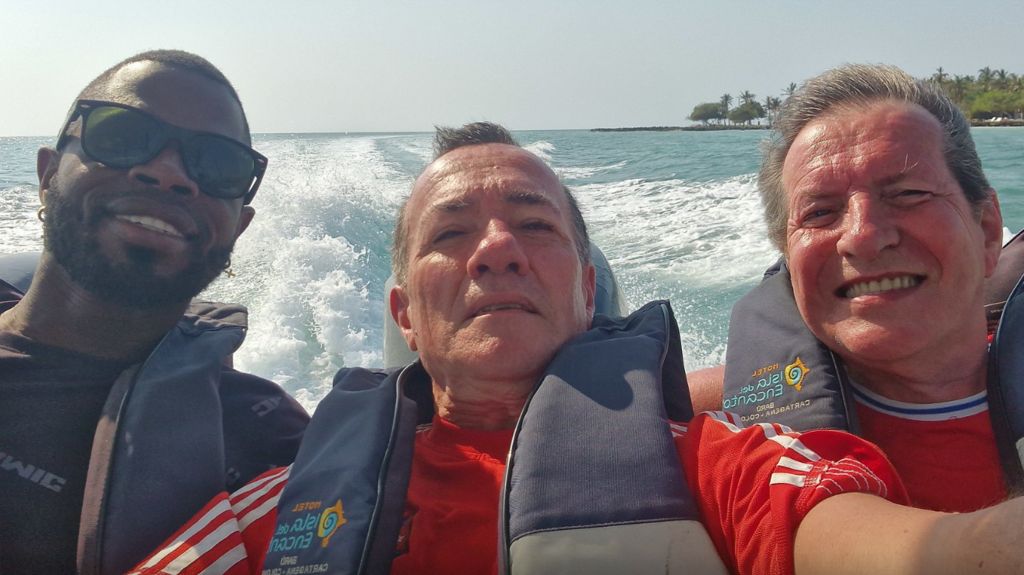
Yostin Mosquera, a 35-year-old Colombian national, has been sentenced to life in prison for the brutal murders of Paul Longworth and Albert Alfonso, whose dismembered remains were discovered in suitcases near Clifton Suspension Bridge in Bristol. The Woolwich Crown Court found Mosquera guilty in July 2024, and he was handed a minimum sentence of 40 years and 264 days by Judge Justice Bennathan, who described the crimes as ‘thoroughly wicked.’ Mosquera, who had denied the charges, showed no remorse during the sentencing, even smiling as he was led away from the courtroom. The court heard that Mosquera had decapitated and dismembered the victims at their Shepherd’s Bush flat in London before transporting their remains to Bristol. The murders occurred on July 11, 2024, during Mosquera’s second visit to the UK, which was funded by Mr. Alfonso. Mosquera had previously pleaded guilty to possessing indecent images of children, for which he received a concurrent 16-month sentence. The relationship between Mosquera and Mr. Alfonso was described as ‘transactional,’ with Mosquera receiving financial support and gifts in exchange for sexual videos. Despite Mosquera’s claims of being ‘raped every day’ by Mr. Alfonso, the court found no evidence to support his defense. The case has left investigators puzzled, particularly regarding Mosquera’s decision to transport the remains to Bristol, which exposed him to unnecessary risk.
-
Brazil’s Lula, 79, to seek fourth term as president
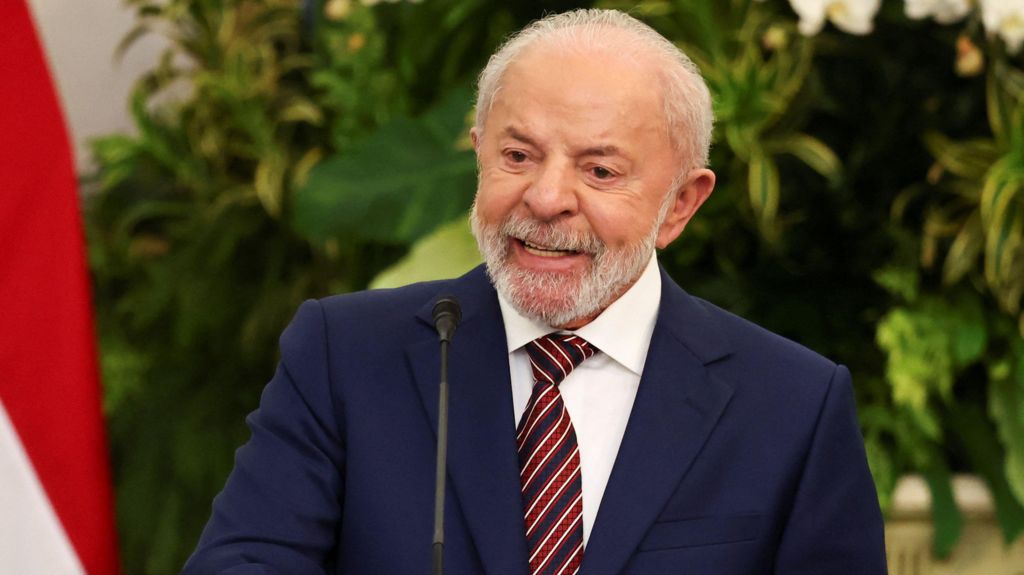
Brazilian President Luiz Inácio Lula da Silva has officially declared his intention to run for a fourth term in the 2026 presidential elections. The announcement, made during a state visit to Indonesia, comes despite Lula’s earlier indications that his 2022 campaign would be his last. Addressing reporters, the 79-year-old leader dismissed concerns about his age, stating, ‘I’m about to turn 80, but I have the same energy I had at 30. I will run for a fourth term in Brazil.’ This decision follows a challenging period for Lula, who has faced health issues during his current presidency, including a brain bleed that required surgery last December. Lula, Brazil’s oldest president upon inauguration, narrowly defeated right-wing incumbent Jair Bolsonaro in the 2022 election, winning by a slim 51% to 49% margin. Bolsonaro, now serving a 27-year prison sentence for attempting a military coup after his election loss, is unlikely to challenge Lula again. The former president’s imprisonment has sparked tensions with the U.S., leading President Donald Trump to impose a 50% tariff on Brazilian imports. However, Lula and Trump recently held a ‘friendly’ call to discuss reducing these tariffs, with a meeting scheduled for Sunday. Lula, who turns 80 on Monday, has a storied political career, including two terms as president from 2003 to 2011 and an 18-month imprisonment on corruption charges, which were later overturned. Brazil’s constitution limits presidents to two consecutive terms, but Lula’s previous terms do not disqualify him from running again. His announcement marks a significant moment in Brazilian politics as the nation prepares for the 2026 elections.