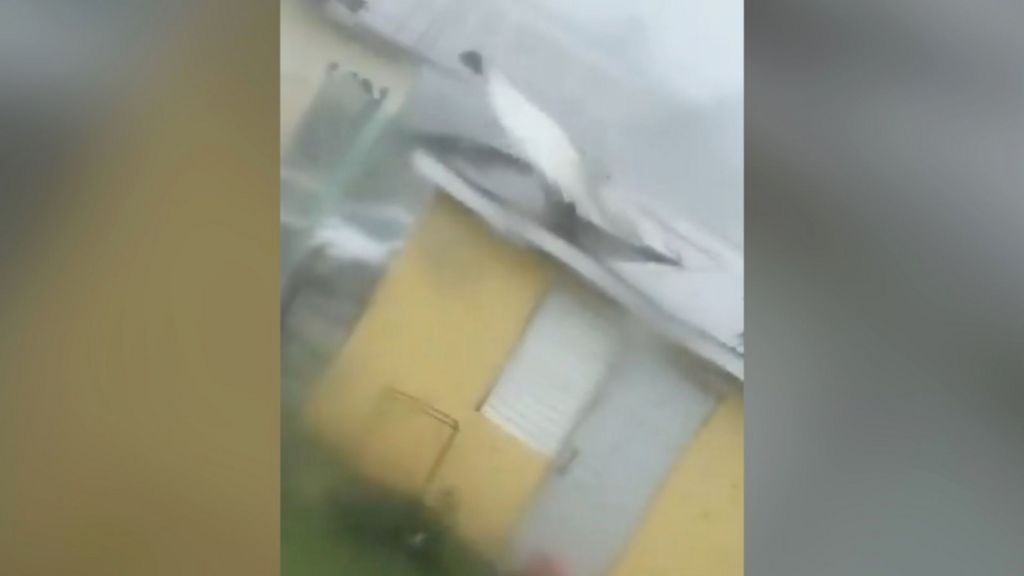
Hurricane Melissa has made landfall in Jamaica, unleashing powerful winds and dangerous storm surges. The hurricane is expected to bring waves reaching up to 13 feet (3.9 meters) above ground level, posing significant threats to coastal areas. The National Hurricane Center has warned of widespread destruction caused by flying debris and severe flooding. Emergency services are on high alert, urging residents to seek shelter and avoid unnecessary travel. This marks one of the most intense storms to hit the region this year, with experts emphasizing the importance of preparedness in the face of such extreme weather events. The impact of Hurricane Melissa is likely to disrupt daily life, damage infrastructure, and affect local economies for weeks to come.
标签: South America
南美洲
-
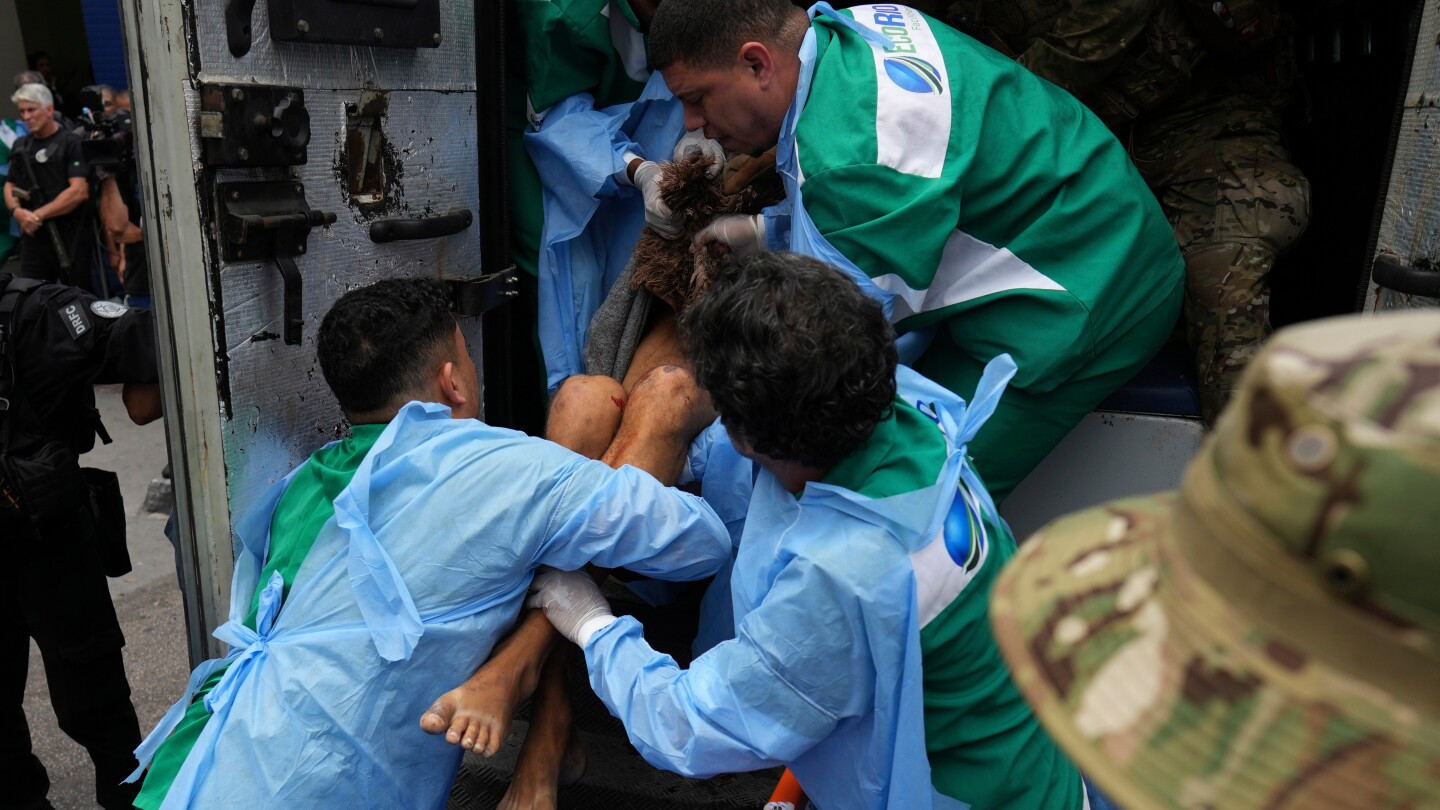
Huge Brazilian raid on Rio gang leaves at least 64 people dead and 81 under arrest
In a sweeping operation targeting the notorious Red Command drug-trafficking gang, approximately 2,500 Brazilian police and military personnel descended upon the impoverished favelas of Complexo de Alemao and Penha in Rio de Janeiro on Tuesday. The raid, described as one of the most violent in Brazil’s recent history, resulted in the deaths of at least 60 suspects and four police officers, with 81 arrests made. Authorities seized 93 rifles and over half a ton of drugs during the operation, which involved helicopters and armored vehicles. Rio’s state Governor Claudio Castro hailed the raid as the largest of its kind in the city’s history, asserting that those killed had resisted police action. However, the operation drew sharp criticism from human rights organizations, with the United Nations expressing horror and calling for thorough investigations into the deaths. César Muñoz of Human Rights Watch labeled the events a “huge tragedy” and urged the public prosecutor’s office to investigate each death. Social media footage depicted scenes of chaos, with fire and smoke rising from the favelas as gunfire echoed. The raid disrupted daily life, forcing the closure of 46 schools and prompting the Federal University of Rio de Janeiro to cancel night classes. In response, suspected gang members blocked roads and commandeered at least 70 buses, causing significant damage. The operation followed a year-long investigation into the Red Command, which has expanded its control over Rio’s favelas in recent years. While Governor Castro criticized the federal government for insufficient support in combating crime, Gleisi Hoffmann, a representative of President Luiz Inácio Lula da Silva’s administration, highlighted recent federal efforts against organized crime, including a crackdown on money laundering. Sociologist Luis Flavio Sapori criticized the operation’s lack of strategic depth, arguing that such raids fail to target the masterminds of criminal organizations and instead result in the deaths of replaceable underlings. The Marielle Franco Institute, a nonprofit advocating for favela residents’ rights, condemned the operation as a “policy of extermination” that endangers the lives of Black and poor communities.
-
How do hurricanes form and are they getting stronger?
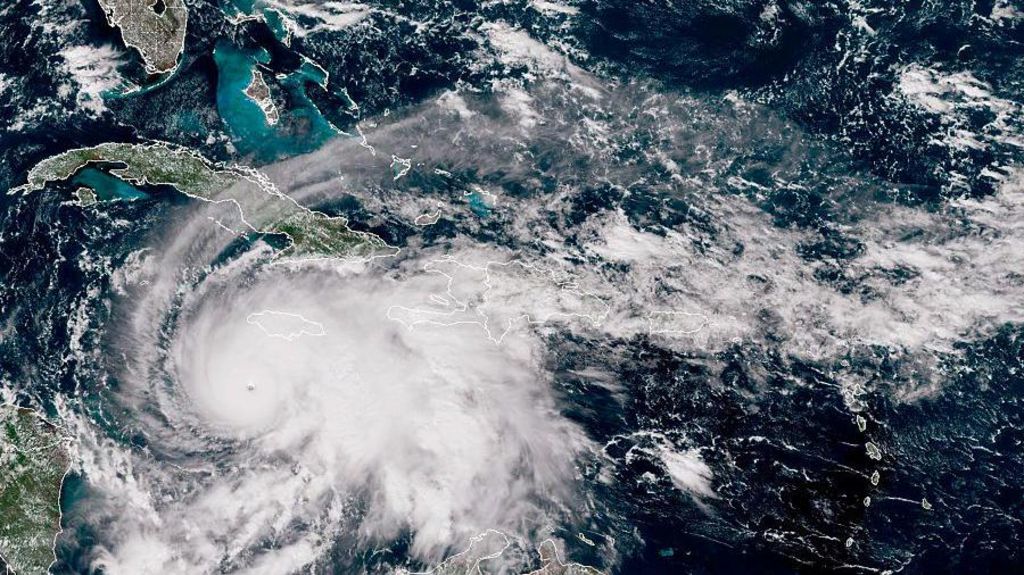
Hurricane Melissa, one of the most powerful Atlantic storms in history, has unleashed catastrophic conditions across Jamaica, prompting urgent warnings from the US National Hurricane Center. While climate change is not directly increasing the frequency of hurricanes, typhoons, and cyclones globally, it is amplifying their intensity. Warmer oceans and a heated atmosphere, both driven by climate change, are fueling higher wind speeds, heavier rainfall, and heightened risks of coastal flooding. This phenomenon is transforming already dangerous storms into even more destructive forces. Tropical cyclones, including hurricanes, are characterized by extreme wind speeds, torrential rains, and storm surges, which often result in widespread devastation. Although the global frequency of these storms has not risen over the past century, a growing proportion are reaching the most severe categories, with wind speeds exceeding 111 mph (178 km/h). The IPCC highlights ‘medium confidence’ in the increased average and peak rainfall rates linked to these storms, as well as a rise in ‘rapid intensification events,’ where wind speeds escalate dramatically. Additionally, tropical cyclones are moving slower across the Earth’s surface, prolonging rainfall and exacerbating flooding. For instance, Hurricane Harvey in 2017 stalled over Houston, dumping 100 cm of rain in just three days. Rising sea levels, driven by melting glaciers and thermal expansion of seawater, are further compounding the risks of coastal flooding. The IPCC concludes with ‘high confidence’ that human activities have contributed to increased precipitation in tropical cyclones and ‘medium confidence’ in their role in intensifying these storms. As global temperatures continue to climb, the proportion of category four and five hurricanes is expected to rise, underscoring the urgent need for climate action.
-
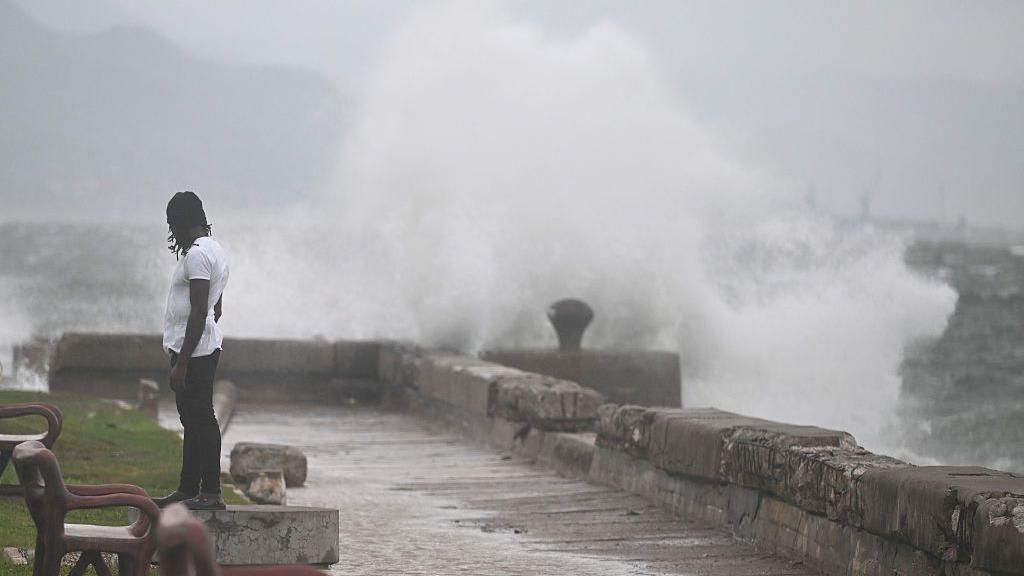
‘We’re absolutely terrified’: Millions brace for Melissa’s impact in Jamaica
Jamaica is on high alert as Hurricane Melissa, the strongest storm of the year, approaches its shores. With winds so fierce they can knock people off their feet, residents and tourists alike are bracing for what experts predict will be catastrophic and life-threatening conditions. The National Hurricane Center has issued dire warnings of torrential rainfall, deadly flash flooding, and landslides. Already, the storm has claimed lives in the Caribbean, including three in Jamaica and four in Haiti and the Dominican Republic. Mandatory evacuation orders have been issued for at least seven high-risk areas in the southeast, where critical infrastructure, including the international airport and power plants, is located. Power outages have left over 200,000 people without electricity, and thousands have sought refuge in government shelters. However, many are reluctant to leave their homes, opting instead to fortify them with plywood, sandbags, and tied-down shutters. Supermarkets are empty, and essentials like bread are scarce. Tourists, too, are feeling the strain, with airports closed and flights canceled, leaving many stranded. Rebecca Chapman, visiting for her 25th wedding anniversary, described the eerie quiet and the ominous roar from the sea. Tim Hookway, a British national in Montego Bay, noted the muted atmosphere, while Alex Baskeyfield, from West Yorkshire, recounted the extreme preparations at his hotel, where everything from ceiling fans to televisions has been removed. The Foreign Office has advised Britons in Jamaica to heed local authority advice, particularly regarding evacuation orders. As Hurricane Melissa makes its slow approach, the sense of impending doom is palpable, with everyone hoping for the best but preparing for the worst.
-
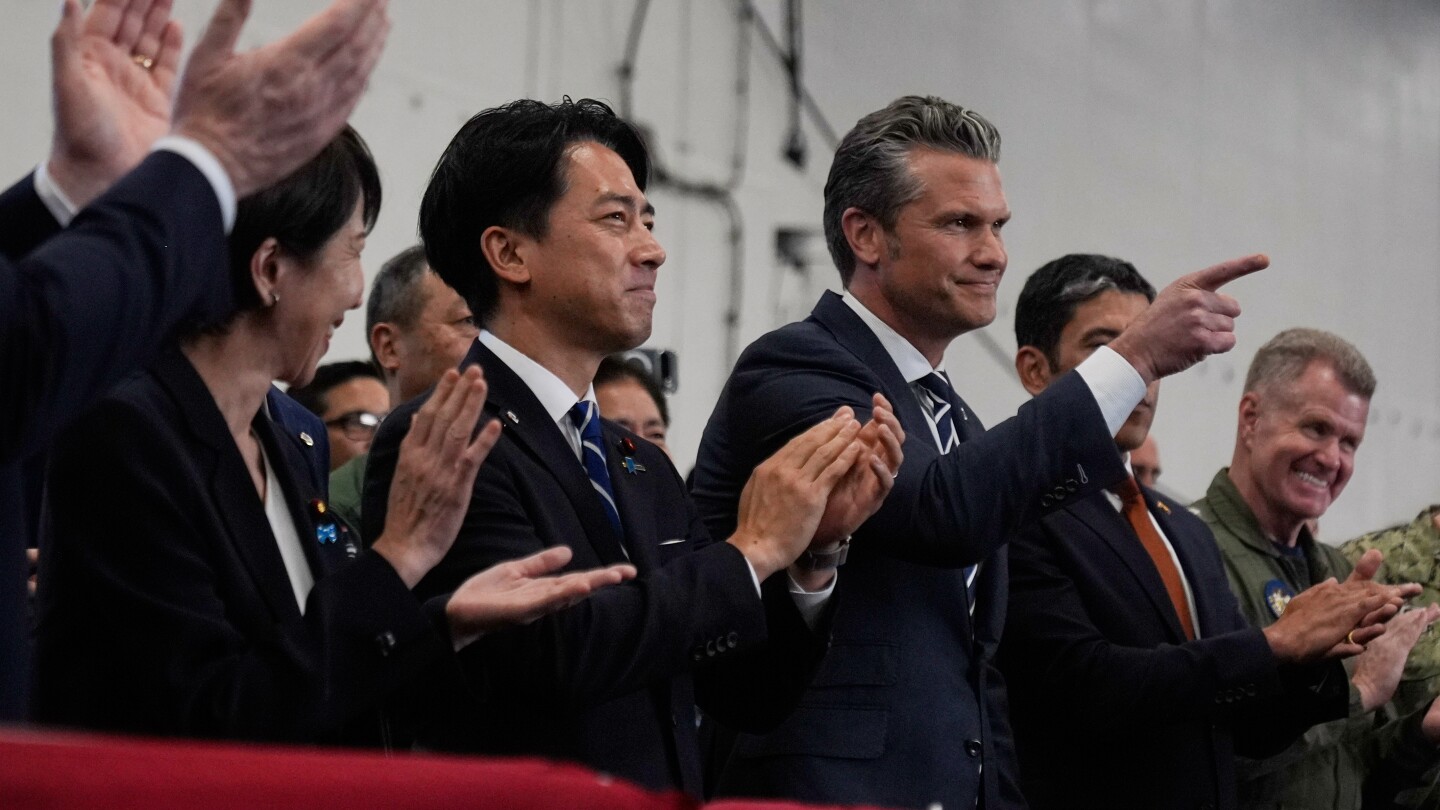
US launches strikes on alleged drug-running boats off Colombia, killing 14
In a significant escalation of its anti-narcotics operations, the U.S. military conducted three strikes in the eastern Pacific Ocean on Monday, targeting four boats allegedly involved in drug trafficking. The attacks resulted in the deaths of 14 individuals, with one survivor reported. This marks the deadliest single day since the Trump administration intensified its controversial campaign against drug cartels in South American waters. Defense Secretary Pete Hegseth announced the strikes, emphasizing their alignment with the broader war on terrorism. The operation has drawn sharp criticism from regional allies, including Mexico and Colombia, further straining diplomatic relations. Mexican President Claudia Sheinbaum publicly condemned the strikes, calling for adherence to international treaties and initiating discussions with U.S. officials. Colombia, a key partner in U.S. anti-drug efforts, also expressed discontent, particularly after the Trump administration imposed sanctions on Colombian President Gustavo Petro and his associates over alleged ties to the global drug trade. The U.S. military has yet to provide concrete evidence linking the targeted boats to drug cartels or identifying the individuals killed. The campaign, which began in early September, has now resulted in at least 57 fatalities across 13 disclosed strikes. Speculation persists that the operations may be aimed at destabilizing Venezuelan President Nicolás Maduro, whom the U.S. accuses of narcoterrorism. Amid rising tensions, the Pentagon has deployed additional military assets to the region, including an aircraft carrier and supersonic bombers. President Trump has defended the strikes, asserting legal authority and comparing the fight against drug cartels to the war on terrorism. Hegseth echoed this sentiment, claiming that cartels have caused more American deaths than Al-Qaeda and vowing to treat them with equal severity.
-
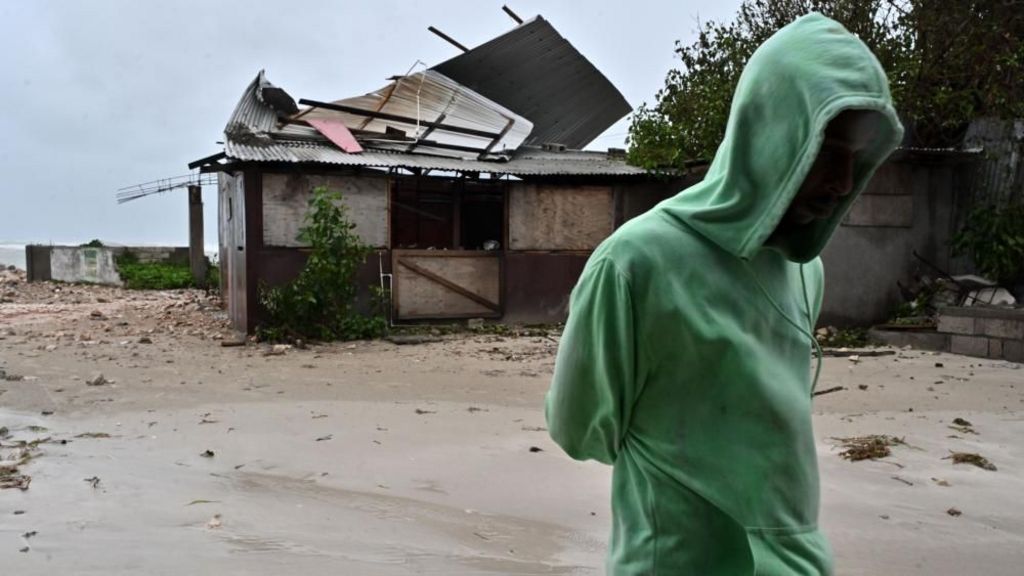
Why Hurricane Melissa is so dangerous
Jamaica is on high alert as Hurricane Melissa, a Category 5 hurricane with winds exceeding 280 km/h (174 mph), approaches its southern coast. This storm, now one of the most powerful ever recorded in the Atlantic, has intensified rapidly, growing from a tropical system to a Category 5 hurricane in just 24 hours. Fueled by unusually warm Caribbean waters, Melissa’s peak intensity has surpassed that of Hurricane Katrina in 2005, making it a historic threat to the island nation. The storm’s slow westward movement at 5 km/h raises concerns of prolonged rainfall, severe flooding, and devastating storm surges, particularly in low-lying areas like Clarendon and St Catherine. Meteorologists warn that Melissa’s sluggish pace could lead to catastrophic conditions, similar to Hurricane Harvey’s impact on Houston in 2017. Jamaica’s Prime Minister Andrew Holness has cautioned that no infrastructure can withstand a storm of this magnitude, with rural and hillside communities expected to bear the brunt of the damage. The storm has already claimed lives in Jamaica, Haiti, and the Dominican Republic, and its impact on tourism, power, and transportation networks could leave the country reeling for months. As Jamaica braces for this unprecedented disaster, experts emphasize the role of climate change in intensifying such extreme weather events.
-
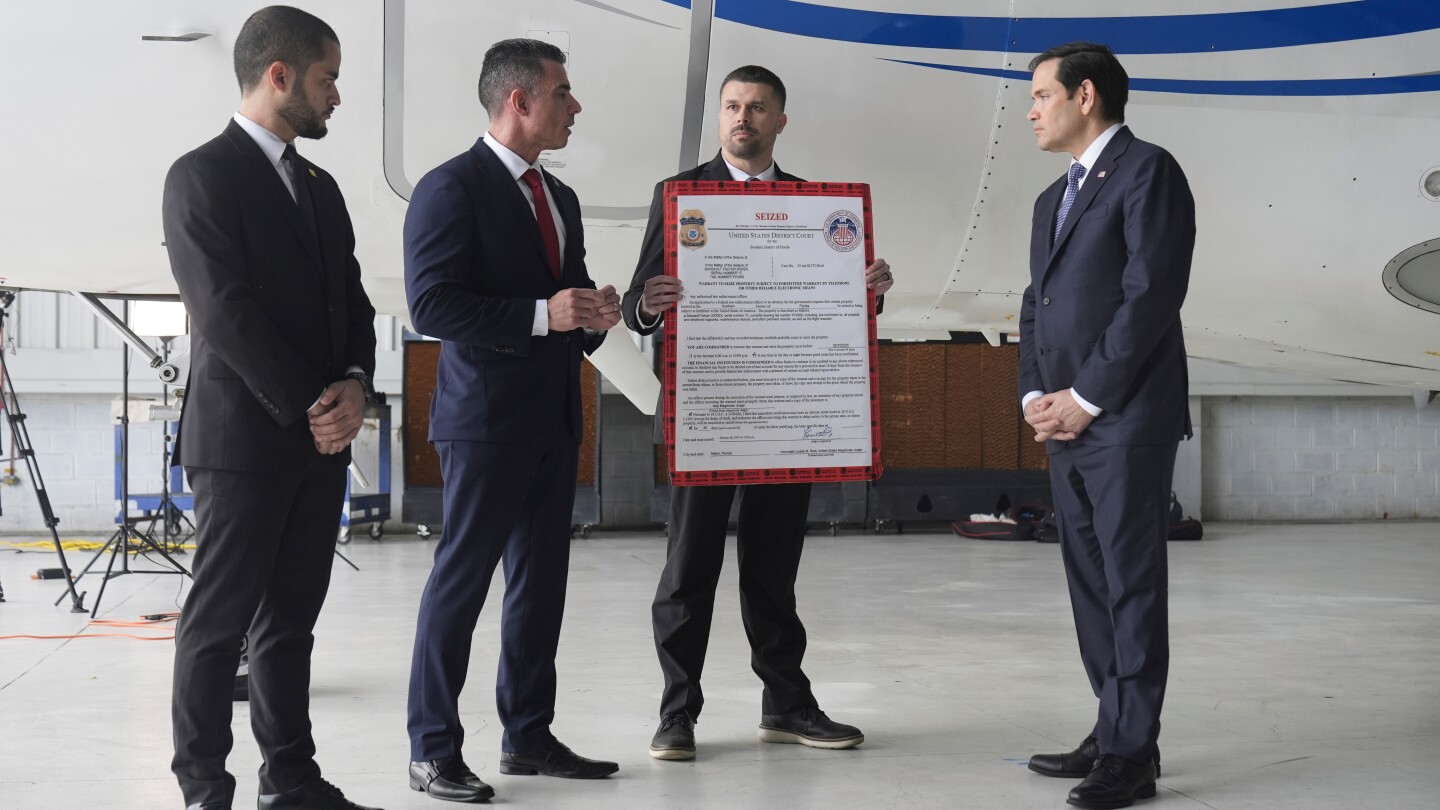
Takeaways from AP’s report on a US plot to recruit Maduro’s pilot to betray Venezuelan leader
In a revelation that reads like a Cold War espionage thriller, a U.S. Homeland Security Investigations agent, Edwin Lopez, attempted to recruit Venezuelan President Nicolas Maduro’s pilot as part of a covert operation to capture the leader and bring him to the U.S. to face drug trafficking charges. The plot, which unfolded in the Caribbean, highlights the Trump administration’s escalating pressure on Maduro, including the deployment of a naval strike force and a $50 million bounty for his arrest. Lopez, who served as an attaché in the Dominican Republic, targeted Bitner Villegas, Maduro’s pilot and a member of the presidential honor guard, during a secret meeting at an airport hangar in Santo Domingo. Despite initial noncommittal responses, Lopez maintained contact with Villegas via encrypted messaging, urging him to become a national hero by aiding in Maduro’s capture. The pilot ultimately rebuffed the offer, prompting a campaign by Venezuelan opposition leaders to sow doubt about his loyalty. The fallout included a viral social media post that questioned Villegas’ allegiance, leading to speculation and his temporary disappearance before he publicly reaffirmed his loyalty to Maduro. This operation underscores the U.S.’s persistent, albeit often haphazard, efforts to oust Maduro, whom it accuses of undermining Venezuela’s democracy and facilitating drug trafficking.
-
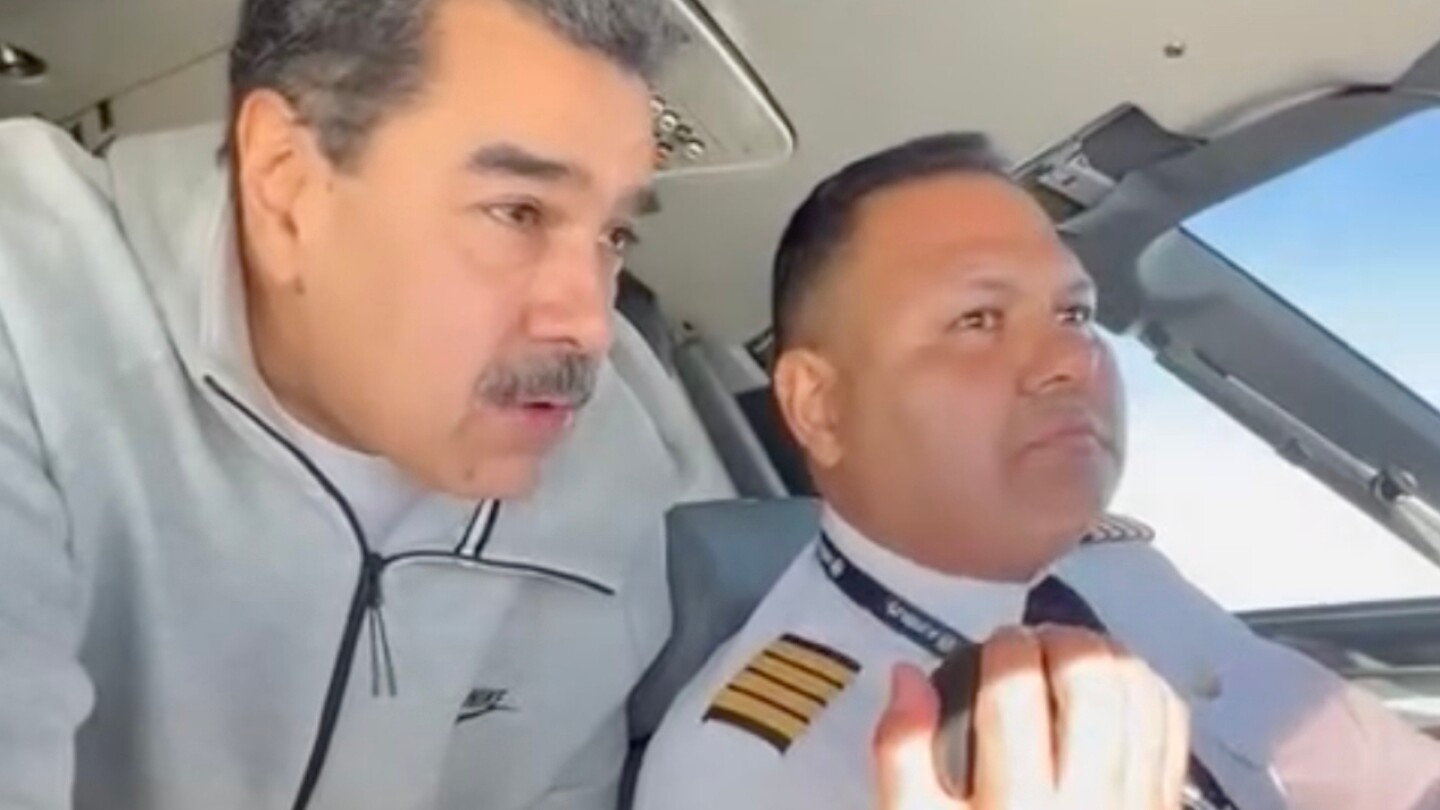
A federal agent’s daring plan: Recruit Maduro’s pilot to turn on the Venezuelan leader
In a clandestine operation reminiscent of a Cold War spy thriller, U.S. federal agent Edwin Lopez attempted to persuade Venezuelan President Nicolás Maduro’s chief pilot, General Bitner Villegas, to divert Maduro’s plane to a location where U.S. authorities could arrest him. The plot, which unfolded over 16 months, involved encrypted messaging, secret meetings, and promises of immense wealth for the pilot. Despite Villegas providing his cell number as a sign of potential interest, the plan ultimately failed. The scheme highlights the U.S. government’s persistent efforts to oust Maduro, whom it accuses of undermining Venezuela’s democracy and aiding drug traffickers and terrorist groups. The operation, which began under President Joe Biden and continued under Donald Trump, also included the seizure of two of Maduro’s luxury jets in the Dominican Republic. Lopez, a seasoned Homeland Security Investigations agent, retired in July but continued his efforts to sway Villegas, even offering a $50 million reward for Maduro’s capture. However, Villegas remained loyal, publicly reaffirming his allegiance to Maduro in a televised appearance. The failed plot underscores the complexities and risks of U.S. efforts to destabilize Maduro’s regime.
-
Debate on dangerous ski training courses flares at the start of Olympic season
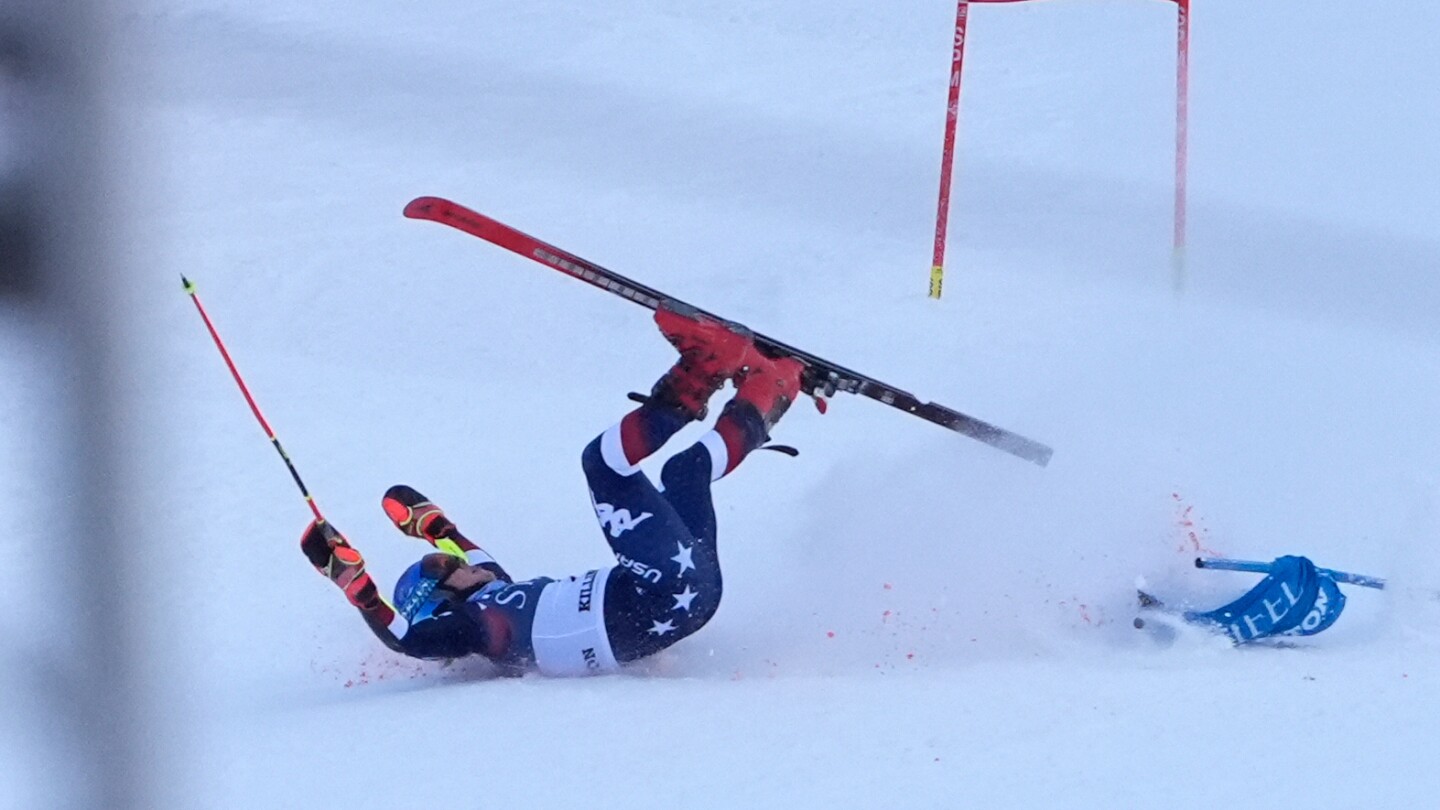
Mikaela Shiffrin, the renowned American skier, returned to the slopes with heightened caution after a severe crash last year left her with a punctured abdomen and damaged abdominal muscles. Her injuries, sustained during a World Cup giant slalom race, underscored the inherent risks of both competitive skiing and training. Shiffrin’s experience is not unique. French skier Alexis Pinturault echoed similar concerns, highlighting the unsafe conditions often faced during training sessions. The issue of safety in Alpine skiing gained renewed attention following the tragic death of Italian skier Matteo Franzoso in a preseason training accident in Chile. Franzoso’s death, the third among young Italian skiers in less than a year, has sparked urgent calls for improved safety measures. Shiffrin, who battled post-traumatic stress disorder after her crash, emphasized the need to reassess the risks athletes face. She argued that while skiing inherently involves danger, it is unacceptable to dismiss life-threatening risks as part of the sport. Training courses, often lacking the safety standards of race courses due to financial constraints, pose significant hazards. Smaller crews, fewer safety nets, and limited medical resources exacerbate the risks. Sofia Goggia, the 2018 Olympic downhill champion, likened high-level skiing to Formula 1 or MotoGP, emphasizing the extreme speeds and dangers involved. While increased safety netting is a partial solution, it is not a panacea. The Italian Winter Sports Federation has urged the International Ski and Snowboard Federation (FIS) to establish dedicated training courses with safety standards akin to those of World Cup races. FIS President Johan Eliasch acknowledged the need for improved safety measures, including better scheduling, more medical staff, and enhanced course preparation. However, implementing these changes remains a challenge, particularly for smaller federations with limited resources. The responsibility for safer training courses, according to Austrian coach Roland Assinger, cannot rest solely on local ski resorts. A coordinated effort among national federations is essential. As the skiing community grapples with these issues, the question of who will fund the necessary safety upgrades remains unanswered.
-
Satellite video shows Hurricane Melissa intensifying near Jamaica
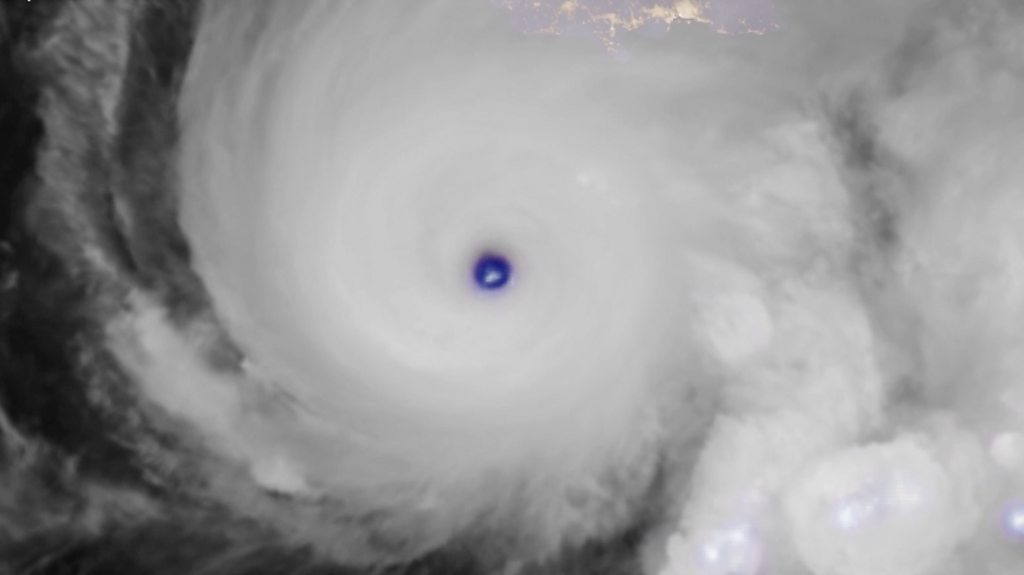
Recent satellite imagery has revealed the alarming intensification of Hurricane Melissa as it approaches Jamaica, marking it as the most formidable storm of the year. Currently traversing the Caribbean Sea, the hurricane has garnered significant attention from meteorological experts and local authorities alike. The footage underscores the storm’s growing strength, with its swirling clouds and expanding eye signaling potential devastation. Jamaica, already bracing for impact, has issued urgent warnings to residents to prepare for severe weather conditions, including torrential rains, high winds, and possible flooding. The rapid escalation of Hurricane Melissa has raised concerns about its trajectory and the broader implications for the Caribbean region. Emergency response teams are on high alert, coordinating efforts to mitigate the storm’s impact and ensure public safety. As the hurricane continues to gain momentum, the international community is closely monitoring its path, with neighboring countries also preparing for potential fallout.