
A groundbreaking report by environmental groups Size of Wales and WWF Cymru has uncovered a hidden connection between deforestation in the Amazon rainforest and pollution in UK rivers, particularly the River Wye. The study highlights the role of soy imported from Brazil, which is used as livestock feed in the UK. High in phosphorus, the soy becomes a pollutant when animal manure runs off into waterways, exacerbating phosphate pollution in rivers across Wales and beyond. The report calls for urgent action to halt the import of commodities linked to deforestation, emphasizing the profound impact of consumer choices on global ecosystems and indigenous communities. The Welsh government has acknowledged the issue, stating it is taking ‘ambitious steps’ to address the problem. The findings coincide with the COP30 climate talks in Belém, Brazil, where world leaders are discussing strategies to combat deforestation and climate change. The report also urges governments and local councils to adopt deforestation-free supply chains and promote sustainable diets. Positive examples of leadership in Wales include Caerphilly and Monmouthshire councils, which have implemented deforestation-free criteria for food procurement. Monmouthshire has even replaced chicken curry with a deforestation-free chickpea korma on school menus, following lobbying by local pupils. The report underscores the need for collective action to protect the planet for future generations.
标签: South America
南美洲
-
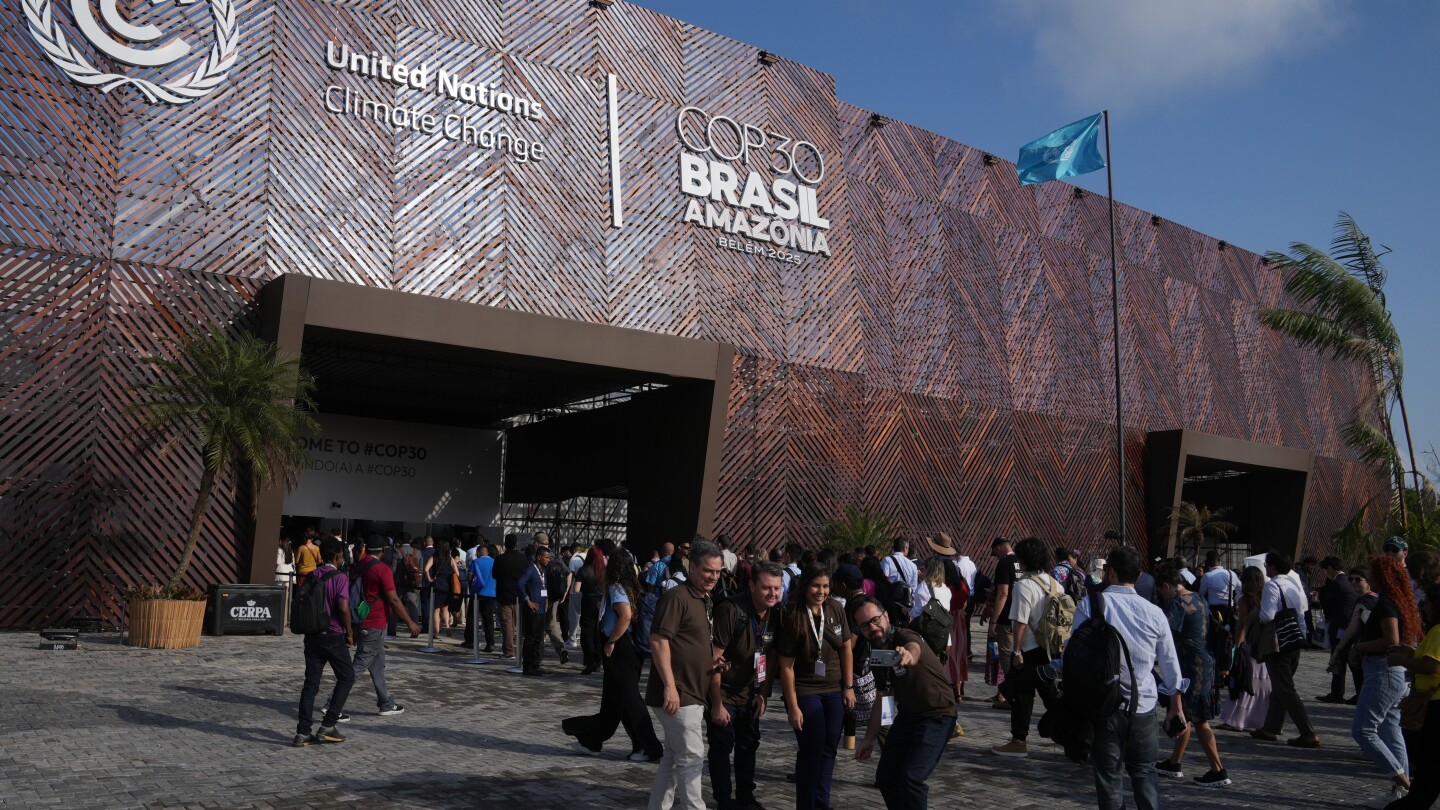
As US skips climate talks in Brazil, leaders plead for other nations to unite
The United Nations climate negotiations, COP30, commenced on Monday in Belem, Brazil, on the fringes of the Amazon rainforest. The conference, hosted by Brazilian President Luiz Inácio Lula da Silva, emphasized the urgent need to accelerate global efforts to combat climate change by significantly reducing carbon emissions. However, the absence of high-level U.S. negotiators cast a shadow over the proceedings, as the Trump administration continues to distance itself from international climate agreements. Lula chose Belem as the host city to highlight the devastating impact of global warming on the Amazon and vulnerable communities, stating, ‘The increase in global temperature is spreading pain and devastation, especially among the most vulnerable populations.’ This year’s talks, dubbed the ‘implementation COP,’ focus on ensuring countries fulfill their commitments under the Paris Agreement. Attendees stressed the importance of global cooperation, with U.N. climate secretary Simon Stiell urging negotiators to ‘fight this climate crisis together.’ Despite the U.S. withdrawal, former U.S. climate envoy Todd Stern noted that American cities, states, and businesses are stepping up to fill the void. The conference also addressed the increasing frequency of extreme weather events, with Lula declaring, ‘Climate change is not a threat of the future. It is already a tragedy of the present time.’
-
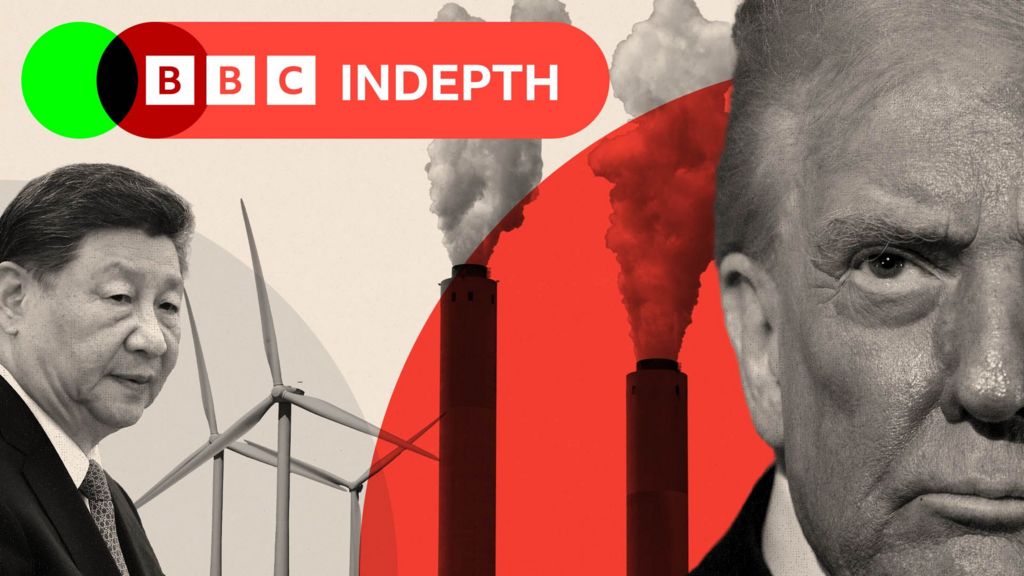
COP30: Trump and many leaders are skipping it, so does the summit still have a point?
A decade ago, the COP21 summit in Paris symbolized a united global front against climate change, with leaders like David Cameron, Xi Jinping, and Barack Obama standing shoulder to shoulder. Fast forward to COP30 in Brazil, and the scene is starkly different. Key figures such as Xi Jinping, Narendra Modi, and US President Donald Trump were notably absent, reflecting a broader disengagement from multilateral climate efforts. Trump’s administration has withdrawn from the Paris Agreement, rolled back clean energy initiatives, and prioritized fossil fuel dominance, positioning the US as a global energy superpower. This shift has created a rift with China, which is aggressively advancing its clean energy agenda, now accounting for 40% of its economic growth. The EU, caught in the middle, faces the dilemma of balancing economic security with climate goals. As global emissions continue to rise, the efficacy of annual COP summits is being questioned, with calls for more focused, smaller-scale discussions. Despite these challenges, COP30 aims to secure funding for rainforest preservation, underscoring the ongoing importance of international climate cooperation.
-
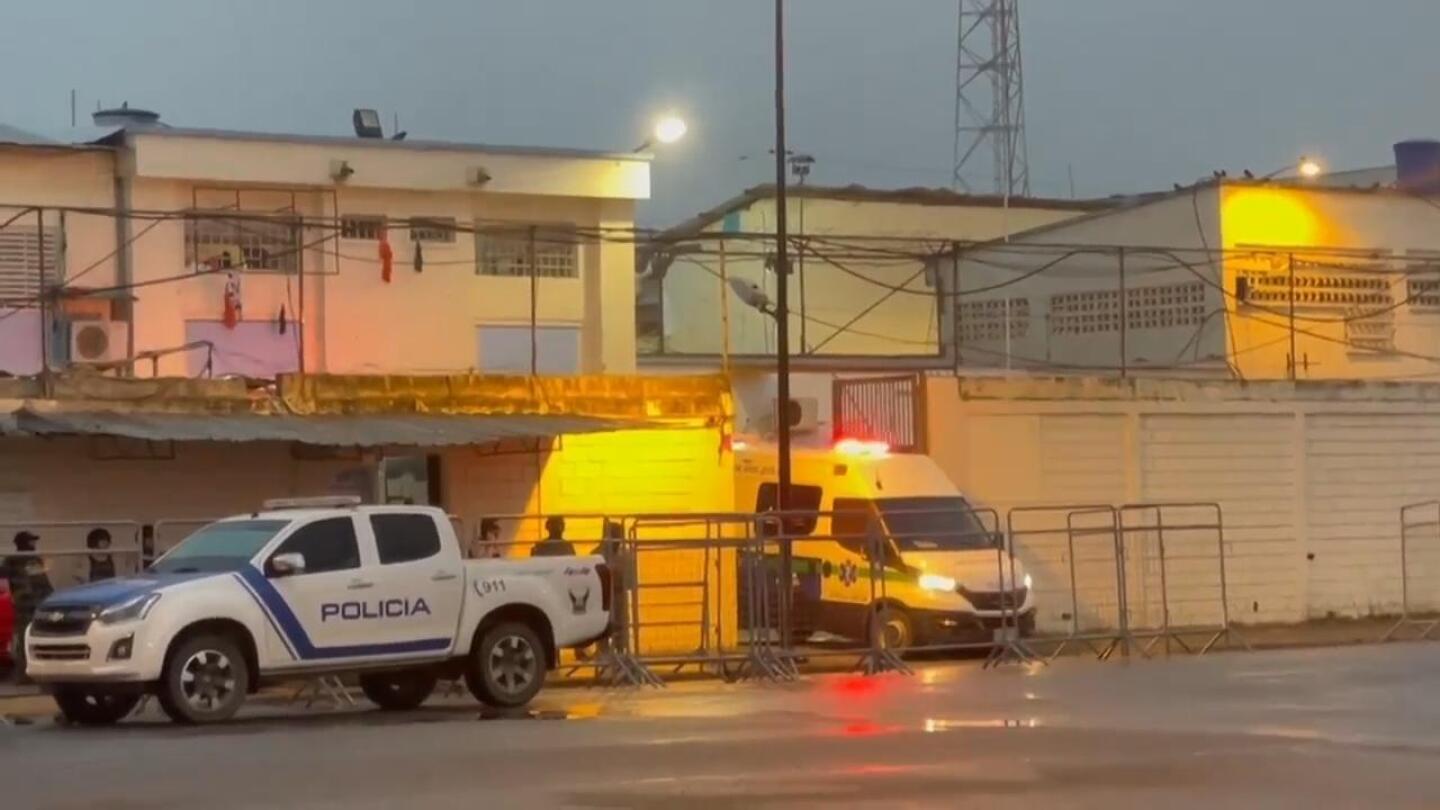
Ecuador prison riot leaves 4 inmates dead and dozens injured
A violent riot erupted at a prison in Machala, Ecuador, on Sunday, resulting in the deaths of four inmates and injuries to over 30 others, according to the country’s corrections officials. The unrest was triggered by the planned relocation of prisoners to a new maximum-security facility in a different province, as stated by Ecuador’s prison oversight agency. The situation escalated rapidly, with one police officer also sustaining injuries before authorities managed to restore order. The conditions of the injured remain unclear as of Sunday. This incident marks the second deadly outbreak of violence at the same prison in less than two months, following a gang-related dispute in April that claimed 14 lives. Ecuador’s prison system has become one of the most dangerous in Latin America, plagued by severe overcrowding, rampant corruption, and insufficient state control. These conditions have allowed drug-trafficking gangs linked to Colombia and Mexico to thrive, with many inmates heavily armed and continuing to orchestrate criminal activities from within the prisons. Since 2021, more than 500 people have died in prison riots, including a series of coordinated uprisings last year that saw 150 prison guards taken hostage.
-

Argentina notches biggest win over Wales
In a historic rugby showdown at Cardiff’s Principality Stadium, Argentina delivered a commanding performance, defeating Wales 52-28 on Sunday. This victory marked Argentina’s highest score and largest margin against Wales in their rugby history. The Pumas showcased their prowess with seven tries, including two from rookie flyhalf Gerónimo Prisciantelli, who was named man of the match. Santiago Carreras also impressed, converting all eight of his kicks. Wales, despite ending an 18-test losing streak in July, struggled to maintain momentum. Captain Jac Morgan suffered a suspected dislocated shoulder while scoring a try, adding to Wales’ woes. The team conceded soft tries, missed 30 tackles, and received two yellow cards, allowing Argentina to capitalize with 17 points during their absence. Argentina’s dominance was evident from the start, with early tries from Pedro Delgado and Prisciantelli. Wales briefly rallied, but indiscipline and defensive lapses cost them dearly. Argentina’s Simón Benítez Cruz and Mateo Carreras scored spectacular 80-meter tries within two minutes, further extending their lead. Bautista Delguy added another try, while Prisciantelli and Santiago Grondona sealed the victory with late scores. Argentina now looks ahead to their next match against Scotland, while Wales faces a challenging autumn series against Japan, New Zealand, and South Africa.
-

Argentina overpower Tandy’s Wales in record win
In a stunning display of rugby prowess, Argentina secured a historic 52-28 victory over Wales at the Principality Stadium in Cardiff. The match, part of the Autumn Nations Series, marked a challenging debut for new Wales head coach Steve Tandy, as his team suffered their 10th consecutive home defeat. Argentina’s seven-try performance, including a double from fly-half Geronimo Prisciantelli, set a new record for the most points scored against Wales. The Pumas’ dominance was further highlighted by full-back Santiago Carreras, who contributed 17 points through conversions and a penalty. Wales, despite scoring four tries through Tomos Williams, Dewi Lake, Jac Morgan, and Blair Murray, struggled to contain Argentina’s relentless attack. The match also saw the return of Wales wing Louis Rees-Zammit after a two-year absence, but his efforts were overshadowed by Argentina’s clinical execution. With this victory, Argentina solidified their status as a formidable force in international rugby, while Wales face an uphill battle to regain their competitive edge.
-

Rodrigo Paz sworn in as Bolivia’s new president, ending 20 years of one-party rule
LA PAZ, Bolivia — In a historic shift, conservative leader Rodrigo Paz was inaugurated as Bolivia’s new president on Saturday, marking the end of nearly two decades of dominance by the left-wing Movement Toward Socialism (MAS) party. The swearing-in ceremony, attended by lawmakers and foreign dignitaries, symbolized a turning point for the Andean nation, which is grappling with its worst economic crisis in 40 years. Paz, 58, took the oath of office with his hand on a Bible and a cross, pledging to uphold “God, country, and family.” His victory in last month’s presidential runoff surprised many, as he defeated the more prominent right-wing candidate, former President Jorge “Tuto” Quiroga. Paz inherits a struggling economy characterized by severe fuel shortages, high food prices, and a collapsed statist economic model. His administration aims to implement gradual reforms to stabilize the economy, contrasting with Quiroga’s proposed IMF-backed fiscal shock program. Paz has also signaled a shift in foreign policy, distancing Bolivia from the ALBA bloc and seeking closer ties with the United States and international financial institutions. Despite these efforts, his government faces significant challenges, including building political alliances, as his Christian Democratic Party holds only 39% of the Legislative Assembly seats.
-
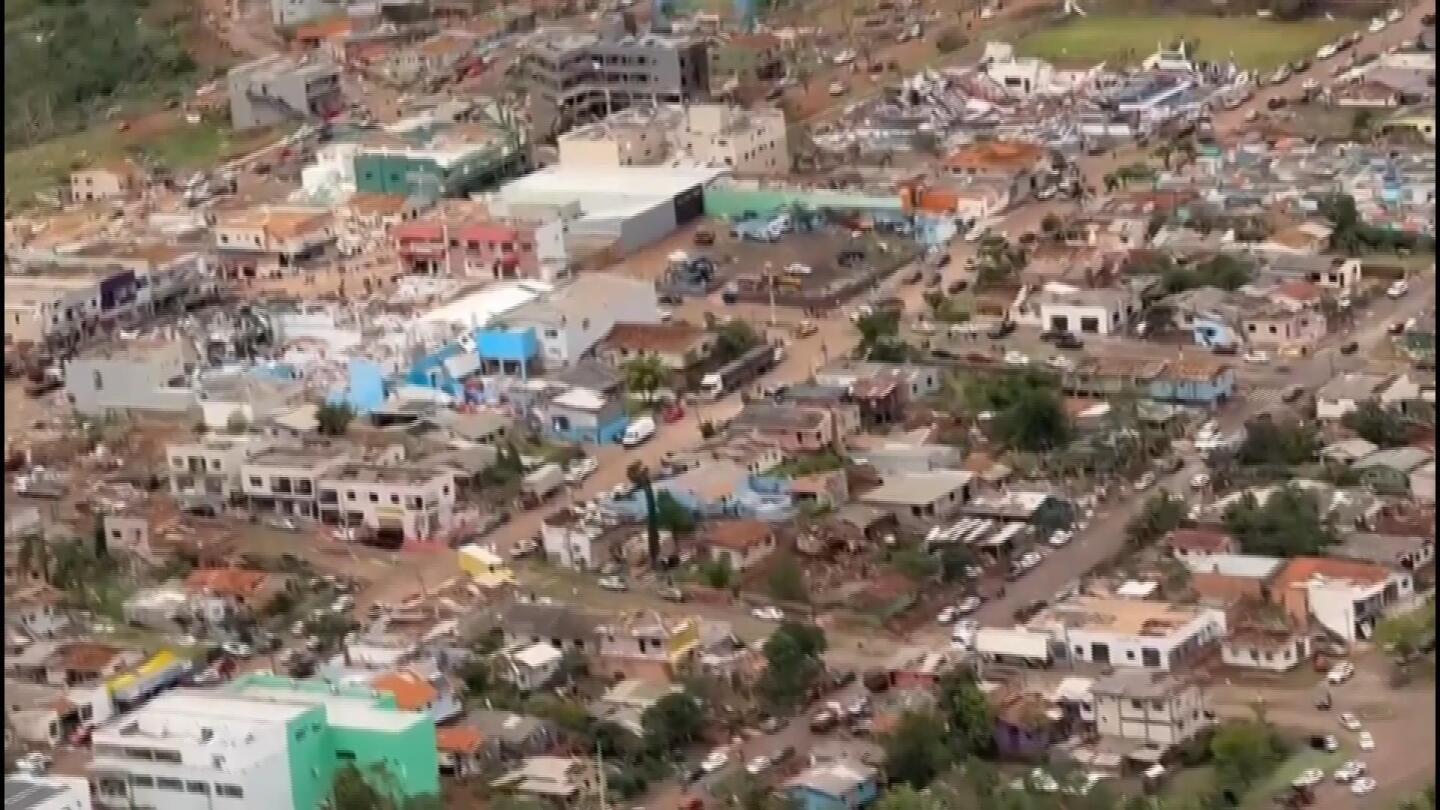
Powerful tornado in Brazil kills 6 people and injures more than 400 others
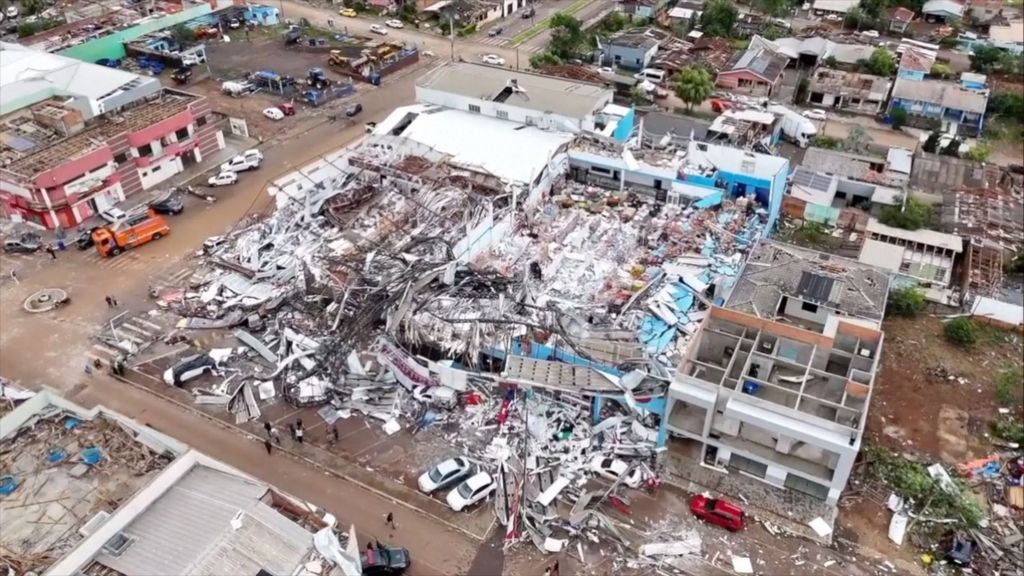
A devastating tornado tore through the southern Brazilian state of Parana on Friday night, claiming six lives and injuring over 400 individuals, according to state officials. The catastrophic event, with wind speeds exceeding 250 kph (155 mph), caused widespread destruction, leveling dozens of homes and prompting the government to declare a state of emergency in the affected area. Among the victims, five were adults, and the sixth was a 14-year-old girl. At least one person remains missing in the aftermath of the disaster. Emergency medical teams attended to 437 people, including children and pregnant women, with at least 10 requiring surgery and nine in critical condition. Brazilian President Luiz Inácio Lula da Silva expressed his condolences and solidarity with the victims through social media, emphasizing the nation’s support during this tragic time.
-
Watch: Drone footage shows town destroyed by deadly Brazil tornado
A catastrophic tornado has left a trail of destruction in a Brazilian town, with aerial drone footage capturing the extensive damage caused by the natural disaster. According to local authorities, the violent twister claimed the lives of at least six individuals and left 437 others injured. The footage, which has been widely circulated, shows flattened buildings, uprooted trees, and debris scattered across the area, painting a grim picture of the aftermath. Emergency response teams have been deployed to assist survivors and assess the full extent of the damage. This tragic event underscores the increasing frequency and severity of extreme weather phenomena in the region, raising concerns about climate change and disaster preparedness.
-
What to know about COP30, this year’s UN climate talks
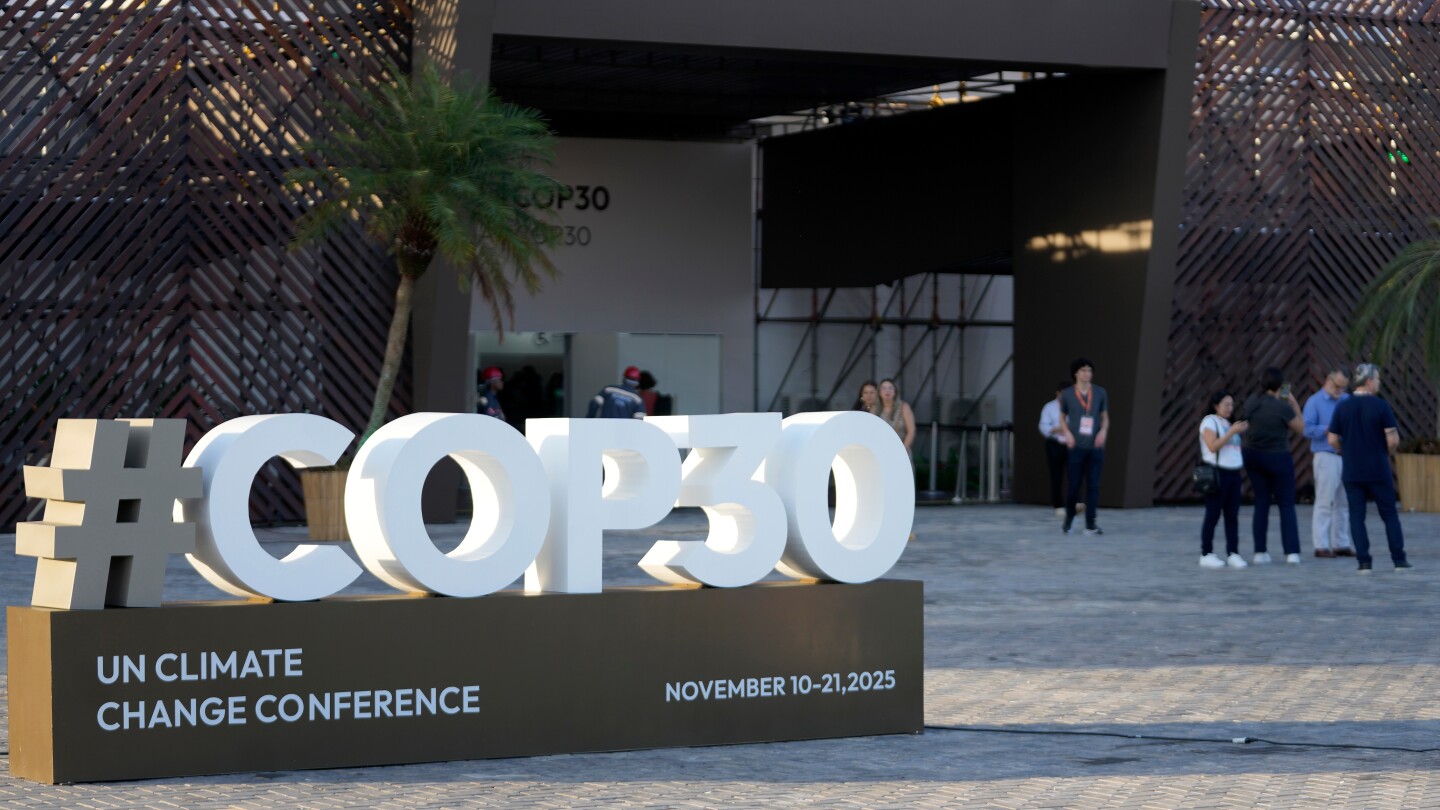
As the world grapples with escalating climate crises, Belem, Brazil, has become the focal point for the 30th United Nations Climate Summit, COP30. Delegates from across the globe are converging at the gateway of the Amazon, aiming to forge collective strategies to mitigate the devastating impacts of human-induced climate change. Despite the urgency, many experts warn that the window to achieve meaningful progress is rapidly closing. The stakes are monumental, as climate change continues to exacerbate life-threatening disasters for billions worldwide. Delaying action, they argue, will only deepen the crisis. This year’s summit places a spotlight on Indigenous communities, forest conservation, and sustainable agriculture, recognizing their pivotal role in combating climate change. Brazil’s government is championing the Tropical Forests Forever Facility, an innovative initiative offering financial incentives for forest protection. However, the success of this program hinges on substantial financial commitments from global leaders. The summit also underscores the need to overhaul food systems and safeguard ecosystems that absorb pollution and protect against diseases. Despite these efforts, the world remains off track from the Paris Agreement’s goals, with global temperatures rising alarmingly. While renewable energy has become more cost-effective than fossil fuels, many nations’ climate plans fall short of what is required. COP30 is not expected to yield a landmark agreement but is instead framed as an ‘implementation COP,’ focusing on accelerating existing commitments. Critics, however, remain skeptical, with some labeling such gatherings as ineffective bureaucratic exercises. As the world watches, the question remains: Can COP30 catalyze the urgent action needed to avert climate catastrophe?