标签: South America

南美洲

  • Many hoped UN climate talks in Brazil would be historic. They may be remembered as a flop

    Many hoped UN climate talks in Brazil would be historic. They may be remembered as a flop

    The 2025 United Nations Climate Change Conference (COP30), held in Belem, Brazil, concluded with a watered-down resolution that failed to meet the expectations of many delegates and environmental advocates. Hosted in the Amazon rainforest, a critical climate regulator and home to Indigenous communities, the summit initially raised hopes under the leadership of Brazilian President Luiz Inácio Lula da Silva. Lula’s impassioned speeches inspired over 80 nations to call for a detailed roadmap to drastically reduce the use of fossil fuels—oil, gas, and coal—the primary drivers of climate change. However, the final decision, announced on November 22, omitted any mention of fossil fuels or a timeline for their reduction, sparking widespread criticism. While the resolution included increased financial support for developing nations to adapt to climate change, it fell short of the ambitious goals many had anticipated. Critics, including Panama’s negotiator Juan Carlos Monterrey Gomez, labeled the outcome as “complicity” rather than neutrality, accusing the summit of sidelining scientific evidence to appease polluters. Environmental activists and delegates expressed frustration, with many already looking ahead to COP31 in Turkey. The conference, once dubbed a “COP of truth,” instead eroded confidence in multilateral climate negotiations, leaving many questioning the process’s ability to address the escalating climate crisis.

  • Bolsonaro’s conviction brings vindication for some Brazilians who lost loved ones to COVID-19

    Bolsonaro’s conviction brings vindication for some Brazilians who lost loved ones to COVID-19

    In a dramatic turn of events, Brazil’s Supreme Court has ordered the preemptive arrest of former President Jair Bolsonaro, who faces a 27-year prison sentence for attempting a coup following his 2022 election loss to Luiz Inácio Lula da Silva. The arrest has sparked mixed reactions across the nation, particularly among families who lost loved ones to COVID-19, a crisis many blame on Bolsonaro’s handling of the pandemic. Simone Guimarães, a retired teacher from Rio de Janeiro, lost five relatives to the virus, including her husband and sister. She views Bolsonaro’s arrest as a small step toward justice, though it does little to address the grief of those who suffered under his administration. Social media was flooded with tributes to COVID-19 victims, echoing similar sentiments expressed when Bolsonaro was convicted in September. Critics argue that while his conviction for coup-related crimes offers some vindication, it fails to hold him accountable for the pandemic’s devastating toll. Diego Orsi, a translator from São Paulo, likened the situation to the Nuremberg trials, where Nazis were convicted for invasion rather than genocide. Bolsonaro’s denialist stance during the pandemic, including mocking patients and delaying vaccine rollouts, alienated many Brazilians and contributed to his electoral defeat. Epidemiologists estimate that 80% of Brazil’s 700,000 COVID-19 deaths could have been prevented with better leadership. As Bolsonaro’s legal battles continue, the nation remains deeply divided, with his arrest marking a pivotal moment in Brazil’s political landscape.

  • Indigenous people reflect on the meaning of their participation in COP30 climate talks

    Indigenous people reflect on the meaning of their participation in COP30 climate talks

    The streets of Belem, Brazil, echoed with the voices of Indigenous communities during the United Nations COP30 climate talks, held in the heart of the Amazon. While the conference aimed to amplify Indigenous representation like never before, many attendees left feeling that their voices were heard but not truly empowered. The summit, which concluded on Saturday, was hosted in a region critical to global biodiversity and climate regulation, yet Indigenous leaders expressed frustration over the lack of meaningful action and representation. Brazilian officials had hoped the event would empower local communities and protect the Amazon rainforest, a vital carbon sink. However, despite small victories, such as the explicit acknowledgment of Indigenous rights in the final text, the conference fell short on addressing critical issues like fossil fuel phase-outs and equitable participation. Indigenous leaders criticized the focus on symbolic gestures rather than substantive policy changes. Protests outside the venue highlighted the solidarity among Indigenous groups, with demonstrations breaking barriers—both literal and metaphorical—to ensure their voices reached the negotiation tables. While the conference marked a step forward in visibility, it underscored the need for genuine empowerment and action to address the climate crisis affecting Indigenous communities worldwide.

  • COP30: Five key takeaways from a deeply divisive climate summit

    COP30: Five key takeaways from a deeply divisive climate summit

    The 30th Conference of the Parties (COP30) in Belém, Brazil, concluded on Saturday, marking one of the most contentious climate summits in three decades. The absence of any mention of fossil fuels in the final agreement left many nations furious, while others, particularly those reliant on fossil fuel production, felt vindicated. The summit underscored the deep divisions in global consensus on addressing climate change, with five key takeaways emerging from what some have termed the ‘COP of truth.’

    Despite the climate ‘ship’ remaining afloat, many participants expressed dissatisfaction with the outcomes. Brazilian President Luiz Inácio Lula da Silva’s vision for the summit clashed with COP President André Corrêa do Lago’s focus on consensus. Lula advocated for a roadmap away from fossil fuels, a proposal supported by the UK and other nations. However, do Lago resisted, fearing it would fracture the fragile agreement. Initial references to such a roadmap in the draft text were removed, leaving no trace in the final document.

    Efforts by Colombia, the European Union (EU), and around 80 countries to push for stronger language on reducing coal, oil, and gas usage faltered. Do Lago’s attempt to foster consensus through a Brazilian-style group discussion, or ‘mutirão,’ backfired, as Arab nations refused to engage with those advocating for a fossil fuel phase-out. The Saudi delegate’s blunt remark, ‘We make energy policy in our capital, not in yours,’ epitomized the impasse.

    Brazil proposed a face-saving solution: external roadmaps on deforestation and fossil fuels, which were applauded but lacked legal certainty. The EU, despite its grandstanding on fossil fuels, found itself cornered by the inclusion of a vague but binding commitment to triple climate adaptation funding. This left the EU with little leverage to negotiate with developing nations.

    The summit also raised questions about the relevance of the COP process itself. Critics questioned the efficacy of flying thousands of delegates worldwide to argue over semantics in air-conditioned tents. Harjeet Singh of the Fossil Fuel Treaty Initiative suggested that while the COP process shouldn’t be discarded, it needs significant retrofitting to remain relevant.

    Global trade emerged as a key issue, with the EU’s proposed border tax on high-carbon products sparking controversy. China, India, and Saudi Arabia opposed the measure, arguing it was unilateral and unfair. The EU defended it as a climate action tool, but the issue was deferred to future talks.

    China and the US, the world’s top carbon emitters, influenced the summit in contrasting ways. While the US stayed absent, China focused on business deals, particularly in the solar energy sector, further solidifying its dominance in renewable energy. Experts predict China’s economic strategies will outpace US efforts in fossil fuel sales.

    COP30 highlighted the urgent need for a new approach to global climate negotiations, as the current system struggles to address the pressing realities of climate change and energy transition.

  • ‘We worry more about food’ say Venezuelans living under threat of US military action

    ‘We worry more about food’ say Venezuelans living under threat of US military action

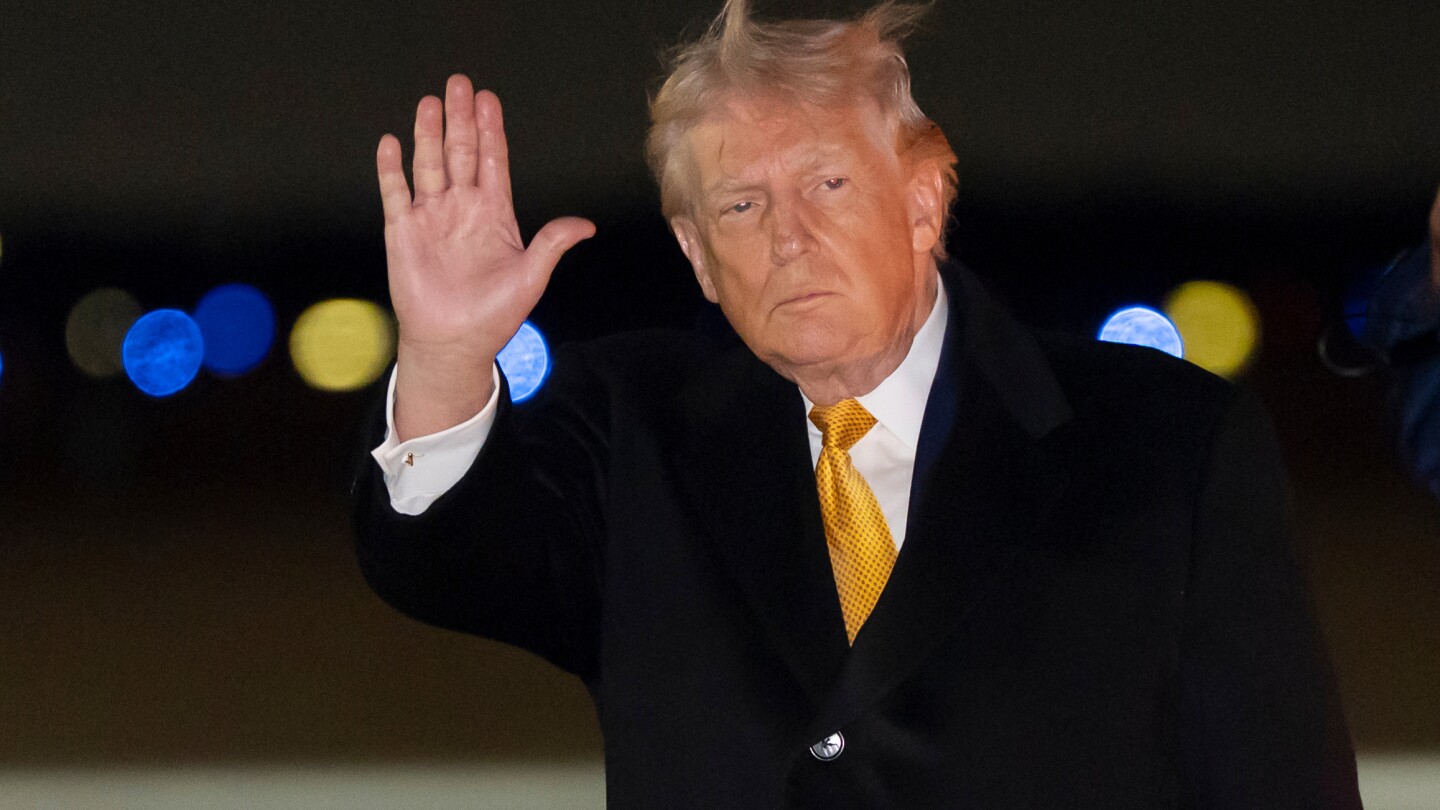
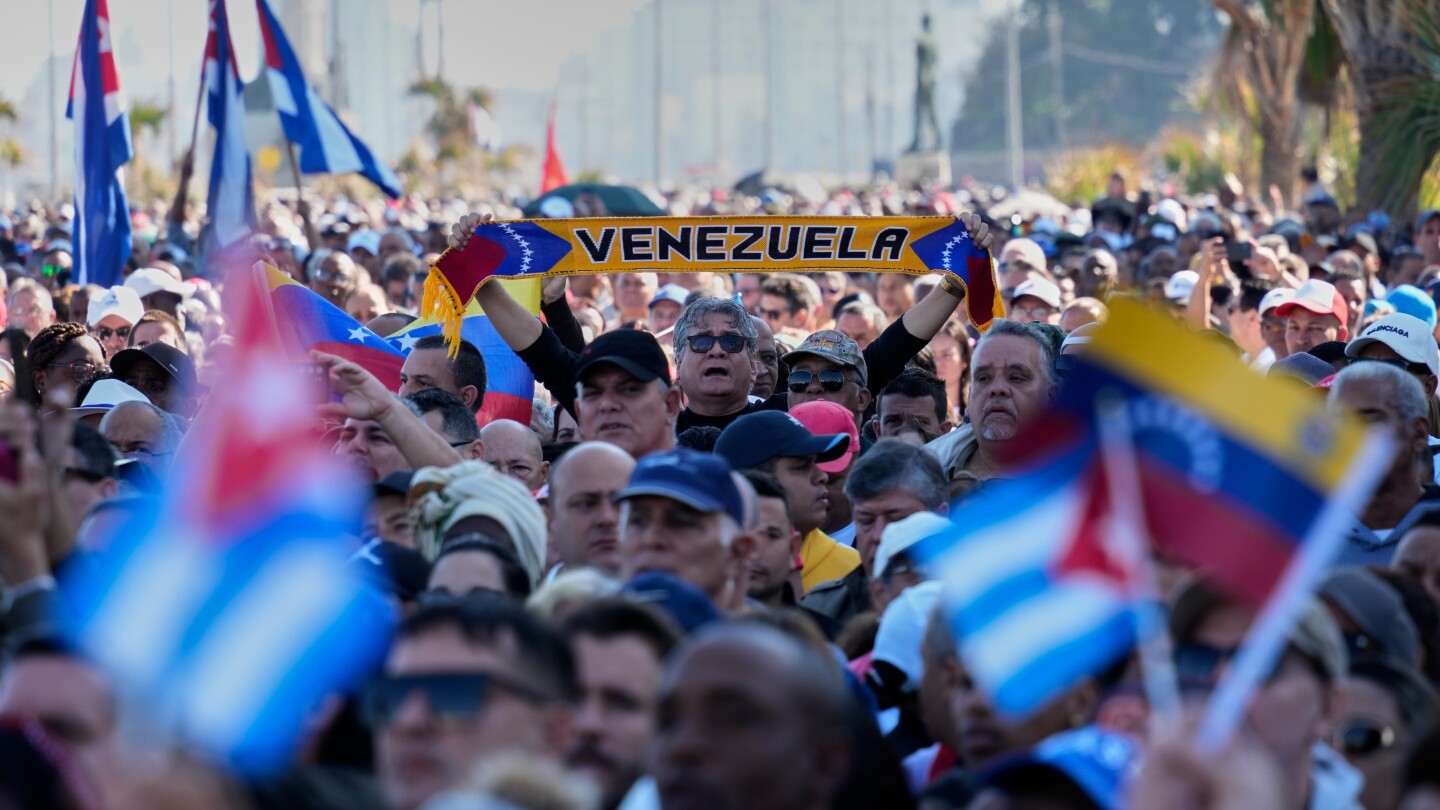
    Amid escalating tensions between the United States and Venezuela, ordinary citizens in Caracas are more preoccupied with their daily financial struggles than the specter of a potential US invasion. While President Nicolás Maduro’s government remains on high alert due to military threats from US President Donald Trump, Venezuelans are focused on securing enough money to feed their families. At Quinta Crespo, a bustling market in downtown Caracas, the primary concern is not the geopolitical conflict but the rapid depreciation of the bolívar and soaring food prices. Alejandro Orellano, a vegetable vendor, dismisses the possibility of US intervention, stating, ‘What’s really troubling us is the rise of the dollar.’ The economic crisis has left many unable to afford basic necessities, with a kilo of chicken costing four times the official monthly minimum wage. The International Monetary Fund (IMF) predicts inflation will reach 548% this year, worsening to 629% in 2026. Despite government bonuses, retirees and public workers struggle to cover essential expenses. Consuelo, a 74-year-old retired professor, expresses skepticism about an armed conflict, emphasizing that panic buying is unaffordable for most. The political climate remains tense following the disputed 2024 presidential elections, which led to widespread arrests and international condemnation. Many Venezuelans, like pastry chef Barbara Marrero, live in fear of reprisals for speaking out. While some see a potential US intervention as an opportunity for regime change, others, like Javier Jaramillo, remain focused on the immediate economic crisis. ‘We’re more worried about food,’ he says. ‘Inflation is eating us alive.’ Despite the uncertainty, daily life continues in Caracas, with street vendors and pedestrians navigating the challenges of a nation in turmoil.

  • Italy overcomes competitive Chile performance to win 34-19 in first ever meeting

    Italy overcomes competitive Chile performance to win 34-19 in first ever meeting

    In a historic first encounter between the two nations, Italy emerged victorious with a 34-19 win over Chile in a rugby match held in Genoa on Saturday. Despite the triumph, the Azzurri’s performance was far from flawless, as they allowed Chile to score three tries during the game. Italy started strong, with Ange Capuozzo scoring the opening try, followed by Tommaso Di Bartolomeo contributing one in each half and Monty Ioane adding two more. Giacomo Da Re successfully converted three tries and added a penalty. However, Chile fought back with tries from Salvador Lues and Nicolas Saab, narrowing the gap to just one point at one stage. Clemente Saavedra scored another try for Chile in the final moments. On a positive note, Italy saw debuts from teenagers Enoch Opoku-Gyamfi and Edoardo Todaro, who came on as late replacements. This match marked Italy’s second game in their autumn internationals, following a 26-19 upset against Australia and a 32-14 loss to South Africa. Coach Gonzalo Quesada made 10 changes to the starting lineup from the previous week’s defeat.

  • UN climate talks fail to secure new fossil fuel promises

    UN climate talks fail to secure new fossil fuel promises

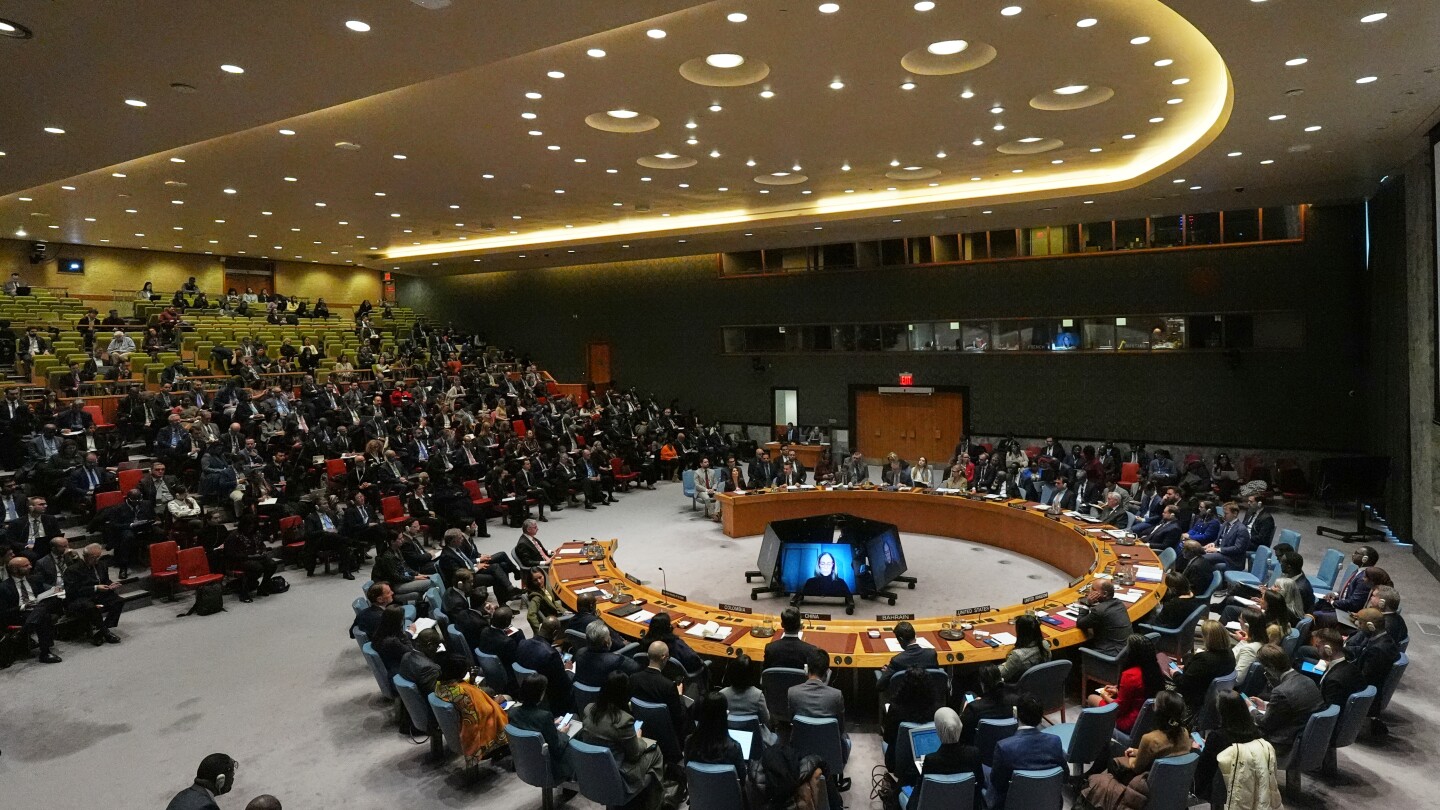
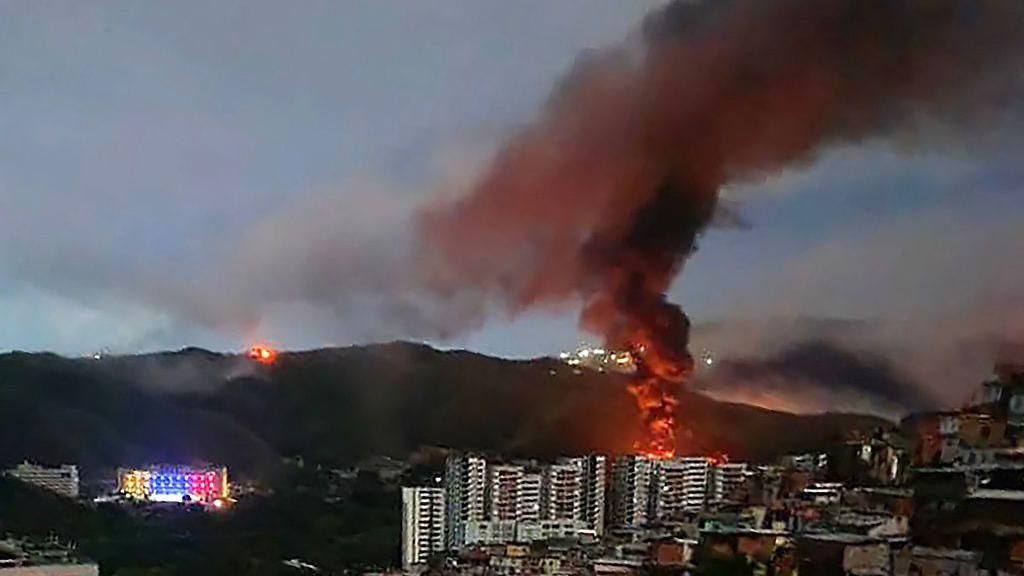
    The United Nations Climate Summit, COP30, held in Belém, Brazil, concluded with a contentious agreement that notably omitted direct references to fossil fuels, the primary drivers of global warming. This outcome has left over 80 nations, including the UK and EU, deeply frustrated, as they had pushed for a stronger commitment to phase out oil, coal, and gas. Oil-producing nations, however, successfully defended their stance, arguing for the right to utilize fossil fuel resources to bolster their economies. The summit unfolded against a grim backdrop, with the UN expressing concerns that global efforts to limit temperature rise to 1.5°C above pre-industrial levels have faltered. Colombia’s climate delegate, Daniela Durán González, voiced sharp criticism, emphasizing that fossil fuels account for over 75% of global greenhouse gas emissions and urging the Convention on Climate Change to address this reality. The final agreement, dubbed the Mutirão, encourages countries to voluntarily accelerate efforts to reduce fossil fuel usage. The absence of the US delegation, following President Donald Trump’s decision to withdraw from the Paris Agreement, was a significant blow to negotiations, according to veteran negotiator Jennifer Morgan. Despite the lack of ambition, many countries found solace in the fact that the talks did not collapse or undermine past climate agreements. The summit was marred by logistical challenges, including flooding, a fire, and protests, but also saw progress in climate finance commitments and forest conservation initiatives, such as Brazil’s Tropical Forests Forever Facility, which raised $6.5 billion.

  • Chile’s power broker says he won’t endorse communist or far-right rival for president

    Chile’s power broker says he won’t endorse communist or far-right rival for president

    SANTIAGO, Chile — Franco Parisi, the populist economist who secured a surprising third place in Chile’s recent presidential election, has become the focal point of intense political maneuvering. With the December 14 runoff election approaching, both left-wing government officials and right-wing opposition leaders are vying for his support to sway the crucial 20% of voters who backed him. However, Parisi remains resolute in his refusal to endorse either Communist candidate Jeannette Jara or hard-right contender José Antonio Kast, citing a lack of trust in their ideological approaches.

  • Takeaways from the outcome of UN climate talks in Brazil

    Takeaways from the outcome of UN climate talks in Brazil

    The United Nations climate talks, COP30, concluded in Belem, Brazil, after two weeks of intense negotiations. The conference ended with a compromise that has drawn both criticism and cautious optimism. While the agreement pledges increased financial support for countries vulnerable to climate change, it notably lacks a clear roadmap for phasing out fossil fuels, a critical issue in combating global warming. This omission has sparked frustration among activists, scientists, and Indigenous groups, who argue that the deal falls short of the urgent action needed to address the climate crisis. Despite these shortcomings, the conference achieved some progress, including smaller agreements on energy grids and biofuels. The final document also marked a historic inclusion of Indigenous rights, a significant win for marginalized communities. However, the overall sentiment remains mixed, with many participants expressing disappointment over the lack of bold, transformative commitments. The real test of COP30’s success will be whether its promises translate into tangible actions that protect lives and livelihoods in the face of escalating climate threats.

  • Jair Bolsonaro arrested after being deemed a flight risk

    Jair Bolsonaro arrested after being deemed a flight risk

    Former Brazilian President Jair Bolsonaro has been taken into custody after being deemed a “concrete flight risk” while under house arrest. Bolsonaro, who was convicted in September for orchestrating a military coup, had been serving a 27-year prison sentence under house arrest pending appeals. However, Brazilian Supreme Court Justice Alexandre de Moraes ordered his detention following the emergence of “new facts,” including attempts to tamper with his ankle monitor and calls for a public vigil that could facilitate his escape. Justice Moraes cited evidence suggesting Bolsonaro’s intention to break his electronic monitoring device, potentially aided by a demonstration organized by his son, Senator Flávio Bolsonaro. The vigil, scheduled for Saturday night, was framed as a gathering to “pray for his health and the return of democracy.” Moraes also highlighted concerns that Bolsonaro might seek asylum at a nearby embassy, with the U.S. embassy in Brasília located just 13 kilometers from his residence. Bolsonaro’s legal troubles have drawn criticism from U.S. President Donald Trump, who imposed a 50% tariff on Brazilian imports in response. Bolsonaro is currently held at a Federal Police station in Brasília and will face a custody hearing on Sunday. His lawyers had previously requested that he serve his entire sentence under house arrest, citing medical needs, including treatment for pulmonary infections. Bolsonaro was convicted of conspiring to retain power after losing the 2022 election to left-wing rival Luiz Inácio Lula da Silva. The plot included plans to assassinate Lula and his running mate, Geraldo Alckmin, and to execute Justice Moraes. The conspiracy was foiled due to lack of military support, and Lula was inaugurated without incident on January 1, 2023. However, a week later, Bolsonaro supporters stormed government buildings in Brasília, leading to 1,500 arrests. Bolsonaro has dismissed his trial as a “witch hunt” aimed at preventing his 2026 presidential bid.