标签: Oceania

大洋洲

  • ‘My life was transformed when I got rare sheep disease on holiday’

    ‘My life was transformed when I got rare sheep disease on holiday’

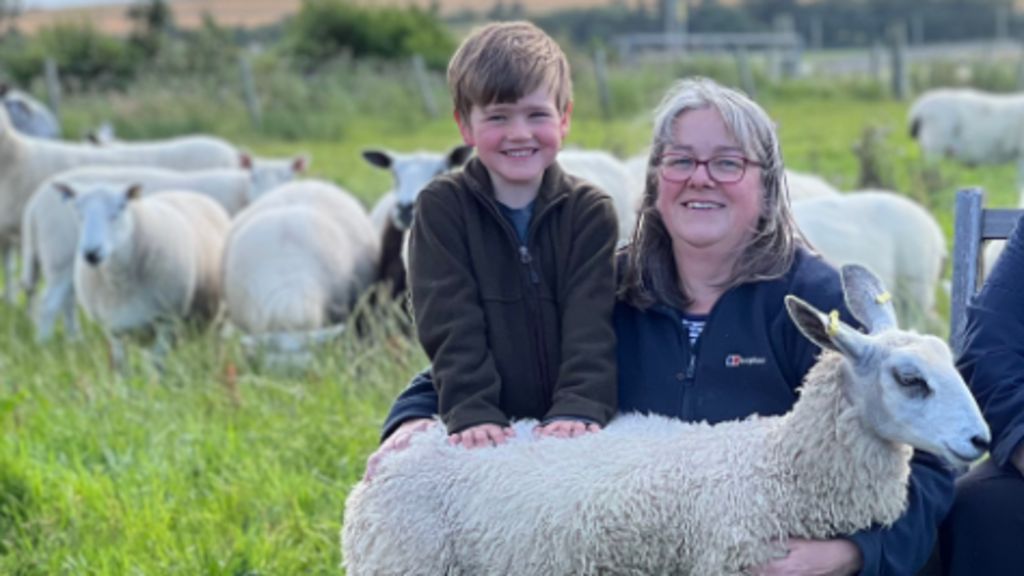
    A Scottish farmer’s encounter with a rare bacterial infection during an Australian holiday has fundamentally reshaped her approach to life and work over a transformative decade-long health journey. Sally Crowe, a 48-year-old Caithness crofter featured on BBC’s This Farming Life, contracted Q fever in 2012 while visiting friends working in a sheep-shearing facility in Western Australia.

    The initial symptoms manifested upon her return to the UK as severe flu-like sensations that medical professionals struggled to diagnose. After 18 months of uncertainty and being misdiagnosed with chronic fatigue syndrome (ME), doctors finally identified the condition as chronic Q fever—a rare airborne disease transmitted from farm animals that affects only approximately 5% of those exposed.

    The subsequent years brought profound challenges as Sally transitioned from an active farming lifestyle to being bedbound for up to 18 hours daily. The treatment landscape in Scotland proved limited, prompting her to seek specialized medical intervention from South Africa in 2016. Her year-long therapeutic regimen involved alternating weeks of antibiotics and anti-malarial medications, which initially exacerbated her discomfort before gradually restoring functionality.

    This health crisis precipitated a complete re-evaluation of priorities. Sally embraced IVF treatment and welcomed her son William in 2019, catalyzing a shift from work-centric living to quality family time. She implemented strategic energy management on her 65-acre family croft—established in 1972 and home to 60 breeding ewes, nine cattle, and numerous hens—alternating physical tasks with cognitively demanding activities across days.

    Medical authorities note that Q fever, while typically harmless, can develop into chronic conditions causing serious cardiovascular complications like endocarditis. The infection spreads primarily through contact with infected animals’ bodily fluids and tissues, posing particular risks to agricultural workers, veterinarians, and abattoir personnel. No licensed vaccine currently exists within the UK healthcare system.

    Sally’s narrative transcends medical statistics, embodying a powerful testament to resilience and reprioritization. She now consciously reserves weekends for meaningful interactions with her six-year-old son, recognizing the transient nature of childhood. Her experience underscores the importance of balancing occupational demands with personal fulfillment, offering insights relevant both to agricultural communities and broader discussions about occupational health risks and post-recovery life adaptation.

  • Coin portrait of late Queen draws criticism in Australia

    Coin portrait of late Queen draws criticism in Australia

    The Royal Australian Mint has ignited public debate with its newly released commemorative coins honoring the centenary of Queen Elizabeth II’s birth. The $5 and 50-cent silver coins, featuring a frontal portrait of the late monarch, have drawn significant criticism for their perceived lack of resemblance to Britain’s longest-serving ruler.

    Social media platforms erupted with negative reactions shortly after the coins’ unveiling. One commentator described the portrait as “the most unpleasant depiction on a coin,” while another suggested the frontal perspective made it appear “like she just ran into a wall.” Several observers noted the design bore stronger resemblance to fictional characters, including Mrs. Doubtfire from the beloved comedy film, than to the actual queen.

    The mint defended its artistic choices, explaining that “coin images don’t always capture the full beauty of a design once it’s etched in metal.” Despite the controversy, the limited edition coins proved immediately popular among collectors. The online ballot for purchasing the coins closed Wednesday with full subscription, and mint officials confirmed the silver proof versions had completely sold out.

    Only 30,000 of the 50-cent coins and 5,000 of the $5 denominations were produced, ensuring their status as exclusive collector’s items that will not enter general circulation. Beyond the controversial portrait, the coins feature intricate symbolic elements celebrating the queen’s life and legacy, including motifs of horses and corgis, artistic references to her cultural patronage, and floral emblems representing both her personal preferences (roses and lily of the valley) and Australia’s national flower (golden wattle).

    The design also incorporates Her Majesty’s Royal Cypher, a stylized St Edward’s Crown, and the Auxiliary Territorial Service emblem acknowledging her wartime service. The reverse sides display a profile portrait of King Charles III, continuing the royal numismatic tradition.

  • Australia’s Hazlewood ruled out of T20 World Cup

    Australia’s Hazlewood ruled out of T20 World Cup

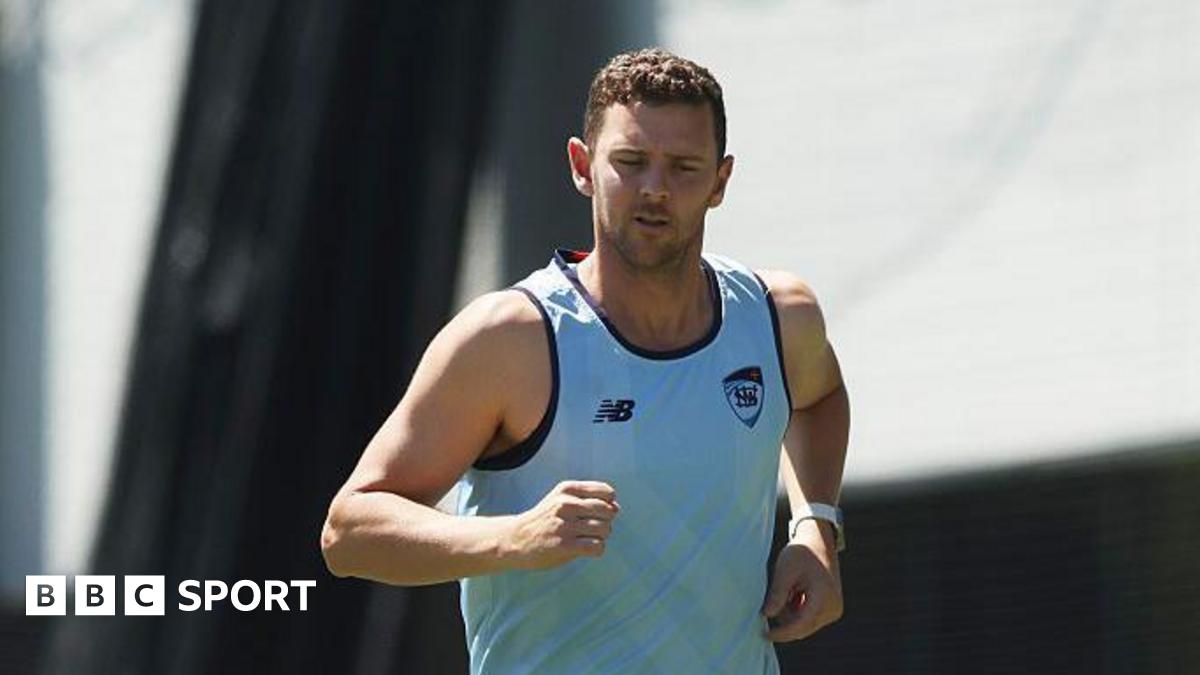
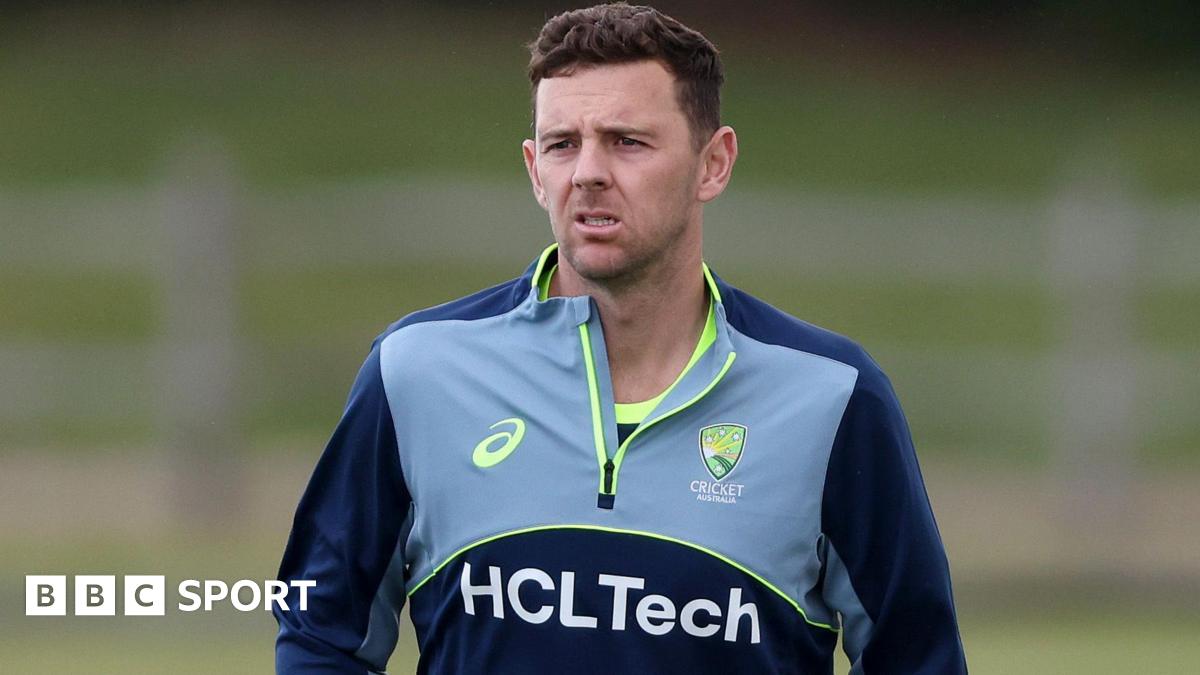
    Australia’s campaign at the upcoming Men’s T20 World Cup has been dealt a significant setback with the confirmed absence of veteran pace bowler Josh Hazlewood due to persistent injury concerns. The 35-year-old seamer, who boasts 79 wickets in 60 T20 international appearances, has been unable to recover sufficiently from combined hamstring and Achilles tendon issues that have sidelined him since mid-November.

    Cricket Australia’s national selector Tony Dodemaide revealed that medical assessments indicated Hazlewood remained ‘some time away’ from match fitness, forcing the organization to abandon plans for his potential mid-tournament return. ‘Attempting to accelerate Josh’s rehabilitation to participate in the latter stages would carry too much of a risk,’ Dodemaide stated, emphasizing the priority of player welfare over competitive considerations.

    This development compounds Australia’s bowling woes as Hazlewood joins fellow fast bowler Pat Cummins on the injury list. The Test captain was previously ruled out with a back injury after limited participation in the recent Ashes series. Despite these significant absences, Australian selectors have opted against immediate squad reinforcement, maintaining confidence in their existing resources.

    Bowling all-rounder Sean Abbott remains with the squad as a traveling reserve, though he has not been formally elevated to the main roster. Dodemaide indicated that any replacement decisions would be made based on ‘priority need’ as the tournament progresses. Australia commences their World Cup campaign against Ireland in Colombo on February 11th, with subsequent matches potentially testing the depth of their bowling arsenal in the co-hosted tournament across India and Sri Lanka.

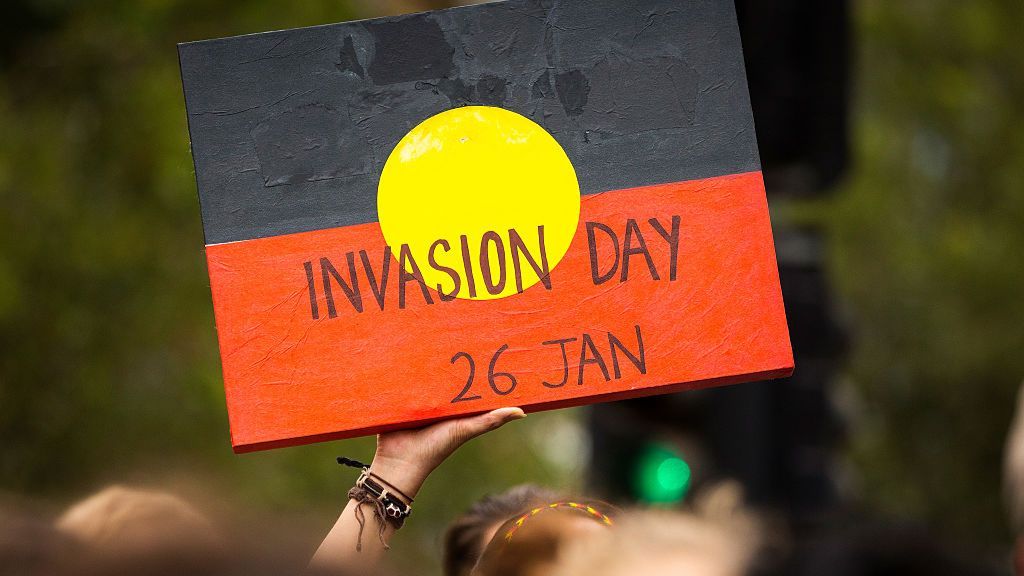
  • Man charged with terrorism over attack targeting Aboriginal Australians at protest

    Man charged with terrorism over attack targeting Aboriginal Australians at protest

    Western Australian authorities have brought unprecedented terrorism charges against a 31-year-old man accused of deploying a homemade explosive device during an Aboriginal rights demonstration in Perth last month. The suspect, whose identity remains protected by court order, allegedly hurled the improvised bomb into a crowd of approximately 2,500 peaceful protesters gathered to oppose Australia Day celebrations.

    The potentially lethal device, packed with ball bearings and screws as shrapnel, failed to detonate despite having its fuse lit. Law enforcement officials confirmed the unexploded bomb could have triggered a mass casualty event with catastrophic injuries and potential fatalities.

    West Australian Premier Roger Cook characterized the attack as racially motivated, stating the assailant targeted “Aboriginal people and other peaceful protesters” driven by “hateful, racist ideology.” Police Commissioner Col Blanch revealed the suspect appeared to be “self-radicalized” through online exposure to pro-white extremist content, acting without known accomplices.

    The investigation prompted an immediate coordinated response between state and federal agencies. Australian Federal Police Commissioner Krissy Barrett confirmed that both AFP and ASIO, the nation’s domestic intelligence organization, joined the case within 36 minutes of the incident to assess potential ongoing threats.

    This marks the first terrorism charge ever filed in Western Australia, carrying a maximum penalty of life imprisonment. The accused remains in custody awaiting his next appearance at Perth Magistrates Court on February 17, while already facing previous charges related to unlawful harm intent and explosive possession under suspicious circumstances.

    The incident has reverberated across Australia, particularly within Indigenous communities for whom January 26 represents Invasion Day rather than a national celebration, commemorating the 1788 arrival of British colonizers that began centuries of oppression.

  • Australia police charge man with abuse of 459 children

    Australia police charge man with abuse of 459 children

    Queensland police have unveiled one of Australia’s most extensive child exploitation cases, charging a 27-year-old man with 596 offenses involving 459 victims across 16 countries. The suspect, who remains in custody since his February 2025 arrest, allegedly orchestrated a sophisticated online predation scheme targeting children through popular social media and gaming platforms.

    Investigators discovered over 23,000 explicit videos and images stored on the defendant’s electronic devices, meticulously organized in named folders. The sheer volume of material required extensive forensic analysis, with authorities confirming 360 identified victims to date. Approximately 200 victims reside in Australia, while others are primarily located in English-speaking nations worldwide.

    According to Detective Acting Chief Superintendent Denzil Clark, the accused employed elaborate deception tactics between 2018 and 2025, creating multiple online personas posing as both genders to groom minors aged 7 to 15, predominantly boys. The predator recorded all interactions and used systematic coercion techniques to manipulate victims into producing sexually explicit material.

    The charges include 244 counts of producing child abuse material through carriage services, 163 counts of using carriage services to procure persons under 16, and 87 counts of engaging in sexual activity with children using communication networks. Clark emphasized the increasing prevalence of children being groomed through popular apps and games, noting the significant trauma inflicted on victims.

    International collaboration continues as authorities work to identify remaining victims and provide appropriate support services. Police confirmed ongoing investigations into additional suspects while declining to name specific platforms used, describing them only as “very popular” applications.

  • Doctor who treated Bondi Junction mass killer referred to health regulator

    Doctor who treated Bondi Junction mass killer referred to health regulator

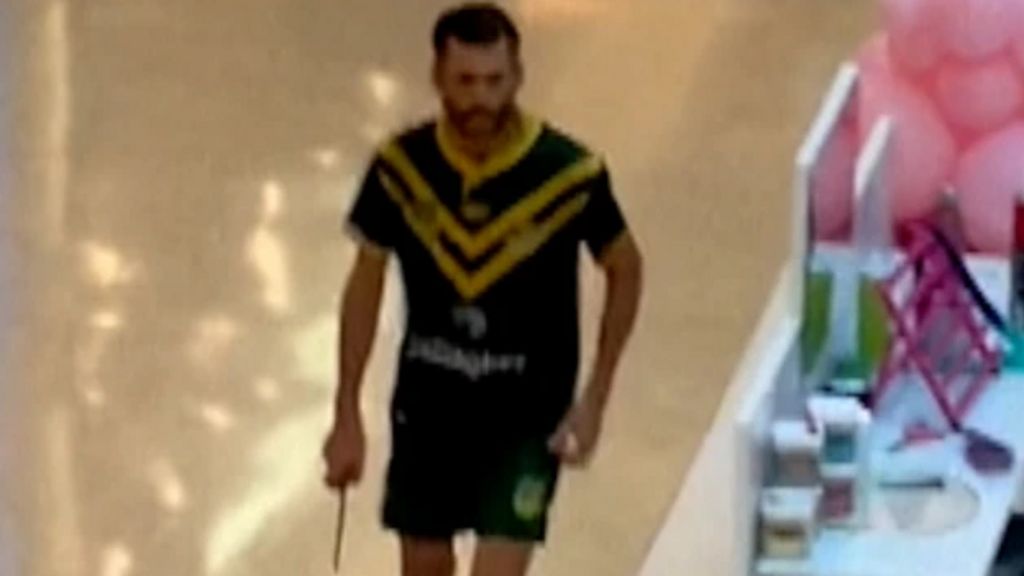
    A comprehensive coronial inquest into Sydney’s 2024 Westfield Bondi Junction stabbing rampage has identified critical failures across mental healthcare, law enforcement, and security systems that contributed to Australia’s deadliest mass-casualty event in years. Coroner Teresa O’Sullivan’s 800-page findings reveal how multiple institutional breakdowns enabled Joel Cauchi, a 40-year-old unmedicated schizophrenic, to murder six people and injure ten others during a psychotic episode.

    The investigation determined that while psychiatrist Dr. Andrea Boros-Lavack provided ‘exemplary’ care to Cauchi over many years, she committed a ‘major failing’ by disregarding urgent warnings from his family about his mental deterioration in late-2019. The coroner noted the psychiatrist failed to proactively urge Cauchi to resume medication after weaning him off pharmaceuticals, and provided inadequate documentation when transferring his care to another practitioner.

    Systemic vulnerabilities extended beyond healthcare. The inquest revealed NSW police missed intervention opportunities due to staffing shortages, with an email warning about Cauchi’s mental state being overlooked amid heavy workloads. Security provisions at Westfield shopping center proved equally deficient, with the sole CCTV operator during the attack deemed ‘incompetent’ for their role.

    Coroner O’Sullivan issued 23 recommendations for reform, including referring Dr. Boros-Lavack to Queensland health authorities for investigation, enhancing mental health outreach services, establishing short-term housing for mentally ill individuals, improving inter-agency coordination, and launching public safety campaigns promoting ‘escape, hide, tell’ protocols during armed incidents.

    The report also criticized media coverage for exacerbating trauma among victims’ families while recommending bravery awards for police inspector Amy Scott (who neutralized Cauchi), two French bystanders who intervened during the attack, and victim Ashlee Good who died shielding her infant daughter.

    Victims’ families expressed that the inquest demonstrated the tragedy represented ‘the end point of a long story’ rather than a random act of violence, with Cauchi’s parents hoping the findings would prevent similar future tragedies.

  • Growing calls in India to restrict children’s social media use

    Growing calls in India to restrict children’s social media use

    India is currently evaluating the potential implementation of social media restrictions for users under 16, following regulatory moves by Australia and several European nations. This consideration has gained traction among ministers from multiple Indian states who are examining the feasibility of such measures within the country’s legal and digital framework.

    The discussion gained official momentum when India’s Economic Survey, an annual policy document prepared by the chief economic adviser’s team, recommended age-based limitations for social media access by children. Although non-binding, these recommendations often influence government policy decisions.

    Several states have taken proactive steps toward regulation. Andhra Pradesh’s government has established a ministerial group to study international regulatory models and has initiated consultations with major technology companies including Meta, X, Google, and ShareChat. The state’s IT Minister Nara Lokesh expressed concern about children’s ‘relentless usage’ of social media platforms and its detrimental effects on education and attention spans.

    Other states including Goa and Karnataka have joined the conversation. Karnataka’s IT Minister Priyank Kharge referenced a ‘digital detox’ program involving 300,000 students and 100,000 teachers developed in partnership with Meta, though specific legislative proposals remain undefined.

    However, digital rights experts highlight significant implementation challenges. Activist Nikhil Pahwa notes the complexity of enforcing geographic-based restrictions due to unreliable IP address location data and potential conflicts between states with differing regulations. Age verification presents another substantial hurdle, as Prateek Waghre of Tech Global Institute explains that compliance would require universal verification across internet services.

    The human dimension adds complexity to the debate. Some parents welcome potential restrictions, while others like Delhi resident Jitender Yadav argue that the core issue lies with parental engagement patterns. ‘Unless parents give enough time to their children or learn to keep them creatively engaged,’ Yadav notes, ‘children will always find ways to bypass such bans.’

    This development places India within a growing global movement addressing youth social media usage, with Australia implementing the world’s first comprehensive ban for under-16s and France considering restrictions for under-15s.

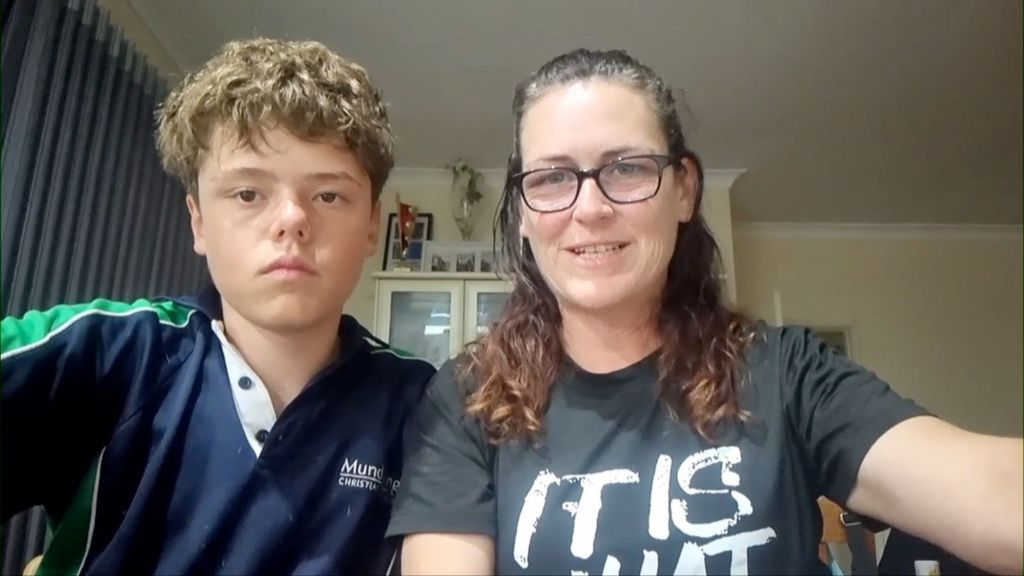
  • ‘I don’t think I am a hero’: Boy, 13, describes ‘superhuman’ swim to save family

    ‘I don’t think I am a hero’: Boy, 13, describes ‘superhuman’ swim to save family

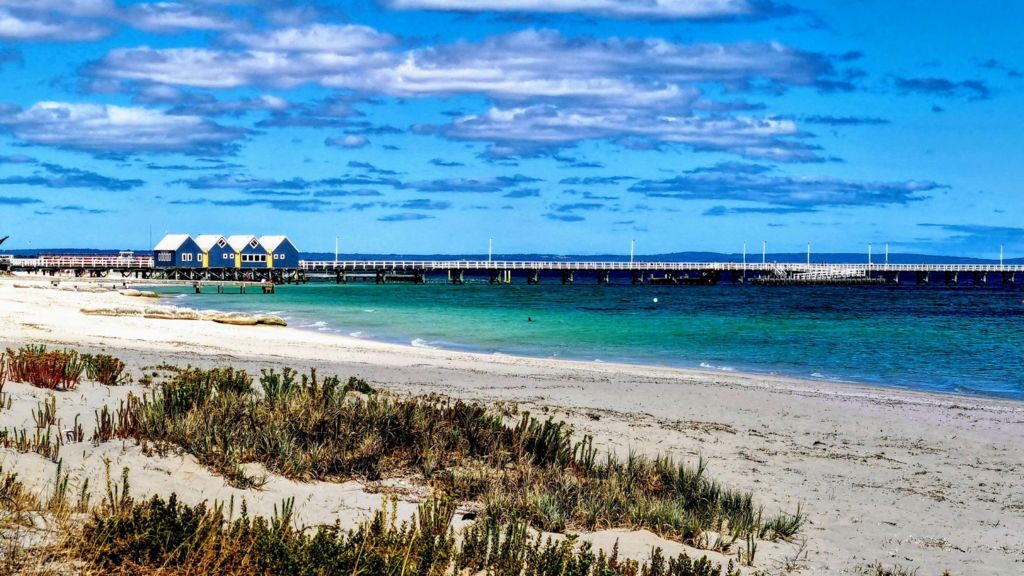
    In an extraordinary display of courage and resilience, 13-year-old Austin Appelbee undertook a perilous four-hour swim through treacherous ocean conditions to rescue his stranded family off Western Australia’s coast. The incident occurred last Friday near Quindalup beach when what began as leisurely paddleboarding in Geographe Bay turned disastrous after sudden wind shifts carried the family miles offshore.

    Separated from his mother Joanne and siblings Beau (12) and Grace (8), who clung desperately to paddleboards as darkness fell, Austin battled failing equipment, vanishing shorelines, and mounting exhaustion. His kayak capsized and took on water, forcing him to abandon both the vessel and his lifejacket before swimming the final two nautical miles using only his arms.

    Meanwhile, Joanne faced her own nightmare scenario, struggling to maintain hold of her younger children in increasingly violent waves while wrestling with the terrifying possibility that her decision to send Austin for help might have cost him his life. ‘I had assumed Austin hadn’t made it,’ she confessed to BBC News, describing the agonizing wait without sight of rescue vessels.

    The breakthrough came around 6:00 PM local time when Austin finally reached shore and accessed his mother’s phone to alert emergency services. Collapsing from exhaustion after making the call, he was hospitalized without knowing whether his family had survived. Minutes later, an ecstatic confirmation arrived: all had been rescued approximately 14 kilometers offshore.

    Medical teams treated the family for minor injuries and exposure, with Austin requiring crutches due to extreme muscle soreness. Despite being hailed as a hero by rescue officials—Naturaliste Volunteer Marine Rescue Group commander Paul Bresland described his efforts as ‘superhuman’—the modest teenager insists he merely ‘did what I did’ through a combination of prayer, positive thinking, and determination to save his loved ones.

  • Hazlewood set to miss first half of T20 World Cup

    Hazlewood set to miss first half of T20 World Cup

    Australia’s preparations for the T20 World Cup have encountered a significant setback with confirmation that veteran fast bowler Josh Hazlewood will miss the tournament’s initial phase due to ongoing injury complications. The 35-year-old paceman, who last featured in international T20 cricket against India on October 31st, continues to battle recovery challenges that have sidelined him since mid-November.

    Initially suffering a hamstring strain that caused him to miss the Ashes series opener against England, Hazlewood subsequently developed an Achilles injury during rehabilitation that further delayed his return. While head coach Andrew McDonald had previously expressed optimism about Hazlewood’s availability for the tournament’s commencement, recent assessments suggest a more cautious timeline.

    Test captain Pat Cummins, himself ruled out of the global tournament with a back injury, revealed insights into his teammate’s condition after their recent consultation. ‘I caught up with Josh a couple of days ago and he’s working so hard. I really feel for him – he’s had a few setbacks,’ Cummins told Australian broadcaster Nine Network. ‘He’s doing everything he can. I don’t think he will be there for the start of the tournament, but he’s trying his best to be there about halfway through.’

    Cricket Australia selectors have adopted a pragmatic approach, allowing Hazlewood to continue his rehabilitation program in Sydney rather than joining the squad in Sri Lanka. National selector Tony Dodemaide explained this decision prioritizes ‘more practical and beneficial’ recovery outcomes for the experienced bowler.

    As contingency planning, bowling all-rounder Sean Abbott has been elevated to traveling reserve status. Meanwhile, other squad members including Glenn Maxwell, Nathan Ellis and Tim David are scheduled to join the team in Sri Lanka ahead of Thursday’s warm-up encounter against the Netherlands.

    Hazlewood’s absence represents a substantial blow to Australia’s bowling arsenal, given his impressive record of 79 wickets at an economy rate of 7.47 across 60 T20 internationals. His contribution was particularly instrumental in Australia’s 2021 T20 World Cup triumph, where he delivered match-winning figures of 3-16 in the final against New Zealand.

    The defending champions commence their campaign against Ireland on February 11th, with the Super Eight stage scheduled to begin on February 21st.

  • ‘Brave’ boy, 13, swims 4km to save family stranded off Australia coast

    ‘Brave’ boy, 13, swims 4km to save family stranded off Australia coast

    A remarkable display of courage and resilience unfolded in Western Australia’s Geographe Bay as a 13-year-old boy executed a daring rescue mission to save his stranded family members. The incident occurred last Friday when strong winds unexpectedly swept the family’s inflatable watercraft approximately 4 kilometers offshore during what began as a routine paddleboarding and kayaking excursion.

    Facing deteriorating light conditions and challenging ocean swells, the teenager initiated what would become an extraordinary four-hour swimming ordeal. After his kayak began taking on water, the determined youth made the critical decision to continue toward shore without flotation assistance, abandoning his life jacket during the latter portion of his marathon swim to increase mobility.

    His successful arrival at approximately 18:00 local time triggered an immediate multi-agency search operation involving the Naturaliste Volunteer Marine Rescue Group and police resources. Rescue crews located the remaining family members—a 47-year-old mother, her 12-year-old son, and 8-year-old daughter—clinging to a paddleboard approximately 14 kilometers from shore around 20:30 that evening.

    Rescue commander Paul Bresland characterized the teenager’s effort as “superhuman,” noting the exceptional physical and mental fortitude required to complete such a demanding swim under dangerous conditions. Maritime officials confirmed that all three rescued individuals were properly wearing life jackets, which significantly contributed to their survival during the extended wait for assistance.

    Following medical evaluation at a nearby hospital, the family has been discharged and subsequently visited their rescuers to express gratitude personally. Police Inspector James Bradley emphasized that this incident serves as a crucial reminder of how rapidly ocean conditions can change, while acknowledging that the teenager’s determination ultimately prevented a tragic outcome.