Guadalajara, the capital of Mexico’s Jalisco state, faces unprecedented security challenges as it prepares to host four World Cup matches this summer. The city’s preparations occur against a grim backdrop of escalating cartel violence triggered by the military operation that killed Nemesio ‘El Mencho’ Oseguera, leader of the Jalisco New Generation Cartel, this past weekend.
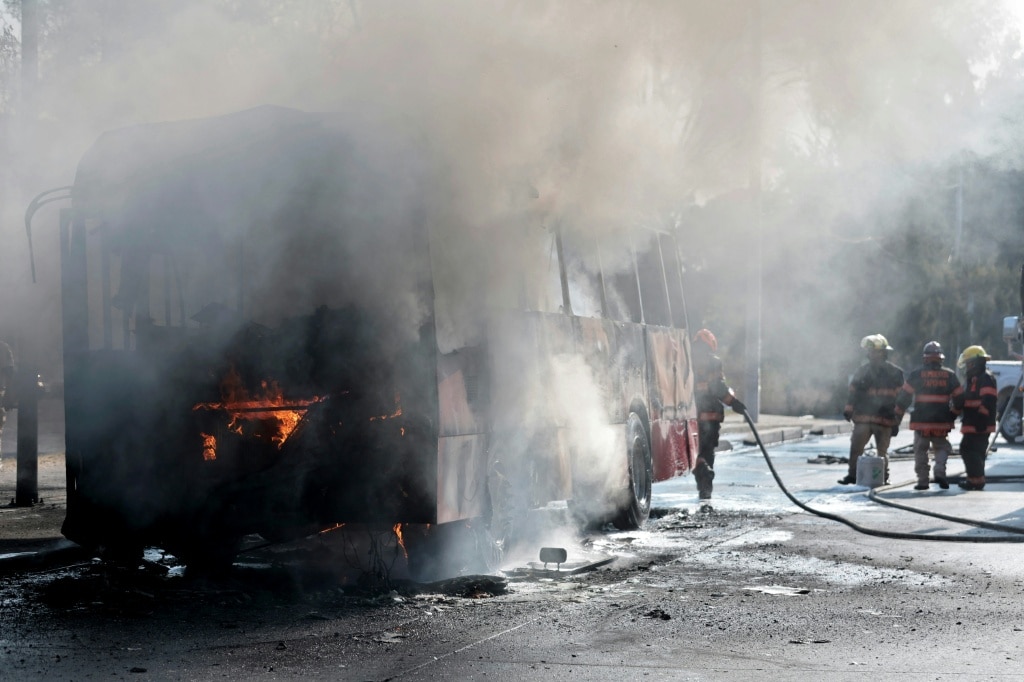
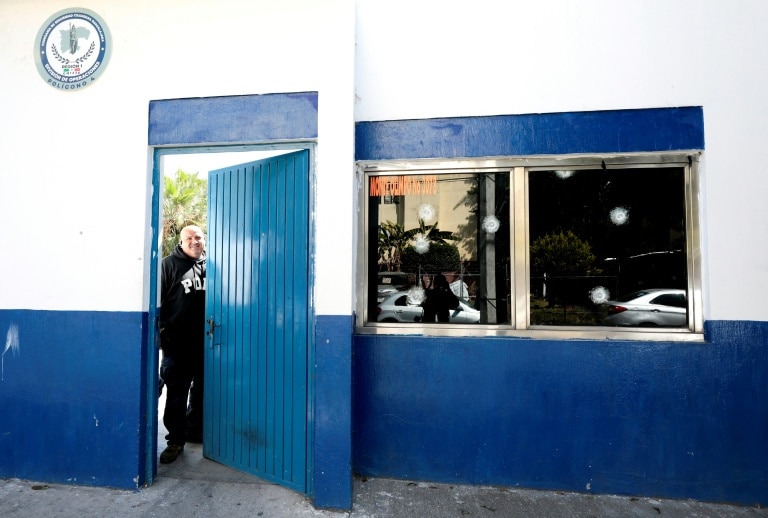
The lethal confrontation between security forces and cartel members resulted in at least 57 fatalities nationwide, alongside widespread highway blockades across 20 Mexican states. The violence forced temporary suspension of football games in Guadalajara and Queretaro, raising concerns about safety during the upcoming global tournament that Mexico is co-hosting with the United States and Canada.
Authorities are implementing advanced technological solutions to ensure security, including drone surveillance systems, anti-drone equipment, and AI-powered video monitoring. These measures address both immediate threats and the deeper security crisis in Jalisco, which leads Mexico in disappearances with 12,575 reported cases—over half from Guadalajara’s metropolitan area.
The human toll of the violence is profound. Families of the disappeared have uncovered hundreds of clandestine graves while searching for loved ones. Activists like Carmen Ponce, whose brother disappeared in 2020, criticize the World Cup hosting as ‘grotesque’ amid ongoing tragedies. The economic impact is already being felt, with local tour guide Missael Robles reporting 25 cancelled tours since Sunday’s violence.
Security concerns extend to tournament venues, with authorities discovering criminal properties just kilometers from the Akron Stadium. The proximity was underscored by a recent kidnapping-related raid less than two kilometers from the sporting complex. Families of the disappeared fear tourists might become targets, with security camera network supervisor Juan Carlos Contreras warning of potential protests by citizens searching for missing relatives.
FIFA has declined comment on the security situation, while the city remains emotionally and economically impacted by violence that contrasts sharply with officials’ recent claims of peace.