标签: Oceania

大洋洲

  • Trump vows to avenge first US deaths as Iran war intensifies

    Trump vows to avenge first US deaths as Iran war intensifies

    The Middle East conflict initiated by the United States has entered a dangerous new phase with the confirmation of the first American military fatalities. President Donald Trump, speaking from his Mar-a-Lago estate in Florida, pledged severe retaliation against Iranian forces following a coordinated US-Israeli offensive that eliminated Iran’s Supreme Leader Ayatollah Ali Khamenei and decimated the headquarters of Iran’s Islamic Revolutionary Guard Corps (IRGC).

    The Pentagon confirmed three US service members killed and five seriously wounded in Operation ‘Epic Fury’ – the joint military campaign targeting Iranian leadership and military infrastructure. President Trump warned of additional casualties while promising ‘the most punishing blow to the terrorists who have waged war against civilization.’

    Iran’s response has been immediate and widespread, launching missile and drone attacks across the Middle East that have caused significant casualties in Israel and the United Arab Emirates. The conflict has transformed glittering Gulf economic centers into conflict zones, with explosions reported in previously secure urban areas.

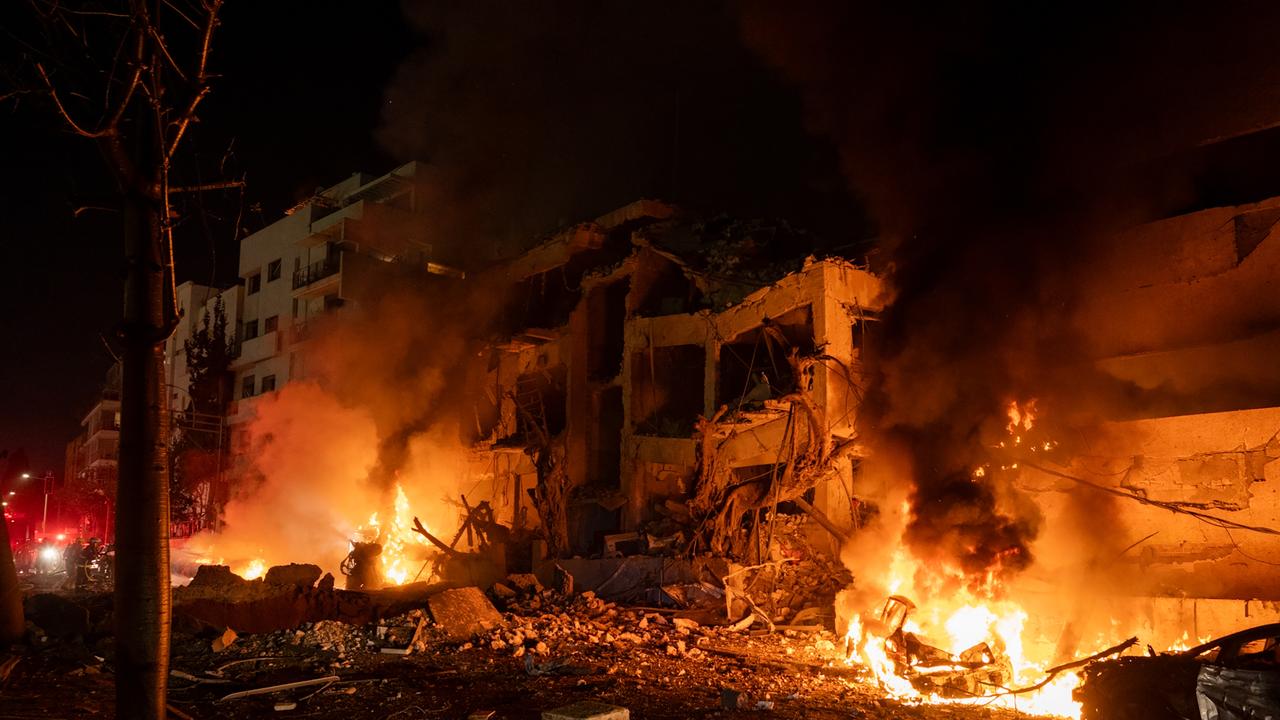
    In Israel, Beit Shemesh suffered a devastating missile strike that killed nine civilians and injured dozens. The Iran-backed Hezbollah movement in Lebanon also entered the conflict, launching projectiles into northern Israel despite being weakened by previous Israeli military actions.

    Political fallout within the United States has been immediate, with House Democratic leader Hakeem Jeffries condemning the operation as a ‘reckless decision’ lacking sufficient justification. The casualties present a particular political challenge for President Trump, who built his political career criticizing foreign military interventions.

    Iran’s interim leadership, including President Masoud Pezeshkian and newly appointed Ayatollah Alireza Arafi, has vowed severe retaliation, characterizing Khamenei’s assassination as ‘a declaration of war against Muslims.’ Ali Larijani, head of Iran’s Supreme National Security Council, promised unprecedented counterstrikes against American and Israeli targets.

    The international response remains divided, with the attack occurring just two days after reportedly productive nuclear negotiations between US and Iranian officials in Oman. The sultanate itself became a casualty of the conflict when its commercial port at Duqm suffered drone strikes that injured a foreign worker.

    Maritime security has deteriorated dramatically, with three commercial vessels attacked in the strategically vital Strait of Hormuz and global oil prices spiking after Iran declared the waterway closed to navigation. While Iran’s Revolutionary Guards claimed successful strikes against the USS Abraham Lincoln, Pentagon officials dismissed these assertions as ‘not even close’ to accurate.

    Humanitarian organizations report significant casualties within Iran, with the Red Crescent documenting 201 fatalities and hundreds injured from the initial strikes. Among the confirmed deaths are Ali Shamkhani, a senior adviser to Khamenei, and General Mohammad Pakpour, commander of the Revolutionary Guards ground forces.

    The UAE has taken diplomatic action against Iran, recalling its ambassador and closing its embassy in response to attacks that killed three of its citizens. The conflict has sparked both celebration and anger across the region, with protests outside the US consulate in Karachi, Pakistan resulting in 17 fatalities.
  • ‘I couldn’t say no’: Phil Gould’s son makes name for himself as Storm eyes major milestone

    ‘I couldn’t say no’: Phil Gould’s son makes name for himself as Storm eyes major milestone

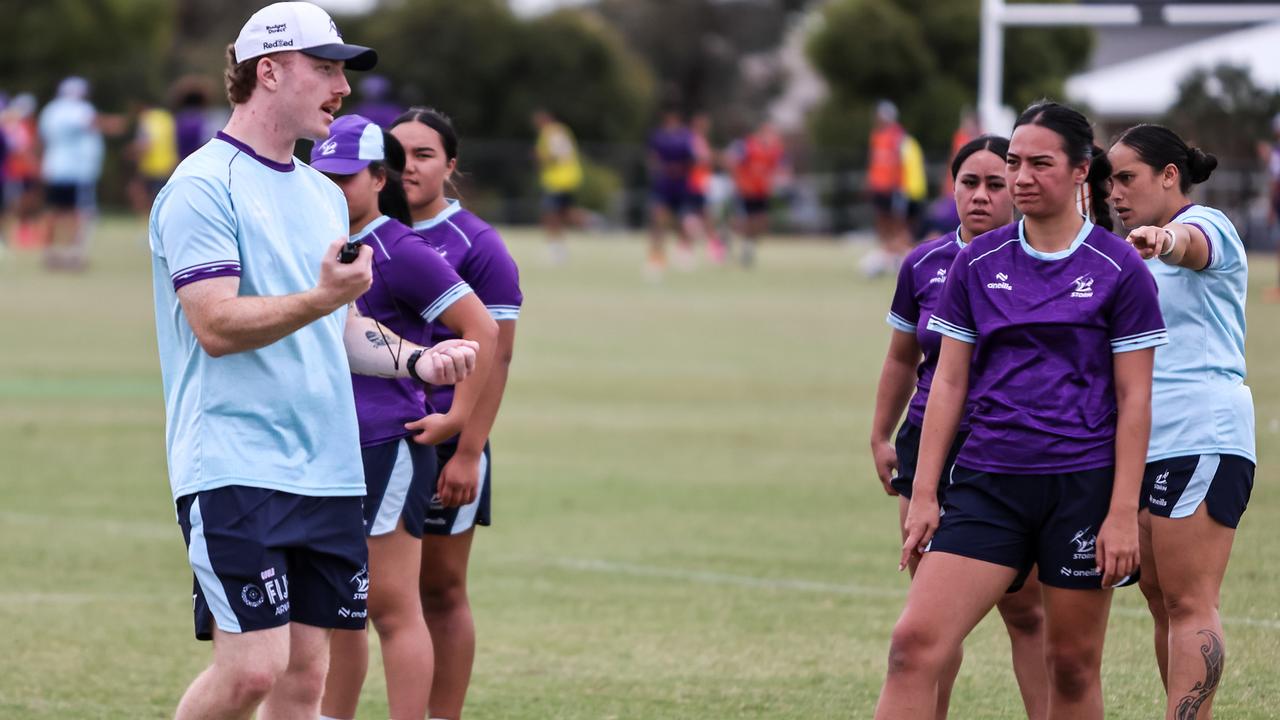
    A new chapter in one of rugby league’s most storied family legacies is being written in Melbourne, far from the familiar Sydney spotlight. Jack Gould, son of league immortal Phil Gould, is spearheading a groundbreaking initiative as the coaching director for the Melbourne Storm’s burgeoning women’s pathways program.

    While his father, Phil, continues his transformative work with the Canterbury-Bankstown Bulldogs, Jack is carving his own distinct identity in the sport. His journey began with a five-year tenure at the Cronulla-Sutherland Sharks, where his role as female pathways coordinator earned him the prestigious Andrew Ettingshausen Club Person of the Year Award in 2025. This experience laid the foundation for his current ambitious project with the Storm.

    Jack’s appointment marks a strategic move by Melbourne to build a sustainable future in women’s rugby league. He is working in close partnership with female pathways manager Pauline Poloai to establish the club’s first-ever entries in the Tarsha Gale Cup (U19s) and Lisa Fiaola Cup (U17s). A key architect of this development, Gould has also assumed head coaching duties for the Tarsha Gale side, balancing this with his oversight of the academy programs.

    The philosophy driving this initiative, endorsed by football director Frank Ponissi’s ‘Road to AAMI Park’ program, emphasizes cultivating homegrown talent. This focus is yielding impressive results, with the U17s squad comprising 100% Victorian players and the U19s team featuring 90% local talent—a point of immense pride for the club.

    The long-term vision, as outlined by Gould, is a methodical ascent to the NRLW. The strategy involves patiently strengthening the current junior foundations before establishing a reserve grade team in the Harvey Norman Women’s Premiership by 2027 or 2028. This deliberate, bottom-up approach aims to ensure the future NRLW side is built on a robust and competitive local player base, ready to excel from its inception.

  • ‘Consistency’: Stephen Crichton dodges charge for high shot as Cowboys winger faces ban

    ‘Consistency’: Stephen Crichton dodges charge for high shot as Cowboys winger faces ban

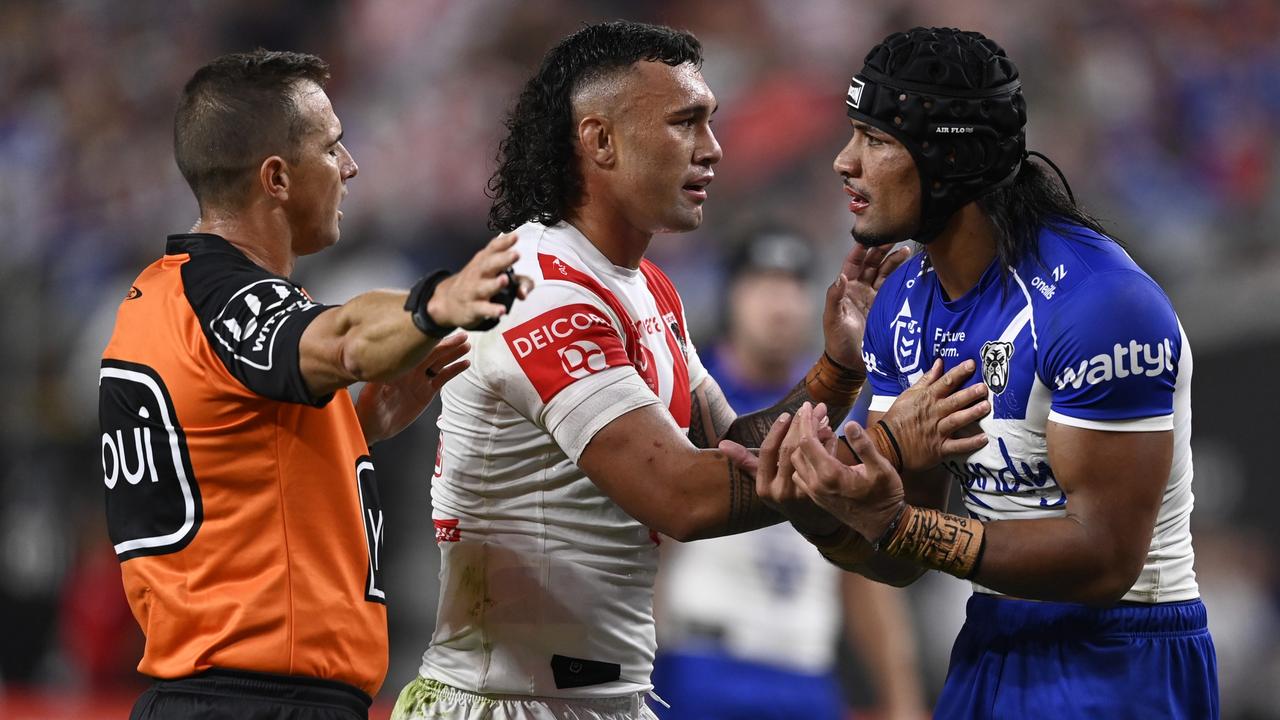
    The National Rugby League’s match review committee has issued its disciplinary findings from the historic Las Vegas double-header, generating significant controversy over perceived inconsistencies in judicial outcomes. While Bulldogs captain Stephen Crichton escaped any sanction for his high tackle on Dragons rookie Setu Tu, Cowboys winger Braidon Burns faces a potential two-match suspension for his challenge on Knights superstar Kalyn Ponga.

    The committee’s decision regarding Crichton has raised eyebrows across the league, particularly given that the Bulldogs skipper was penalized during the match for direct contact to Tu’s head while the rookie was in a vulnerable position catching a high ball. The absence of any subsequent charge stands in stark contrast to Burns’ situation, who received a grade 2 careless high tackle charge and was sin-binned during the match for his challenge on Ponga.

    Dragons coach Shane Flanagan expressed frank bewilderment at the disciplinary inconsistencies, telling reporters: ‘Seriously mate, there was about six or seven of them. I’m disappointed.’ His frustration echoed sentiments shared by several analysts who questioned the application of consistent standards across both matches.

    Meanwhile, North Queensland faces additional concerns with forward Tom Mikaele potentially sidelined for six weeks with medial knee damage following a cannonball tackle from Knights veteran Tyson Frizell, who only faces a $1,000 fine for a grade 1 dangerous contact charge. Cowboys coach Todd Payten voiced his dissatisfaction, stating: ‘I’d just like a bit of consistency, but we’ll see what happens through the week.’

    The contrasting outcomes have ignited debate about judicial consistency in the NRL, particularly regarding high tackles and dangerous contact, as the league continues its international expansion efforts through the American showcase games.

  • ‘Not priced in’: ASX falls on US-Iran war

    ‘Not priced in’: ASX falls on US-Iran war

    Financial markets worldwide have been thrown into turmoil following a decisive US-Israel military operation that eliminated Iranian Supreme Leader Ayatollah Ali Khamenei and numerous senior officials. The coordinated strikes, described by US President Donald Trump as “pre-emptive,” have triggered a dramatic 15.13% surge in oil prices to $US77.44 per barrel, with projections indicating potential spikes beyond $US100.

    Australia’s ASX 200 index dropped 0.42% to 9,160.10 points by midday Monday, reflecting widespread investor anxiety over escalating Middle East tensions. The market decline was partially mitigated by a substantial 3.78% rally in energy stocks, which benefited from the crude price surge.

    Analysts from Capital.com warn that markets had not priced in comprehensive strikes against Iran, drawing parallels to the initial market shock following Russia’s invasion of Ukraine, though noting Iran’s more limited integration into the global economy might moderate the ultimate economic impact.

    The commodity shock extended beyond oil, with gold futures jumping 2% to a four-week high of $US5,200 per ounce and silver rallying 8% to $US112.03 per ounce. The Australian dollar simultaneously fell 1.1% to a four-day low of 70.36 US cents.

    Energy experts from Wood Mackenzie highlight additional risks to global supply chains, predicting dramatic increases in tanker rates and insurance costs that would compound the inflationary pressure from elevated oil prices. Major net energy importers including Japan, China and India face particular vulnerability to sustained price increases.

  • Arsenal corner Chelsea into submission, Man Utd climb to third

    Arsenal corner Chelsea into submission, Man Utd climb to third

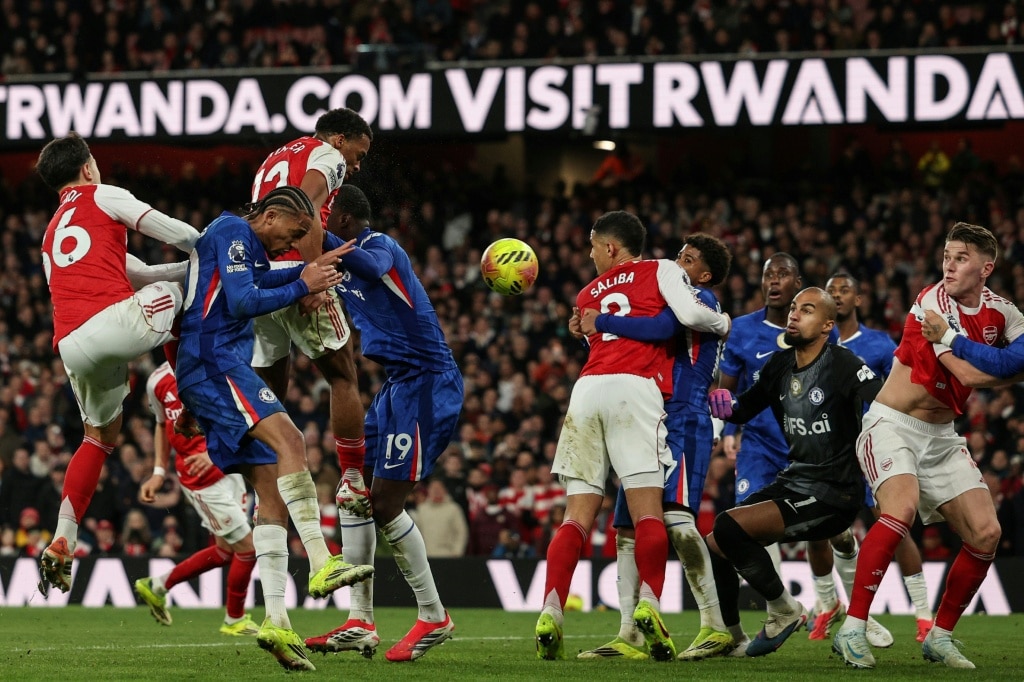
    The Premier League landscape witnessed significant shifts this weekend, headlined by Arsenal fortifying their championship credentials with a tactical masterclass against London rivals Chelsea. The Gunners secured a 2-1 victory, a win heavily influenced by their set-piece supremacy and Chelsea’s recurring disciplinary woes.

    The match’s narrative was defined by defensive contributions. William Saliba broke the deadlock in the 21st minute, capitalizing on a rehearsed corner routine that saw Gabriel Magalhaes nod the ball back across goal. Chelsea momentarily found parity, albeit through an unfortunate Pedro Hincapie own goal from another corner. The decisive blow came just after the hour mark from an unlikely source. Dutch defender Jurrien Timber headed into an unguarded net after Chelsea goalkeeper Robert Sanchez misjudged Declan Rice’s in-swinging delivery. The Blues’ frustrations culminated in a red card for Pedro Neto, his dismissal marking the ninth instance of a Chelsea player being sent off this season. A late disallowed equalizer for offside sealed a defeat that severely dents Chelsea’s top-five aspirations.

    Meanwhile, at Old Trafford, Benjamin Sesko emerged as the hero for Manchester United, vindicating manager Michael Carrick’s decision to reinstate him to the starting lineup. United overcame an early deficit against Crystal Palace, who had taken the lead through Maxence Lacroix. The game’s pivotal moment arrived just before the hour mark when Lacroix was dismissed for a professional foul on Matheus Cunha, conceding a penalty in the process. Bruno Fernandes converted from the spot and later turned provider, delivering a precise cross for Sesko to power home his seventh goal in eight appearances, sealing a 2-1 comeback.

    In contrast, Tottenham Hotspur’s crisis deepened under interim manager Igor Tudor. A 2-1 defeat at Fulham, with goals from Harry Wilson and Alex Iwobi, extended their winless run in 2026, making them the only Premier League side without a victory this calendar year. A late Richarlison header proved a mere consolation, leaving Spurs hovering just four points above the relegation zone amidst what Tudor described as ‘big problems’ within the squad.

  • Thousands stranded as Iran conflict shuts Mideast hubs

    Thousands stranded as Iran conflict shuts Mideast hubs

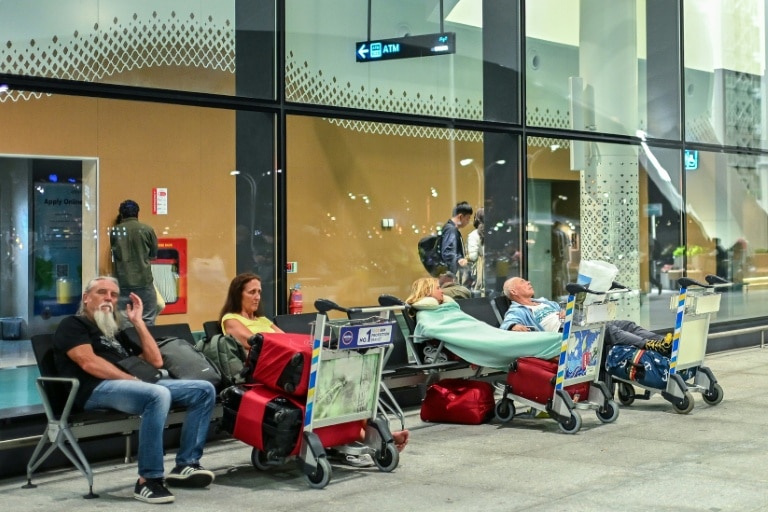
    Global aviation networks faced their most severe disruption since the COVID-19 pandemic as escalating Middle East tensions forced widespread flight cancellations and airspace closures. The conflict, sparked by Iranian retaliatory strikes against US-Israeli military actions, has effectively shut down major Gulf aviation hubs including Dubai and Doha, stranding thousands of passengers worldwide.

    Aviation analytics firm Cirium reported over 1,500 flight cancellations to the Middle East on Sunday alone, representing more than 40% of scheduled regional traffic. FlightAware data indicated broader global impacts with approximately 2,700 cancelled flights and 12,300 delays by Sunday evening GMT. The cascade of disruptions began when Iran, Iraq, Israel, Syria, Kuwait, Qatar, and the United Arab Emirates implemented full or partial airspace closures in response to military actions.

    The economic consequences are already substantial, with industry experts estimating hundreds of millions of euros in losses for air transport providers. Didier Brechemier of Roland Berger noted the unprecedented scale of disruption, stating that even Russia’s invasion of Ukraine didn’t affect Middle Eastern transit hubs to this degree.

    Passenger experiences ranged from terrifying to frustrating. Italian rapper BigMama documented her ordeal on Instagram after her flight from the Maldives was diverted to a desert location near Dubai amid missile attacks. ‘We keep hearing missiles over our heads. I’m terrified,’ she shared in an emotional video post. Other travelers faced practical challenges, with one Johannesburg passenger reporting rapidly escalating prices for alternative flights and uncertainty about accommodation.

    France and Thailand have begun exploring evacuation options for their citizens, while tourism industry representatives discuss establishing ‘air bridges’ through alternative hubs like Istanbul. The crisis has dealt a significant blow to the Gulf monarchies’ reputation for security and stability, which has been central to their appeal as global business and tourism destinations.

    Eyewitness accounts from Dubai described explosions rocking the Palm Jumeirah area, with drone debris causing fires at the luxury Burj Al Arab hotel. French tourist Claudine Schwartz reported being confined to her hotel’s lowest level during the attacks and subsequently registering with her government’s emergency hotline for stranded citizens.

  • Afghan, Pakistani forces battle along the border

    Afghan, Pakistani forces battle along the border

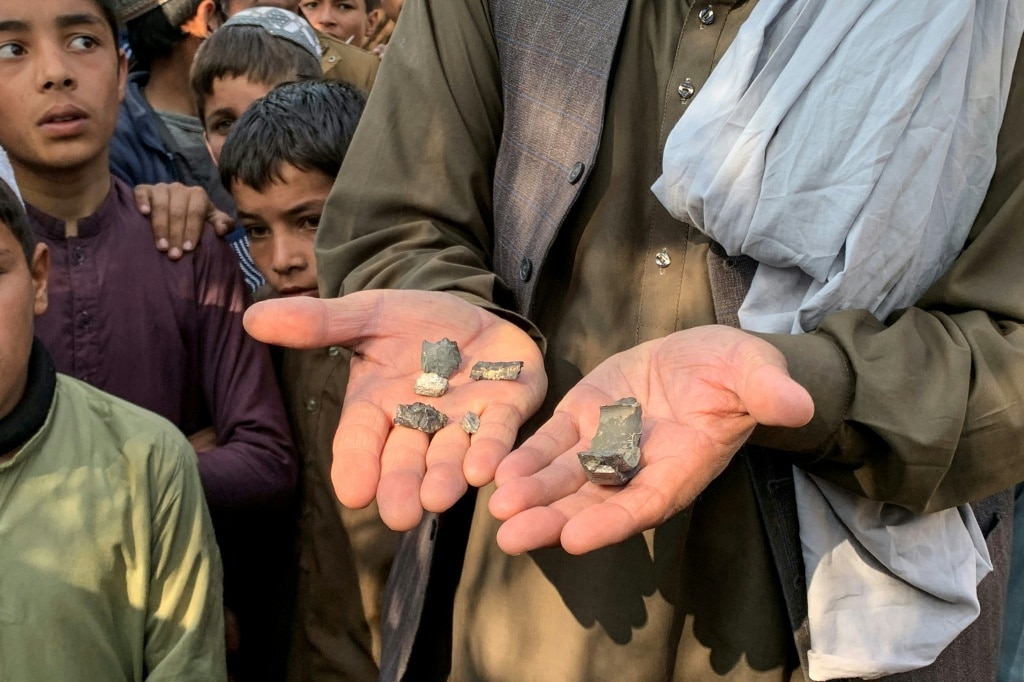
    Tensions between Afghanistan and Pakistan have dramatically intensified into open military confrontation, with both nations engaging in cross-border aerial bombardments and ground operations. The conflict reached a critical point on Sunday as Afghan residents reported sustained fighting along multiple frontier regions, including drone strikes and artillery shelling that resulted in civilian casualties.

    The escalation began Thursday when Afghan forces launched a coordinated offensive along the disputed border region, prompting immediate retaliation from Pakistani military units. In a significant escalation of tactics, Pakistani jets conducted aerial strikes targeting the former U.S. air base at Bagram north of Kabul—marking the first time Pakistan has directly attacked Afghan government facilities rather than claimed militant positions.

    Eyewitness accounts describe terrifying dawn raids with powerful explosions that shook residential areas. ‘There was smoke and fire coming out north of the airport,’ one anonymous resident reported, characterizing the experience as ‘very terrifying.’ Although provincial officials confirmed attempted bombings at Bagram, they reported no casualties or structural damage from these particular strikes.

    The human cost continues to mount, with Afghan deputy spokesman Hamdullah Fitrat reporting 36 civilian deaths across multiple provinces since Thursday. Heartbreaking personal tragedies have emerged, including that of an 18-year-old in Asadabad who was killed while attempting to protect his family home after recently marrying.

    Pakistan’s information minister Attaullah Tarar acknowledged bombing 46 locations across Afghanistan but claimed these operations targeted militant infrastructure. Islamabad asserts that 415 Afghan soldiers have been killed, though these figures remain unverified by independent sources. Afghanistan meanwhile claims to have killed over 80 Pakistani soldiers and captured 27 military posts.

    The current violence represents the most severe outbreak since October clashes that killed more than 70 people on both sides. Diplomatic efforts led by Saudi Arabia and Qatar have so far failed to establish a ceasefire, with Pakistan maintaining that Afghanistan has not adequately addressed militant groups operating along the border—a charge the Taliban government vehemently denies.

    The border region remains highly volatile with increased security presence in Kabul, additional checkpoints throughout the city, and reports of ongoing sporadic clashes in Khost and Nangarhar provinces. The Torkham border crossing—a vital transit point for Afghans returning from Pakistan—has experienced significant disruption due to the fighting.

  • Kerr scores first international goal in 28 months

    Kerr scores first international goal in 28 months

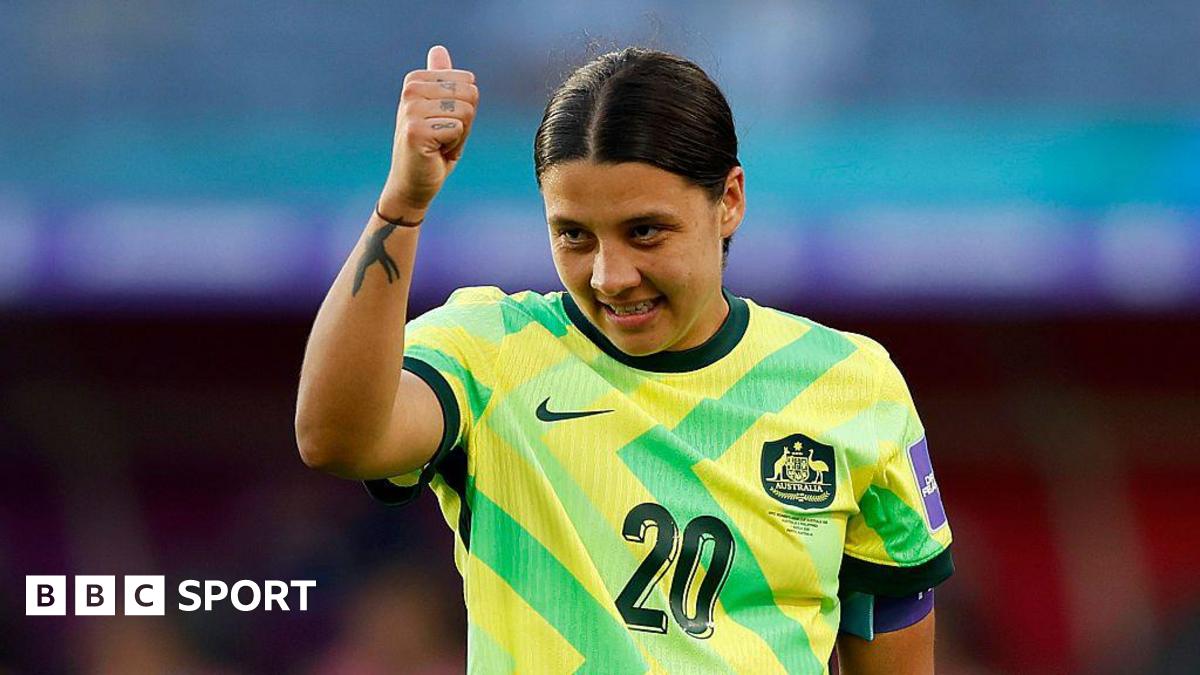
    In a moment of sporting triumph overshadowed by geopolitical tensions, Australian football star Sam Kerr marked her international return with a decisive goal against the Philippines. The Chelsea striker’s 14th-minute header secured a 1-0 victory for Australia in their Asian Cup opener at Perth Stadium, marking her first international goal since November 2023 following a lengthy recovery from an anterior cruciate ligament injury.

    The 32-year-old forward, who only returned to competitive play in September after nearly two years sidelined, recorded her 70th international goal in what became the match’s solitary highlight. Despite Australia’s numerous missed opportunities, Kerr’s clinical finish proved sufficient for the victory.

    “I’m gradually rediscovering my confidence,” Kerr stated post-match. “While I feel like my normal self, I need more involvement in scoring positions. This performance represents a positive beginning, and our squad maintains strong belief, though the Asian Cup clearly features numerous quality opponents requiring our focused approach.”

    The tournament proceeds against a complex backdrop of Middle East conflicts that have already impacted regional football scheduling. The Asian Football Confederation announced postponement of West Region matches originally scheduled for March 2-3, 2026, citing “the developing situation in the Middle East” following recent military exchanges between the United States, Israel and Iran.

    Australia prepares to face Iran next Thursday at Gold Coast Stadium, with the AFC confirming close coordination with Iranian team officials regarding safety protocols. The confederation emphasized its “resolute commitment to ensuring the safety and security of all players, teams, officials, and fans” while monitoring the evolving geopolitical landscape.

    The Women’s Football Weekly podcast returns with hosts Ben Haines, Ellen White and Jen Beattie offering weekly analysis every Tuesday on BBC Sounds, featuring coverage of the Women’s Super League and international competitions.

  • Belgium seizes Russian ‘shadow fleet’ tanker

    Belgium seizes Russian ‘shadow fleet’ tanker

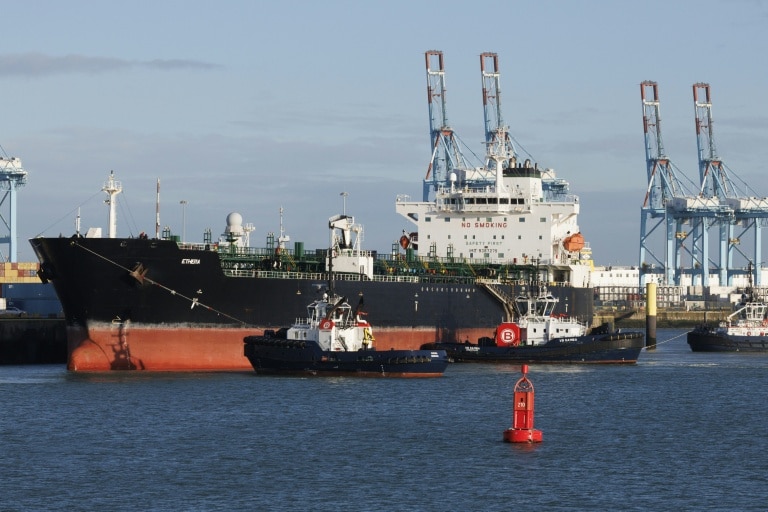
    In a significant multinational operation, Belgian special forces have intercepted and seized a Russian oil tanker belonging to Moscow’s ‘shadow fleet’ used to circumvent Western sanctions. The vessel, identified as the ‘Ethera,’ was boarded overnight in Belgium’s exclusive economic zone with aerial support from French military helicopters before being escorted to the port of Zeebrugge for confiscation.

    Federal prosecutors confirmed the tanker was sailing under the false flag of Guinea while actually operating as part of Russia’s sanctions-evasion network. During inspection, authorities discovered suspected forged ship documents, prompting the opening of a criminal investigation. Sailing under false flags violates multiple international maritime regulations concerning safety, insurance, and environmental standards.

    French President Emmanuel Macron hailed the operation on social media as a ‘major blow’ to Russia’s shadow fleet, while Belgian officials emphasized the importance of sanctions enforcement. ‘Sanctions only matter if they are enforced. Today, we enforced them,’ stated Belgian Foreign Minister Maxime Prevot.

    The operation was conducted in coordination with G7, Nordic, and Baltic partners, highlighting international cooperation against Russian sanctions evasion. French forces provided critical air support with two NH90 helicopters, with footage showing Belgian commandos rappelling onto the vessel’s deck.

    Russia’s embassy in Brussels stated it had not received official notification of the detention and was investigating whether Russian citizens were among the crew. Meanwhile, Ukrainian leadership welcomed the seizure, with President Volodymyr Zelensky describing it as ‘strong action against Moscow’s floating purse.’

    This incident follows previous seizures of suspected Russian shadow fleet vessels, including France’s interception of the tanker ‘Grinch’ in January and another vessel in September that was found carrying employees of a Russian private security company tasked with monitoring crew and gathering intelligence.

  • Music, mourning as Iran’s Khamenei is killed

    Music, mourning as Iran’s Khamenei is killed

    The global geopolitical landscape was jolted by the confirmed death of Iran’s Supreme Leader, Ayatollah Ali Khamenei, following a targeted US-Israeli military operation against the Islamic Republic. The event has triggered a complex and volatile array of international and domestic reactions, ranging from overt jubilation to profound mourning and vows of severe retaliation.

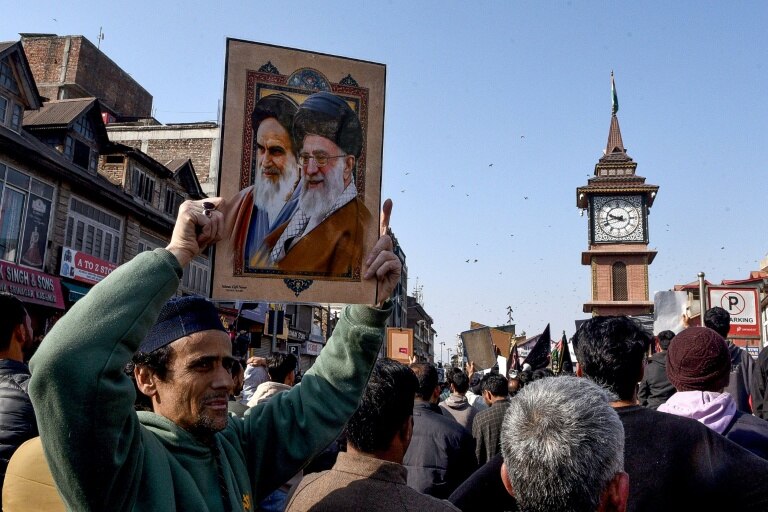
    Within Tehran, the atmosphere was starkly divided. Verified footage and eyewitness accounts documented spontaneous public celebrations, with citizens setting off fireworks and broadcasting music in a rare display of collective relief. Conversely, state-sanctioned mourners, clad in black and brandishing Iranian flags alongside portraits of the late leader, congregated in Enghelab Square, vociferously chanting anti-American and anti-Israeli slogans. The Iranian government promptly declared a 40-day national mourning period and seven public holidays.

    In a formal statement, Iran’s President Masoud Pezeshkian condemned the strike as a ‘declaration of war against Muslims’ and asserted the nation’s ‘legitimate duty and right’ to exact revenge. This pledge was immediately echoed by the powerful Revolutionary Guards, who vowed to punish the ‘murderers.’

    The international community responded with deeply polarized positions. Key ally Russian President Vladimir Putin denounced the killing as a ‘cynical violation of all norms of human morality and international law,’ extending his official condolences. Conversely, US President Donald Trump, who announced the operation, labeled Khamenei ‘one of the most evil people in History’ and framed his death as an opportunity for Iranians to ‘take back their country.’ Israeli Prime Minister Benjamin Netanyahu similarly urged citizens to ‘overthrow the regime,’ characterizing the Supreme Leader as a ‘cruel tyrant.’

    Support from Iran’s network of regional proxies was swift. Hamas praised Khamenei’s unwavering support for the Palestinian cause, while Hezbollah’s leadership in Lebanon vowed to confront the aggression. The fallout escalated into deadly protests, with at least nine fatalities reported as pro-Iranian demonstrators attempted to storm the US consulate in Karachi, Pakistan. Simultaneously, in a symbolic gesture, jubilant Iranian diaspora communities in cities like Los Angeles took to the streets waving pre-revolutionary flags and expressing hope for a ‘Free Iran.’ Western officials, including those from the UK and Australia, expressed little sympathy, stating that ‘few people will mourn’ a leader they held responsible for regional destabilization and domestic oppression.