标签: Oceania

大洋洲

  • US immigration officer fatally shoots woman in Minneapolis

    US immigration officer fatally shoots woman in Minneapolis

    Minneapolis became the epicenter of national tension on Wednesday when a federal immigration officer fatally shot a 37-year-old woman during a controversial enforcement operation, sparking immediate outrage from local leaders and widespread protests. The incident occurred during a second day of large-scale Immigration and Customs Enforcement (ICE) raids ordered by the Trump administration, intensifying the existing rift between federal authorities and local officials.

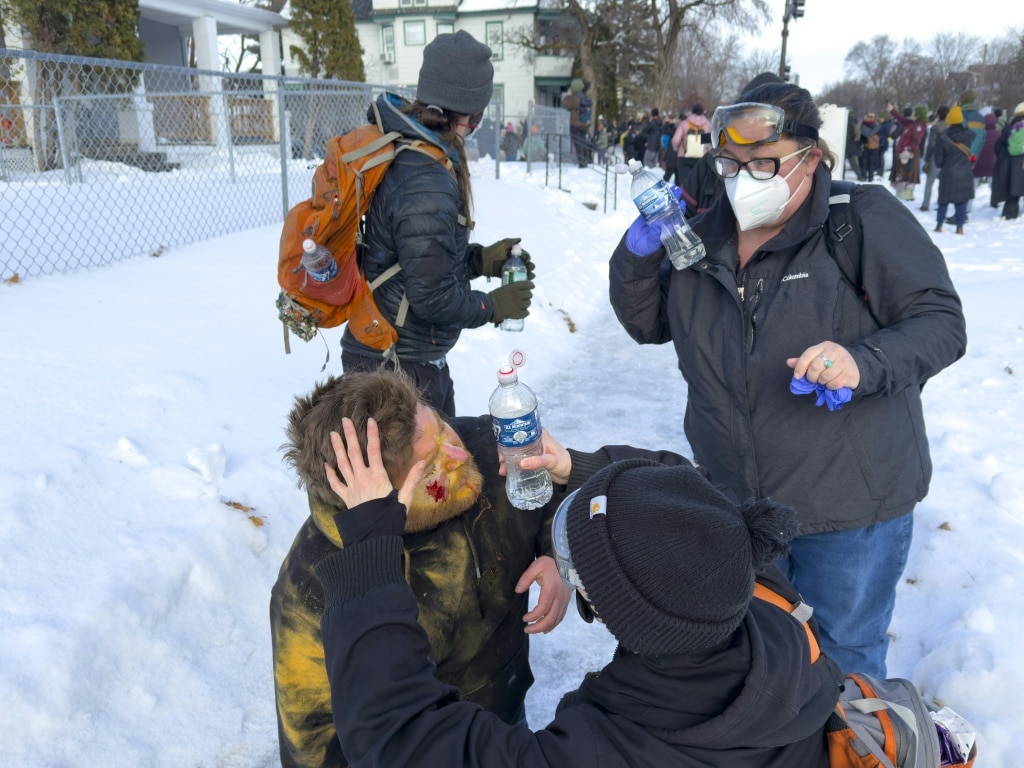
    According to witness accounts and unverified video footage, the confrontation unfolded on a snow-covered street. A Honda SUV was reportedly positioned in a manner that obstructed the path of unmarked law enforcement vehicles. As officers approached the stationary car and attempted to open the driver’s door, the woman, who was behind the wheel, began to drive away. A federal agent discharged his handgun three times into the vehicle as it moved, striking and killing the driver.

    The response from government officials was starkly polarized. President Donald Trump defended the agent’s actions on his Truth Social platform, asserting the officer acted in ‘self-defense’ and accusing the victim of ‘viciously’ attempting to run him over. He described the woman as ‘very disorderly, obstructing and resisting.’ Conversely, Minneapolis Mayor Jacob Frey vehemently condemned the federal government’s narrative, labeling it ‘bullshit’ and demanding that ICE officers leave the city immediately. Minnesota Governor Tim Walz denounced the federal response as ‘propaganda’ and pledged a full state investigation.

    The Department of Homeland Security (DHS), which oversees ICE, issued a statement characterizing the woman’s actions as ‘an attempt to kill’ law enforcement officers and ‘an act of domestic terrorism.’ They stated the agent fired ‘defensive shots’ fearing for his life and the safety of the public, confirming the alleged perpetrator was deceased and that injured ICE officers were expected to recover.

    The scene following the shooting was one of chaos and grief. Large crowds gathered, chanting anti-ICE slogans. Witnesses described a harrowing scene, with one recounting to MS NOW that they heard three shots and recorded video of the body being carried to an ambulance. Another witness interviewed by local FOX9 reported seeing the surviving passenger emerge from the car ‘covered in blood’ and described a doctor being prevented from accessing the scene by officers. Nearby, ICE agents were captured on video by local CBS affiliate WCCO pepper-spraying and shoving protesters.

    The shooting occurs against a backdrop of the Trump administration’s aggressive immigration enforcement agenda, which has prioritized the arrest and deportation of undocumented migrants on an unprecedented scale. A recent DHS recruitment drive aimed to add 10,000 new officers to ICE’s ranks, a move criticized for potentially deploying insufficiently trained personnel into the field. Critics have accused the agency of evolving into a paramilitary force, a transformation that has been met with passionate protests across the nation. The White House escalated its rhetoric in response to the Minneapolis fallout, calling Mayor Frey a ‘scumbag’ for his criticism of ICE’s operations.

  • City stumble again in title race as Villa held

    City stumble again in title race as Villa held

    In a dramatic twist for the Premier League title race, Manchester City failed to capitalize on their opportunity to close the gap with league leaders Arsenal, settling for a 1-1 draw against Brighton at the Etihad Stadium on Wednesday. The stalemate marks City’s third consecutive draw, raising questions about their consistency in the championship pursuit.

    Norwegian sensation Erling Haaland etched his name in the record books by netting his 150th goal for the club from a penalty spot, achieving this milestone in just 173 appearances—28 games faster than any previous Premier League player. Despite Haaland’s historic achievement, Brighton’s Kaoru Mitoma delivered a superb equalizer in the 60th minute, curling a precise shot into the bottom corner from the edge of the area.

    The result leaves Manchester City stranded at 43 points, five points behind Arsenal, who now have the chance to extend their lead to eight points with a victory against Liverpool on Thursday. In a parallel development, Aston Villa also remained at 43 points after being held to a goalless draw by Crystal Palace at Selhurst Park.

    Elsewhere in the league, Chelsea suffered a 2-1 defeat to Fulham at Craven Cottage in front of newly appointed manager Liam Rosenior, who watched from the stands. The Blues were reduced to ten men after Marc Cucurella received a straight red card for a professional foul on Harry Wilson. Raul Jimenez and Wilson scored for Fulham, with Liam Delap managing a consolation goal for Chelsea.

    In other matches, Bournemouth secured a 3-2 victory over struggling Tottenham, with Antoine Semenyo scoring what is likely his final goal for the club before an anticipated transfer to Manchester City. Brentford dominated Sunderland 3-0 with Igor Thiago scoring twice, while Everton held bottom-placed Wolves to a 1-1 draw despite finishing with nine men.

    Manchester United, under interim manager Darren Fletcher following Ruben Amorim’s dismissal, faced Burnley in a late fixture. Meanwhile, Newcastle United fans paid emotional tribute to former manager Kevin Keegan after his family announced his cancer diagnosis, displaying supportive messages on the stadium screens at St James’ Park.

  • Syria govt demands Kurdish fighters leave Aleppo neighbourhoods

    Syria govt demands Kurdish fighters leave Aleppo neighbourhoods

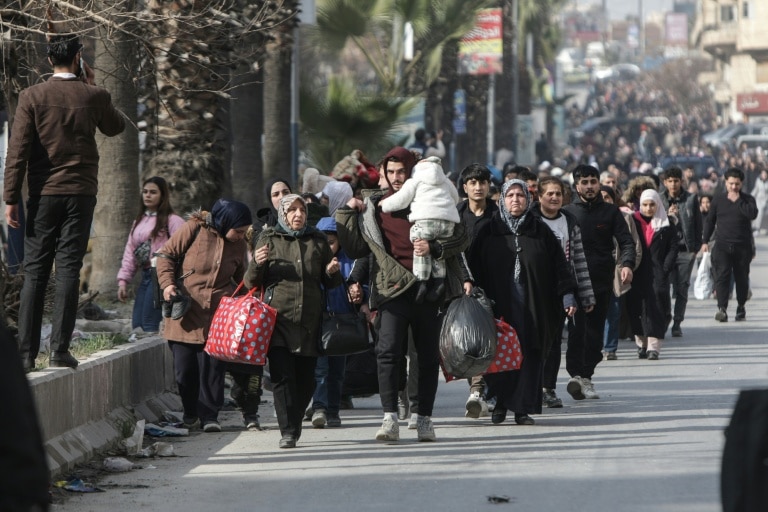
    Tensions in the northern Syrian city of Aleppo escalated dramatically this week as the Syrian government issued an ultimatum demanding Kurdish fighters evacuate their strongholds in the Sheikh Maqsud and Ashrafiyeh neighborhoods. The confrontation has triggered a severe humanitarian crisis, with thousands of civilians fleeing under artillery fire after the areas were declared closed military zones.

    The violence erupted on Tuesday, resulting in the deaths of at least 16 civilians and one defense ministry official. Both the Syrian government and the Kurdish-led Syrian Democratic Forces (SDF) have exchanged accusations regarding which party initiated the hostilities. In response to the crisis, Syrian authorities established humanitarian corridors, through which over 3,000 civilians were evacuated, many carrying their possessions and expressing despair after 14 years of continuous conflict.

    This military confrontation represents a significant breakdown of the March agreement that aimed to integrate the Kurdish semi-autonomous administration and its military forces into Syria’s new Islamist-led government structure by the end of 2025. The fundamental disagreement centers on governance models, with Kurdish leadership advocating for decentralized rule—a proposal firmly rejected by Damascus.

    Kurdish official Ilham Ahmed condemned the government offensive as a ‘genocidal war’ against the Kurds and called for a return to diplomatic solutions. Conversely, the SDF maintains they have no military presence in the affected neighborhoods and urged immediate cessation of what they described as aggression against innocent civilians.

    The United Nations has intervened diplomatically, with spokesperson Stephane Dujarric urging all parties to de-escalate tensions, exercise restraint, and protect civilian populations. The international body emphasized the importance of resuming negotiations to implement the previously agreed integration roadmap.

    The conflict has paralyzed normal life in Aleppo, with educational institutions, government offices, and the city’s airport suspending operations indefinitely. Residents in government-controlled areas reported the violence reviving traumatic memories of the city’s brutal siege during the civil war, with many expressing they have nowhere left to flee.

    This development threatens to reignite broader conflict across Syria, particularly concerning minority communities who remain wary of their security under the new authorities, following recent sectarian violence in Alawite and Druze regions that resulted in hundreds of casualties.

  • Saudi strikes Yemen after separatist leader skips talks

    Saudi strikes Yemen after separatist leader skips talks

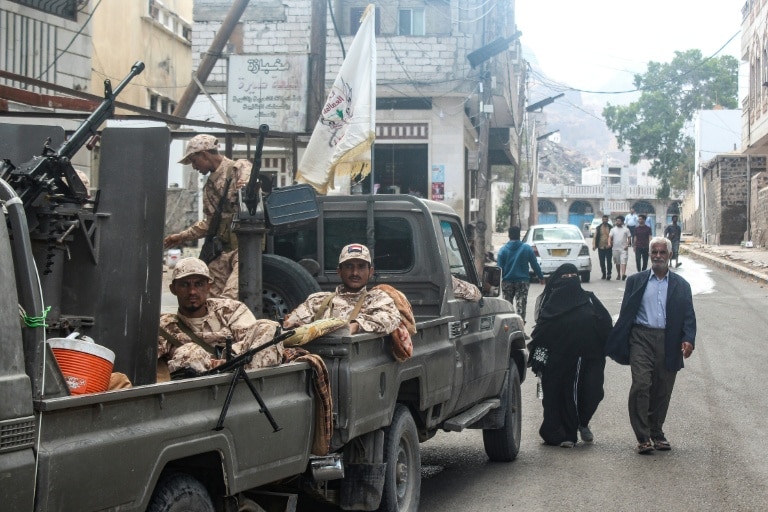
    Tensions in Yemen’s protracted conflict have reached a critical juncture as the Saudi-led coalition conducted aerial strikes against the home province of UAE-backed separatist leader Aidaros Alzubidi. This military action follows Alzubidi’s failure to attend crucial reconciliation talks in Riyadh, prompting his subsequent dismissal from Yemen’s Presidential Leadership Council on charges of high treason.

    The escalation began when the Southern Transitional Council (STC), which Alzubidi leads, seized substantial territories last month, triggering a 48-hour ultimatum from the coalition for negotiations. Despite sending a delegation to Saudi Arabia, Alzubidi himself refused to participate upon learning the discussions would demand the dissolution of his separatist movement. Coalition spokesperson Major General Turki al-Maliki asserted that Alzubidi had instead distributed weapons and ammunition throughout Aden while mobilizing significant forces in al-Dhale province.

    In response to the deteriorating situation, STC officials implemented a nighttime curfew in Aden from 9:00 pm to 6:00 am local time, citing imminent clashes with Saudi-backed forces. The separatist group further alleges that Saudi authorities have arbitrarily detained more than 50 STC officials, demanding their immediate release.

    The confrontation has exposed deepening fractures within the anti-Houthi alliance, particularly between Saudi Arabia and the United Arab Emirates, which have historically supported rival factions within Yemen’s government. The coalition and allied Yemeni forces have reportedly reversed most of the STC’s recent territorial gains, while Saudi-backed National Shield forces are advancing toward Aden from Shabwa province.

    This crisis emerges against the backdrop of Alzubidi’s recent declaration of a two-year transition plan to establish an independent “South Arabia” in Yemen’s southern regions, further complicating peace efforts in the conflict-ravaged nation.

  • US says to dictate Venezuela decisions and oil sales

    US says to dictate Venezuela decisions and oil sales

    In a striking declaration of hemispheric dominance, the Trump administration has formally announced its intention to directly dictate policy decisions for Venezuela’s interim government and assume indefinite control over the nation’s oil exports. The policy shift follows Saturday’s dramatic capture of former President Nicolas Maduro, who was extracted from Caracas by U.S. special forces and transported to New York to face narcotics charges.

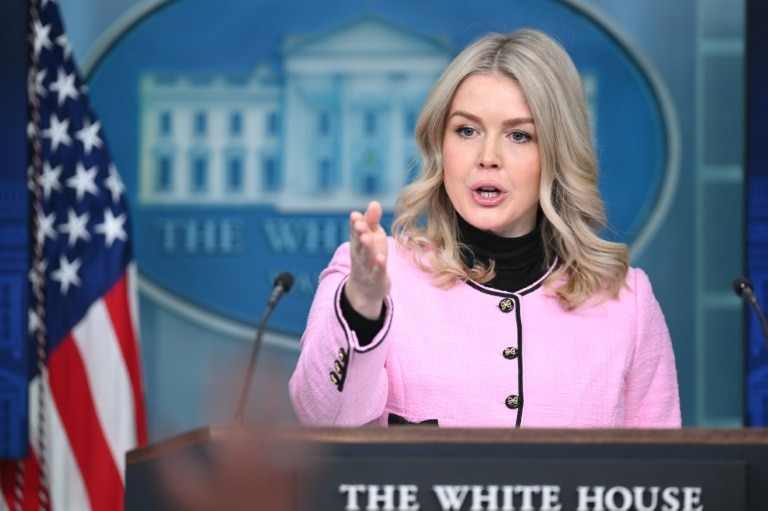
    White House Press Secretary Karoline Leavitt articulated the administration’s position with remarkable candor during a Wednesday briefing, stating, ‘We obviously have maximum leverage over the interim authorities in Venezuela right now. Their decisions are going to continue to be dictated by the United States of America.’ This assertion of control comes despite interim President Delcy Rodriguez’s insistence that Venezuela remains free of ‘foreign agents’ governing the country.

    The economic dimensions of this geopolitical maneuver are particularly significant. Energy Secretary Chris Wright revealed plans for the United States to market Venezuelan crude ‘indefinitely, going forward,’ beginning with the sale of 30-50 million barrels of stockpiled oil. The White House has concurrently moved to waive certain oil sector sanctions to facilitate exports of Venezuela’s extra-heavy crude, with President Trump scheduled to meet Friday with U.S. oil executives to discuss investment opportunities in Venezuela’s deteriorating energy infrastructure.

    Military enforcement complements economic control, as demonstrated by Wednesday’s seizure of a Russian-linked oil tanker in the North Atlantic. U.S. authorities pursued the vessel from Venezuelan waters, declaring it ‘stateless after flying a false flag’ despite Moscow’s condemnation of the interception. The naval blockade forms part of a broader strategy to prevent Caracas from selling oil to allies including Russia, China, and Iran.

    The administration faces domestic scrutiny regarding its long-term planning. Secretary of State Marco Rubio assured critics that the United States was ‘not just winging it,’ though Democratic Congressman Shri Thanedar noted insufficient congressional consultation regarding the operation. The emerging framework suggests Washington will maintain interim President Rodriguez while sidelining opposition figures, including Nobel Peace Prize laureate Maria Corina Machado, as it consolidates control over the nation holding the world’s largest proven oil reserves.

  • Accused scam boss Chen Zhi arrested in Cambodia, extradited to China: Phnom Penh

    Accused scam boss Chen Zhi arrested in Cambodia, extradited to China: Phnom Penh

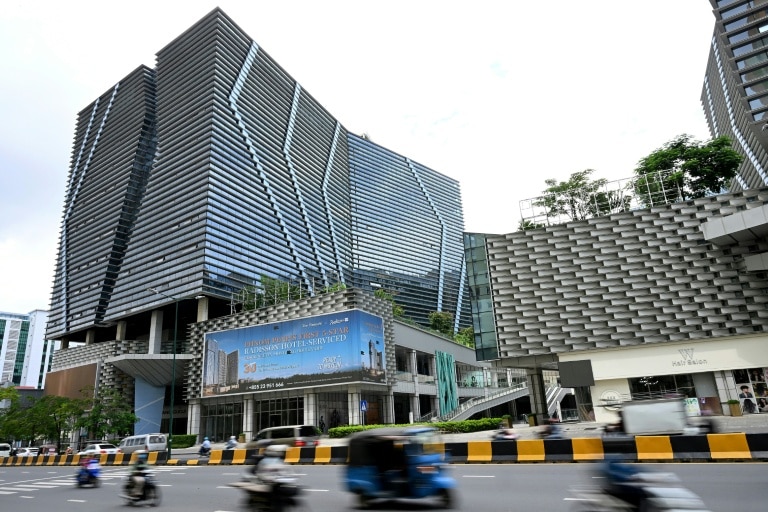
    In a significant transnational law enforcement operation, Cambodian authorities have extradited Chinese-born business magnate Chen Zhi to China following his arrest in Phnom Penh. The development comes months after the United States Justice Department unsealed indictments identifying Chen as the alleged mastermind behind one of Asia’s most extensive cybercrime networks operating under the guise of legitimate business conglomerate Prince Holding Group.

    According to Cambodia’s Interior Ministry, the extradition operation conducted on Tuesday included two additional Chinese nationals—Xu Ji Liang and Shao Ji Hui—and was executed within the framework of international cooperation against transnational crime. The ministry’s statement revealed that Chen’s Cambodian citizenship had been formally revoked by royal decree in December 2023, paving the way for his transfer to Chinese authorities after months of joint investigative work.

    US prosecutors allege that Chen presided over a sophisticated criminal enterprise that operated forced labor compounds across Cambodia, where victims were coerced into executing elaborate cryptocurrency investment scams known as ‘pig butchering’ schemes. These operations, which targeted victims globally, reportedly generated billions in illicit profits through carefully orchestrated confidence tricks that built trust with targets before absconding with their funds.

    The international investigation gained momentum in October when US and British authorities imposed sanctions on Chen and his organization, followed by a series of asset confiscations across multiple jurisdictions. According to court documents, the scheme involved approximately 127,271 bitcoin seized by US authorities—valued at over $11 billion at current prices—with Chen facing up to 40 years imprisonment if convicted on wire fraud and money laundering conspiracy charges in the United States.

    The case has drawn attention to Cambodia’s problematic relationship with large-scale cybercrime operations, with experts noting that dozens of scam centers employing tens of thousands of people—both willing participants and trafficked victims—operate throughout Southeast Asia. Notably, Chen had maintained high-level political connections in Cambodia, serving as an advisor to both current Prime Minister Hun Manet and his predecessor father Hun Sen, highlighting the complex interplay between business, politics, and alleged criminal enterprises in the region.

    Prince Group has consistently denied all allegations, maintaining its operations were legitimate across real estate, financial services, and consumer businesses in more than 30 countries. Chinese authorities had not issued immediate commentary on the extradition as of late Wednesday.

  • US attempts to seize Russia-flagged oil tanker in Atlantic

    US attempts to seize Russia-flagged oil tanker in Atlantic

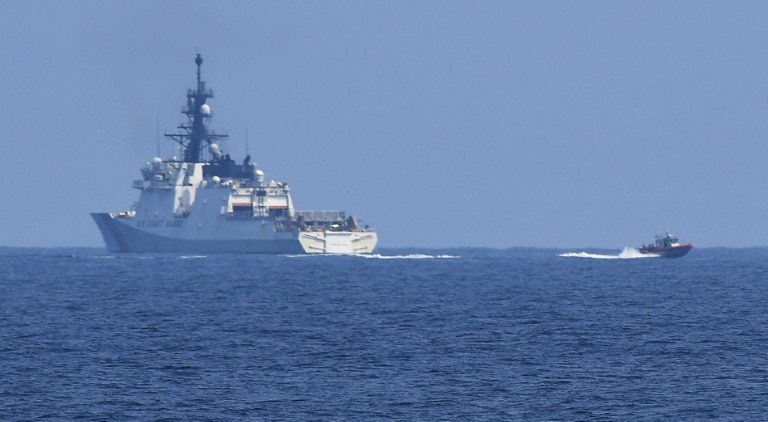
    A significant maritime confrontation is unfolding in the North Atlantic as United States Coast Guard assets initiate operations to seize the Russian-flagged oil tanker Marinera. This action follows weeks of pursuit after the vessel successfully evaded a partial US naval blockade near Venezuelan territorial waters.

    According to multiple US officials who spoke with Reuters and Wall Street Journal, the tanker represents part of an international ‘shadow fleet’ allegedly transporting oil for sanctioned nations including Venezuela, Russia, and Iran in direct violation of American economic restrictions. MarineTraffic tracking data indicates the vessel was approaching Iceland’s exclusive economic zone as of Wednesday.

    The situation escalated dramatically when Russia deployed submarine escorts to protect the empty tanker, creating a tense naval standoff between the two global powers. Russia’s Foreign Ministry expressed serious concern regarding the US pursuit, stating that the vessel was “sailing peacefully under the Russian flag far from US coastal waters” while questioning the “disproportionate attention” from US and NATO military assets.

    Background investigation reveals the tanker underwent significant identity modifications during the pursuit, including switching its registration to Russia, changing its name to Marinera, and having its crew physically paint a Russian flag on the hull. The vessel had been under US sanctions since 2024 due to alleged connections with Iran and Hezbollah.

    This incident occurs amidst broader geopolitical shifts in Venezuela, where recent US military operations resulted in the extraction of former president Nicolas Maduro to face drug charges in New York. President Trump has announced that Venezuela will transfer “tens of millions of barrels of oil” to the United States under the leadership of interim president Delcy Rodriguez, though specific arrangements and legal foundations remain unclear.

    Separately, US Coast Guard operations have intercepted additional Venezuela-linked tankers in Latin American waters, signaling intensified enforcement of sanctions across multiple maritime theaters.

  • US, Ukraine teams tackle ‘most difficult issues’ in Russia war talks: Zelensky

    US, Ukraine teams tackle ‘most difficult issues’ in Russia war talks: Zelensky

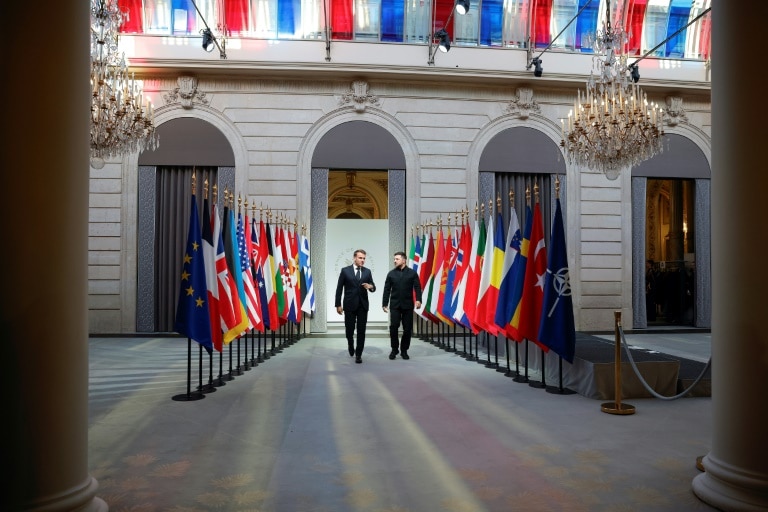
    High-stakes diplomatic negotiations between Ukrainian and United States delegations entered a critical phase in Paris on Wednesday, with both sides preparing to address the most contentious obstacles to ending Russia’s military invasion. Ukrainian President Volodymyr Zelensky confirmed that discussions would focus specifically on the status of Russian-occupied territories in eastern Ukraine and the precarious situation surrounding the Zaporizhzhia Nuclear Power Plant.

    The talks follow a significant breakthrough on Tuesday when European leaders and American envoys announced consensus on key security guarantees for Kyiv. The agreement includes a US-monitored oversight mechanism and a proposed European multinational stabilization force that would deploy following a ceasefire implementation. This development represents a notable display of Western unity despite underlying tensions regarding Venezuela and previous controversies surrounding former President Donald Trump’s geopolitical interests.

    The American delegation features Special Representative Steve Witkoff and senior advisor Jared Kushner, underscoring the White House’s direct engagement in resolving the nearly four-year conflict that has become Europe’s deadliest military confrontation since World War II. President Zelensky emphasized the necessity of continued Western pressure on Moscow, stating that ‘peace must be dignified’ and contingent upon Russia’s genuine commitment to ending hostilities.

    Kyrylo Budanov, Zelensky’s newly appointed chief of staff and former intelligence director, indicated that concrete progress has already been achieved though certain details remain confidential. The expanded negotiations now include diplomatic representatives from France, Germany, the United Kingdom, Italy, and Turkey, creating a broader international framework for potential resolution.

    Despite these diplomatic advances, military confrontations continue unabated across conflict zones, with Moscow’s official negotiating position remaining ambiguous. Russian President Vladimir Putin has consistently opposed NATO troop presence in Ukraine, presenting a significant complication for proposed international security arrangements.

  • Europe faces transport chaos as deadly cold snap persists

    Europe faces transport chaos as deadly cold snap persists

    A severe Arctic freeze continues to wreak havoc across Europe for a third consecutive day, plunging transportation systems into widespread chaos and resulting in tragic fatalities. The relentless cold snap, described as the most brutal of the winter season, has crippled major aviation hubs, stranded thousands of passengers, and claimed multiple lives.

    Air travel has been disproportionately affected, with Amsterdam’s Schiphol Airport emerging as a primary epicenter of disruption. Officials reported over 1,000 travelers were compelled to overnight within the terminal, while more than 700 flights were canceled with warnings of further interruptions. Similarly, Parisian aviation faced extreme duress; Charles de Gaulle Airport canceled over 100 flights, with an additional 40 axed at Orly Airport. Belgium’s Brussels Airport confirmed 40 cancellations, compounding continental travel misery.

    Ground transportation has fared no better. In a drastic measure, all public bus services across Paris and its metropolitan suburbs were indefinitely suspended due to perilously icy road conditions. The Eurostar rail service, a critical link between London and mainland Europe, experienced significant delays and cancellations, further isolating communities.

    The human cost of the extreme weather is mounting. Authorities have confirmed six weather-related fatalities across the continent. Five deaths occurred in France on Tuesday, while another woman perished in Bosnia amid heavy snowfall and catastrophic flooding that triggered widespread power outages throughout the Balkans.

    Vulnerable populations, particularly the homeless, are enduring immense hardship. Testimonies from individuals like 19-year-old Boubacar Camara from Guinea, who is sheltering in a tent in Paris, highlight the severe shock of the cold to those without adequate refuge. Meanwhile, meteorological agencies across nearly half of mainland France have issued high-alert warnings for heavy snow and black ice, with similar advisories active from Scotland to Sweden. Nordic nations are also grappling with the onslaught; eastern Sweden faces likely power cuts from heavy snow, and Danish authorities are urging extreme caution for necessary travel.

  • Heavy falls of 200mm+, wind gusts and flash flooding forecast as tropical low approaches Qld’s North Tropical Coast

    Heavy falls of 200mm+, wind gusts and flash flooding forecast as tropical low approaches Qld’s North Tropical Coast

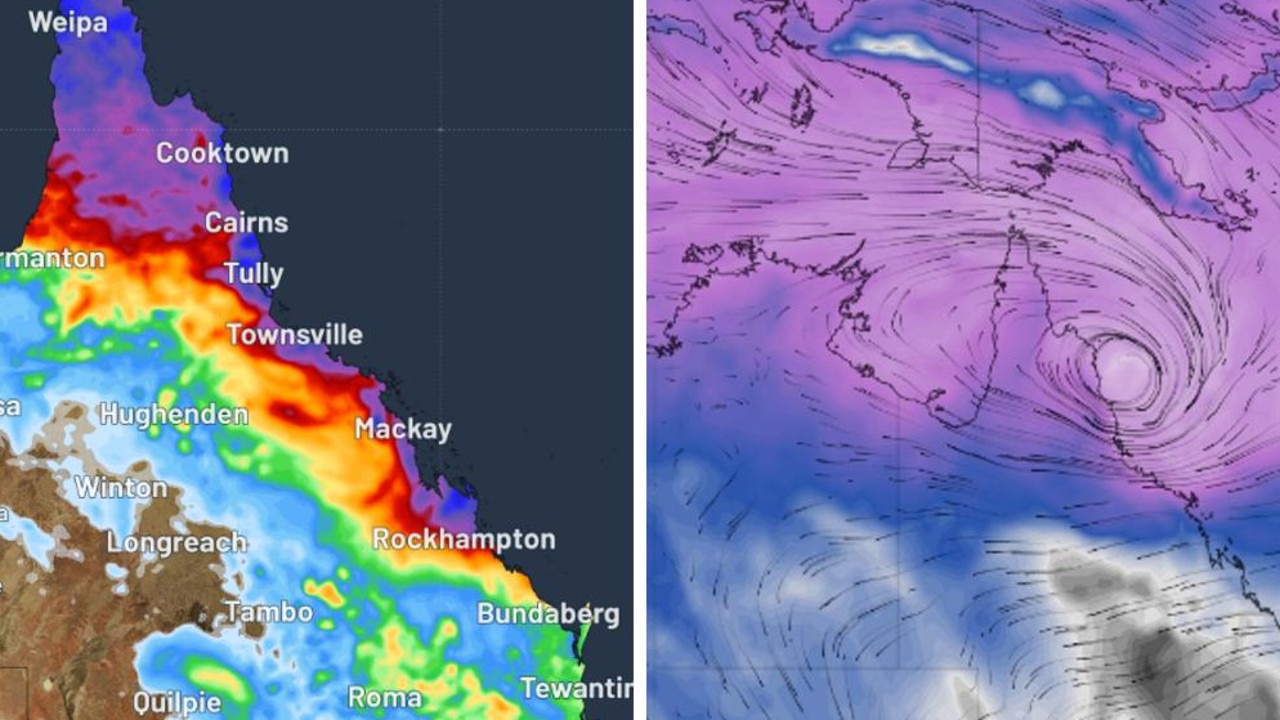
    A significant tropical weather system is advancing toward Queensland’s northeastern coastline, placing millions of Australian residents under severe weather advisories. Meteorological authorities have issued alerts indicating potential rainfall exceeding 200mm in certain regions, accompanied by destructive wind gusts reaching 90km/h.

    The developing system, designated Tropical Low 12U, has formed within the Coral Sea and demonstrates a gradual westward trajectory toward coastal communities. While the Bureau of Meteorology indicates a 25-35% probability of cyclonic development by Friday, the immediate concern remains intense precipitation and powerful winds affecting coastal towns from Hope Vale to Hamilton Island.

    Forecast models project the most severe conditions developing throughout Friday and persisting into Saturday, with six-hour rainfall accumulations potentially reaching 150mm and isolated areas experiencing over 200mm. Concurrently, easterly wind systems are expected to generate sustained winds of 55-65km/h with significantly stronger gusts.

    This meteorological event compounds existing weather challenges across Queensland, where northwestern regions have already experienced substantial flooding. Preliminary reports indicate exceptional rainfall totals, including Cowley Beach recording 1284mm within a seven-day period and Townsville receiving over 500mm recently.

    Federal and state authorities have initiated disaster response measures, announcing a $38 million relief package targeting agricultural recovery and infrastructure repairs. Prime Minister Anthony Albanese emphasized coordinated government efforts to address both immediate response needs and long-term resilience building.

    Simultaneously, southeastern Australia confronts contrasting extreme conditions as heatwave alerts cover multiple regions and firefighters combat uncontrolled bushfires in Victoria. Emergency management officials have highlighted the compound risks presented by concurrent weather extremes across the nation.