标签: Oceania

大洋洲

  • Australia to deport British man over alleged neo-Nazi links

    Australia to deport British man over alleged neo-Nazi links

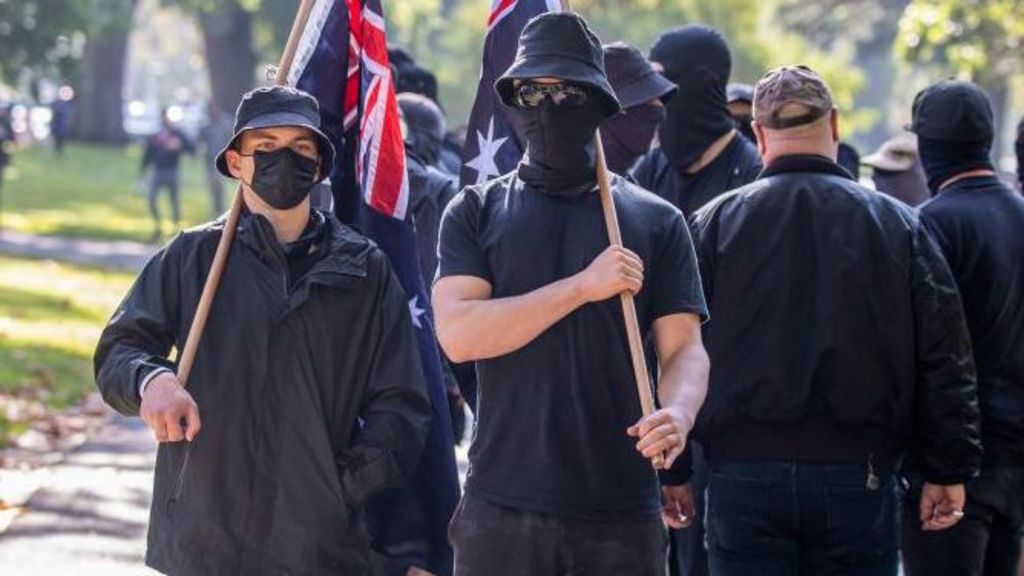
    Western Australian authorities have ordered the deportation of Ryan Turner, a British national residing in Australia, following his identification as an active participant in the National Socialist Network—a recognized neo-Nazi organization. Turner’s visa was formally revoked on character grounds, resulting in his transfer to immigration detention this Tuesday. He now faces the choice of contesting the decision through legal channels or voluntarily returning to the United Kingdom.

    This action aligns with Australia’s intensified campaign against right-wing extremism and antisemitic activities. Turner’s affiliation places him within the same group that orchestrated an inflammatory anti-Jewish demonstration outside New South Wales Parliament last year. Approximately sixty men, uniformly dressed in black and displaying banners demanding the ‘abolition of the Jewish lobby,’ participated in the rally. Chants of ‘blood and honour’—a phrase historically linked to Hitler Youth—were reported during the event.

    Home Affairs Minister Tony Burke emphasized the government’s unwavering stance, stating: ‘Our government has zero tolerance for bigotry and hate. If you don’t like Australia, you can leave.’

    The deportation follows recent legislative reforms that introduced mandatory prison sentences for displaying hate symbols, including the Nazi salute. These measures gained urgency after last year’s Bondi Beach shooting, where two gunmen killed 15 people at a Jewish event, prompting Prime Minister Anthony Albanese to announce strengthened laws targeting hate speech and radicalization.

    Turner’s case mirrors earlier enforcement actions against foreign extremists. Matthew Gruter, a South African civil engineer and fellow National Socialist Network member, was expelled last November after participating in the same rally. Gruter subsequently returned to South Africa with his family. Simultaneously, Queensland authorities arrested another British national, Kayn Adam Charles Wells, for using social media to distribute Nazi propaganda and incite violence against Jewish communities. Wells currently awaits processing in immigration detention.

    These coordinated efforts reflect Australia’s strategic application of immigration law to combat domestic extremism, granting the Home Affairs Minister enhanced authority to deny or cancel visas for individuals promoting hatred and division.

  • CSL and tech giants lift Australian sharemarket against falling global stocks

    CSL and tech giants lift Australian sharemarket against falling global stocks

    In a striking divergence from regional trends, Australia’s sharemarket demonstrated remarkable resilience on Thursday, posting solid gains while broader Asian indices faced significant sell-offs. The benchmark S&P/ASX 200 advanced 25.20 points (0.29%) to close at 8,720.80, with the All Ordinaries index climbing 28.50 points (0.32%) to reach 9,046.50.

    The technology sector emerged as the standout performer, surging 1.72% amid strong investor confidence. Healthcare stocks followed closely with a robust 1.64% gain, while consumer discretionary shares added 1.35% to the market’s upward momentum.

    Leading the charge in technology, WiseTech Global jumped 2.22% to $68.28, while Codan soared an impressive 4.71% to $31.56. Life360 continued the positive trend with a 3.93% gain to $32.79. Healthcare giant CSL, a market heavyweight, climbed 2.62% to $174.45, signaling a potential recovery after recent challenges.

    According to eToro market analyst Zavier Wong, the Australian market’s performance contrasted sharply with broader Asian trends where the Hang Seng and Nikkei both retreated more than 1%. ‘Today’s sell-off in Asian markets is primarily driven by concerns over escalating tensions between Japan and China,’ Wong noted. ‘For investors, this appears to represent a breather after a strong start to the year rather than a fundamental shift in market dynamics.’

    The positive sentiment extended across most sectors, with ten of eleven industry groups finishing in positive territory. Wesfarmers shares added 1.23% to $80.96, while The Lottery Corporation jumped 1.59% to $5.10. Breville Group closed up 2.65% at $30.26.

    However, not all segments shared in the market’s success. Gold and silver shares weighed on the materials sector following strong gains in the previous session. Northern Star Resources fell 3% to $24.60, while Evolution Mining dropped 1.92% to $12.74.

    Company-specific developments also created notable movers. Personal protective equipment manufacturer Ansell saw its shares slump 6.24% to $33.36 following the announcement that Managing Director and CEO Neil Salmon would retire after 13 years with the company. Bluescope Steel declined 1.57% to $29.40 after rejecting a takeover offer from a consortium comprising SGH Limited and Steel Dynamics, which the company described as ‘very significantly undervalued.’

    The Australian dollar experienced mild pressure, slipping 0.30% against the US dollar to trade at 67.01 US cents.

  • ‘He’s got my full support’: Ben Stokes backs England coach to remain on after disastrous Ashes campaign where Bazball failed

    ‘He’s got my full support’: Ben Stokes backs England coach to remain on after disastrous Ashes campaign where Bazball failed

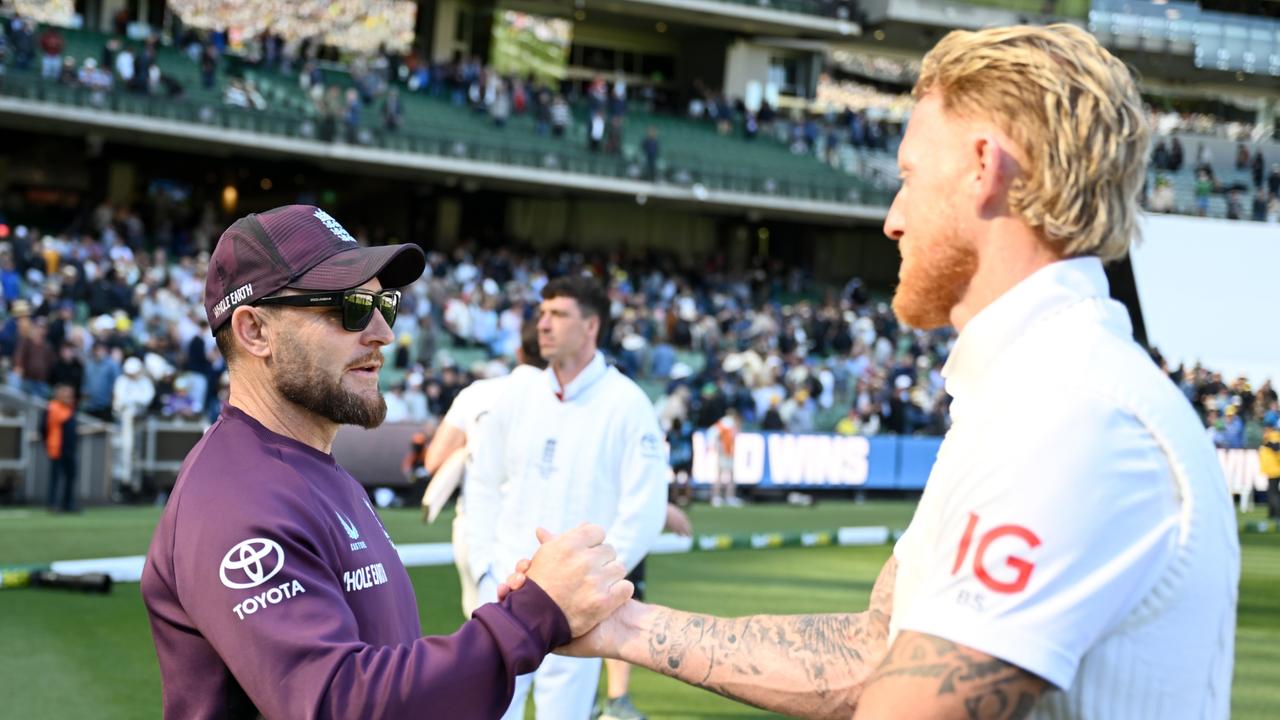
    England’s cricket team faces a period of intense scrutiny following a humiliating 4-1 Ashes series defeat in Australia, yet captain Ben Stokes has issued a powerful and unequivocal endorsement for head coach Brendon McCullum to retain his position. The tour concluded with another comprehensive loss in Sydney, where Australia chased down a target of 160 runs with five wickets to spare, cementing England’s dismal performance.

    The aggressive ‘Bazball’ philosophy, pioneered by McCullum and Stokes, has come under fire after being systematically dismantled by the Australian side. Stokes acknowledged that while the hyper-attacking style initially revolutionized Test cricket and overwhelmed opponents, rival teams have now developed effective counter-strategies. “Teams are coming up with plans that are actually standing up to the certain style of cricket that we want to play,” Stokes conceded, highlighting a need for tactical evolution.

    Despite the public fallout awaiting the team, Stokes passionately defended McCullum’s capabilities, praising his behind-the-scenes influence and coaching acumen. “I absolutely love working with ‘Baz’. He’s a great man and he’s a very, very, very good coach. There’s a lot more that goes on behind the scenes that he’ll ever let out,” Stokes stated, offering his “full support and backing.”

    The series was characterized by England’s consistent failure to capitalize on key moments, with dropped catches and poor shot selection at critical junctures repeatedly costing them potential victories. Stokes admitted the team’s performance in all facets—batting, bowling, and fielding—fell “so far below the level that this team can operate at.” He described the challenge of managing the squad to avoid a complete “implosion” during the tour’s downward spiral.

    Looking ahead, Stokes expressed his desire to continue as captain and lead the team into next year’s home Ashes series. However, he signaled that a strategic review is inevitable, stating that when a negative trend happens consistently, “that’s when you do need to look at the drawing board and make some adjustments.” The performance of young players like Jacob Bethell, who scored a century in Sydney, offered a stark contrast to the struggles of the senior squad and may influence future selection decisions.

  • Lidl to drop broadcast TV ads in France

    Lidl to drop broadcast TV ads in France

    In a seismic shift for French advertising, German discount retail giant Lidl has declared it will completely cease broadcast television advertisements in France. This strategic withdrawal comes as a direct consequence of a devastating legal ruling that found the company engaged in deceptive marketing practices.

    The decision follows a Paris appeals court judgment last July that ordered Lidl to pay rival supermarket chain Intermarche a staggering €43 million ($50 million) in damages. The court determined that over 370 television commercials aired by Lidl between 2017 and 2023 were materially misleading to consumers and constituted a severe case of unfair competition. Lidl, currently ranked as France’s sixth-largest food retailer and its second-biggest advertiser across all sectors, is continuing its appeal against this ruling.

    Jassine Ouali, Chief Customer Officer at Lidl France, explicitly linked the withdrawal to the heightened regulatory environment. In an interview with trade publication Strategies, Ouali stated, “We will not invest in linear TV for as long as the regulatory risks remain excessively high, which is the situation today.” He further criticized the existing French consumer protection framework, which mandates that promoted products must be available at the advertised price for a minimum of 15 weeks, labeling these rules as “antiquated” and biased in favor of traditional media.

    The financial impact of this move is substantial. A company spokeswoman confirmed to AFP that linear television, defined as traditional scheduled broadcast channels, represented 22% of Lidl’s total French advertising expenditure last year. This budget is projected to drop to “zero” by 2026. Ouali issued a stark warning about the broader implications for media financing in France, noting that diverting its massive advertising budget from French broadcasters to global digital platforms like Google, Meta, Netflix, and Amazon could severely disrupt the funding model for the entire national media landscape.

  • Australia win final Test to seal 4-1 Ashes triumph over England

    Australia win final Test to seal 4-1 Ashes triumph over England

    Australia has concluded a dominant Ashes campaign with a hard-fought five-wicket victory in the final Test at Sydney Cricket Ground, securing a comprehensive 4-1 series triumph over England. The hosts successfully chased their 160-run target during the fifth day’s lunch session, despite facing some tense moments as wickets fell during the pursuit.

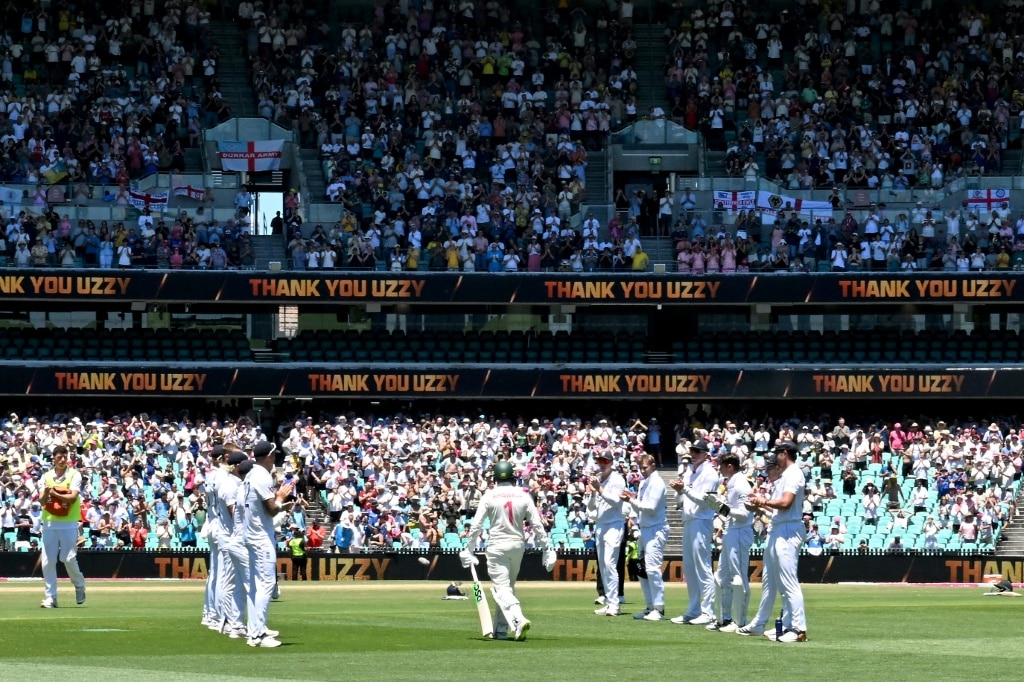
    The match marked the emotional farewell of Australian batsman Usman Khawaja, who received a ceremonial guard of honor from English players in his final Test appearance. Khawaja, playing his 88th and final Test match, acknowledged struggling with emotions throughout the game. “The whole Test match I found it hard to control my emotions,” the retiring veteran stated, nearly in tears as he left the field to a standing ovation after scoring six runs in his final innings.

    England’s hopes briefly flickered when they reduced Australia to 121-5, with Marnus Labuschagne’s unnecessary run-out providing temporary momentum. However, the victory never appeared seriously in doubt following England’s second-innings total of 342, built primarily upon Jacob Bethell’s impressive 154-run contribution.

    Australian wicketkeeper Alex Carey, who hit the winning runs alongside Cameron Green (22 not out), acknowledged the tense atmosphere: “That’s Ashes cricket. Everyone got tense. Usman is going to be missed. A great career and a great way to finish.”

    The series outcome proved particularly disappointing for England, who arrived confident of securing their first series win in Australia since 2010-11. Their tour quickly deteriorated into what commentators termed a “horror show” after losing the opening two Tests in Perth and Brisbane by eight wickets, followed by an 82-run defeat in Adelaide.

    Despite facing heavy criticism for their preparations, discipline, and aggressive “Bazball” approach, England managed a stunning four-wicket comeback victory in the fourth Test at Melbourne—their first win in 18 Tests on Australian soil. However, the final defeat in Sydney ensures they will face rigorous scrutiny upon returning home, with coach Brendon McCullum’s position potentially at risk.

    England captain Ben Stokes conceded: “Australia are an incredible team. They had individuals who stood up. Full credit to them. But we know we could have done better.” He added that reflection would come later: “Time for reflection is not right now. We’ve got a long time away to reflect on it.”

    Australia’s achievement appears more remarkable considering they competed without pace spearhead Josh Hazlewood throughout the series and captain Pat Cummins for all but one Test, while veteran spinner Nathan Lyon played a limited role. Mitchell Starc emerged as the series’ leading bowler with 31 wickets.

    The match witnessed controversy when the Snicko technology—unreliable throughout the series—appeared to indicate a faint edge from Jake Weatherald that was ultimately dismissed upon review, triggering heated exchanges between players.

    The series attracted nearly 860,000 spectators, with a record 211,032 passing through the turnstiles in Sydney alone, demonstrating the enduring appeal of cricket’s oldest rivalry.

  • Optus poaches senior Telstra executive for top technology chief role

    Optus poaches senior Telstra executive for top technology chief role

    In a strategic move to strengthen its technological leadership, Australian telecommunications provider Optus has secured the appointment of Sri Amirthalingam as its new Chief Technology Officer. Mr. Amirthalingam joins Optus after an extensive 36-year tenure with rival telco Telstra, where he held significant responsibilities in investment strategy, technology development, and the planning and construction of both fixed and mobile networks.

    This executive transition comes at a critical juncture for Optus as it continues efforts to restore consumer confidence following a catastrophic 14-hour triple-0 emergency service outage in September 2025. The network failure, which has been connected to multiple fatalities, severely damaged the company’s reputation for reliability.

    Outgoing CTO Tony Baird will depart the company following a transition period, with Amirthalingam formally assuming his new position in January. The appointment signals Optus’s commitment to leveraging extensive industry experience as it works to overhaul its network infrastructure and operational resilience.

    Industry analysts view this recruitment as a significant coup for Optus, bringing onboard one of Telstra’s most experienced network infrastructure veterans. Amirthalingam’s deep understanding of Australia’s telecommunications landscape is expected to play a crucial role in Optus’s ongoing recovery strategy and future technological development.

  • Heatwave hits Australia as officials warn of ‘catastrophic’ fire risk

    Heatwave hits Australia as officials warn of ‘catastrophic’ fire risk

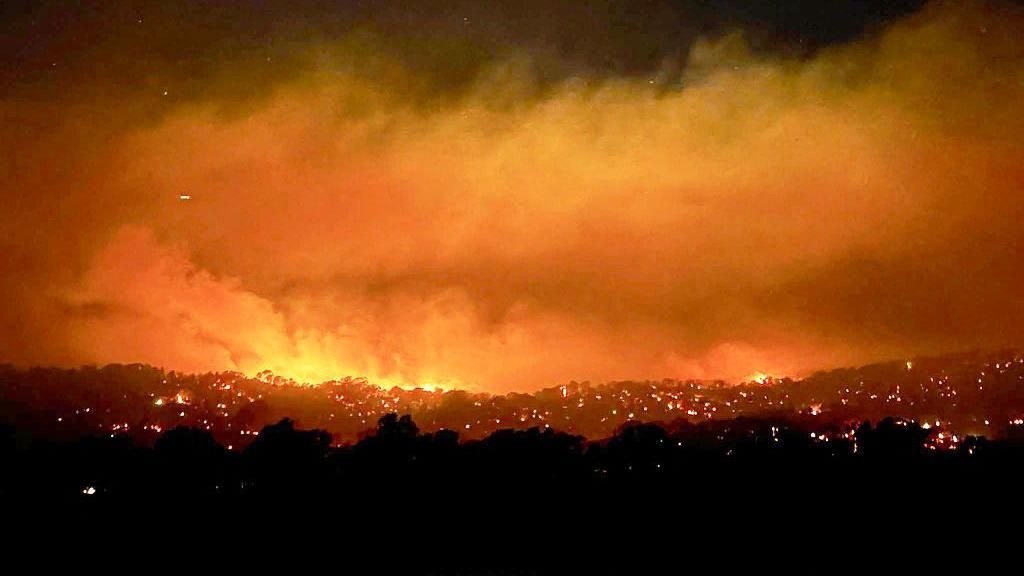
    Australia is confronting its most severe fire threat since the devastating 2019-2020 Black Summer bushfires as extreme heatwaves blanket most of the nation. Meteorological authorities have declared severe to extreme heatwave conditions across every state and territory except Queensland, with temperatures predicted to remain dangerously elevated for multiple days.

    The state of Victoria has implemented comprehensive emergency measures in response to the crisis, declaring a total fire ban for Friday. Northern regions have taken the extraordinary step of closing 450 schools and childcare facilities, alongside numerous public parks, as the official fire danger level escalates to ‘catastrophic’ – the highest possible rating on Australia’s fire danger scale.

    Meteorologist Angus Hines from the Bureau of Meteorology characterized the situation as the ‘most significant event at a multi-day level for inland south-east Australia since 2019-2020.’ He emphasized that Friday would represent the ‘real peak of the current burst of heat,’ affecting virtually all of South Australia, Victoria, most of New South Wales, and parts of Tasmania.

    The convergence of intensifying winds, potential thunderstorms producing minimal rainfall, and dry lightning strikes creates particularly hazardous conditions across northern Victoria. Hines warned that these elements combined would elevate fire danger to catastrophic levels.

    Emergency services are already engaged in active firefighting operations. Firefighters continue battling a blaze in Longwood, northern Victoria that ignited on Wednesday, while a dozen water-carrying aircraft have been deployed to combat a major fire near Wodonga city according to ABC reports.

    Temperature records are being challenged nationwide. Melbourne endured its hottest day in six years on Wednesday with temperatures reaching 40.9°C (105.6°F), while several coastal towns in Western Australia recorded staggering highs of 49°C. The heatwave is expected to intensify in New South Wales through Saturday, with Sydney anticipating temperatures of 42°C.

    Victoria’s Emergency Management Commissioner Tim Wiebusch issued grave warnings to communities in affected areas, stating that catastrophic fire conditions render potential blazes ‘unpredictable and uncontrollable.’ He urged residents to ‘prepare now and enact your bushfire survival plan,’ specifically advising those in catastrophic fire danger zones to ‘leave early to an area with a lower fire risk.’

    The current situation draws ominous parallels to the Black Summer bushfires of 2019-2020, Australia’s most severe fire season on record, which resulted in dozens of fatalities and burned thousands of hectares of land. Australia’s heatwave classification system requires unusually high minimum and maximum temperatures persisting for three or more consecutive days.

  • Trump has options in Greenland, but provocation may be the point

    Trump has options in Greenland, but provocation may be the point

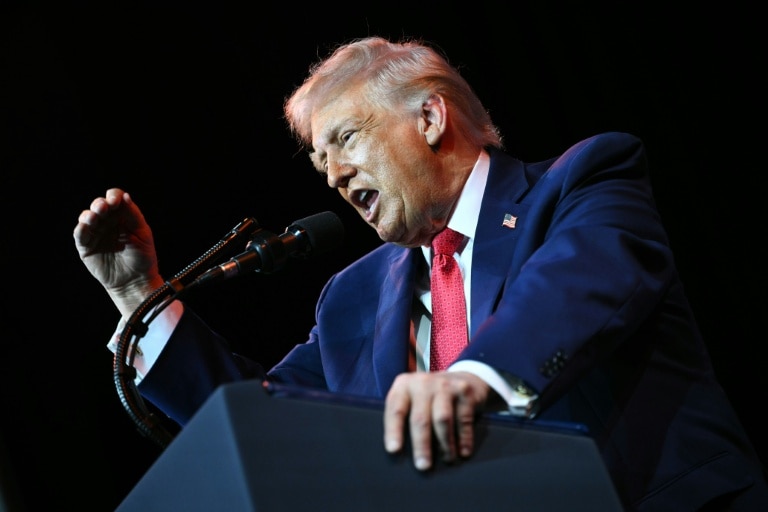
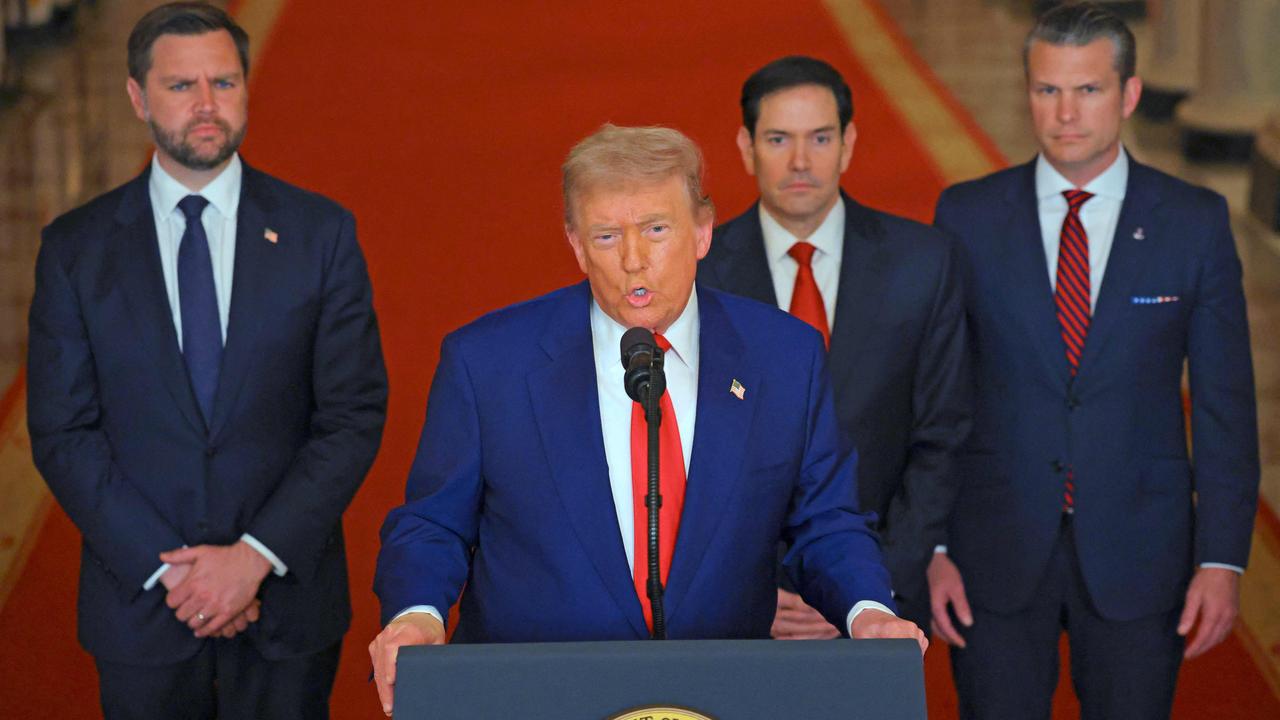
    President Donald Trump’s persistent refusal to dismiss the potential use of military force to acquire Greenland continues to generate diplomatic tensions with Denmark, a longstanding NATO ally governing the autonomous Arctic territory. This controversial stance emerges amid growing concerns over Russian and Chinese military activities in the region and the strategic implications of rapidly melting Arctic ice due to climate change.

    While the United States maintains an established military presence at Greenland’s Pituffik base—operational since World War II with approximately 150 permanent personnel—historical precedents show the stationing of up to 6,000 troops during Cold War tensions. A 1951 defense treaty theoretically permits Washington to substantially increase its military footprint through simple notification to Denmark, bypassing need for complex negotiations.

    Analysts suggest Trump’s motivations extend beyond conventional security considerations. Kristine Berzina of the German Marshall Fund notes the president’s apparent fascination with territorial expansion as symbolic of ‘American greatness’—a core tenet of his Make America Great Again movement. The acquisition of Greenland’s vast territory (comparable to Alaska’s size with merely 57,000 inhabitants) would elevate the United States to the world’s third-largest nation by land area, surpassing China.

    The administration has floated alternative approaches, including replicating the compact association model used with Pacific island nations or resurrecting historical purchase precedents. The 1917 acquisition of the US Virgin Islands from Denmark for $25 million in gold—completed under threat of force—provides historical context, though both Danish and Greenlandic authorities have unequivocally rejected contemporary sale discussions.

    Legal and diplomatic experts remain skeptical about feasibility. Former State Department legal advisor Brian Finucane characterizes the proposals as ‘far-fetched,’ noting significant constitutional and international law hurdles beyond the evident political obstacles. The concept appears particularly incongruous given Trump’s frequent criticism of NATO, through which Greenland’s defense is already indirectly addressed.

    This geopolitical posturing occurs against the backdrop of Russia’s ongoing invasion of Ukraine, where traditional allies would typically welcome heightened US engagement with European security concerns. Instead, Trump’s Greenland rhetoric manifests as potentially performative nationalism rather than substantive policy advancement.

  • ‘Stars aligned’ for Australian beef exports, but China tariff sparks concern

    ‘Stars aligned’ for Australian beef exports, but China tariff sparks concern

    Australian beef exporters are confronting a severe market reversal following China’s imposition of substantial tariffs, abruptly ending an unprecedented export boom. Recent data from the Australian Bureau of Statistics reveals meat and meat preparations surged 12.4% between October and November 2025, reaching a monthly export value of $2.537 billion—a $280 million increase from October.

    The sector’s remarkable performance stemmed from a convergence of exceptional circumstances. According to Commonwealth Bank agricultural economist Dennis Voznesenski, Australia temporarily became the primary supplier to both the United States and China simultaneously. The US faced constrained domestic production with cattle herds at multi-decade lows, compounded by import restrictions. Mexico’s live cattle exports were halted due to sanitary concerns about parasites, while former President Donald Trump’s administration imposed prohibitive tariffs on Brazilian beef and engaged in tariff disputes with Canada.

    Concurrently, China shifted its beef sourcing patterns amid trade tensions with Washington, allowing US export licenses to lapse and turning to Australian producers instead. This created dual demand streams: American purchases of grinding beef for hamburger production and Chinese acquisition of premium grain-fed beef.

    However, the trade landscape has dramatically shifted in 2026. The United States has withdrawn many trade barriers that previously favored Australian exporters, while China’s commerce ministry has implemented a 55% tariff on beef imports exceeding quota levels, effective January 1 for three years. Agriculture Minister Julie Collins expressed ‘serious concerns’ about the measure, emphasizing Australian officials are engaged in discussions with Chinese counterparts to secure favorable terms.

    The Australian Meat Industry Council condemned the tariff as ‘unfair,’ warning it would disrupt trade flows, undermine longstanding relationships established under the China-Australia Free Trade Agreement, and limit Chinese consumers’ access to reliable Australian beef. Industry representatives argue the measure disproportionately rewards competitors who recently increased export volumes to China.

  • Australia win final Test to complete 4-1 Ashes triumph over England

    Australia win final Test to complete 4-1 Ashes triumph over England

    Australia concluded a dominant Ashes campaign with a hard-fought five-wicket victory in the fifth Test against England at Sydney, securing a comprehensive 4-1 series triumph. The hosts successfully chased down a 160-run target despite losing five wickets during the tense final day’s play, with Cameron Green (22 not out) and Alex Carey (16 not out) steering them to victory after lunch.

    The match witnessed dramatic moments including a heated confrontation between England’s Brydon Carse and umpires over a controversial Snickometer decision that spared Australian batsman Jake Weatherald. England captain Ben Stokes intervened to defuse the escalating situation, highlighting the intense pressure throughout the decisive match.

    Australia’s chase faced complications as they lost key batsmen including openers Travis Head (29) and Weatherald (34), captain Steve Smith (12), and retiring veteran Usman Khawaja, who scored six runs in his final Test innings after an 88-match career. Marnus Labuschagne’s unnecessary run-out at 37 provided England with temporary hope, reducing Australia to 121-5 before Green and Carey’s stabilizing partnership.

    England’s second innings concluded at 342, built primarily around Jacob Bethell’s magnificent 154-run contribution. Despite this impressive performance, England’s tour proved disappointing after losing the initial two Tests in Perth and Brisbane by eight wickets each, and the Adelaide match by 82 runs. Their sole consolation came with a stunning four-wicket victory in the fourth Test at Melbourne, breaking an 18-match losing streak on Australian soil.

    The series, attended by nearly 860,000 spectators with a record 211,032 in Sydney, raised serious questions about England’s preparation and their much-discussed ‘Bazball’ approach. Coach Brendon McCullum faces scrutiny despite the team’s late resurgence, while Australia celebrated their achievement despite missing key bowlers Josh Hazlewood and Pat Cummins for most of the series.