标签: Oceania

大洋洲

  • ‘Hectic’ bushfires threaten rural towns in Australian heatwave

    ‘Hectic’ bushfires threaten rural towns in Australian heatwave

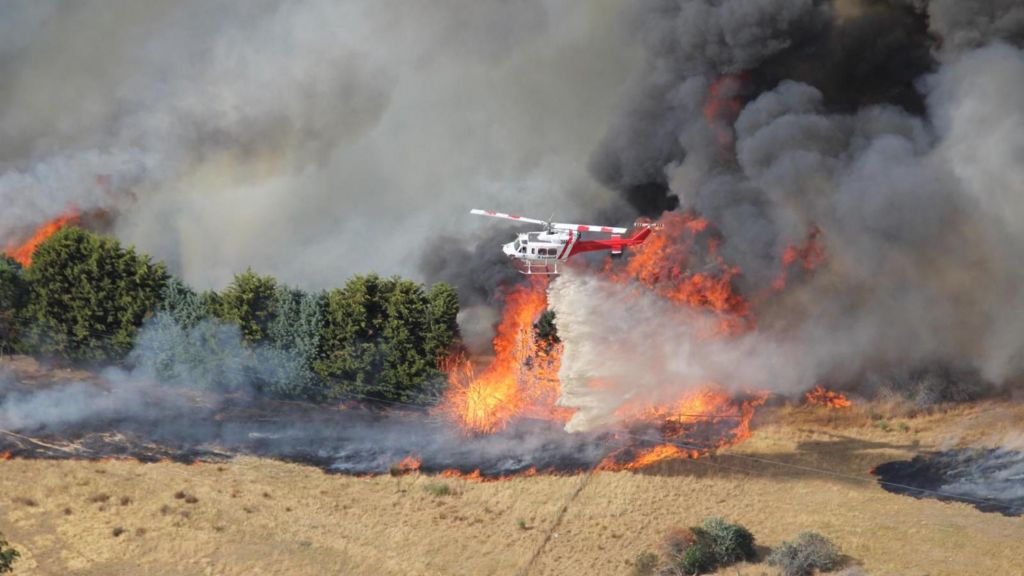
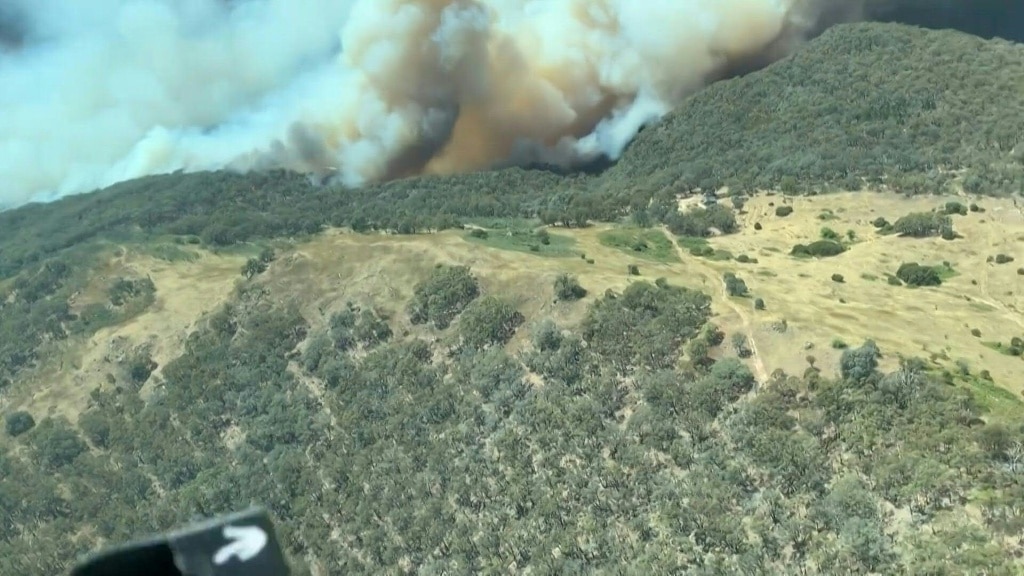
    Australia’s southeastern regions are facing a severe bushfire crisis as extreme heatwave conditions create what officials describe as the most dangerous fire weather since the devastating 2019-2020 Black Summer blazes. Fire authorities have issued catastrophic danger warnings—the highest possible rating—for multiple areas across Victoria state, where approximately 30 separate fires are actively burning.

    Emergency Management Commissioner Tim Wiebusch delivered urgent evacuation directives to residents in dozens of rural communities, stating unequivocally that failure to leave immediately could result in loss of life. The situation has been exacerbated by powerful wind gusts exceeding 100 kilometers per hour, which have temporarily grounded critical firefighting aircraft operations.

    One particularly destructive blaze near the town of Longwood, approximately 150 kilometers north of Melbourne, has already consumed an estimated 28,000 hectares of land. Local fire captain George Noye reported complete devastation of properties, including the destruction of livelihoods, agricultural infrastructure, and livestock, though thankfully no fatalities have been confirmed thus far.

    The extreme conditions have generated pyrocumulonimbus clouds—fire-induced thunderstorms—near the small community of Walwa, demonstrating the unprecedented intensity of these blazes. Victoria Premier Jacinta Allan emphasized the historic danger posed by the current situation, urging residents to prioritize evacuation over property protection.

    This crisis occurs against the backdrop of Australia’s documented 1.51°C temperature increase since 1910, which climate researchers link to increasingly frequent extreme weather events. The current heatwave affects millions across Victoria and New South Wales, including major urban centers like Sydney and Melbourne, with temperatures forecast to exceed 40°C.

    The devastating Black Summer fires of 2019-2020 serve as a grim reference point, during which millions of hectares burned, thousands of homes were destroyed, and cities were blanketed in hazardous smoke. Australia continues to be one of the world’s leading producers and exporters of coal and gas, fossil fuels identified as major contributors to global climate change.

  • International Space Station crew to return early after astronaut medical issue

    International Space Station crew to return early after astronaut medical issue

    In an unprecedented development for space operations, NASA has initiated the first controlled medical evacuation from the International Space Station following an undisclosed health incident involving a crewmember. The decision, announced Thursday, marks a historic moment in the orbital laboratory’s 25-year continuous habitation.

    The four astronauts of NASA-SpaceX Crew-11 mission—American astronauts Mike Fincke and Zena Cardman, Japanese space agency member Kimiya Yui, and Russian cosmonaut Oleg Platonov—will conclude their mission ahead of schedule, returning to Earth within days via standard splashdown procedures. Officials emphasized this does not constitute an emergency evacuation but rather a precautionary measure.

    NASA Chief Medical Officer Dr. James Polk explained the decision stemmed from persistent uncertainties regarding the crewmember’s condition rather than immediate danger. “We’re dealing with lingering risk and a lingering question as to what that diagnosis is,” Polk stated during the briefing. The affected astronaut, whose identity remains confidential, is reported in stable condition with no connection to station operations or injuries.

    Amit Kshatriya, NASA’s associate administrator, highlighted the significance of this milestone: “This is the first time we’ve done a controlled medical evacuation from the vehicle. The crew demonstrated exceptional professionalism in managing this unexpected medical situation, exactly as trained.”

    The Crew-11 mission launched from Kennedy Space Center on August 1, 2025, and was originally scheduled to conclude in early 2026 after approximately six months in orbit. Their premature return will necessitate adjustments to station operations, including the postponement of a planned 6.5-hour spacewalk intended for power system upgrades.

    NASA officials confirmed that Chris Williams, who arrived via Russian spacecraft, will maintain American presence aboard the station alongside Russian cosmonauts Sergey Kud-Sverchkov and Sergei Mikaev. The agency is evaluating potential schedule modifications for subsequent missions to minimize operational disruptions.

    The International Space Station, continuously occupied since November 2000, serves as a critical platform for scientific research advancing humanity’s capabilities for deep space exploration, including future missions to Mars. The station is scheduled for decommissioning after 2030, with planned atmospheric disposal over the remote Pacific Ocean region known as Point Nemo.

  • Rare gorilla twins born in conflict-hit DR Congo nature park

    Rare gorilla twins born in conflict-hit DR Congo nature park

    In a remarkable event offering hope amidst ongoing conflict, Virunga National Park in eastern Democratic Republic of Congo has welcomed the birth of rare mountain gorilla twins. The endangered mother gorilla, Mafuko, gave birth to twin males in the UNESCO World Heritage site, which has long faced security challenges from armed groups operating in the region.

    Scientific data indicates that twin births occur in fewer than one percent of mountain gorilla pregnancies, making this event exceptionally rare. This represents only the second documented case of gorilla twins in Congo, with the previous occurrence also recorded within Virunga’s boundaries in 2020.

    Park officials confirmed that trackers first observed the newborns on Saturday, immediately implementing specialized monitoring and protection protocols to enhance the infants’ survival prospects. Methode Uhoze, a park representative, provided confirmation of the twin birth to AFP on Thursday.

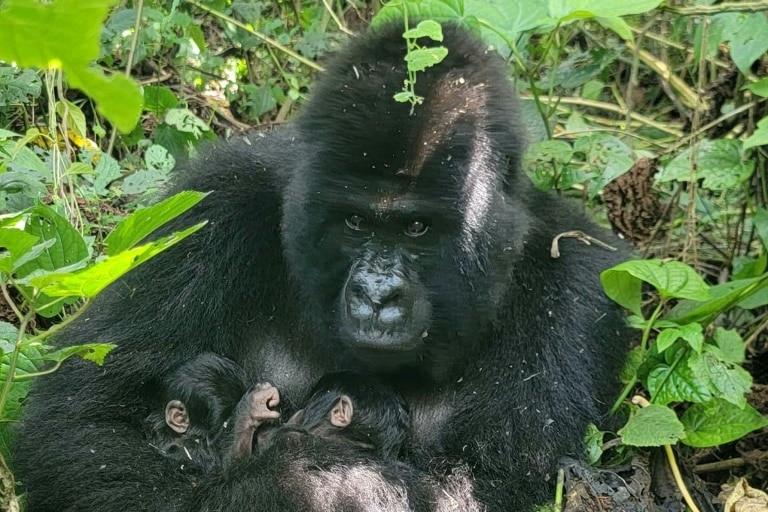
    The Congolese Institute for the Conservation of Nature, which oversees the country’s national parks, celebrated the birth as a triumph of life despite significant challenges. The institution shared an image on social media showing mother Mafuko cradling her two tiny offspring.

    Established in 1925 as Africa’s oldest nature reserve, Virunga National Park spans 7,800 square kilometers near Congo’s borders with Rwanda and Uganda. This biodiverse region currently faces substantial security threats, including territory controlled by the Rwanda-backed M23 militia, which has expanded its influence in recent months. Additionally, forests within the park are believed to serve as hideouts for the Islamic State-affiliated Allied Democratic Forces.

    With approximately 1,000 mountain gorillas remaining in the wild, conservation efforts take on critical importance. Virunga’s authorities reported hosting 350 of these great apes in 2021, with eight other mountain gorilla births recorded in the park during 2025, according to park spokesman Bienvenu Bwende.

  • Australians brace for ‘property loss or worse’ as bushfires destroy homes

    Australians brace for ‘property loss or worse’ as bushfires destroy homes

    Victoria’s emergency services are confronting devastating bushfire conditions as extreme heatwave temperatures sweep across Australia’s southeastern states. Firefighters continue their relentless battle against a major blaze near Longwood in northern Victoria that has already consumed approximately 36,000 hectares of land.

    The Country Fire Authority (CFA) has issued grave warnings to residents as Friday’s temperatures are projected to reach 42°C, creating what officials describe as ‘catastrophic’ fire conditions throughout the state. CFA Chief Officer Jason Heffernan delivered a sobering message to Victorians: ‘Victorians should brace themselves for more property loss or worse.’

    The small community of Ruffy has suffered severe devastation, with at least ten homes destroyed and local infrastructure including a school completely lost. Ruffy CFA Captain George Noye described the scene as resembling a bomb detonation, noting that numerous properties had lost everything – including livelihoods, shearing sheds, and livestock.

    In a concerning development, Victoria Police Deputy Commissioner Bob Hill reported three individuals – two adults and one child – remain unaccounted for in the Longwood area. Authorities had previously contacted them at their property, advising shelter as evacuation was no longer feasible. Subsequent checks revealed their home had been destroyed by fire with no sign of the residents.

    Simultaneously, another significant fire near Walwa in northeast Victoria has burned through over 17,000 hectares. Heffernan emphasized that the threat extends beyond active fire zones, warning that numerous new fires have ignited across communities with more expected throughout the day.

    Neighboring South Australia faces similar challenges, with temperatures predicted to reach 46°C in some regions and fire crews already combating multiple blazes. The extreme conditions have prompted total fire bans across Victoria, with all regions receiving either ‘catastrophic’ or ‘extreme’ fire danger ratings.

  • Rio Tinto eyes acquisition of rival Glencore in major merger discussions

    Rio Tinto eyes acquisition of rival Glencore in major merger discussions

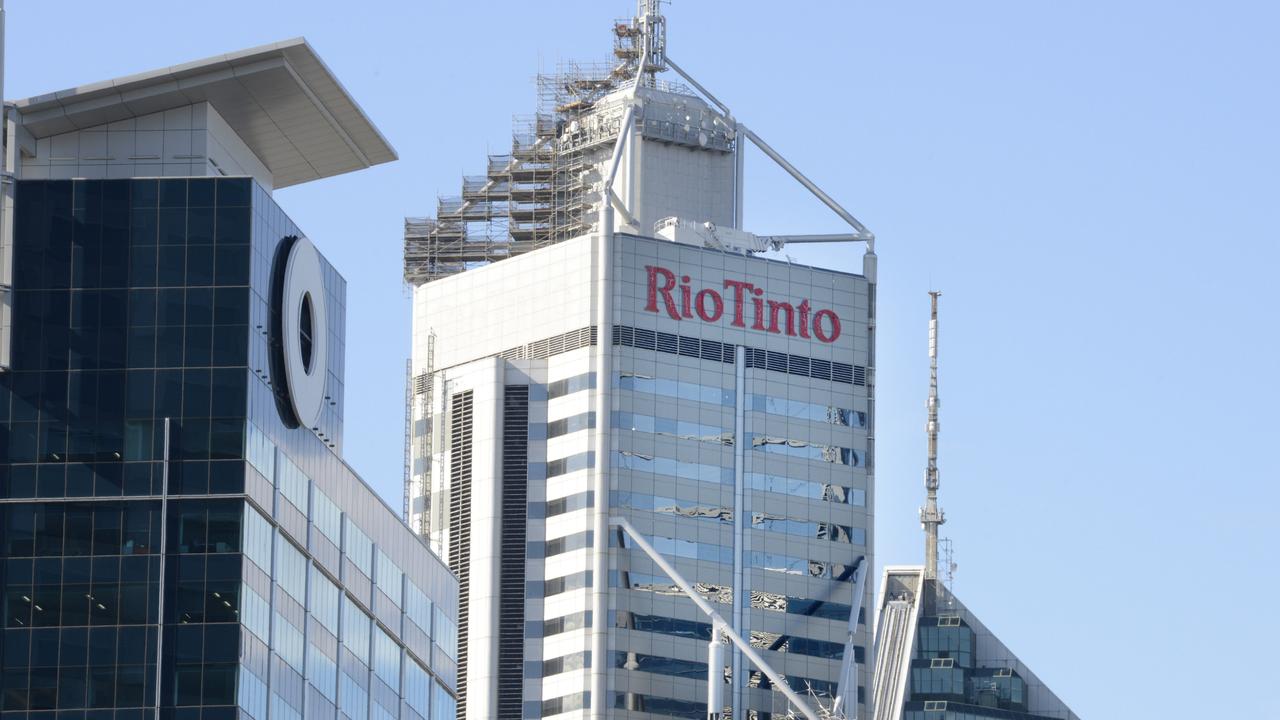
    In a landmark development within the global resources sector, mining behemoths Rio Tinto and Glencore have officially acknowledged engaging in preliminary merger discussions. This potential consolidation could forge one of the planet’s most formidable mining entities.

    Both corporations released separate statements confirming exploratory talks regarding a ‘potential combination of some or all of their business operations.’ Rio Tinto, the larger entity with a market valuation of approximately $US142 billion, indicated that any transaction would likely materialize as its acquisition of Glencore, which holds a market capitalization of $US65 billion. The proposed mechanism would be a court-sanctioned scheme of arrangement.

    This is not the first time the two giants have contemplated a merger; previous discussions were abandoned last year. Rio Tinto faces a deadline of 5:00 PM London time on February 5th to either formally declare its intention to make an offer or to withdraw from negotiations.

    The market reacted swiftly to the news. At the time of reporting, Rio Tinto’s shares experienced a significant downturn, sliding 5.25 percent to $144.62. Both companies emphasized the preliminary nature of the talks, with Rio Tinto explicitly stating, ‘There can be no certainty that an offer will be made or as to the terms of any such offer, should one be made.’ The outcome of these discussions is poised to reshape the competitive landscape of the global mining industry.

  • ‘Deciding to leave has been the hardest’: Nick Meaney and Tyran Wishart to leave Storm, expected to join Bears

    ‘Deciding to leave has been the hardest’: Nick Meaney and Tyran Wishart to leave Storm, expected to join Bears

    The Melbourne Storm’s off-season has been dealt another severe setback with the confirmed departures of versatile stars Nick Meaney and Tyran Wishart at the conclusion of the 2026 NRL season. Both players are widely anticipated to join the newly formed Perth Bears, marking a significant coup for the expansion club’s inaugural recruitment drive.

    Meaney, a former Knight and Bulldog who found a home in Melbourne since 2022, evolved into an indispensable asset for the Storm. His adaptability saw him excel on the wing, at centre, and most notably at fullback during Ryan Papenhuyzen’s extended injury absences. His exit creates a critical void, particularly in goal-kicking—a specialist role where the club now admits to having no proven depth.

    Wishart, equally valued for his utility value, emerged as a formidable force off the bench, with the capacity to start in the halves or at dummy-half. His departure further depletes a squad already reeling from the losses of Papenhuyzen, Nelson Asofa-Solomona, and Jonah Pezet.

    In emotional farewell statements, both players expressed profound gratitude toward the Storm organization. Meaney described the choice to leave as “the hardest decision,” citing his family’s deep connections to the club. Wishart echoed this sentiment, acknowledging the Storm for granting him his first-grade debut and vowing full commitment to a successful 2026 campaign.

    Storm CEO Justin Rodski acknowledged the difficulty of losing players of such calibre but respected their decisions. The club now faces the dual challenge of managing immediate on-field deficiencies while leveraging its financial flexibility and pathways program to rebuild roster depth for the future.

  • UN climate chief says Trump scores ‘own goal’ with treaty retreat

    UN climate chief says Trump scores ‘own goal’ with treaty retreat

    In a sweeping diplomatic maneuver, former President Donald Trump has triggered international condemnation by formally withdrawing the United States from approximately 66 global organizations and treaties, with nearly half affiliated with the United Nations. The most significant departure concerns the United Nations Framework Convention on Climate Change (UNFCCC), the foundational treaty underpinning all major international climate agreements since 1992.

    UN Climate Chief Simon Stiell characterized the withdrawal as a ‘colossal own goal’ that would ultimately damage American economic interests, job creation, and overall living standards. ‘This decision will leave the US less secure and less prosperous,’ Stiell asserted in an official statement. His sentiments were echoed by UN Secretary-General Antonio Guterres, who expressed profound regret over the US retreat from multilateral cooperation while reaffirming the UN’s commitment to fulfilling its global mandates.

    Environmental policy experts and international leaders quickly denounced the move. Jake Schmidt of the Natural Resources Defense Council emphasized that the US, as the world’s largest economy and biggest historical emitter, would become the first nation among 198 parties to abandon the climate framework. European Union climate chief Wopke Hoekstra described the withdrawal as ‘regrettable and unfortunate,’ highlighting the contradiction between American retreat and global climate efforts.

    The decision extends beyond the UNFCCC to include withdrawal from the UN’s Green Climate Fund and the Intergovernmental Panel on Climate Change, reinforcing Trump’s longstanding skepticism toward climate science, which he has frequently dismissed as a ‘hoax.’

    Legal challenges appear imminent regarding the constitutional authority for such unilateral treaty withdrawals. Jean Su of the Center for Biological Diversity contends that presidential withdrawal from a treaty ratified by a two-thirds Senate vote may violate constitutional procedures, with potential litigation being explored.

    Political repercussions include sharp criticism from California Governor Gavin Newsom, who accused Trump of ‘surrendering America’s leadership on the world stage’ and creating a ‘leadership vacuum that China is already exploiting.’ This perspective underscores broader concerns about geopolitical realignment as China consolidates its position as both the world’s largest polluter and the global leader in renewable energy investment.

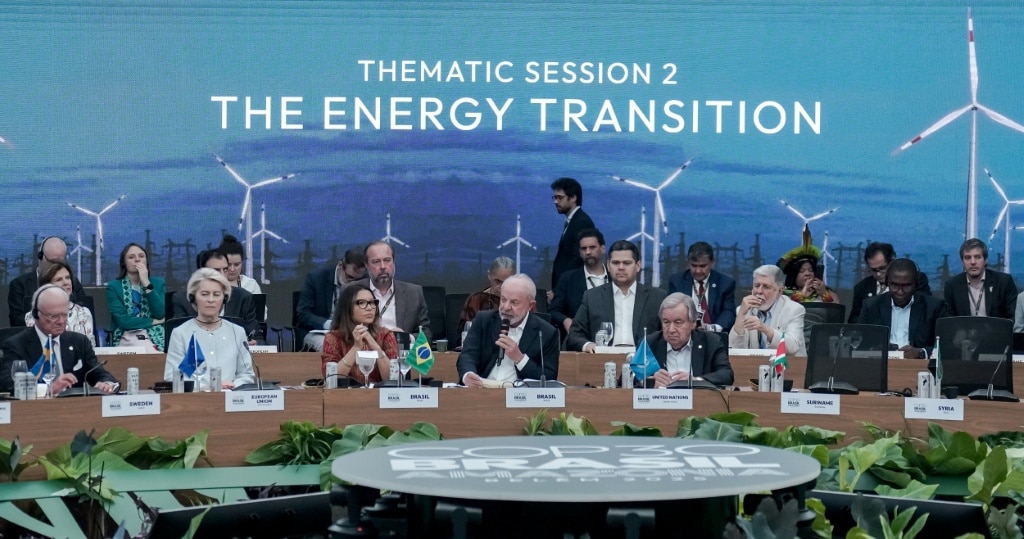
    The administration’s absence from recent UN climate negotiations in Brazil further signals a deliberate disengagement from international climate diplomacy, marking a significant reversal from the Biden administration’s approach and potentially setting the stage for future political and legal battles over America’s role in global governance.

  • French researcher back in France after prisoner swap with Russia

    French researcher back in France after prisoner swap with Russia

    In a significant diplomatic development, French researcher Laurent Vinatier has returned to his homeland following a carefully negotiated prisoner exchange between France and Russia. The swap involved Vinatier’s release in exchange for Russian basketball player Daniil Kasatkin, who had been detained in France on U.S. hacking allegations.

    The exchange occurred against the backdrop of strained relations between Moscow and Western nations, nearly four years after Russia’s invasion of Ukraine. Vinatier, who had been sentenced to three years in a Russian penal colony for violating ‘foreign agent’ registration laws, faced additional espionage charges that could have extended his imprisonment to two decades.

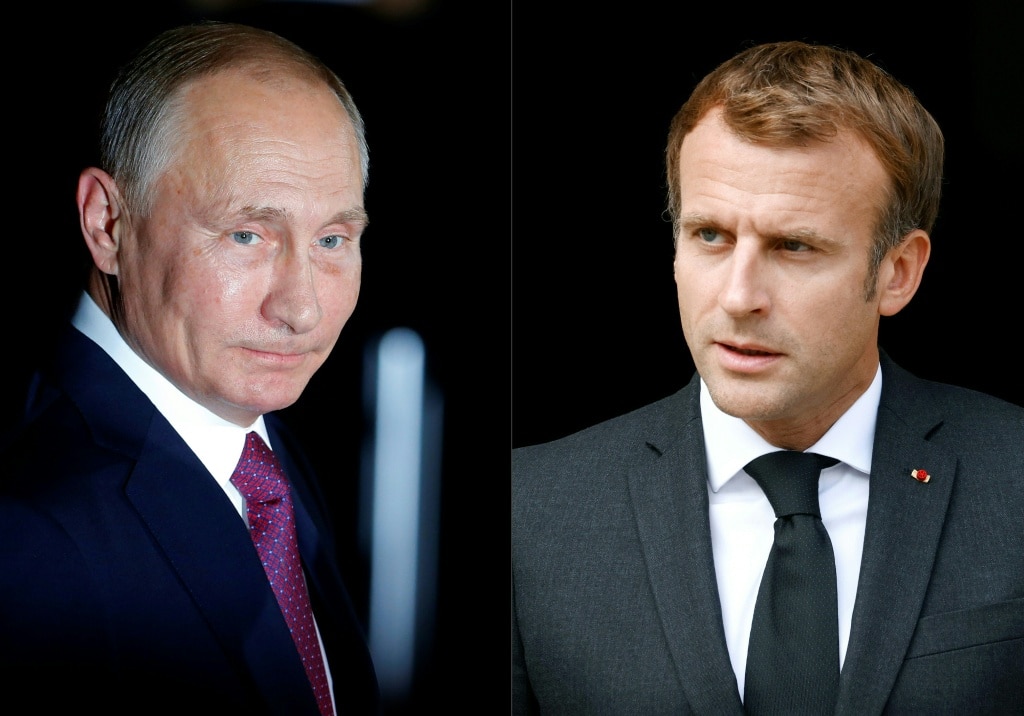
    French President Emmanuel Macron publicly expressed relief at Vinatier’s return, stating on social media platform X: ‘Our compatriot Laurent Vinatier is free and back in France. I share the relief felt by his family and loved ones.’ The researcher was greeted at a military base near Paris by his parents and France’s top diplomat Jean-Noel Barrot.

    The Kremlin’s announcement last month regarding a proposal to France concerning Vinatier had raised hopes for his eventual release. Russian state media circulated footage showing Vinatier’s departure from detention, smiling while carrying a large black bag. Russia’s FSB security service confirmed he had been ‘pardoned’ by presidential decree.

    Vinatier, an accomplished expert on Russia and former Soviet states with previous experience at NATO and the European Parliament, was working for the Swiss-based Centre for Humanitarian Dialogue at the time of his arrest. The NGO, which specializes in conflict mediation outside official diplomatic channels, expressed joy at his release, stating: ‘Laurent’s colleagues and friends are overjoyed at his return and stand in solidarity with him and his family.’

    The exchange involved careful coordination with Washington, as Kasatkin faced charges in the United States for alleged involvement in ransomware hacking activities. Video evidence confirmed Kasatkin’s return to Russian territory following the swap.

    This development occurs as both nations have indicated willingness to re-establish dialogue, with the Kremlin noting last December that Vladimir Putin had ‘expressed readiness to engage in dialogue’ with Macron. However, French diplomats remained cautious about speculating on any potential resumption of bilateral talks with Russia when questioned.

    The timing of Vinatier’s release coincided with Orthodox Christmas celebrations on January 7, which his family’s legal representative described as ‘a strong sign’ of diplomatic goodwill.

  • Russia slams Western peacekeeping plan for Ukraine

    Russia slams Western peacekeeping plan for Ukraine

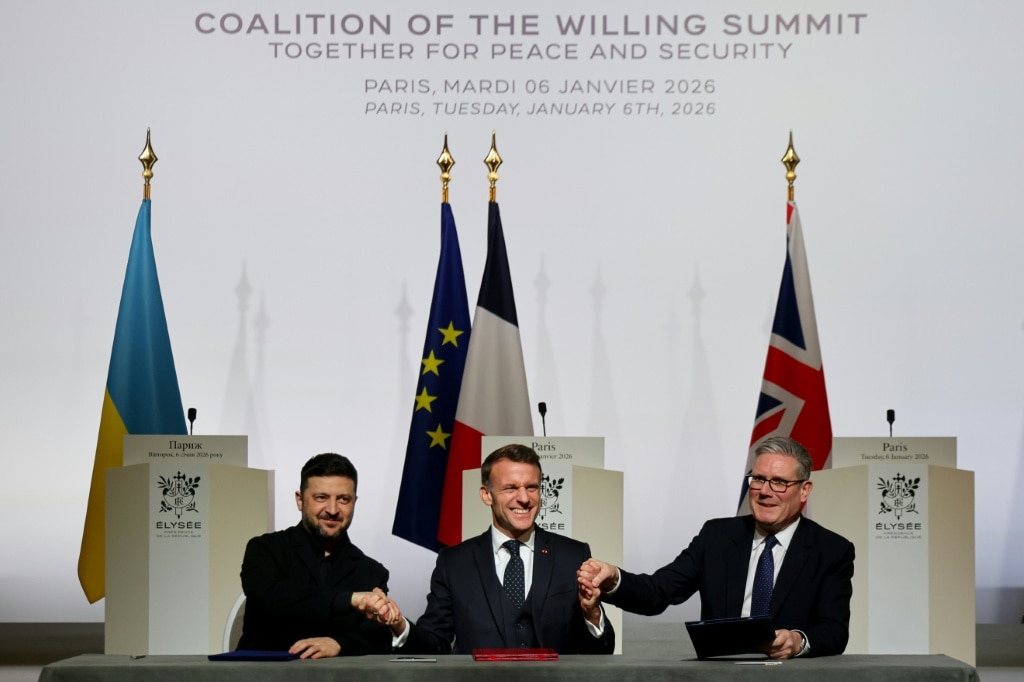
    Russia has vehemently condemned Western proposals for post-conflict security arrangements in Ukraine, dismissing them as ‘dangerous’ and ‘destructive’ initiatives that effectively create an ‘axis of war’. The sharp criticism from Moscow’s foreign ministry spokeswoman Maria Zakharova came in response to recent diplomatic efforts by Ukraine’s allies, who convened in Paris to establish security guarantees for Kyiv that included provisions for a potential multinational peacekeeping force.

    The diplomatic developments unfolded alongside intensified military actions, with Russian strikes causing widespread power outages affecting approximately 500,000 households across Ukraine’s Dnipropetrovsk and Zaporizhzhia regions. These attacks, which Ukrainian authorities described as a ‘national level emergency’, resulted in three fatalities in the southern city of Kherson and forced educational institutions to extend holiday closures.

    President Volodymyr Zelensky confirmed that bilateral security agreements between Ukraine and the United States are nearing finalization, emphasizing that binding security assurances from allies remain essential to deter future Russian aggression. However, critical negotiation points regarding territorial control of the eastern Donbas region and the status of the Russian-occupied Zaporizhzhia nuclear facility remain unresolved.

    Moscow’s position appears increasingly uncompromising, with repeated warnings that any NATO peacekeeping deployment would be considered legitimate military targets for Russian forces. German Chancellor Friedrich Merz acknowledged the significant distance to any ceasefire agreement, stating that Russia’s consent—which currently seems unlikely—remains prerequisite to any sustainable security arrangement.

    The simultaneous escalation of diplomatic rhetoric and military operations suggests both sides are positioning for protracted conflict rather than imminent resolution, with security guarantees becoming the latest focal point in the nearly four-year confrontation.

  • Syria tells civilians to leave Aleppo’s Kurdish areas

    Syria tells civilians to leave Aleppo’s Kurdish areas

    The Syrian military has issued a stark evacuation order for civilians residing in two predominantly Kurdish neighborhoods of Aleppo, signaling an imminent escalation of military operations. Authorities announced a Thursday afternoon deadline for residents to depart from the besieged districts of Sheikh Maqsud and Ashrafiyeh before commencing renewed artillery strikes.

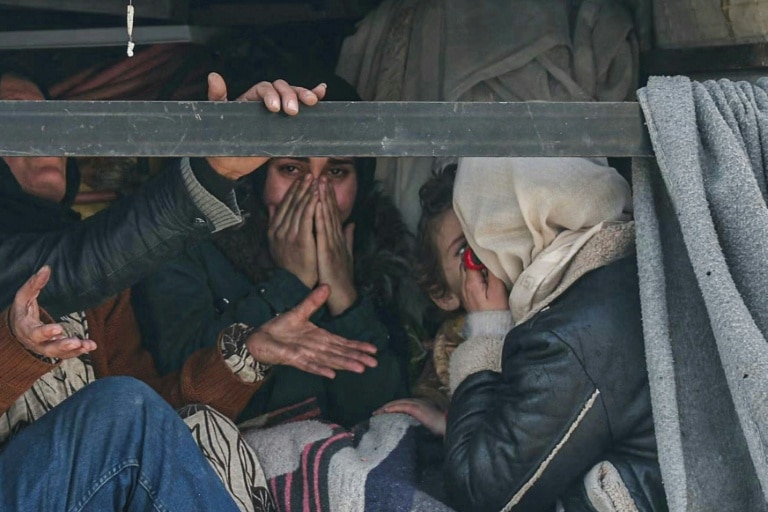
    This development follows intense clashes between government forces and Kurdish-led militias that have resulted in at least seventeen casualties since Tuesday. Thousands of civilians have already fled through army-established corridors following Wednesday’s evacuation window, which was followed by shelling after the designated deadline expired.

    The current violence disrupts implementation of a March agreement designed to integrate the semi-autonomous Kurdish administration in northern Syria into the country’s new Islamist government structure. A military official described the operation as “limited” in scope, intended to pressure Kurdish fighters to withdraw and enable government forces to establish full control over Aleppo.

    International responses have emerged from multiple quarters. United Nations Secretary-General Antonio Guterres has appealed for restraint and urged both parties to resume negotiations. Israel’s Foreign Minister Gideon Saar condemned the attacks against Kurdish minorities as “serious and dangerous,” while Turkey, a Syrian government ally, expressed readiness to provide military support if officially requested by Damascus.

    In the northeastern Kurdish city of Qamishli, hundreds protested the Aleppo violence, displaying banners reading “no to war” and “no to ethnic cleansing” while calling for international intervention. The ongoing conflict has paralyzed daily life in Aleppo, with educational institutions and commercial establishments remaining closed for consecutive days.