标签: Oceania

大洋洲

  • AFL 2026: St Kilda coach Ross Lyon says Nick Daicos, Scott Pendlebury didn’t decide the game

    AFL 2026: St Kilda coach Ross Lyon says Nick Daicos, Scott Pendlebury didn’t decide the game

    St Kilda coach Ross Lyon has pinpointed his team’s operational inefficiency as the decisive factor in their Opening Round loss to Collingwood, rather than his tactical choice not to directly tag Magpies superstar Nick Daicos. The match, held at the MCG, concluded with a 12-point victory for Collingwood, largely propelled by Daicos’s stellar performance of 41 disposals and 11 score involvements.

    Contrary to external expectations, Lyon expressed confidence in his team’s systemic approach, emphasizing a pre-game strategy that relied on collective accountability over assigning a dedicated shutdown player to Daicos. The coach dissected the loss post-game, suggesting that a review of the match tape might provide further clarity but maintaining his initial stance that Daicos, while influential, was not the sole architect of the result.

    The narrative extended to another Collingwood veteran, Scott Pendlebury. Operating on managed minutes, Pendlebury delivered a masterclass in efficiency, contributing five direct goal assists despite a delayed entry into the game. Lyon acknowledged the quality of the champion’s touches but downplayed his overarching impact on the final scoreline.

    The match also served as the anticipated debut for several high-profile St Kilda recruits, including Tom De Koning and Jack Silvagni. While Lyon noted positive individual moments from the new signings, the collective outcome was marred by inefficiencies and compounded by an injury to key player Rowan Marshall, who sustained a concussion and will be unavailable for the upcoming fixture against Melbourne.

  • Tehran fuel dumps burn as Iran warns it can fight for months

    Tehran fuel dumps burn as Iran warns it can fight for months

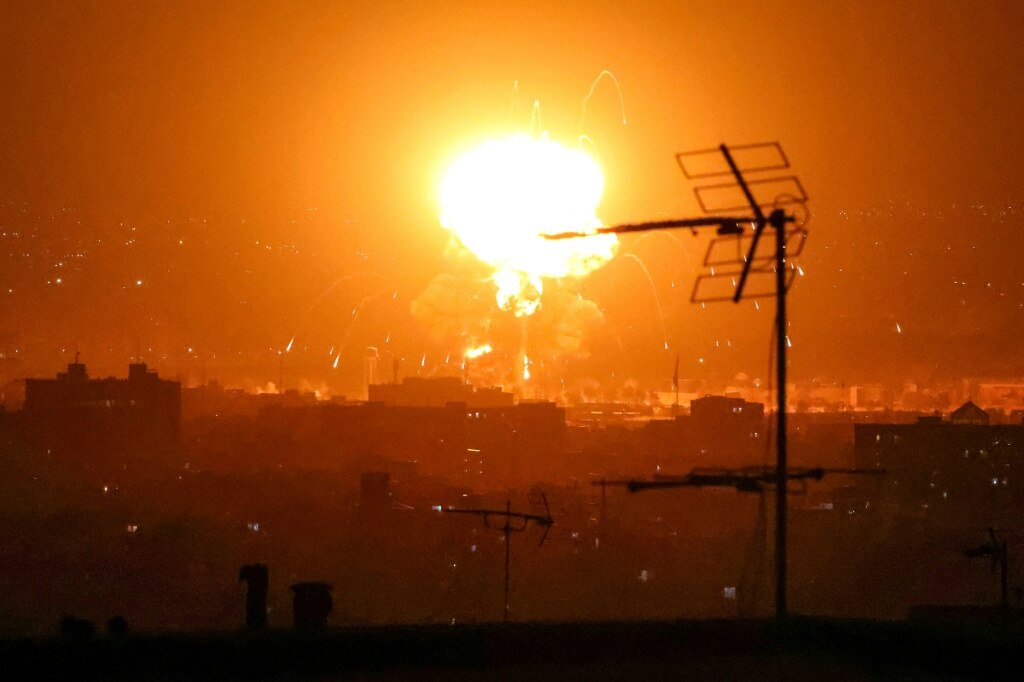
    The Middle East conflict entered a dangerous new phase this weekend as aerial assaults triggered massive infernos at fuel storage facilities in Tehran. Dramatic footage showed fireballs and thick plumes of smoke rising over the Iranian capital following confirmed Israeli airstrikes targeting energy infrastructure.

    Iran’s Revolutionary Guards issued a stark declaration of their military readiness, announcing possession of sufficient weaponry to sustain drone and missile campaigns across the region for up to six months. Spokesperson Ali Mohammad Naini revealed that only first- and second-generation missiles had been deployed thus far, with more advanced long-range systems being prepared for imminent use.

    The conflict’s geographic scope continues to expand with significant attacks reported across multiple nations. Saudi Arabia intercepted drones targeting Riyadh’s diplomatic quarter, Kuwait sustained damage to airport fuel tanks, and Bahrain reported strikes on water desalination facilities. Meanwhile, Israeli forces struck Beirut’s southern suburbs, targeting Iranian operatives and killing at least four people according to Lebanese authorities.

    Civilian casualties mount on all sides, with Iran’s health ministry reporting approximately 1,200 deaths and 10,000 injuries—figures that remain unverified independently. Lebanese officials documented 294 fatalities from Israeli airstrikes over the past week, prompting Prime Minister Nawaf Salam to warn of an impending humanitarian catastrophe.

    International responses remain notably divided. President Donald Trump attended memorial services for six American personnel killed in Kuwait while refusing to rule out ground troop deployment. China’s top diplomat Wang Yi expressed regret that the conflict had occurred at all, stating that ‘a strong fist does not mean strong reason’ and warning against regression to ‘the law of the jungle.’

    With Tehran’s fuel distribution temporarily disrupted and infrastructure damage accumulating, analysts see no clear resolution pathway. The impending selection of Iran’s next supreme leader following Ayatollah Khamenei’s death adds another layer of complexity to a conflict that shows every sign of intensifying further.

  • Dominant Russell wins Australian Grand Prix in Mercedes 1-2

    Dominant Russell wins Australian Grand Prix in Mercedes 1-2

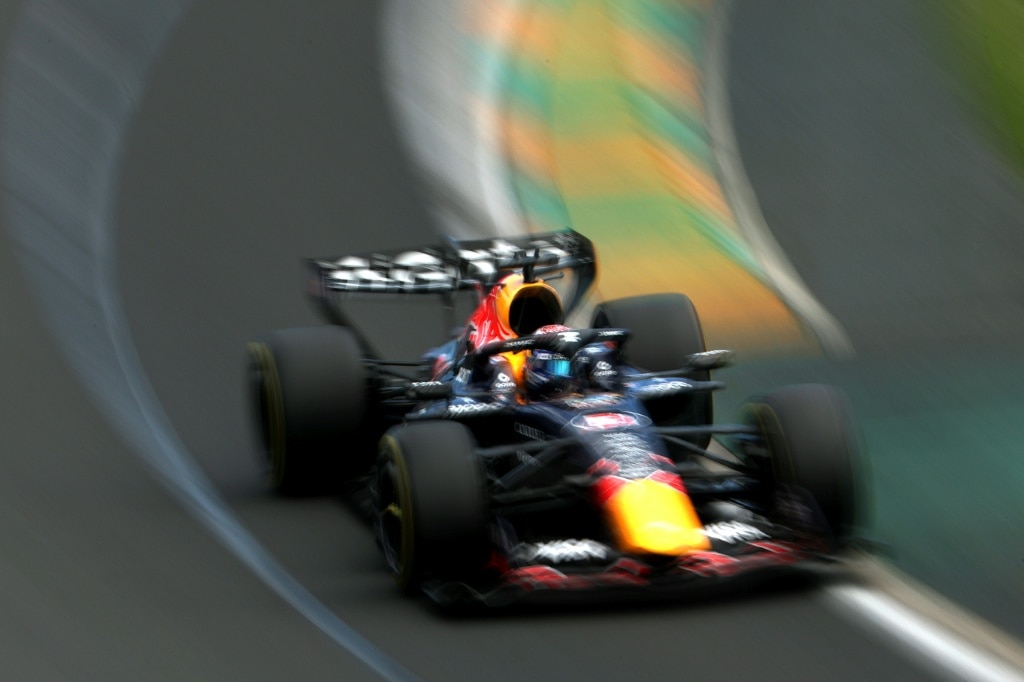
    In a dramatic commencement to the Formula One season, Mercedes driver George Russell clinched victory at the Australian Grand Prix, leading a commanding one-two finish for his team. The Melbourne event unfolded as a rigorous inaugural test for the sport’s newly engineered vehicles under competitive duress.

    Russell, who started from pole position, navigated a tumultuous race marked by intense wheel-to-wheel combat with Ferrari’s Charles Leclerc and multiple virtual safety car deployments. His teammate, Kimi Antonelli, secured second place, completing Mercedes’ dominant performance. Leclerc finished third, followed by Lewis Hamilton in fourth for Ferrari.

    The race proved challenging for several competitors, with five cars failing to complete the event. Home favorite Oscar Piastri experienced a devastating start to his campaign, crashing on the out-lap to the grid and sustaining significant damage to his McLaren that prevented him from starting. Other casualties included Audi’s Nico Hulkenberg, Red Bull’s Isack Hadjar, Cadillac’s Valtteri Bottas, and Aston Martin’s Fernando Alonso.

    Technical challenges emerged as drivers adapted to new power unit regulations requiring strategic battery management through braking and throttle lift-off maneuvers. The Albert Park circuit’s configuration, featuring long straights that drain battery power and limited twisting sections for recharging, presented particular difficulties.

    Red Bull’s Max Verstappen delivered an impressive recovery drive, climbing from 20th on the grid to secure sixth position after a qualifying crash. McLaren’s Lando Norris finished fifth, 51 seconds behind the leader.

    Reflecting on his victory, Russell remarked, ‘The feeling is incredible. It was a hell of a fight in the beginning. We knew it would be challenging—I made a bad start and had some really tight battles with Charles at the start. Just really glad to cross the finish line.’

    The Formula One calendar now progresses to China next weekend, though subsequent races in Bahrain and Saudi Arabia face potential disruption due to regional geopolitical tensions.

  • Young Chinese parents tighten belts as childcare costs rise

    Young Chinese parents tighten belts as childcare costs rise

    Amidst a deepening demographic crisis, young Chinese parents are implementing severe financial austerity measures as government subsidies prove inadequate against soaring childcare expenses. With China’s birth rate plummeting by fifty percent within the past ten years and workforce aging accelerating simultaneously, the nation confronts an unprecedented population challenge.

    Beijing has officially prioritized establishing a “childbirth-friendly society” during its current five-year planning cycle, with Premier Li Qiang emphasizing this directive during the annual legislative gathering. Recent policy interventions include provisions for complimentary preschool education and annual cash allocations of 3,600 yuan ($500) per child. Nevertheless, these fiscal measures are widely perceived as insufficient by the younger generation grappling with intense economic pressures.

    The personal narratives of young families illustrate this growing disconnect. Zhang Xiaofei, 32, and her husband Zhu Yunfei, 36, both manicurists, deliberately postponed parenthood to achieve financial stability. “We prioritized career development due to our modest family economic circumstances,” Zhang explained from her Hebei home while caring for their three-week-old daughter. Despite qualifying for the new subsidy, the couple calculates the government assistance represents merely 1.5% of their combined annual income – insufficient to cover annual infant formula requirements.

    Demographic experts caution that financial incentives alone cannot reverse fertility trends. University of Michigan social demographer Yun Zhou observes that subsidies historically fail to produce substantial fertility rebounds. Compounding the economic challenges are persistent gender inequalities in professional environments. Although China prohibited employment discrimination based on marital or pregnancy status in 2023, many educated women perceive fundamental incompatibility between childrearing and career advancement.

    Additional legislative proposals have emerged during the current political session, including enhanced benefits for three-child families and reduced legal marriage ages. These suggestions have encountered substantial public criticism on social media platforms, with many dismissing them as impractical solutions.

    The urban-rural economic divide further complicates policy effectiveness. As Zhu noted, while 3,600 yuan holds negligible value in metropolitan settings where basic baby equipment exceeds this amount, the subsidy carries more significance in rural communities. This geographical disparity highlights the challenge of implementing nationwide solutions to China’s complex demographic dilemma.

  • War in the Middle East: latest developments

    War in the Middle East: latest developments

    The Middle East conflict escalated dramatically over the weekend with multiple fronts witnessing intensified military actions. Overnight airstrikes, attributed to US-Israeli operations, targeted oil facilities in Tehran, marking a significant expansion of the conflict directly impacting Iranian infrastructure. Iranian officials confirmed damage to several oil installations, raising immediate concerns about global oil markets and regional energy exports.

    Concurrently, Gulf states faced renewed assaults with Saudi Arabia reporting successful interception of 15 drones, including attacks targeting Riyadh’s diplomatic quarter. Kuwait implemented precautionary production cuts following drone strikes on airport fuel tanks, while Bahrain reported three casualties and damage to a water desalination plant from falling missile debris.

    Iran’s Revolutionary Guards declared readiness for sustained conflict, with spokesman General Ramazan Sharif stating their forces could maintain “intense war” operations for six months while promising deployment of more advanced missiles in coming days. Iranian President Masoud Pezeshkian delivered a nuanced address, simultaneously apologizing to neighboring nations for attacks on their territory while warning that Iran would be “forced to respond” to any invasion attempts.

    Israeli military operations expanded significantly with confirmed strikes “across Iran” including targeted infrastructure in Tehran. Lebanon witnessed severe escalation as Israeli strikes on a Beirut hotel killed four people, with Israel claiming the operation targeted Iranian Quds Force commanders. Southern Lebanon experienced intensified bombardment with eight fatalities reported across more than 20 communities.

    The human toll mounted as Sri Lankan hospitals discharged 22 Iranian crew members surviving recent naval engagements, while 84 bodies have been recovered and over 60 remain missing following Wednesday’s submarine attack. A second Iranian warship has sought refuge in Sri Lankan waters following the incident.

    Controversy emerged regarding a deadly strike on an Iranian primary school that killed approximately 150 people. While President Trump attributed the attack to Iranian forces, a New York Times investigation suggested US military involvement, though verification remains challenging due to restricted site access.

  • Russell wins first race of new F1 era in Australia

    Russell wins first race of new F1 era in Australia

    In a spectacular season-opening performance at Melbourne’s Albert Park, Mercedes driver George Russell claimed a commanding victory at the Australian Grand Prix, signaling a potential power shift in Formula 1’s new regulatory era. The British driver overcame an initial battery concern and engaged in a thrilling early battle with Ferrari’s Charles Leclerc before strategic mastery propelled him to a comfortable win.

    The race commenced with intense wheel-to-wheel action as Russell and Leclerc exchanged leads multiple times during the opening laps, utilizing Formula 1’s newly implemented energy boost systems. The critical turning point emerged when a virtual safety car period prompted divergent strategies—Mercedes opted for immediate pit stops while Ferrari maintained track position. This decision proved decisive as Leclerc eventually emerged from his pit stop fourteen seconds behind the Mercedes duo.

    Russell’s triumph marked Mercedes’ first Australian victory since 2019, with rookie teammate Kimi Antonelli securing an impressive second-place finish in his debut race for the team. Leclerc settled for third position ahead of Ferrari counterpart Lewis Hamilton, who mounted a late challenge on his teammate but ultimately couldn’t improve his standing.

    The race witnessed several notable performances beyond the podium finishers. McLaren’s Lando Norris defended vigorously against Red Bull’s Max Verstappen, who staged a remarkable recovery from twentieth on the grid to claim sixth position. The event also featured a sensational Formula 1 debut for 18-year-old British driver Arvid Lindblad, who scored championship points with an eighth-place finish for Racing Bulls.

    Technical and strategic discussions dominated post-race analysis, particularly regarding Ferrari’s controversial decision to avoid pitting during the virtual safety car period. The new regulatory framework—emphasizing hybrid power deployment and electronic overtaking systems—generated mixed reactions from drivers and teams, with some questioning whether the increased focus on energy management has diminished traditional racing elements.

    The complete results demonstrated Mercedes’ dominance, with five British drivers finishing within the top eight positions. The Formula 1 circus now prepares for the Chinese Grand Prix in Shanghai, where the season’s first sprint race format will provide additional competitive excitement.

  • Iran says can fight for months as Israel strikes Beirut hotel

    Iran says can fight for months as Israel strikes Beirut hotel

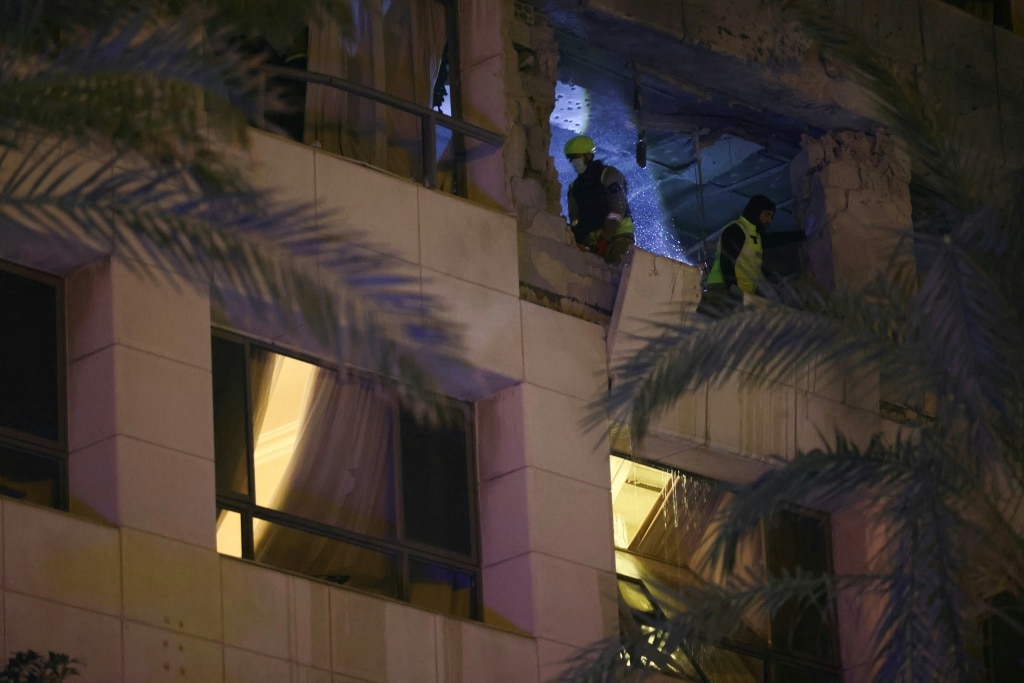
    The Middle East conflict entered a dangerous new phase as Israeli forces targeted a hotel in central Beirut, killing at least four people, while Iran’s Revolutionary Guards declared their capacity to wage intense warfare against the United States and Israel for six months. The strike on Beirut’s Ramada hotel in the tourist-frequented Rawche area left visible damage with shattered windows and charred walls, according to AFP correspondents on scene.

    The regional escalation continues to broaden with Saudi Arabia reporting interception of multiple drones targeting Riyadh’s diplomatic quarter, while Kuwait confirmed attacks on aviation fuel storage at its international airport. These developments have triggered significant energy security concerns, particularly regarding the Strait of Hormuz transit corridor where Kuwait’s national oil company announced production cuts due to security threats.

    Tehran has accused the US and Israel of striking oil infrastructure within the Iranian capital, marking the first reported attack on Iran’s oil facilities since the conflict began. Israel’s military acknowledged targeting “fuel storage facilities in Tehran” that allegedly supported military operations.

    Israeli Prime Minister Benjamin Netanyahu has pledged to continue military operations “with all our force” following joint US-Israeli raids that killed Supreme Leader Ayatollah Ali Khamenei last week. Despite this, Revolutionary Guards spokesman Ali Mohammad Naini asserted Iran’s preparedness for prolonged conflict, indicating the deployment of “advanced and less-used long-range missiles” in coming days.

    The human cost continues to mount with Iran’s health ministry reporting approximately 926 civilian deaths and 6,000 wounded, though these figures remain unverified independently. Lebanon reports at least 294 fatalities from Israeli airstrikes over the past week, with Prime Minister Nawaf Salam warning of an impending “humanitarian disaster.”

    International responses remain divided with China’s top diplomat Wang Yi stating the conflict “should never have happened” and criticizing what he characterized as “law of the jungle” mentality. Meanwhile, the United States under President Donald Trump has suggested potential troop deployment to secure Iran’s enriched uranium stockpiles, though neither US nor Israeli authorities have claimed responsibility for several attacks including a deadly strike on an elementary school in Minab.

    Analysts indicate no clear resolution path exists for a conflict that officials suggest could persist for months, with regional stability and global energy markets hanging in the balance.

  • Sony faces $2.7 bn class action from UK PlayStation users

    Sony faces $2.7 bn class action from UK PlayStation users

    Japanese entertainment conglomerate Sony Group Corporation confronts a monumental legal challenge as a £2 billion ($2.7 billion) collective action lawsuit commences proceedings at London’s Competition Appeal Tribunal. The case alleges systematic anticompetitive behavior through Sony’s digital marketplace operations spanning nearly a decade.

    The litigation, spearheaded by consumer rights advocate Alex Neill, represents an estimated 12.2 million United Kingdom PlayStation users who purchased digital content between February 2016 and February 2026. The core allegation centers on Sony’s purported exploitation of its market dominance to impose inflated pricing structures on digital games and supplementary content.

    Central to the claimants’ argument is Sony’s alleged maintenance of a near-monopolistic position regarding digital game distribution for PlayStation consoles. This market control supposedly enabled the corporation to mandate a standardized 30% commission fee from game developers and publishers—a rate substantially exceeding the 12-20% commissions prevalent on competitive PC gaming platforms.

    The lawsuit further contends that contemporary game design intentionally encourages excessive spending patterns, particularly concerning vulnerable demographics including minors. These monetization strategies allegedly pressure players to purchase additional content for progression, feature unlocking, or character customization.

    Sony’s defense maintains the legitimacy of its distribution model, though company representatives declined immediate commentary regarding the ongoing proceedings. The trial is projected to extend across ten weeks, with potential implications for digital marketplace regulations globally.

    This legal action follows similar antitrust proceedings against technology behemoths, including Apple’s recent litigation concerning App Store commission structures. Under UK collective action regulations, all potentially affected consumers are automatically included in the claimant group unless they formally opt out, potentially enabling widespread compensation distribution should the case succeed.

  • Philippines’ ‘Cockroach Lord’ goes to bat for misunderstood bugs

    Philippines’ ‘Cockroach Lord’ goes to bat for misunderstood bugs

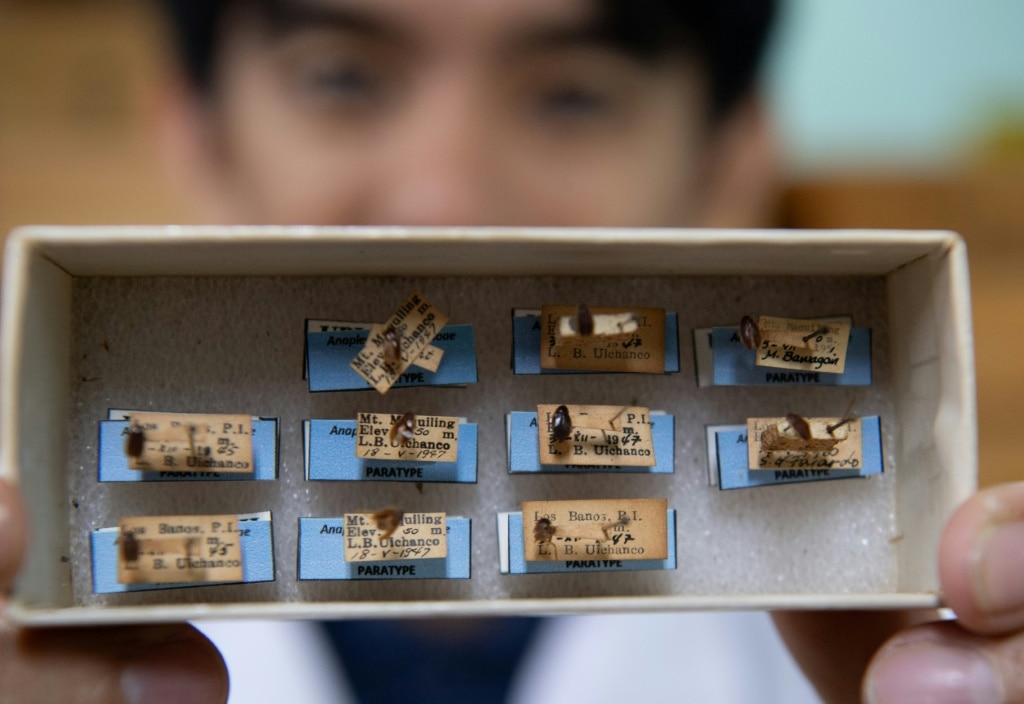
    In the dense blackness of a Philippine rainforest, a narrow beam of light from Cristian Lucanas’s headlamp cuts through the darkness. The 31-year-old entomologist from the University of the Philippines Los Baños carefully excavates the underbrush before gently retrieving a cockroach with his bare hands. Known among colleagues as the ‘Ipis Lord’ (Cockroach Lord), Lucanas stands as the nation’s sole specialist in these frequently maligned insects, having personally identified 15 previously unknown species.

    Despite widespread public perception of cockroaches as disease-ridden pests, Lucanas advocates for greater scientific appreciation of their crucial ecological functions. ‘I also hated cockroaches when I was a child,’ he admitted during an interview in Los Baños, south of Manila. ‘Fear of cockroaches is innate,’ he conceded, often telling strangers he simply ‘works in a museum’ to avoid uncomfortable reactions.

    The biodiversity-rich Philippines hosts approximately 130 documented cockroach species, with three-quarters existing nowhere else on Earth. Lucanas estimates another 200 local varieties await scientific documentation. ‘For the longest time, no one was studying them,’ he noted, expressing disappointment given the archipelago’s significant cockroach population diversity.

    As detritivores, cockroaches perform essential ecosystem services by consuming and breaking down dead organic matter—including their own kind—and returning nutrients to the soil. While certain species do carry disease-spreading microbes, Lucanas emphasizes that their disappearance would disrupt decomposition processes critical for sustaining healthy ecosystems. Birds and spiders would lose a primary food source, and plants would absorb less carbon dioxide, potentially exacerbating global warming.

    Lucanas’s unusual passion ignited twelve years ago during a biology field trip to a bat cave on a remote island, where he observed cockroaches thriving on guano. When his professor couldn’t identify the species, the young scientist discovered his professional calling. An avid J.R.R. Tolkien enthusiast, Lucanas frequently names his discoveries after creatures from ‘The Lord of the Rings,’ including ‘Valar,’ ‘Hobbitoblatta,’ and ‘Nazgul.’

    His expertise occasionally attracts unconventional requests—the country’s largest insecticide manufacturer once invited him to lecture on cockroach identification, while a major restaurant chain sought advice against invasive German cockroaches raiding their commissary. ‘Control is not really my forte,’ Lucanas acknowledged.

    The entomologist debunks popular myths about cockroach resilience, noting their radiation resistance parallels other insects and contradicts post-apocalyptic survival narratives. He identifies human activity, particularly habitat encroachment, as the most immediate threat. Several cave-dwelling species first documented during the Spanish colonial period in the 1890s haven’t been observed since their habitats became tourist destinations.

    Lucanas laments that scientific funding in the Philippines predominantly supports research with direct human applications, potentially limiting his work to cataloging and explaining native cockroach species. Nevertheless, he remains committed to his unusual vocation: ‘I think I’ll stick with what I’m doing. It’s how I’ve built my reputation. And I really do enjoy working with cockroaches.’

  • Explosion at US embassy in Oslo, no injuries

    Explosion at US embassy in Oslo, no injuries

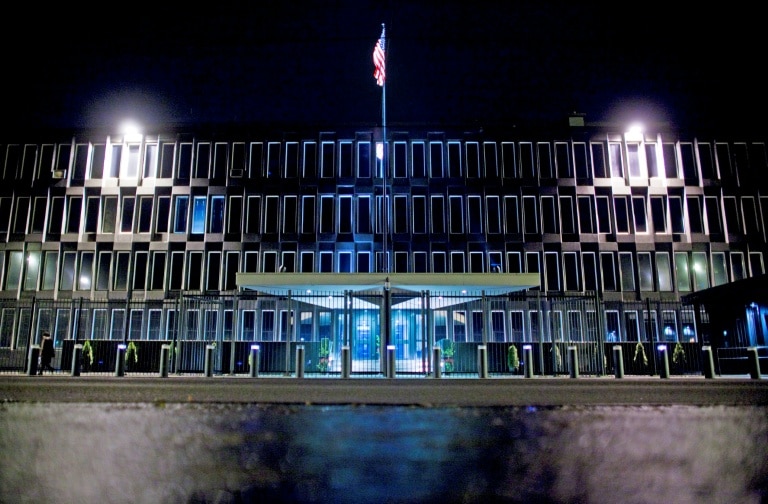
    Norwegian authorities are conducting an intensive investigation following an explosive incident at the United States Embassy in Oslo during the early hours of Sunday. According to Oslo police statements, the detonation occurred approximately at 1:00 AM local time (0000 GMT), resulting in minor structural damage to one of the embassy’s entrance points but no casualties.

    Police Commander Michael Dellemyr characterized the event as a deliberate act during his televised remarks, stating investigators have developed preliminary theories regarding the explosion’s origin. While refraining from specifying explosive types or damage particulars due to the ongoing investigation, Dellemyr confirmed authorities are pursuing one or multiple suspects through coordinated efforts involving canine units, aerial drones, and helicopter surveillance.

    Multiple witnesses reported auditory and physical manifestations of the blast. Edvard, a sixteen-year-old resident, described subsequent police mobilization with automatic weapons and specialized equipment. Another account from Kristian Wendelborg Einung detailed three distinct concussions that produced ground vibrations and substantial smoke coverage resembling dense fog around the diplomatic compound.

    Despite heightened security alerts at US diplomatic installations globally, particularly throughout Middle Eastern regions following military engagements with Iran, Norwegian officials explicitly stated no current evidence connects the Oslo incident to international conflicts. Police established perimeter security within hours, declaring the surrounding area safe for public transit while soliciting civilian reports of unusual observations between midnight and 2:00 AM local time.