标签: Oceania

大洋洲

  • Woman who accused high-profile twins of sexual assault found dead in Australia

    Woman who accused high-profile twins of sexual assault found dead in Australia

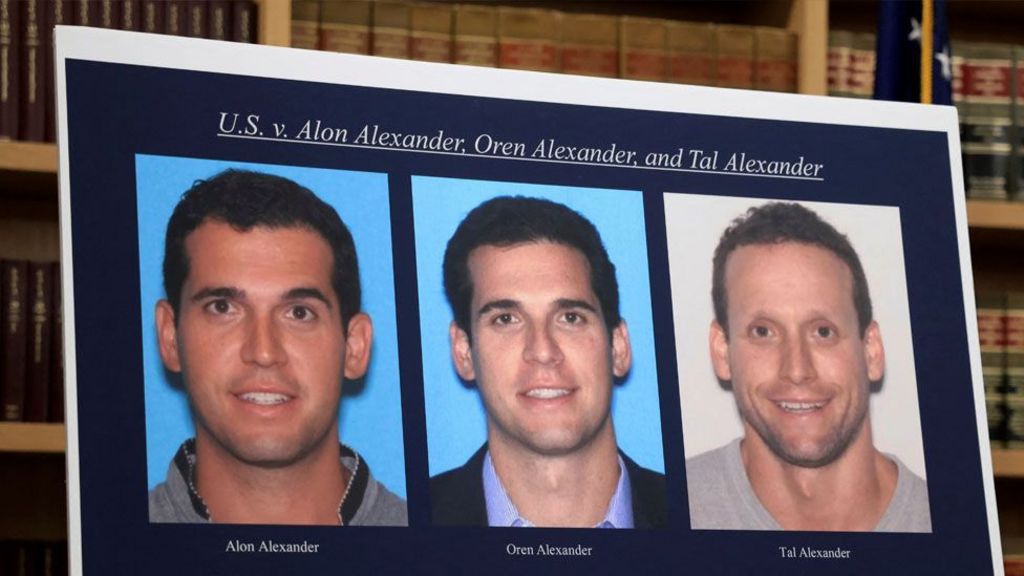
    In a significant development within the high-profile Alexander brothers case, Kate Whiteman, the first woman to publicly accuse real estate moguls Oren and Alon Alexander of sexual assault, was found deceased in Australia late last year. The New South Wales coroner’s office has concluded its investigation, determining her death as non-suspicious.

    Whiteman, 45, had filed a lawsuit in March 2024 alleging the brothers sexually assaulted her in New York in 2012. Her case triggered a cascade of allegations that ultimately led to the arrest of Oren, Alon, and their older brother Tal on sex trafficking charges months later.

    The Alexander brothers, who maintain their innocence and have pleaded not guilty, are scheduled to face trial at the end of January. Their PR representative stated they were unaware of Whiteman’s death and suggested the timing of this revelation “invites obvious questions” ahead of trial.

    The case has expanded significantly since Whiteman’s initial allegations. The day after her lawsuit, Rebecca Mandel filed similar claims against Oren and Alon, alleging she was drugged and assaulted at a 2010 party. By February 2025, at least 17 women had filed civil lawsuits with accusations spanning Miami, Manhattan, and Moscow.

    In December 2024, the FBI arrested all three brothers, who now face more than 10 sex trafficking offenses. Prosecutors allege the brothers “worked together and with others to engage in sex trafficking” since at least 2010, claiming they have interviewed over 60 women who report being raped by at least one of the brothers.

    Defense attorneys have characterized the charges as government “overreach” and maintain the evidence will prove the allegations false. The brothers have been held without bail at Brooklyn’s Metropolitan Detention Center for the past 13 months as they await trial.

  • ‘Hobbit houses’ that might just save a Moldovan village

    ‘Hobbit houses’ that might just save a Moldovan village

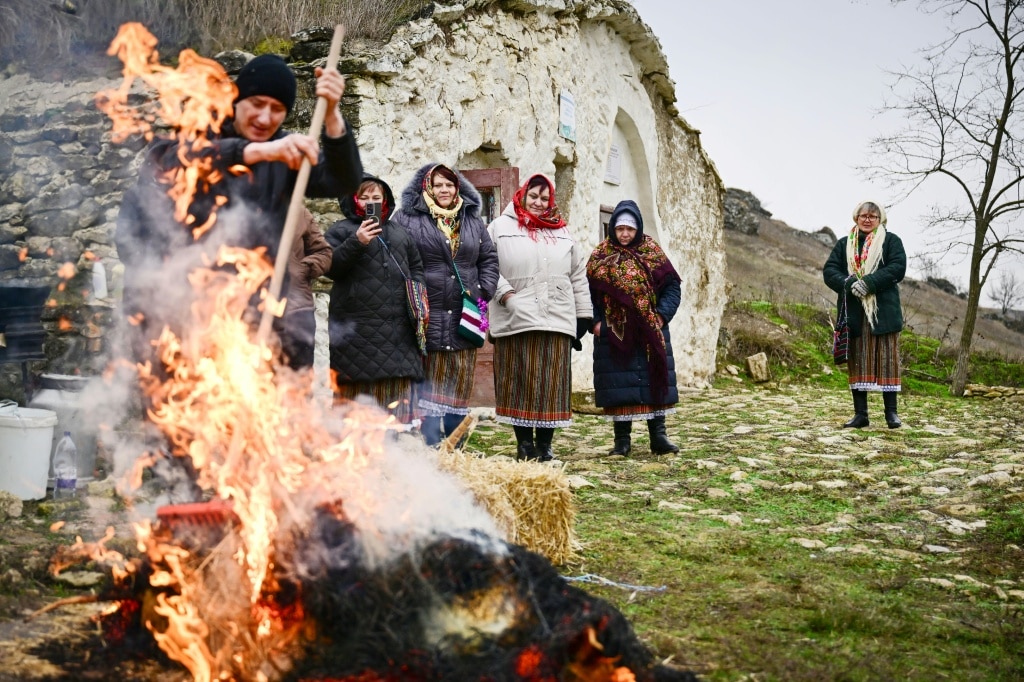
    Nestled in the Moldovan countryside, the village of Rogojeni has earned the nickname “hobbit village” for its unique subterranean dwellings that resemble structures from J.R.R. Tolkien’s Middle-earth. These traditional ‘basca’ houses, built partially underground to naturally regulate temperatures against Moldova’s extreme seasonal shifts, have become an unexpected beacon of hope for a community facing depopulation.

    With only 30 residents remaining in a village that once housed 200, Mayor Ruslan Groza acknowledges the existential threat facing Rogojeni. “We genuinely fear the potential disappearance of our village given the drastic population decline,” stated Groza, who has made tourism development central to his preservation strategy. Since restoring one dwelling as a museum in 2020, tourist interest has steadily grown, putting Rogojeni on the international travel map.

    The cultural appeal extends beyond architecture to living traditions. Visitors like Sangkyoung Lee, a 22-year-old South Korean student, experience immersive cultural exchanges, including participation in traditional pig roasts ahead of Orthodox Christmas celebrations. Inside the museum-house, guests savor authentic Moldovan cuisine—pig stew, polenta with sheep cheese, pickles, and local wine—served in rooms adorned with vibrantly colored, hand-sewn carpets.

    This cultural revival occurs against a stark demographic backdrop. Moldovan villages have lost nearly half a million inhabitants since 2014, with approximately one million citizens now living abroad, primarily in EU countries. Many settlements have become ghost towns, with Rogojeni’s abandoned school and church standing as crumbling monuments to this exodus.

    Yet hope persists through cultural champions like Mariana Groza, the mayor’s wife. A literature teacher who has embraced traditional crafts, she operates a workshop creating embroidery and folk costumes, sharing these traditions globally via TikTok. “Not a single day passes without me sewing cross-stitch or crocheting,” she explained. “Promoting our traditions is essential to our identity.”

    During recent pre-Christmas celebrations, village women—including octogenarians—performed traditional carols accompanied by accordion music. The ceremony concluded with the throwing of wheat grains to wish prosperity upon attendees, blending performance with participatory ritual. For elderly residents like Maria Ardeleanu, these interactions with tourists bring joyful connection amid loneliness, while simultaneously preserving unique knowledge about living in these distinctive earth-sheltered homes.

  • Fraudsters flee Cambodia’s ‘scam city’ after accused boss taken down

    Fraudsters flee Cambodia’s ‘scam city’ after accused boss taken down

    A dramatic exodus unfolded in Cambodia’s coastal city of Sihanoukville this week as hundreds of suspected cyberfraud operators evacuated compounds following the high-profile arrest and extradition of alleged scam kingpin Chen Zhi to China. Witnesses described chaotic scenes with individuals hauling computers, luggage, and personal belongings while boarding various vehicles including tuk-tuks, luxury SUVs, and coaches.

    The mass departure from notorious hubs like Amber Casino occurred amid Cambodia’s announced crackdown on multibillion-dollar cybercrime operations that have transformed Sihanoukville into a global scam epicenter. These criminal enterprises typically lure victims worldwide through fake romantic relationships and fraudulent cryptocurrency investments, generating estimated global losses up to $37 billion annually according to UN data.

    While Cambodian authorities claim to have raided 118 scam locations and arrested approximately 5,000 people over six months, analysts suggest many operations received advanced warning. Former anti-trafficking NGO head Mark Taylor described ‘preemptive shifting of scam center resources’ as potentially indicating collusion between operators and officials—a strategy that simultaneously boosts government anti-crime credentials while allowing criminal networks to survive and adapt.

    The situation reveals complex transnational dimensions with China increasingly pursuing scam figures across Southeast Asia. Many workers at these facilities remain vulnerable—some willing participants but others trafficked foreign nationals coerced into operation under threat of violence. As one Bangladeshi evacuee noted while blending into the departing crowd: ‘This is about survival now.’

  • Man accused of violently assaulting Labor figure Tim Picton returns to court to face more assault charges

    Man accused of violently assaulting Labor figure Tim Picton returns to court to face more assault charges

    A 20-year-old man currently facing charges for the alleged assault that left Western Australian Labor strategist Tim Picton in a coma has now been charged with a separate violent attack occurring just two days prior. Brodie Jake Dewar appeared in Armadale Magistrates Court on Friday to address allegations concerning a Christmas Day incident in Kalamunda, where he is accused of striking a 40-year-old man in the head, causing the victim to fall and hit his head on pavement.

    The recent court appearance adds another layer to the serious violent charges against Dewar, who was already in custody for the December 27th attack outside a Perth nightclub. In that incident, authorities allege Dewar struck Mr. Picton in the head approximately at 5:30 am, resulting in the victim hitting his head on the pavement and remaining hospitalized in a coma since the assault.

    Mr. Picton represents a significant figure in both political and mining sectors, having served as a key strategist behind former Premier Mark McGowan’s landslide 2021 election victory and currently holding the position of director of strategy at mining giant Mineral Resources. He is also the brother of South Australian Health Minister Chris Picton.

    The family of Mr. Picton released a statement characterizing him as “a much loved father, husband, brother and son, as well as a friend to so many across Australia.” Dewar has been remanded in custody as both cases proceed through the judicial system, with the latest charges involving acts causing bodily harm or danger.

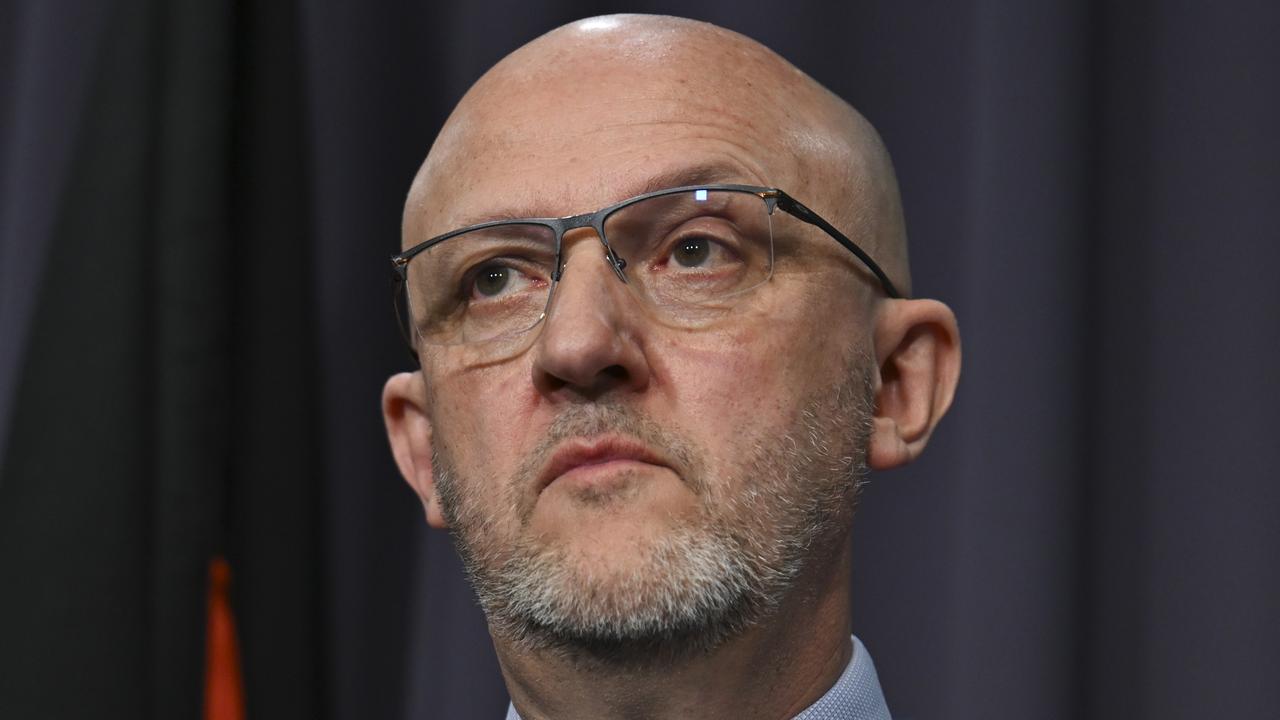
  • ‘Propaganda’: ASIO chief Mike Burgess’ targeted in Hizb ut-Tahrir letter over comparisons to neo-Nazi group

    ‘Propaganda’: ASIO chief Mike Burgess’ targeted in Hizb ut-Tahrir letter over comparisons to neo-Nazi group

    A globally prohibited radical Islamic organization has launched a formal accusation against Australia’s top intelligence official, alleging he has engaged in ‘propaganda pandering’ as the government advances sweeping reforms targeting hate groups. Hizb ut-Tahrir—already banned across the UK, Europe, and multiple Middle Eastern and Asian nations—faces potential proscription in Australia following recent national security developments.

    In a sharply worded letter addressed to ASIO Director-General Mike Burgess, the organization criticized his public statements during a recent Lowy Institute lecture where he compared Hizb ut-Tahrir’s rhetoric and strategies to those of the recently disbanded neo-Nazi group Nationalist Socialist Network (NSN). The letter asserts that Burgess ‘eviscerated any claim to impartiality’ by drawing such parallels and accused him of deliberately muddying complex public conversations.

    The group specifically challenged Burgess’s characterization of their criticism of Israel as disguised anti-Semitism, arguing this conflation discredits legitimate pro-Palestinian advocacy. ‘This argument cannot be sustained unless you are suggesting all pro-Palestinian activism equates to anti-Semitism,’ the letter stated.

    Hizb ut-Tahrir also defended its lawful operations, rejecting suggestions that operating within legal boundaries indicates nefarious intent. ‘Staying within the law is not circumventing the law, it is the law,’ the organization emphasized, adding that such implications could potentially criminalize any law-abiding citizen.

    The controversy emerges as the Australian government, prompted by the recent Bondi Beach terror attack, moves to implement reforms that would streamline the process of designating organizations as prohibited hate groups. Under the proposed measures, membership in or support of banned groups would carry severe penalties, including potential 15-year prison sentences.

    Despite its global reputation, Hizb ut-Tahrir’s Australian spokesperson Wassim Doureihi recently characterized the organization as ‘neither hateful nor violent’ in media interviews, denying any intentions to establish a caliphate in Australia through force.

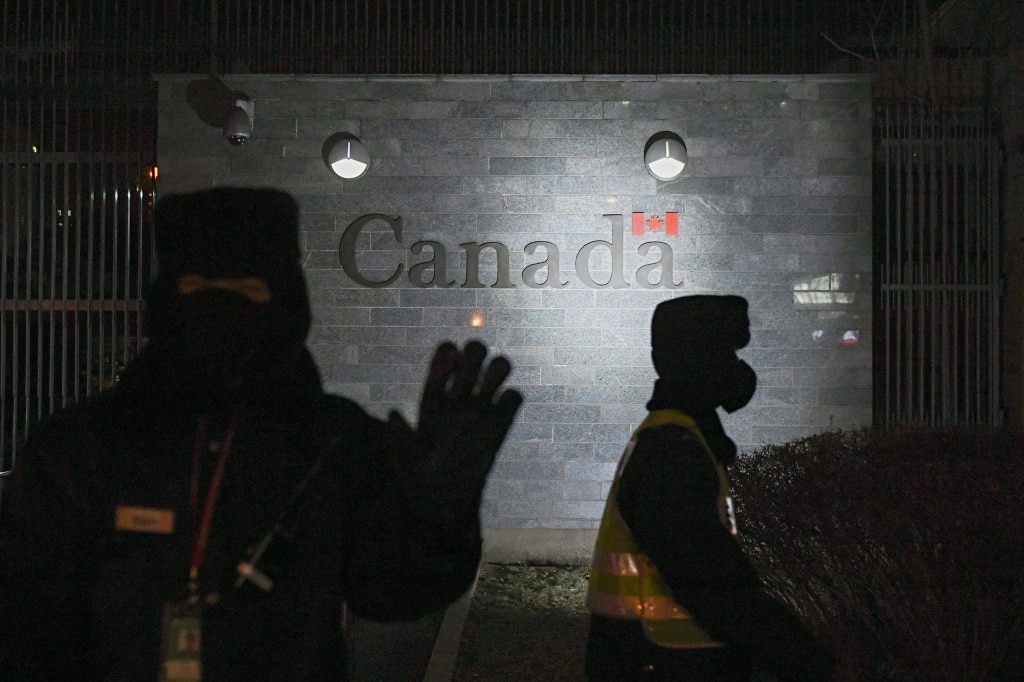
  • Canada’s Carney hails ‘strategic partnership’ in talks with Xi

    Canada’s Carney hails ‘strategic partnership’ in talks with Xi

    Canadian Prime Minister Mark Carney and Chinese President Xi Jinping have initiated a significant diplomatic reset during their meeting at Beijing’s Great Hall of the People, marking the first Canadian leadership visit to China in eight years. The high-level discussions focused on establishing what both leaders termed a “new strategic partnership” aimed at overcoming years of strained relations.

    The bilateral relationship had deteriorated significantly since 2018, triggered by Canada’s arrest of Huawei executive Meng Wanzhou on a U.S. warrant and China’s subsequent detention of two Canadian citizens on espionage charges. This diplomatic crisis was further exacerbated by reciprocal trade tariffs and allegations of Chinese election interference.

    Prime Minister Carney emphasized the urgent need to diversify Canada’s economic partnerships, particularly in light of recent aggressive tariff impositions by the Trump administration on Canadian steel, aluminum, vehicles, and lumber. “Together we can build on the best of what this relationship has been in the past to create a new one adapted to new global realities,” Carney stated during the meeting.

    President Xi Jinping acknowledged the positive momentum since the leaders’ previous encounter at the October APEC summit, noting that their discussions had “opened a new chapter in turning China-Canada relations toward improvement.” Xi emphasized that “the healthy and stable development of China-Canada relations serves the common interests of our two countries.”

    The renewed partnership identifies agriculture, energy, and finance as priority sectors for immediate cooperation. Both nations are engaged in ongoing negotiations to reduce trade barriers and enhance bilateral commerce, though no formal agreement has been finalized. While China represents Canada’s second-largest export market, it currently accounts for less than 4% of Canadian exports, significantly trailing the United States’ 75% share.

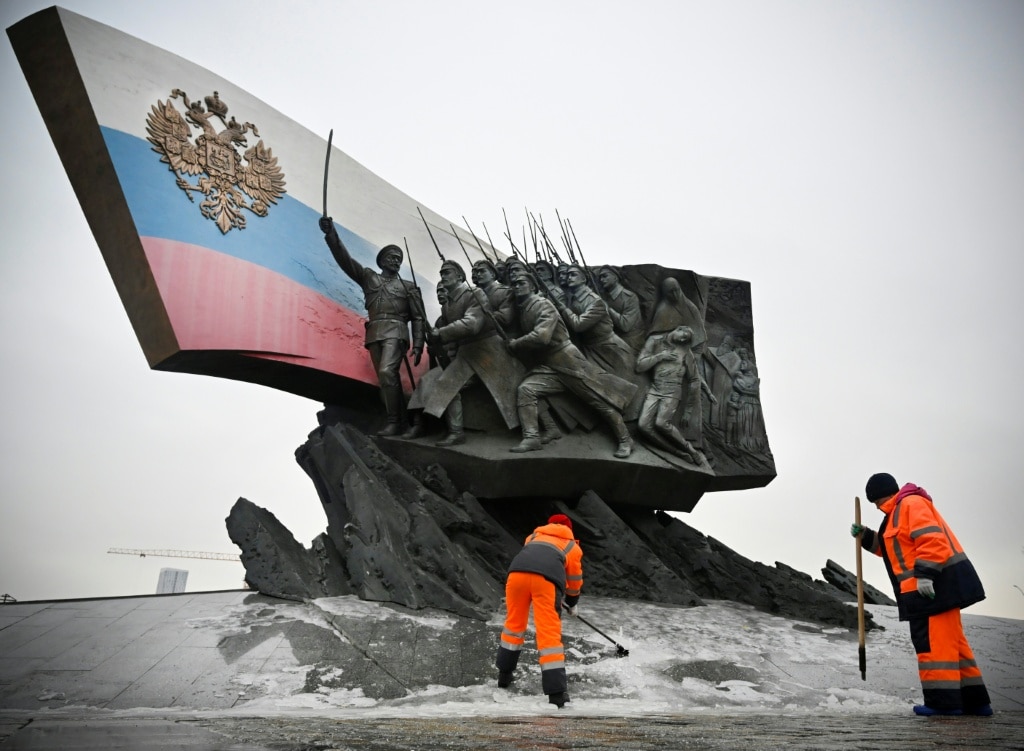
  • Surveillance, harassment and bribes: everyday life for migrants in Russia

    Surveillance, harassment and bribes: everyday life for migrants in Russia

    For Alym, a 38-year-old Kyrgyz taxi driver and father of two residing near Moscow, daily existence in Russia is characterized by an oppressive cycle of digital monitoring, institutional corruption, and social hostility. His experience reflects the grim reality facing an estimated 6.5 million foreign nationals, predominantly low-wage workers from Central Asia who form a critical pillar of Russia’s economy amid severe labor shortages exacerbated by its military operations in Ukraine.

    Migrants navigate a labyrinth of bureaucratic exploitation, with law enforcement routinely demanding off-the-books payments—often reaching $300—for essential documentation including registrations, work permits, and patents. Compounding this financial burden is the state-mandated Amina surveillance application, which requires daily location sharing. Failure to comply for just 72 hours results in placement on an official ‘register of monitored persons,’ triggering frozen bank accounts, employment termination, academic expulsion, or even deportation.

    This climate of institutionalized pressure intensified following President Vladimir Putin’s 2023 policy enactment designed to ‘limit the presence of migrants’ family members,’ ostensibly to reduce strain on social services. Among its most controversial measures are excessively stringent language proficiency tests for migrant children seeking school admission—a requirement that federal data indicates could block 87% of such students from education by 2025.

    Anna Orlova, a Russian language instructor with the Migratory Children project, condemns the policy as counterproductive, stating, ‘We should, on the contrary, be glad that migrants come to us. It means the Russian economy is growing.’

    Xenophobic sentiment, historically pervasive in Russian society, has escalated further since the March 2024 concert hall massacre near Moscow, for which four Tajik nationals stand accused. This incident catalyzed political rhetoric against immigration, with ultra-nationalist parties like the Kremlin-allied LDPR capitalizing on public anxiety. Party leader Leonid Slutsky declared, ‘We’re fed up with this situation,’ accusing migrants of ‘undermining the principles and traditions’ of Russian society.

    Tragically, this hostility permeates everyday life. Alym’s son was recently assaulted by Russian classmates, echoing December’s fatal stabbing of a 10-year-old Tajik boy by a teenager espousing neo-Nazi ideologies.

    Svetlana Gannushkina of the ‘foreign agent’-designated Civic Assistance group observes, ‘A migrant’s life in Russia is difficult. The migrant becomes an enemy on whom the discontent in society is funneled.’ With inflation surging and military taxes increasing, anti-immigrant narratives falsely blame migrants for wage suppression and job theft.

    For many like Alym, who once aspired to Russian citizenship, the ongoing Ukraine offensive has transformed that dream into a fear of conscription. He now plans to return to Kyrgyzstan by 2030, joining a growing exodus of families whose children face educational exclusion.

  • NATO chief’s tactic on Trump’s Greenland threats? Change topic

    NATO chief’s tactic on Trump’s Greenland threats? Change topic

    NATO Secretary General Mark Rutte is employing strategic silence and tactical redirection as he confronts one of the most delicate challenges of his tenure: managing fallout from U.S. President Donald Trump’s controversial interest in acquiring Greenland from Denmark. The territorial claims have created unprecedented tension within the 76-year-old military alliance, testing Rutte’s diplomatic acumen and threatening to destabilize NATO’s foundational unity.

    The former Dutch prime minister has adopted a carefully calibrated approach of minimal public commentary while intensifying behind-the-scenes diplomacy. Rather than directly addressing the Greenland controversy, Rutte has persistently redirected focus toward enhancing Arctic security cooperation among member states. This strategy has included deflecting pointed questions from European Parliament members and maintaining public praise for Trump’s contributions to NATO defense spending increases.

    During a recent tense exchange with Danish legislator Stine Bosse, who demanded intervention in the bilateral dispute, Rutte maintained his disciplined neutrality: ‘My role as secretary general is very clear—I never ever comment when there are discussions within the alliance. You work behind the scenes.’ He instead emphasized what he considers the paramount issue: ‘The defense of the high north, the defense of the Arctic area.’

    Diplomatic analysts recognize Rutte’s position as particularly complex given his reputation as one of few European leaders who maintains functional access to the unpredictable American president. His successful brokering of NATO spending agreements earlier this year earned him credibility as a ‘Trump-whisperer,’ capital now being tested in this crisis.

    Jamie Shea, former NATO senior official now with Chatham House, explained the delicate balance: ‘It’s difficult for Rutte to take the lead here as he has to keep the alliance together and keep the Americans onboard. He can’t take the European side against Washington.’

    The Greenland controversy emerges during a particularly fragile period for transatlantic relations, with Europe simultaneously managing Trump’s evolving approach to Russia’s war in Ukraine and preparing for a potentially volatile NATO summit in Turkey. Some alliance diplomats suggest Rutte may need to expend previously reserved political capital to prevent the Greenland situation from escalating further.

    While Rutte currently maintains that intra-alliance disputes fall outside his direct purview, former NATO official Camille Grand notes the secretary general’s calculated risk: ‘At the moment, he says he is not getting involved in disputes between member states. That may work for now, but at some point he risks being caught up in it.’ Despite these pressures, Rutte projects unwavering confidence in his role and NATO’s resilience, recently stating he remains ‘thoroughly enjoying the role and the job’ when questioned about the alliance’s future.

  • ‘Baby, don’t move’: Australian woman wakes to find massive python on her chest

    ‘Baby, don’t move’: Australian woman wakes to find massive python on her chest

    A Brisbane resident experienced an extraordinary wildlife encounter when she awoke to find a massive carpet python coiled on her chest in the middle of the night. Rachel Bloor initially mistook the serpent for her dog before realizing the true nature of her unexpected bedmate.

    Bloor’s partner confirmed their worst fears upon switching on the lights, revealing a 2.5-meter python resting directly on her. Her immediate concern turned to the family’s Dalmatian, fearing potential ‘carnage’ if the dog detected the reptile. After safely securing the pets outside the bedroom, Bloor meticulously extracted herself from beneath the covers.

    The non-venomous python had apparently entered through window shutters, with part of its tail still visible outside during the incident. Demonstrating remarkable composure, Bloor gently guided the python back through the window opening. Her childhood experience growing up around snakes on acreage property helped maintain her calm demeanor throughout the ordeal.

    Bloor remarked that she finds cane toads—Australia’s notoriously destructive pests—far more distressing than snakes. All parties, including the python, emerged from the encounter completely unharmed. Carpet pythons, common constrictors in Australian coastal regions, typically prey on small mammals and birds without posing significant danger to humans.

  • NSW Nationals Deputy Leader Kevin Anderson announces death of wife

    NSW Nationals Deputy Leader Kevin Anderson announces death of wife

    Kevin Anderson, Deputy Leader of the NSW Nationals and Member for Tamworth, has withdrawn from all public engagements following the sudden passing of his wife, Anna Anderson. The prominent regional politician announced the tragic family loss in a social media statement on Thursday evening, canceling his commitments for the upcoming 2026 Tamworth Country Music Festival.

    Anna Anderson, a respected local pharmacist with over thirty years of service to the Tamworth community and mother to the couple’s three children, died unexpectedly on Tuesday. While no cause of death has been disclosed, her passing has triggered an outpouring of community grief and support for the Anderson family.

    The news prompted immediate condolences from across the political spectrum. Albury MP Justin Clancy expressed solidarity with Anderson and his children, while Lower House Leader and Labor MP Ron Hoenig offered his sympathies, stating his thoughts were with the family “during this incredibly sad time.” Industrial Relations Minister Sophie Cotsis extended her “heartfelt condolences and deep sorrow” to the grieving family.

    Community members remembered Anna Anderson as a beautiful, kind, and caring individual who demonstrated exceptional generosity in serving her community. One local resident recalled her as “such a happy and friendly person” who managed Tamworth Pharmacy with dedication, while another noted her loss would “resonate in so many directions” due to her widespread impact.

    Anderson, first elected to the NSW Legislative Assembly for Tamworth in 2011, recently assumed the deputy leadership of the NSW Nationals following former leader Dugald Saunders’ departure late last year. His previous ministerial portfolios included Hospitality and Racing, as well as Lands and Water under the former state Coalition government. He currently holds opposition responsibilities for Seniors, Western NSW, Tourism, and Hospitality and Gaming.