标签: Oceania

大洋洲

  • ‘Dangerous:’ Australian Greens to oppose Federal Government’s Bondi Bill over hate speech laws

    ‘Dangerous:’ Australian Greens to oppose Federal Government’s Bondi Bill over hate speech laws

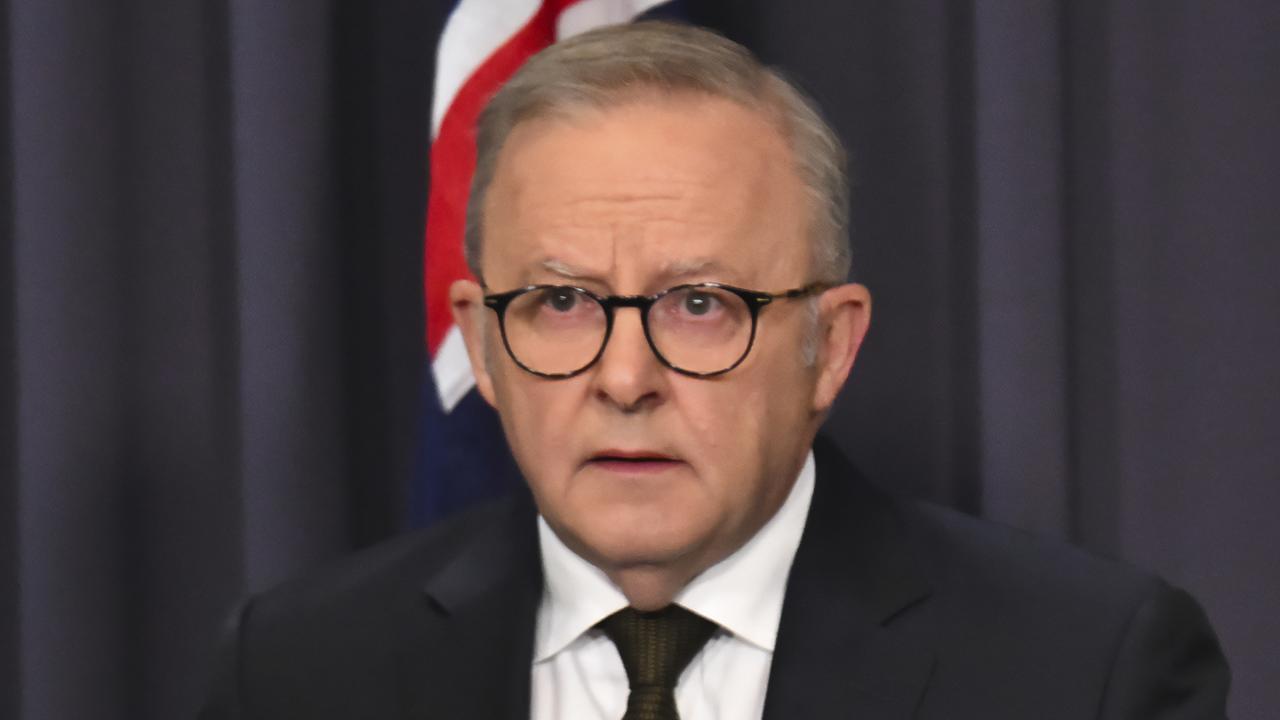
    The Australian federal government is confronting significant legislative hurdles as parliament reconvenes, with its comprehensive national security package facing bipartisan opposition. Prime Minister Anthony Albanese’s Combatting Antisemitism, Hate and Extremism Bill 2026, drafted in response to the Bondi terror attack, appears unlikely to pass the Senate without substantial amendments.

    The Greens party, led by Senator Larissa Waters, announced their intention to block the omnibus legislation unless it undergoes substantial revision. Waters emphasized that while her party supports proposed gun law reforms, the current bill’s provisions risk criminalizing legitimate political expression and fail to provide adequate protection for all religious communities, including Islamic groups.

    “The risk of unintended consequences is too substantial to rush this legislation’s passage,” Waters stated, indicating the Greens would require extended consultation periods with legal experts and community representatives that the government’s accelerated timeline doesn’t permit.

    Simultaneously, the Coalition opposition declared the legislation “unsalvageable” in its present form. Opposition Leader Sussan Ley criticized the proposal as “half-baked” and characterized by “confusion and contradiction,” pledging to introduce an alternative security package focusing on deportation protocols for non-citizens promoting extremism and enhanced arrest powers for Australian citizens engaging in hate speech.

    The parliamentary impasse leaves the Albanese government needing to negotiate either with the Greens or Coalition to pass any version of the bill. The government’s fallback position involves referring the legislation to an intelligence committee for recommendations that might satisfy the Coalition’s concerns, though both major opposing parties have expressed fundamental objections to the bill’s current architecture.

  • Iconic Australian retailer Fletcher Jones to close its doors for good

    Iconic Australian retailer Fletcher Jones to close its doors for good

    Australia’s retail sector witnesses another significant departure as Fletcher Jones, a nearly century-old clothing institution, declares its complete shutdown. The heritage brand, renowned for its business and casual wear since the 1920s, will cease all operations including physical stores and online sales by January 2026.

    The company’s decline traces back to its administration crisis fifteen years ago, which precipitated numerous store closures and workforce reductions. Despite its historical significance, Fletcher Jones has experienced a gradual deterioration in market presence leading to this final decision.

    Founded in 1924 by David Fletcher Jones in Warrnambool, Victoria, the enterprise initially specialized in textile sales. Its trajectory changed dramatically in 1941 with a strategic pivot to exclusive high-quality trouser manufacturing. The brand gained substantial momentum during the 1940s, capitalizing on increased demand for military trousers nationwide.

    The iconic Warrnambool factory, now repurposed as a vintage marketplace, remains a testament to the brand’s historical footprint. After family ownership until 1998, the company changed hands and expanded into both menswear and womenswear from the mid-1950s onward, continuing growth even after its founder’s passing in 1977.

    Current proprietor Matthew Gowty has confirmed intentions to sell the brand assets. This announcement follows closely behind another Australian fashion casualty – Sass and Bide, which concluded operations after nearly thirty years of dressing international celebrities including Beyoncé, Rihanna, and Madonna. While Sass and Bide’s online sales will terminate by February’s end, the brand has hinted at future reinvention with an online message stating: ‘It’s not goodbye, it’s see you soon.’

    The consecutive closures of these established retailers signals continuing challenges within Australia’s fashion retail environment, marking a transitional period for the industry.

  • Iran protest movement subsides in face of ‘brutal’ crackdown

    Iran protest movement subsides in face of ‘brutal’ crackdown

    Iran’s most significant protest movement in years has been forcibly subdued following a severe government crackdown characterized by internet blackouts and lethal force, according to international monitors. The demonstrations, which originated from economic discontent in late December, rapidly evolved into a widespread challenge against the nation’s theocratic establishment.

    The Institute for the Study of War confirmed that the regime’s ‘brutal’ repression tactics have temporarily quelled public dissent. However, analysts note that the extensive mobilization of security forces represents an unsustainable strategy that may lead to renewed protests in the future.

    Human rights organizations report alarming casualty figures, with Iran Human Rights documenting 3,428 verified deaths while acknowledging the actual toll could reach 20,000 due to verification challenges during the internet shutdown that has exceeded 180 hours. Opposition channels outside Iran have cited even higher estimates from government sources.

    Reza Pahlavi, son of Iran’s late Shah, declared during a Washington press conference that the Islamic Republic’s fall is inevitable, stating: ‘I will return to Iran.’ Meanwhile, international responses have varied, with the U.S. implementing new sanctions targeting Iranian officials while apparently stepping back from immediate military action following diplomatic efforts by Middle Eastern nations.

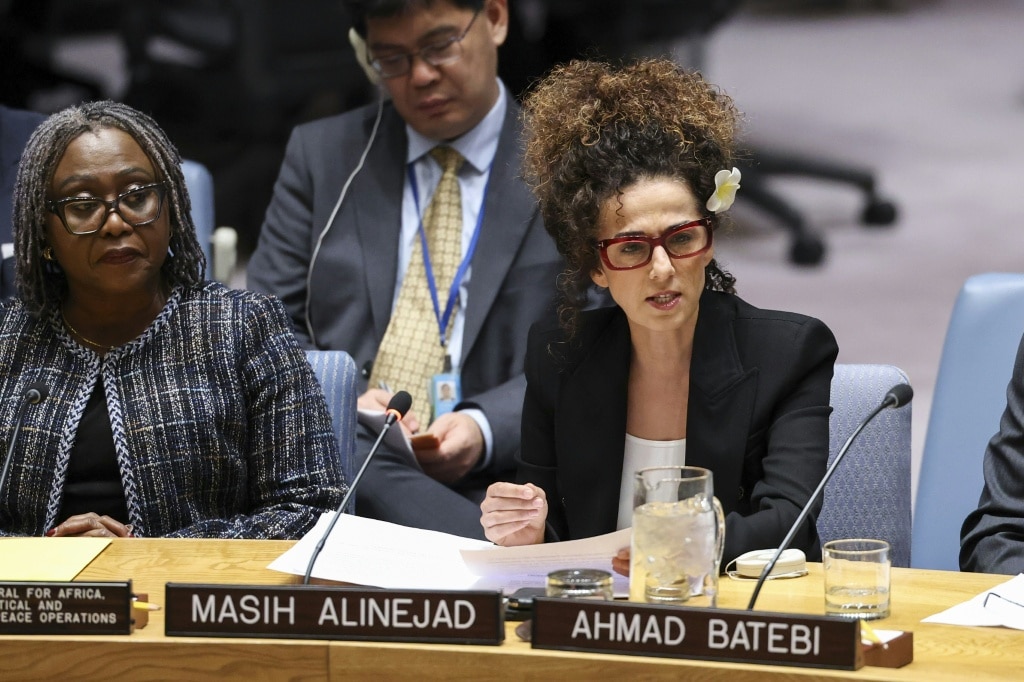
    The United Nations Security Council addressed the situation, where Iranian-American journalist Masih Alinejad testified about nationwide unity against the clerical system, while Iranian representatives accused Washington of exploiting protests for geopolitical purposes. Russian President Vladimir Putin engaged in telephone diplomacy with Iranian leadership, seeking de-escalation measures amid the ongoing crisis.

  • Machado vows to be Venezuela president ‘when the right time comes’

    Machado vows to be Venezuela president ‘when the right time comes’

    Venezuelan opposition figure Maria Corina Machado has declared her unwavering conviction that she will eventually assume the presidency of her nation, despite the United States government’s recent pivot toward supporting an alternative political figure. The prominent activist made these assertions during a televised appearance on Fox & Friends, following high-level diplomatic engagements in Washington.

    The political landscape shifted dramatically on January 3rd when American military forces orchestrated the removal of Nicolás Maduro from power. In the subsequent power vacuum, the Trump administration has thrown its support behind Delcy Rodríguez, Maduro’s former vice president, as interim leader of the oil-rich South American nation.

    Machado, who was awarded the Nobel Peace Prize last year for her prolonged campaign against Maduro’s authoritarian regime, presented her medal to President Trump during a White House luncheon. This symbolic gesture aimed to strengthen her diplomatic position, though the Norwegian Nobel Committee maintains that such awards are non-transferable by regulation.

    Despite presenting documented evidence of electoral fraud in Venezuela’s 2024 presidential election—a position supported by numerous international observers—Machado finds herself navigating complex geopolitical realities. The Trump administration has expressed reservations about her level of popular support among Venezuelan citizens, instead favoring Rodríguez contingent upon cooperative access to Venezuela’s substantial petroleum reserves.

    Meanwhile, Rodríguez has struck a notably independent tone, asserting her government’s willingness to engage in diplomatic confrontation with Washington despite acknowledging American power. She delivered this message while presenting what would traditionally have been Maduro’s state of the nation address, as the former leader currently faces narcotics trafficking charges in a New York detention facility.

    The CIA’s reported meeting with Rodríguez signals Washington’s current preference for her leadership, creating a complex political dynamic that Machado must navigate as she maintains her presidential aspirations.

  • Morocco expects as hosts face Senegal in Cup of Nations final

    Morocco expects as hosts face Senegal in Cup of Nations final

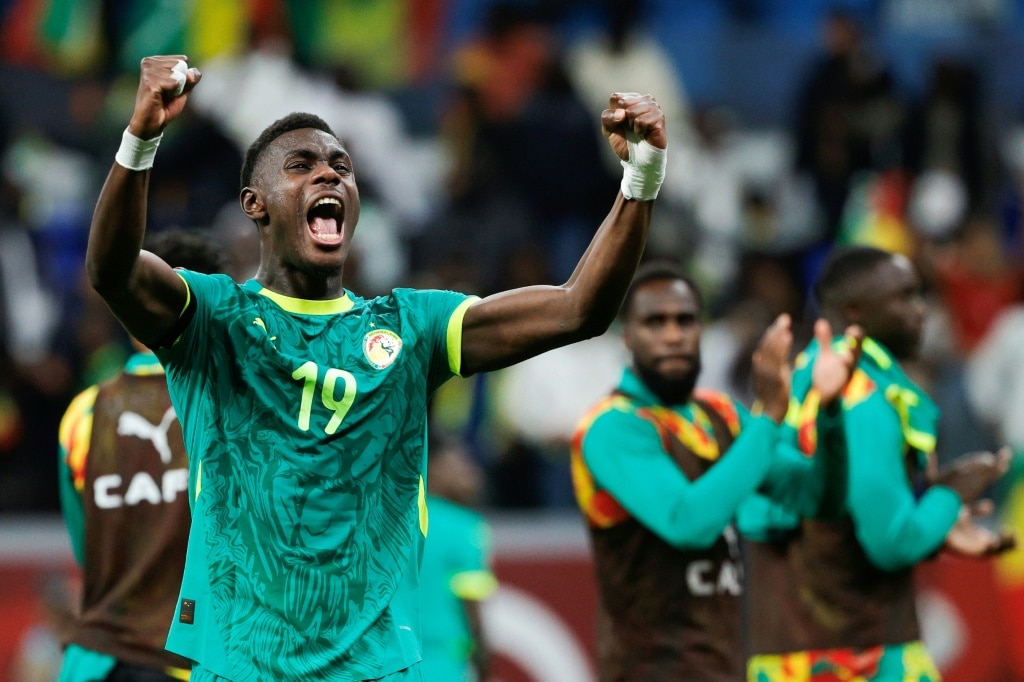
    The stage is set for a monumental clash in Rabat as host nation Morocco prepares to challenge reigning champions Senegal in the Africa Cup of Nations final this Sunday. The Atlas Lions aim to harness their formidable home advantage to secure a first continental title in five decades, confronting a Senegalese squad determined to retain their crown.

    Morocco enters the championship match bolstered by their status as Africa’s highest-ranked team (11th globally) and their historic semifinal appearance at the 2022 World Cup. Under the leadership of African Footballer of the Year Achraf Hakimi, the team has demonstrated resilience throughout the tournament, overcoming nerve-wracking penalty shootouts and silencing early criticism from their own supporters with commanding performances against powerhouses including Cameroon and Nigeria.

    Coach Walid Regragui, who faced persistent scrutiny from expectant fans, emphasized the significance of this final for Morocco’s football legacy: “Eventually people are going to accept that Morocco are actually a major football nation. But to go to the next step we have to win titles, so Sunday’s match is really important in terms of our history.”

    Their opponents present a formidable challenge. Senegal, Africa’s second-ranked team, brings extensive experience to their third final in four AFCON editions. The Lions of Teranga feature an accomplished core including Sadio Mané, Édouard Mendy, and Kalidou Koulibaly, though the latter will miss the final due to suspension. Notably, Mané has announced this will mark his final AFC appearance, declaring: “I am a soldier of the nation… The most important thing is to bring this cup to Dakar.”

    The final promises a tactical battle between two exceptional defenses that have collectively conceded only three goals throughout the tournament. While a high-scoring spectacle appears unlikely, the match will undoubtedly deliver intense drama as Morocco contends with immense pressure before a capacity crowd of 70,000 at Prince Moulay Abdellah Stadium.

  • Zelensky hopes for security guarantees plan in looming US talks

    Zelensky hopes for security guarantees plan in looming US talks

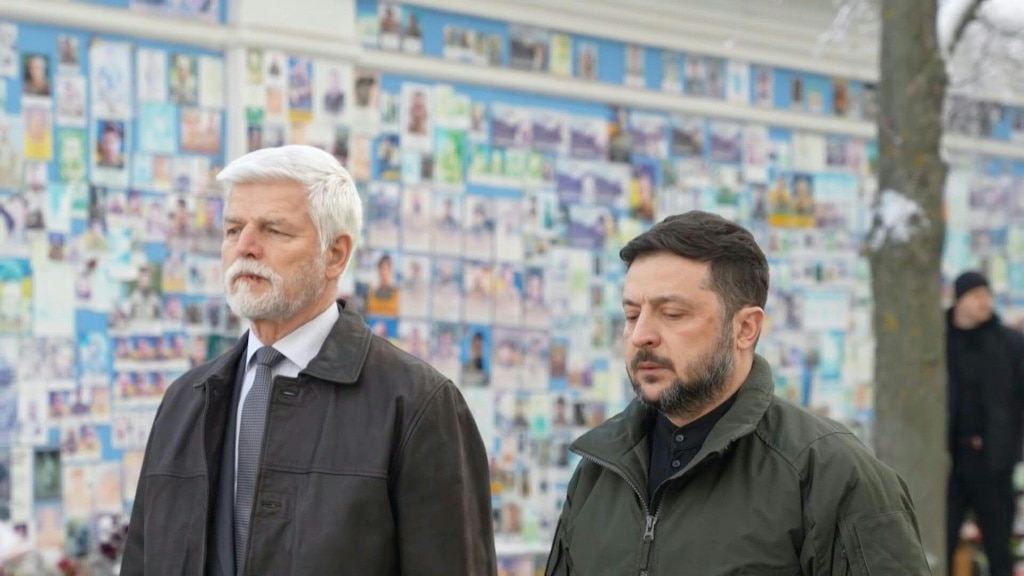
    Ukrainian President Volodymyr Zelensky has expressed cautious optimism regarding potential security agreements with the United States, anticipated to be finalized during upcoming World Economic Forum negotiations in Davos. The Ukrainian leader revealed that diplomatic teams are en route to Washington for conclusive talks, stating that while Kyiv considers its preparatory work complete, American consensus remains essential for ratification.

    The proposed security framework represents a cornerstone of Ukraine’s strategic defense architecture against future Russian aggression. Zelensky emphasized that such guarantees are indispensable for deterring Moscow from repeating invasion attempts. These developments occur amid mounting tensions with former U.S. President Donald Trump, who has advocated for peace terms that Ukrainian officials equate to capitulation.

    Concurrently, Ukraine faces critical ammunition shortages in its air defense systems during a devastating Russian campaign against energy infrastructure. Zelensky disclosed that several air defense units had completely exhausted their missile inventories, though a newly delivered supply package has temporarily alleviated the crisis. The president acknowledged the tremendous human cost underlying each military shipment, noting that assistance arrives ‘through effort, blood, and people’s lives.’

    Russia’s intensified bombardment has created a humanitarian emergency, with over 15,000 energy workers battling sub-zero temperatures to restore demolished power facilities. Millions of citizens endure prolonged electricity and heating outages as temperatures plunge to -20°C in affected regions. Kyiv has responded by easing wartime curfews to facilitate access to emergency shelters and authorizing increased electricity imports from European neighbors.

    On the battlefield, Russian forces continue making incremental territorial gains, recently capturing villages in Donetsk and Zaporizhzhia regions while maintaining constant artillery pressure across the frontline. The Kremlin persists in claiming its strikes exclusively target military infrastructure, despite overwhelming evidence of civilian infrastructure destruction.

    Ukrainian Energy Minister Denys Shmygal characterized Russia’s strategy as ‘energy terror,’ while Prime Minister Yulia Svyrydenko confirmed the government maintains 20 days of fuel reserves. The convergence of diplomatic negotiations, military challenges, and humanitarian crisis creates a pivotal moment in the nearly two-year conflict, with Ukraine’s resilience facing its most severe test during winter warfare conditions.

  • US congress members visit Denmark to support Greenland

    US congress members visit Denmark to support Greenland

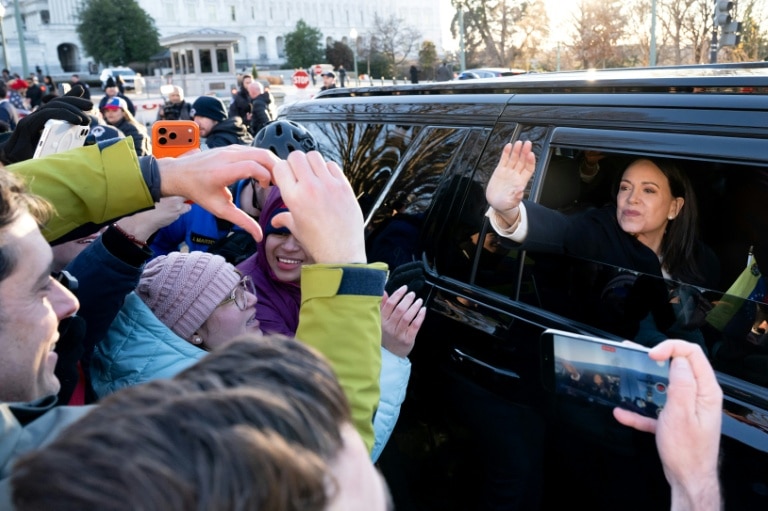
    A high-level bipartisan delegation from the United States Congress commenced a diplomatic visit to Copenhagen on Friday, demonstrating support for Denmark and its autonomous territory Greenland following President Donald Trump’s controversial statements regarding potential acquisition of the Arctic island.

    The congressional group, comprising eleven representatives from both major political parties, engaged in strategic discussions with Danish Prime Minister Mette Frederiksen and Greenlandic Premier Jens-Frederik Nielsen. The visit coincided with enhanced European military reconnaissance activities in Greenland, signaling regional solidarity.

    Democratic Senator Dick Durbin emphasized the delegation’s purpose: “We are showing bipartisan solidarity with the people of this country and with Greenland. They’ve been our friends and allies for decades. We want them to know we appreciate that very much. And the statements being made by the president do not reflect what the American people feel.”

    The diplomatic mission follows Wednesday’s meeting in Washington where Danish representatives acknowledged “fundamental disagreement” between Copenhagen and the White House regarding Greenland’s future. The territory’s strategic significance has drawn increased attention due to its mineral resources and Arctic positioning.

    European nations including Britain, France, Germany, and Scandinavian countries have announced military deployments to the region. French Armed Forces Minister Alice Rufo characterized these movements as demonstrating European determination to “defend sovereignty” in the Arctic.

    Greenlandic residents expressed appreciation for the congressional show of support. One Nuuk resident, a 39-year-old union representative speaking anonymously, stated: “Congress would never approve military action in Greenland. It’s just one idiot speaking. If he does it, he’ll get impeached or kicked out.”

    The delegation included Democratic Senators Chris Coons, Jeanne Shaheen, and Peter Welch, alongside Republicans Lisa Murkowski and Thom Tillis. House Representatives Madeleine Dean, Steny Hoyer, Sara Jacobs, Sarah McBride, and Gregory Meeks completed the bipartisan contingent.

    Large-scale demonstrations are planned across Denmark and Greenland on Saturday, organized by Greenlandic associations to protest Trump’s territorial statements. Thousands have indicated participation through social media platforms.

  • Australian Open 2026: Nick Kyrgios says Alex de Minaur has ‘all the tools’ to win slams

    Australian Open 2026: Nick Kyrgios says Alex de Minaur has ‘all the tools’ to win slams

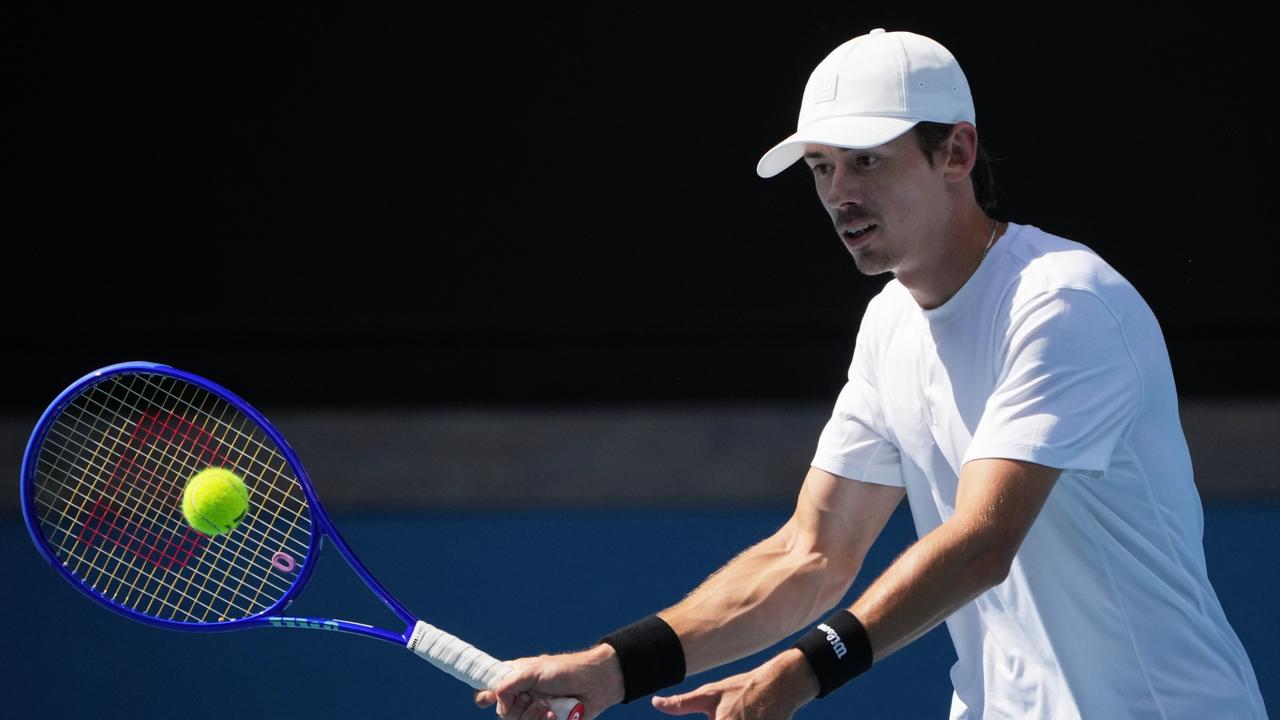
    Australian tennis icon Nick Kyrgios has publicly endorsed compatriot Alex de Minaur as a future Grand Slam champion, though he acknowledges the world No. 6 faces a formidable path through the Australian Open draw. Kyrgios, who is skipping singles competition to focus on doubles with partner Thanasi Kokkinakis, made these observations following his participation in Red Bull’s ‘Bass Line’ exhibition event on Friday.

    De Minaur’s championship aspirations face immediate challenges, beginning with a first-round matchup against former Wimbledon finalist Matteo Berrettini. The draw potentially sets up a subsequent encounter with Spanish sensation Carlos Alcaraz, creating what Kyrgios described as a ‘brutal’ competitive landscape.

    Kyrgios expressed particular concern about Berrettini’s current physical condition, noting the Italian’s limited participation in recent exhibition matches. ‘Depending on what Berrettini’s physicality is like at the moment, he couldn’t even compete tonight,’ Kyrgios observed.

    Despite the daunting draw, Kyrgios maintains confidence in de Minaur’s capabilities. ‘He’s one of the best players in the world and he’s flying that Aussie flag from the front,’ Kyrgios stated. ‘I think he’s going to be fine.’

    The analysis acknowledges that de Minaur maintains a perfect record against lower-ranked opponents at his home Grand Slam. However, Kyrgios realistically assessed that a deep tournament run might require early exits from either Alcaraz or current form player Jannik Sinner.

    ‘Beating them both is unlikely but beating one is possible I think,’ Kyrgios commented. ‘The stars need to align for any tournament, luck plays a big part, we play a sport that’s fine margins.’

    Kyrgios concluded with strong national pride, emphasizing that de Minaur’s success would represent a significant achievement for Australian tennis, while acknowledging the narrow margins that often determine outcomes in elite tennis competition.

  • Uganda counting votes amid reports of violence

    Uganda counting votes amid reports of violence

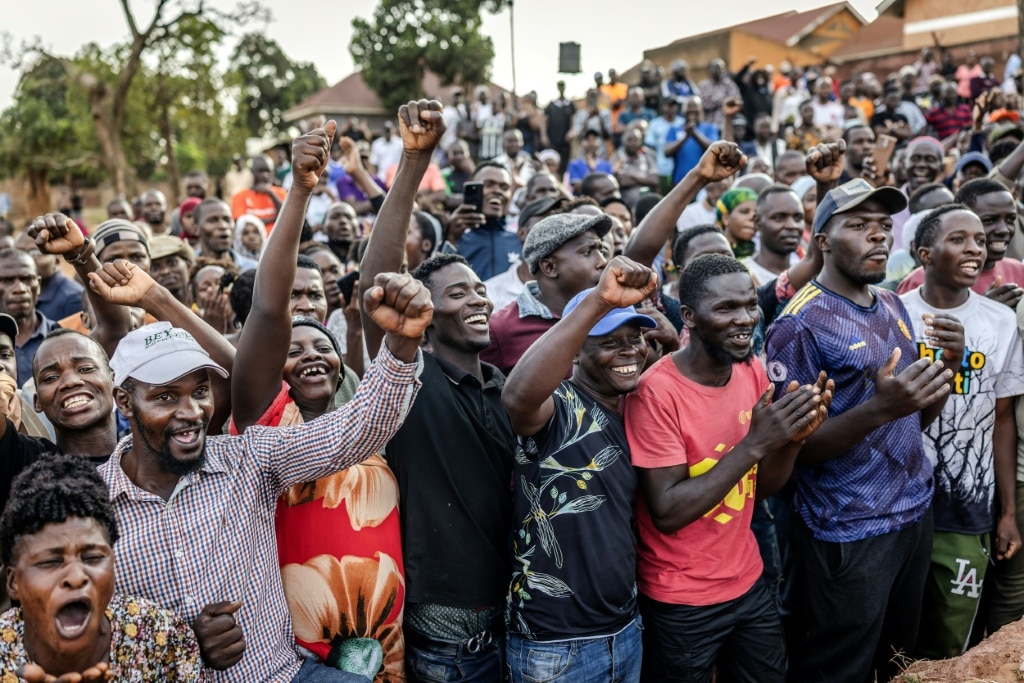
    Uganda’s presidential election concluded under a cloud of violence and suppression as long-serving President Yoweri Museveni appears poised to extend his four-decade rule. The electoral process, characterized by heavy military presence and nationwide internet blackout, has drawn international condemnation amid opposition allegations of systematic repression.

    Opposition leader Bobi Wine (Robert Kyagulanyi) remains effectively under house arrest according to his National Unity Platform party, with military and police forces surrounding his residence. The 43-year-old former musician turned politician represents the most significant challenge to Museveni’s regime in recent years, styling himself as the ‘ghetto president’ representative of Kampala’s marginalized communities.

    The most disturbing incident emerged from Butambala, where parliament member Muwanga Kivumbi reported security forces stormed his home, resulting in ten fatalities among campaign agents who had sought refuge. His wife, law professor Zahara Nampewo, described how security personnel fired through garage doors where the victims had hidden. Authorities provided a conflicting narrative, claiming the operation prevented opposition supporters from burning down polling stations.

    With approximately 60% of votes counted, Uganda’s Electoral Commission places Museveni at 75.4% against Wine’s 20.7%, though opposition leaders have dismissed these figures as manipulated. The election process encountered significant technical difficulties, including malfunctioning biometric verification systems and delayed ballot deliveries across multiple regions.

    International observers, including the United Nations human rights office, had previously warned that the electoral environment was tainted by widespread intimidation tactics against opposition elements. The government’s internet shutdown, implemented Tuesday, remains in effect, further complicating independent verification of alleged electoral misconduct.

  • Myanmar tells ICJ Rohingya genocide claims ‘unsubstantiated’

    Myanmar tells ICJ Rohingya genocide claims ‘unsubstantiated’

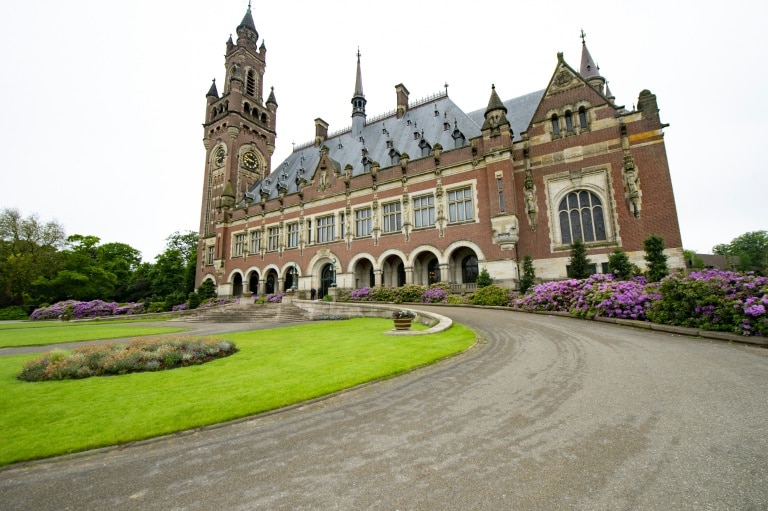
    Myanmar has formally rejected accusations of genocide against its Rohingya minority at the International Court of Justice (ICJ), labeling the claims as “unsubstantiated” and defending its 2017 military operations as necessary counter-terrorism measures. The case, initiated by The Gambia under the 1948 UN Genocide Convention, represents a critical legal challenge to Myanmar’s actions in Rakhine State.

    Ko Ko Hlaing, a minister in Myanmar’s presidential office, addressed the UN’s highest court in The Hague, arguing that the case must be decided on “proven facts” rather than emotional allegations. He asserted that Myanmar’s armed forces, the Tatmadaw, conducted “clearance operations” in response to coordinated attacks by Rohingya insurgents that killed security personnel, justifying the military response as legitimate national defense.

    The proceedings come after The Gambia’s legal team presented extensive evidence alleging systematic atrocities, including mass rape, indiscriminate killings, and torture, claiming these actions demonstrated “genocidal intent” against the Rohingya population. Approximately 1.17 million Rohingya refugees now reside in overcrowded camps in Bangladesh’s Cox’s Bazar district after fleeing the violence.

    While Myanmar expressed commitment to repatriating refugees from Bangladesh, the ICJ’s final ruling may take years. Although the court lacks enforcement mechanisms, a finding against Myanmar would carry significant political consequences and potentially establish legal precedents affecting other international cases, including those against Israel in Gaza.

    Parallel investigations into alleged Rohingya persecution are underway at the International Criminal Court and in Argentina under universal jurisdiction principles. The ICJ hearings conclude on January 29, after which judges will review victim testimony in closed sessions before deliberating on this landmark international law case.