标签: Oceania

大洋洲

  • Pope urges Cameroon authorities to examine ‘conscience’

    Pope urges Cameroon authorities to examine ‘conscience’

    On the opening day of his high-stakes trip to Cameroon, Pope Leo XIV delivered an unusually blunt public address Wednesday, challenging the Central African nation’s ruling authorities to confront systemic corruption and human rights shortcomings while calling for a collective examination of national conscience.

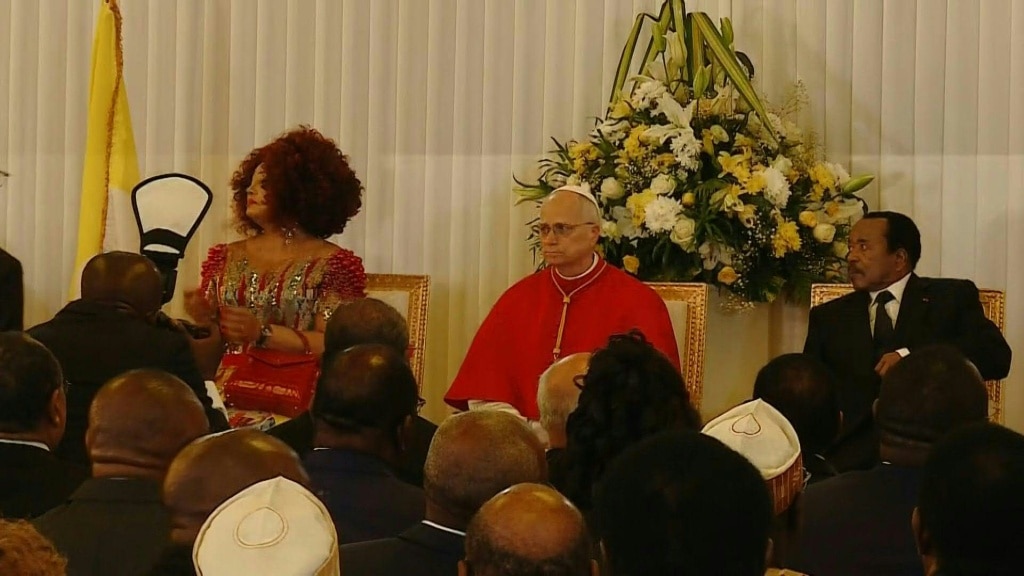
    Greeted by throngs of cheering supporters lining the capital Yaoundé’s streets upon his arrival, the U.S.-born pontiff spoke directly to senior officials, including 93-year-old President Paul Biya, who has held unbroken power in the country since 1982. The visit comes just months after Biya’s disputed October re-election to an eighth term, which sparked widespread protests that were met with a harsh government crackdown.

    Standing beside Biya during the address, Pope Leo emphasized that while national security remains a core governing priority, it must always be pursued in full alignment with fundamental human rights protections. “Public authorities are called to serve as bridges, never as sources of division, even when insecurity seems prevalent,” he told the assembled crowd of officials, diplomats, and community leaders.

    Just one day before the pope’s arrival, a coalition of Cameroonian civil society groups released a public statement decrying what they called an “unprecedented period of repression” in the wake of the presidential polls. The groups have repeatedly demanded the immediate release of hundreds of political detainees, many of whom are being held without any formal legal grounding. Herve Nzouabet Kweto, representative of NGO Source de Vie and a signatory to the statement, confirmed to Agence France-Presse that out of nearly 2,782 political prisoners registered by the coalition, more than 2,630 have not yet received any trial or sentencing.

    “It is time to examine our conscience and take a bold leap forward,” Pope Leo asserted. “In order for peace and justice to prevail, the chains of corruption… must be broken.”

    In his formal response to the pontiff’s remarks, Biya acknowledged that “the world needs the message of peace” that Pope Leo brought to Cameroon during his tour. This visit marks the second stop on Pope Leo’s four-nation African pilgrimage, which launched against a backdrop of political friction: U.S. President Donald Trump recently publicly stated he is “not a big fan” of the pontiff, after Pope Leo called for renewed diplomatic efforts to secure peace in the Middle East.

    Widespread systemic corruption has plagued Cameroon throughout Biya’s decades-long tenure, with Transparency International’s 2025 Corruption Index ranking the country 142nd out of 180 surveyed nations. In recent years, the 93-year-old president has faced growing criticism over his frequent trips abroad, most of which are for medical care or luxury stays at an upscale Geneva hotel. Opposition leaders have accused Biya of diverting massive amounts of taxpayer money to fund these private getaways. A 2018 investigation by the Organized Crime and Corruption Reporting Project (OCCRP), an international consortium of investigative journalists, estimated that Biya has spent a cumulative total of 4.5 years outside of Cameroon over his 43 years in office, with public costs for these stays topping $65 million.

    Pope Leo used his address to highlight the critical role that civil society, including women’s groups, youth organizations, trade unions, humanitarian NGOs, and traditional and religious leaders, plays in building a foundation of lasting social peace. On Thursday, he is set to travel to Cameroon’s restive English-speaking Northwest region, where a long-running separatist conflict has displaced thousands and destabilized the area for years. The visit will proceed under heavy security deployment to protect the pontiff during his time in the conflict zone.
  • Pupil kills nine, wounds 13 in new Turkey school shooting

    Pupil kills nine, wounds 13 in new Turkey school shooting

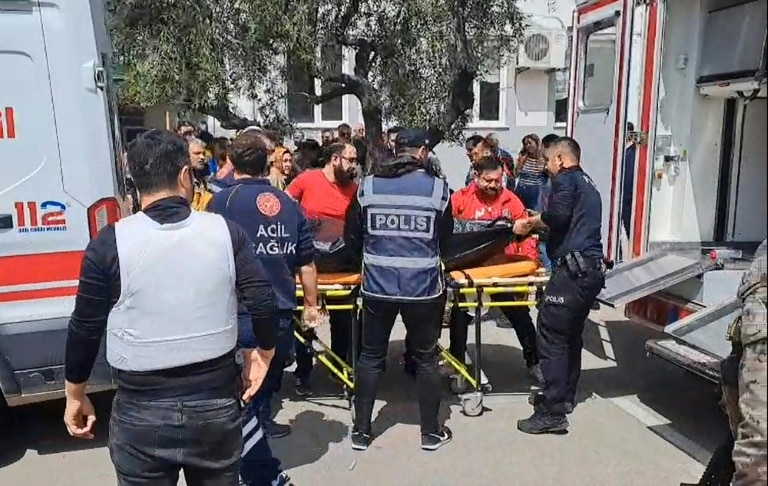
    In a shocking outbreak of school violence that has shaken Turkey, a second mass shooting in as many days left nine people dead and 13 others injured Wednesday when an 8th-grade student opened fire randomly at a school in the country’s southern Kahramanmaras province, a region where such mass casualty attacks have historically been extremely rare.

    According to local and national officials, the 13-year-old attacker brought multiple firearms — which authorities believe belonged to his father, a former police officer — hidden in his backpack to the school. After entering two separate classrooms, the teen began shooting indiscriminately. Initial reports had placed the death toll at four, but Interior Minister Mustafa Ciftci later confirmed the updated fatality count in an official statement, adding that six of the 13 wounded remain in intensive care, with three in critical condition. Kahramanmaras Governor Mukerrem Unluer told reporters the suspect was carrying five handguns and seven ammunition magazines, and died during the incident. Authorities have not yet confirmed whether the teen’s death was a suicide or an accidental shooting amid the chaos of the attack, Unluer added. Turkish police have since detained the suspect’s father, Ugur Mersinli, for questioning, state-run Anadolu Agency reported.

    Verified footage from the scene has captured the panic and terror that unfolded during the attack. A video recorded by a nearby resident and verified by Agence France-Presse shows terrified students leaping from first-floor windows to escape the gunfire, while dozens more run for safety through the school’s courtyard. Roughly 15 gunshots can be heard in the 90-second clip. Other footage from private Turkish news agency IHA shows an evacuated victim being carried into an ambulance, alongside distraught parents rushing to the school after news of the attack broke. Law enforcement quickly locked down the area surrounding the school, and emergency response vehicles flooded the site. Both Turkey’s interior minister and education minister traveled immediately to Kahramanmaras to oversee the response, while Justice Minister Akin Gurlek confirmed public prosecutors have launched an urgent investigation into the incident.

    Wednesday’s attack comes just 24 hours after another school shooting in Turkey, which also ended in the attacker’s death. On Tuesday, a former student opened fire with a shotgun at his old high school in the Siverek district of Sanliurfa province, wounding 16 people — 10 of whom were students — before killing himself during a confrontation with police. In the wake of that first attack, police detained one suspect and suspended four local officials from their posts over alleged failures, and the school was ordered closed for four days.

    Speaking to lawmakers from the ruling Justice and Development Party (AKP) in parliament, President Recep Tayyip Erdogan vowed that any individual found negligent or responsible for security lapses that allowed the attacks will face full accountability. “There will certainly be accountability for anyone found at fault,” Erdogan said.

    Main opposition Republican People’s Party (CHP) leader Ozgur Ozel has called for sweeping, nationwide upgrades to school security, arguing that the back-to-back attacks prove school violence in Turkey can no longer be dismissed as a series of isolated events. “This issue has turned into a growing and deepening security vulnerability,” Ozel wrote on social media platform X. He outlined a series of urgent measures he says are now non-negotiable: full screening at all school entrances and exits, an increase in on-site security personnel, upgraded campus camera systems, more frequent police patrols around school grounds, and updated, ready-to-deploy emergency crisis response plans. “The security of schools is entrusted to our state. No negligence or deficiency in this regard can be excused anymore,” Ozel added.

    School shootings were an extremely rare occurrence in Turkey before this week. The most recent prior incident occurred in May 2024, when a expelled former student shot and killed a private high school principal in Istanbul. The country already enforces some of the strictest gun control regulations in the region, requiring all firearms to be licensed and registered, mandatory mental health and criminal background checks for gun owners, and harsh legal penalties for anyone found in possession of unregistered weapons.

  • Defence spending to increase by $53bn over 10 years, minister reveals

    Defence spending to increase by $53bn over 10 years, minister reveals

    Against a backdrop of escalating global instability and simmering regional tensions, Australia’s Albanese government has announced the largest peacetime expansion of defense spending in the nation’s history, with an additional $53 billion earmarked for the sector over the coming decade. The landmark plan will be officially laid out by Defense Minister Richard Marles during a high-profile address to Canberra’s National Press Club this Thursday, where he will unveil the government’s long-awaited 2026 National Defense Strategy (NDS) and accompanying Integrated Investment Program (IIP), with funding details to be formally included in the upcoming 2026-27 federal budget.

    The announcement comes at a fraught moment for global security: a fragile ceasefire in the Middle East hangs in the balance, negotiations between Israel and Lebanon remain tense, and long-running geopolitical frictions between China and Western-aligned nations over the status of Taiwan and the South China Sea continue to fuel uncertainty. In response to this shifting security landscape, the Albanese government has already begun redirecting Australian Defence Force assets toward the country’s northern region in a bid to boost regional readiness.

    Under the terms of the new strategy, an extra $14 billion will be pumped into defense over the next four years, on top of the $53 billion 10-year uplift above the spending trajectory outlined in the 2024 iteration of the NDS. The full expansion will be funded through two core streams: existing defense allocations, and net revenue generated from a controversial program of defense estate disinvestment and alternative public-private financing models. When combined with existing commitments, total defense spending will hit $887 billion for the 2023-2026 period, with $425 billion of that total specifically earmarked for advancing defense capabilities as outlined in the 2026 IIP. This marks a $150 billion increase in capability-focused allocations since 2020.

    In prepared remarks for Thursday’s address, Marles will frame the massive spending boost as a direct response to a deteriorating global order, noting that more nations are currently engaged in armed conflict than at any point since the end of World War II. “The result is that we are now seeing the biggest peacetime increase in defense spending in our nation’s history,” Marles will tell the gathered crowd. “This is not mere rhetoric.”

    Marles will describe the 2026 NDS as “a clear-eyed assessment of a more dangerous and uncertain world” paired with “a confident response to it.” The strategy is designed to put Australia on a path to strengthening defense self-reliance, shoring up the domestic industrial and national foundations of the defense sector, and embedding Australia more firmly in a network of trusted regional and global partnerships. “Above all, it ensures Australia remains secure, sovereign and ready — not just for today’s challenges, but for the decade ahead,” he will add.

    Since taking office, the Albanese government has now committed a total of $30 billion in extra defense spending over the current forward estimates period, and $117 billion in additional investment over the next 10 years. Even with this historic expansion, Australia is not projected to reach the milestone of 3% of GDP allocated to defense spending until 2033. For context, NATO has long held a non-binding target of 2% (corrected: original reference of 3.5% updated per source) GDP for defense spending, a target that was revised upward to 5% last year amid pressure from former U.S. President Donald Trump.

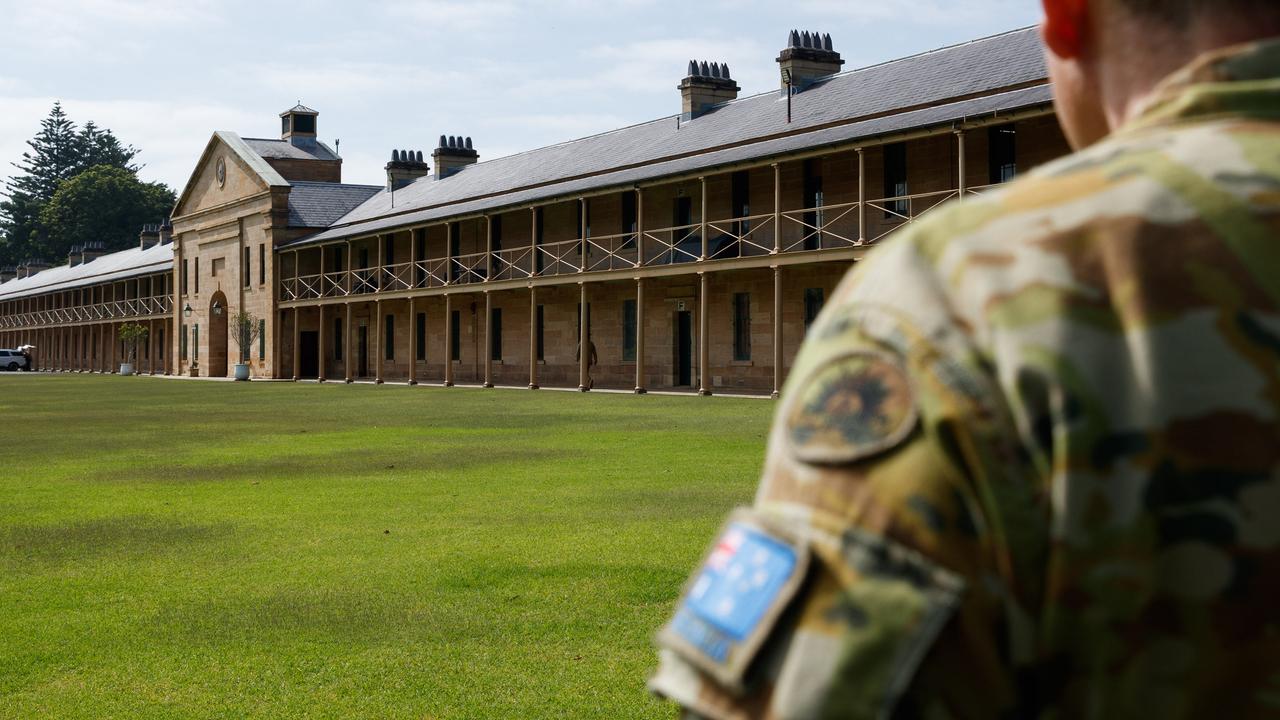
    The new strategy will also formalize plans to leverage alternative financing models, including equity-based investment through Commonwealth government bodies and private sector capital participation. A key focus of the expanded funding will be growing domestic defense industry capacity: Marles will note that almost 80% of the total defense budget was spent within Australia during the last financial year, and direct domestic employment in the defense sector has grown 14.5% since the Albanese government took office. Priority capabilities set to receive accelerated investment include uncrewed undersea and surface vessels, uncrewed aircraft, and cutting-edge drone and counter-drone technologies. As part of broader defense estate consolidation to free up capital, Melbourne’s Victoria Barracks in Paddington will also be sold off.

  • Boy, 12, dies in hospital days after five cars collide in horror crash on Melbourne’s Monash Freeway

    Boy, 12, dies in hospital days after five cars collide in horror crash on Melbourne’s Monash Freeway

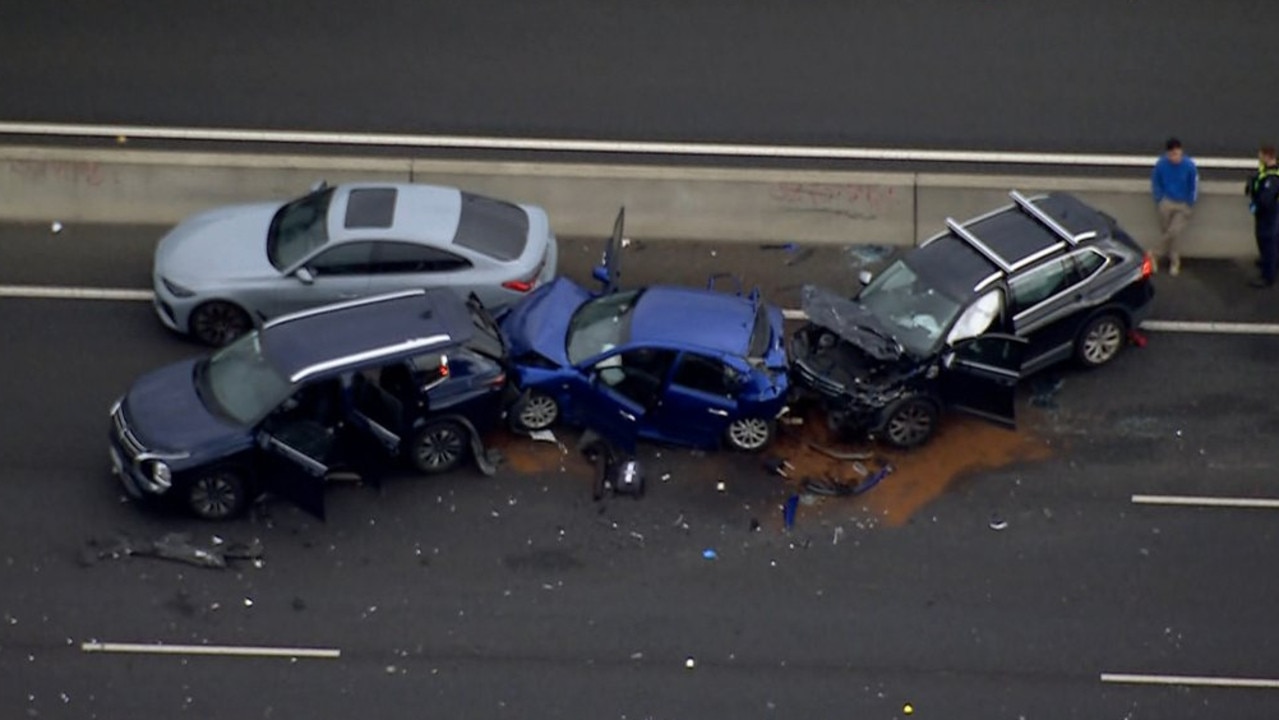
    A 12-year-old boy has died in a Melbourne hospital, days after sustaining critical injuries in a five-vehicle pile-up on one of the city’s busiest arterial freeways. The catastrophic collision unfolded just after 2 p.m. local time this past Sunday on the Stud Road off-ramp of the Monash Freeway, located in the Dandenong North suburb, triggering an immediate large-scale response from state emergency services.

    Aerial footage captured by 7News’ helicopter reveals the devastating aftermath of the crash, with one passenger vehicle bearing visible, extensive structural damage from the impact. Among those hurt most severely were a 36-year-old woman from Sunbury and the 12-year-old boy, both occupants of a Mazda 3 that was caught in the collision. The pair was airlifted and rushed to area hospitals for urgent care immediately after first responders arrived at the scene.

    Victoria Police confirmed the child’s death in an official statement released Wednesday, verifying that he passed away from his critical injuries on Tuesday. The 36-year-old woman who was traveling with him remains in hospital in an ongoing care regime as of Wednesday. An 8-year-old girl, also a passenger in the same Mazda 3, was transported to hospital with only minor injuries following the crash.

    Three people from a second vehicle, a blue Mitsubishi, were also admitted to hospital for treatment. The group includes a 68-year-old woman from Campbellfield, a 39-year-old woman from Glenroy, and a 6-year-old girl, all of whom sustained injuries that are not considered life-threatening. No other injuries were reported among the occupants of the remaining three vehicles involved: a BMW, a Volkswagen Tiguan, and a white Mitsubishi.

    The 34-year-old Berwick man who was operating the Volkswagen at the time of the collision was taken into custody by police following the incident, but has since been released from custody pending the completion of further investigative inquiries. Detectives assigned to the Victoria Police Major Collision Investigation Unit are still working to piece together the full sequence of events that led to the crash, and have not yet released any preliminary findings on fault or contributing factors.

  • EU says age-check app ‘ready’ in push to protect children online

    EU says age-check app ‘ready’ in push to protect children online

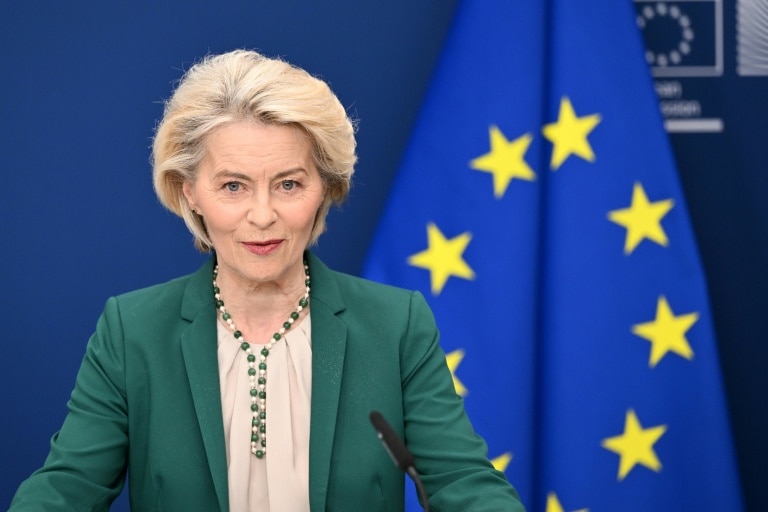
    European Commission President Ursula von der Leyen announced Wednesday that a bloc-developed age verification mobile application, designed to protect minors from harmful online content, has reached full technical readiness, marking a key milestone in the EU’s years-long push to strengthen digital protections for children.

    The push for a standardized age-check tool comes as policymakers across the bloc face growing public pressure to enact tougher regulations on digital platforms, with multiple member states already advancing domestic legislation to set minimum age limits for social media use. The project originated last year, when five founding member states — including France and Italy — launched pilot trials to test the tool’s functionality and user experience.

    Von der Leyen, speaking to reporters in Brussels, drew a comparison to the age verification protocols used in brick-and-mortar retail for age-restricted purchases like alcohol. “This app will allow users to prove their age when accessing online platforms. Just like shops ask for proof of age for people buying alcoholic beverages,” she explained. The app draws on the technical framework developed for the EU’s digital COVID-19 vaccine certificate, a widely adopted system that enabled cross-border travel during the pandemic’s reopening phase.

    For end users, the process will be straightforward: once launched, the app can be downloaded from major app stores, linked to a national passport or government-issued ID card, and then used to confirm a user meets a platform’s minimum age requirement. To address widespread privacy concerns that have derailed past age verification efforts, von der Leyen emphasized the tool is built with full anonymity to prevent user tracking across websites. It also runs on open-source code, meaning non-EU countries are free to adapt the system for their own use if they choose.

    “Online platforms can easily rely on our age verification app. So there are no more excuses,” von der Leyen said. “Europe offers a free and easy to use solution that can shield our children from harmful and illegal content.”

    Pressure for coordinated EU action has mounted significantly since Australia implemented its landmark ban on social media use for children under 16 last year. France has emerged as a leading advocate for tighter rules, alongside Denmark, Greece and Spain, and is currently debating a domestic ban on social media for users under 15 that is working its way through the French national parliament. Even if the legislation passes, however, implementing the ban without a standardized verification system has long been seen as a major logistical hurdle. The new EU app is designed specifically to help member states enforce whatever national age limit rules they ultimately adopt, as long as those rules align with existing EU legislation, with the bloc taking on formal enforcement responsibilities.

    Despite the progress, policy experts and policymakers alike acknowledge outstanding challenges. Even with formal age limits and a verification system in place, concerns persist that tech-savvy minors will circumvent checks by using virtual private networks (VPNs) to hide their location or shift to smaller, unregulated platforms that do not enforce age rules. The EU already enforces some of the world’s strictest digital regulations, with ongoing regulatory probes into the harms that major platforms including Instagram and TikTok pose to children.

    Von der Leyen has publicly supported moving toward a bloc-wide mandatory minimum age for social media use, but has said the commission will wait for expert input before formalizing that proposal. A special expert panel convened to study additional regulatory measures is set to release its final recommendations by this summer.

    “It is our duty to protect our children in the online world, just as we do in the offline world, and to do that effectively, we need a harmonised European approach,” she said.

  • After three years of war, Sudan confronts devastation as donors gather in Berlin

    After three years of war, Sudan confronts devastation as donors gather in Berlin

    Three years after conflict erupted between Sudan’s regular army and the Rapid Support Forces (RSF) paramilitary group in April 2023, the northeastern African nation remains mired in one of the world’s worst humanitarian catastrophes, even as global attention has shifted to other crisis hotspots. As international stakeholders gathered in Berlin this week for a high-stakes donor conference, German officials are pushing to secure more than $1 billion in new humanitarian pledges — exceeding the total raised at the previous London-hosted conference — to address an unfolding emergency that has been largely overlooked by the international community.

    Speaking to public broadcaster Deutschlandfunk ahead of the conference opening, German Foreign Minister Johann Wadephul expressed cautious optimism that the funding target would be met, noting that new pledges were already flowing in ahead of the gathering. “Despite the fact that global diplomatic focus is currently absorbed by Ukraine and Iran, this massive humanitarian catastrophe in Africa cannot be pushed to the margins of global consciousness,” Wadephul emphasized.

    Unlike previous diplomatic gatherings, neither the Sudanese army nor the RSF — the two warring parties that have torn the country apart since 2023 — were invited to participate in the Berlin conference. Beyond rallying much-needed humanitarian funding, the gathering also carries a secondary diplomatic goal: to jumpstart stalled peace talks that have collapsed since last November. The so-called Quad diplomatic bloc, made up of the United States, Saudi Arabia, the United Arab Emirates and Egypt, has led international peace efforts to date, but those efforts have ground to a halt amid deep disagreements and accusations of foreign interference. Rival regional powers back opposing sides in the conflict: Saudi Arabia, Egypt and Turkey publicly support the Sudanese army, while the UAE has been widely accused of supplying arms to the RSF. All four nations deny direct involvement in the fighting, and talks collapsed after Sudanese army chief Abdel Fattah al-Burhan accused the Quad of pro-RSF bias due to the UAE’s membership in the group.

    Wadephul argued that even without the warring parties in the room, the Berlin conference can still advance the cause of peace by creating space for local Sudanese stakeholders to open dialogue with one another. But Luca Renda, the United Nations Development Programme’s representative in Sudan, struck a far more pessimistic tone. “There are many external actors involved in this war, and as long as this continues, unfortunately, the chances of peace are very slim,” Renda warned.

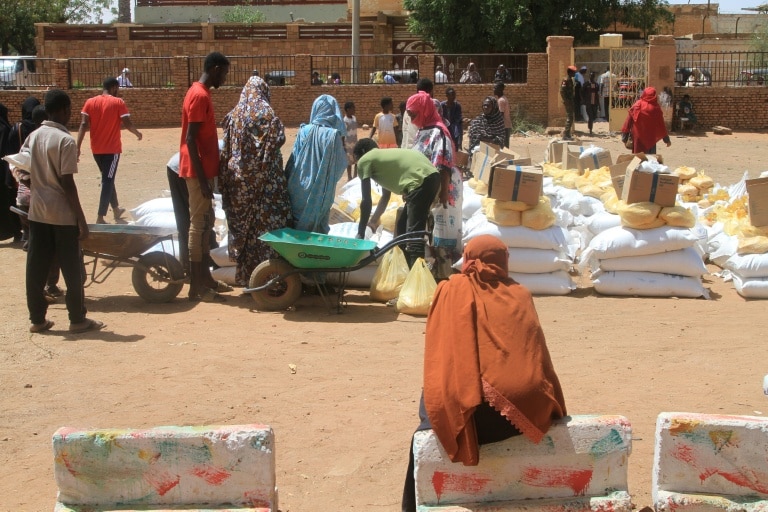
    The human cost of three years of continuous war is staggering. Tens of thousands of people have been killed since fighting began, with the United Nations recording nearly 700 civilian deaths from drone strikes alone since the start of 2025, as attacks have intensified in southern Kordofan and Blue Nile State. More than 11 million Sudanese have been displaced from their homes, and nearly 25 million — almost half the country’s population — face acute food insecurity. Famine was officially declared last year in El-Fasher, the capital of North Darfur, and Kadugli, the capital of South Kordofan, with 20 additional regions across the country at imminent risk of famine. The conflict has pushed more than 90 percent of Sudan’s population below the poverty line, and global humanitarian funding for the crisis currently meets only 16 percent of the UN’s requested target.

    For ordinary Sudanese who have lived through three years of violence, the toll has been crippling. “People are exhausted,” Amgad Ahmed, a 42-year-old resident of Omdurman, Khartoum’s twin city, told Agence France-Presse. “Three years of war have worn people down. We have lost work, savings and any sense of stability.”

    A fragile veneer of normality has begun to emerge in Khartoum after the Sudanese army retook full control of the capital last year. Roughly 1.7 million displaced residents have returned to the city, markets have reopened, traffic has returned to long-deserted streets, and national secondary school exams were held this week for the first time after two years of widespread school closures. But visible scars of war remain everywhere, and deadly hazards still lurk beneath the tentative recovery: authorities are still working slowly to clear tens of thousands of unexploded ordnance left scattered across the city by years of urban combat.

    Al-Basheer Babker al-Basheer, a 41-year-old Sudanese who returned to Khartoum twice this year after three years away, said the capital will require decades to fully recover from the destruction. “I was happy to come back,” he said. “But when I went into the city centre, it was heartbreaking. The road to the university where I studied is no longer the same. The walls are black. They are not the same places we used to go to.”

    The Berlin conference brings together more than 80 participants, including foreign government representatives, international aid agencies, and Sudanese civil society groups, marking the third high-level international donor gathering for Sudan after conferences hosted by London and Paris over the past two years. Organizers hope the new pledges will help scale up life-saving aid across the country, even as the ongoing conflict and lack of progress on peace leave the long-term future of the world’s third-poorest nation deeply uncertain.

  • Meghan to appear as guest judge on MasterChef Australia

    Meghan to appear as guest judge on MasterChef Australia

    Almost eight years after their wedding, the Duke and Duchess of Sussex have returned to Australian shores for a four-day private visit, marking their first trip to the country together since 2018. The tour, which blends philanthropic engagements with paid commercial events, has drawn widespread public and media attention across the nation.

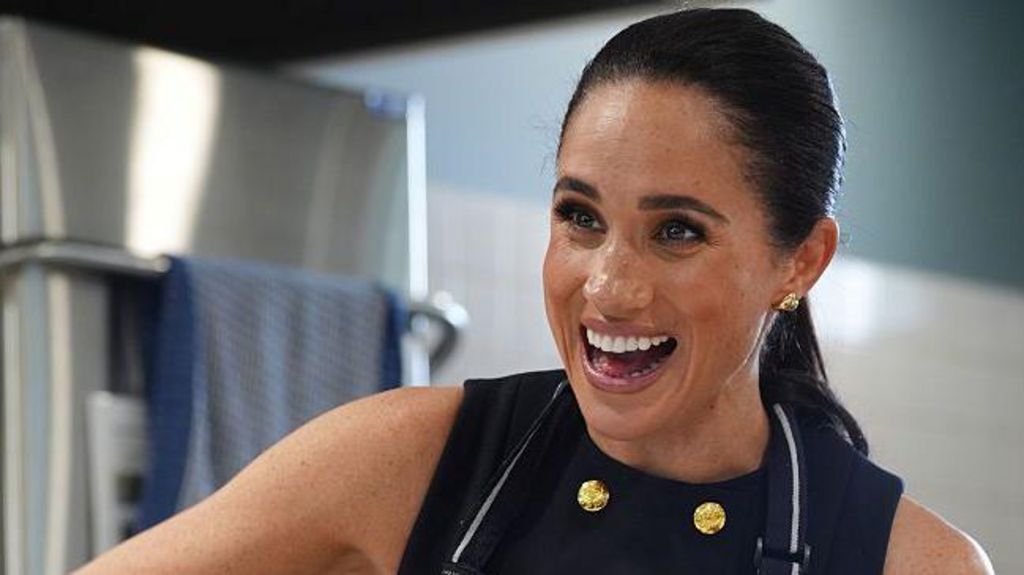
    On the second day of the tour, Duchess Meghan made a pre-taped guest appearance as a judge on the upcoming 18th season of Australia’s iconic cooking competition MasterChef Australia, filming the segment in Melbourne on Wednesday. According to broadcaster Network 10, the episode featuring Meghan is scheduled to premiere on April 19, aligning with the end of the couple’s visit. The appearance builds on Meghan’s existing lifestyle media project *With Love, Meghan*, a streaming series focused on cooking and hosting that has laid groundwork for her expanding personal brand.

    Across the tour, the couple has balanced public charity visits with paid, ticketed engagements. On the opening day of the tour Tuesday, they greeted hundreds of well-wishers gathered in the foyer of Melbourne’s Royal Children’s Hospital during a scheduled charitable visit. Later that day, Meghan stopped by a local women’s refuge, where she helped serve frittata to center residents. On Wednesday, while Meghan filmed her MasterChef segment, Prince Harry split his time between two Canberra engagements: he joined a local Australian Rules Football team for a casual training session to learn the sport, before paying his respects at the Australian War Memorial.

    Moving forward, the pair has a full schedule of remaining stops across Melbourne and Sydney. On Thursday, they will carry out additional pre-planned engagements in Melbourne before traveling north to Sydney. Later this week, Prince Harry is set to deliver a keynote address at the InterEdge Psychosocial Safety Summit in Melbourne, where ticket prices range from roughly A$1,000 (approximately $713 USD) to A$2,400. All proceeds from ticket sales for the summit will be donated to Lifeline, an Australian national mental health charity. The BBC has confirmed it has reached out to event organizers to inquire whether Prince Harry will receive a speaking fee for his appearance.

    In Sydney, Meghan will headline a private women’s-only weekend retreat, where attendees pay up to A$3,199 for access. A premium VIP package includes a spot at a group table for a photo opportunity with the Duchess. It remains unclear what compensation Meghan will receive for the event, which has not yet sold out; organizers are still advertising a small number of remaining rooms.

    Industry analysts have noted the visit comes amid growing signs that Meghan is positioning her lifestyle brand As Ever, which gained significant visibility through the couple’s Netflix docuseries, for an expansion into the Australian market. A search of the Australian government’s intellectual property database shows the brand registered trademarks for 12 different product categories in the country last year, signaling long-term commercial plans for the region.

    As non-working members of the British royal family, the couple is undertaking the entire visit in a private capacity, rather than as official representatives of the monarchy.

  • Trump says Iran talks could resume within ‘days’

    Trump says Iran talks could resume within ‘days’

    Diplomatic efforts across the Middle East have entered a critical new phase this week, with U.S. President Donald Trump signaling that a second round of nuclear negotiations with Iran could kick off as early as this week, even as Washington ramps up military pressure via a full naval blockade of Iranian maritime trade. The twin diplomatic pushes, which also include newly launched direct talks between Israel and Lebanon, remain deeply fragile, with ongoing clashes between Israeli forces and Iran-backed Hezbollah continuing to roil the border region and undermine ceasefire hopes.

    Trump first revealed the timeline during an interview with the New York Post on Tuesday, telling reporters that negotiations would likely reconvene in Pakistan within the next 48 hours, following an inconclusive first marathon negotiating round that ended without a breakthrough. In a separate pre-recorded interview with FOX Business set to air Wednesday, the president went a step further, claiming the broader regional conflict was “very close to being over.” Senior diplomatic sources in Pakistan confirmed to AFP that Islamabad has been working behind the scenes to bring both delegations back to the table, as Pakistani Prime Minister Shehbaz Sharif launched a four-day diplomatic tour of Saudi Arabia, Qatar and Turkey to build regional support for the negotiations.

    Parallel to the U.S.-Iran talks, a historic breakthrough occurred this week between Israel and Lebanon, which held their first direct high-level negotiation since 1993 at a face-to-face meeting in Washington mediated by U.S. Secretary of State Marco Rubio. The talks came after Lebanon was dragged into the wider conflict when Hezbollah launched attacks on Israel in solidarity with Iran, triggering a full-scale Israeli ground incursion into southern Lebanon and a sustained bombing campaign that has killed hundreds.

    After the closed-door meeting, Israeli envoy Yechiel Leiter praised the gathering as a “wonderful exchange” between parties “united in liberating Lebanon” from Hezbollah. His Lebanese counterpart, Nada Hamadeh Moawad, struck a more measured tone, describing the discussion as “constructive” while noting she had pushed forcefully for an immediate ceasefire. The U.S. State Department confirmed in a post-meeting statement that “all sides agreed to launch direct negotiations at a mutually agreed time and venue,” though Israel remains adamant that it will not agree to a ceasefire that leaves Hezbollah’s military infrastructure intact. Israeli officials have repeatedly described the Iran-aligned group as the single greatest barrier to long-term stability along their northern border, and Israeli forces continue to occupy large swathes of southern Lebanon amid ongoing operations.

    To pressure Tehran into making concessions at the negotiating table, the U.S. implemented a full naval blockade of Iranian ports this week, which U.S. Central Command announced Wednesday had been “fully implemented” and had “completely halted economic trade going into and out of Iran by sea.” However, independent maritime tracking data from Tuesday tells a more ambiguous story, showing multiple vessels departing Iranian ports and transiting the Strait of Hormuz despite the announced blockade.

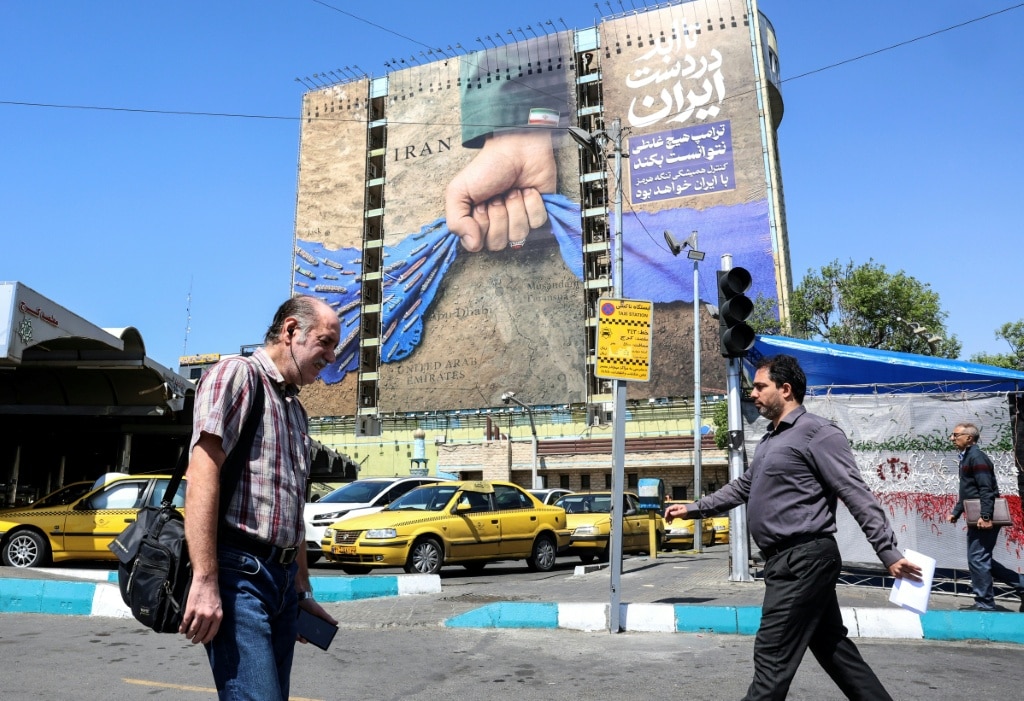
    The choke point has been closed to commercial oil traffic by Iranian forces since the start of the U.S.-Israeli offensive in late February, and hopes that a new negotiating round could lead to the strait reopening pushed global stock markets higher and pulled crude oil prices down on Tuesday. Analysts note that Trump’s pressure campaign targets not just Iranian oil revenue, but also China, Iran’s largest crude customer, with Washington hoping Beijing will use its influence to push Tehran into reopening the waterway. On Wednesday, Chinese President Xi Jinping hosted Russian Foreign Minister Sergei Lavrov in Beijing, with both leaders issuing a joint statement pledging to work together to push for de-escalation across the Middle East.

    The core sticking point in U.S.-Iran talks remains the decades-long dispute over Tehran’s nuclear program. U.S. Vice President JD Vance confirmed Tuesday that the Trump administration has put a “grand bargain” on the table for Tehran: full sanctions relief and economic integration in exchange for permanently abandoning any pursuit of a nuclear weapon. Trump launched the current conflict earlier this year on the claim that Iran was rushing to complete an atomic bomb, an allegation that has never been corroborated by the United Nations’ nuclear watchdog agency. Iran has consistently maintained that its nuclear program is exclusively for civilian energy and medical purposes.

    During the first round of talks in Islamabad, U.S. negotiators tabled a proposal demanding a 20-year suspension of all Iranian uranium enrichment activity. Iranian negotiators countered with an offer of a five-year suspension, which U.S. officials rejected out of hand. Speaking at a campaign event in Georgia Tuesday, Vance reiterated that Trump has offered Tehran a clear path: “If Iran commits to not having a nuclear weapon, the president has pledged to make Iran thrive. That’s the kind of Trumpian grand bargain that the president has put on the table. We’re going to keep on negotiating and try to make it happen.”

    Despite the optimistic hints from Washington, the security situation remains volatile: Lebanese state media reported fresh Israeli airstrikes on areas south of Beirut Wednesday, while Hezbollah, which has publicly rejected any Lebanese-Israeli negotiations, launched a barrage of dozens of rockets into northern Israeli territory hours later. The U.S. has made ending the Hezbollah-Israel conflict a top diplomatic priority, fearing that a widening war could scuttle the existing two-week ceasefire with Iran and kill any chance of a broader nuclear settlement.

  • The Middle East war: latest developments

    The Middle East war: latest developments

    Just hours after Lebanon and Israel reached an agreement to begin direct negotiations in Washington, fresh military violence upended the region on Wednesday, bringing new volatility to a conflict that continues to ripple across global energy markets and international diplomacy.

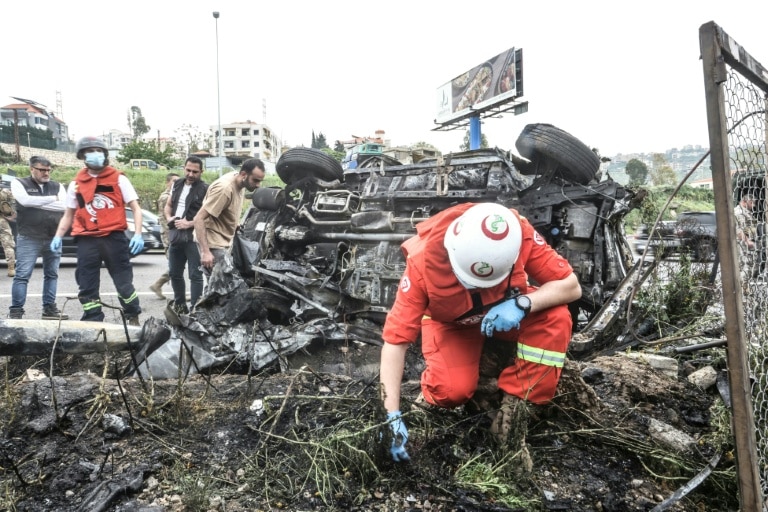
    Israeli military forces carried out two targeted strikes on vehicles in southern Lebanon, Lebanese state media confirmed Wednesday. One strike hit a vehicle in the coastal town of Saadiyat, while the second targeted a car on the coastal highway in nearby Jiyeh, located roughly 12 miles south of Beirut and outside the traditional strongholds of the Iran-aligned militant group Hezbollah. In response to the strikes, Hezbollah launched approximately 30 rocket projectiles toward northern Israeli territory starting in the early hours of Wednesday, an Israel Defense Forces spokesperson confirmed to Agence France-Presse. Israeli authorities also issued a new mandatory evacuation order for civilian residents in southern Lebanon, escalating warnings ahead of anticipated further clashes.

    The fresh outbreak of violence came as diplomatic activity surrounding the broader Middle East conflict accelerated across multiple fronts. Pakistan’s Prime Minister Shehbaz Sharif launched a four-day shuttle diplomacy tour Wednesday, with stops planned in Saudi Arabia, Qatar and Turkey, as regional powers position themselves ahead of potential new peace negotiations between the United States and Iran.

    In a major development that lifted global market sentiment, former U.S. President Donald Trump announced Wednesday that a second round of direct talks between U.S. and Iranian negotiators could begin within 48 hours, stoking widespread optimism that a breakthrough deal could reopen the strategically vital Strait of Hormuz, through which roughly a fifth of global oil supplies pass daily. Trump reinforced that optimistic tone in an interview with Fox Business Network’s *Mornings with Maria*, set to air Wednesday, saying the open conflict with Iran is “very close to being over.”

    Market indicators reacted immediately to the news of upcoming talks: South Korea’s Kospi index surged more than 2%, ending the trading session just hundreds of points away from its all-time record high, while major European indices in London and Frankfurt held steady. Crude oil prices, which have spiked repeatedly amid conflict-related supply disruptions, dropped for a second consecutive session, with West Texas Intermediate crude trading at approximately $90.39 per barrel and Brent North Sea crude settling at $94.62 per barrel.

    Despite the upbeat rhetoric around upcoming negotiations, U.S. authorities have moved to maintain harsh economic pressure on Tehran. U.S. Central Command confirmed that American naval forces have “completely halted economic trade going into and out of Iran by sea,” though maritime tracking data from Tuesday showed multiple commercial vessels that recently docked at Iranian ports passing through the Strait of Hormuz in open defiance of the U.S. naval blockade. Industry analysts note that Trump’s blockade strategy targets not just Iranian oil export revenue, but also aims to pressure China — Iran’s largest crude oil customer — to compel Tehran to reopen the critical chokepoint.

    The U.S. Treasury Department announced Tuesday it will not extend a temporary sanctions waiver that allowed for the sale of Iranian oil already held in storage tankers at sea, a measure originally introduced to cushion global supply shocks caused by the conflict. The short-term authorization is set to expire in coming days and will not be renewed, the department confirmed, adding that it remains committed to “maintaining maximum pressure” on the Iranian government.

    U.S. Vice President JD Vance laid out the core U.S. negotiating position Wednesday during an event hosted by conservative advocacy group Turning Point USA, saying Trump has offered Iran a clear grand bargain: Tehran will be allowed to rebuild economically and “thrive” if it commits to permanently abandoning its nuclear weapons program. The dispute over Iran’s nuclear activities remains the central sticking point in any potential diplomatic deal; Trump launched the original conflict on the claim that Iran was developing an atomic weapon, a charge Tehran has repeatedly denied. “That’s the kind of Trumpian grand bargain that the president has put on the table. Man, we’re going to keep on negotiating and try to make it happen,” Vance said.

    Diplomatic activity is also ramping up in Beijing, where regional and global powers are coordinating positions amid the conflict. Chinese President Xi Jinping met with Russian Foreign Minister Sergei Lavrov this week, Chinese state media reported, as a wave of leaders from conflict-impacted states travel to the Chinese capital for talks. Lavrov told reporters after the meeting that Russia stands ready to “compensate” for any energy shortages China may face if Strait of Hormuz shipping remains disrupted by the ongoing conflict, according to Russian state media reports.

    In a separate humanitarian development, Sri Lanka has completed the repatriation of 238 Iranian sailors who were stranded in the South Asian nation after their vessel was torpedoed by a U.S. submarine in the Indian Ocean on March 4, a Sri Lankan government minister confirmed to AFP.

  • Lesbian Action Group wins Federal Court appeal to exclude transgender women

    Lesbian Action Group wins Federal Court appeal to exclude transgender women

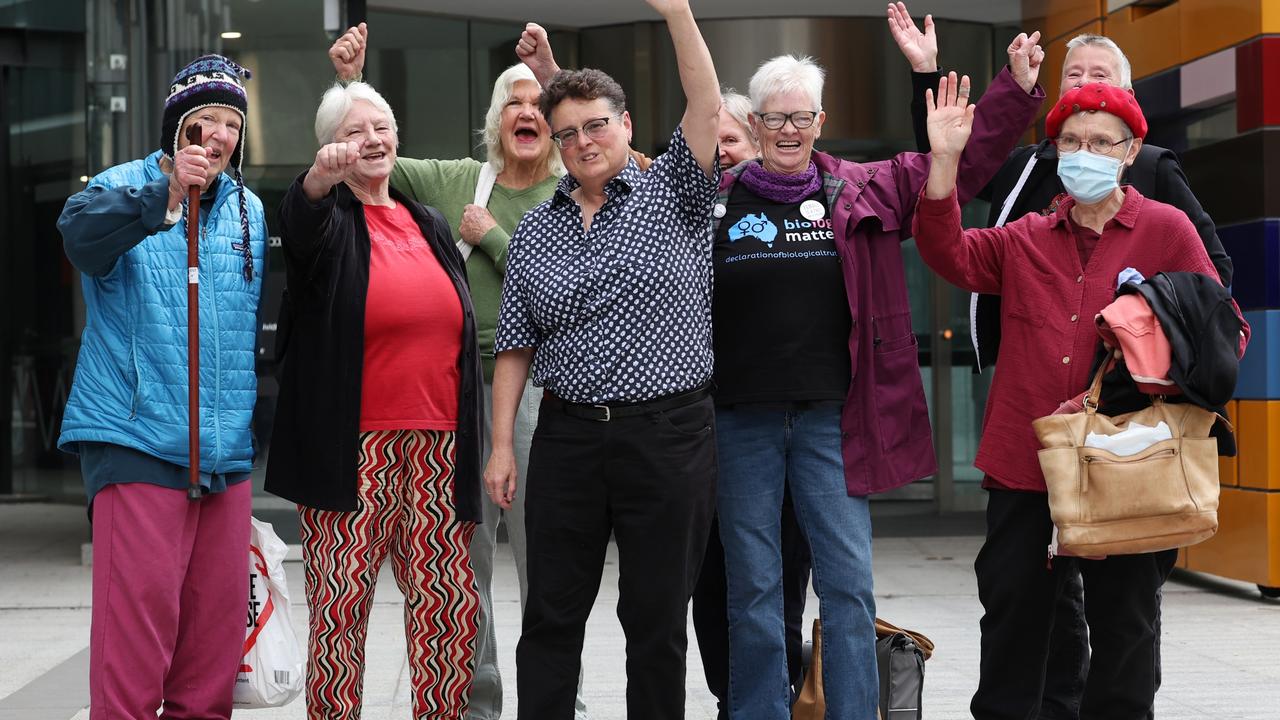
    A high-stakes legal dispute over inclusion and exclusion in Australian community organizing has hit a new milestone, with a Melbourne-based lesbian rights organization securing a successful federal court appeal in its push to bar transgender women from its public events. But the fight is far from settled, with the case set for a fresh review.