标签: Oceania

大洋洲

  • New laws to crush illegal e-bikes to be introduced in NSW parliament

    New laws to crush illegal e-bikes to be introduced in NSW parliament

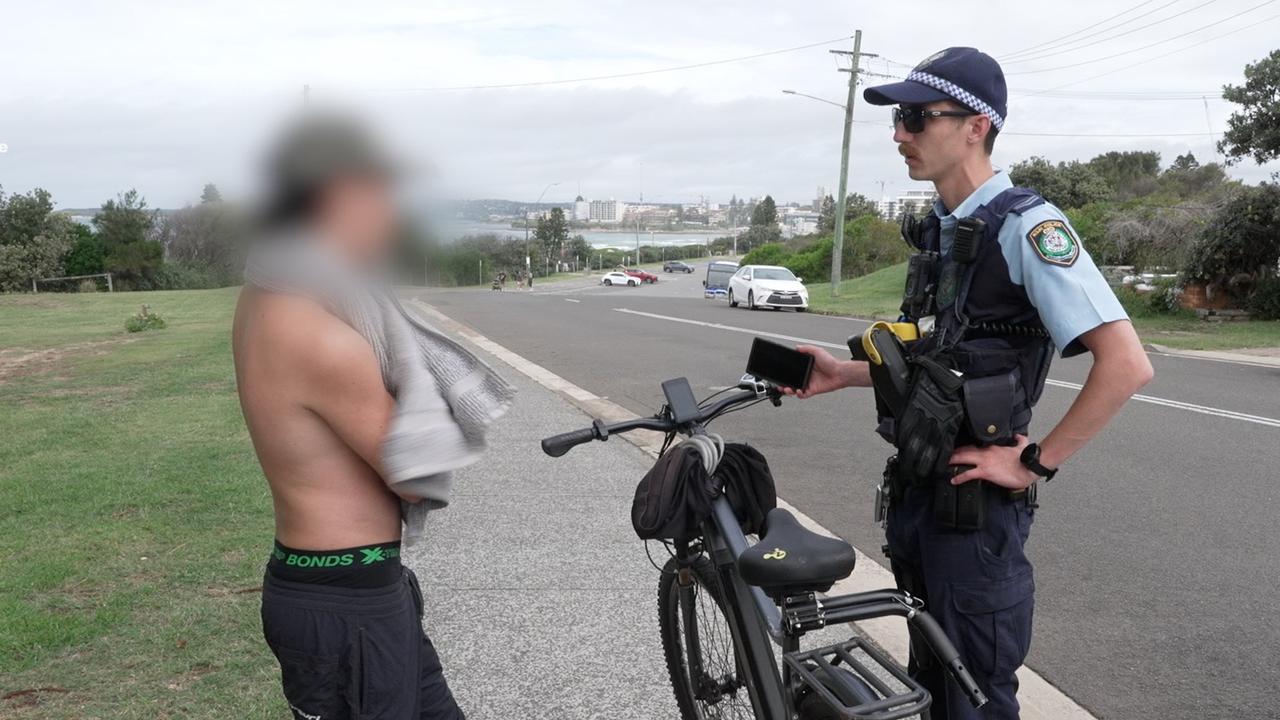
    In a dramatic escalation against dangerous electric bike modifications, New South Wales authorities have been granted unprecedented powers to seize and destroy illegally modified e-bikes through groundbreaking legislation introduced to state parliament.

    The comprehensive legal framework, modeled after Western Australia’s existing regulations, specifically targets throttle-operated, high-powered e-motorbikes that officials claim are driving a surge in dangerous anti-social behavior. The legislation represents Australia’s first implementation of roadside ‘dyno units’ capable of instantly detecting e-bikes exceeding the legal 25km/h speed limit.

    Transport Minister John Graham emphasized the dual nature of the initiative, stating, ‘While we actively encourage safe and healthy e-bike usage, we must simultaneously combat dangerous and illegal e-motorbike operations. These enhanced enforcement capabilities will achieve precisely that objective.’

    The minister issued a stark warning to potential offenders: ‘If the vehicle performs like a motorbike, it likely violates regulations and could face destruction. Our message remains unequivocal – refrain from purchasing illegal e-bikes.’

    Police Minister Yasmin Catley underscored the operational significance of the measures, noting, ‘These legislative adjustments empower officers to immediately intercept and confiscate dangerously operated e-bikes, enabling rapid risk mitigation. We’re equipping law enforcement with appropriate tools to exercise professional judgment while maintaining public safety standards.’

    The policy implementation follows a targeted two-day police operation across southern Sydney that resulted in multiple fines and criminal charges related to illegal e-bike activities.

    Concurrently, Queensland’s Crisafulli government has endorsed all 28 recommendations from a parliamentary committee investigating e-bike and e-scooter related injuries. Proposed regulations include age restrictions prohibiting riders under 16, imposing 10km/h speed limits on footpaths, and creating new offenses for careless operation near pedestrians. Additional requirements will mandate learner’s permits minimum licensing and compulsory third-party insurance for higher-powered devices.

  • On Iran, Trump executes his most spectacular U-turn yet

    On Iran, Trump executes his most spectacular U-turn yet

    In a stunning display of diplomatic whiplash, President Donald Trump has executed one of his most spectacular foreign policy reversals to date regarding Iran, demonstrating his self-proclaimed instinct-driven approach to governance. The abrupt shift sent international markets into dramatic fluctuations, with oil prices plummeting and stock indices surging within hours of his announcement.

    The pattern has become familiar to global observers: Trump issues aggressive ultimatums—in this case, a 48-hour demand for Iran to reopen the strategically vital Strait of Hormuz under threat of massive strikes—only to abruptly reverse course days later. On Monday, the president declared through his Truth Social platform that the United States had engaged in productive discussions with Iranian officials about resolving the conflict, extending a new five-day deadline for continued talks.

    Market response was immediate and severe. North Sea Brent crude oil prices collapsed by more than 14 percent, while West Texas Intermediate crude dropped nearly 10 percent. Simultaneously, the Dow Jones Industrial Average skyrocketed approximately 700 points in a classic demonstration of what analysts have dubbed the ‘TACO’ effect—an acronym for ‘Trump Always Chickens Out’ coined by Financial Times journalist Robert Armstrong.

    International relations experts note this behavior follows an established pattern. ‘Trump has been a master of sudden pivots and switches,’ observed Garret Martin, a professor at American University in Washington. ‘So it’s sometimes hard to know if there is a strategy or if it’s just always improvisation.’

    The administration’s volatility has created significant challenges for both allies and adversaries. As Martin further notes, global partners now understand that ‘agreements and promises are only as good as the minute they’re made’ with this administration.

    In the Iran case, analysts suggest multiple factors likely influenced Trump’s reversal: significant market turbulence, potential pressure from Gulf nations, and emerging tensions within his own MAGA political movement regarding the conflict. Iranian officials further complicated matters by denying that any negotiations were occurring, partially dampening the initial market enthusiasm generated by Trump’s announcement.

    The president himself framed the development as a demonstration of his legendary negotiation skills during a speech in Memphis, Tennessee, stating: ‘My whole life has been a negotiation, but with Iran we’ve been negotiating for a long time. And this time they mean business.’

    This incident represents merely the latest in a series of foreign policy reversals that have characterized Trump’s approach to international relations since returning to power, including previously abandoned threats regarding Greenland’s status and confrontations with Federal Reserve leadership over interest rates.

  • War in the Middle East: latest developments

    War in the Middle East: latest developments

    The Middle East conflict entered a critical phase on Monday with simultaneous diplomatic maneuvers and military actions reshaping the regional landscape. Israeli Prime Minister Benjamin Netanyahu revealed substantive discussions with former US President Donald Trump, indicating potential pathways to convert military achievements into negotiated settlements protecting Israeli interests.

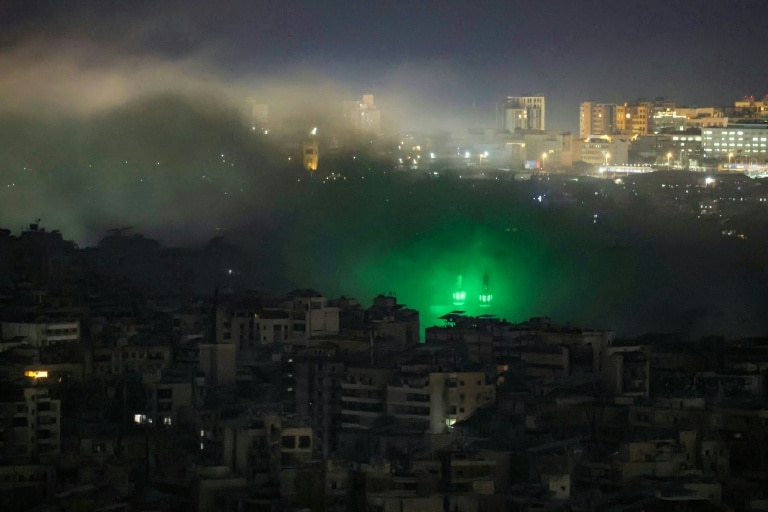
    Military operations intensified as Israeli forces struck Beirut’s southern suburbs, a known Hezbollah stronghold, following explicit evacuation warnings. The Israeli defense system experienced technical failures when the ‘David’s Sling’ interceptor malfunctioned, permitting two Iranian ballistic missiles to impact southern Israel and injure numerous civilians over the weekend.

    In Tehran, Israeli forces targeted Revolutionary Guards facilities used for coordinating Basij paramilitary operations, continuing their campaign against Iranian leadership structures. This followed the recent elimination of Basij intelligence chief Gholamreza Soleimani.

    Diplomatic channels showed heightened activity with Pakistani Prime Minister Shehbaz Sharif engaging Iranian President Masoud Pezeshkian on regional stability, promising Pakistan’s constructive peace role. Meanwhile, Britain summoned Iran’s ambassador to London condemning Tehran’s ‘reckless and destabilising actions’ following security charges against two individuals suspected of intelligence activities.

    The International Committee of the Red Cross issued grave warnings about infrastructure targeting, cautioning about potential ‘irreversible consequences’ including nuclear facility damage. President Mirjana Spoljaric emphasized the conflict ‘risks reaching a point of no return’.

    Britain initiated defensive measures by deploying short-range air defense systems to Bahrain, Kuwait, and Saudi Arabia to counter Iranian missile capabilities. Energy security concerns emerged as UAE’s ADNOC chief Sultan Ahmed Al Jaber condemned Tehran’s Strait of Hormuz restrictions as ‘economic terrorism’, while US Energy Secretary Chris Wright assured markets that oil disruptions remain temporary despite price surges.

    Former President Trump claimed unauthorized discussions with Iranian officials about ‘regime change’, assertions promptly denied by Tehran, adding another layer of complexity to the rapidly evolving situation.

  • Young couple’s tough choice as interest rates and costs smash budget

    Young couple’s tough choice as interest rates and costs smash budget

    Australia is witnessing a significant resurgence in multi-generational households as escalating cost-of-living challenges compel families to reconsider traditional living arrangements. Recent survey data from financial services group AMP reveals that 55% of Australians now endorse this familial cohabitation model as a pragmatic response to economic constraints.

    The trend finds particular resonance among younger demographics, with 68% of Australians aged 20-39 expressing support for multi-generational living. This stands in stark contrast to only 40% support among those over 65, highlighting a generational divergence in perspectives toward shared household arrangements.

    A concrete illustration emerges from Sydney residents Daniel (36) and Monica Kaminsky, who made the strategic decision to relocate into Monica’s grandmother’s residence after purchasing their first apartment through the government’s 5% deposit scheme. Faced with mounting interest rates and inflation that complicated their family planning objectives, the couple found financial salvation through their grandmother’s invitation to cohabitate.

    “The economic calculus became unavoidable,” explained Mr. Kaminsky, a mortgage broker by profession. “Without this arrangement, we would have faced either leveraging our equity for short-term survival or selling our property entirely. Instead, we’ve managed to rent out our apartment while saving substantially.”

    The benefits extended beyond mere financial considerations. The couple discovered Monica’s pregnancy shortly after their move, creating unexpected opportunities for intergenerational bonding between their newborn daughter and her great-grandmother.

    AMP Retirement Director Ben Hillier contextualizes this development: “We’re witnessing the return of historically familiar living patterns. While multi-generational households represent the global norm in many cultures, Australia’s adoption reflects specific economic pressures—particularly housing affordability challenges affecting younger generations.”

    Despite the practical advantages, the trend reveals underlying generational tensions. Older Australians demonstrate considerably less enthusiasm for multi-generational arrangements, with AMP’s research indicating that over 50% of retirees harbor concerns about their own financial security, potentially limiting their capacity to support extended family.

    Mr. Hillier observes: “This isn’t about selfishness but about financial reality. Many retirees who lack confidence in their own economic future understandably hesitate to assume additional financial responsibilities.”

    As economic pressures continue to mount, industry experts anticipate this trend will intensify, potentially reshaping Australia’s residential patterns and familial relationships for the foreseeable future.

  • Colombia says 80 troops on crashed aircraft, many feared dead

    Colombia says 80 troops on crashed aircraft, many feared dead

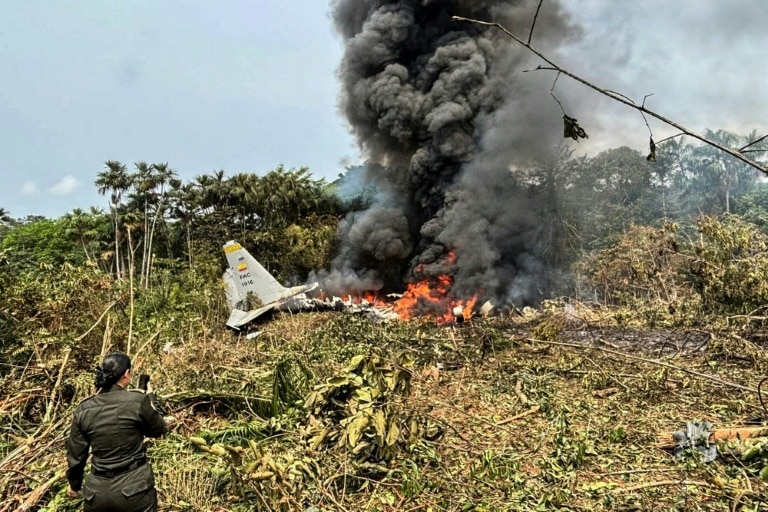
    A Colombian Air Force C-130 Hercules transport aircraft crashed during takeoff from Puerto Leguizamo on Monday, resulting in significant casualties among military personnel aboard. The aircraft, carrying approximately 80 troops, went down shortly after departure near Colombia’s southern border with Ecuador, with initial reports indicating potentially dozens of fatalities.

    Emergency response teams immediately deployed to the crash site where images showed the aircraft’s fuselage engulfed in flames and thick black smoke in a forest clearing. Defense Minister Pedro Sanchez expressed profound sorrow regarding the incident, stating military units had rapidly arrived at the scene though official casualty figures and crash causes remained unconfirmed at press time.

    This tragic incident occurred in a region experiencing intensified military operations against drug trafficking cartels and armed militias. The border area between Colombia and Ecuador has witnessed heightened security activities in recent weeks as both nations collaborate to combat transnational criminal organizations.

    The crash marks the second incident involving a C-130 Hercules aircraft in South America within a month, following a February 27th accident in Bolivia where a military cargo plane crashed during landing procedures near La Paz, claiming 24 lives. The Lockheed Martin-built four-engine turboprop remains widely utilized by global military forces due to its exceptional capacity for operating from rudimentary airstrips and transporting diverse cargo including troops and vehicles.

    Investigation teams are working to determine the precise cause of the crash while the nation mourns what Defense Minister Sanchez described as ‘a deeply painful event for the country.’

  • ‘Stop, truck one, stop!’: transcript of NY plane collision

    ‘Stop, truck one, stop!’: transcript of NY plane collision

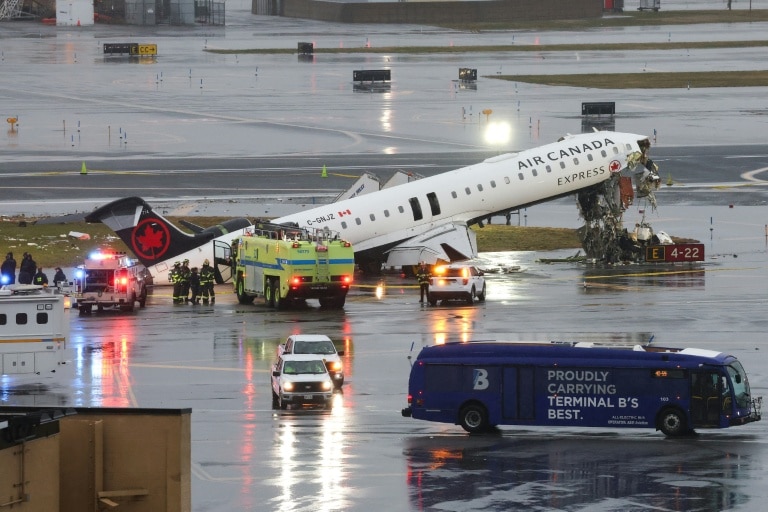
    A newly released audio transcript has revealed the tense moments preceding a fatal runway collision at New York’s LaGuardia Airport, exposing critical communication breakdowns in air traffic control. The incident occurred Sunday night at approximately 11:40 PM when an Air Canada Express CRJ-900 aircraft, operated by Jazz Aviation, struck a Port Authority fire truck on Runway 4.

    The exchange begins routinely with the fire truck driver requesting permission to cross the runway: ‘Truck one and company, LaGuardia Tower. Requesting to cross four at Delta.’ The air traffic controller grants authorization: ‘Truck one and company, cross four at Delta.’

    Moments later, the controller’s tone shifts dramatically as he recognizes the impending danger: ‘Frontier 4195, stop there please. (Pause.) Stop, stop, stop, truck one, stop, stop, stop. Stop, truck one, stop! Stop, truck one, stop!’ An alarm sounds immediately after these frantic warnings.

    The controller then addresses the Jazz Aviation flight: ‘Jazz 646. Jazz 646, I see you collided with vehicle. Hold position. I know he can’t move. Vehicles are responding to you now.’

    In subsequent dialogue between controllers, the first controller admits: ‘Yeah, I know. I was here. I tried to reach out to my staff. And we were dealing with an emergency earlier. I messed up.’ A colleague attempts consolation: ‘No man, you did the best you could.’

    The collision resulted in the tragic deaths of both the pilot and co-pilot. Emergency services transported 41 passengers to area hospitals for evaluation and treatment. Aviation authorities have launched a comprehensive investigation into the operational procedures and communication protocols that contributed to this devastating incident.

  • Far-right French president no certainty despite rise of extremes

    Far-right French president no certainty despite rise of extremes

    France’s recent municipal elections have delivered a complex political landscape, revealing both the growing appeal of extremist factions and significant structural limitations facing Marine Le Pen’s far-right National Rally (RN). While extremist parties strengthened their local presence, mainstream parties maintained control of major urban centers including Paris and Marseille, suggesting the 2027 presidential election remains highly contested despite current polling favoring far-right candidates.

    The RN achieved modest victories in smaller municipalities but failed to capture any major urban center, exposing what political scientists describe as a ‘glass ceiling’ in large cities. Party leader Jordan Bardella, 30, struggled to secure traditional right-wing support in runoff votes, though the party claimed symbolic victory when a far-right ally won Nice, France’s fifth-largest city.

    Meanwhile, the hard-left France Unbowed (LFI) party led by Jean-Luc Melenchon scored significant gains in economically depressed areas including Roubaix near the Belgian border and the working-class Paris suburb of Saint Denis. However, the mainstream left has actively distanced itself from LFI amid allegations of antisemitism and involvement in political violence.

    Analysts note deepening strategic divisions within both left and right coalitions. The Socialist Party faces internal conflict between those advocating broad left-wing unity and those rejecting collaboration with LFI. On the right, fragmentation persists regarding coalition strategies and candidate selection.

    Former Prime Minister Édouard Philippe strengthened his presidential prospects by retaining his mayoral position in Le Havre, emerging as a potential unifying figure for the center-right. Political observers suggest Philippe could potentially reach a second-round runoff and secure victory despite early polling advantages for far-right candidates.

    Experts emphasize that while the risk of National Rally victory remains real, the 2027 election outcome is far from predetermined. The party faces multiple challenges including weak local roots, organizational deficiencies, and ongoing legal troubles that could prevent Le Pen from running if courts uphold a graft conviction.

    As Mujtaba Rahman, Europe director at Eurasia Group, noted: ‘French town hall elections yielded no big breakthrough for the far right and no clear trend nationwide,’ indicating that presidential elections may be ‘more open’ than current polls suggest.

  • Australia’s ABC staff to go on strike for first time in 20 years

    Australia’s ABC staff to go on strike for first time in 20 years

    For the first time in two decades, Australian Broadcasting Corporation (ABC) employees will stage a comprehensive 24-hour strike commencing Wednesday at 11:00 local time (00:00 GMT), potentially disrupting live television and radio programming nationwide. This unprecedented labor action follows the rejection by 60% of ABC’s workforce of management’s proposed three-year compensation package totaling 10% in wage increases.

    The contentious offer included a 3.5% raise in the first year followed by 3.25% increments in subsequent years, falling short of Australia’s January annual inflation rate of 3.8%. The proposed terms failed to gain approval during Sunday’s voting session, which saw participation from 75% of the organization’s approximately 4,500 staff members.

    Union representatives have identified multiple deficiencies in the proposal beyond monetary compensation. Key concerns include inadequate provisions for reproductive health leave and insufficient safeguards regarding artificial intelligence implementation in newsrooms. Michael Slezak of the Media, Entertainment and Arts Alliance (MEAA) emphasized that members “cannot accept a deal that cuts conditions, reduces real wages through inflationary pressure, and leaves open the possibility of replacing ABC journalists with AI bots.”

    Jocelyn Gammie of the Community and Public Sector Union (CPSU) noted that service disruptions appear “inevitable” without a substantially improved offer from management. She acknowledged that union members regret inconveniencing audiences but emphasized that critical bargaining issues remain unresolved.

    ABC Managing Director Hugh Marks defended the proposal as “both sustainable and financially responsible,” stating it represents “the maximum level the ABC can sustainably provide” while balancing numerous operational considerations. The organization has now sought intervention from Australia’s Fair Work Commission, the national workplace tribunal, to facilitate dispute resolution.

    This marks the first major strike action at the public broadcaster since 2006, when employees similarly protested compensation and working conditions.

  • Wild footage captures moment teen chased down by police dog after alleged high-speed stolen car chase in Melbourne’s southeast

    Wild footage captures moment teen chased down by police dog after alleged high-speed stolen car chase in Melbourne’s southeast

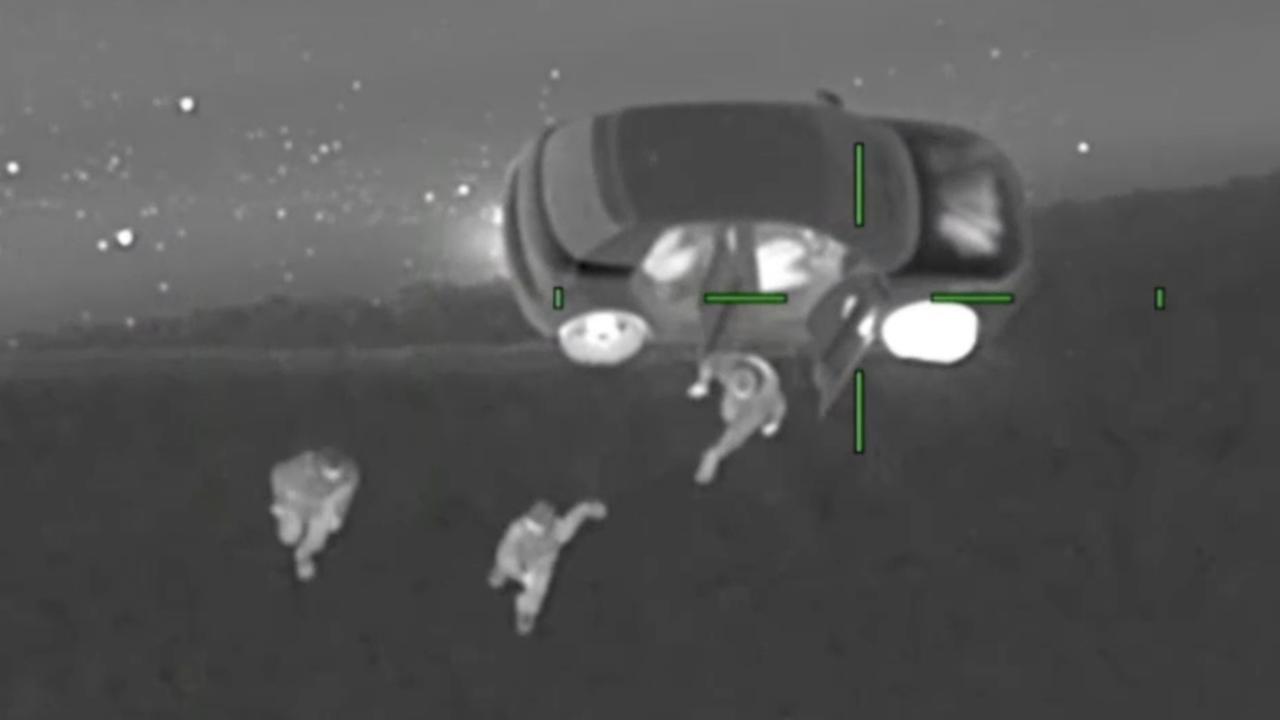
    Dramatic police footage has revealed the intense conclusion to a high-speed pursuit involving three teenage suspects who allegedly stole an Audi A1 during an early morning burglary in Melbourne’s southeastern suburbs. The incident, which occurred around 1:55 am on Monday, began when the teenagers were dropped off by a white SUV on Ashwood Drive before breaking into a property and making off with the luxury vehicle.

    Police quickly identified the stolen Audi, prompting a coordinated response that included aerial surveillance from a police helicopter. The pursuit reached dangerous speeds along the Monash Freeway before tactical officers successfully deployed stop sticks near the Heatherton Road exit. Despite the disabled vehicle continuing to produce sparks along the Princes Highway, the three suspects abandoned the car and attempted to escape on foot through residential neighborhoods.

    The most compelling footage shows two of the teenagers attempting to conceal themselves beneath a backyard trampoline before making a desperate dash toward the street. As officers scaled the fence, one suspect was apprehended by a police dog that charged and bit the 16-year-old on the forearm, bringing him to the ground. The entire incident was captured on police body cameras and helicopter footage.

    Three male suspects—two aged 17 and one 16—were taken into custody following the chase. The youngest suspect sustained non-life-threatening injuries from the police dog bite and was transported to hospital under police supervision. Criminal charges have been filed against the older teenagers, including home invasion, motor vehicle theft, and additional offenses related to committing crimes while on bail. Both 17-year-olds have been remanded and are scheduled to appear in children’s court, while investigators continue to determine if additional individuals were involved in the alleged aggravated burglary.

  • Middle East war: global economic fallout

    Middle East war: global economic fallout

    The ongoing military conflict in the Middle East has triggered severe disruptions across global energy markets and financial systems, with escalating tensions between the U.S., Israel, and Iran driving uncertainty and economic instability worldwide.

    European and Asian equity markets witnessed sharp declines at the start of the week. London’s FTSE 100 dropped 1.4%, while Paris and Frankfurt indices fell 1.7% and 2.0% respectively, reflecting investor anxiety over geopolitical risks and potential supply chain interruptions.

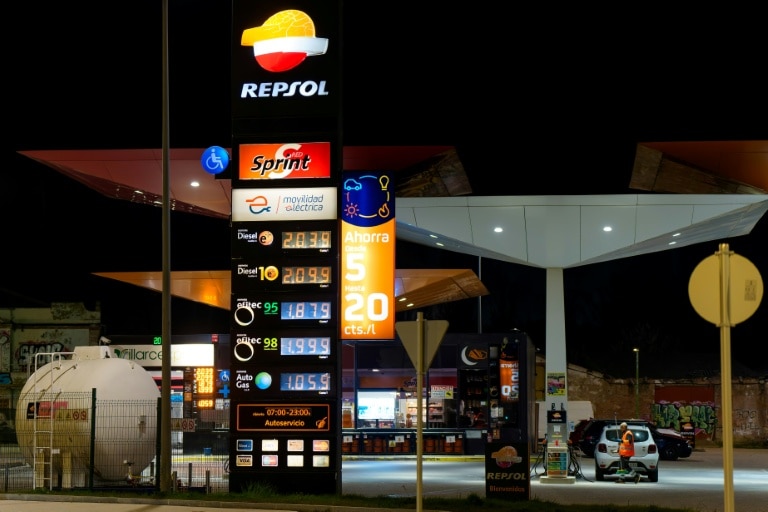
    Oil prices surged significantly amid the turmoil. West Texas Intermediate crude breached the $100 per barrel mark, while North Sea Brent crude climbed above $113. These increases follow warnings from U.S. and Israeli officials that military operations against Iran may extend for several more weeks, directly impacting the critical Strait of Hormuz shipping corridor.

    International Energy Agency Executive Director Fatih Birol issued a grave warning, stating the global economy faces a “major threat” from the energy crisis stemming from the conflict. He emphasized that “no country will be immune” to its effects, noting that at least 40 energy assets across nine regional nations have sustained severe damage.

    Multiple nations are implementing emergency measures to mitigate economic fallout. Indonesia plans fuel-conservation strategies including remote work policies for government employees, anticipating savings up to $4.7 billion. Australia and Singapore have agreed to strengthen cooperation ensuring stable supplies of oil, LNG, and diesel amid shared concerns about regional energy security.

    Industry leaders are gathering at the CERAWeek energy conference in Houston, where discussions are dominated by supply disruptions caused by the conflict. The event has taken on increased significance as fuel prices continue climbing since hostilities began in late February.

    U.S. Treasury Secretary Scott Bessent defended the temporary suspension of sanctions on Iranian and Russian oil, arguing that allowing discounted sales to China prevented prices from spiking to $150 per barrel. Meanwhile, TotalEnergies CEO Patrick Pouyanne warned that a prolonged conflict exceeding six months would damage all global economies, though existing inventories might buffer shorter-term impacts.

    In Southeast Asia, Cambodian energy supplier Sokimex announced it will temporarily suspend liquefied petroleum gas sales beginning April 1 due to supply chain disruptions caused by the war, highlighting the conflict’s far-reaching consequences on energy availability.