标签: Oceania

大洋洲

  • Russia jails 15 for life over 2024 concert hall attack

    Russia jails 15 for life over 2024 concert hall attack

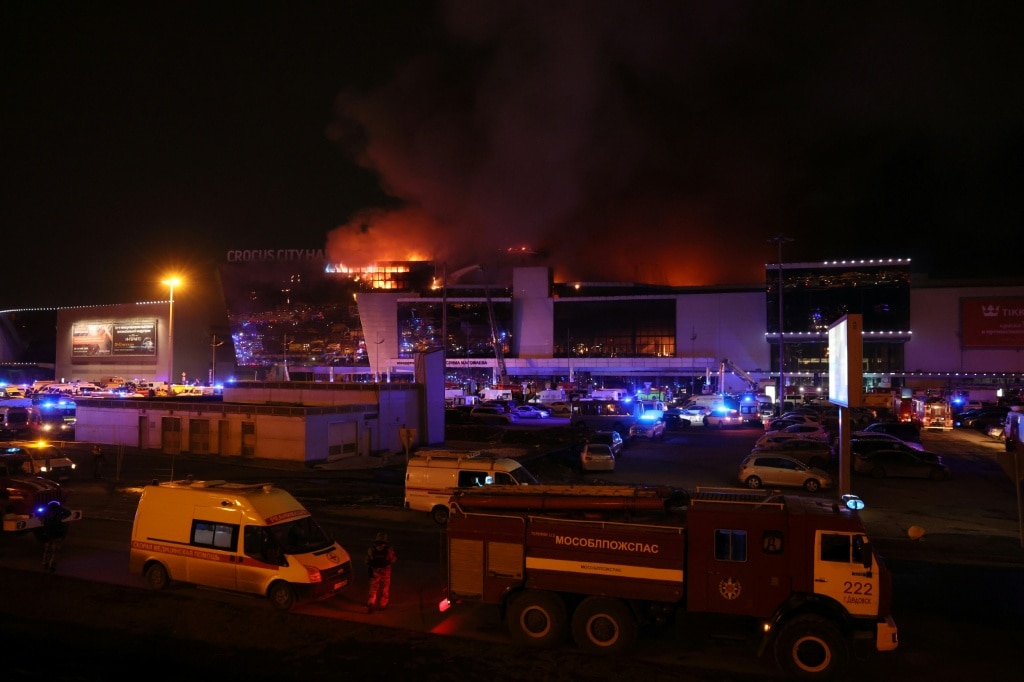
    In a landmark judicial ruling, Russia’s military court has sentenced 15 individuals to life imprisonment for their roles in the devastating 2024 Crocus City Hall attack that claimed 149 lives. The convicted include four Tajik nationals—Shamsidin Fariduni, Dalerdzhon Mirzoyev, Makhammadsobir Fayzov, and Saidakrami Rachabolizoda—who directly perpetrated the mass shooting and arson at the Moscow venue. Eleven accomplices with terrorist affiliations received identical sentences, while four additional defendants received prison terms ranging from 19 to 22 years.

    The March 22 assault, claimed by Islamic State (IS), represents Russia’s deadliest terrorist incident since the 2004 Beslan school siege. Attackers opened fire on concertgoers awaiting a performance by Soviet-era band Picnic before igniting the building, resulting in over 600 injuries and numerous fatalities including six children.

    Despite initial Kremlin insinuations of Ukrainian involvement, no evidence substantiating these claims was presented. Russia’s Investigative Committee subsequently asserted the attack was ‘reliably established’ to have been orchestrated to benefit Kyiv, while also linking defendants to planned operations in Dagestan.

    The sentencing revealed complex societal undercurrents, with two defendants reportedly requesting frontline deployment in Ukraine rather than lifetime incarceration—reflecting Russia’s policy of recruiting prisoners for military service. The verdict has intensified Russia’s anti-migrant stance, straining relations with Central Asian nations whose citizens comprise a significant portion of Russia’s workforce. Post-attack crackdowns have already reduced migrant flows, compounding labor shortages exacerbated by Moscow’s ongoing military campaign in Ukraine.

  • North Korea vow no more protests in Women’s Asian Cup

    North Korea vow no more protests in Women’s Asian Cup

    In a significant shift from their previous conduct, the North Korean women’s football team has formally committed to maintaining sideline decorum during their upcoming AFC Women’s Asian Cup quarter-final match against host nation Australia. This pledge comes directly from coach Ri Song Ho, who addressed journalists in Perth on Thursday through an interpreter.

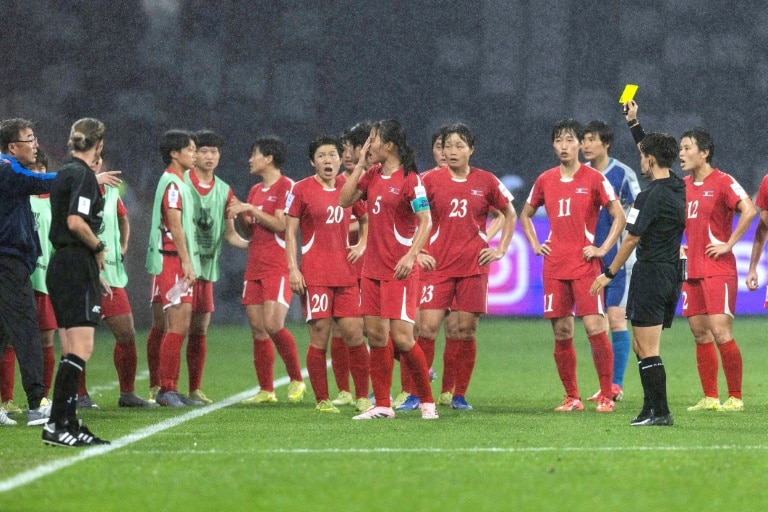
    The commitment follows a controversial incident during Monday’s group stage encounter against China, where North Korean players staged a four-minute on-field protest. The dispute erupted when Chinese forward Wang Shuang, formerly of Tottenham Hotspur, scored during first-half stoppage time. The North Korean squad vehemently demanded video review assistance, resulting in coach Ri receiving a yellow card for his involvement in the confrontation amid audible disapproval from spectators.

    Friday’s match at Perth Rectangular Stadium presents multiple high-stakes opportunities for both teams. Beyond securing a semi-final position, the outcome carries implications for qualification to the 2027 FIFA Women’s World Cup in Brazil, with the tournament’s top six finishers earning automatic berths.

    North Korea enters the contest with a rejuvenated squad, having successfully defended their Under-17 World Cup title in Morocco last year before capturing the Under-20 World Championship in Colombia this year. Talented striker Choe Il Son, who contributed to both youth tournament victories before advancing to the senior national team, expressed confidence in her squad’s preparedness.

    “We recognize Australia’s formidable quality,” Choe stated. “We will demonstrate mutual support and perform at our maximum capacity. Our team possesses considerable talent, and we have undertaken meticulous preparations. We anticipate showcasing our capabilities on the pitch.”

    The match will feature Australia’s veteran striker Sam Kerr as the sole remaining participant from the teams’ memorable 2010 final encounter, which concluded 1-1 before Australia prevailed on penalties.

  • Djokovic ousted by Draper at Indian Wells as Alcaraz marches on

    Djokovic ousted by Draper at Indian Wells as Alcaraz marches on

    In a stunning upset at the BNP Paribas Open, British tennis sensation Jack Draper eliminated 24-time Grand Slam champion Novak Djokovic in a gripping three-set battle that lasted two hours and 21 minutes. The defending champion secured his quarter-final berth with a hard-fought 4-6, 6-4, 7-6(5) victory, marking Djokovic’s earliest exit from the Indian Wells tournament since 2018.

    The match reached its climax in a decisive third-set tiebreaker where Draper demonstrated remarkable resilience against the Serbian legend. Despite Djokovic establishing a 4-3 lead in the tiebreak, the 22-year-old British player mounted a spectacular comeback, winning four of the final five points to seal the monumental victory.

    Meanwhile, world number one Carlos Alcaraz continued his impeccable form with a commanding 6-1, 7-6(2) win against Norway’s Casper Ruud. The Spanish phenomenon has maintained an unblemished 15-0 record for the 2026 season, having already captured the Australian Open and Qatar Open titles earlier this year. Alcaraz’s performance showcased his characteristic explosive shot-making and court coverage, particularly dominant during the first set which he described as ‘unplayable.’

    In other tournament developments, fourth seed Daniil Medvedev advanced comfortably with a 6-2, 6-4 victory over American Alex Michelsen, while 2021 champion Cameron Norrie defeated Australian qualifier Rinki Hijikata 6-4, 6-2. Norrie’s victory sets up an intriguing quarter-final clash against Alcaraz, recalling their encounter at last year’s Paris Masters where the British player emerged victorious.

    Draper, who has recently returned from a six-month absence due to an arm injury, expressed immense pride in his achievement against the player he considers ‘the greatest tennis player there is.’ He now prepares to face Medvedev in Thursday’s quarter-finals, seeking to continue his remarkable comeback story at the prestigious Masters 1000 event.

  • China to approve ‘ethnic unity’ law condemned by rights groups

    China to approve ‘ethnic unity’ law condemned by rights groups

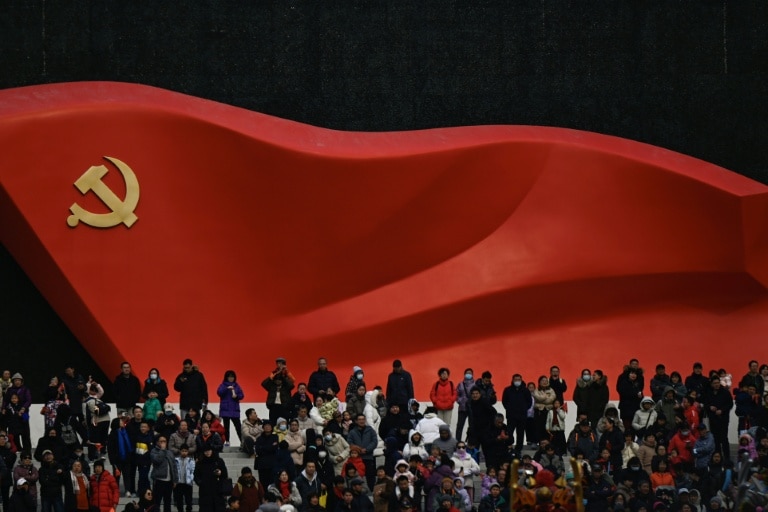
    China’s National People’s Congress is poised to enact controversial ethnic unity legislation that has drawn significant criticism from human rights organizations worldwide. The new law formally establishes Mandarin Chinese as the mandatory ‘national common language’ across educational institutions, government operations, and public spaces throughout the country.

    The legislation represents a substantial shift from previous policies that recognized linguistic diversity among China’s 55 officially recognized ethnic minorities. According to government statements, the law aims to strengthen social cohesion during a period of unprecedented social transformation. It specifically criminalizes what it terms ‘violent terrorist activities, ethnic separatist activities, or religious extremist activities.’

    Human rights experts have expressed grave concerns about the potential impact on minority communities including Uyghurs, Mongolians, and Tibetans. Yalkun Uluyol, a China researcher at Human Rights Watch, characterized the legislation as a ‘significant departure’ from Deng Xiaoping-era policies that protected minority language rights.

    The law mandates educational institutions to utilize Mandarin as the primary instructional language and requires teenagers to achieve ‘a basic grasp’ of Mandarin upon completing compulsory education. Erika Nguyen from PEN America noted that ‘the law targets spaces where children are most likely to encounter their mother tongue, with the intent being to sever children’s ties with their identity, history, and culture.’

    A recent collaborative report by PEN America and the Southern Mongolian Human Rights Information Center revealed that over 80% of Mongolian language websites in China have been censored or banned. The legislation also extends beyond China’s borders, applying legal liability to overseas individuals who ‘engage in activities that undermine ethnic unity’ or incite ‘ethnic separatism.’

    Economic implications are also significant, as Mandarin fluency becomes a prerequisite for professional advancement, potentially marginalizing non-Mandarin speakers in the job market. The legislation continues China’s decades-long policy approach toward cultural assimilation of minority groups into the Han majority.

  • Checkpoints, air strikes and hope: a Tehran resident tells her story

    Checkpoints, air strikes and hope: a Tehran resident tells her story

    Amidst the reverberations of conflict, a Tehran resident in her thirties provides a harrowing firsthand account of daily existence in Iran’s capital. Speaking under condition of anonymity for security reasons, she describes a city caught between fragile hope and pervasive fear.

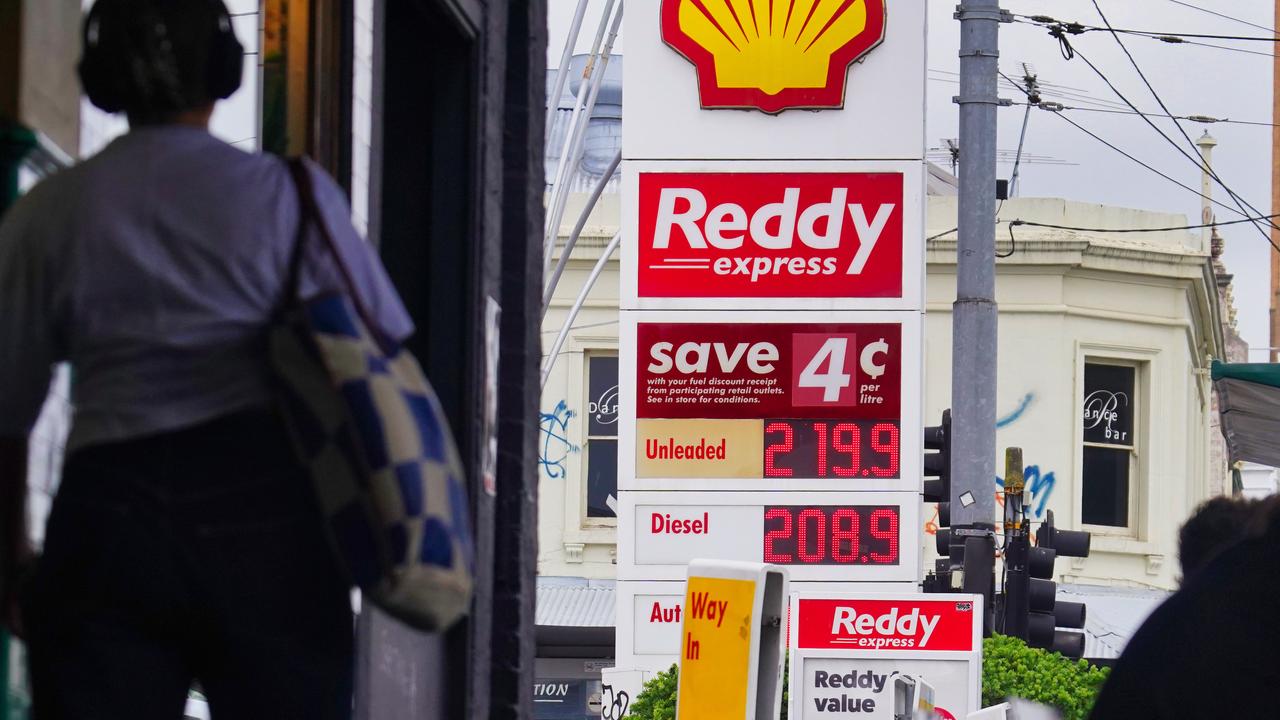
    The economic landscape has deteriorated severely, with many professionals like herself facing complete work stoppages and surviving on dwindling savings. While initial waves of evacuation occurred among those living near strategic targets, migration has slowed due to financial constraints and ambiguous security assurances. Basic commerce continues surprisingly, though rationing has intensified with gasoline limits reduced from 30 to as low as 5 liters per person at some stations.

    Security infrastructure has collapsed dramatically, with even minor police stations shuttered and military bases extensively damaged. The regime’s presence now manifests primarily through proliferating checkpoints where authorities reportedly search phones for derogatory content about leadership. Nightly pro-regime motorcades of approximately 50 vehicles circulate through streets chanting religious slogans, creating a surreal contrast to the widespread destruction.

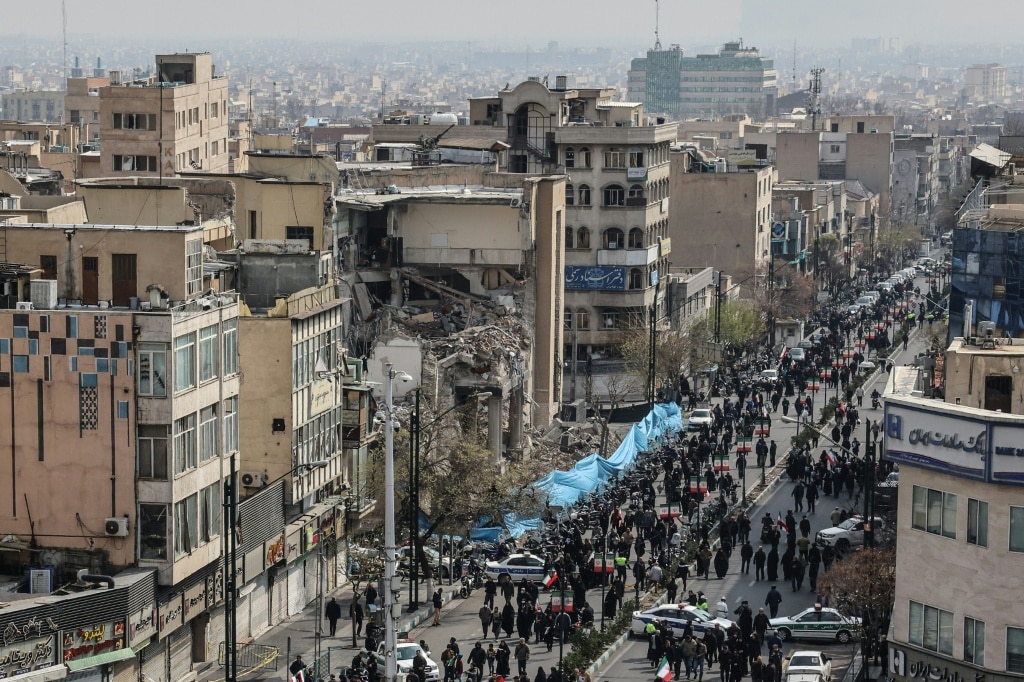
    The physical impact of aerial assaults emerges through visceral accounts: a friend’s mother residing opposite Gisha’s Public Security Police station had windows completely blown out, while the Niloufar Square police station bombardment was so catastrophic it physically expanded the square’s dimensions. A local shopkeeper salvaged merely few boxes from obliterated premises.

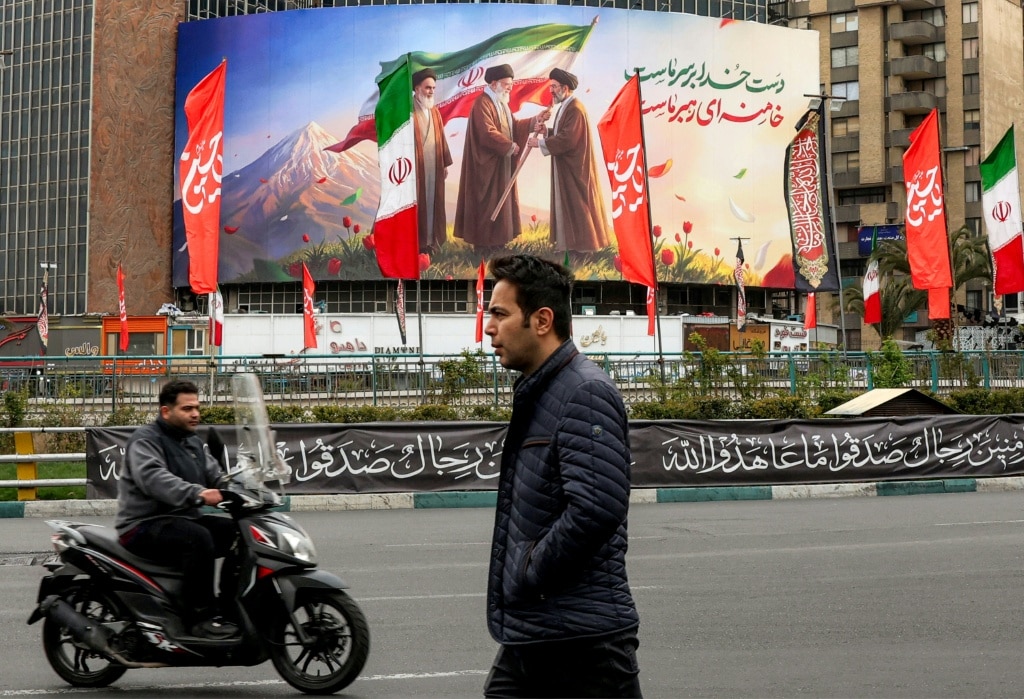
    Emotionally, residents oscillate between desperation and determination. The night rumors spread of Khamenei’s death, rooftop celebrations erupted until security forces responded with random aerial and window-directed gunfire. Many citizens now believe foreign intervention represents the only viable path to regime change, rejecting ceasefire appeals in favor of persistent conflict.

    Sleep patterns vary dramatically across Tehran’s vast expanse. While some areas experience relative quiet, residents near strategic targets like Mehrabad airport spend nights huddled in bathrooms fearing structural collapse, with many resorting to sedatives to manage trauma-induced insomnia.

  • ASX plunges as traders price in interest rate hikes amid surging oil costs

    ASX plunges as traders price in interest rate hikes amid surging oil costs

    Australia’s financial markets experienced significant turbulence on Thursday as escalating oil prices and mounting expectations of interest rate increases triggered a massive selloff. The benchmark ASX 200 index plummeted 114.50 points, representing a 1.31% decline to close at 8629 points, while the broader All Ordinaries index dropped 125.40 points (1.40%) to settle at 8851.40. This dramatic downturn erased approximately $40 billion from the local market valuation.

    The market’s negative sentiment was predominantly driven by Brent crude oil prices surpassing $100 per barrel during Asian trading hours. The energy sector emerged as the sole beneficiary of this development, with Woodside Energy gaining 2.07% to $31.05, Santos advancing 1.49% to $7.49, and Ampol climbing 2.89% to $30.27.

    Conversely, major mining corporations faced substantial pressure, with BHP declining 1.89% to $50.90, Rio Tinto falling 1.42% to $153.09, and Fortescue dropping 1.50% to $19.68. The banking sector similarly suffered losses, with Commonwealth Bank decreasing 0.62% to $171.60, National Australia Bank sliding 1.96% to $46.40, Westpac retreating 1.19% to $40.54, and ANZ slumping 2.53% to $37.02.

    Market analysts attribute this volatility to growing concerns that rising energy costs will exacerbate inflationary pressures, potentially forcing the Reserve Bank of Australia to implement multiple interest rate increases. IG market analyst Tony Sycamore noted that markets are now pricing in 68 basis points of rate hikes by year-end, citing heightened consumer inflation expectations and hawkish commentary from RBA officials.

    Money markets currently indicate a 76% probability of an interest rate hike following next Tuesday’s RBA meeting. The Australian dollar strengthened marginally against the US dollar, trading at 71.33 US cents amid expectations of domestic monetary tightening.

    In corporate developments, Collins Foods surged 5.2% to $9.92 after announcing expansion into the German market through the acquisition of eight new restaurants in Bavaria. Conversely, IperionX shares collapsed 14.29% to $6.12 following the release of half-year results showing net losses doubling to US$34.8 million (A$49 million).

  • Iran targets fuel facilities, sending oil soaring again

    Iran targets fuel facilities, sending oil soaring again

    The Middle East conflict escalated dramatically on Thursday as Iran launched a new wave of drone and missile attacks against energy infrastructure throughout the Gulf region, triggering a sharp surge in global oil prices despite unprecedented strategic reserve releases.

    The offensive targeted critical energy facilities across multiple nations, with Bahrain issuing public safety alerts following attacks on fuel storage tanks, while Saudi Arabia reported successfully intercepting drones headed toward both the Shaybah oil field and diplomatic districts. Simultaneously, operations at Oman’s Salalah port were suspended after drone strikes damaged fuel infrastructure.

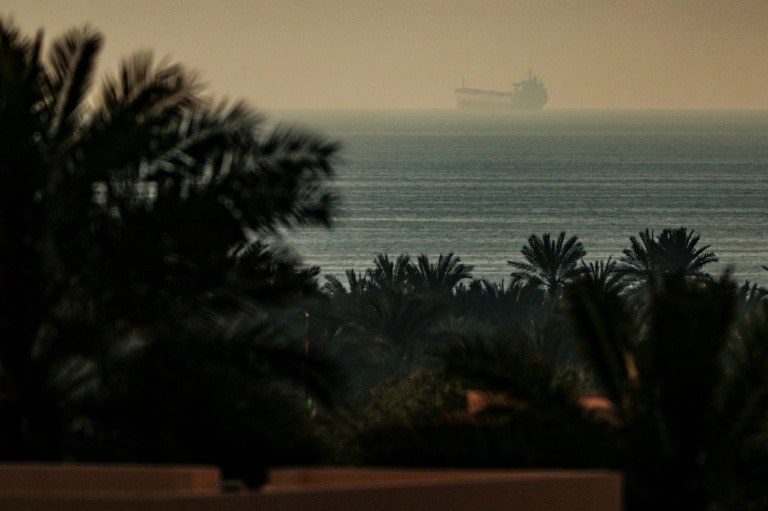
    Maritime security faced severe challenges as shipping routes through the strategically vital Strait of Hormuz came under sustained attack. A container vessel near the United Arab Emirates was struck by an unidentified projectile, causing a minor fire, while two oil tankers near Iraq suffered sabotage attacks resulting in at least one crew member fatality and numerous rescues underway.

    The economic ramifications intensified as oil prices breached $100 per barrel, overwhelming the International Energy Agency’s authorization of a record 400 million barrel strategic reserve release. Market analysts now suggest $90-100 per barrel may represent a new pricing baseline amid fears of prolonged regional instability.

    Iran’s Revolutionary Guards issued stark warnings through state media, threatening strikes against “economic centres and banks” linked to U.S. and Israeli interests, while advisor Ali Fadavi cautioned that continued conflict could “destroy the entire American economy and the world economy” through protracted attrition warfare.

    The humanitarian toll mounted significantly, with Lebanese authorities reporting over 630 fatalities from Israeli strikes targeting Hezbollah positions. The conflict has displaced approximately 800,000 people in Lebanon alone, with many forced to shelter in inadequate conditions along Beirut’s seafront following fresh strikes that killed at least seven civilians.

    Despite U.S. President Donald Trump’s assertion that Iran faced “imminent defeat,” the conflict shows no signs of abatement, with the Pentagon estimating operational costs exceeding $11.3 billion while regional instability continues to intensify.

  • Three crew ‘believed trapped’ aboard Thai ship attacked in Gulf: firm

    Three crew ‘believed trapped’ aboard Thai ship attacked in Gulf: firm

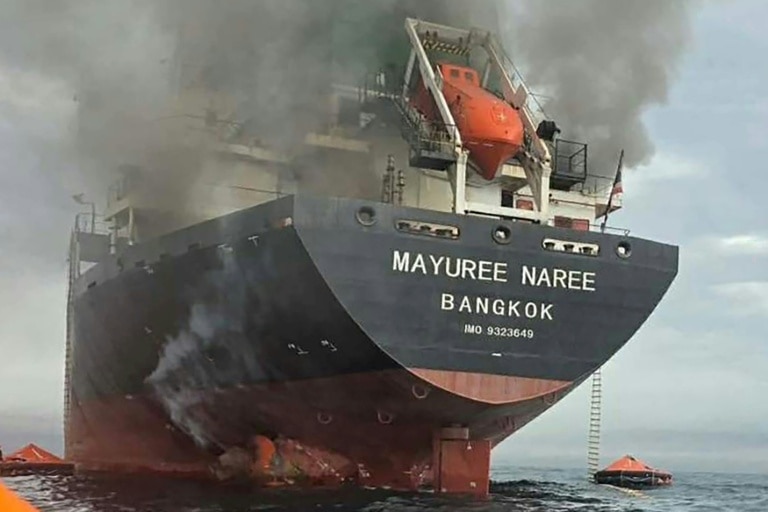
    Three Thai sailors remain trapped and unaccounted for after Iran’s Revolutionary Guards launched a projectile attack on their commercial vessel transiting through the strategically vital Strait of Hormuz. The incident occurred Wednesday when the Thai-registered bulk carrier Mayuree Naree sustained two direct hits while navigating the Gulf waterway after departing Khalifa port in the United Arab Emirates.

    According to Precious Shipping, the vessel’s operating company, the projectiles penetrated the ship’s engine room, triggering a significant fire and rendering critical systems inoperable. While 20 crew members were successfully evacuated by Omani naval forces following the attack, three engineers remain missing and are presumed trapped in the damaged compartment.

    Managing Director Khalid Hashim confirmed Thursday that rescue teams had been unable to board the disabled vessel despite the fire being extinguished. ‘We still have not been able to get anyone to board our ship,’ Hashim stated in an email to AFP. ‘We are trying different avenues to get onboard.’

    The Iranian military acknowledged striking both the Mayuree Naree and a separate Liberia-flagged vessel, claiming the ships had ignored prior warnings. Thailand’s Foreign Ministry has formally protested what it termed ‘violence against commercial ships’ and confirmed all 23 crew members were Thai nationals.

    This attack marks the latest escalation in regional tensions following U.S. and Israeli strikes against Iran in late February. The strategic Strait of Hormuz, through which approximately 20% of global oil supplies transit, has become increasingly volatile, threatening international shipping lanes and creating instability in global energy markets.

  • Report reveals staggering cost of algal bloom crisis

    Report reveals staggering cost of algal bloom crisis

    A groundbreaking economic analysis has quantified the devastating financial impact of South Australia’s ongoing algal bloom catastrophe, revealing a staggering $250 million economic loss over the past year. Commissioned by the Conservation Council of South Australia and conducted by Springmount Advisory, the comprehensive assessment details how this environmental disaster has crippled key industries and devastated marine ecosystems since first emerging in March 2025.

    The marine crisis has particularly devastated the state’s fishing sector, with estimated losses reaching $100 million due to catastrophic reductions in monthly catches. Fisheries data reveals that in some periods, monthly harvests of whiting, garfish, calamari, crab, and king prawn plummeted by over 80% in critical fishing grounds including Gulf St Vincent and Kangaroo Island waters.

    Simultaneously, the tourism industry has absorbed a massive $46.8 million financial hit, with approximately 30 coastal communities experiencing average losses of $52,000 per tourism business. The algal bloom’s visible presence and associated health risks have dramatically reduced visitor numbers to popular coastal destinations along the Fleurieu Peninsula and surrounding regions.

    Beyond economic consequences, the ecological damage has been severe, with massive marine wildlife fatalities and recurring health advisories warning swimmers against water contact due to toxin risks. Adelaide Scuba’s marine operations manager Rob Blackburn reported significant business challenges, noting: ‘The algal bloom has impacted the dive industry heavily. We’ve invested enormous effort to reassure clients about safety and enjoyment despite compromised conditions.’

    Conservation Council South Australia CEO Kirsty Bevan has called for accountability, urging the state’s fossil fuel industry to contribute to crisis mitigation efforts. ‘Given the scale of the gas industry’s emissions, it should be footing the bill for climate damage like this algal bloom,’ Bevan stated, highlighting the connection between warming waters and increased frequency of such environmental emergencies.

    The report underscores the broader climate change implications, with scientists warning that warming ocean temperatures create ideal conditions for more frequent and severe algal bloom events, suggesting this economic and environmental crisis may represent a new normal for coastal communities.

  • Fear, boredom for Philippine sailors stuck in Hormuz strait

    Fear, boredom for Philippine sailors stuck in Hormuz strait

    Thousands of Filipino maritime workers remain trapped in a dangerous holding pattern within the Strait of Hormuz as escalating Middle Eastern hostilities transform this critical shipping artery into a high-risk zone. The Philippine government confirms over 6,000 of its nationals—representing approximately a quarter of the world’s seafaring workforce—continue operating within conflict-affected territories and adjacent waters.

    The strategic waterway, typically responsible for transporting 20% of global oil and gas supplies, has effectively shut down following recent Iranian missile strikes. This closure has triggered significant disruptions within international energy markets while stranding numerous vessels and their crews.

    Among those affected is George Miranda, a 46-year-old Filipino tugboat operator currently listed as missing after his vessel sustained missile damage. His case highlights the extreme dangers facing maritime personnel in the region.

    For sailors like John Winston Isidro aboard a Very Large Crude Carrier, daily existence has become characterized by heightened security protocols and psychological strain. Crew members have suspended above-deck operations while implementing doubled bridge watches. Off-duty hours are filled with digital distractions—social media browsing, video gaming, and film viewing—as engines remain perpetually primed for emergency departure.

    Welbin Maghanoy, another seafarer transporting crude oil to Japan, reported nine consecutive days of immobilization approximately 100 nautical miles off the United Arab Emirates coast. ‘The combination of boredom and fear creates tremendous pressure,’ he observed, noting that tankers specifically appear targeted in recent attacks.

    The United Filipino Seafarers union, representing 50,000 maritime professionals, reports receiving hundreds of distress calls from stranded members. Union president Judy Domingo confirms urgent concerns regarding provisions and evacuation logistics, emphasizing that immediate extraction remains complicated by security considerations and limited safe port options.

    In one documented case, crewmembers aboard a Philippine-flagged vessel conducted an informal referendum regarding whether to attempt traversing the near-deserted strait. Twenty-seven sailors unanimously elected to remain stationary despite contractual obligations, with one seafarer identified as ‘Choi’ stating: ‘We chose to go home alive.’

    Isidro expressed gratitude that his captain unilaterally decided to maintain their position rather than risk the dangerous passage. The collective sentiment among stranded mariners now centers on hopeful prayers for rapid de-escalation between US and Iranian forces to enable safe departure from the conflict zone.