标签: Oceania

大洋洲

  • From Hollywood to horticulture: Cate Blanchett on a mission to save seeds

    From Hollywood to horticulture: Cate Blanchett on a mission to save seeds

    Academy Award-winning actress Cate Blanchett has taken a surprising detour from her Hollywood career to immerse herself in the world of botanical conservation. Partnering with Kew’s Millennium Seed Bank (MSB) at Wakehurst Botanic Garden in Sussex, Blanchett has become an ambassador for the project, which is celebrating its 25th anniversary. The MSB, home to over 2.5 billion seeds from 40,000 wild plant species worldwide, serves as a critical safeguard against biodiversity loss. Blanchett, who lives locally, expressed her awe at the seed bank’s mission, describing it as ‘inspiring’ and ‘uplifting.’

    The seed bank, initially conceived as a ‘doomsday vault’ to protect plant species from extinction, has evolved into a hub for ecological restoration. Seeds are meticulously processed, dried, and stored at -20°C, ready to be reintroduced into threatened habitats. Dr. Elinor Breman of the MSB emphasized the importance of returning seeds to their natural environments, citing ongoing projects like the restoration of rare chalk grasslands on the South Downs in Sussex.

    Blanchett, who hails from Australia, highlighted the significance of the MSB’s work in the wake of devastating wildfires that swept across her homeland in 2019. With nearly 9,000 Australian plant species stored at the MSB, she finds solace in knowing that these seeds serve as an ‘insurance policy’ against future ecological disasters. The actress has also embraced hands-on involvement, joking about her efforts to ‘turn her brown thumbs green’ and improve her seed management skills.

    In a special episode of Kew’s podcast, ‘Unearthed: The Need for Seeds,’ Blanchett joined The King (formerly the Prince of Wales) to discuss the urgency of plant conservation. The King voiced concerns about rainforest destruction and species extinction, underscoring the critical role of initiatives like the MSB. Blanchett, meanwhile, described the seed bank as the UK’s ‘best-kept secret’ and expressed optimism about its growing importance in the face of global environmental challenges.

    As the MSB looks to the future, its mission remains clear: to restore and protect the planet’s biodiversity. Blanchett’s involvement not only amplifies the project’s visibility but also serves as a reminder that positive change is possible. ‘You come here, you visit the seed bank, you walk through such a biodiverse landscape, and you leave uplifted,’ she said. ‘You know change is possible, and it’s happening.’

  • Watch: Brits row from Peru to Australia in tiny boat

    Watch: Brits row from Peru to Australia in tiny boat

    In an extraordinary feat of endurance and determination, British adventurers Jess Rowe and Miriam Payne have successfully completed a six-month, unsupported rowing journey from Peru to Australia. The duo shared their remarkable story with the BBC, detailing how they navigated the vast Pacific Ocean in a small boat, relying solely on their resourcefulness and resilience. Throughout the arduous expedition, they sustained themselves by catching fish and cultivating their own vegetables, showcasing their ability to adapt to the challenges of life at sea. This incredible journey not only highlights their physical and mental fortitude but also serves as an inspiring testament to human perseverance and the spirit of adventure.

  • Cummins will play ‘major part’ in Ashes

    Cummins will play ‘major part’ in Ashes

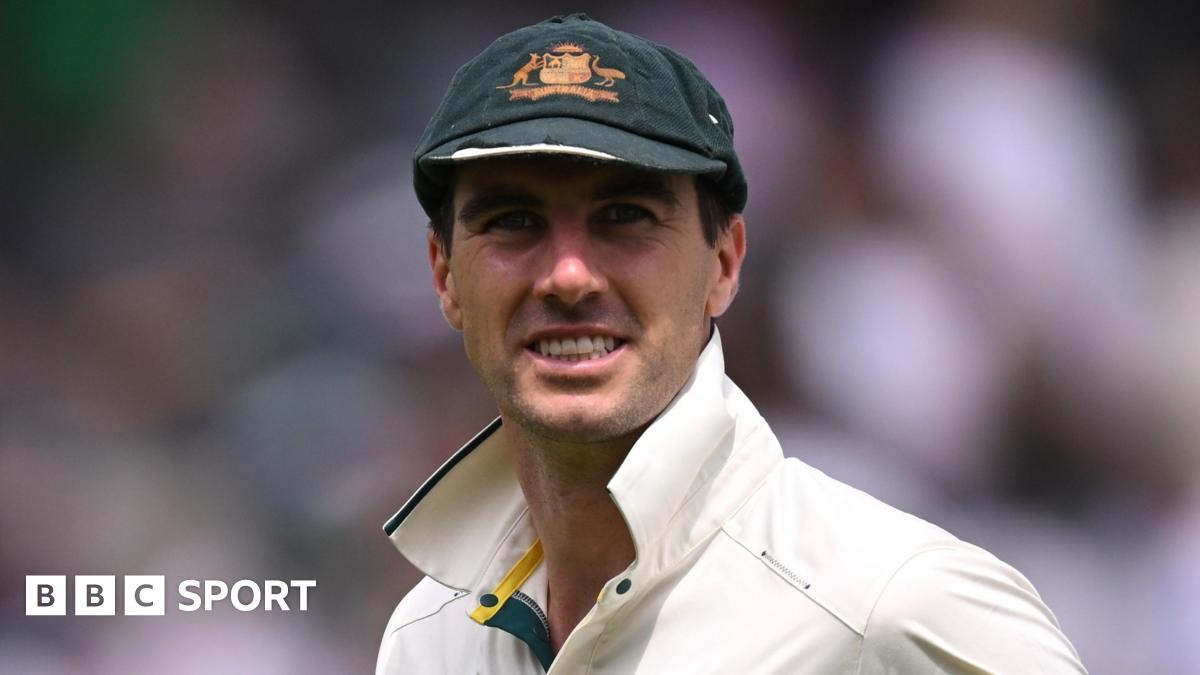
    Australian cricket captain Pat Cummins is expected to play a significant role in the upcoming Ashes series against England, according to George Bailey, the chair of selectors. Despite concerns over a lingering back stress injury, Bailey expressed optimism about Cummins’ participation in the five-Test series, which begins on November 21 in Perth. Cummins, who has a storied history of back issues, was sidelined from recent limited-overs matches against New Zealand and India after scans revealed a lumbar bone stress. However, Bailey emphasized that Cummins is ‘building up’ and remains a key figure in Australia’s plans. ‘We are really confident that he’s going to play a major part,’ Bailey stated, adding that Cummins’ recovery is progressing positively. Should Cummins not be fit for the first Test, former captain Steve Smith is poised to lead the team. Meanwhile, all-rounder Cameron Green, who was withdrawn from the ODI series against India due to side soreness, is expected to be ready for the Ashes after participating in the Sheffield Shield. Bailey described Green’s injury as ‘minor’ and expressed confidence in his readiness. The Ashes series, a historic rivalry between Australia and England, promises high stakes and intense competition, with Cummins’ fitness being a critical factor for Australia’s success.

  • Family of missing British girl give ultimatum to key person of interest

    Family of missing British girl give ultimatum to key person of interest

    The family of Cheryl Grimmer, a British girl who vanished from a New South Wales beach in 1970, is intensifying its quest for justice. Cheryl was just three years old when she disappeared from Fairy Meadow beach in Wollongong. The case, which has haunted the family for over five decades, took a dramatic turn in 2017 when a man in his 60s was charged with her abduction and murder. However, the trial collapsed in 2019 after a confession made when the suspect was a teenager was deemed inadmissible in court. The suspect, known only as Mercury, denies any involvement in the crime.

  • Police call off search for four-year-old missing in Australian outback

    Police call off search for four-year-old missing in Australian outback

    South Australian police have officially suspended the search for four-year-old Gus Lamont, who vanished from his family’s remote sheep station nearly three weeks ago. Despite a renewed effort involving 80 Australian Defense Force personnel, no trace of the boy has been found. Gus was last seen playing outside his home near Yunta, approximately 300 kilometers from Adelaide, on September 27. His grandmother had left him unattended for about 30 minutes before discovering his absence, triggering one of the largest search operations in the region’s history. Authorities, who do not suspect foul play, have transitioned the case into a ‘recovery operation.’ The search covered an expansive area of 470 square kilometers—twice the size of Edinburgh—but the rugged, harsh terrain and unpredictable weather conditions have significantly hindered efforts. A 12-person taskforce has been established to continue the investigation, with future searches not ruled out. Gus, described as adventurous yet shy, was last seen wearing a gray hat, light gray pants, boots, and a blue long-sleeve T-shirt featuring a yellow Minion character. His disappearance has captivated national attention, with widespread media coverage and online speculation. Police have urged the public to refrain from sharing unverified information, particularly after fake AI-generated images of Gus circulated on social media. The Lamont family remains ‘devastated,’ expressing their profound grief and longing for Gus. Commissioner Grant Stevens acknowledged the family’s resilience, describing the situation as ‘traumatic’ and emphasizing the emotional toll of not knowing Gus’s whereabouts.

  • Labuschagne hits another ton to push for Ashes recall

    Labuschagne hits another ton to push for Ashes recall

    Marnus Labuschagne has reignited his cricketing career with a remarkable fourth century in just five innings, strengthening his case for a return to Australia’s Ashes squad. The 31-year-old batsman delivered a commanding 159 on the second day of Queensland’s Sheffield Shield match against South Australia. This performance follows his impressive scores of 130 and 105 in Australia’s domestic 50-over competition and a 160 in the previous round of red-ball matches. Labuschagne, who boasts 11 centuries in 58 Tests, was notably omitted from Australia’s three-Test series against the West Indies earlier this summer due to a slump in form. His last Test century dates back to the fourth Test of the 2023 Ashes, with an average of 24.74 over 30 subsequent innings. Despite his resurgence, Labuschagne’s return alone may not address all the batting concerns for Australia’s first Test against England in Perth on November 21. In his most recent Test, the World Test Championship final loss to South Africa, he scored 17 and 22 after being promoted to open. Currently batting at number three for Queensland, his traditional position, Australia still faces a dilemma in finding a reliable opener. Youngster Sam Konstas, who managed only 50 runs across six innings in the West Indies, has struggled in domestic cricket this season. Meanwhile, uncapped opener Jake Weatherald made a strong case with a 99-ball 94 in a low-scoring match against Western Australia. If Labuschagne were to open, it could allow Cameron Green to bat at number three, retaining all-rounder Beau Webster in the middle order, though Green has only one fifty in eight innings in that position. Webster is currently sidelined with an ankle injury, while Green is part of Australia’s squad for the upcoming three-match ODI series against India. The Ashes series between Australia and England is set to run from November 21, 2025, to January 7, 2026, with comprehensive coverage available on BBC Sounds, BBC Radio 5 Sports Extra, and the BBC Sport website and app.

  • Australia’s rainforests are releasing more carbon than they absorb, warn scientists

    Australia’s rainforests are releasing more carbon than they absorb, warn scientists

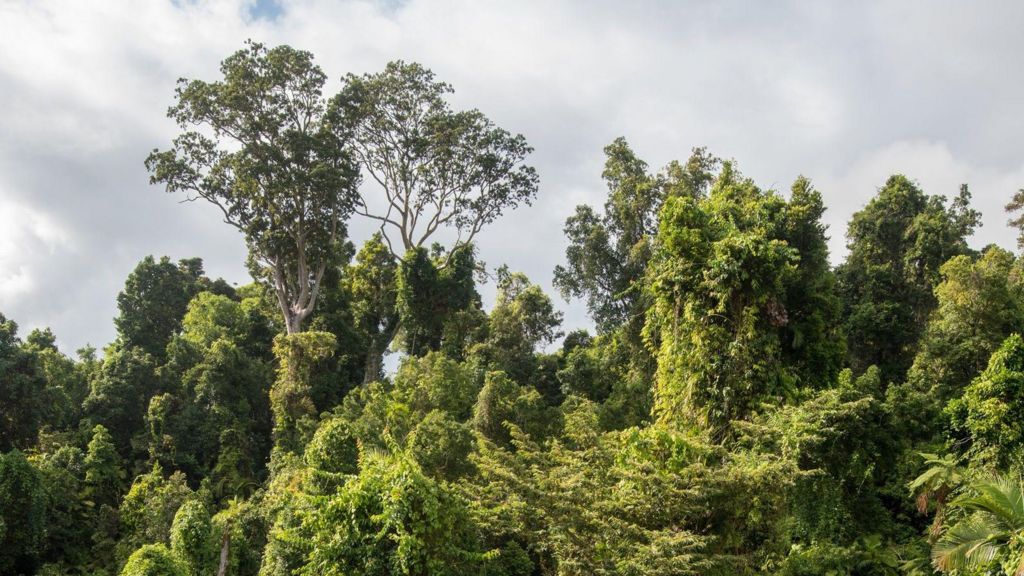
    In a groundbreaking study published in the journal Nature, Australia’s tropical rainforests have been identified as the first globally to transition from carbon sinks to carbon emitters, a shift attributed to the escalating impacts of climate change. Traditionally, rainforests function as carbon sinks, absorbing more carbon dioxide than they release, with new tree growth offsetting emissions from decaying vegetation. However, research analyzing data from Queensland’s forests reveals that extreme temperatures have accelerated tree mortality, disrupting this balance. Dr. Hannah Carle of Western Sydney University, the study’s lead author, emphasized that these findings challenge existing models that overestimate tropical forests’ capacity to mitigate fossil fuel emissions. The study, spanning 49 years of data from 20 Queensland forests, highlights that increased tree deaths have turned woody biomass—dead trunks and branches—into carbon sources rather than absorbers, a trend that began approximately 25 years ago. Dr. Carle warned that forests, which play a critical role in mitigating climate change by absorbing carbon dioxide, are now under threat. The research also links rising tree mortality to climate-driven factors such as extreme heat, atmospheric dryness, and prolonged droughts. Additionally, the study notes that more frequent and severe cyclones have further exacerbated tree loss and hindered new growth. Dr. Carle described Australia’s rainforests as a ‘canary in the coal mine,’ signaling a potential global trend. Senior author Patrick Meir echoed these concerns, suggesting that other tropical forests may follow suit, though further research is needed for a comprehensive assessment. Australia, one of the world’s highest per capita polluters, recently pledged to reduce emissions by 62% from 2005 levels by 2033. However, the nation continues to face criticism for its reliance on fossil fuels, exemplified by the government’s approval of a 40-year extension for Woodside’s North West Shelf gas project. A recent climate report also revealed that Australia has already surpassed 1.5°C of warming, with communities facing escalating climate risks. This study underscores the urgent need for global action to address the dual crises of deforestation and climate change.

  • Australian Olympic swim star Ariarne Titmus retires at 25

    Australian Olympic swim star Ariarne Titmus retires at 25

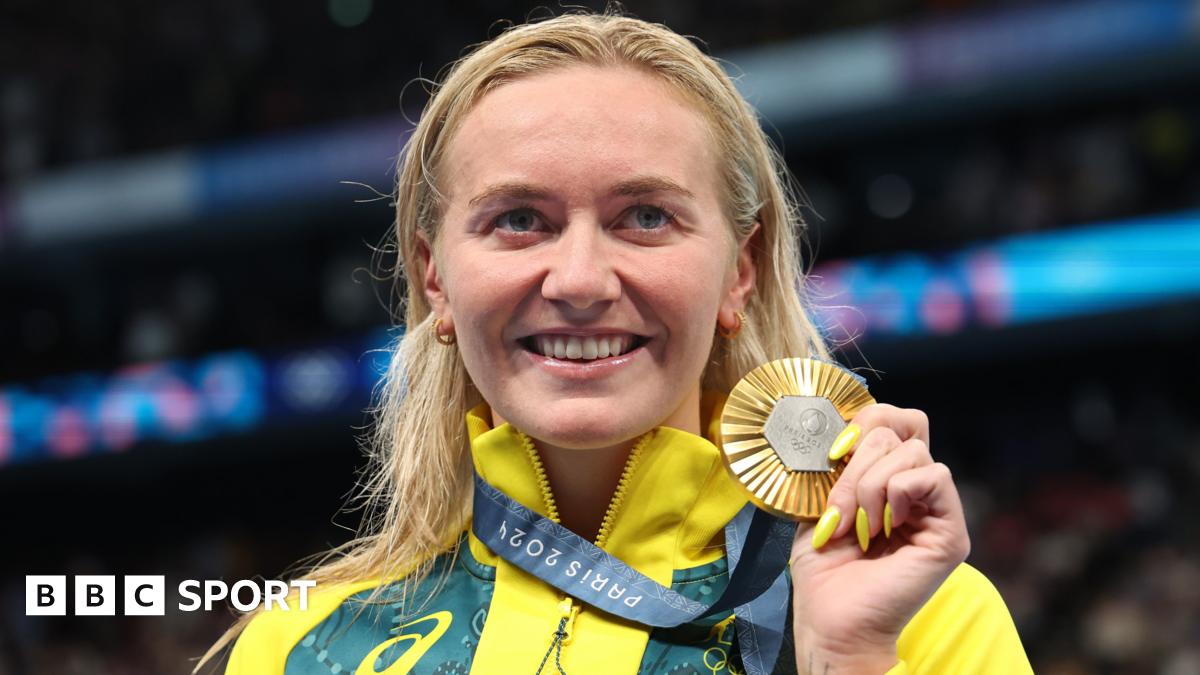
    Australian swimming sensation Ariarne Titmus has announced her retirement from competitive swimming at the age of 25, marking the end of an illustrious career that saw her clinch four Olympic gold medals and set world records. In a heartfelt Instagram post on Thursday, Titmus revealed that the decision to step away from the sport was a difficult but fulfilling one. ‘The time feels right to step away,’ she wrote, reflecting on her 18-year journey in swimming. ‘I’ve always loved swimming, it’s been my passion since I was a little girl.’ Titmus, who took a break after the 2024 Paris Olympics, shared that she had come to realize other aspects of life now held greater importance. The world record holder in the 200m freestyle, Titmus retires with an impressive tally of 32 international medals, including eight Olympic medals. Her career highlights include victories in the 400m freestyle at both the Tokyo 2021 and Paris 2024 Olympics, as well as gold in the 200m freestyle in Tokyo and a team gold in the 4x200m freestyle relay in Paris. Titmus also opened up about the health challenges she faced, including surgery to remove an ovarian tumor before the Paris Games, which she described as a mentally taxing experience. In a poignant letter to her seven-year-old self, Titmus expressed pride in her relentless pursuit of excellence, stating, ‘You walk away knowing every stone was turned, no regrets. You’re fulfilled, content, and happy.’ Tributes poured in from fellow swimmers, including American rival Katie Ledecky, who hailed Titmus as an ‘outstanding competitor, champion, and person,’ and Australian teammate Mollie O’Callaghan, who celebrated her ‘amazing career.’

  • Why do Australia play in Asia and not Oceania?

    Why do Australia play in Asia and not Oceania?

    In 2006, Australia made a pivotal decision to leave the Oceania Football Confederation (OFC) and join the Asian Football Confederation (AFC), aiming to streamline their path to World Cup qualification. Historically, the OFC’s top team faced a challenging two-leg playoff against a South American team for a World Cup spot, while Asia offered four automatic qualifying positions and a playoff opportunity. Australia had previously missed out on World Cup qualifications in 1986, 1994, 1998, and 2002 through inter-confederation playoffs. However, their move to the AFC proved successful, as they qualified for the 2006 World Cup by topping their Oceania group and defeating Uruguay in a penalty shootout. The decision was further justified by Australia’s dominant performances in Oceania, including a record-breaking 31-0 win over American Samoa and a 22-0 victory over Tonga in 2002. Both FIFA and the AFC unanimously approved Australia’s transition, allowing them to compete in the AFC Champions League and participate in the Asian Cup. Since the switch, Australia has qualified for every World Cup, including the 2026 tournament, which will feature 48 teams. FIFA’s expansion of the 2026 World Cup in the United States, Canada, and Mexico has allocated one automatic qualifying spot to Oceania and eight to Asia. Both Australia and New Zealand secured their places in the 2026 World Cup, marking the first time both nations will compete in the tournament since 2010. Former Australia coach Graham Arnold praised the decision to join the AFC, stating that it has significantly improved the nation’s football standards by exposing them to tougher competition. When asked about the possibility of returning to the OFC, Arnold humorously noted that New Zealand might not welcome such a move. This strategic shift has undeniably elevated Australia’s football profile on the global stage.

  • Sia’s ex demands $250,000 per month in spousal support

    Sia’s ex demands $250,000 per month in spousal support

    Australian pop sensation Sia Furler, renowned for chart-topping hits like ‘Chandelier’ and ‘Titanium,’ is embroiled in a high-profile divorce battle with her estranged husband, Daniel Bernard. Court documents reveal that Bernard, a former radiation oncologist, has requested over $250,000 per month in spousal support to sustain the ‘luxurious and upper-class lifestyle’ he enjoyed during their marriage. The couple, who tied the knot in December 2022 and share an 18-month-old son, cited ‘irreconcilable differences’ when Sia filed for divorce in March 2024. Bernard claims he became financially dependent on Sia after quitting his medical career to co-run a short-lived business venture. According to the filings, the couple’s monthly expenses exceeded $400,000, covering private jets, lavish holidays, fine dining, and a team of full-time staff. Bernard argues that the temporary support is ‘necessary’ as Sia was the primary earner during their union. Additionally, he seeks funds to cover legal fees and forensic accounting services. Sia’s representatives have yet to comment on the ongoing legal dispute.