标签: Oceania

大洋洲

  • Joshua returns to Britain after fatal crash in Nigeria

    Joshua returns to Britain after fatal crash in Nigeria

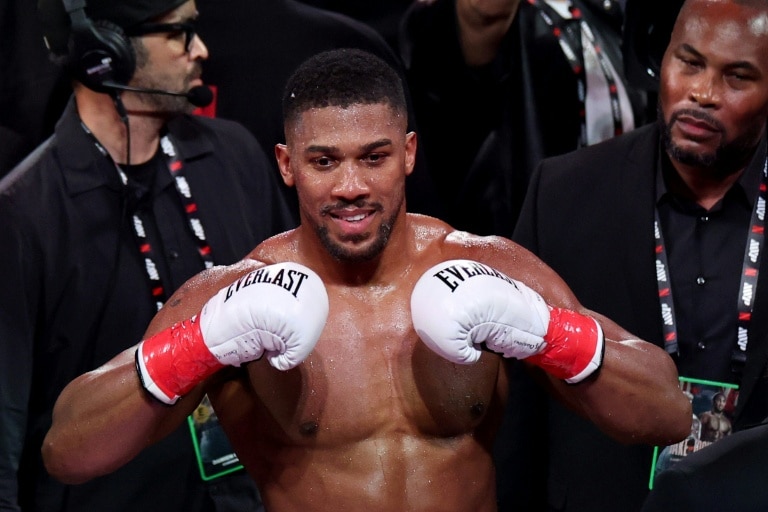
    Former unified world heavyweight champion Anthony Joshua has returned to the United Kingdom following a devastating vehicular incident in Nigeria that claimed the lives of two key members of his training team. The British boxing icon arrived at London’s Stansted Airport via private aircraft on Friday evening according to reports from The Sun newspaper.

    The tragic collision occurred on Monday along the heavily trafficked Lagos-Ibadan expressway in southwestern Nigeria. Official statements from Nigerian police authorities indicate that the Lexus SUV carrying Joshua and his associates collided with a stationary truck under circumstances still under investigation.

    Nigerian law enforcement has formally charged driver Adeniyi Mobolaji Kayode, 46, with dangerous driving resulting in fatalities. The accused is scheduled for court proceedings on January 20 to address the charges. While Kayode and Joshua sustained relatively minor injuries in the crash, strength and conditioning coach Sina Ghami and personal trainer Latif Ayodele tragically perished at the accident scene.

    Medical personnel treated Joshua at a local medical facility before his discharge on Wednesday. The boxing champion, who maintains strong familial connections to Nigeria, had been vacationing in the country following his decisive victory over Jake Paul in Miami on December 19. His return to Britain precedes memorial services planned for his deceased colleagues, both of whom had formed integral parts of his professional support network for years.

    The 36-year-old Olympic gold medalist (2012) now faces personal and professional challenges as he processes the loss of close companions while maintaining his elite athletic career trajectory.
  • Nicolas Maduro: From bus driver to iron-fisted leader

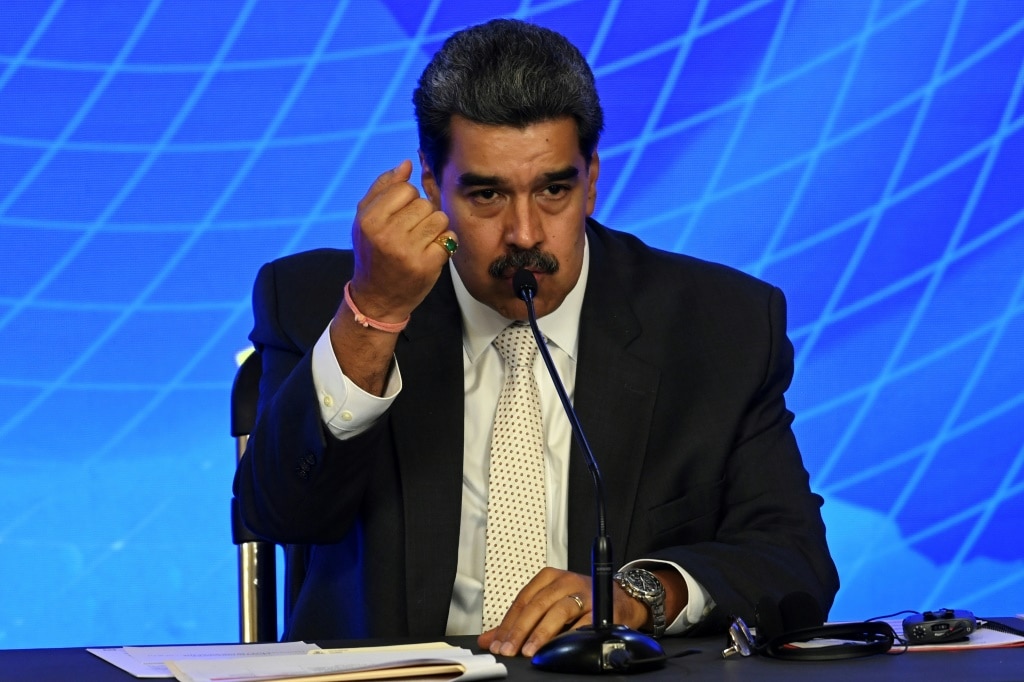
    Nicolas Maduro: From bus driver to iron-fisted leader

    Nicolas Maduro’s political trajectory represents one of Latin America’s most dramatic rises to power, beginning as a bus driver before ascending to Venezuela’s presidency where he established an authoritarian regime. His leadership, marked by economic collapse and human rights violations, culminated in a stunning capture by U.S. special forces in Caracas.

    Maduro cultivated a paradoxical public persona, presenting himself simultaneously as a man of the people through televised dance performances and baseball enthusiasm while ruling with increasingly authoritarian measures. This carefully constructed image included regular appearances as a cartoon superhero named ‘Super-Bigote’ (Super-Mustache), creating an unusual contrast to his repressive governance.

    The economic consequences of his administration proved catastrophic, with Venezuela experiencing four consecutive years of hyperinflation and an 80% GDP contraction over a decade. This economic freefall triggered a massive exodus of approximately seven million Venezuelans fleeing economic hardship and political repression.

    Maduro maintained power through strategic alliances with China, Cuba, and Russia while relying heavily on military and paramilitary support. His government faced international condemnation for systematic human rights abuses including arbitrary detentions, torture, censorship, and violent crackdowns on dissent. More than 2,400 arrests occurred during protests following his disputed 2024 election victory, resulting in 28 fatalities and 200 injuries.

    The political opposition faced consistent suppression throughout Maduro’s tenure. Despite international recognition of Juan Guaido as interim president in 2018 and later endorsement of opposition candidate Edmundo Gonzalez Urrutia in 2024, Maduro retained control through questionable electoral processes widely denounced as fraudulent.

    His wife, Cilia Flores, played a crucial role as his political partner and behind-the-scenes power broker. Referred to as ‘First Combatant’ and ‘Cilita,’ Flores accompanied Maduro during his capture and faces federal charges alongside him in New York.

    Maduro’s ideological foundation blended Marxism with Christianity, creating a unique political identity that included anti-American conspiracy theories inherited from his predecessor Hugo Chavez. Despite occasionally engaging in diplomatic negotiations that temporarily eased international sanctions, Maduro consistently reneged on democratic commitments, leading to renewed economic pressure.

    His capture by U.S. forces marks a potentially transformative moment for Venezuelan politics, ending an era characterized by economic devastation, political repression, and the mass emigration of citizens seeking refuge from his authoritarian rule.

  • ‘Like a television show’: Trump revels in Maduro capture

    ‘Like a television show’: Trump revels in Maduro capture

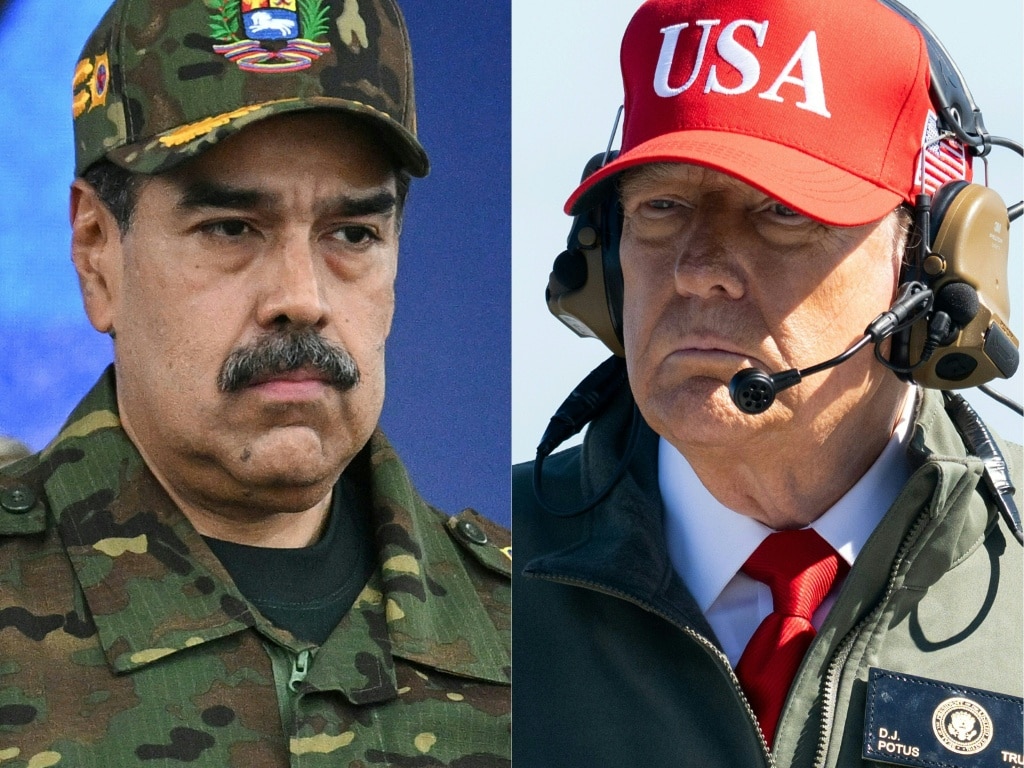
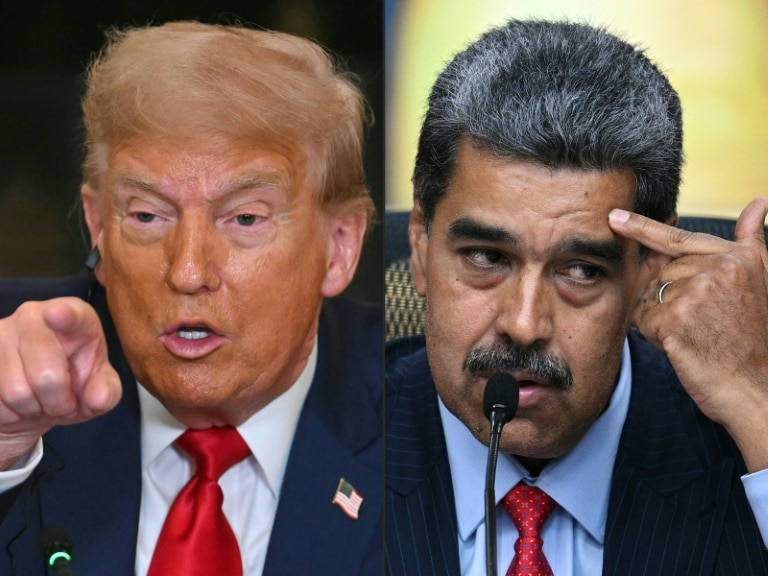
    In a stunning development that has sent shockwaves through international relations, former U.S. President Donald Trump has publicly celebrated the capture of Venezuelan leader Nicolás Maduro by American forces. Speaking from his Mar-a-Lago residence in Florida, Trump described watching the operation unfold in real-time, comparing the dramatic events to a high-stakes television spectacle.

    The Republican leader revealed intricate details of the mission, explaining how U.S. forces successfully extracted Maduro from what he characterized as a heavily fortified compound. ‘I’ve never witnessed anything comparable. The precision and intensity were extraordinary—literally reminiscent of a cinematic production,’ Trump remarked during a Fox News telephone interview. He emphasized that despite the operation’s violent nature, no American troops lost their lives, though several sustained injuries.

    According to Trump’s account, the Venezuelan president and his wife, Cilia Flores, have been transported to a U.S. naval vessel and will subsequently face trial in New York on serious charges including narco-terrorism conspiracy and cocaine importation allegations. Trump disclosed that he had personally communicated with Maduro approximately one week prior to the operation, explicitly demanding his surrender.

    The operation represents the culmination of a prolonged pressure campaign against the Venezuelan government, which included airstrikes preceding the ground assault. Trump indicated that weather conditions had delayed the mission for four days before ultimately proceeding on Saturday. He described Maduro’s compound as a ‘fortress’ equipped with reinforced steel security systems, though U.S. forces reportedly overwhelmed these defenses without requiring specialized equipment.

    Administration officials joined in the triumphant rhetoric, with Vice President JD Vance declaring on social media that ‘justice cannot be evaded through palace walls in Caracas.’ U.S. Attorney General Pam Bondi confirmed that both Maduro and Flores face multiple indictments in the Southern District of New York, with the charges against Flores previously undisclosed.

    This aggressive action against a foreign leader presents significant legal and diplomatic implications, particularly given Trump’s simultaneous portrayal of himself as a ‘peace president’ deserving of Nobel recognition. The administration has previously accused Maduro of leading the ‘Cartel of the Suns’ drug trafficking organization and offered a $50 million reward for information leading to his capture.

    The operation also serves as a warning to other nations, with Trump specifically mentioning Mexico regarding drug trafficking enforcement. Secretary of State Marco Rubio reinforced the administration’s position that Maduro lacks legitimate presidential authority following internationally criticized elections.

  • US bombs Venezuela and captures Maduro, according to Trump

    US bombs Venezuela and captures Maduro, according to Trump

    In a stunning escalation of geopolitical tensions, the United States has conducted a large-scale military operation against Venezuela, resulting in the capture of President Nicolás Maduro and his wife. The pre-dawn offensive targeted key military installations in Caracas, including Fort Tiuna—the nation’s largest military complex—and Carlota airbase, with additional strikes reported in the port city of La Guaira.

    Former President Donald Trump announced the operation’s success via Truth Social, declaring that Maduro had been ‘flown out of the country’ to face American justice. U.S. officials, including Attorney General Pamela Bondi, confirmed that the Venezuelan leader would stand trial on drug trafficking and terrorism charges in United States courts.

    The Venezuelan government condemned the action as ‘extremely serious military aggression,’ with Vice President Delcy Rodriguez demanding proof of life for Maduro and calling for an emergency UN Security Council session. Russia, a key Venezuelan ally, joined in condemning the operation and requested immediate clarification regarding Maduro’s status.

    International reactions varied significantly, with Iran and Cuba joining Venezuela in condemnation, while Spain offered mediation services. Colombia’s leftist president announced troop deployments to the Venezuelan border following the attacks.

    The operation represents the culmination of months of escalating tensions between the two nations, during which Trump deployed naval assets to the Caribbean and imposed severe economic sanctions. The U.S. administration has consistently accused Maduro of leading a narcoterrorist state and orchestrating fraudulent elections.

    Residents of Caracas reported hearing explosions and aircraft for nearly an hour, with many civilians taking shelter or preparing emergency supplies. No official casualty figures have been released following the strikes.

  • ‘It’s not life or death’: Alex de Minaur not panicking after shock loss as worrying sign exposed two weeks out from the Australian Open

    ‘It’s not life or death’: Alex de Minaur not panicking after shock loss as worrying sign exposed two weeks out from the Australian Open

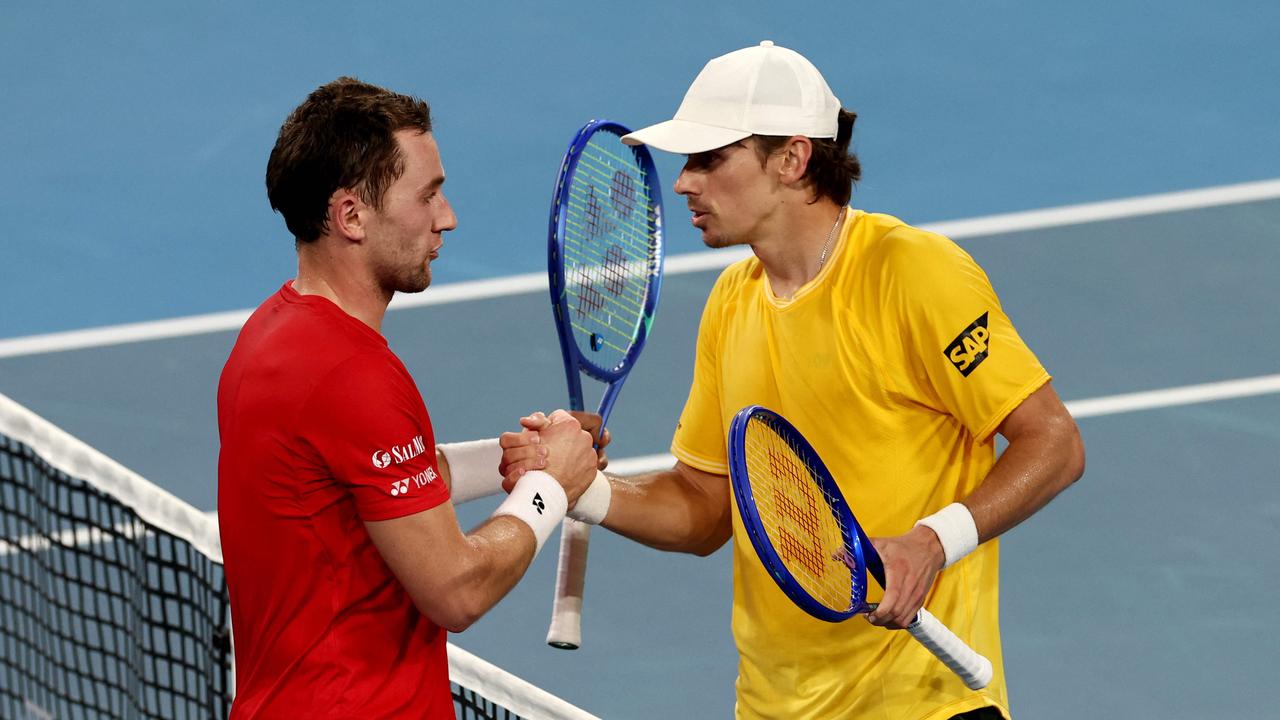
    Australian tennis star Alex de Minaur has commenced his 2026 campaign with a challenging start, succumbing to a straight-sets defeat against Norway’s Casper Ruud at the United Cup in Sydney. The world No. 7, playing before a fervent home crowd at Ken Rosewall Arena, fell 6-3, 6-3 in a match dominated by his opponent’s formidable serving and his own uncharacteristic errors.

    De Minaur’s performance was notably hampered by a significant serving struggle, accumulating eight double faults throughout the contest. Five of these occurred within his initial two service games, immediately placing him on the defensive. Ruud, currently ranked world No. 12, capitalized ruthlessly on these opportunities, consistently delivering powerful first serves to extinguish any potential break points from the Australian.

    In his post-match analysis, de Minaur adopted a pragmatic perspective, attributing the loss primarily to Ruud’s superior execution. “I think Casper played a really good match today from the beginning to the end,” he stated. “I had some chances with break points, but he served really well throughout the whole match and didn’t really give me too many chances or opportunities. It was a well-deserved win for him.”

    The Australian reflected on his serving difficulties, acknowledging the anomaly of such a performance. “It’s not really part of my DNA to throw in so many double faults,” de Minaur remarked, suggesting that adjusting to the heavier night conditions played a role. Despite the setback just two weeks before the Australian Open, the athlete remains unconcerned, drawing confidence from past seasons where early losses were followed by swift recoveries. He emphasized a forward-looking attitude, concluding, “The points didn’t go my side today, but we move on and look forward to the next match.”

  • Khawaja to retire after fifth Ashes Test

    Khawaja to retire after fifth Ashes Test

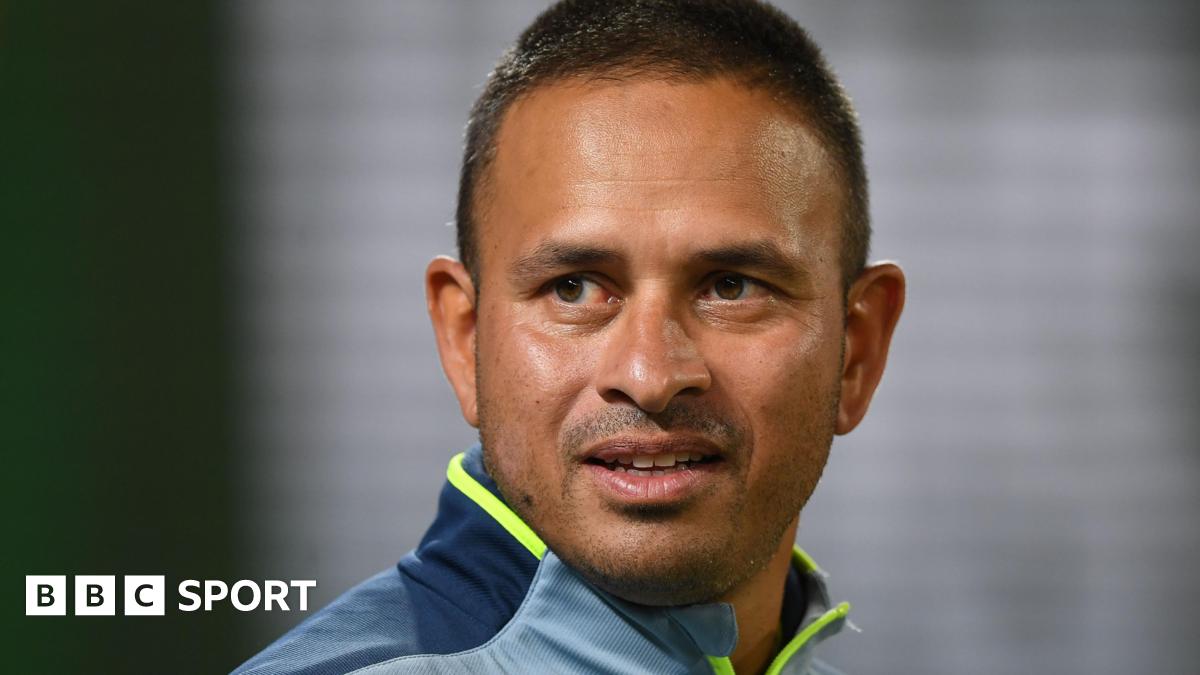
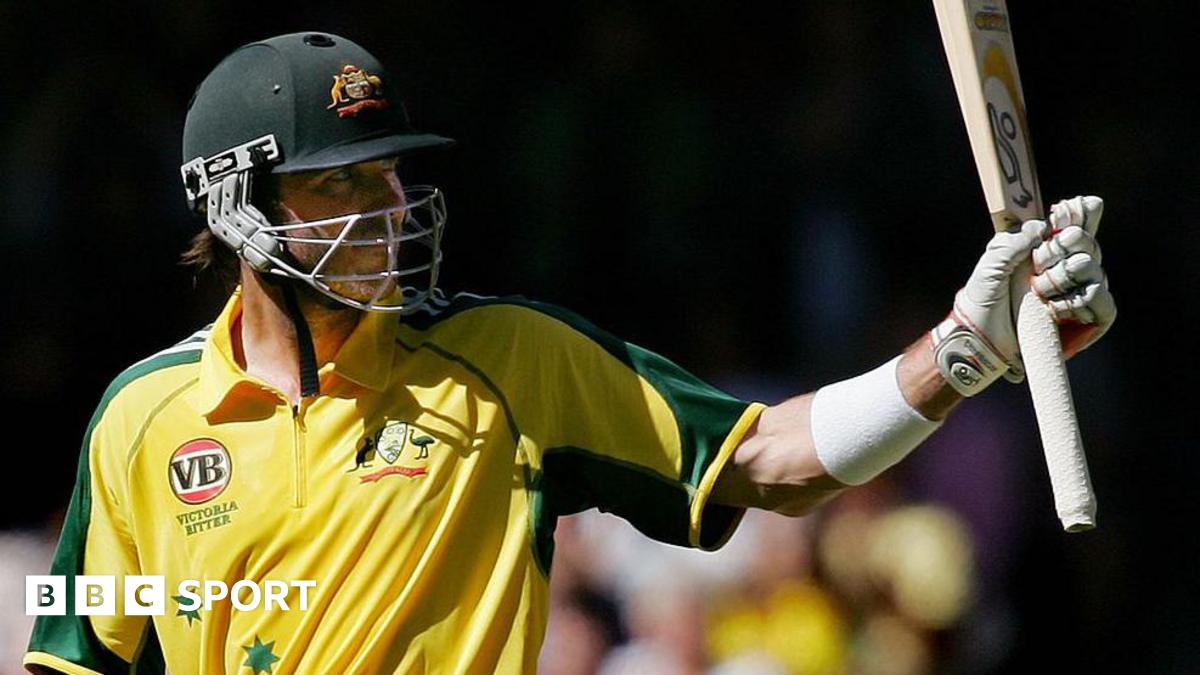
    Australian cricket stalwart Usman Khawaja has declared his retirement from international cricket, with his final appearance set for the fifth Ashes Test against England at Sydney Cricket Ground. The 39-year-old opener will conclude his distinguished career on the same venue where he debuted fifteen years ago against the same opposition in January 2011.

    Khawaja, who emigrated from Pakistan, made history as the first Muslim to represent Australia in Test cricket when he replaced legendary batsman Ricky Ponting during England’s 3-1 series victory in 2011. Throughout his 88-Test career, the left-handed batsman has amassed 6,206 runs at an impressive average of 43.39, including 16 centuries.

    His career highlights include participation in six Ashes series with two victories, two defeats, and two drawn campaigns. Khawaja was also instrumental in Australia’s 2023 World Test Championship triumph. Currently needing just 30 runs in his final match, he is poised to surpass Mike Hussey for 14th position on Australia’s all-time run-scorers list, trailing only the legendary Donald Bradman in 13th place.

    Despite recent challenges including back spasms that affected his performance in the current series, Khawaja demonstrated resilience with critical innings of 82 and 40 in Adelaide during the fourth Test. His career also includes 40 ODI appearances with 1,554 runs at 42.00 average and nine T20 internationals.

    The Sydney Test marks not only his international farewell but also a homecoming to the ground where he began his professional career with New South Wales in 2008. Australia currently leads the series 3-1 as they prepare for their final Test match until August, by which time Khawaja will approach his 40th birthday.

  • Threatening, durable, learning – what makes Starc elite?

    Threatening, durable, learning – what makes Starc elite?

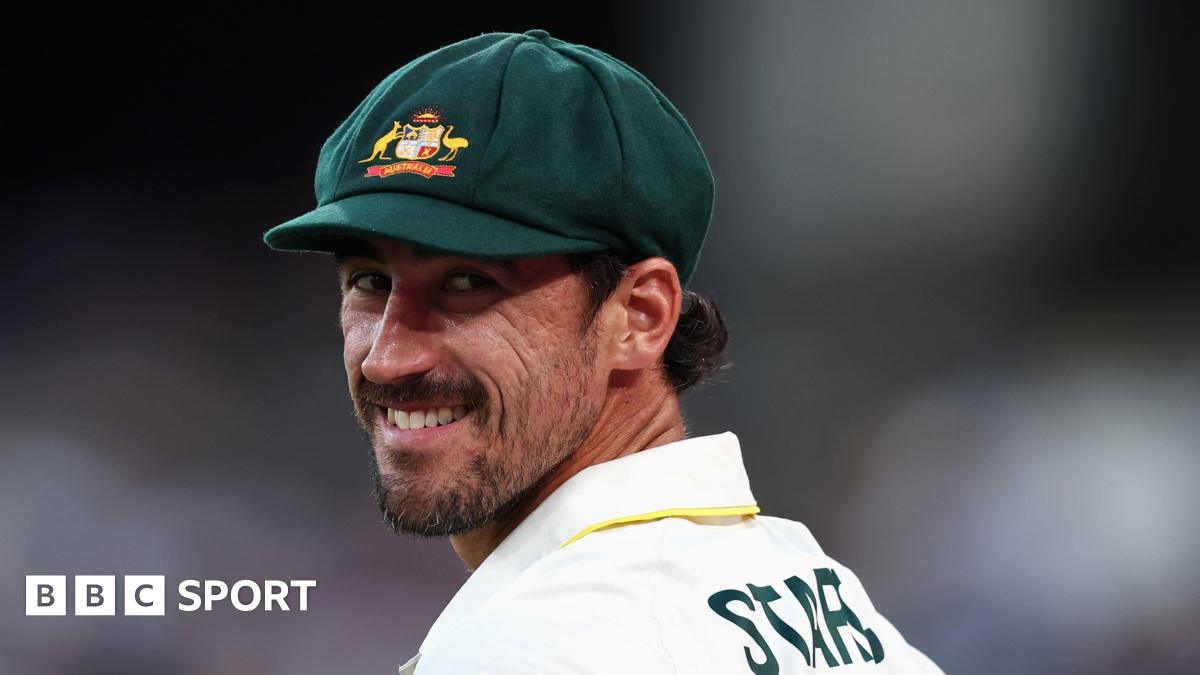
    Australian pace spearhead Mitchell Starc has etched his name into cricket’s history books during the 2025-26 Ashes series, establishing himself as the most successful left-arm fast bowler in Test cricket history. The 35-year-old speedster has been England’s primary tormentor throughout the current campaign, claiming 26 wickets at a remarkable average of 17.42.

    Starc’s historic achievement came when he surpassed Pakistani legend Wasim Akram on the all-time Test wicket-takers list, joining an elite group of bowling greats. His consistent performance has been instrumental in Australia’s Ashes campaign, where he has stepped up significantly in the absence of other vaunted pace colleagues.

    The veteran bowler’s durability has been equally impressive, featuring in 27 consecutive Australian Test matches and missing just four of the past 56. This remarkable fitness streak defies his early career challenges when then-coach Tim Nielsen urged the young Starc to ‘harden up’ and push through physical limitations.

    Former England batter Dawid Malan provided insight into facing Starc’s bowling: ‘I always felt like I was in against him until he’d bowl an absolute jaffa and you’d just be walking back. He has just always got that wicket-taking ball.’

    Starc’s evolution as a bowler has been key to his longevity. After being dropped during the 2019 Ashes tour, he developed the wobble seam delivery by studying English veterans Stuart Broad and James Anderson. Since adding this weapon to his arsenal, no bowler worldwide has taken more than Starc’s 118 Test wickets since the start of the 2023 series.

    Former Australian pace bowler Jason Gillespie praised Starc’s adaptability: ‘Mitchell Starc just shows you can teach an old job new tricks. For a player aged 34 or 35 to stride and get better to improve is fantastic.’

    With four more wickets in the upcoming Sydney Test, Starc would achieve the best Ashes series haul since Mitchell Johnson’s dominant performance 12 years ago. Australian coach Andrew McDonald has even suggested the 37-year-old Starc could tour England for the 2027 Ashes, potentially joining the exclusive club of pace bowlers with 500 Test wickets.

  • Heavy police presence in Sydney for New Year’s celebrations after Bondi attack

    Heavy police presence in Sydney for New Year’s celebrations after Bondi attack

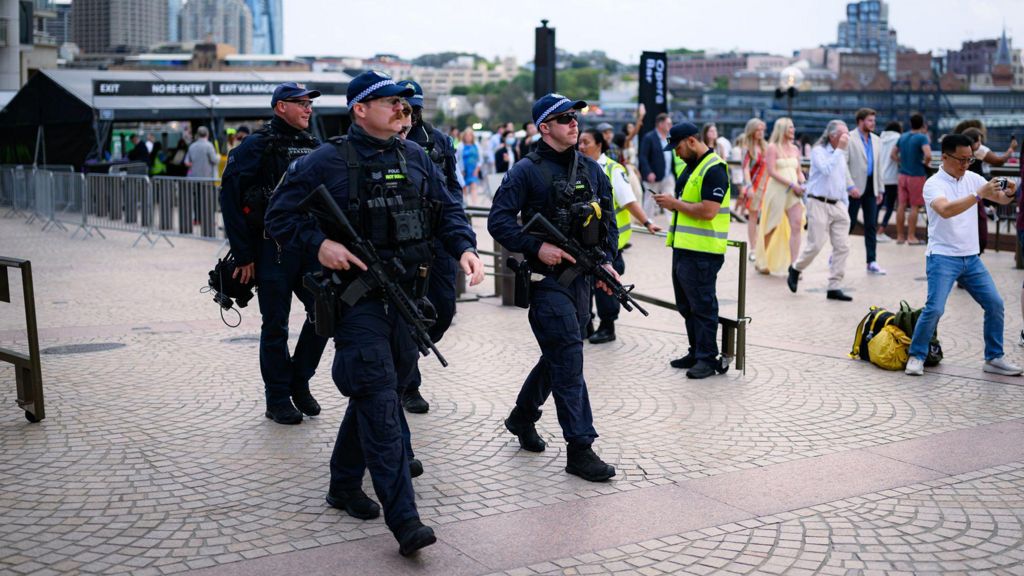
    Sydney ushered in the New Year under an unprecedented security blanket, with thousands of heavily armed police patrolling the streets in a direct response to the recent Bondi Beach mass shooting. The heightened security measures, described as a rare sight for Australia, included officers authorized to carry high-grade assault rifles while monitoring massive crowds gathered for the iconic harbor fireworks display.

    Authorities deployed over 2,500 officers across the city as hundreds of thousands of spectators flocked to Sydney Harbour. The visible police presence, particularly officers carrying long-arm weapons in public spaces, was acknowledged by New South Wales Premier Chris Minns as potentially ‘confronting’ for citizens. Despite the tightened security, official celebrations proceeded with a poignant pause at 11:00 PM local time for a minute’s silence honoring the 15 victims killed in the December 14th attack that targeted Sydney’s Jewish community during a Hanukkah festival.

    The Sydney Harbour Bridge was illuminated in white light as a symbol of peace during the commemorative moment. While urging residents not to let the ‘horrible criminal terrorist event’ alter their way of life, Premier Minns emphasized the necessity of the security measures, stating, ‘We want people to be safe in our community.’ The celebration marked the beginning of global New Year’s festivities, with Sydney traditionally leading the international chain of events from Dubai to London and New York.

  • Ex-Australia batter Martyn in coma with meningitis

    Ex-Australia batter Martyn in coma with meningitis

    The global cricket community has united in support following the sudden hospitalization of former Australian batting star Damien Martyn, who has been placed in an induced coma after contracting meningitis. The 54-year-old cricket legend reportedly fell ill on December 26th and is currently receiving intensive care at a Queensland medical facility.

    Martyn’s distinguished career spanned 67 Test matches between 1992 and 2006, during which he accumulated 4,406 runs at an impressive average of 46.37. His remarkable achievements include participation in four Ashes series and two World Cup victories with the Australian national team. Notably, Martyn played a crucial innings of 88 not out while battling a broken finger during Australia’s 2003 World Cup final triumph against India.

    Cricket Australia CEO Todd Greenberg expressed profound concern, stating the organization was ‘saddened to hear of Damien’s illness’ and extending the collective well-wishes of the entire cricket community. Former teammate Adam Gilchrist, speaking as family spokesperson, confirmed Martyn is receiving optimal medical attention and acknowledged the overwhelming support from fans and colleagues worldwide.

    Medical professionals indicate meningitis involves infection of the protective membranes surrounding the brain and spinal cord. According to The Sydney Morning Herald, physicians are hopeful about potentially bringing Martyn out of the induced coma within coming days.

    The news has triggered an outpouring of support across the sports world, with former Australian rules footballer Brad Hardie urging the public to send ‘positive thoughts’ during Martyn’s critical health battle. Former colleague Darren Lehmann, now Northamptonshire head coach, added his voice on social media platform X, posting ‘Lots of love and prayers…Keep strong and fighting legend.’

    Beyond his international accomplishments, Martyn also demonstrated his batting prowess as a prolific one-day specialist, scoring 5,346 runs across 208 matches with five centuries and 37 half-centuries. His career included a notable stint as overseas player for Yorkshire County Cricket Club in 2003.

  • Alleged Bondi gunmen acted alone and did not train in the Philippines, police say

    Alleged Bondi gunmen acted alone and did not train in the Philippines, police say

    Australian authorities have concluded that the two individuals responsible for the deadly mass shooting at a Hanukkah celebration on Bondi Beach acted independently, with no connections to a broader terrorist network. The attack, which resulted in 15 fatalities, has been officially classified as a terrorist incident—marking the nation’s most severe mass shooting since 1996.

    Police confirmed that the alleged perpetrators, 50-year-old Sajid Akram and his 24-year-old son Naveed Akram, traveled to the Philippines on November 1, arriving in Manila before proceeding to Davao City on the same day. They returned to Sydney on November 29. Contrary to initial suspicions, investigations revealed that the pair did not engage in weapons training or operational preparations during their stay. Philippine authorities reported that the suspects rarely departed their hotel accommodations.

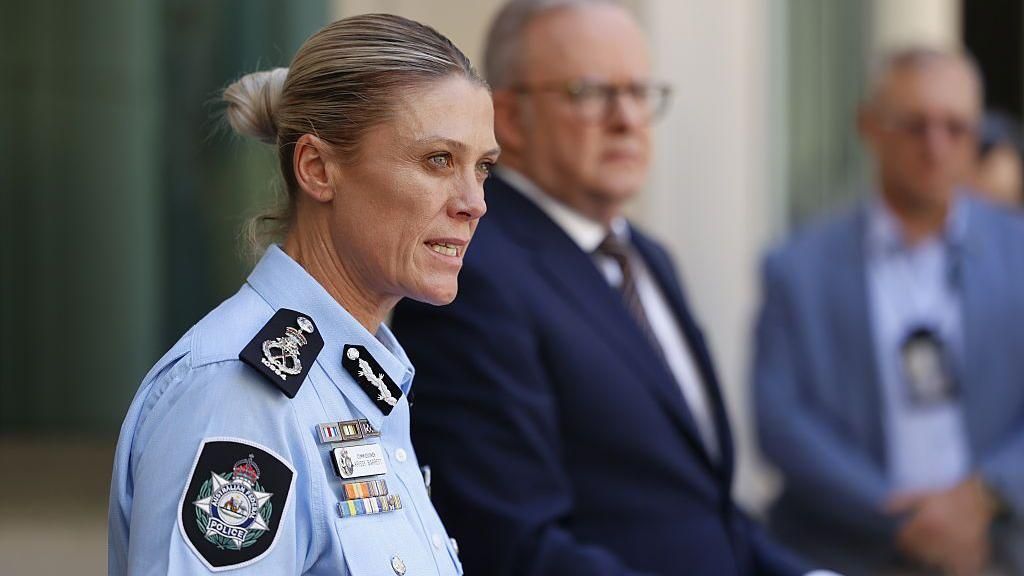
    Australian Federal Police Commissioner Krissy Barrett stated that CCTV footage from the Philippines had been provided to Australian investigators. ‘Current assessments indicate these individuals are alleged to have acted alone,’ Commissioner Barrett emphasized. ‘There exists no evidence suggesting these alleged offenders were part of a broader terrorist cell or received external directives to execute the attack.’

    However, Commissioner Barrett clarified that the purpose of their Philippines visit was not tourism, leaving unanswered questions about their international movements. She noted that the investigation remains active and may evolve with new evidence.

    Prime Minister Anthony Albanese earlier indicated that the attackers appeared motivated by Islamic State ideology. During the December 14 incident, Sajid Akram was fatally shot by police while his son Naveed sustained injuries and was hospitalized. Naveed Akram now faces 59 criminal charges, including 15 counts of murder and one count of committing a terrorist act. His court appearance is scheduled for April.

    The Philippines immigration bureau disclosed that the father entered the country using an Indian passport, while the son traveled on an Australian document. Both declared Davao City as their destination—a region on Mindanao island where Islamist militant groups have historically operated.