标签: Oceania

大洋洲

  • One person dead and 300 buildings destroyed in Australia bushfires

    One person dead and 300 buildings destroyed in Australia bushfires

    A devastating bushfire crisis has engulfed southeastern Australia, resulting in one confirmed fatality and the destruction of approximately 300 properties across multiple regions. The fires, which have been raging for several days primarily in Victoria state with additional outbreaks in New South Wales, have consumed land areas nearly double the size of Greater London.

    Victoria Premier Jacinta Allan confirmed that 30 active fires were burning across the state as of Sunday, with 10 posing particular concern to authorities. The blazes have already scorched approximately 350,000 hectares of land, prompting the declaration of a state of emergency. Thousands of firefighters supported by more than 70 aircraft are battling the infernos amid extremely hot, dry, and windy conditions that officials fear could sustain the fires for several weeks.

    Human remains were discovered in the village of Gobur, approximately 110 kilometers north of Melbourne, though the victim has not yet been formally identified. Premier Allan praised emergency workers who recovered the body under difficult circumstances, noting that the Gobur community was experiencing profound grief.

    The current fires represent the most severe bushfire event in southeastern Australia since the catastrophic 2019-2020 season that killed 33 people and destroyed an area equivalent to Turkey’s size. Smoke from the current blazes has significantly degraded air quality across Victoria, including metropolitan Melbourne.

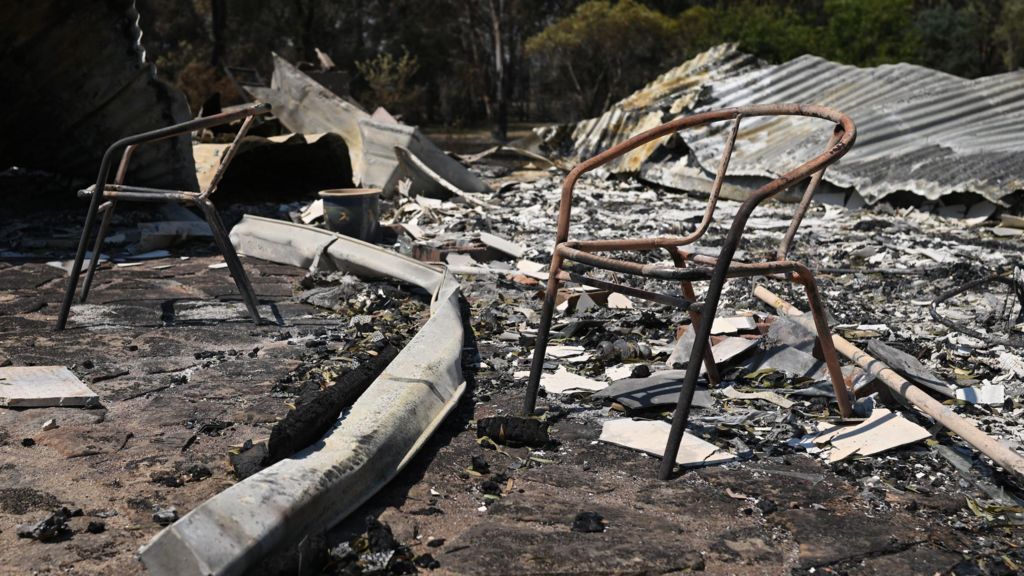
    In a particularly tragic development, firefighter Tyrone Rice lost his own home in Harcourt while battling fires elsewhere. Describing the experience as “a kick in the guts,” Rice acknowledged he was neither the first nor last to endure such loss. Local fire captain Andrew Wilson characterized the destruction in Harcourt as “gut-wrenching,” with journalists reporting catastrophic damage where only tin roofs remained where houses once stood.

    While scientists note that linking individual wildfires directly to climate change remains complex due to land management factors, they emphasize that climate change is making the hot, dry conditions that fuel such fires increasingly common across Australia.

  • Fresh protests in Iran as internet blackout persists

    Fresh protests in Iran as internet blackout persists

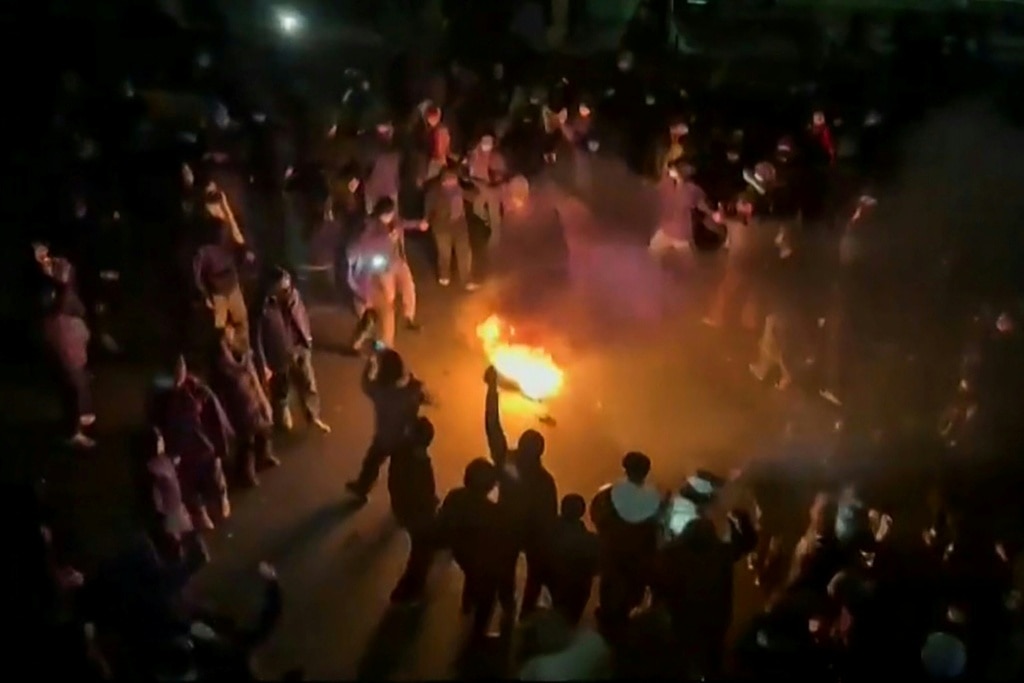
    Iran’s capital witnessed renewed anti-government demonstrations Saturday night as a nationwide internet blackout entered its third day, raising international concerns about the severity of the regime’s crackdown on protesters. The protests, which began two weeks ago over economic grievances, have evolved into the most significant challenge to Iran’s theocratic government since the 2019 unrest, now featuring explicit calls for regime change.

    Verified footage from Tehran’s northern districts showed protesters igniting fireworks, banging pots, and chanting slogans supporting the ousted monarchy. Additional unverified videos circulating on social media indicated similar demonstrations occurring across multiple cities including Mashhad, Tabriz, Qom, and Hamedan, where one individual waved the pre-revolutionary lion-and-sun flag—a potent symbol of opposition.

    The digital blackout, described by internet monitor NetBlocks as a near-total connectivity shutdown since Thursday, has severely limited information flow, prompting rights organizations to warn of escalating violence. Amnesty International reported analyzing ‘distressing reports’ of security forces intensifying lethal measures against demonstrators, while Norway-based Iran Human Rights documented at least 51 fatalities, with actual numbers potentially higher based on hospital imagery from eastern Tehran.

    International reactions have intensified, with U.S. President Donald Trump proclaiming on Truth Social that ‘Iran is looking at FREEDOM, perhaps like never before’ and offering American assistance. The New York Times reported that Trump had received briefings on potential military options, though no decisions have been made regarding intervention.

    Iran’s leadership has responded with increasing defiance. Supreme Leader Ayatollah Ali Khamenei condemned protesters as ‘vandals’ doing America’s bidding during a Friday address, while the Iranian army issued statements vowing to ‘vigorously protect national interests’ against enemies seeking to ‘disrupt order and peace.’

    European leaders have called for restraint, with EU Commission President Ursula von der Leyen expressing support for Iranian protesters and condemning the ‘violent repression’ by authorities. The situation remains volatile as citizens report inability to conduct basic communications or work, with one Tehran resident characterizing the internet shutdown as ‘the price to pay before the victory of the people.’

  • ‘I feel free’: Australia’s social media ban, one month on

    ‘I feel free’: Australia’s social media ban, one month on

    Australia’s groundbreaking social media prohibition for users under 16 has yielded divergent outcomes one month after implementation, with some teenagers reporting liberation from digital addiction while others have found creative workarounds.

    The controversial legislation, enacted December 10th, mandates that platforms including Instagram, TikTok, Facebook, and Snapchat implement age verification systems or face staggering penalties up to A$49.5 million. The government initiative aims to shield young Australians from online predators, cyberbullying, and harmful content.

    Fourteen-year-old Amy represents the policy’s success stories. Her digital diary reveals a transformative journey: from instinctively reaching for Snapchat each morning to discovering newfound freedom without the pressure of maintaining ‘streaks’—the platform’s addictive feature requiring daily photo exchanges. ‘I now reach for my phone less and mainly use it when I genuinely need to do something,’ the Sydney teen reports, noting her screen time has halved since the ban.

    Conversely, 13-year-old Aahil demonstrates the regulations’ limitations. Using fabricated birthdates, he maintains access to YouTube and Snapchat while spending 2.5 daily hours on gaming platforms Roblox and Discord—neither prohibited under the current framework. His mother observes increased moodiness and gaming immersion, though acknowledges typical teenage development might contribute.

    Consumer psychologist Christina Anthony explains this behavioral divergence through compensatory theory: ‘When a familiar and emotionally rewarding activity is restricted, people don’t simply stop seeking that reward—they look for alternative ways to get it.’ This phenomenon manifested in pre-ban surges for obscure platforms Lemon8, Yope, and Coverstar, though downloads have since normalized.

    The ban has inadvertently stimulated migration to unregulated messaging services. WhatsApp and Facebook Messenger have become vital communication channels for teens whose friends lost social media access. This shift underscores Anthony’s observation that ‘the enjoyment doesn’t come from scrolling alone, but from shared attention.’

    Technical circumvention attempts proved largely unsustainable. Virtual Private Network (VPN) downloads spiked initially but returned to baseline levels as teens discovered social platforms could detect such tools and required creating entirely new accounts—losing established networks and content.

    Notably excluded gaming platforms now face scrutiny as potential alternative social spaces. Digital culture expert Mark Johnson notes while migration to platforms like Discord is plausible, gaming requires greater technical and cultural literacy than social media, creating natural barriers.

    The eSafety Commissioner will release comprehensive data on account deactivations in coming weeks. Meanwhile, government spokesperson maintains the policy is ‘making a real difference,’ with global leaders considering emulating Australia’s model. For now, families await long-term assessment of whether this digital intervention will ultimately produce healthier adolescent development.

  • Switzerland holds day of mourning after deadly New Year fire

    Switzerland holds day of mourning after deadly New Year fire

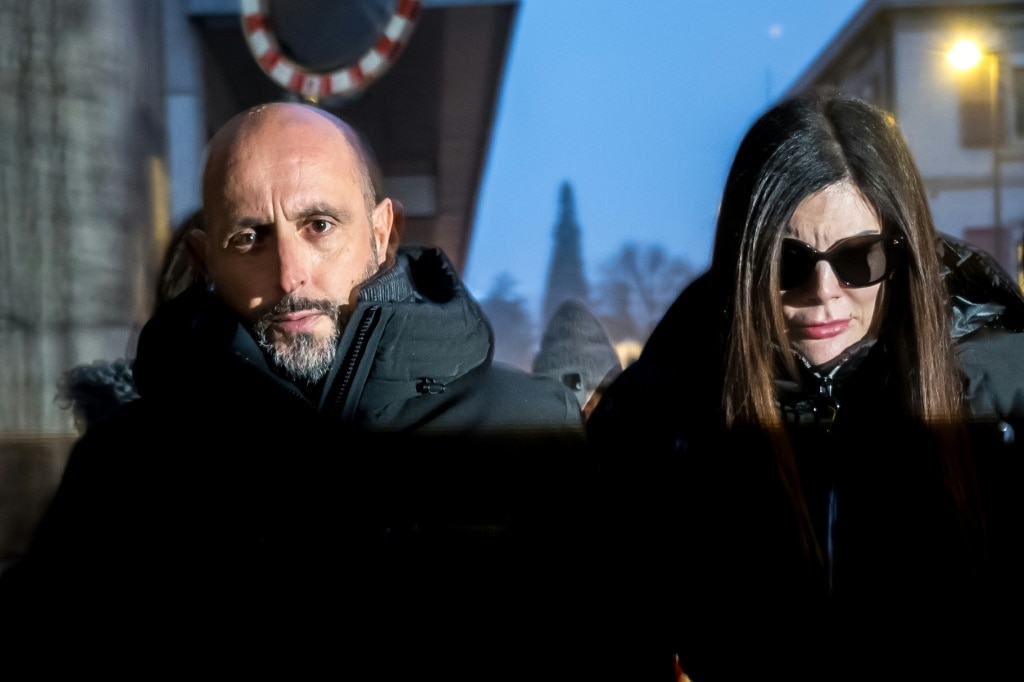
    Switzerland fell silent Friday in solemn remembrance of 40 victims, predominantly teenagers, who perished in a catastrophic New Year’s Eve blaze at the Le Constellation bar in Crans-Montana. The Alpine nation observed a minute of silence at 2:00 PM local time, followed by a synchronized chorus of church bells echoing across valleys and mountainsides.

    President Guy Parmelin, joined by French President Emmanuel Macron and Italian Prime Minister Giorgia Meloni, presided over a memorial ceremony in Martigny. The service drew top officials from Belgium, Luxembourg, Serbia, and the European Union, reflecting the international scope of the tragedy that claimed lives from 19 different nationalities.

    As heavy snowfall blanketed the resort town, investigators pursued critical questions about fire safety oversight. Prosecutors revealed no safety inspections had occurred at the establishment since 2019, prompting public outrage. The bar’s French owners, Jacques and Jessica Moretti, faced questioning on charges including manslaughter by negligence and bodily harm by negligence.

    Preliminary investigation suggests the inferno ignited when champagne bottles equipped with sparklers were raised too close to soundproofing foam on the ceiling. Disturbing video evidence depicts young revelers desperately breaking windows in attempts to escape the rapidly spreading flames.

    Of the 116 injured, 83 remained hospitalized as of Monday, with the most severely burned patients transferred to specialized treatment centers across Europe. A makeshift memorial featuring flowers, candles, and photographs of victims now stands protected beneath a temporary structure, preserving tributes to what President Parmelin described as ‘one of Switzerland’s worst tragedies.’

  • Iran rocked by night of protests despite internet blackout: videos

    Iran rocked by night of protests despite internet blackout: videos

    Iran experienced its most significant civil unrest in years on Thursday night as widespread protests erupted across multiple cities, defying a government-imposed internet blackout designed to suppress demonstrations. Videos verified by international news agencies show thousands of citizens flooding major boulevards in Tehran and regional centers, chanting anti-government slogans including “death to the dictator” in reference to Supreme Leader Ayatollah Ali Khamenei.

    The protests, now entering their second week, originated from public anger over deteriorating economic conditions and rising living costs but have evolved into broader anti-establishment demonstrations. Footage from numerous cities shows protesters setting fire to government buildings, including the regional state television headquarters in Isfahan and the governor’s building in Shazand, Markazi province.

    Internet monitoring organization Netblocks confirmed authorities implemented a near-total connectivity blackout late Thursday, reporting the country had been offline for over 12 hours in what appears to be a deliberate attempt to control information flow and suppress dissent. This digital censorship strategy mirrors previous government responses to civil unrest.

    The scale of protests represents the most substantial challenge to Iranian leadership since the 2022-2023 demonstrations triggered by the death of Mahsa Amini. Notably, security forces appeared restrained in some footage from Tehran, though rights groups have previously accused authorities of using lethal force against protesters in earlier clashes.

    Adding international dimension to the events, US-based Reza Pahlavi, son of Iran’s deposed shah, has openly supported the protests and called for continued demonstrations on Friday to further pressure the regime. The involvement of diaspora figures highlights the expanding nature of the anti-government movement.

  • 21 and bust: Alex de Minaur keeps Australia alive in the United Cup with incredible serving streak

    21 and bust: Alex de Minaur keeps Australia alive in the United Cup with incredible serving streak

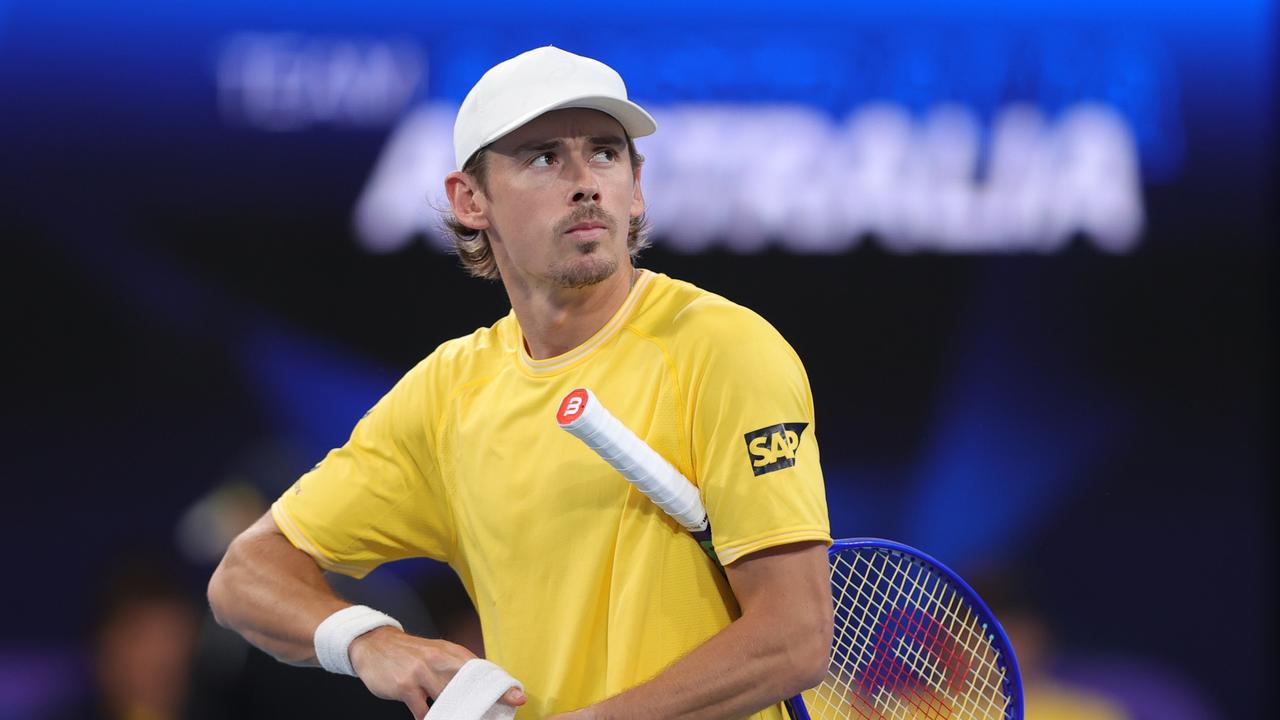
    In a dramatic display of resilience and skill, Australian tennis star Alex de Minaur delivered a crucial victory for his nation at the United Cup in Sydney. Facing Poland’s formidable Hubert Hurkacz, de Minaur battled through three intense sets to secure a 6-4, 4-6, 6-4 win that leveled the competition between the two countries.

    The match began under immense pressure for de Minaur, who needed to win after compatriot Maya Joint suffered a decisive defeat against Polish world No. 2 Iga Swiatek earlier in the evening. Hurkacz, ranked world No. 5, immediately tested the Australian with relentless offensive play, creating nine break point opportunities in just the first four service games.

    De Minaur’s response was nothing short of extraordinary. After weathering the initial storm, he mounted a spectacular 21-point serving streak that demonstrated both technical precision and mental fortitude. Despite a temporary setback when Hurkacz claimed the second set, the Australian regrouped magnificently in the decider. A critical break of serve in the third game, achieved with a perfectly executed lob reminiscent of team captain Lleyton Hewitt, ultimately proved decisive.

    In the women’s singles, emerging talent Maya Joint faced a challenging encounter against reigning champion Iga Swiatek. The Polish superstar demonstrated why she’s considered one of the sport’s dominant forces, delivering a comprehensive 6-1, 6-1 victory. While Joint showed moments of emotional struggle during the match, she continued competing despite the overwhelming pressure from her accomplished opponent.

    The United Cup continues as both teams prepare for their next matches, with Australia’s campaign remaining alive thanks to de Minaur’s heroic performance before his home crowd.

  • Jayden Brian: Methodist Ladies’ College swim coach charged with sexually abusing child

    Jayden Brian: Methodist Ladies’ College swim coach charged with sexually abusing child

    A prominent Melbourne educational institution faces disturbing allegations as former Methodist Ladies’ College swim coach Jayden Brian, 32, stands accused of multiple child sexual offenses involving a 13-year-old girl he allegedly contacted through social media platforms. The case, currently unfolding in Melbourne Magistrates Court, reveals a pattern of predatory behavior that ultimately led to Brian’s dramatic arrest while coaching students in the school’s pool last October.

    Court documents indicate Brian initially connected with the minor through a social media application that displayed her age before transitioning their communication to Snapchat in September. Prosecutors allege Brian rapidly sexualized the conversations, repeatedly soliciting and receiving intimate images from the child. The interactions culminated in arrangements for an in-person meeting where Brian allegedly agreed to provide alcohol and cigarettes in exchange for sexual contact.

    According to police evidence, the encounter occurred earlier than planned on September 25 when Brian arrived in his partner’s vehicle. Investigators claim he engaged in inappropriate physical contact with the child before departing and subsequently sent her a $50 digital gift card. The victim reported the incident to authorities two days later, triggering an investigation that included undercover operations.

    Police deployed a covert operative posing as a 15-year-old, with Brian allegedly responding with sexually explicit messages and requests to meet. His arrest occurred on October 3 after he sent a photograph of himself wearing Methodist Ladies’ College apparel to the undercover officer. Senior Constable Matt Henning testified that forensic examination of Brian’s devices revealed extensive evidence, including approximately 50 child abuse material files and hundreds of potentially inappropriate images of schoolgirls.

    Additional concerning details emerged during bail proceedings, with police alleging evidence of Brian communicating with young girls dating back to 2018. Authorities have identified a second complainant, now an adult, who claims Brian paid her for explicit images while she was seventeen years old. The prosecution strongly opposes bail, citing Brian’s demonstrated propensity for targeting vulnerable minors through social media and the substantial risk he poses to the community.

    Despite defense arguments emphasizing Brian’s family support and caregiving responsibilities for his fiancée, the court has adjourned the bail decision until next Friday. Methodist Ladies’ College has confirmed Brian’s termination and maintains there have been no complaints regarding his conduct with students during his nine-year employment. The case continues to develop as investigators examine the full scope of allegations against the former coach.

  • ASX flat as Rio Tinto-Glencore merger talks, falling banks weigh on market

    ASX flat as Rio Tinto-Glencore merger talks, falling banks weigh on market

    The Australian equity market concluded Friday’s session with minimal movement, showcasing a tense equilibrium between surging energy stocks and downward pressure from financial and mining sectors. The benchmark S&P/ASX 200 index experienced a marginal decline of 3 points, settling at 8,717.80, while the broader All Ordinaries index also remained virtually unchanged, dipping a mere 0.60 points to 9,045.90. The Australian dollar witnessed a slight depreciation, closing at 66.94 US cents.

    Market dynamics revealed a sectoral split, with five sectors advancing and six retreating. The energy sector emerged as the standout performer, propelled by a consecutive two-day rally in Brent crude futures, which climbed back above $92 per barrel. This bullish sentiment fueled significant gains for industry leaders: Woodside Energy ascended 2.79%, Santos surged 3.54%, and Ampol advanced 1.03%. Capital.com’s senior analyst, Kyle Rodda, attributed this momentum to markets recalibrating supply and demand equations following Venezuela’s reintegration into global energy markets.

    Conversely, the market faced substantial headwinds from two primary sources. Mining behemoth Rio Tinto plummeted 6.27% following its confirmation of preliminary merger discussions with London-based Glencore. In official ASX statements, both corporations acknowledged exploratory talks regarding a ‘possible combination,’ with Rio Tinto indicating any transaction would likely constitute its acquisition of Glencore through a court-sanctioned scheme. This development created a ripple effect across mining equities, though rival BHP managed a 0.80% gain while Fortescue Metals experienced a slight decline.

    The financial sector exerted additional downward pressure, with all four major banks closing in negative territory. ANZ led the losses with a 0.64% drop, followed by Westpac (0.29%), NAB (0.19%), and Commonwealth Bank (0.08%). Investment bank Macquarie Group further weighed on the sector, retreating 1.25%.

    Several individual companies delivered exceptional performances. Technology firm Codan skyrocketed 16.88% after announcing unaudited first-half profits surged 52% to $70 million. Biotechnology company Mesoblast rallied 4.07% on robust revenue growth, while defense contractors Droneshield and Austal advanced 4.41% and 3.33% respectively, bolstered by expanded U.S. military spending initiatives.

  • Rybakina has little hope of change to tennis schedule

    Rybakina has little hope of change to tennis schedule

    In a stark assessment of professional tennis governance, reigning Wimbledon champion Elena Rybakina has aligned with fellow Grand Slam winner Aryna Sabalenka’s characterization of the WTA Tour schedule as “insane,” while expressing profound skepticism about potential reforms. The world No. 5 made these remarks following her unexpected straight-sets defeat to Karolina Muchova at the Brisbane International tournament.

    The core controversy revolves around the WTA’s mandatory tournament requirements, which compel top-ranked players to participate in all four Grand Slams, ten WTA 1000 events, and six WTA 500 tournaments annually. These regulations carry financial penalties for non-compliance unless athletes can provide medically validated excuses.

    Sabalenka, the four-time Grand Slam titlist, previously declared her willingness to accept financial sanctions rather than jeopardize her physical wellbeing through excessive competition. Rybakina—who defeated Sabalenka to claim the 2023 WTA Finals championship—echoed these concerns, advocating for enhanced scheduling autonomy.

    “What we fundamentally need is greater freedom in selecting our competitive calendar,” stated the Moscow-born Kazakhstani professional. “The current framework essentially compels participation in most events, which is far from ideal. Given the immense physical toll, nobody should be mandated to compete at such frequency.”

    Rybakina emphasized the practical impossibility of maintaining peak performance levels year-round while preserving athletic health under these demands. Despite ongoing player advocacy, she anticipates minimal substantive change from tour organizers.

    The WTA previously informed AFP that athlete welfare constitutes a “top priority,” though players clearly seek concrete policy adjustments rather than organizational assurances.

  • New Zealand’s rare flightless parrot begins breeding again

    New Zealand’s rare flightless parrot begins breeding again

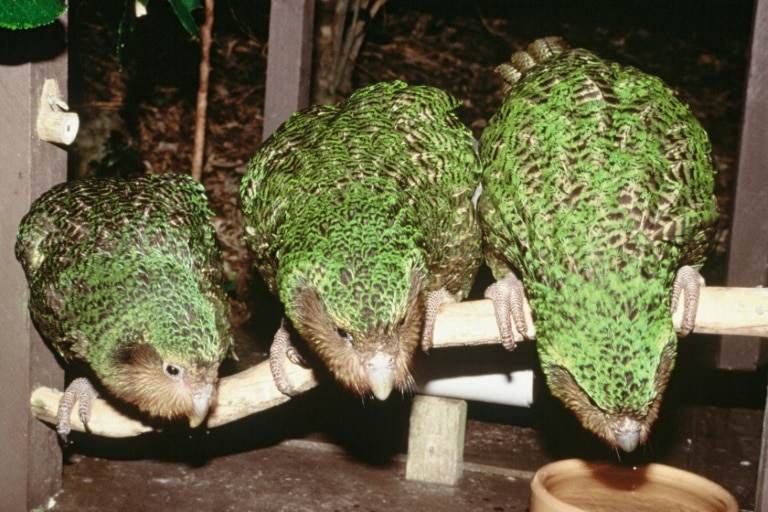
    In a significant development for conservation efforts, New Zealand’s critically endangered kakapo parrot has commenced its breeding cycle for the first time since 2022, igniting optimism among wildlife experts for a potentially record-breaking season. The flightless, nocturnally active parrot—known for its distinctive green plumage and robust physique—initiated mating activities last week across three carefully managed island sanctuaries.

    The current wild population stands at precisely 236 individuals, with 83 females of reproductive age participating in this season’s breeding activities. Conservation authorities from New Zealand’s Department of Conservation express particular enthusiasm for this cycle, noting the four-year interval since the last breeding event aligns with the species’ natural reproductive patterns.

    Deidre Vercoe, Kakapo Recovery Operations Manager, emphasized the significance of this development: ‘The anticipation surrounding this breeding season has been substantial given the extended gap since previous activities. We’re projecting potentially unprecedented chick production numbers this year, possibly marking the most successful season since program initiation three decades ago.’

    The Kakapo Recovery Programme—established collaboratively in 1995 between the Department of Conservation and Ngai Tahu, the indigenous Māori tribe—commenced with merely 51 birds facing imminent extinction risk. While population numbers peaked at 252 in 2022, subsequent years witnessed a decline of 16 individuals due to natural causes and environmental factors.

    This season represents the thirteenth documented breeding cycle within the program’s 30-year history, consistent with the species’ characteristic two-to-four year reproductive intervals. Beyond numerical targets, conservationists emphasize broader ecological objectives including reduced human intervention and eventual establishment of self-sustaining populations.

    Tane Davis, Ngai Tahu representative within the recovery program, articulated long-term aspirations for species reintroduction throughout New Zealand’s South Island territories. The initial chick hatchings are projected for mid-February, with conservation teams implementing enhanced monitoring protocols to maximize reproductive success.