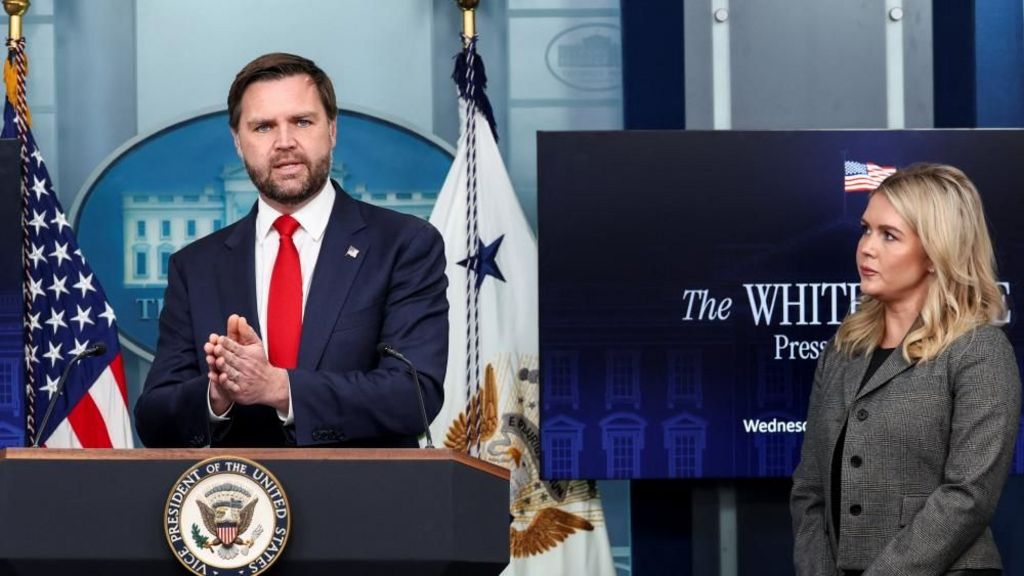
The United States is bracing for its first government shutdown in nearly seven years, as Republicans and Democrats in Congress remain deadlocked over a new spending plan. The shutdown, which began on Wednesday, has triggered a bitter blame game between the two parties, with mass layoffs of federal workers expected within two days. Vice-President JD Vance, in a rare appearance at a White House briefing, accused Democrats of playing political games, while Press Secretary Karoline Leavitt warned of impending job cuts. Democrats, led by Senate Majority Leader Chuck Schumer, have countered by accusing Republicans of attempting to ‘bully’ them into accepting their funding plan. The impasse centers on healthcare funding, with Democrats seeking guarantees for lower-income Americans, while Republicans advocate for a temporary stop-gap measure to keep the government open until mid-November. Essential workers, such as border agents and the military, may be forced to work without pay, while non-essential employees face temporary unpaid leave. Analysts predict this shutdown could be more severe than the 2018 episode, potentially affecting 750,000 federal workers. As both sides dig in, the economic and social repercussions of the shutdown loom large, with no immediate resolution in sight.
标签: North America
北美洲
-

‘None of us have ever asked for special treatment’ – Female veterans respond to Hegseth
Female US Army veterans are refuting Defense Secretary Pete Hegseth’s assertion that combat role requirements will revert to the ‘highest male standard,’ emphasizing that standards have always been uniform regardless of gender. Speaking to hundreds of generals, Hegseth argued that previous adjustments to accommodate women had compromised military effectiveness and endangered personnel. He vowed to restore higher standards, even if it meant fewer women qualifying for combat roles. However, he clarified that women would not be entirely excluded from the armed forces. This announcement has sparked outrage among female veterans, who insist that combat standards have always been gender-neutral. Elisa Cardnell, a former US Navy officer, stated that assessments for combat roles have never considered gender or age. Combat standards vary by unit—special operations, infantry, armor, or pararescue—but all personnel must pass the same rigorous tests. Cardnell noted that while not all women meet these standards, neither do all men. Hegseth’s remarks have raised concerns about potential sweeping changes to military assessments, though details remain unclear. His critics, including Senator Tammy Duckworth, argue that his stance could harm recruitment and undermine women’s progress in the military. Duckworth, a combat pilot injured in Iraq, accused Hegseth of discrimination, given his own controversial confirmation as Defense Secretary. Despite the backlash, some female veterans and Republican lawmakers, such as Representative Sheri Biggs and Nancy Mace, support Hegseth’s efforts to prioritize excellence over diversity quotas. The debate underscores the ongoing tension between gender inclusivity and military readiness in the US armed forces.
-
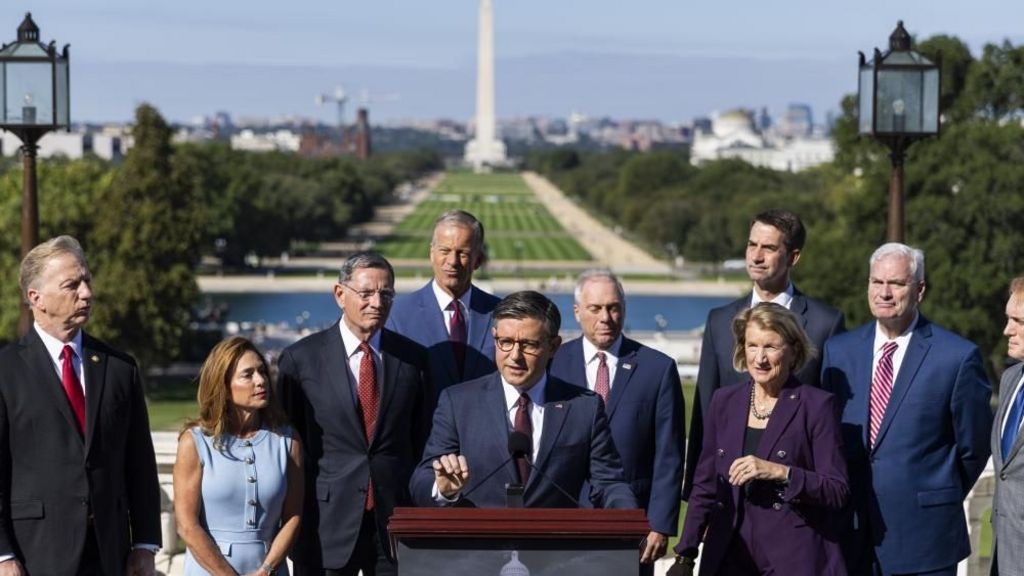
Four ways this shutdown could end
The United States government has entered a shutdown in 2025, marking the first federal closure in nearly seven years. The crisis unfolded after the Senate failed to pass a spending bill, leaving federal operations severely curtailed. While the shutdown is expected to end eventually, the timeline remains uncertain, with public pressure and political maneuvering likely to play decisive roles in its resolution. Here are four potential scenarios for how the situation might unfold. Senate Democrats rejected a Republican-backed spending bill that would have funded the government until November. However, the vote revealed cracks in Democratic unity, as two Democrats and one independent aligned with the Republican majority. Among them was Catherine Cortez Masto of Nevada, who faces re-election in a state that has been trending Republican. Her vote, driven by concerns over the economic impact of the shutdown on Nevada, highlights the political risks for Democrats in battleground states. Other vulnerable Democrats in Georgia, Virginia, and Colorado may also feel the heat as the shutdown drags on. Republican Senate leader John Thune has signaled plans to hold additional funding votes to maintain pressure on Democrats. If five more Democrats defect, the shutdown could end regardless of the party’s broader stance. Meanwhile, the prolonged closure is already affecting government employees, who face delayed paychecks and potential job losses. The broader public will also feel the impact through reduced government services and economic disruption. Historically, the party seen as triggering the shutdown bears the brunt of public blame. In this case, Democrats may face criticism for their role in the impasse, potentially forcing them to reconsider their strategy. However, the party could find solace in highlighting Republican-backed cuts to health insurance subsidies for low-income Americans, a move that could resonate with voters. Republicans, emboldened by their perceived strength, are exploring ways to intensify pressure on Democrats. Yet, they risk overplaying their hand, as past shutdowns have often backfired on the party initiating them. A potential compromise could involve Republicans extending health insurance subsidies, a move that would benefit their own low-income constituents while defusing Democratic attacks. Despite the current acrimony, there may be room for negotiation. Both parties have engaged in heated rhetoric, with President Trump sharing AI-generated videos mocking opponents and Democrats responding with provocative imagery. The stakes are high, as the 2025 shutdown could surpass the record 35-day closure of 2018-2019, which ended only after air travel faced imminent disruption. This time, the consequences could be even more severe. If the shutdown persists, both parties may face public backlash, leading to electoral losses in the 2026 midterms. Such a scenario could further erode public trust in the political system, paving the way for new leaders promising to dismantle the status quo.
-
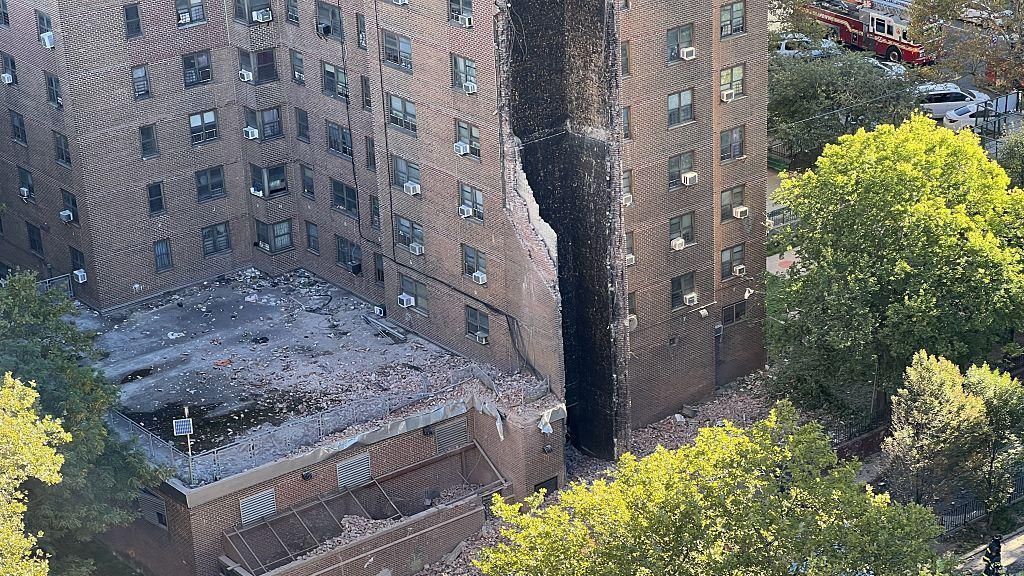
Chunk of NYC building collapses in possible explosion
A 20-story residential building in the Bronx, New York City, partially collapsed on Wednesday morning, prompting a swift response from emergency services. Fortunately, no injuries were reported, though firefighters and rescue teams spent hours searching through rubble to ensure no one was trapped. Witnesses described hearing a loud explosion before the collapse, with one resident noting that windows shattered as far as the 16th floor of a neighboring building. According to Fire Commissioner Robert Tucker, the incident appears to have originated from an explosion in the boiler room’s ventilation shaft. While no apartments were directly damaged, some residents were evacuated as a precaution, and gas services to the building were shut off pending an investigation. Mayor Eric Adams suggested that a gas leak might have caused the explosion, though utility provider ConEd has yet to comment. The New York City Housing Authority (NYCHA), which manages the building, is assessing the damage and investigating the incident. Public records reveal that the building had multiple open violations, including issues with plumbing and facade safety. This collapse follows a recent fire in the same building that left a teenage girl in critical condition, though she is now recovering. Local officials, including Assembly Member Amanda Septimo, emphasized the need for improved safety measures to prevent future emergencies. ‘We can’t be relying on luck to keep our community safe,’ Septimo stated at a press conference.
-
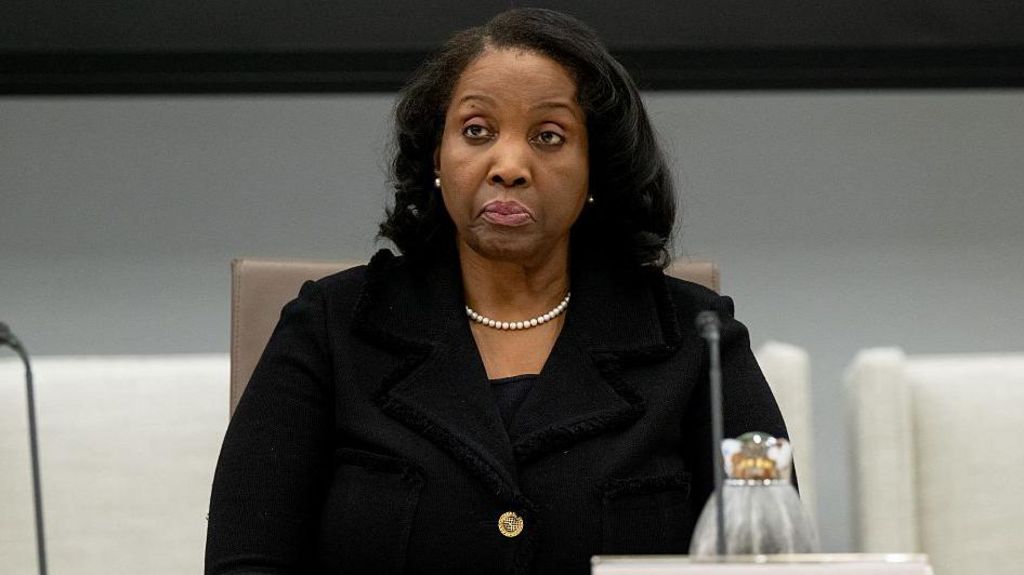
Supreme Court lets Lisa Cook stay at Federal Reserve for now
In a significant legal development, the U.S. Supreme Court has ruled that Lisa Cook can retain her position as a Federal Reserve governor, marking a setback for former President Donald Trump in his ongoing dispute with the central bank. The court, in an unsigned order, rejected Trump’s request to immediately remove Cook and scheduled arguments regarding her dismissal for January. Trump had announced in August his intention to fire Cook over allegations of mortgage fraud, which she has vehemently denied. Cook swiftly filed a lawsuit, arguing that her removal was unlawful and could pave the way for political interference in the traditionally independent Federal Reserve. Historically, no president has attempted to remove a Fed governor, as such actions can only be justified ‘for cause,’ a term that remains undefined in the law. A federal judge had previously placed a stay on her dismissal, a decision now upheld by the Supreme Court. Cook, appointed by President Biden, plays a crucial role on the board that sets the Federal Reserve’s benchmark interest rate. The court’s ruling ensures she will participate in at least two more votes on potential rate cuts. Trump has accused Cook of falsifying a mortgage application prior to her appointment, but she contends that his real motive is her stance on monetary policy. The Federal Reserve recently announced its first rate cut in nearly a year, with Chair Jerome Powell emphasizing that the decision was driven by economic data rather than political pressure. The central bank’s ‘dual mandate’ focuses on controlling inflation and maximizing employment, with mortgage rates largely influenced by Treasury bond yields rather than direct Fed actions. Trump’s persistent criticism of the Fed and his unprecedented move to appoint White House economic adviser Stephen Miran to a temporary board vacancy underscore the ongoing tension between the administration and the central bank.
-
Why government shutdowns seem to only happen in the US
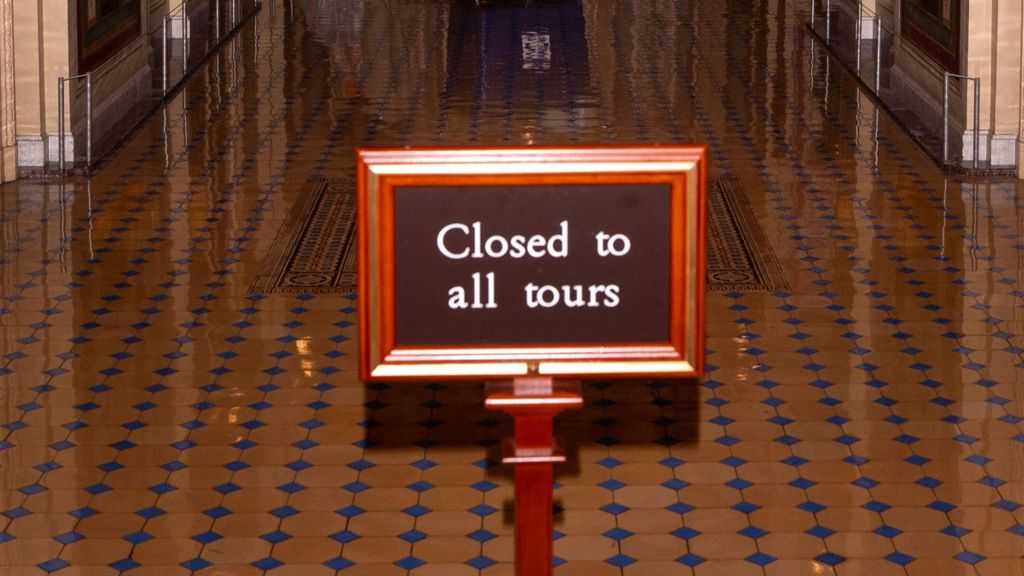
The United States has witnessed its 11th government shutdown since 1980, a phenomenon that remains uniquely American. Unlike other nations where governments continue to function even during wars or constitutional crises, the US shutdowns have become a political bargaining tool. This recurring issue stems from the federal system of government, where different branches can be controlled by opposing parties. While the founders intended this structure to foster compromise, it has increasingly led to gridlock. The 1980 reinterpretation of the 1884 Anti-Deficiency Act, which mandates that no budget means no spending, has further entrenched this practice. In contrast, non-parliamentary democracies like Brazil and parliamentary systems in Europe ensure continuity of government services even during budget disputes. The US shutdowns have significant consequences, including unpaid federal workers, halted services, and economic impacts. For instance, the 2018-2019 shutdown, the longest on record, reduced GDP growth by 0.1 percentage points weekly. While essential services like social security and the military continue, other functions like national parks and tax refunds are suspended. Globally, such shutdowns are rare, as seen in Canada and Ireland, where minority governments maintained operations through cooperation. In the US, however, political polarization has made shutdowns a weapon in partisan battles. As Democrats and Republicans continue to clash, the functioning of the government remains at risk, highlighting the need for systemic reform.
-

Hunter S Thompson’s death to be reviewed 20 years on
Colorado authorities have initiated a review of the death of iconic journalist and author Hunter S. Thompson, two decades after it was officially ruled a suicide. The request for this re-examination came from Thompson’s widow, prompting the Colorado Bureau of Investigation (CBI) to conduct a ‘case review’ of the original 2005 investigation. The CBI clarified that this review is not based on new evidence but aims to ensure transparency and provide closure to Thompson’s family and the public. Thompson, who passed away at the age of 67 in his Woody Creek, Colorado home, was found dead from a self-inflicted gunshot wound while on the phone with his wife. His son later discovered his body in the kitchen. At the time, the investigation concluded there was no evidence of foul play. Thompson, a literary giant, was best known for his 1971 novel *Fear and Loathing in Las Vegas*, a seminal work that captured the counterculture of the 1960s and was later adapted into a film starring Johnny Depp. His other notable works include *Hells Angels* and *Generation of Swine*. Colorado Sheriff Michael Buglione emphasized Thompson’s ‘profound impact’ on his community and beyond, underscoring the importance of this review. Officials have not set a timeline for the investigation but have pledged to provide updates upon its completion.
-

Brown bear heavyweight Chunk wins Fat Bear Week despite injury
In a remarkable display of resilience, a 500kg brown bear named Chunk has emerged victorious in Fat Bear Week 2025, overcoming a broken jaw to claim the title. The annual competition, held at Alaska’s Katmai National Park and Preserve, invites voters from around the world to select the bear that best embodies ‘fatness and success’ as they prepare for winter hibernation. Chunk’s triumph was celebrated by park rangers and fans alike, who were inspired by his ability to adapt and thrive despite his injury. Park ranger Naomi Boak remarked, ‘He reminded us how resilient bears are and how they have the ability to recover from injury and hardship.’ Chunk’s journey to victory was closely followed by voters from over 100 countries, who watched live web streams of the bears at Katmai’s Brooks River. One voter, Amy Hall, shared her admiration for Chunk on an explore.org livestream, calling him an ‘inspiration’ for his ability to heal and adapt. Chunk’s profile on the Fat Bear Week website revealed that he sustained the injury during mating season, likely from a fight with another bear. Despite this setback, he managed to outpace his rival, a massive bear known as 856, by over 30,000 votes. The competition, which began as a small event in 2014, has since grown into a global phenomenon, drawing attention to the lives and challenges of these majestic creatures.
-
Jobs, travel, national parks – what impact will US shutdown have?
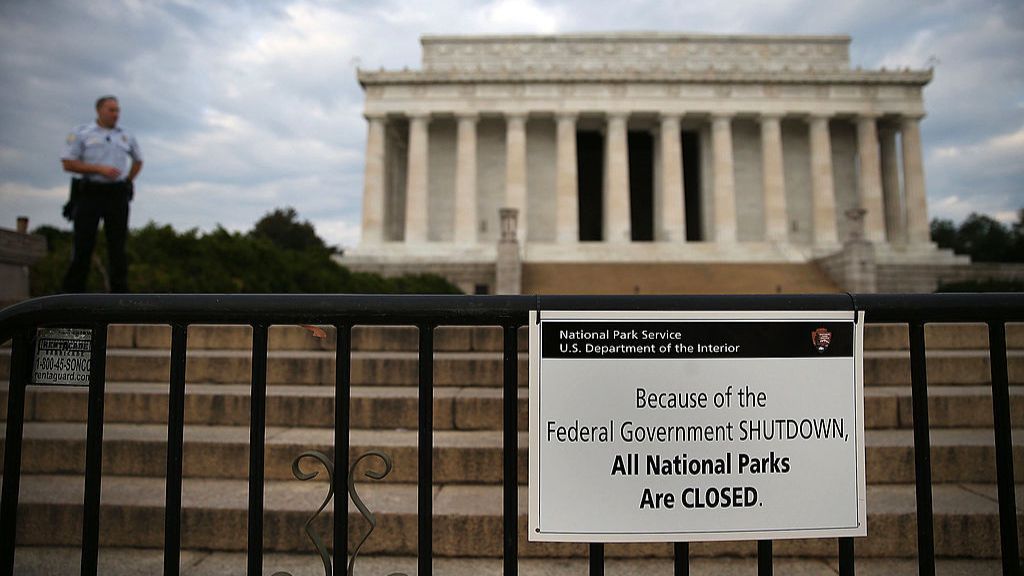
The US federal government has entered a shutdown following a deadlock between Republican and Democratic lawmakers over budget negotiations. This impasse, which threatens to extend beyond October, is set to disrupt various sectors, from air travel to national parks, and impact millions of Americans. Approximately 800,000 federal employees, representing 40% of the workforce, face unpaid leave, exacerbating financial strain on households. Air travelers may encounter prolonged security lines and delays as unpaid air traffic controllers and Transportation Safety Administration (TSA) workers, though deemed essential, may opt to stay home. Passport processing times are also expected to lengthen, complicating international travel plans. Federal employees, particularly those in non-essential roles, will bear the brunt of the shutdown, with no paychecks until the impasse is resolved. Agencies like the Centers for Disease Control and Prevention (CDC) and the National Institutes of Health (NIH) are likely to furlough staff, disrupting critical research. President Donald Trump, who has previously advocated for reduced government spending, warned that the shutdown could accelerate layoffs and curtail programs favored by Democrats. Contractors working for federal agencies will also miss out on work, with no guarantee of backpay. National Parks and Forests, which faced vandalism during the last shutdown, remain a contentious issue, with former park superintendents urging their closure to prevent further damage. Meanwhile, the Smithsonian Institution museums and the National Zoo will remain open temporarily, though non-essential services like webcams will be suspended. Social health programs such as Medicare and Medicaid will continue, but staffing shortages may cause service interruptions. Emergency disaster relief remains largely unaffected, but the National Flood Insurance Program’s closure could delay mortgages. Food assistance programs, including WIC and SNAP, are at risk of funding shortages, potentially leaving vulnerable populations without support. The shutdown’s ripple effects underscore the broader implications of political gridlock on public services and the economy.
-
US government shuts down with path to reopening uncertain
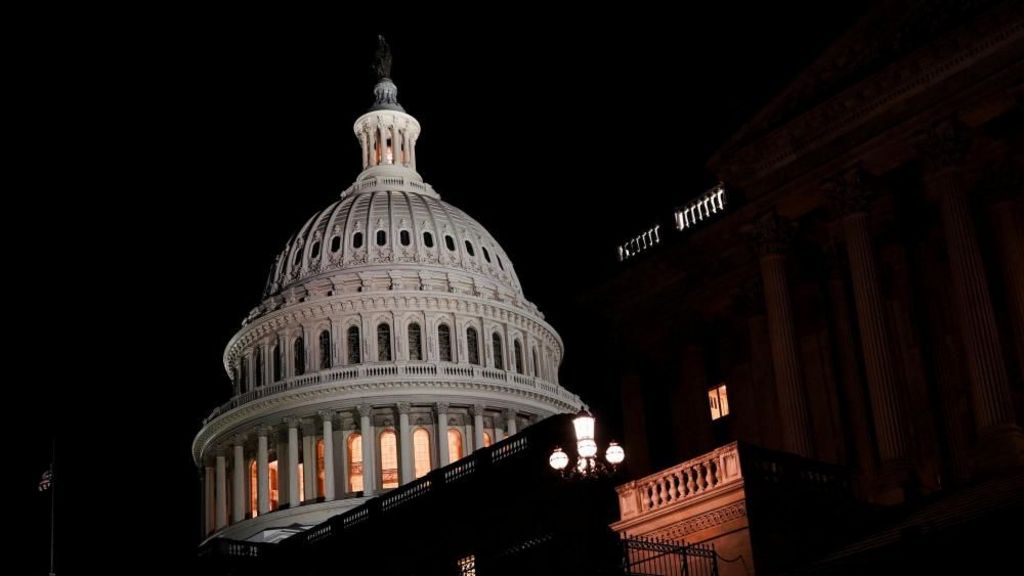
The United States government has entered its first shutdown in nearly seven years, as Congress failed to reach a consensus on a critical funding bill. The impasse has left hundreds of thousands of federal workers facing furloughs or layoffs, while national parks, museums, and essential services risk closure. The shutdown could also disrupt air travel due to staff shortages, echoing the consequences of previous government closures.
The stalemate stems from a bitter partisan divide over healthcare spending, with Democrats insisting on extending health insurance subsidies set to expire at year-end, while many Republicans oppose the costly measures or demand stricter eligibility rules. Despite frenetic negotiations, a Republican-led short-term funding bill fell short of the required 60 Senate votes, with a Democrat-led proposal also failing to pass.
President Donald Trump has escalated tensions by threatening mass firings of federal employees and cuts to programs he claims are favored by Democrats. ‘A lot of good can come from shutdowns,’ Trump remarked, suggesting the crisis could be an opportunity to eliminate policies opposed by his administration. However, the White House has hinted at permanent layoffs for ‘non-essential’ workers if the shutdown persists.
Senate Majority Leader Mitch McConnell and top Democrat Chuck Schumer have traded blame, with Schumer accusing Republicans of ‘bullying’ tactics. The shutdown highlights the unique challenges of U.S. governance, where spending plans require bipartisan agreement across the legislative and executive branches. Analysts predict this shutdown could surpass the 2018 crisis, potentially affecting over 800,000 federal workers.
The path forward remains uncertain, with both parties entrenched in their positions. As the standoff continues, the economic and social repercussions of the shutdown are expected to deepen, leaving federal employees and the public in limbo.