
The US military has intensified its efforts to combat drug trafficking by deploying advanced drone technology to target and destroy narco vessels. In a recent operation, a semi-submersible vessel was struck by two Hellfire missiles, likely launched from a drone. This marks a significant escalation in the US strategy to disrupt drug cartels’ maritime operations. The Trump administration released a video of the strike but withheld details about the platform or operator involved. Experts speculate that the attack was carried out by an MQ-9 Reaper drone, known for its precision and endurance in surveillance and strike missions. Drones offer a cost-effective and efficient alternative to helicopters, which have limited range and slower response times. The US Marine Corps’ 22nd Marine Expeditionary Unit (MEU) has integrated MQ-9A Reaper drones into its operations in the Caribbean, supported by surveillance assets like the P-8 Poseidon aircraft. Narco vessels, including go-fast boats, semi-submersibles, and home-built submarines, are manufactured clandestinely in South America, primarily in Colombia. These vessels are designed to evade detection and transport large quantities of illegal drugs. Despite the US military’s efforts, experts argue that intercepting drug shipments at sea has minimal impact on the lucrative drug trade. The Trump administration faces criticism for its high-seas operations, which some consider illegal under international law. Additionally, the cartels’ vast resources enable them to bribe officials and maintain their operations. The US is exploring strategies to disrupt drug production and export infrastructure, impose financial sanctions on cartel leaders, and target corrupt officials who protect the cartels. However, the effectiveness of these measures remains uncertain, as the drug trade continues to thrive despite increased military interventions.
标签: North America
北美洲
-
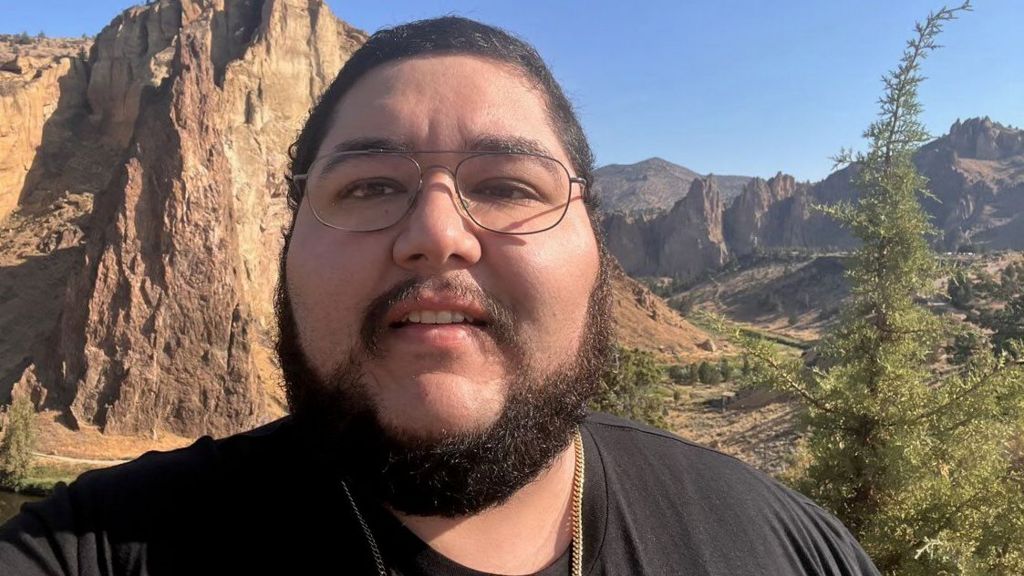
I finished building my house just before new tariffs hit
Anthony Cabrera recently completed the construction of his three-bedroom house in Hopatcong, New Jersey, just ahead of a new wave of tariffs on essential building materials and home furnishings. Starting in March, Cabrera worked diligently with a contractor to finalize his project before the tariffs took effect earlier this week. Despite his efforts, his initial budget of $300,000 surged to $450,000 due to rising costs for imported items like cabinets from Asia. ‘Tariffs were definitely on my mind throughout the whole process,’ Cabrera remarked, expressing concern over the escalating expenses. His experience mirrors the challenges faced by many homebuyers, builders, and renovators across the US. The White House argues that these tariffs aim to bolster domestic manufacturing and safeguard national security. However, economists warn that they could exacerbate the housing market’s struggles by increasing construction costs and slowing down projects. Peter Harrell, a visiting scholar at Georgetown Law School, noted, ‘The last thing an already not great new construction market needs is higher input costs.’ The new tariffs, which include a 50% levy on steel and copper imports, are part of a broader series of measures that could further inflate prices for consumers. Goldman Sachs estimates that US consumers will bear up to 55% of the cost of these tariffs this year. Furniture companies, including RH and IKEA, have already warned of potential price hikes, while smaller businesses like Jean Lin’s Manhattan-based design gallery, Colony, have seen reduced sales due to tariff-related uncertainties. The National Association of Home Builders has expressed concerns that these tariffs will create additional challenges for an already strained housing market, particularly affecting affordable housing projects. While some economists believe the tariffs alone won’t spell disaster for the industry, they acknowledge that the cumulative impact could be significant. ‘It’s yet another unwelcome thing that they have to deal with now,’ said Jake Krimmel, a senior economist at Realtor.com.
-
Amazon services ‘recovering’ as Snapchat and banks among sites hit by outage
A significant disruption in Amazon Web Services (AWS) operations on Monday left numerous high-profile websites and applications inaccessible, highlighting the vulnerabilities of relying on a single cloud provider. Platforms such as Snapchat, Reddit, Roblox, and banking services like Lloyds and Halifax were among the more than 1,000 services affected, according to Downdetector, a platform outage monitor. User reports of issues surged to over 6.5 million during the outage, which began around 07:00 BST and persisted for much of the day. While Amazon later announced that the core issue had been resolved, some services continued to experience problems, underscoring the far-reaching consequences of such disruptions. The outage, attributed to a DNS resolution issue with the DynamoDB API endpoint in the US-EAST-1 region, exposed the fragility of the internet’s infrastructure. Experts like Professor Alan Woodward of the University of Surrey emphasized the interdependence of online services, noting that even minor errors in third-party infrastructure can have widespread impacts. Mike Chapple, an IT professor at Notre Dame University, likened the situation to a power outage, where initial fixes might address symptoms rather than root causes. The incident has reignited debates about the concentration of cloud computing power among a few dominant providers—Amazon, Microsoft, and Google—which collectively control an estimated 70% of the market. Critics, including Cori Crider of the Future of Technology Institute, argue that this reliance poses risks to security, sovereignty, and economic stability, advocating for greater diversification and local alternatives. Meanwhile, Ken Birman, a computer science professor at Cornell University, pointed out that companies using AWS must also take responsibility by implementing robust backup systems for mission-critical applications. The outage serves as a stark reminder of the need for resilience in the face of technological dependencies, as the fallout from such disruptions can have lasting economic and operational consequences.
-

White House begins demolishing part of East Wing for Trump ballroom
The East Wing of the White House has commenced a significant transformation as demolition work began on Monday, paving the way for the construction of a new ballroom envisioned by former US President Donald Trump. The $250 million project, described as a ‘modernization’ effort, aims to add a state-of-the-art ballroom adjacent to the existing structure without altering its historic integrity. Trump emphasized that the new addition would ‘pay total respect’ to the White House, a building he holds in high regard. The construction, funded by private contributions from ‘generous Patriots,’ has sparked mixed reactions. While some onlookers expressed curiosity, others, like a masked protester, voiced their disapproval of the changes. The East Wing, built in 1902 and last modified in 1942, remains a symbol of presidential history. The project, announced by Trump on social media, is expected to fulfill a long-standing presidential aspiration for a dedicated ballroom to host grand events and state visits.
-

Concacaf members join USA’s 2031 World Cup bid
In a significant development for women’s football, Mexico, Costa Rica, and Jamaica have joined the United States in a collaborative bid to host the 2031 FIFA Women’s World Cup. This expanded 48-team tournament promises to be the largest and most impactful edition in the event’s history. FIFA President Gianni Infantino confirmed in April that the United States, alongside potential Concacaf members, had submitted the sole bid for the 2031 competition. The joint effort aims to inspire a new generation of fans and elevate the women’s game globally. US Soccer President Cindy Parlow Cone emphasized the bid’s potential to create a lasting legacy, stating, ‘We’re excited to drive lasting progress for women’s soccer by creating a legacy that reaches far beyond 2031 and sets a new global standard for the sport.’ Concacaf, the governing body for football in North America, Central America, and the Caribbean, has fully endorsed the bid. Victor Montagliani, Concacaf President and FIFA Vice-President, highlighted the confederation’s commitment to women’s football, noting that hosting the 2031 World Cup would build on this momentum and inspire future generations across the region. Meanwhile, FIFA has already announced Brazil as the host for the 2027 Women’s World Cup, with the 2031 and 2035 hosts set to be confirmed at the FIFA Congress in Vancouver, Canada, next April. The United Kingdom has emerged as the sole valid bidder for the 2035 tournament. This news follows the recent success of Spain, who triumphed in the 2023 Women’s World Cup by defeating England in the final. The United States, Canada, and Mexico are also co-hosting the 2026 Men’s World Cup, further solidifying North America’s role as a global football hub.
-

Former NFL player Doug Martin dies in police custody in California
Former National Football League (NFL) running back Doug Martin, known for his remarkable career with the Tampa Bay Buccaneers, has tragically passed away at the age of 36 while in police custody in California. The Oakland Police Department reported that Martin died following an alleged home break-in and a subsequent struggle with officers on Saturday. According to the department, Martin became unresponsive during the altercation and was rushed to a hospital, where he later succumbed to his condition. His family confirmed his death but stated that the cause remains unconfirmed, requesting privacy during this difficult time. Martin’s former team, the Tampa Bay Buccaneers, expressed profound sorrow over his sudden passing, highlighting his significant contributions to the franchise. Born in Oakland, California, Martin was a first-round pick in the 2012 NFL draft and quickly made a name for himself, rushing for 1,454 yards and scoring 11 touchdowns in his rookie season. Despite his success, Martin faced challenges, including injuries and a four-game suspension in 2016 for violating the NFL’s drug policy. He later played for the Oakland Raiders before retiring in 2018. Martin’s legacy as a talented and resilient player continues to be remembered by fans and the NFL community.
-
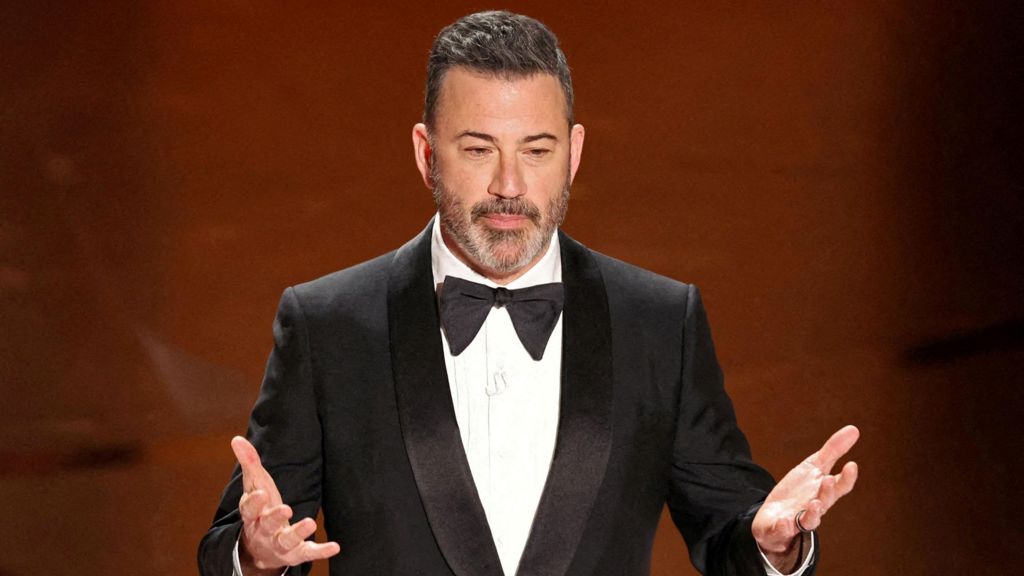
Spike in Disney+ cancellations after Kimmel suspension
Disney+ and Hulu experienced a significant surge in subscription cancellations in September, coinciding with the temporary suspension of comedian and TV host Jimmy Kimmel. According to data from analytics firm Antenna, Disney+’s churn rate—the percentage of subscribers who cancel each month—doubled from 4% to 8%, equating to approximately three million cancellations. Similarly, Hulu’s churn rate rose to 10%, representing over four million cancellations. This spike in cancellations suggests that Kimmel’s suspension may have negatively impacted Disney’s financial performance. Kimmel was briefly taken off air following controversial remarks he made about the shooting of Charlie Kirk, which drew pressure from the Federal Communications Commission (FCC). The suspension sparked widespread debates on free speech and led to protests in California, with critics accusing Disney of censorship. Despite the backlash, ABC, which airs ‘Jimmy Kimmel Live,’ reinstated him within a week. The incident also prompted calls for boycotts of Disney’s streaming services, with critics urging economic pressure on the entertainment giant. While Kimmel’s suspension appears to have contributed to the subscriber exodus, it remains unclear whether it was the sole factor. Disney also announced previously planned price increases for its streaming services in September, which may have further influenced cancellations. Despite the losses, both Disney+ and Hulu saw an increase in new sign-ups, partially offsetting the impact. Disney declined to comment on the matter, and Hulu has yet to respond.
-
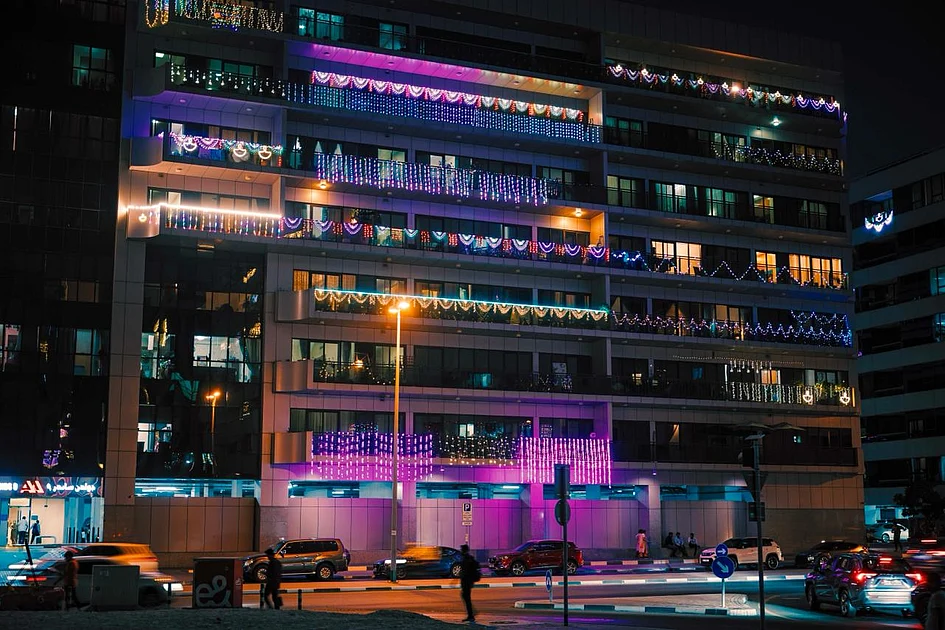
Diwali in UAE: Residents urged to keep noise levels down, avoid loud music
As the UAE lights up with the joyous celebrations of Diwali, residents are being reminded to balance their festive spirit with community harmony. Emaar Community Management has issued a circular urging everyone to keep noise levels in check, particularly during quiet hours from 10 PM to 8 AM. The circular emphasizes the importance of mutual respect in the UAE’s multicultural society, especially during festive occasions when gatherings, music, and fireworks are common. Practical tips include moderating outdoor activities, managing pet noise, respecting shared spaces, and scheduling construction work during daytime hours. Legal experts have also highlighted that maintaining peace is not just a social responsibility but a legal one. Ashish Mehta, Founder and Managing Partner of Ashish Mehta & Associates, pointed out that Article 1144 of the UAE Civil Transactions Law prohibits property owners from causing inconvenience to their neighbors. Residents facing excessive noise can file a complaint with the Dubai Municipality’s Noise Control Officer, who is authorized to take necessary actions under Article 77 of the Dubai Municipality Local Order No. 61 of 1991. The circular concludes with a call to celebrate with courtesy, ensuring that the festivities do not disrupt the peace and serenity of the community.
-

Rise of bio-aesthetics: How regenerative science is redefining health, beauty and dentistry
A groundbreaking shift is underway in the realms of health, beauty, and dentistry, as bio-aesthetics emerges as a transformative force. This science-driven movement emphasizes working in harmony with the body’s natural systems, moving beyond traditional reactive medicine to embrace regenerative and holistic approaches. Spearheaded by experts like David Roze, founder of ROZE BioHealth, bio-aesthetics is redefining what it means to achieve true wellness and beauty. Unlike conventional methods that focus on superficial fixes, bio-aesthetics delves deeper, prioritizing cellular health, tissue regeneration, and systemic balance. This philosophy is rooted in the belief that true health and beauty stem from within, where balanced systems and healthy cells lay the foundation for lasting vitality. Regenerative medicine is at the forefront of this movement, with stem-cell-based therapies leading the charge. Dental pulp stem cells, ethically sourced from deciduous and wisdom teeth, are particularly promising. These versatile cells can transform into bone, cartilage, nerve, and connective tissues, offering immense potential for both oral and systemic regeneration. Biological dentistry is also evolving, with biomimetic ceramics and bio-integrative compounds replacing traditional metals and synthetics. These materials mimic natural tissues, preserving tooth structure and promoting long-term biological harmony. Ozone therapy, myofunctional therapy, and energy-based treatments like red-light therapy and vagus nerve modulation are further enhancing patient outcomes. These therapies address root causes, improve cellular function, and support overall well-being. In Dubai, the demand for bio-aesthetic treatments is surging as individuals seek sustainable, health-aligned solutions. The future of bio-aesthetics is highly personalized, with advancements in AI diagnostics and cellular mapping enabling tailored treatments that offer precise, preventive, and regenerative results. Ultimately, bio-aesthetics is not just about enhancing appearance but about nurturing biology to achieve health and beauty that is both visible and deeply life-enhancing.
-
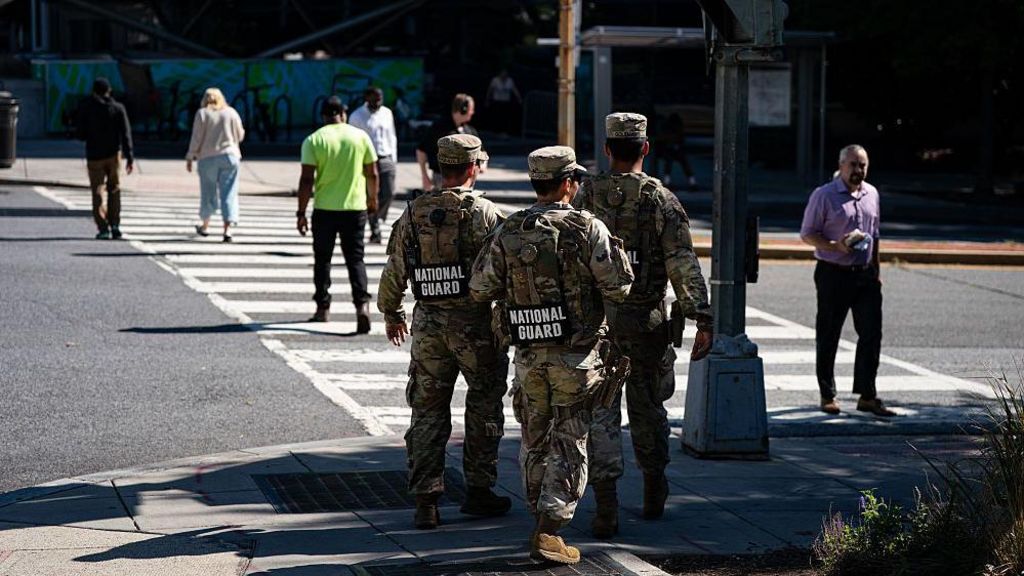
Appeals court allows Trump to deploy National Guard to Portland
A federal appeals court has overturned a lower court’s decision, permitting President Donald Trump to deploy National Guard troops to Portland, Oregon. The ruling, issued by the San Francisco-based Ninth Circuit Court of Appeals, allows approximately 200 troops to be stationed to safeguard federal buildings. This decision comes despite strong opposition from local and state officials, who argue that such intervention is unnecessary. The court’s majority found Trump’s 60-day deployment plan to be a ‘measured response’ to ongoing protests outside an Immigration and Customs Enforcement (ICE) facility in Portland’s South Waterfront district. The protests, which have persisted for months, have occasionally turned violent. The Justice Department had sought the deployment, asserting that local authorities have failed to address the unrest adequately. Earlier this month, US District Court Judge Karen Immergut had issued a temporary restraining order to block the deployment of the Oregon National Guard. Hours later, she also halted Trump’s attempt to deploy Texas National Guard units. The White House welcomed the appeals court’s decision, stating it reaffirms the president’s lawful authority to protect federal assets and personnel. However, Oregon Attorney General Dan Rayfield criticized the ruling, warning it grants the president ‘unilateral power’ to deploy troops with minimal justification. He urged the Ninth Circuit judges to reconsider and overturn the decision before the deployment proceeds.