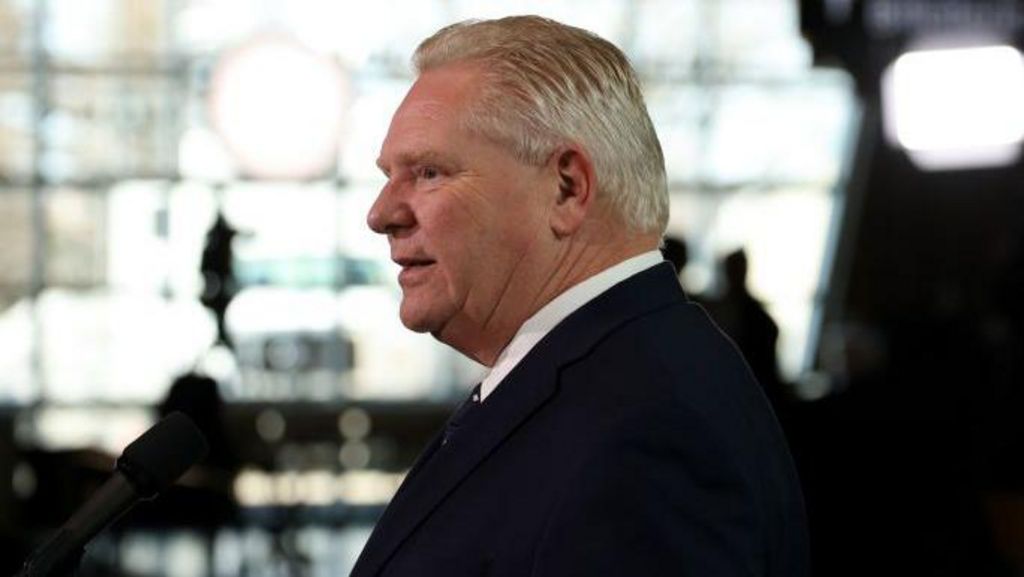
Ontario Premier Doug Ford has called for an apology from US Ambassador to Canada Pete Hoekstra following a heated exchange between the envoy and Ontario’s trade representative, David Paterson. The confrontation, described by CBC News as an “expletive-laced tirade,” stemmed from a TV advertisement funded by the Ontario government that criticized President Trump’s tariffs. The ad featured a quote from former President Ronald Reagan, stating that tariffs “hurt every America,” taken from his 1987 national radio address on foreign trade. Ford deemed Hoekstra’s remarks “absolutely unacceptable” and urged him to make amends, saying, “Pete, you gotta call Dave up and apologize. It’s simple.” The ad, which aired during the World Series games between the Toronto Blue Jays and the Los Angeles Dodgers, was hailed by Ford as “the most successful ad in North American history,” garnering over one billion impressions globally. However, it has sparked frustration within the Trump administration, with President Trump threatening to impose an additional 10% tariff on Canadian imports. Last week, Trump suspended trade talks with Canada over the ad, though the US Senate recently voted 50-46 to block these tariffs. The resolution, however, is unlikely to pass the House of Representatives. Ford defended his actions, stating, “What do they expect me to do? Sit back and roll over like every other person in the world?” The dispute highlights ongoing tensions between the US and Canada over trade policies.
标签: North America
北美洲
-

‘They slit my son’s throat’ says mother of teen killed in Rio police raid
A devastating police raid in Rio de Janeiro has left at least 119 people dead, exposing the violent underbelly of a city renowned for its picturesque beaches and vibrant culture. The operation, which targeted drug gangs entrenched in the city’s impoverished favelas, has drawn widespread condemnation from families of the victims and international observers. Among the dead were 115 suspected criminals and four police officers, according to provisional figures released by state authorities. The raid, described by officials as a success against organized crime, has been criticized for its excessive use of force, with families alleging that many victims were executed in cold blood. President Luiz Inacio Lula da Silva has called for a coordinated approach to combat drug trafficking without endangering civilians or police officers. The incident has cast a shadow over Brazil’s security challenges, just days before the country is set to host the COP30 UN climate talks in the Amazon. The United Nations has expressed deep concern over the high number of casualties, urging swift investigations into the matter. Meanwhile, residents of the affected communities continue to mourn their loved ones, with harrowing accounts of brutality emerging from the scene.
-
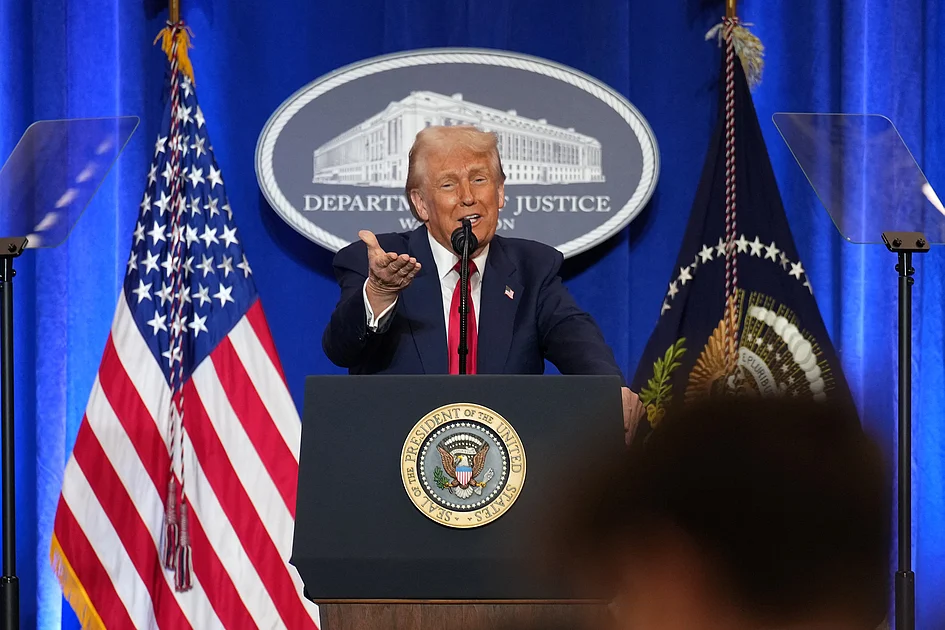
Trump says he ordered US to start nuclear weapons testing ‘immediately’
In a groundbreaking effort to enhance public health, the Burjeel Cancer Institute has launched a mobile breast cancer screening initiative aimed at making early detection accessible to all. This innovative program brings state-of-the-art screening facilities directly to communities, eliminating barriers such as distance, cost, and lack of awareness. The mobile unit is equipped with advanced diagnostic tools and staffed by experienced healthcare professionals, ensuring high-quality care. The initiative focuses on underserved areas where access to healthcare is limited, emphasizing the importance of early detection in improving survival rates. By taking healthcare on the road, Burjeel Cancer Institute is not only addressing a critical public health issue but also empowering individuals to take proactive steps in managing their health. This initiative is part of a broader strategy to combat breast cancer, which remains one of the leading causes of cancer-related deaths globally. The program has already garnered widespread support and is expected to make a significant impact in reducing the burden of breast cancer in the region.
-
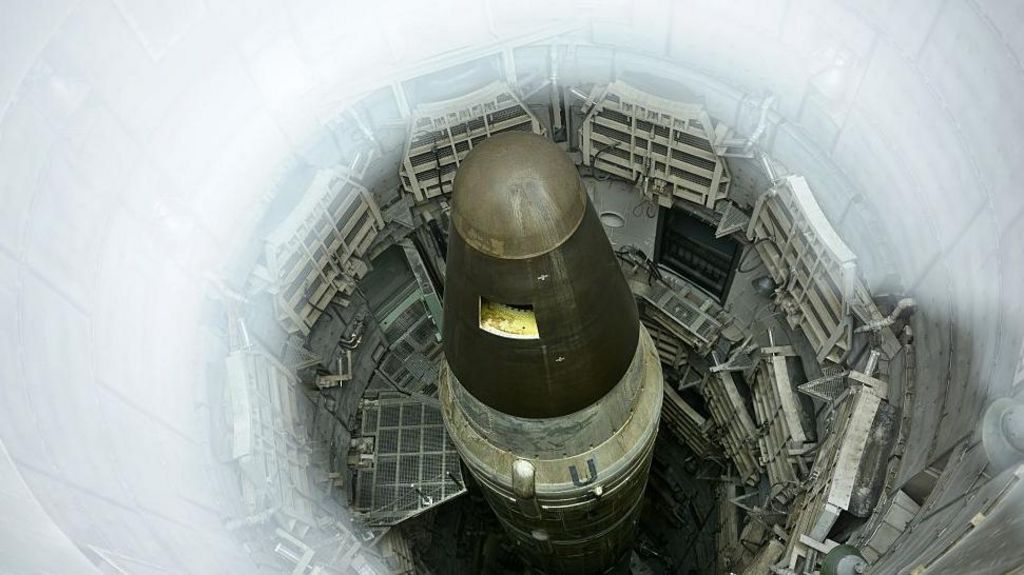
Trump directs nuclear weapons testing to resume for first time in over 30 years
In a significant policy shift, former US President Donald Trump has urged military leaders to resume nuclear weapons testing, citing the need to keep pace with global powers like Russia and China. Trump made the announcement on social media just before meeting Chinese President Xi Jinping in South Korea, emphasizing that the US must maintain its nuclear superiority. The US has not conducted nuclear tests since 1992, but Trump argued that other nations’ testing programs necessitate a response. He did not specify whether the proposed tests would involve nuclear explosions or weapon systems capable of delivering nuclear payloads. This move marks a departure from decades of US policy and comes amid heightened tensions with Russia, which recently tested advanced nuclear-capable weapons. The Kremlin denied conducting nuclear tests, stating its recent trials involved non-nuclear systems. China also responded, urging the US to adhere to the Comprehensive Nuclear-Test-Ban Treaty (CTBT). Experts warn that resuming nuclear testing could destabilize global arms control efforts and trigger a chain reaction among adversaries. Trump’s announcement has sparked criticism from opposition lawmakers and arms control advocates, who argue it lacks justification and risks public backlash.
-
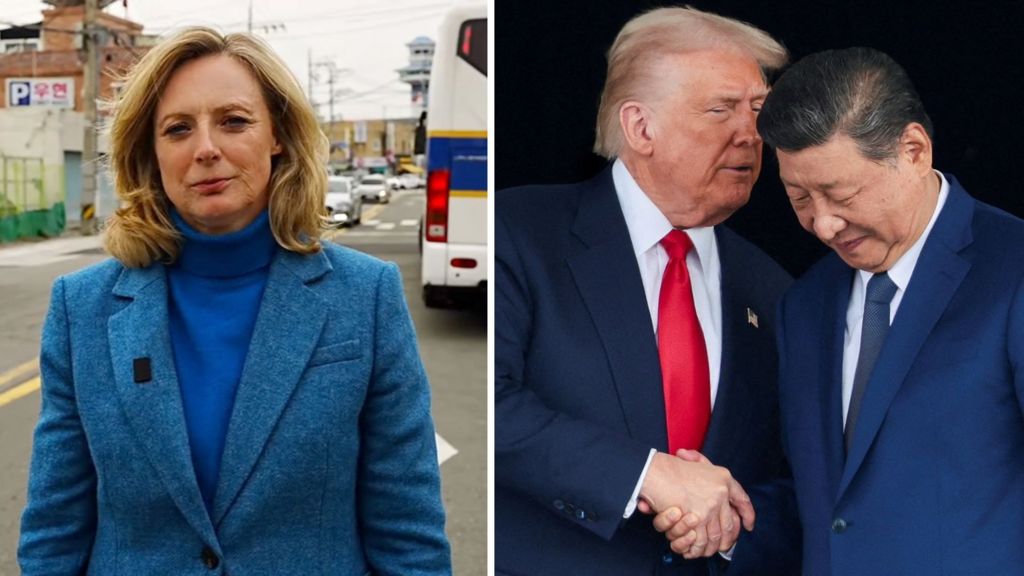
Watch: US and China’s different reports of their trade meeting
The recent trade negotiations between the United States and China have sparked significant attention, particularly due to the starkly different ways the two nations have portrayed the event. The BBC’s Laura Bicker delves into the contrasting narratives presented by both sides. While the US emphasized progress and the enforcement of trade agreements, China highlighted mutual understanding and cooperation. These divergent accounts underscore the ongoing complexities in US-China trade relations, reflecting broader geopolitical tensions. The reports also reveal how each country strategically frames its diplomatic engagements to align with domestic and international objectives. This analysis sheds light on the intricate dynamics of global trade diplomacy and the challenges of achieving consensus between economic superpowers.
-

Maker of Jeep and Fiat sees early results of turnaround with higher 3Q revenue
Stellantis, the world’s fourth-largest carmaker, announced a significant 13% increase in third-quarter net revenues, reaching 37.2 billion euros. This marks the end of a seven-quarter decline, driven by robust performance in North America. The Italian-Franco-U.S. automaker, known for brands like Jeep, Fiat, and Peugeot, reported a 13% rise in vehicle shipments to 1.3 million units, with nearly 70% of the 152,000 new vehicles shipped in North America. The resurgence was fueled by the relaunch of the popular RAM 1500, powered by the HEMI V-8 engine, which had been discontinued by previous management. CEO Antonio Filosa, who assumed leadership in June, described the results as “encouraging,” highlighting strategic changes aimed at enhancing customer choice and driving growth. Stellantis also launched six new models in the first nine months of 2025 and plans to introduce four more by year-end. Globally, vehicle sales rose 4%, with notable increases in Europe, the Middle East, and Africa. However, European net revenues grew by only 4%, with market share dipping to 15.4% due to declines in France and Italy. Filosa has been actively revitalizing the company after a challenging 2024, which led to the departure of former CEO Carlos Tavares. Stellantis recently announced a $13 billion investment in U.S. operations over four years, aiming to expand manufacturing and create 5,000 jobs, potentially mitigating the impact of U.S. tariffs. The company revised its tariff impact estimate for this year to 1 billion euros, down from 1.5 billion euros.
-

Toronto move within one win of World Series title
In a stunning display of power and precision, the Toronto Blue Jays moved one step closer to their first World Series title since 1993 with a commanding 6-1 victory over the Los Angeles Dodgers. The win gives the Blue Jays a 3-2 lead in the best-of-seven series, with the final games set to take place in Toronto. The game was marked by a historic first inning, where Davis Schneider and Vladimir Guerrero Jr. hit back-to-back home runs off the first two pitches, a feat never before seen in a World Series game. This early offensive surge set the tone for the rest of the match. Rookie pitcher Trey Yesavage delivered a standout performance, throwing seven innings with 12 strikeouts, a World Series record for a rookie, and allowing only one run. The Dodgers struggled to recover, with their only run coming from a solo homer by Enrique Hernandez in the third inning. The Blue Jays continued to build their lead, scoring in the seventh and eighth innings, leaving the Dodgers’ fans heading for the exits early. The series now shifts to Toronto, where the Blue Jays will look to clinch the title in front of their home crowd at the Rogers Centre.
-
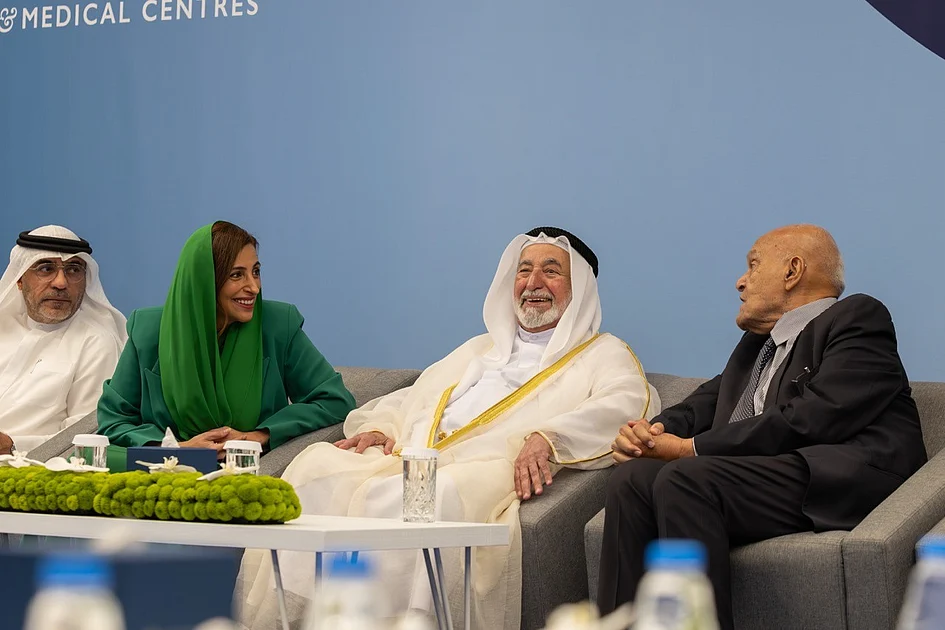
Sharjah Next launched: New event brings together experts to discuss healthcare innovation
Sharjah has taken a bold step forward in healthcare innovation with the launch of ‘Sharjah Next,’ a groundbreaking global series initiated by the Sharjah Research, Technology and Innovation Park (SPARK). The inaugural event, titled ‘Sharjah Next: Healthcare,’ kicked off on October 29, 2025, with a two-day program dedicated to exploring cutting-edge advancements in the medical field. The event was graced by the presence of Sheikh Dr Sultan bin Muhammad Al Qasimi, Ruler of Sharjah, and Sheikha Bodour bint Sultan Al Qasimi, Chairperson of SPARK’s Board of Directors.
-
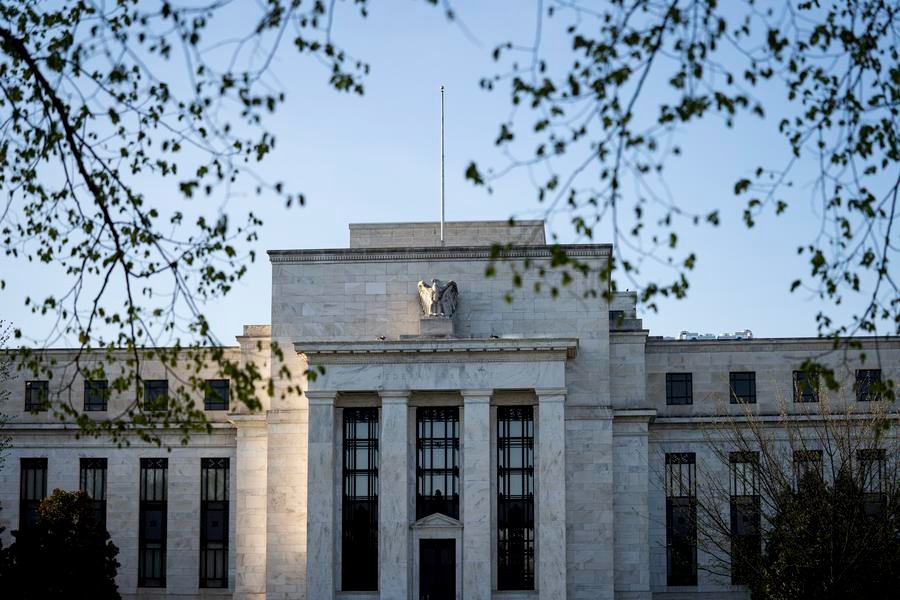
US Fed cuts interest rate by 25 basis points
In a significant monetary policy move, the US Federal Reserve announced on Wednesday, October 30, 2025, a reduction in the federal funds rate by 25 basis points, bringing the target range to 3.75 to 4 percent. This decision marks the second interest rate cut by the Fed this year, reflecting its ongoing efforts to navigate economic challenges and stimulate growth. The rate adjustment was made during the Federal Open Market Committee (FOMC) meeting, where policymakers assessed the current economic landscape and determined the necessity of easing monetary conditions. The move is expected to influence borrowing costs across the economy, impacting consumers, businesses, and financial markets. Analysts suggest that the rate cut could provide a boost to economic activity, particularly in sectors sensitive to interest rate changes, such as housing and automotive industries. However, concerns remain about the potential long-term effects on inflation and financial stability. The Fed’s decision underscores its commitment to balancing economic growth with price stability, as it continues to monitor global economic trends and domestic indicators.
-

UAE Central Bank lowers key benchmark rate to 3.90%
In a significant monetary policy move, the UAE Central Bank announced a reduction in its key benchmark rate to 3.90%, effective October 30. This decision, which lowers the base rate on overnight deposit facilities by 25 basis points from 4.15%, comes in direct response to the US Federal Reserve’s decision to cut interest rates by 25 basis points earlier on Wednesday. This marks the second rate cut by the Fed this year. The UAE’s monetary policy is closely tied to the US due to the dirham’s peg to the US dollar, necessitating alignment with Federal Reserve actions. Additionally, the UAE Central Bank has opted to maintain the interest rate for short-term liquidity borrowing at 50 basis points above the base rate for all standing credit facilities. The base rate, which is anchored to the US Federal Reserve’s Interest Rate on Reserve Balances, serves as a critical indicator of the UAE’s monetary policy stance and sets a floor for overnight money market rates. The US rate cut aims to stimulate the economy amid ongoing challenges, including the lingering effects of former President Donald Trump’s tariffs and the prolonged government shutdown, which has disrupted the publication of official economic data. Fed officials have expressed concerns about a cooling labor market, prompting a focus on bolstering employment despite inflation remaining above target. While financial markets had anticipated the October and December rate cuts, Fed Chair Jerome Powell has indicated that the Federal Open Market Committee (FOMC) remains open to future decisions. Analysts, including EY chief economist Gregory Daco, suggest that Powell has not yet committed to a December rate cut, though two quarter-point reductions this year are widely expected. Amid these developments, Trump’s efforts to exert greater control over the Federal Reserve and plans to replace Powell add further complexity to the economic landscape.