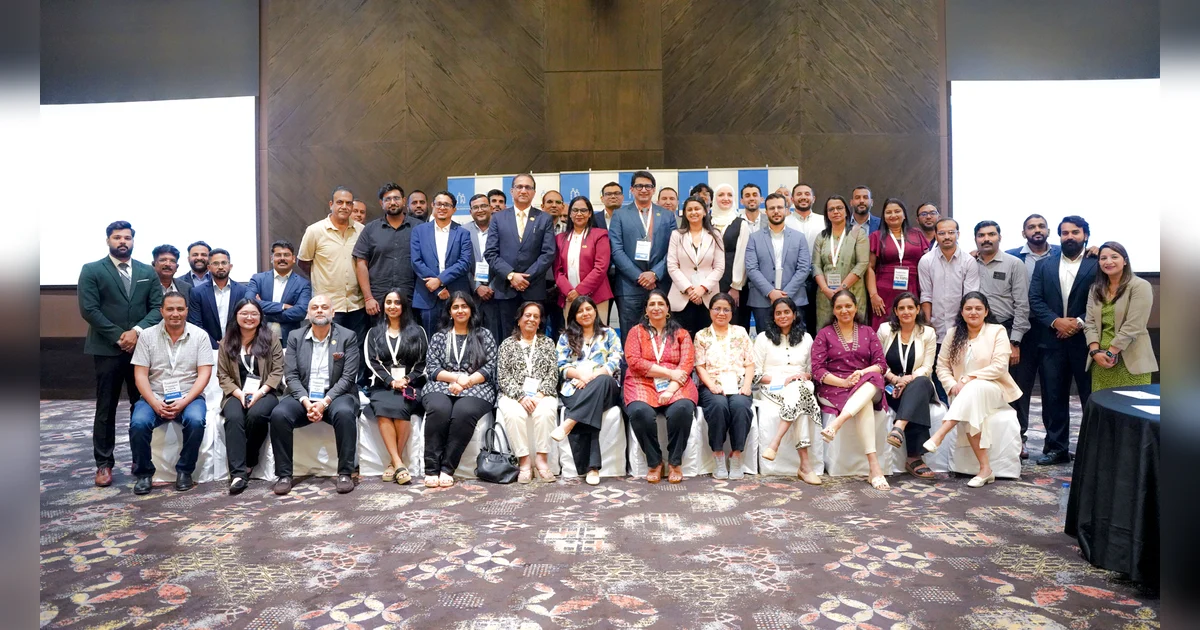
The International Modern Hospital (IMH) marked a significant milestone by hosting its inaugural Clinical Conference on Mechanical Ventilation in 2025. Titled ‘Mechanical Ventilation: A Comprehensive Clinical Approach,’ the event united UAE’s foremost critical-care specialists, including physicians, anesthesiologists, intensivists, pulmonologists, emergency experts, nephrologists, and nurses. The one-day conference, accredited with 6 Continuing Medical Education (CME) hours, featured immersive workshops, interactive discussions, and cutting-edge evidence-based updates on mechanical ventilation practices. Dr. Kishan Pakkal, CEO of IMH, underscored the hospital’s dedication to advancing clinical excellence and patient safety, stating, ‘Knowledge sharing is the foundation of exceptional healthcare. This conference exemplifies our commitment to empowering healthcare professionals with the skills to deliver precise and compassionate care to patients reliant on mechanical ventilation.’ Dr. Rohit Kumar, IMH’s Medical Director, emphasized the importance of interdisciplinary collaboration, noting, ‘Modern medicine thrives on teamwork. By uniting experts across specialties, we can exchange insights and elevate critical care standards nationwide.’ The event, masterfully orchestrated by Dr. Remya Venugopalan, IMH’s Director of Operations, highlighted IMH’s vision for continuous learning and professional development. The conference was structured into four sessions, covering airway assessment, ventilation in special conditions, ARDS and traumatic brain injury management, and cardiogenic shock post-cardiac arrest. The day concluded with a panel discussion, certificate distribution, and networking lunch, fostering meaningful connections among participants. Co-hosted by Dr. Venugopalan and Jessy Sebastian, the event reinforced IMH’s role in fostering cross-institution collaboration within the UAE’s healthcare ecosystem.
标签: North America
北美洲
-
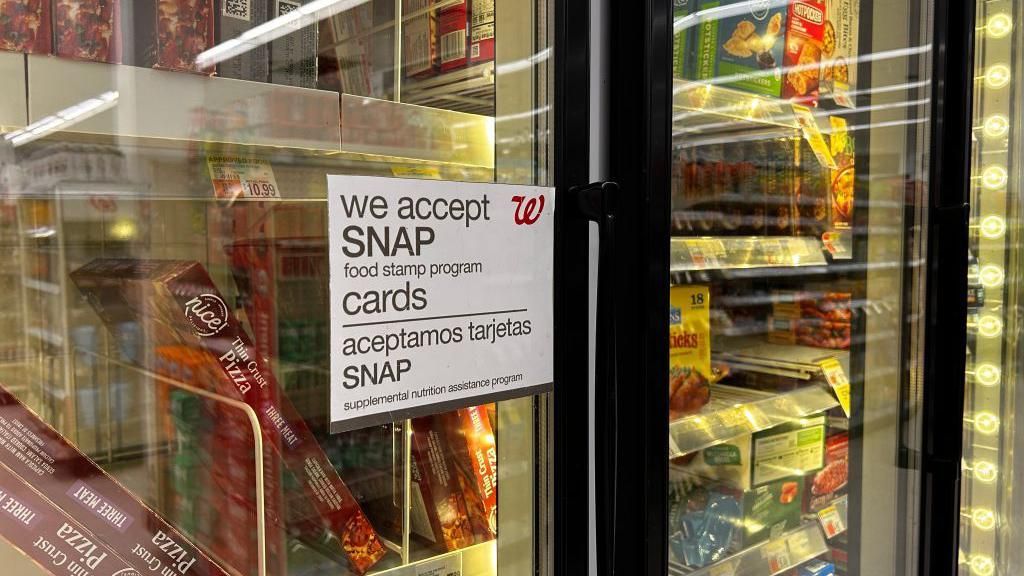
US judge blocks Trump administration from halting Snap food benefits
In a significant legal development, federal judges have intervened to prevent the Trump administration from halting the Supplemental Nutrition Assistance Program (SNAP), a vital food aid initiative relied upon by over 40 million low-income Americans. The decision comes amid an ongoing government shutdown that has now stretched into its second month. On Friday, a Rhode Island judge issued a temporary restraining order, deeming the administration’s plan to suspend SNAP benefits likely unlawful. This ruling followed a similar decision by a Massachusetts federal judge, who mandated that the administration must provide at least partial benefits, citing legal obligations. The US Department of Agriculture had earlier announced that SNAP funds would not be distributed in November, claiming the ‘well has run dry’ due to the shutdown. The program, which provides reloadable debit cards for purchasing essential groceries, is a lifeline for millions, with an average family of four receiving $715 per month. While some states have pledged to cover the shortfall using their own funds, the federal government has warned that reimbursements will not be made. Half of US states have sued the administration, urging it to tap into a $6 billion emergency contingency fund for SNAP. The Massachusetts judge has given the administration until Monday to report on whether it will authorize partial benefits for November. In Rhode Island, a lawsuit brought by cities and NGOs challenged the ‘unlawful suspension’ of the program, with plaintiffs hailing the ruling as a ‘lifeline’ for vulnerable populations. The case underscores the broader political stalemate over the shutdown, with Republicans and Democrats continuing to trade blame without meaningful progress toward a resolution.
-
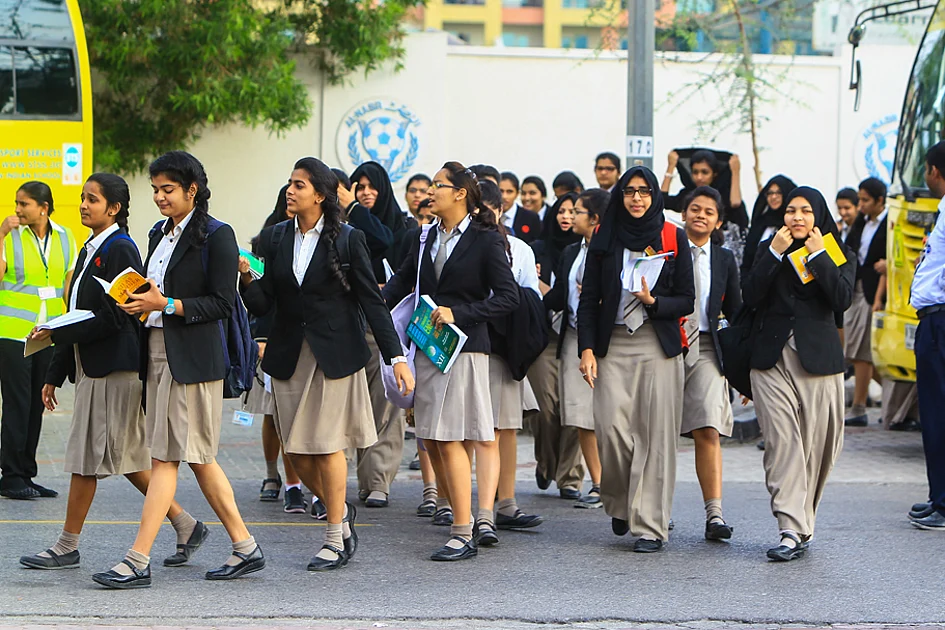
CBSE announces start date of Grade 10, 12 Board Exams
The Central Board of Secondary Education (CBSE) has officially announced that the Board examinations for Grades 10 and 12 will commence on February 17, 2026. This decision aligns with the recommendations outlined in the National Education Policy (NEP) 2020, which mandates two separate examinations for Class X students. The CBSE has meticulously planned the exam schedule to ensure minimal overlap and optimal preparation time for students. Key considerations include providing adequate gaps between subjects, aligning the schedule with entrance exams for Class XII students, and avoiding simultaneous absences of teachers during evaluation periods. Additionally, the board has ensured that no two subjects’ exams for a single student fall on the same date, addressing over 40,000 subject combinations. The exams will begin at 10:30 AM IST (9:00 AM UAE time), offering convenience for students across different time zones. This strategic scheduling aims to enhance students’ time management and reduce stress during the critical examination period.
-

Disney pulls channels from YouTube TV over fee dispute
YouTube TV subscribers in the United States have been abruptly cut off from popular Disney-owned channels, including ESPN, ABC, National Geographic, and the Disney Channel, as negotiations between YouTube TV and Disney over a new licensing agreement have reached an impasse. The channels were removed just before midnight on Thursday, the deadline for the two parties to strike a deal, leaving approximately 10 million subscribers without access to these networks.
-

Newbury Developments launches ‘Chapter 1’ in Al Warsan 4
Newbury Developments has introduced its latest residential venture, ‘Chapter 1,’ in Al Warsan 4, setting a new standard for modern and affordable urban living in Dubai. The project offers a limited selection of studios, one-bedroom, and two-bedroom apartments, blending cutting-edge architecture with smart home technology and premium amenities. Each unit is designed with a fully fitted kitchen and an Alexa Smart Home system, ensuring convenience and contemporary living for residents. Key features include a podium-level swimming pool, a children’s play area, a BBQ zone, an indoor gym with scenic views, and a grand reception area with spacious corridors and a dedicated lift lobby. Additionally, the development provides ample covered parking and access to an on-site retail outlet. Strategically located, Chapter 1 boasts excellent connectivity across Dubai, with the upcoming Blue Line Metro Station just a two-minute walk away. This prime location ensures quick access to major destinations such as Sheikh Mohammed Bin Zayed Road (5 minutes), Dubai Safari Park (13 minutes), Dubai International Airport (15 minutes), Downtown Dubai and Dubai Mall (20 minutes), and Burj Khalifa (25 minutes). Pricing starts at Dh577,000 for studios, Dh770,000 for one-bedroom units, and Dh1.33 million for two-bedroom units, with a flexible payment plan requiring only a 20% down payment. Targeted at young professionals and families, Chapter 1 promises a luxurious yet affordable lifestyle. To promote the launch, Newbury Developments has partnered with influencers to showcase the project’s design, amenities, and community lifestyle through social media reels and event coverage. A spokesperson for the company emphasized that Chapter 1 represents a new benchmark in smart, connected, and value-driven living, catering to the evolving needs of Dubai’s real estate market. For more updates, follow @newburydevelopments on Instagram.
-
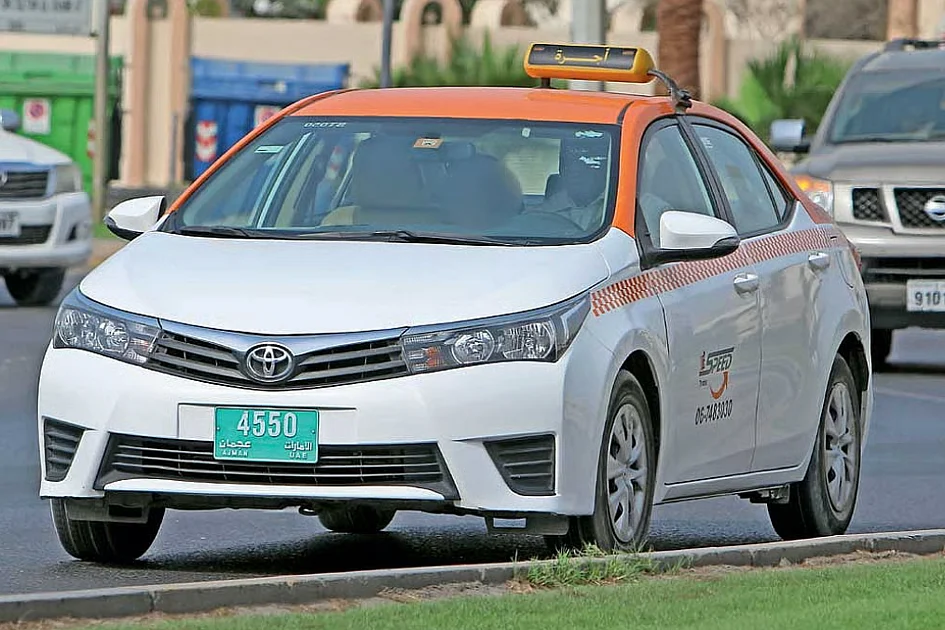
UAE: New taxi fare announced for November in Ajman
The Ajman Transport Authority has unveiled updated taxi fares and fuel prices for November, reflecting a slight reduction in costs for commuters and motorists. Effective November 1, the taxi fare will decrease by 2 fils to Dh1.75 per kilometer, down from Dh1.77 in October. This adjustment follows the announcement of revised fuel prices, which also show a notable decline. Super 98 petrol will now cost Dh2.63 per litre, a drop of 14 fils from October’s Dh2.77. Similarly, Special 95 petrol will be priced at Dh2.51 per litre, down from Dh2.66, while E-Plus 91 petrol will cost Dh2.44 per litre, a reduction of 14 fils. Diesel prices will also decrease to Dh2.67 per litre from Dh2.71. These changes mean that filling a vehicle’s tank in November will cost between Dh7 and Dh11.11 less than in October, depending on the vehicle type. The adjustments aim to align transportation costs with the fluctuating fuel market, offering financial relief to residents and visitors in Ajman.
-

‘There’s a monkey running around’: Pet monkey loose inside US Halloween store
A Halloween store in the United States became the unexpected stage for an unusual incident when a pet monkey, described as acrobatic by its owner, escaped and ran loose inside the premises. According to the owner, the primate was startled by a store display, prompting it to flee and create a scene that left shoppers both amused and bewildered. Police were called to the scene to assist in capturing the runaway monkey, which had been a source of both entertainment and concern for those present. The incident highlights the challenges of keeping exotic pets in urban environments and raises questions about the safety and appropriateness of such practices. While no injuries were reported, the event has sparked discussions about the regulations surrounding pet ownership and the potential risks associated with animals in public spaces.
-
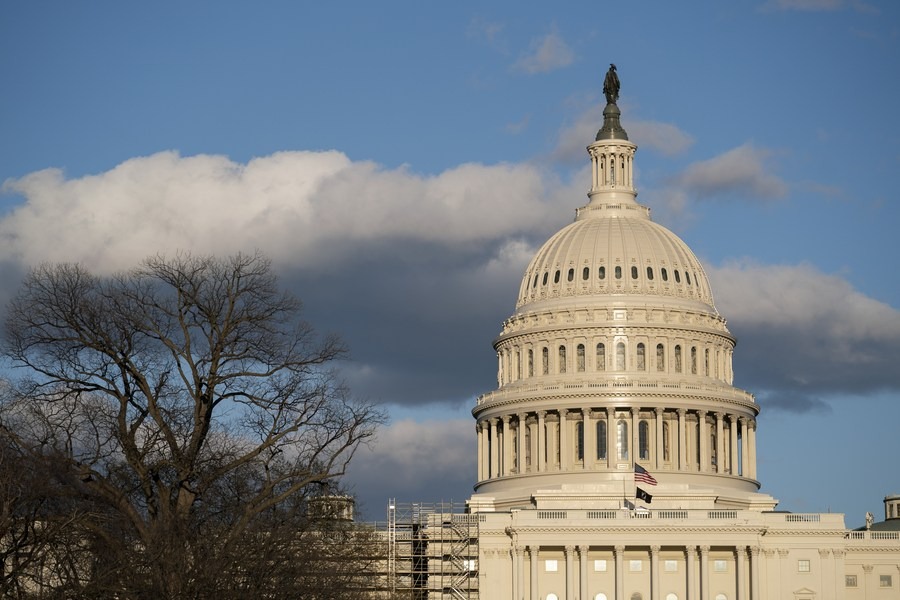
US Senate votes to eliminate Trump’s global tariffs
In a significant political development, the US Senate voted 51-47 on Thursday to terminate the national emergency declaration that President Donald Trump used to justify imposing global tariffs in early April. This move, largely symbolic due to prior House restrictions on blocking such tariffs, saw four Republicans join Democrats in supporting the resolution. The vote underscores growing bipartisan dissent against Trump’s aggressive tariff policies, which have aimed to reshape US trade relationships. Earlier in the week, the Senate also passed two resolutions to eliminate duties on goods from Canada and Brazil, further signaling lawmakers’ pushback. Trump’s tariffs, introduced in April, included a 10% levy on all countries and additional ‘reciprocal’ tariffs on nations with significant trade imbalances with the US. The US Supreme Court is set to hear a case challenging the legality of these tariffs on November 5, following lower court rulings that deemed them illegal. According to US Customs and Border Protection, the tariffs have generated approximately $88 billion in tax revenue through August. However, the Tax Foundation warns that these tariffs could increase household taxes by over $1,600 annually and reduce GDP by 0.5% over the next decade.
-

Watch: Deadly rainfall sets record in New York City
New York City experienced unprecedented rainfall, resulting in catastrophic consequences. The torrential downpour submerged major roadways, uprooted large trees, and claimed the lives of at least two individuals. The intensity of the rainfall set a new record, overwhelming the city’s infrastructure and leaving residents in a state of emergency. Authorities are currently assessing the full extent of the damage and coordinating relief efforts. This extreme weather event has raised concerns about the city’s preparedness for such natural disasters, especially in the face of increasingly unpredictable climate patterns. The incident serves as a stark reminder of the urgent need for enhanced urban planning and disaster management strategies.
-
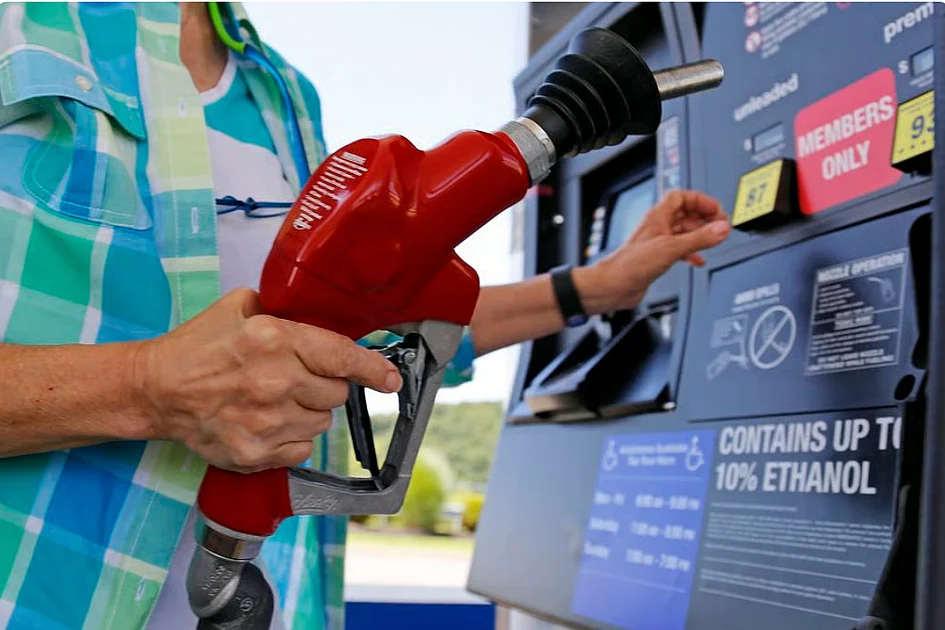
UAE petrol, diesel prices for November 2025 announced
The United Arab Emirates (UAE) has unveiled its fuel pricing structure for November 2025, marking a notable shift from the previous month’s rates. Effective from November 1, Super 98 petrol will be priced at Dh2.63 per litre, a decrease from October’s Dh2.77. Similarly, Special 95 petrol will cost Dh2.51 per litre, down from Dh2.66, while E-Plus 91 petrol will be available at Dh2.44 per litre, reduced from Dh2.58. Diesel prices will also see a slight adjustment, dropping to Dh2.67 per litre from Dh2.71. This announcement continues the UAE’s policy of deregulating fuel prices, a strategy implemented in 2015 to align domestic rates with international market trends. The move aims to ensure transparency and economic stability while reflecting global oil price fluctuations. The UAE’s fuel pricing mechanism remains a critical factor in its broader economic framework, influencing both consumer spending and business operations across the region.