Over 42 million Americans are anxiously awaiting a critical decision from the Trump administration regarding the use of emergency funds to sustain the Supplemental Nutrition Assistance Program (SNAP), commonly known as food stamps. Federal judges in Massachusetts and Rhode Island have mandated the administration to provide updates by Monday at 12:00 EST (17:00 GMT) on how it plans to allocate $5.25 billion in emergency funds to ensure partial SNAP payments. This comes as the program faces a funding crisis due to the prolonged US government shutdown, which began on October 1 after Congress failed to agree on a budget. Since Saturday, millions of Americans have been left without essential food assistance as SNAP funds have been exhausted. While individual states manage the distribution of benefits, the program relies entirely on federal funding, which has been suspended during the shutdown. Treasury Secretary Scott Bessent indicated that the administration is exploring legal avenues to reallocate funds, with payments potentially resuming as early as Wednesday. However, the process remains uncertain. Half of the US states and the District of Columbia have filed lawsuits against the administration, arguing that it has a legal obligation to continue the program. Meanwhile, some states have pledged to use their own resources to fund SNAP benefits temporarily. SNAP is a lifeline for low-income families, providing reloadable debit cards to purchase groceries. On average, a family of four receives $715 per month, equating to less than $6 per person daily. The ongoing uncertainty has left millions of vulnerable Americans in a precarious position, highlighting the broader impacts of the government shutdown.
标签: North America
北美洲
-
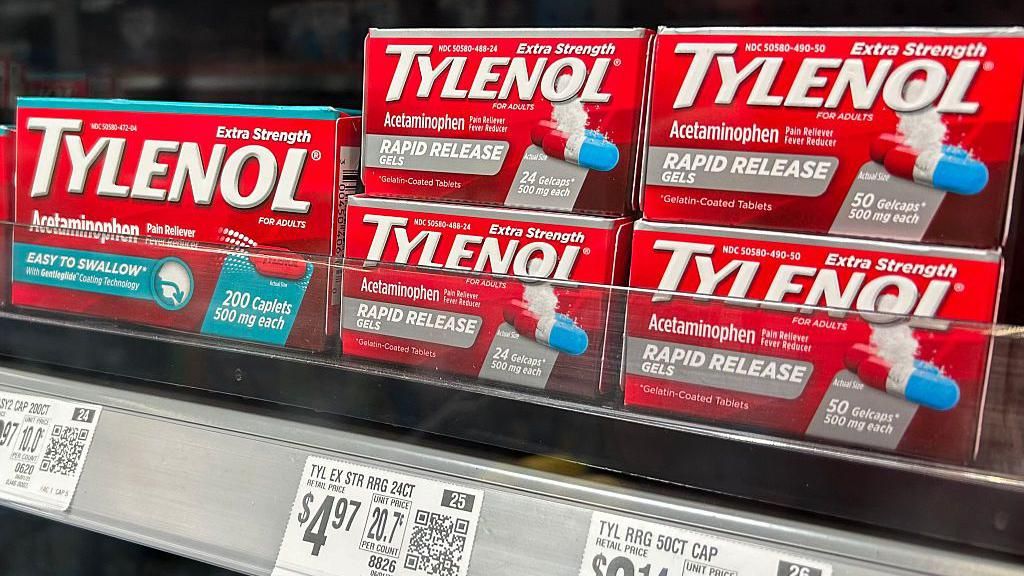
Kimberly-Clark to buy Tylenol-maker for more than $40bn
In a landmark $40 billion cash-and-stock transaction, Kimberly-Clark, the maker of Kleenex and Huggies, is set to acquire Kenvue, the company behind Tylenol and other household brands like Band-Aid and Neutrogena. The deal aims to create a consumer goods powerhouse, combining some of the most widely used health and wellness products globally. However, the acquisition comes amid significant challenges for Kenvue, including declining sales, legal battles, and controversies surrounding its products. The Trump administration recently linked Tylenol use during pregnancy to autism, a claim disputed by scientists, which further impacted Kenvue’s stock performance. Kenvue, spun off from Johnson & Johnson in 2023, has seen its shares drop nearly 30% over the past year, making it a target for activist investors pushing for a sale. The merger, expected to close in the second half of next year, will generate $32 billion in combined sales this year, according to executives. While Kenvue shares surged 17% following the announcement, Kimberly-Clark’s stock fell over 10%, reflecting investor skepticism about the deal’s risks. Kenvue also faces a lawsuit from the Texas attorney general alleging the company concealed potential risks of its products to children’s brain development. Additionally, Johnson & Johnson, Kenvue’s former parent, has been embroiled in lawsuits over its talcum powder products, accused of containing asbestos, which the company denies.
-
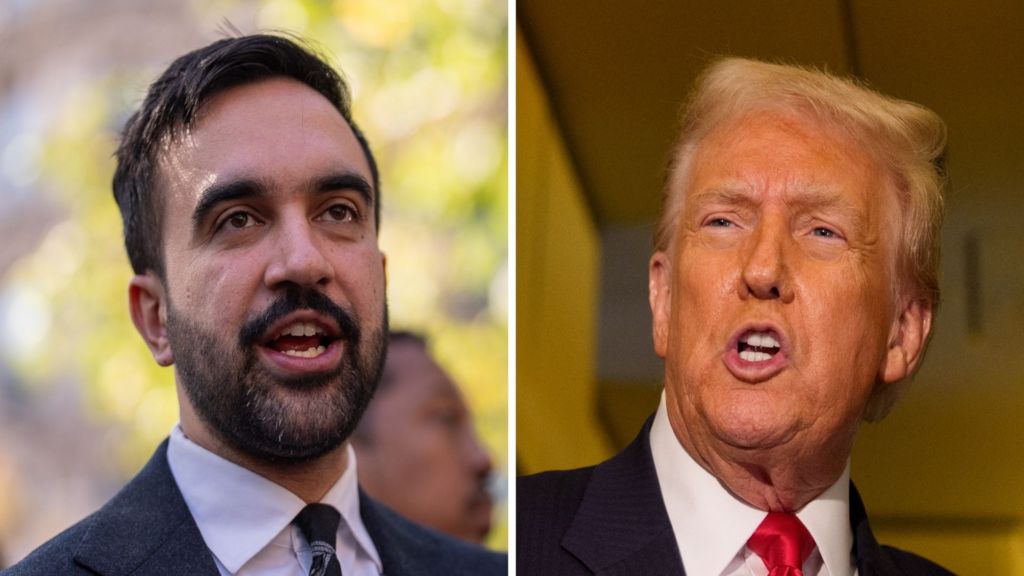
Trump says it would be ‘hard for me’ to fund New York City if Mamdani becomes mayor
In a recent television interview, former U.S. President Donald Trump expressed his reluctance to allocate federal funds to New York City should Zohran Mamdani, a left-wing candidate, win the mayoral race. Trump labeled Mamdani as a ‘Communist’ and suggested that sending money to the city under his leadership would be wasteful. ‘It’s gonna be hard for me as the president to give a lot of money to New York, because if you have a Communist running New York, all you’re doing is wasting the money you’re sending there,’ Trump stated. This remark aligns with the Trump administration’s history of attempting to reduce federal grants to Democratic-run areas.
-
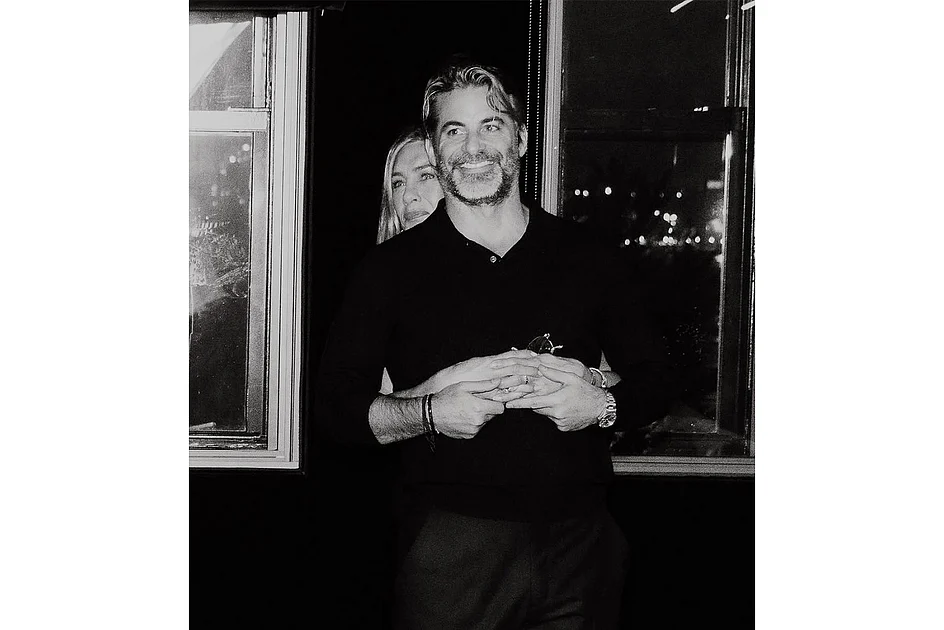
Jennifer Aniston confirms relationship with Jim Curtis
Hollywood icon Jennifer Aniston has publicly confirmed her relationship with Jim Curtis, sharing a heartfelt black-and-white photo on Instagram to celebrate his birthday. The image, posted on Sunday, shows Curtis smiling warmly as Aniston affectionately wraps her arms around him from behind. The caption, ‘Happy birthday, my love. Cherished,’ quickly garnered an outpouring of support from fans. One admirer commented, ‘You are GLOWING! You go, girl, you have us cheering for you forever and always,’ while another expressed, ‘I cannot even explain how happy I am to see you happy, my Jen Jen.’ A third fan added, ‘This post just made my whole week, and it’s not even Monday yet.’ The couple, first linked in July after being spotted on a yacht, has since been seen together at several high-profile events, including the premiere of ‘The Morning Show’ season 4 and a dinner date with Aniston’s close friend Jason Bateman and his wife Amanda Anka. Introduced by a mutual friend, Curtis, a renowned author and life coach in the health and wellness industry, has reportedly had a positive influence on Aniston, encouraging her to ‘slow down’ and find balance in her busy life. A source revealed, ‘He’s helped her turn inward and slow down a bit. He really appreciates and feels proud of everything she’s built.’
-

Mississippi mum fatally shoots escaped research monkey
A chaotic scene unfolded in Mississippi last week after a truck transporting monkeys overturned, leading to the escape of several primates. One of the escaped monkeys was shot dead by Jessica Bond Ferguson, a local mother of five, who claimed she acted out of concern for her children’s safety. Ferguson stated that she and other residents had been warned the monkeys might carry diseases. “I did what any other mother would do to protect her children,” she told the Associated Press. The monkeys were being transported from Tulane University’s National Biomedical Research Center in New Orleans, Louisiana, where they were housed for scientific research. Officials from the university clarified that the monkeys did not carry any infectious agents. Ferguson’s 16-year-old son alerted her to a monkey in their backyard, prompting her to grab her gun and cell phone. She described shooting the animal twice before it fell. The Jasper County Sheriff’s Department confirmed the incident, noting that the monkey was later taken into custody by the Department of Wildlife, Fisheries, and Parks. Confusion persists regarding the escape, including the number of monkeys transported, their ownership, and the cause of the truck accident. Tulane University emphasized that it did not own, transport, or have custody of the monkeys at the time of the incident but sent animal care experts to assist. Videos circulating online showed the monkeys moving through tall grass near the highway, with wooden crates labeled “live animals” visible. The transported monkeys were Rhesus macaques, a species commonly used in biomedical research, particularly for infectious disease studies and vaccine development.
-
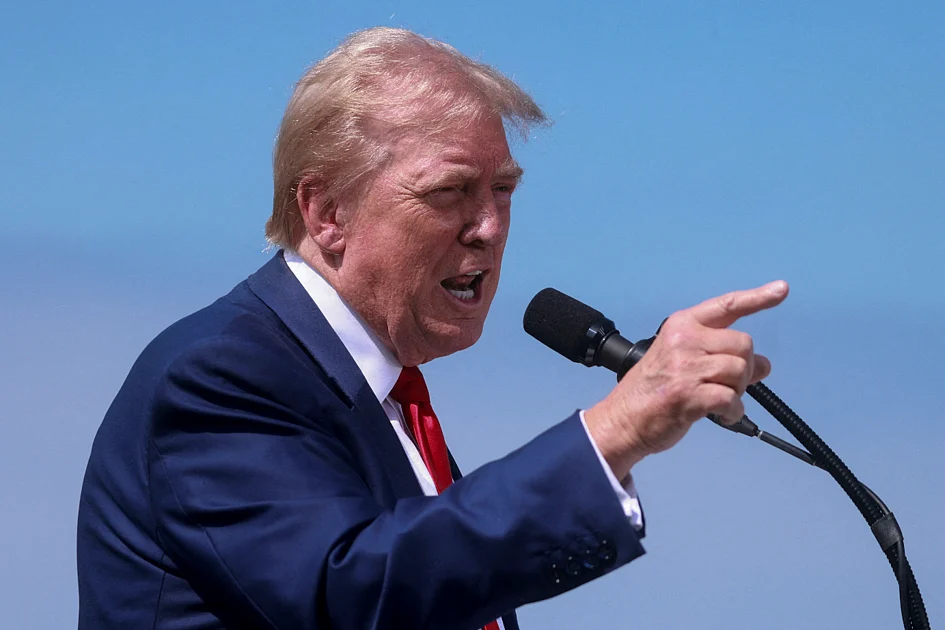
Trump’s global tariffs to face challenge before Supreme Court
The US Supreme Court is poised to deliberate on the legality of former President Donald Trump’s expansive use of emergency economic powers to impose global tariffs. This landmark case, set for arguments on Wednesday, challenges the foundation of Trump’s ‘America First’ trade policy, which aimed to protect and bolster US industries through reciprocal tariffs on countries deemed to engage in unfair trade practices. These tariffs, targeting major trading partners like Mexico, Canada, and China, have faced significant legal scrutiny since their implementation. In May, a lower court ruled that Trump exceeded his authority, a decision upheld by the US Court of Appeals for the Federal Circuit in August. The Supreme Court’s conservative majority now faces a pivotal decision: to either block the tariffs entirely or affirm Trump’s actions, potentially paving the way for further levies. The outcome could impact billions in customs revenue and influence future trade negotiations. While the ruling won’t affect sector-specific tariffs on steel, aluminum, and automobiles, it could set a precedent for executive authority in trade policy. Small businesses, already burdened by the tariffs, warn of existential threats, with owners like Victor Schwartz of VOS Selections and Mike Gracie, a wallpaper importer, highlighting the financial strain. Experts suggest the court might impose limitations or allow tariffs under specific conditions, but the broader implications for executive power and market stability remain a concern.
-
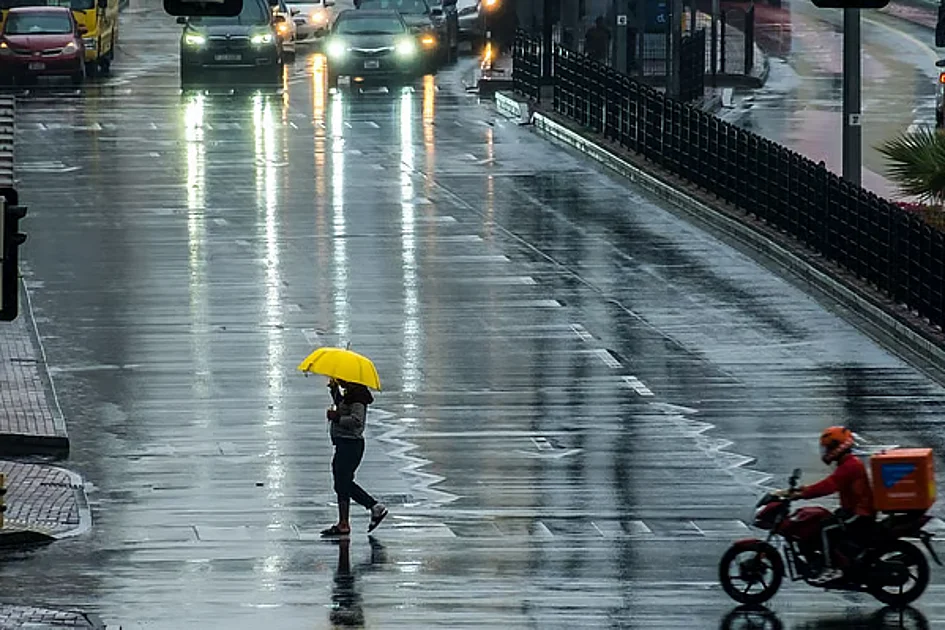
UAE weather: Rains expected; Dubai to see lows of 22ºC
As November sets in, the United Arab Emirates (UAE) is gearing up for a shift in weather patterns, with cooler temperatures and sporadic rainfall expected across the region. According to the National Centre of Meteorology (NCM), light rains are forecasted for Monday, November 3, accompanied by partly cloudy skies. Coastal and island areas are likely to experience increased cloud cover.
-
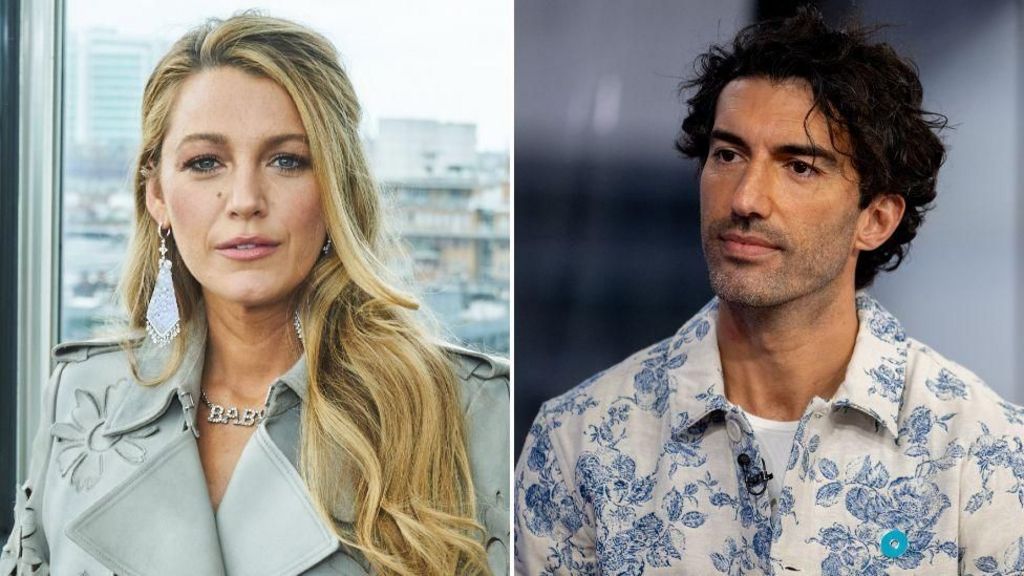
Justin Baldoni case against Blake Lively dismissed after deadline lapse
The protracted legal dispute between Hollywood stars Blake Lively and Justin Baldoni has reached a decisive conclusion. A judge has officially dismissed Baldoni’s $400 million lawsuit against Lively, citing his failure to meet the deadline for filing an amended complaint. The conflict stems from their collaboration in the 2024 film *It Ends with Us*, which spiraled into a bitter legal feud after Lively accused Baldoni of sexual harassment and orchestrating a smear campaign against her in December 2023. Baldoni retaliated with a lawsuit against Lively, her husband Ryan Reynolds, their publicist, and the *New York Times*, alleging civil extortion, defamation, and invasion of privacy. While Baldoni’s case was initially dismissed in June 2024, he was granted the opportunity to refile with revised claims. However, Judge Lewis Liman ruled that Baldoni missed the deadline, effectively ending the case. Lively’s legal team celebrated the dismissal as a ‘total victory,’ while Baldoni’s attorney maintained that the facts were on their side. The judge also dismissed a separate $250 million lawsuit against the *New York Times*, stating the publication had no malicious intent in its reporting. Lively’s original lawsuit against Baldoni remains ongoing, leaving the final chapter of this high-profile legal saga yet to be written.
-
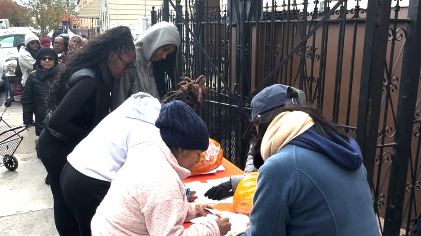
Federal workers feel squeeze for food during shutdown
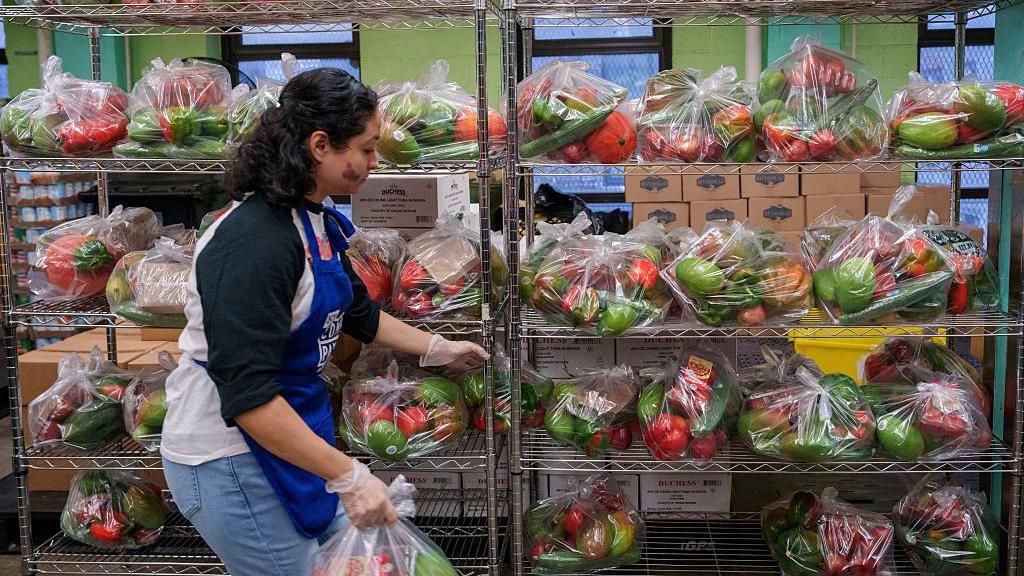
As the federal government shutdown extends into its fifth week, hundreds of thousands of federal workers across the United States are grappling with severe financial strain, forcing many to seek assistance from food banks to feed their families. The shutdown, which began on October 1 due to a political impasse over healthcare funding and other policy priorities, has left 1.4 million federal employees without pay, including 670,000 furloughed workers and 730,000 who continue to work without compensation. In Queens, New York, long lines of federal workers formed outside a church on October 28, waiting to collect basic produce like peppers, onions, and carrots from the Food Bank For New York City. Among them was Jacquelin, a federal employee who tearfully shared her struggles, including the inability to celebrate her daughter’s birthday or afford basic meals. Christina Dechabert, a Transportation Security Administration employee at JFK Airport, echoed these sentiments, expressing frustration at having to dip into savings meant for retirement to cover daily expenses. The crisis has also impacted the Supplemental Nutrition Assistance Program (SNAP), with November benefits delayed for over 40 million Americans, deepening food insecurity nationwide. Legal battles have ensued, with dozens of states suing the Trump administration over the SNAP cuts, while federal judges ruled on October 31 that SNAP funding must continue during the shutdown. Economically, the shutdown is projected to cause significant losses, with the Congressional Budget Office estimating a permanent $7 billion hit to the U.S. economy if it ends this week, and up to $14 billion if it extends through November 26. The travel industry is also suffering, with national parks partially closed and airports experiencing delays due to staffing shortages. While federal workers will receive backpay once the government reopens, contractors face permanent losses. Economists warn that the shutdown disproportionately affects lower-income Americans, exacerbating inequality and eroding trust in the political system. As negotiations remain stalled in Washington, the human toll of the shutdown continues to grow, with federal workers bearing the brunt of the crisis.
-
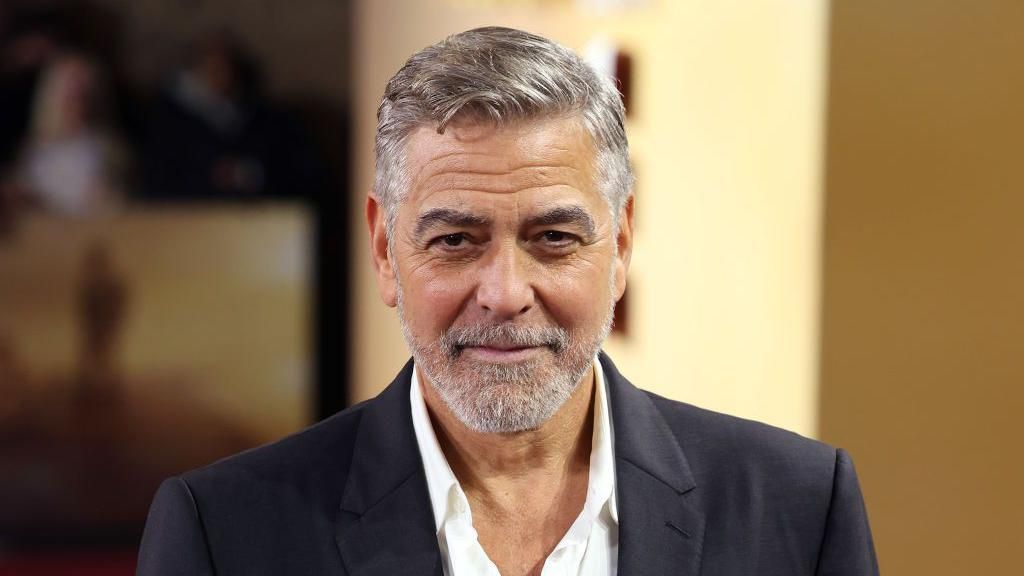
Clooney says Harris replacing Biden was a ‘mistake’
In a recent interview with CBS, renowned actor and Democratic fundraiser George Clooney expressed his belief that it was a ‘mistake’ for Kamala Harris to replace Joe Biden as the Democratic candidate in the 2024 U.S. presidential election. Clooney, who had penned a high-profile op-ed in the New York Times in July 2024 urging Biden to step aside, stood by his decision, stating, ‘We had a chance.’ He argued that Biden, despite his storied career, was no longer fit to face the challenges of a presidential campaign, particularly against Donald Trump. Clooney emphasized the need for a primary to ‘battle-test’ potential candidates, but the Democratic Party ultimately bypassed this process, handing the nomination to Harris. Reflecting on her candidacy, Clooney noted the difficulty Harris faced in distancing herself from her own record, calling it a ‘very tough task.’ His comments followed a heated response from Hunter Biden, who criticized Clooney for questioning his father’s mental acuity in an expletive-laden interview. Meanwhile, Harris, in a BBC interview, hinted at a possible future presidential run, expressing confidence that a woman would one day occupy the White House.