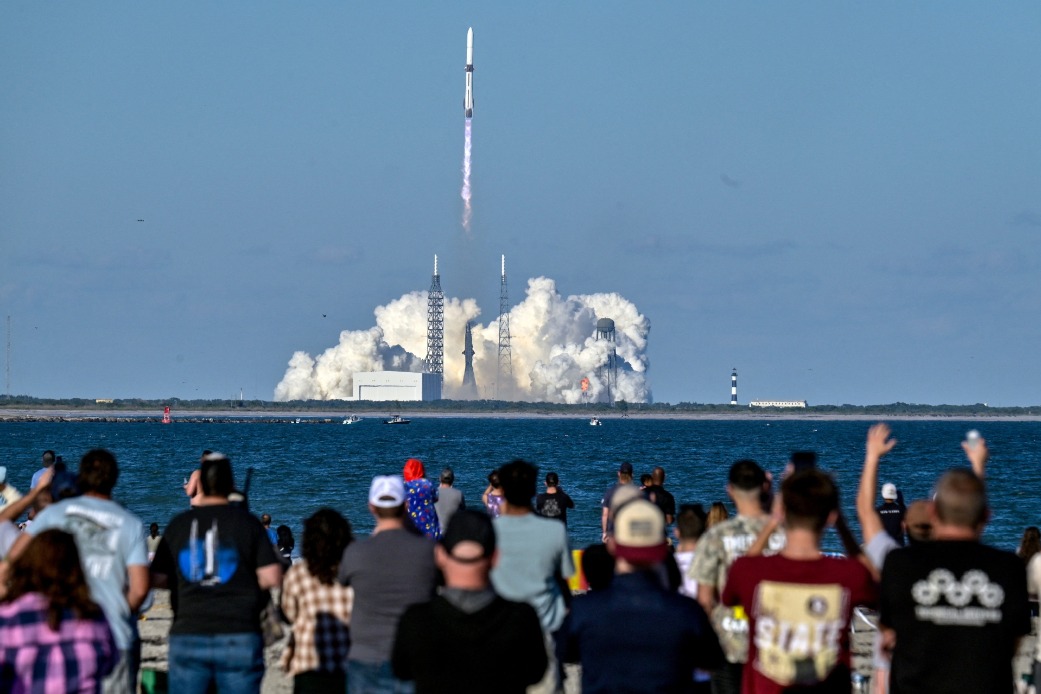
In a significant milestone for space exploration, Blue Origin successfully launched its New Glenn rocket on November 13, 2025, from the Cape Canaveral Space Force Station in Florida. The mission, designated NG-2, carried NASA’s ESCAPADE twin spacecraft, which are set to orbit Mars as part of the agency’s Mars exploration initiative. The launch occurred at 3:55 pm Eastern Time, with the rocket’s main engine cutting off and stage separation confirmed approximately three minutes after liftoff. Blue Origin later reported that the second stage and payload were on track to continue their journey into space. This marks the second flight of the reusable New Glenn rocket, which is designed to support the scientific objectives of the ESCAPADE mission. The successful launch underscores Blue Origin’s growing role in advancing space technology and its collaboration with NASA in exploring the Red Planet.
标签: North America
北美洲
-

American musician finds new meaning in Chinese music and community
Princeton University recently hosted a vibrant celebration of the Double Ninth Festival, a traditional Chinese holiday honoring health, longevity, and respect for the elderly. The event, organized by Asian student groups and Chinese-descendant students, featured Chinese music, graceful dance, and traditional desserts, creating a tapestry of cultural pride and community spirit. Among the attendees, one figure stood out: Vince Di Mura, a resident music composer and director at Princeton’s Lewis Center for the Arts, who has found a new musical voice in Chinese music and a deep connection with the Chinese community.
Di Mura, born into an Italian-American family, discovered his passion for music at a young age. From blues and jazz to classical music, his career has been marked by exploration and reinvention. However, it was his introduction to Chinese music that truly transformed his artistic journey. About three years ago, Di Mura began collaborating with the Princeton University Chinese Music Ensemble, learning to compose for traditional Chinese instruments like the erhu, pipa, and suona. This experience, initially ‘very alien,’ gradually became a source of profound inspiration.
His collaboration with the local Chinese community deepened when he met Wendy Fan, who challenged him to reinterpret Chinese music in his unique jazz style. This led to the formation of the Summer Breeze Chinese Jazz Fusion Ensemble, a band that blends Chinese melodies with jazz improvisation. The ensemble has performed over a hundred shows, from prestigious venues like the Lincoln Center to intimate community gatherings, and has released three albums.
Di Mura’s latest project, ‘Oh God … Beautiful Machine,’ is a 90-minute, three-part production that includes a 20-minute segment dedicated to the Chinese community. The piece, which premiered in October 2025, features librettos by Pulitzer Prize-winning poet Yusef Komunyakaa and has been met with overwhelming support from the Chinese community. Di Mura describes his work as an expression of love and gratitude for the community that has embraced him.
Wu Hongyan, a longtime supporter of Di Mura, praised the musician’s ability to seamlessly blend Eastern and Western musical traditions. ‘The Cassowary,’ a segment of the production, exemplifies this fusion, carrying a distinctly Chinese spirit while speaking in the language of jazz. Wu noted that Di Mura’s work demonstrates how cultural voices can coexist harmoniously, creating new artistic possibilities.
Di Mura’s journey is a testament to the power of cultural exchange and the transformative impact of community. His story resonates not only as a musical achievement but also as a bridge between cultures, fostering mutual respect and understanding. As he continues to explore and celebrate Chinese music, Di Mura remains a beloved figure in the Chinese community, embodying the spirit of genuine friendship and artistic collaboration.
-
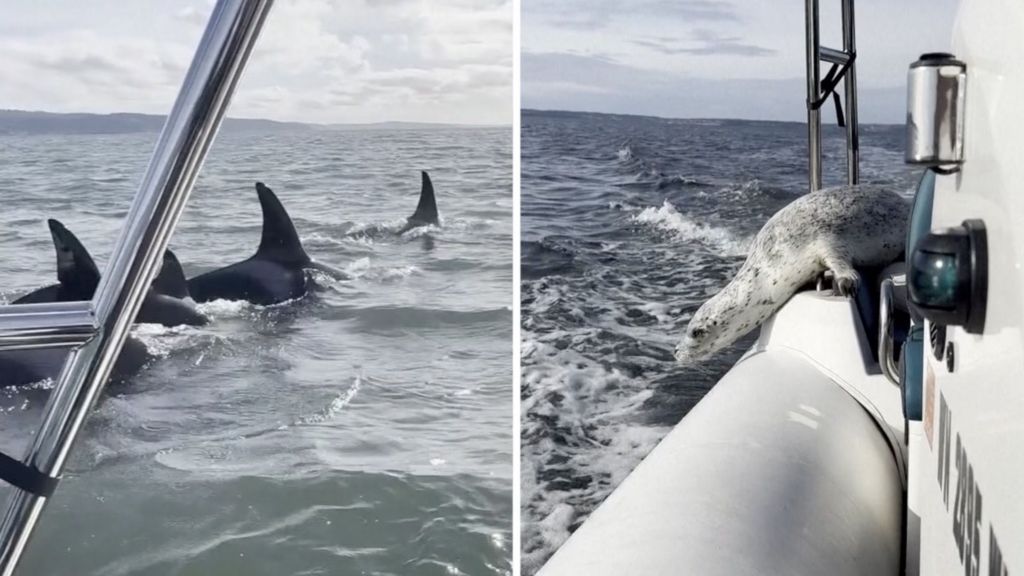
Watch: Seal jumps aboard photographer’s boat to escape orcas
In a remarkable encounter off the coast, wildlife photographer Charvet Drucker witnessed a dramatic escape as a seal leapt onto her boat to evade a pursuing pod of orcas. Drucker, who was capturing images of the orcas, found herself in the midst of a life-and-death chase when the seal sought refuge on her vessel. The incident highlights the intense predator-prey dynamics in marine ecosystems. Orcas, known for their intelligence and hunting prowess, often target seals as part of their diet. This unexpected interaction provided Drucker with a rare opportunity to document the seal’s desperate bid for survival. The event underscores the unpredictable nature of wildlife photography and the delicate balance of marine life. Drucker’s experience serves as a reminder of the raw and unfiltered realities of the natural world.
-
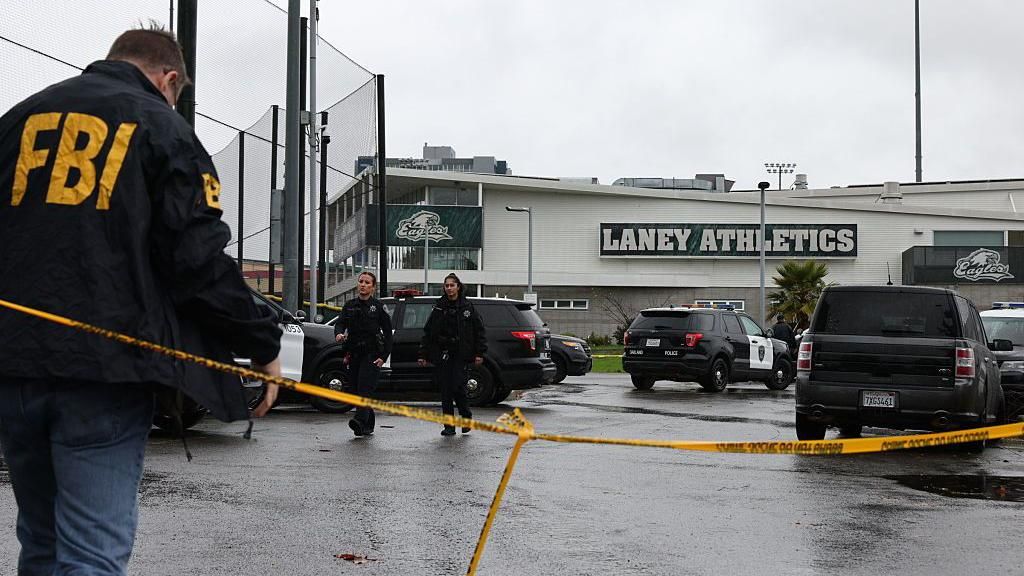
US coach featured on Netflix series shot on California school campus
John Beam, a renowned former American football coach featured in Netflix’s documentary series *Last Chance U*, was shot on the campus of Laney College in Oakland, California. The incident occurred on Thursday just before noon at the college’s athletics building. Beam, 66, was the sole victim and was hospitalized with unspecified injuries. The assailant, described as wearing dark clothing, remains at large, with no motive yet disclosed. The shooting prompted a campus-wide lockdown, which was lifted after authorities confirmed no ongoing threat. Beam, who retired from coaching last year after a 40-year career, currently serves as Laney College’s athletic director. He gained national recognition through *Last Chance U*’s fifth season, which highlighted his leadership of the Laney Eagles football team and his efforts to inspire players both on and off the field. Beam has coached numerous players who went on to professional careers, including 20 NFL athletes and over 100 Division 1 players. Known for his dedication to student success, he has emphasized preparing athletes for life beyond sports, often showcasing alumni who pursued diverse careers. Laney College, established in 1953, is located approximately 13 miles from San Francisco. The incident has raised concerns about campus safety and the broader issue of gun violence in the region.
-
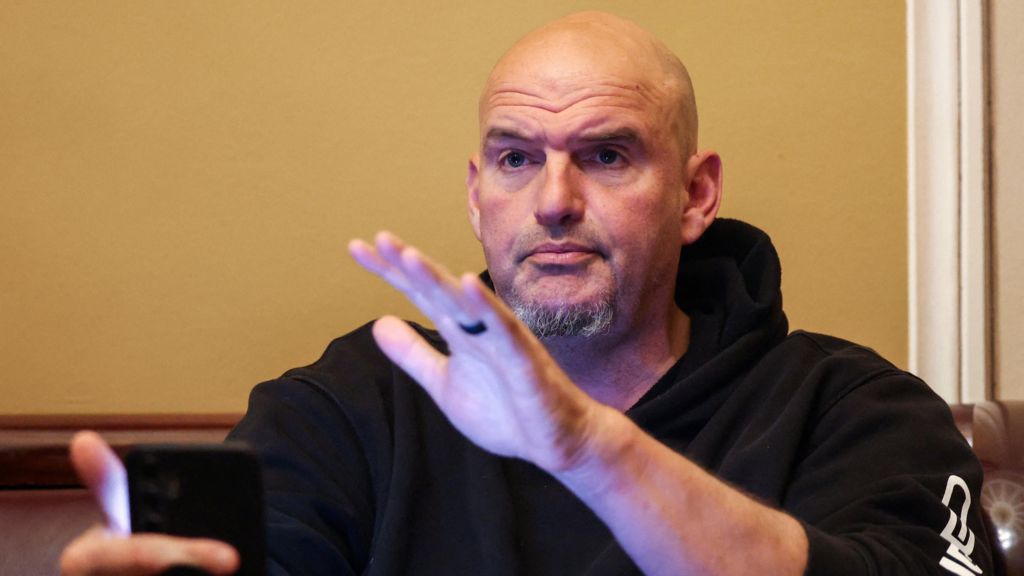
US senator John Fetterman jokes from hospital after fall caused by heartbeat flare-up
Democratic Senator John Fetterman, known for his distinctive hoodie and candid demeanor, is currently under medical observation after a fall that resulted in facial injuries. The incident occurred following a ventricular fibrillation episode, a serious heart rhythm disorder, near his home in Braddock, Pennsylvania. At 56, Fetterman has faced significant health challenges, including a stroke during his 2022 Senate campaign and a subsequent battle with severe depression. His team has reassured the public that he is ‘doing well’ and remains in the hospital for routine monitoring and medication adjustments. Fetterman humorously remarked on his condition, stating, ‘If you thought my face looked bad before, wait until you see it now!’ Ventricular fibrillation, as explained by the Cleveland Clinic, involves rapid and irregular heartbeats that disrupt normal blood flow, often linked to underlying heart conditions or electrolyte imbalances. Fetterman’s health struggles have not deterred his political engagement. Recently, he published a memoir titled ‘Unfettered,’ where he candidly discusses his mental health journey and its impact on his family. He emphasized the bipartisan nature of depression, stating, ‘It doesn’t check: ‘Hey, are you a Republican? Are you rural? Are you urban? Are you liberal?’ It happens to anybody.’ Fetterman has also been active in the Senate, notably voting to end the longest US government shutdown, expressing regret for the hardships faced by military personnel, SNAP recipients, government workers, and Capitol Police. His unique approach to politics, characterized by his hoodie and straightforward communication, has earned him the reputation of being ‘the consummate anti-politician.’
-
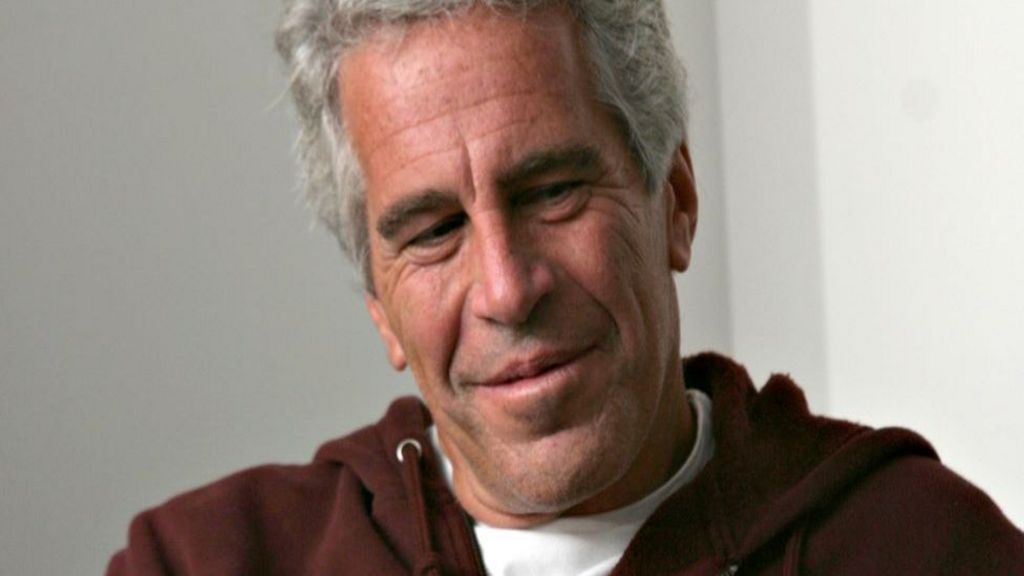
What do we know about the Epstein files?
The Trump administration is under increasing scrutiny as the controversy surrounding the late financier Jeffrey Epstein’s sex crimes continues to escalate. Pressure is mounting from both President Donald Trump’s supporters and within the Republican Party for greater transparency regarding the investigations into Epstein’s activities. On Wednesday, the House Oversight Committee released thousands of documents from Epstein’s estate, including emails mentioning Trump. Hours later, the House announced a vote next week on a broader release of Epstein-related materials, known as the ‘Epstein files,’ held by the Department of Justice. This decision was prompted by a discharge petition reaching the critical 218th signature, forcing legislative action. Epstein, who was convicted in 2008 for soliciting prostitution from a minor and later charged with running a sex trafficking network, died in prison in 2019 while awaiting trial. His death was ruled a suicide. The investigations into Epstein and his associate Ghislaine Maxwell, convicted in 2021, have amassed a vast trove of documents, including victim testimonies and seized items. While some materials have been released over the years, the latest document dump has reignited public interest. Trump’s name has appeared in Epstein’s emails and flight logs, though he has denied any wrongdoing. The upcoming House vote could lead to the release of more documents, but the bill faces significant hurdles in the Senate and a likely presidential veto. The Epstein case remains a contentious issue, with Trump’s MAGA supporters questioning the official narrative and demanding answers.
-
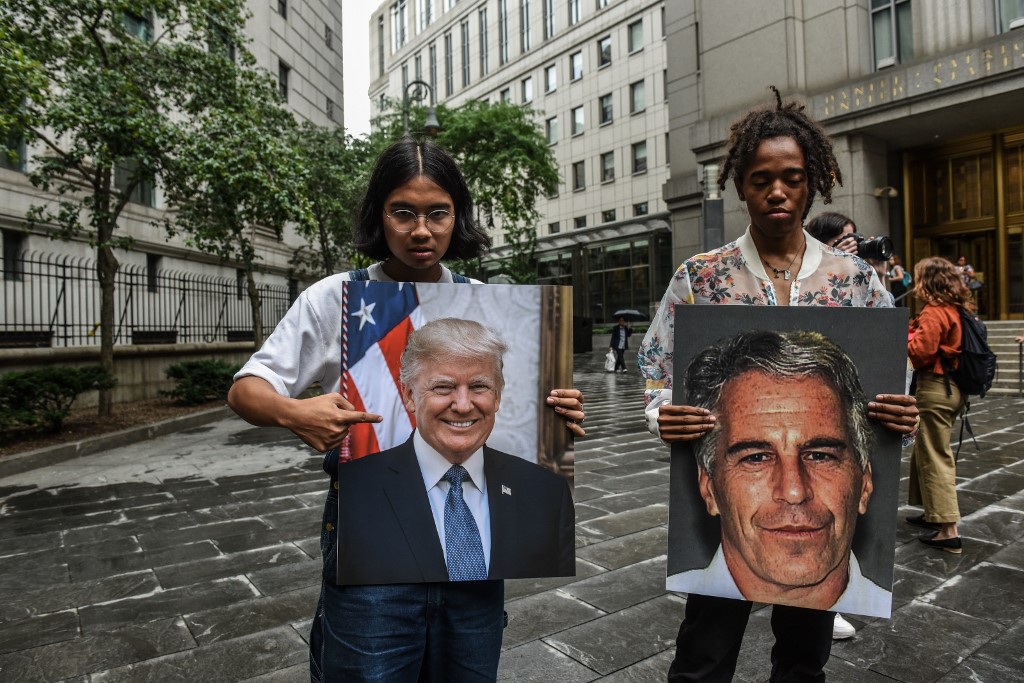
Dems: Newly released Epstein emails show Trump knew about abuse
WASHINGTON — In a significant development, US House Democrats investigating the late sex offender Jeffrey Epstein have released emails suggesting that former President Donald Trump was aware of Epstein’s abuse of underage girls as early as 2011. The emails, part of 23,000 pages of documents handed over by Epstein’s estate, were disclosed by the House Committee on Oversight and Government Reform on Wednesday.
-

Restaurant bombed off famed Las Vegas Strip by suspect on a scooter
An improvised explosive device (IED) detonated early Thursday morning, causing damage to Piero’s Italian Cuisine, a restaurant located near the Las Vegas Strip in Nevada. The explosion occurred in the unoccupied building, situated across from the city’s renowned convention center. A cleaning crew discovered the damage approximately eight hours later and immediately alerted authorities, prompting an investigation by the Las Vegas Metropolitan Police (LVMPD).
According to LVMPD Sheriff Kevin McMahill, two unidentified male suspects, dressed in black, arrived at the scene on a scooter. They approached the restaurant’s front door, placed the explosive device, and fled. The IED ignited and detonated after a few minutes, causing structural damage to the building. Fortunately, no injuries were reported.
Sheriff McMahill assured the public that there is no ongoing threat to community safety. The investigation is being conducted by the LVMPD’s all hazards team, in collaboration with the FBI, the Bureau of Alcohol, Tobacco, Firearms and Explosives (ATF), and a counterterrorism unit. Authorities are actively working to identify and locate the suspects.
-
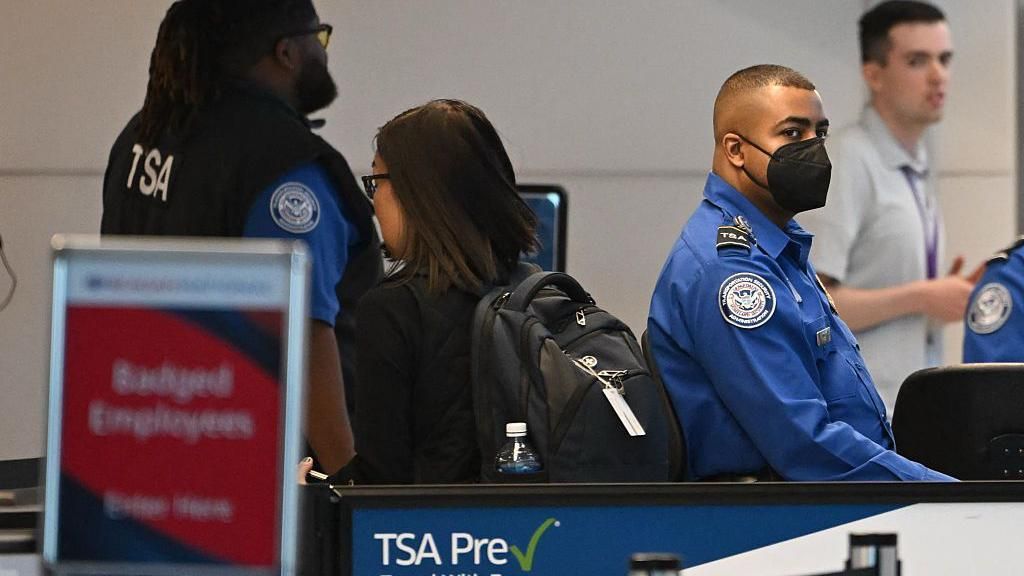
TSA agents with exemplary service to get $10,000 bonuses, Noem says
In a significant gesture of recognition, Homeland Security Secretary Kristi Noem announced substantial bonus payments to Transportation Security Administration (TSA) officers who demonstrated exceptional service during the recent 43-day US government shutdown. Speaking at George Bush Intercontinental Airport in Houston, Texas, Noem personally handed out envelopes containing $10,000 (£7,581) bonuses to nearly two dozen agents, praising their dedication and resilience. The bonuses, funded by leftover taxpayer dollars from government savings, aim to compensate officers for their unpaid work and extra shifts during the shutdown. Noem emphasized that these officers upheld the mission of the Department of Homeland Security (DHS) by ensuring the safety of American travelers despite immense challenges. The shutdown, which began on October 1 due to a funding impasse in Congress, officially ended on November 13. During this period, air travel faced nationwide disruptions, exacerbated by staffing shortages among air traffic controllers and TSA agents. Many agents worked without pay, took on additional shifts, and endured significant hardships. Noem stated that DHS would evaluate every employee who contributed during the shutdown and reward those who performed exceptionally. The exact criteria for bonus eligibility remain unclear, but the initiative highlights the administration’s efforts to acknowledge the sacrifices of federal workers. Representatives for DHS and the TSA labor union have yet to comment on the announcement.
-

Watch: Blue Origin sends satellites to Mars in historic launch
In a groundbreaking achievement, Blue Origin has successfully launched satellites destined for Mars, marking a historic moment in space exploration. The mission, powered by the New Glenn rocket, showcased advanced engineering as the booster separated from the upper stage and executed a precise landing back on Earth. This event not only highlights Blue Origin’s technological prowess but also signifies a significant leap forward in interplanetary satellite deployment. The successful launch and recovery of the booster underscore the company’s commitment to reusable space technology, paving the way for more cost-effective and sustainable space missions. This milestone is expected to accelerate advancements in Mars exploration and deepen our understanding of the Red Planet.