标签: North America

北美洲

  • China issues draft rules to regulate AI with human-like interaction

    China issues draft rules to regulate AI with human-like interaction

    China’s cyberspace administration has unveiled comprehensive draft regulations targeting artificial intelligence systems capable of simulating human personality traits and emotional engagement. The proposed framework, released for public consultation on Saturday, represents Beijing’s latest effort to establish guardrails around rapidly evolving consumer AI technologies.

    The regulatory initiative specifically addresses AI products and services that emulate human cognitive patterns, communication styles, and emotional responsiveness through text, imagery, audio, video, or multimodal interfaces. This move signals China’s proactive approach to balancing technological innovation with ethical considerations and user protection measures.

    Under the draft provisions, AI service providers would bear significant responsibility throughout the product lifecycle, mandating the implementation of robust systems for algorithm assessment, data security protocols, and personal information safeguards. The regulations introduce specific requirements for monitoring user engagement patterns, including obligations to warn against excessive usage and implement intervention mechanisms when signs of addiction are detected.

    The proposed rules establish clear content boundaries, prohibiting AI systems from generating material that threatens national security, disseminates false information, or promotes violent or obscene content. Notably, the framework emphasizes psychological risk mitigation, requiring providers to assess user emotional states and dependency levels, with intervention protocols triggered by detection of extreme emotional responses or addictive behavior patterns.

    This regulatory development occurs amid global debates about appropriate governance structures for advanced AI systems capable of human-like interaction. China’s approach reflects growing international concern about the societal impact of emotionally responsive AI, positioning the country at the forefront of establishing formal oversight mechanisms for this emerging technology category.


  • Sidharth Bhatia explores an evolving Mumbai and its communities in his latest book

    Sidharth Bhatia explores an evolving Mumbai and its communities in his latest book

    In his groundbreaking work ‘Mumbai: A Million Islands,’ acclaimed journalist and founding editor of The Wire Sidharth Bhatia presents a penetrating examination of the social consequences of urban development in India’s financial capital. The book serves as both a historical document and contemporary critique, tracing Mumbai’s evolution from its origins as seven merged islands to its current status as a rapidly transforming metropolis.

    Bhatia’s narrative reveals the hidden human toll beneath the glittering surface of Mumbai’s development boom. While skylines rise with luxury high-rises and gated communities, the author uncovers how working-class neighborhoods and traditional ecosystems face systematic erasure. Through meticulous journalism and empathetic storytelling, the work documents the displacement of fisherfolk, mill workers, and informal laborers whose contributions once formed the foundation of the city’s economy.

    The book stands apart from previous romanticized portrayals of Mumbai by focusing on marginalized communities in areas like Behrampada, Dongri, and Mumbra. Bhatia conducts revealing interviews with residents facing spatial and social changes, capturing their determination to maintain dignity amid adversity. He particularly notes how mainstream media’s focus on glamorous development often overlooks these human stories of loss and displacement.

    Addressing the accelerated pace of change over the past decade, Bhatia describes the transformation as ‘a hurricane sweeping everything away.’ The work raises critical questions about urban priorities, asking what truly defines a great city when the absence of whole communities goes unnoticed by privileged classes. The author concludes with Gandhi’s principle that a society’s moral measure lies in how it treats its poorest and most vulnerable members.

    As coastal cities worldwide face climate pressures and growing inequality, Bhatia’s work offers a timely warning about unbalanced urban development. While technology has improved some government services, the fundamental issue of spatial justice remains largely unaddressed in Mumbai’s ongoing metamorphosis.

  • How company bets on bitcoin can backfire as cryptocurrency plunges

    How company bets on bitcoin can backfire as cryptocurrency plunges

    The dramatic year-end cryptocurrency downturn has triggered significant distress among corporations that made substantial investments in bitcoin, causing stock valuations to plummet and renewing concerns about a potential market bubble. This financial turmoil reveals critical vulnerabilities in corporate treasury strategies that prioritized cryptocurrency exposure.

    Corporate Bitcoin Acquisition Rationale
    Bitcoin’s remarkable surge throughout the year, culminating in an October peak exceeding $126,000, prompted diverse companies to incorporate the digital asset into their financial reserves. Organizations pursued this strategy to achieve cash diversification, hedge against inflationary pressures, and attract investors seeking high-yield opportunities. While cryptocurrency-native firms like exchanges and mining operations naturally maintained bitcoin exposure, numerous companies from unrelated sectors joined the accumulation trend, further fueling price appreciation.

    Hidden Risks in Crypto Investment Strategies
    Many corporations employed leveraged positions to acquire bitcoin, anticipating continued price appreciation. Some utilized convertible bond instruments that offered favorable interest rates with the option for lenders to receive repayment in company shares rather than cash. This approach contained inherent vulnerabilities that became apparent when declining bitcoin prices negatively impacted corporate valuations. As investor confidence wanes, lenders may demand cash repayment instead of equity, creating immediate liquidity crises for affected companies.

    Market Consequences of Bitcoin’s Decline
    The cryptocurrency’s downward trajectory that began in summer accelerated through November, with values dropping below $90,000 and undermining confidence in bitcoin-heavy corporations. Eric Benoist, technology and data specialist at Natixis Bank, noted that market participants began questioning corporate viability and bankruptcy potential. University of Sussex finance professor Carol Alexander identified additional concerns including regulatory ambiguity, cybersecurity threats, and fraud risks that compound investor apprehension.

    Corporate Case Studies: Strategy and Sequans
    Software developer Strategy, possessing over 671,000 bitcoin units representing approximately 3% of the cryptocurrency’s total future supply, exemplifies the sector’s challenges. Within six months, the company’s share price declined more than 50%, with market capitalization briefly falling below the value of its bitcoin holdings. Extensive use of convertible bonds created cash repayment obligations that prompted Strategy to issue new shares establishing a $1.44 billion reserve for dividend and interest payments.
    Semiconductor manufacturer Sequans adopted an alternative approach, liquidating 970 bitcoin units to address convertible debt obligations. Both companies declined to comment when contacted by AFP.

    Systemic Risk Assessment and Market Outlook
    Professor Alexander acknowledged considerable contagion risk within cryptocurrency markets but suggested traditional financial systems would likely remain insulated from significant impact. Dylan LeClair, head of bitcoin strategy at Japan’s Metaplanet (a converted hotel company now holding $2.7 billion in bitcoin), characterized volatility as “the cost of long-term upside.”
    Industry analysts including Benoist suggest future sustainability requires companies to generate income from bitcoin holdings through financial products rather than relying exclusively on price appreciation. Emerging initiatives like The Bitcoin Society, founded by French entrepreneur Eric Larcheveque, view price declines as acquisition opportunities, indicating continued institutional confidence in cryptocurrency’s long-term value proposition.

  • Strategy and bitcoin-buying firms face wider exclusion from stock indexes

    Strategy and bitcoin-buying firms face wider exclusion from stock indexes

    Major index provider MSCI is poised to implement sweeping exclusions against companies with substantial cryptocurrency holdings, potentially reshaping the investment landscape for digital asset treasury firms. The New York-based firm will finalize its decision by January 15 regarding whether to remove from its benchmarks companies whose digital assets constitute 50% or more of their total assets.

    The proposed methodology change, initiated after client inquiries in October, argues that such companies resemble investment funds rather than operational businesses. This distinction is crucial as MSCI traditionally excludes pure investment vehicles from its equity indexes. The move has sparked intense debate within the financial sector, with affected companies contending the proposal represents unfair discrimination against cryptocurrency innovation.

    Michael Saylor’s MicroStrategy, which transformed from a software company into a bitcoin acquisition vehicle, stands as the most prominent potential casualty. Since initiating its bitcoin purchasing strategy in 2020, MicroStrategy’s stock skyrocketed approximately 3,000% before experiencing significant volatility amid cryptocurrency market fluctuations. The company’s shares have declined roughly 43% year-to-date as bitcoin prices retreated from historic highs.

    Financial analysts project severe consequences should MSCI proceed with exclusions. Jefferies’ Head of Index Strategy Kaasha Saini noted that the conversation has expanded beyond MSCI to question the fundamental eligibility of digital asset treasury companies across equity indexes generally. Industry experts estimate that exclusion could trigger up to $9 billion in selling pressure on MicroStrategy alone, with passive investors potentially liquidating positions.

    The implications extend beyond a single company. According to law firm DLA Piper, at least 200 companies globally now qualify as digital asset treasuries, with combined capitalization approaching $150 billion as of September—a threefold increase from the previous year. MSCI’s preliminary exclusion list identifies 39 companies representing $46.7 billion in market value, including French bitcoin acquisition firm Capital B.

    Industry leaders have mounted vigorous opposition. MicroStrategy executives Saylor and CEO Phong Le warned in a public letter that exclusion would force approximately $2.8 billion in immediate stock liquidation and ‘chill’ industry development by blocking access to the $15 trillion passive investment universe. They argue this would ‘drastically weaken their competitive position’ in capital markets.

    The decision carries particular significance for companies that have funded cryptocurrency acquisitions through equity offerings. With passive managers estimated to hold up to 30% of large-cap companies’ free float, exclusion could severely constrain future fundraising capabilities. While some executives publicly dismiss concerns, industry insiders acknowledge the potential for increased capital costs across the sector should multiple index providers follow MSCI’s lead.

  • Watch: Sheikh Hamdan, his kids visit Dubai desert camp with falconry, palm tree planting

    Watch: Sheikh Hamdan, his kids visit Dubai desert camp with falconry, palm tree planting

    In a demonstration of commitment to cultural preservation, Dubai Crown Prince Sheikh Hamdan bin Mohammed bin Rashid Al Maktoum recently visited the Ghamran Desert Camp with his children, Sheikha and Rashid. The December 28, 2025 excursion highlighted the UAE’s ongoing efforts to maintain traditional practices amidst rapid modernization.

    The desert camp, specifically designed as an Emirati family sanctuary, offers a technology-free environment where participants engage in ancestral activities including camel harnessing, traditional shooting, palm tree cultivation, and falconry. These interactive experiences serve as a bridge between generations, allowing elders to transmit practical skills and cultural knowledge to younger family members.

    Sheikh Hamdan emphasized the profound significance of these cultural practices, stating: ‘These interactive experiences bring parents together with their children, enhance values, and pass down identity in a way that embeds it in memory. The identity that is lived is the identity that endures, and the values that are practiced are the values that are inherited.’

    The Crown Prince’s participation in traditional activities alongside fellow camp attendees underscored the camp’s mission to balance what he described as ‘the authenticity of heritage and the ambition of future.’ This initiative represents a growing movement within the UAE to preserve Bedouin traditions and Emirati cultural identity through experiential learning and intergenerational connection.

    The Ghamran Camp experience provides urban families with opportunities to reconnect with pre-oil era lifestyles, fostering appreciation for the skills and values that sustained previous generations in the harsh desert environment. This approach to cultural preservation has gained increasing attention as the UAE continues its rapid development into a global hub of technology and innovation.

  • One dead after mid-air helicopter collision in New Jersey

    One dead after mid-air helicopter collision in New Jersey

    A fatal mid-air collision between two helicopters occurred above Hammonton, New Jersey on Sunday, resulting in one confirmed fatality and leaving another individual with critical, life-threatening injuries. According to local authorities, the incident took place at approximately 11:25 AM EST (16:25 GMT).

    The National Transportation Safety Board (NTSB) identified the involved aircraft as an Enstrom 280C helicopter and an Enstrom F-28A helicopter—both lightweight models typically accommodating three occupants or fewer. The Federal Aviation Administration (FAA) confirmed that only the pilots were aboard each aircraft at the time of the collision.

    Emergency responders from the Hammonton Police Department reported that one of the helicopters became engulfed in flames upon impact with the ground. Fire suppression efforts were immediately initiated by first responders at the crash site.

    The location of the accident places it approximately 35 miles southeast of Philadelphia, Pennsylvania, near the Atlantic City Expressway. The FAA has announced that a federal investigation will be conducted to determine the causative factors behind the tragic collision.

    This incident follows another notable aviation tragedy that occurred in January, when a military helicopter collided with a passenger jet in Washington DC, claiming 67 lives. Despite this recent accident, FAA statistical data indicates that the rate of deadly helicopter accidents has shown a declining trend over the past three years.

  • Seen more mosquitoes? UAE authority issues tips to prevent disease risk

    Seen more mosquitoes? UAE authority issues tips to prevent disease risk

    The United Arab Emirates’ Ministry of Health and Prevention has issued an urgent advisory concerning increased mosquito activity during the cooler winter months. As residents increasingly engage in outdoor activities, health authorities warn that rising mosquito populations significantly elevate the risk of mosquito-borne diseases, making effective control measures essential for public health protection.

    Health officials have identified stagnant water sources as primary breeding grounds for mosquitoes, which thrive in humid conditions and can rapidly multiply following rainfall events. These insects, classified by Dubai Municipality as ‘public health pests,’ are known vectors for serious illnesses including dengue fever, with typical lifespans ranging from two to four weeks depending on environmental conditions.

    The ministry has implemented a multi-faceted approach to address the situation, urging residents to promptly report both mosquito sightings and potential breeding sites to authorities through the dedicated hotline 8003050. Medical experts advise against scratching mosquito bites and recommend applying ice packs for approximately ten minutes to alleviate itching, supplemented by anti-itch or antihistamine creams when necessary.

    Comprehensive prevention strategies include installing window and door flyscreens, utilizing chemical insecticides according to safety guidelines, and employing UV insect traps as alternative solutions for households with children or pets. Dubai residents can access complimentary pest control services through municipal channels including the call center, official application, or website chatbot.

    The ministry emphasizes the critical importance of engaging only authorized pest control providers, cautioning that improper pesticide application by unlicensed entities poses significant health and safety risks. Individuals experiencing symptoms such as high fever, severe headaches, or persistent body pain following mosquito bites should seek immediate medical attention, as these may indicate mosquito-borne illnesses requiring professional treatment.

  • The US 2025: a year of deep division

    The US 2025: a year of deep division

    The United States concludes 2025 entrenched in unprecedented political fragmentation, marking one of the most divisive periods in modern American history. The year witnessed severe governmental dysfunction culminating in the longest federal shutdown ever recorded, driven by irreconcilable differences between political factions.

    Central to the turmoil were the Trump administration’s stringent immigration measures, which ignited massive nationwide demonstrations across multiple metropolitan centers. These protests reflected broader societal tensions that transcended policy disagreements, revealing fundamental fractures within the American political landscape.

    A striking indicator of the deep-seated division emerges from recent polling data, showing approximately 80% of Americans now perceive the opposing political party as fundamentally detached from reality. This statistic underscores the erosion of shared factual understanding and the growth of parallel informational ecosystems that characterize contemporary political discourse.

    Political analysts note that these developments represent not merely temporary disagreements but structural weaknesses within the American democratic system. The prolonged government shutdown paralyzed essential services and exposed the vulnerability of governance mechanisms when ideological polarization prevents basic legislative functionality.

    The immigration policies that triggered widespread civil unrest have become symbolic of larger cultural and political battles, with competing visions of national identity preventing consensus on even the most basic governance matters. This polarization has effectively created two distinct Americas with increasingly incompatible worldviews and value systems.

  • UAE: Meet 13-year-old who became youngest Emirati to win global beekeeping award

    UAE: Meet 13-year-old who became youngest Emirati to win global beekeeping award

    In an inspiring tale of youthful entrepreneurship and environmental stewardship, 13-year-old Mahra Hamad Al Naqbi from Ras Al Khaimah has become the youngest Emirati to achieve international acclaim in beekeeping. Her journey began at age 10 when she installed her first two beehives in her family’s backyard, embarking on a path that would lead to multiple global awards and the establishment of her own honey brand, Asal Al Mahra.

    Mahra’s methodical approach to apiculture started with formal training courses where she mastered hive structures, bee behavior patterns, and honey production techniques. What began as a cautious family experiment—with parents initially concerned about bee stings—evolved into a fully-supported enterprise as her expertise grew. From those initial two hives, her operation expanded to 35 colonies by 2025, requiring innovative solutions for seasonal honey production across multiple emirates.

    The young apiarist demonstrates remarkable business acumen, strategically planning her operations years in advance. She transports her hives to specialized locations depending on the honey variety—utilizing sidr tree farms in Abu Dhabi for premium winter honey and managing logistical arrangements with local beekeepers. Each hive contains eight frames capable of producing 10-12 kilograms of honey under optimal conditions.

    Mahra’s achievements include prestigious awards from the Paris Honey Awards and London Honey Awards, where she made history as both the first Emirati and youngest-ever winner. She has also earned the Sheikh Mansoor bin Zayed Cultural Excellence Award’s top honor. Beyond commercial success, she serves as a ‘Bee Ambassador’ conducting educational sessions in schools and institutions to promote sustainable beekeeping practices and pollinator conservation.

    Despite international recognition, Mahra maintains her academic commitments while continuing to expand her expertise. Her future ambitions include conducting scientific research on bee behavior and honey production, demonstrating that her passion extends far beyond commercial success. Her story represents a new generation of Emirati youth blending traditional practices with modern environmental consciousness.

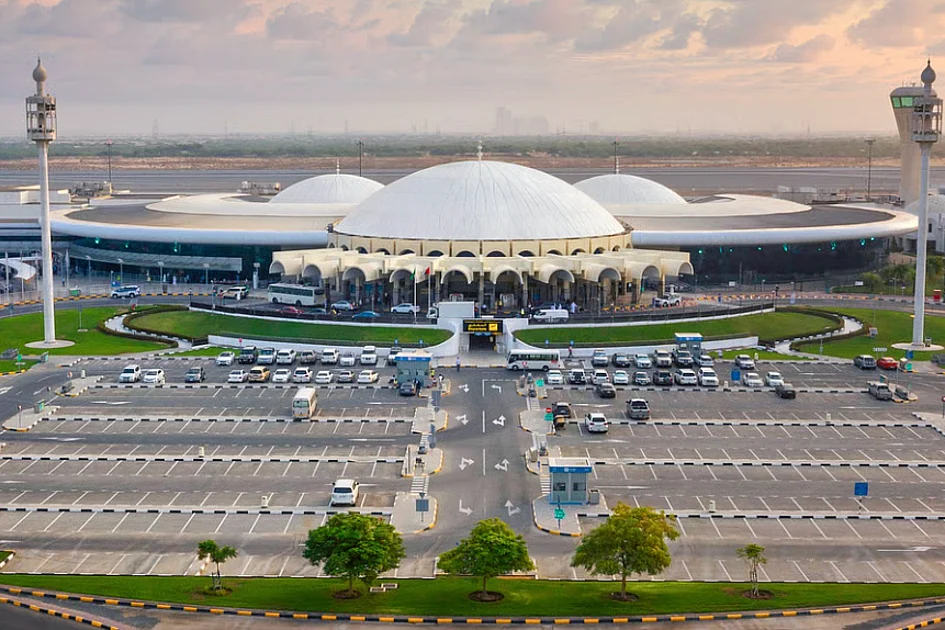
  • UAE: Sharjah Airport urges passengers to arrive 3 hours early ahead of New Year weekend

    UAE: Sharjah Airport urges passengers to arrive 3 hours early ahead of New Year weekend

    In anticipation of unprecedented passenger volumes during the extended New Year holiday period, Sharjah Airport has issued formal guidance urging all travelers to arrive at least three hours prior to scheduled departures. The advisory comes as UAE aviation facilities experience substantial congestion driven by winter holiday travel patterns combined with a four-day weekend commencing January 1st, 2026.

    The airport administration has confirmed comprehensive operational preparations to manage the anticipated surge, implementing strategic measures to optimize passenger processing efficiency. Travelers utilizing Air Arabia services are specifically encouraged to leverage urban check-in facilities, enabling advanced baggage processing and direct progression to immigration clearance upon airport arrival.

    Infrastructure enhancements include expanded self-service kiosk availability, streamlined baggage handling systems, and dedicated fast-track security channels. The recently inaugurated Al Diyafah Lounge at the departure terminal entrance offers premium hospitality services, while increased staffing allocations across all operational sectors aim to minimize processing durations.

    This travel advisory aligns with broader regional patterns, as Dubai International Airport concurrently prepares for approximately 10 million passenger transits through year-end. Federal employees will benefit from remote work provisions on January 2nd following the official New Year’s Day holiday, contributing to extended travel windows and sustained passenger volume elevation.

    Aviation authorities emphasize that these proactive measures reflect standardized peak-season protocols designed to maintain service quality while accommodating exceptional passenger throughput during holiday periods.