In a recent interview with BBC Newsnight, Sky Roberts, the brother of Virginia Giuffre—the woman who accused Prince Andrew of sexual assault—expressed the family’s complex emotions following the prince’s decision to relinquish his royal titles. Roberts described the moment as ‘joyous’ yet acknowledged the mixed feelings within the family. The announcement marks a significant chapter in the ongoing controversy surrounding Prince Andrew, who has faced intense public scrutiny and legal battles. While the family views the development as a step toward accountability, the emotional toll of the prolonged ordeal remains palpable. The decision to strip Prince Andrew of his titles has been seen as a move by the royal family to distance itself from the scandal, which has tarnished its reputation. Roberts’ comments highlight the personal impact of the case on those directly involved, underscoring the broader implications for the monarchy and public trust.
标签: North America
北美洲
-

Many US job seekers find it tough to get work now
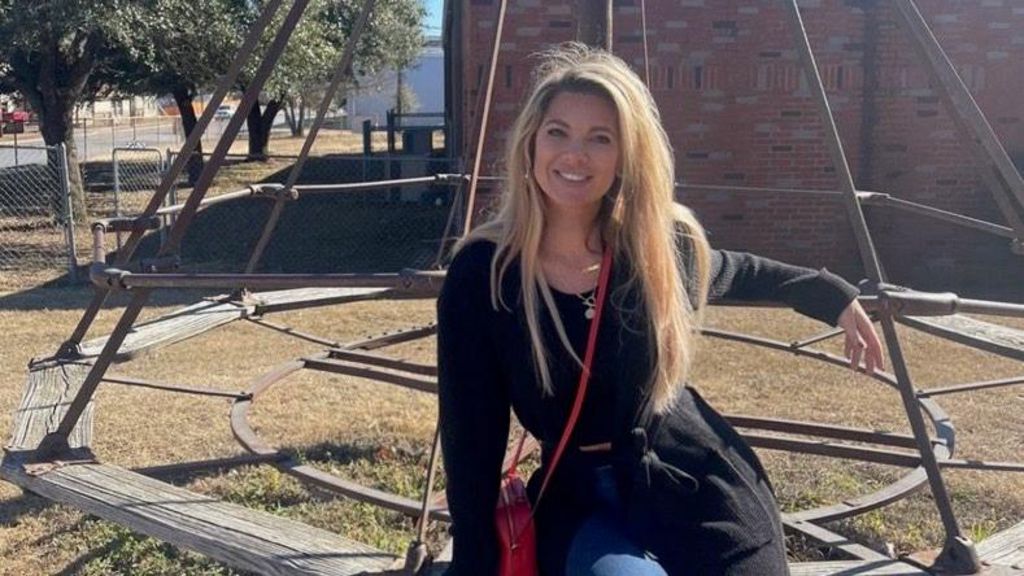
The US labor market is experiencing significant strain, with job seekers facing unprecedented difficulties in securing employment. While the September unemployment rate remains unavailable due to the federal government shutdown, the ADP National Employment Report revealed that the private sector cut 32,000 jobs in September compared to the same period last year. This report, produced by ADP Research and the Stanford Digital Economy Lab, highlights the cautious hiring practices of US employers despite strong economic growth in the second quarter. Nela Richardson, ADP’s chief economist, emphasized this trend in a statement, noting the ongoing challenges in the labor market. Major job posting site Indeed reported a 2.5% decline in job openings as of September 26, with nearly all sectors—except banking and finance—posting fewer jobs than a year ago. Scientific research and development saw the steepest decline, with nearly a quarter fewer job opportunities. The biotech and pharma sector is expected to lay off 24,000 employees in the third quarter, according to BioSpace. For job seekers like Chuck, a recent computer science graduate from the University of Texas at Austin, the situation is dire. Despite applying for hundreds of positions, he has received minimal responses and no job offers. Similarly, Timothy, a computer engineer in Dallas, regrets leaving his previous job, as he has struggled to re-enter the job market since April. Recruiters confirm the grim reality, with fewer job opportunities and declining salaries. David Leshowitz of Management Recruiters in Boston noted a significant drop in demand for workers, while a Reddit post described the current job market as one of the worst since 2008. Moody’s analysis indicates that 21 states and the District of Columbia, representing a third of US economic activity, are already in a recession, with another 13 states treading water. Economic uncertainty, fueled by tariff policies and unpredictable decisions, has led many companies to delay investments and hiring. Ed Hirs, an economics lecturer at the University of Houston, highlighted the impact of vague policies on business decisions, further exacerbating the challenges in the job market.
-

National Guard activated ahead of No Kings protests planned across US
Republican governors across multiple U.S. states have placed National Guard troops on standby in anticipation of widespread protests opposing former President Donald Trump and his policies. The demonstrations, organized under the banner ‘No Kings,’ are expected to occur at over 2,500 locations nationwide. Protest organizers claim the movement aims to challenge what they describe as Trump’s ‘authoritarianism,’ asserting on their website, ‘In America, we don’t have kings, and we won’t back down against chaos, corruption, and cruelty.’
Governors in Texas and Virginia have activated their state’s National Guard, though the extent of military visibility remains uncertain. Texas Governor Greg Abbott justified the deployment by citing a ‘planned antifa-linked demonstration’ in Austin, the state capital. Similarly, Virginia Governor Glenn Youngkin has ordered the activation of the state’s National Guard.
Critics, including Democratic leaders, have condemned the move. Gene Wu, a prominent Texas Democrat, accused Abbott of acting like a ‘king or dictator’ by deploying armed soldiers to suppress peaceful protests. Meanwhile, some Republicans have labeled the protests as ‘Hate America’ rallies, with Kansas Senator Roger Marshall expressing skepticism about the events remaining peaceful.
The ‘No Kings’ movement, which previously drew over five million participants in June, continues to galvanize opposition to Trump’s political agenda. As tensions rise, the nation watches closely to see how these protests will unfold and what impact they may have on the broader political landscape.
-

Ohtani rewrites history to send Dodgers to World Series
Shohei Ohtani cemented his legacy as one of baseball’s all-time greats with a historic performance that propelled the Los Angeles Dodgers to the World Series. The defending champions secured a commanding 5-1 victory over the Milwaukee Brewers, sweeping the series 4-0. Ohtani, the Japanese phenom, delivered a masterclass by smashing three home runs and striking out 10 batters, a feat never before achieved in Major League Baseball’s postseason history. His dominance with both bat and ball underscored his unparalleled talent. Ohtani also became the first pitcher since Jim Tobin in 1942 to hit three home runs in a single game. Reflecting on his performance, Ohtani said, ‘It was really fun on both sides of the ball today.’ He dedicated the win to his team and fans worldwide, expressing hope that everyone could celebrate with a glass of sake. The Dodgers now await their World Series opponent, either the Toronto Blue Jays or the Seattle Mariners, as they aim for another championship title.
-

Britain’s Prince Andrew gives up royal title, denies accusations in Epstein case
In a significant development within the British royal family, Prince Andrew has announced his decision to relinquish his title as the Duke of York. This move comes amidst ongoing scrutiny and criticism regarding his association with the late Jeffrey Epstein, a financier convicted of sex trafficking. Prince Andrew made the announcement on Friday, October 17, 2025, emphasizing his continued denial of the allegations against him. In a formal statement, he expressed concern that the persistent accusations were diverting attention from the duties of his elder brother, King Charles, and the broader responsibilities of the royal family. ‘I will therefore no longer use the title or the honours which have been conferred upon me. As I have said previously, I vigorously deny the accusations against me,’ Prince Andrew declared. This decision marks a pivotal moment in the royal family’s efforts to distance itself from the scandal and maintain its public image.
-

US sinks international deal on decarbonising ships
A pivotal international agreement aimed at reducing maritime emissions has been postponed for a year following strong opposition from the United States. The decision, which came during a vote at the International Maritime Organization (IMO) in London, highlights deepening divisions between oil-producing nations and their counterparts. The IMO, a United Nations body overseeing global shipping, had initially proposed a global carbon pricing system in April to curb greenhouse gas emissions. However, the vote to formalize this plan was delayed after U.S. President Donald Trump threatened sanctions against countries supporting the initiative. Trump criticized the proposed carbon tax as a ‘scam,’ reinforcing his administration’s pro-fossil fuel stance. The U.S. withdrawal from IMO negotiations in April set the stage for this week’s contentious discussions, which culminated in a hastily arranged resolution to postpone the vote, passing 57 to 49. Major oil producers like Russia, Saudi Arabia, and the United Arab Emirates joined the U.S. in opposing the measure, citing economic and food security concerns. IMO Secretary-General Arsenio Dominguez expressed disappointment, urging delegates to avoid repeating the week’s chaotic proceedings. The International Chamber of Shipping, representing over 80% of the global fleet, also voiced frustration, emphasizing the need for clarity to drive investments in decarbonization. The proposed Net Zero Framework (NZF) would require ships to reduce carbon emissions progressively from 2028, with financial penalties for non-compliance. Shipping accounts for nearly 3% of global greenhouse gas emissions, and the carbon pricing plan aims to incentivize the use of cleaner fuels. The Philippines and Caribbean nations, heavily reliant on maritime industries, would face significant impacts from U.S. visa restrictions and sanctions. Despite the setback, supporters like the European Union, China, and Brazil reaffirmed their commitment to the NZF. Pacific Island states, initially hesitant, were expected to back the plan this time. If adopted, the global emissions pricing system would be challenging to evade, as IMO conventions allow signatories to inspect and detain non-compliant vessels.
-

Salesforce CEO apologises for saying Trump should send troops to San Francisco
Salesforce CEO Marc Benioff issued a public apology on Friday for his earlier suggestion that President Donald Trump should deploy National Guard troops to San Francisco. The controversial remark, made ahead of Salesforce’s annual Dreamforce conference, sparked widespread criticism from Democratic leaders and the public. Benioff clarified his stance in a social media post, stating, ‘Having listened closely to my fellow San Franciscans… I do not believe the National Guard is needed to address safety in San Francisco.’
The incident unfolded against the backdrop of the Trump administration’s ongoing military deployments to various U.S. cities, many of which are governed by Democrats. On Friday, Trump urged the Supreme Court to overturn lower court rulings that blocked a National Guard deployment in Chicago, citing concerns over civil unrest. The Dreamforce convention, typically a celebratory event, was marred by canceled appearances from San Francisco Mayor Daniel Lurie and comedians Kumail Nanjiani and Ilana Glazer.
Benioff faced public rebukes from prominent Democratic figures, including California Governor Gavin Newsom, who once served as San Francisco’s mayor. Venture capitalist Ron Conway resigned from the Salesforce Foundation board, expressing disillusionment with Benioff’s values. Despite his apology, Benioff defended his initial comments as stemming from an ‘abundance of caution’ regarding Dreamforce security.
The controversy has highlighted the political tightrope walked by tech executives like Benioff, who have historically supported Democratic causes but occasionally align with Republican initiatives. Benioff, a prolific donor to San Francisco civic projects, has funded homeless services and owns Time Magazine. However, his recent appearance with Trump during a state visit to London and Salesforce’s reported pitch to the Trump administration for immigration enforcement services have further complicated his political standing.
As the debate over National Guard deployments continues, the incident underscores the growing tension between Silicon Valley leaders and the political landscape they navigate.
-

Which are the key sectors to invest in the GCC in Q4?
As the fourth quarter of 2025 unfolds, financial and real estate sectors are poised to dominate the Gulf Cooperation Council (GCC) markets, according to industry analysts. Philip Philippides, CEO of Mashreq Capital, highlighted the resilience of Dubai’s commercial real estate and the robust fundamentals of regional banks as key drivers of growth. In contrast, the materials sector is expected to underperform due to weak operational momentum. Sector rotation is anticipated to favor defensive and reform-linked plays, particularly in financial services and real estate. GCC markets remain relatively insulated from global trade tensions, with diversified export profiles and strategic trade relationships providing a buffer against escalating global conflicts. Anticipated Federal Reserve rate cuts and synchronized global monetary easing are expected to positively impact GCC financial markets, easing financial conditions and stimulating consumption, investment, and asset valuations. GCC central banks, tied to the US dollar, will mirror Fed moves, transmitting rate cuts directly into local money markets. Lower rates are expected to boost consumer spending, SME investment, real estate activity, and tourism. In fixed income, sovereign and quasi-sovereign credits offer attractive carry and mid-duration opportunities, with expected spread compression and renewed global inflows enhancing credit profiles and reducing refinancing risk. Despite tight spreads and a strong year-to-date rally, low-single-digit returns are achievable in Q4, primarily driven by carry, with additional potential upside from anticipated Fed rate cuts. On the equity side, the oil price outlook is largely priced in, with Saudi Arabia’s underperformance reflecting subdued oil sentiment. However, double-digit earnings growth, attractive valuations, and ongoing diversification reforms across tourism, finance, and logistics sectors provide structural support to regional equity markets. Monetary easing will further enhance credit growth and equity performance. The divergence in performance across GCC markets is likely to persist, with Oman and Kuwait retaining upside potential due to their reform-driven narratives. Mena credit continues to offer value, with current index yields at approximately 5.5% providing a compelling carry proposition. The 5–10 year segment of sovereign and quasi-sovereign bonds from countries like Saudi Arabia, Turkey, Egypt, and Morocco presents strong total return potential. GCC sukuk issuance is expected to remain robust in Q4, with Saudi Arabia and the UAE leading the charge. Investor appetite for sustainability-linked sukuk (SLS) and digital sukuk is poised to accelerate, driven by global ESG mandates and net-zero commitments. The ESG sukuk market is expected to surpass $50 billion outstanding in 2025, with GCC issuers playing a leading role. A sustained and disorderly decline in oil prices could materially impact government revenues, leading to reduced spending and weaker sentiment around IPOs and project awards. However, the base case remains for stable oil prices, with Saudi Arabia’s leadership emphasizing flexibility in fiscal policy and a continued focus on infrastructure, mega events, and gas output expansion.
-

Salama shareholders approve capital restructuring
Islamic Arab Insurance Company (Salama), a prominent Takaful provider in the UAE, has secured shareholder approval for a comprehensive capital restructuring plan aimed at restoring solvency and enhancing its financial standing. The decision, ratified during the General Assembly on October 16, 2025, includes a capital reduction to offset accumulated losses and the cancellation of treasury shares. Following final approval by the Securities and Commodities Authority (SCA), Salama will issue up to Dh175 million in Mandatory Convertible Sukuk (MCS) through a special purpose vehicle. These sukuk will be allocated to a select group of strategic investors and will be mandatorily converted into new shares under agreed terms. This move is a pivotal step in Salama’s strategy to ensure regulatory compliance, stabilize its financial foundation, and support future growth. Mohamed Ali Bouabane, Group CEO of Salama, emphasized that the restructuring underscores the company’s commitment to strengthening its balance sheet and meeting regulatory capital requirements. He highlighted the unwavering support of shareholders and investors as a testament to their confidence in Salama’s long-term stability. The company’s financial performance in the first half of 2025 reflects this progress, with total equity rising to Dh351.84 million, a 5.2% year-on-year increase, and a net profit of Dh8.25 million. Takaful revenue also reached Dh515.36 million, showcasing disciplined operations and improved profitability. S&P Global Ratings has affirmed Salama’s long-term issuer credit and insurer financial strength rating at ‘BBB-’ with a Developing outlook, further validating its improving fundamentals and capital position.
-

Voxtron eyes AI-driven growth in UAE’s customer experience market
As the UAE accelerates its digital transformation, Voxtron Middle East is emerging as a key player in revolutionizing customer experience (CX) through artificial intelligence (AI). Established in 2010, the Dubai-based systems integrator has expanded its offerings from omnichannel contact centers to comprehensive customer engagement ecosystems powered by AI. With over 250 clients across the Middle East, Voxtron is leveraging its expertise to meet the evolving demands of businesses and consumers alike. P. Thomas, CEO of Voxtron, emphasized the company’s shift from traditional contact center solutions to advanced tools like ERP systems, virtual agents, and digital engagement platforms. ‘Our goal is to enhance how companies connect with their customers across all channels,’ Thomas stated during an interview at Gitex Global. Voxtron’s flagship products, including the cloud-based Voxvantage Contact Center as a Service (CCaaS) and Engage 360, are designed to streamline operations, personalize interactions, and reduce costs. The company has also integrated its solutions with platforms like Microsoft Dynamics 365 and Odoo ERP. Recognizing the preferences of younger consumers, particularly Gen Z, Voxtron has prioritized mobile-friendly and social media-integrated solutions. ‘Younger customers prefer instant, intuitive engagement through platforms they already use,’ Thomas explained. The UAE’s tech-savvy market has been instrumental in Voxtron’s growth, with businesses actively seeking strategic solutions to stay competitive. Voxtron’s partnerships with global tech leaders such as Microsoft, Enghouse Interactive, and Kore.ai have enabled it to deliver AI-enhanced services, including conversational bots and intelligent routing systems. Looking ahead, Thomas envisions AI as the cornerstone of CX, with applications ranging from predictive analytics to virtual agents. ‘AI will be embedded in every aspect of CX,’ he said. With the UAE government increasing its investment in AI and digital infrastructure, Voxtron anticipates sustained demand for innovative, scalable CX solutions. ‘We’re not just reacting to trends; we’re helping shape them,’ Thomas concluded.