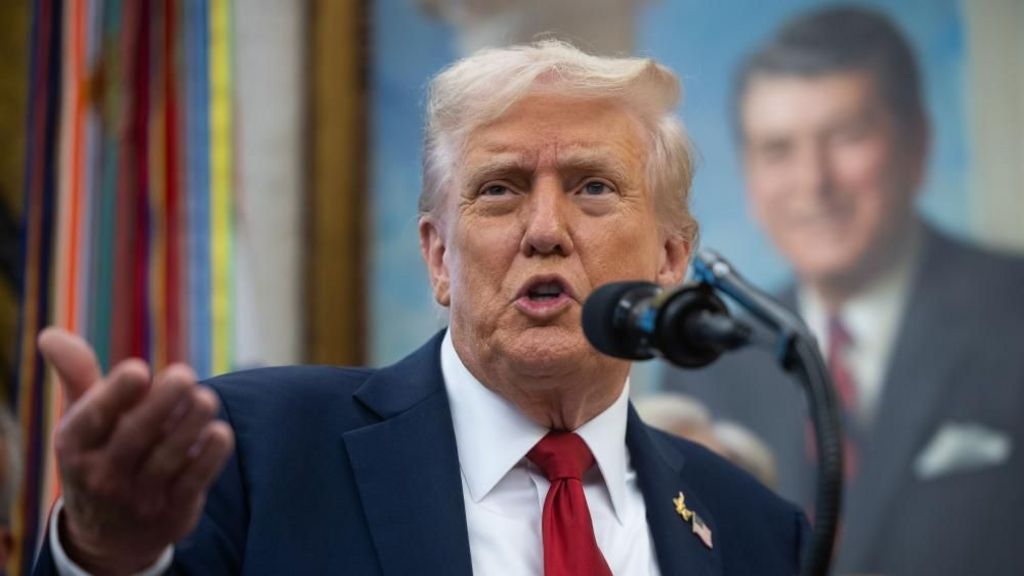
As the US government shutdown entered its third day, President Donald Trump announced plans to collaborate with his budget director to identify and cut funding for what he termed ‘Democrat Agencies.’ Trump urged Republicans to use the opportunity to ‘clear out dead wood,’ dismissing Democratic demands to include healthcare insurance subsidies in the government funding legislation. The impasse has left hundreds of thousands of federal workers at home or working without pay, while some federal attractions closed their doors. The Statue of Liberty, however, remained open, with the Department of the Interior crediting Trump’s leadership. On Capitol Hill, Republicans and Democrats continued to blame each other for the shutdown. House Speaker Mike Johnson accused Democrats of being ‘selfish,’ while House Minority Leader Hakeem Jeffries criticized Republicans for neglecting working-class Americans’ healthcare needs. Analysts predict that neither side will compromise until public pressure mounts. The Congressional Budget Office estimates that 750,000 federal workers are on unpaid leave, though essential employees, including law enforcement officers, continue to work without pay. Air travel remains unaffected for now, but past shutdowns have seen delays due to sick calls among air traffic controllers and TSA workers. Tourists faced closures at several federal sites, including Federal Hall in Manhattan, a historic landmark where George Washington was inaugurated. Meanwhile, the Smithsonian museums remain open for a week due to reserve funds. The political deadlock shows no signs of easing, with both parties entrenched in their positions and public opinion divided along party lines.
标签: North America
北美洲
-
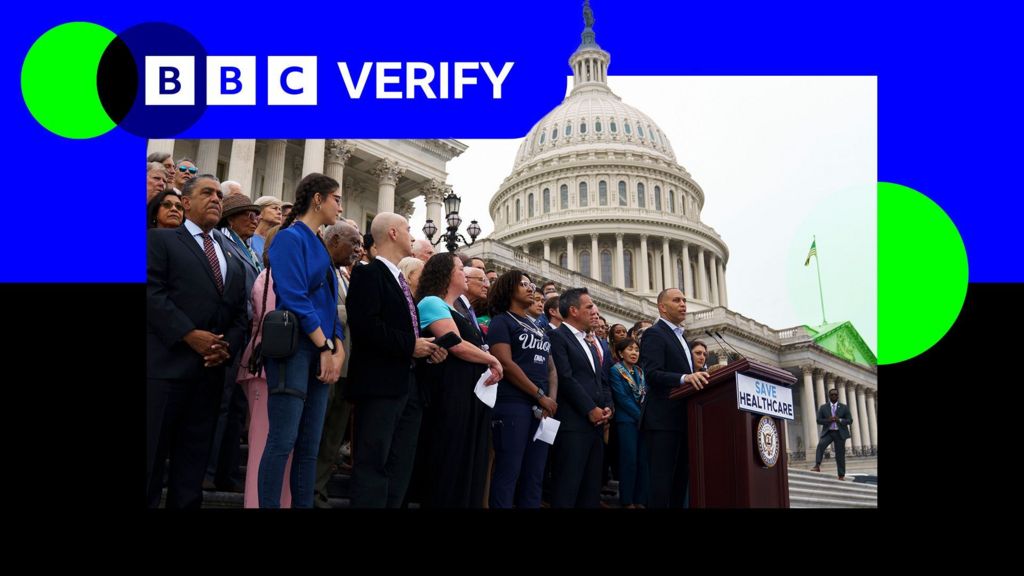
Are Democrats really pushing for free healthcare for undocumented migrants?
The Trump administration has accused Democrats of causing the US government shutdown by pushing for ‘radical demands,’ including free healthcare for illegal immigrants. Vice President JD Vance claimed that Democrats are seeking billions in healthcare funding for undocumented individuals, a statement echoed by President Trump on Truth Social. However, Democratic Senate leader Chuck Schumer dismissed these claims as ‘a total, absolute lie.’
-
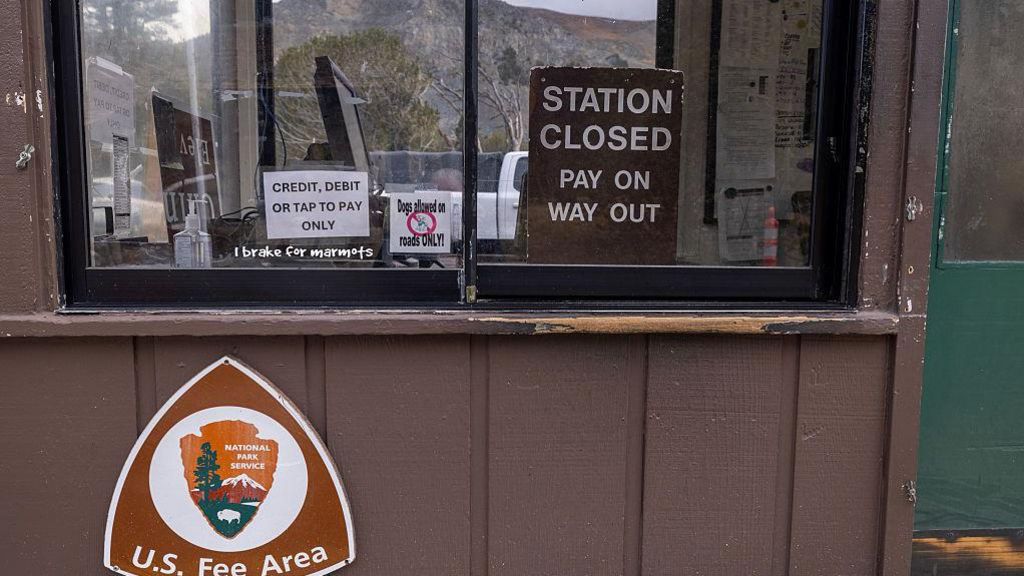
Stay out of national parks during US shutdown, conservationists warn
As the US government shutdown continues, conservationists are urging visitors to steer clear of national parks, advocating for their temporary closure due to safety and resource concerns. The National Parks Conservation Association (NPCA) has highlighted the risks posed by skeleton staffing, warning that visitors may find themselves without essential services or support. The National Park Service (NPS), responsible for overseeing 433 sites, has opted to keep parks partially open while furloughing over half of its workforce. This decision has drawn criticism from conservation groups and former park rangers, who argue that reduced staffing jeopardizes both visitor safety and the preservation of park resources. Kristen Brengel, NPCA’s senior vice-president of government affairs, emphasized the lack of communication staff to inform visitors about available facilities, describing the situation as unpredictable. She advised against visiting parks during the shutdown, citing the potential for vandalism, environmental damage, and limited emergency response capabilities. The Trump administration’s approach during the 2018 shutdown, which kept parks open with minimal staffing, led to widespread issues, including off-roading, looting, and littering. Many parks are already under strain due to earlier mass layoffs, raising concerns about their ability to recover from any additional damage. In a letter to Interior Secretary Doug Burgum, former park superintendents warned of the risks posed by keeping parks open, citing past instances of vandalism and habitat destruction. Bill Wade, executive director of the association of national park rangers, echoed these concerns, describing the decision as ‘dangerous’ and highlighting the potential for increased resource damage. The shutdown, which began after Congress failed to agree on a new spending plan, has sparked bipartisan efforts to keep parks open, with Senator John Hickenlooper emphasizing their economic and emotional significance during stressful times.
-
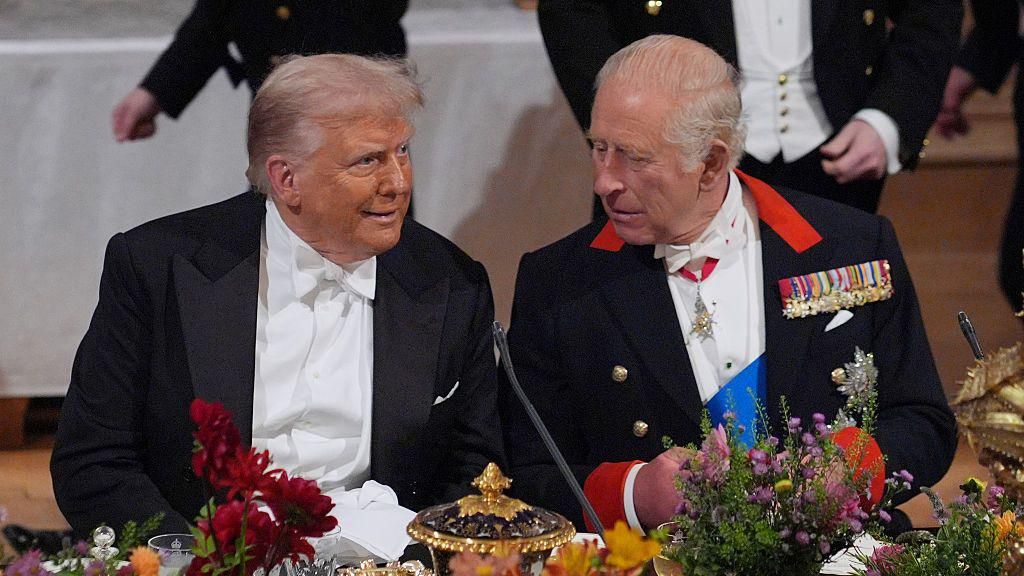
Official quits after dispute over Trump’s Eisenhower sword gift to King Charles
The director of the Dwight D. Eisenhower Presidential Library, Todd Arrington, has resigned following a contentious disagreement with the Trump administration over the gifting of a historical sword to King Charles III during President Donald Trump’s recent state visit to the United Kingdom. According to CBS News, Arrington refused to remove an original sword from the library’s collection, which the State Department had sought to present as a symbol of the enduring US-UK alliance post-World War II. Instead, King Charles received a replica of the sword during Trump’s visit to Windsor Castle in September. Arrington, who had been in his role since August 2024, was reportedly told to resign or face termination, with officials citing a loss of trust over confidential matters related to the sword dispute and other issues. In an interview, Arrington denied making any disparaging remarks about Trump or his administration, emphasizing his commitment to preserving historical artifacts. The Eisenhower library, one of 16 presidential libraries managed by the National Archives, houses several swords from Eisenhower’s collection, including a saber and a sword of honor. Arrington expressed his desire to return to his position, stating his deep passion for the role and its historical significance. The White House and the National Archives have yet to comment on the matter.
-

Donations pour in for family of gunman in Michigan church attack
In a remarkable display of compassion, members of The Church of Jesus Christ of Latter-day Saints have donated over $250,000 to support the family of Thomas Sanford, the man responsible for a devastating attack on a Michigan church that left four dead and eight injured. The incident occurred on Sunday when Sanford drove his truck into the Grand Blanc church during a worship service, opened fire, and set the building ablaze before being fatally shot by police. David Butler, a Utah-based member of the church and a fantasy writer, initiated the fundraiser on GiveSendGo to assist Sanford’s widow and children, who face financial hardship and ongoing medical challenges. Despite the tragedy, many donors identified themselves as Latter-day Saints, expressing empathy and solidarity. The attack has deeply shaken the local community and the church nationwide, prompting vigils and financial support for victims and their families. Investigators are still searching for a motive behind the targeted act of violence, which occurred during a service attended by hundreds. Sanford, a former Marine deployed to Iraq, had a history of arrests but no clear connection to the church. Amid the grief, one survivor shared a poignant letter of forgiveness, highlighting the profound emotional impact of the tragedy.
-

Study shows the world is far more ablaze now with damaging fires than in the 1980s
A groundbreaking study published in the journal *Science* has revealed that the frequency of the world’s most destructive wildfires has quadrupled since the 1980s, driven by human-induced climate change and the encroachment of urban areas into wildlands. The research, conducted by a team of international fire scientists from Australia, the United States, and Germany, shifts the focus from the traditional metric of acres burned to the economic and human toll of these disasters. By analyzing the 200 most damaging wildfires since 1980, the study found that these catastrophic events have increased by 4.4 times over the past four decades, with 43% occurring in the last ten years alone. The findings underscore a “climate-linked escalation of societally disastrous wildfires,” according to lead author Calum Cunningham, a pyrogeographer at the University of Tasmania. The study highlights that extreme fire weather conditions—hot, dry, and windy—are becoming more frequent due to the burning of fossil fuels, exacerbating the risk of devastating fires. Additionally, the expansion of urban areas into fire-prone regions, known as the wildland-urban interface, has further amplified the crisis. Cunningham emphasized that while wildfires are a natural phenomenon, human activities have significantly intensified their frequency and severity. The research also noted that economic data on wildfires is often inaccessible, complicating global assessments. However, by combining insurance data from Munich Re with the International Disaster Database, the team was able to provide a comprehensive analysis. Experts not involved in the study, such as Jacob Bendix of Syracuse University and Mike Flannigan of Thompson Rivers University, praised the research for its innovative approach and warned that the trend of increasing extreme fire weather poses a dire challenge for the future. The study calls for urgent action to mitigate climate change and improve wildfire preparedness to prevent further loss of life and economic devastation.
-

Weekly quiz: Who said ‘I do’ to Selena Gomez?
This week witnessed significant developments across various spheres globally. Former U.S. President Donald Trump unveiled his strategy to bring an end to the ongoing conflict in Gaza, drawing attention to his foreign policy stance. Meanwhile, the BBC shed light on deeply rooted issues within the Metropolitan Police, exposing a troubling culture of misogyny and racism that has sparked widespread concern. In the entertainment industry, an AI-generated ‘actress’ caused a stir in Hollywood, raising questions about the future of technology in creative fields. Amid these headlines, the week also saw numerous other events that may have flown under the radar. To test your awareness of global happenings, a quiz curated by Ben Fell invites you to revisit last week’s events or explore past archives. Additionally, in the world of television and music, Selena Gomez made headlines in the United States, further enriching this week’s diverse news landscape.
-
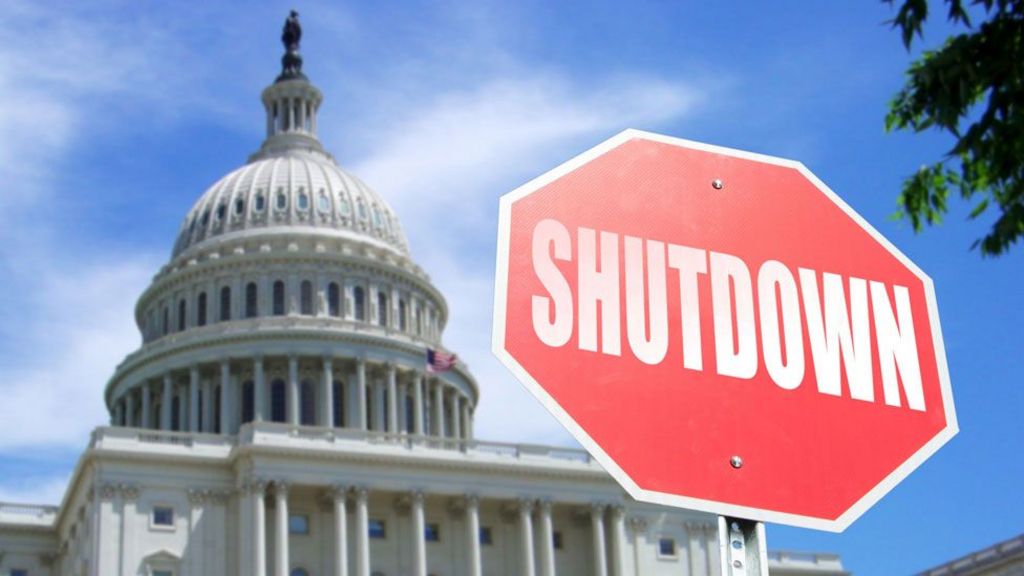
‘My pay is being held hostage’: Federal workers on US government shutdown
The ongoing US government shutdown has plunged federal workers into a state of uncertainty, with many forced into unpaid leave and others expressing frustration over their salaries being ‘held hostage.’ While essential workers remain on duty, they too face the prospect of delayed paychecks. This shutdown, which began on Wednesday, stems from partisan disputes over federal spending and Democratic demands to extend healthcare tax credits. What sets this shutdown apart is President Donald Trump’s intention to leverage the situation to implement permanent cuts to government staffing and spending. BBC News has gathered insights from federal workers, most of whom have chosen to remain anonymous due to restrictions on speaking to the media. One worker recounted the hardships of the 2018-19 shutdown, which lasted over a month, forcing them to dip into their retirement savings to cover bills. They expressed disappointment in Trump, stating, ‘I voted for Trump, but I did not vote for his abuses against us.’ Meanwhile, a Department of Homeland Security worker in New Jersey supported the shutdown, emphasizing the need to maintain checks and balances. An Army Corps of Engineers employee expressed mixed feelings, welcoming a break from the fiscal year’s pressures but questioning the shutdown’s productivity. Randall from Kansas City, who works with the Aviation Weather Center, lamented the impact on his pay, while an anonymous US Air Force employee highlighted the dilemma of working without pay. A Treasury Department worker urged Democrats to stand firm against threats to healthcare affordability. The shutdown underscores the deepening political divide and its tangible impact on federal employees.
-
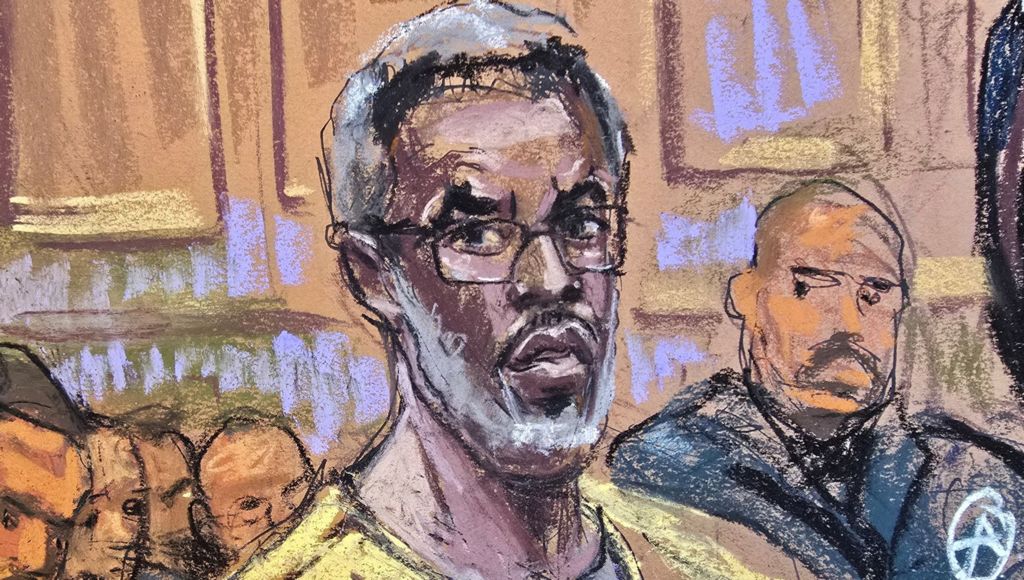
How much time could Diddy spend in prison?
Sean ‘Diddy’ Combs, the renowned music mogul, faces a pivotal moment as he awaits his sentencing following a high-profile criminal trial. Convicted on two counts of transportation to engage in prostitution, Combs could potentially serve up to 20 years in prison. However, his legal team is vigorously advocating for a more lenient sentence, which could see him released in a matter of weeks or even acquitted. The trial, which concluded in July, saw Combs acquitted of the more severe charges of racketeering and sex trafficking but found guilty on the prostitution-related counts. Each count carries a maximum sentence of 10 years, with prosecutors pushing for a minimum of 11 years. Combs’ attorneys argue that such a sentence would be excessive, given the circumstances. The defense has portrayed Combs as a reformed individual, emphasizing his contributions to the music industry and his role as a father to seven children and caregiver to his elderly mother. They have also highlighted his time spent in jail during the trial, suggesting it should count towards his total sentence. On the other hand, prosecutors have emphasized Combs’ history of abusive behavior, including domestic violence and illegal drug use, arguing that he remains unrepentant. Victim testimonies, particularly from Cassandra Ventura, have played a significant role in the case. Ventura, who submitted a letter to the judge, expressed her fear of retaliation and the lasting impact of Combs’ abuse on her life. The sentencing hearing, set for Friday, will see both sides present their arguments, with the judge ultimately deciding the final punishment. Combs’ legal team has also challenged the use of the Mann Act, a century-old law that forms the basis for the charges against him. They argue that the sexual encounters in question were consensual and do not constitute prostitution. Prosecutors, however, have countered with testimonies from Ventura and another woman, referred to as Jane Doe, detailing coerced and physically harmful experiences. As the sentencing looms, the case continues to draw significant attention, with many questioning the future of Combs’ career and the broader implications for the music industry.
-
Xbox Game Pass price increase angers players
Microsoft has ignited a wave of discontent among gaming enthusiasts following its announcement of a significant price increase for its Xbox Game Pass subscription service. The most popular tier, Ultimate, will now cost £22.99 per month, marking a 50% rise from its previous £14.99 price point. This decision has led to a surge in subscription cancellations, with some users reporting that the service’s cancellation page crashed due to overwhelming demand. Microsoft has yet to confirm whether the outage was directly linked to the surge in activity. The revamped Game Pass structure now offers three tiers: Essential (£10/month), Premium (£14.99/month), and Ultimate (£22.99/month). While the basic tier is necessary for online multiplayer access, the higher tiers provide a broader selection of games and perks, including day-one access to new releases from Microsoft-owned studios like Call of Duty. Despite the addition of blockbuster titles such as Hogwarts Legacy and Assassin’s Creed entries to the Game Pass library, many users perceive the price hike as anti-consumer. Industry experts, including Ed Nightingale of Eurogamer, have expressed concerns that the increased costs could alienate gamers, especially as the overall cost of gaming continues to rise. Microsoft has defended the move, stating that the new pricing structure offers greater flexibility, choice, and value. However, critics argue that the company risks undermining its reputation as a consumer-friendly brand. This price adjustment follows a series of cost increases across Microsoft’s gaming division, including higher prices for Xbox consoles and accessories, which the company attributes to rising development costs and market conditions. The broader gaming industry has also seen similar trends, with Sony and Nintendo implementing price hikes for their products. Amidst these changes, Microsoft has also faced scrutiny for its recent layoffs and increased investment in artificial intelligence, raising questions about its long-term strategy in the gaming sector.