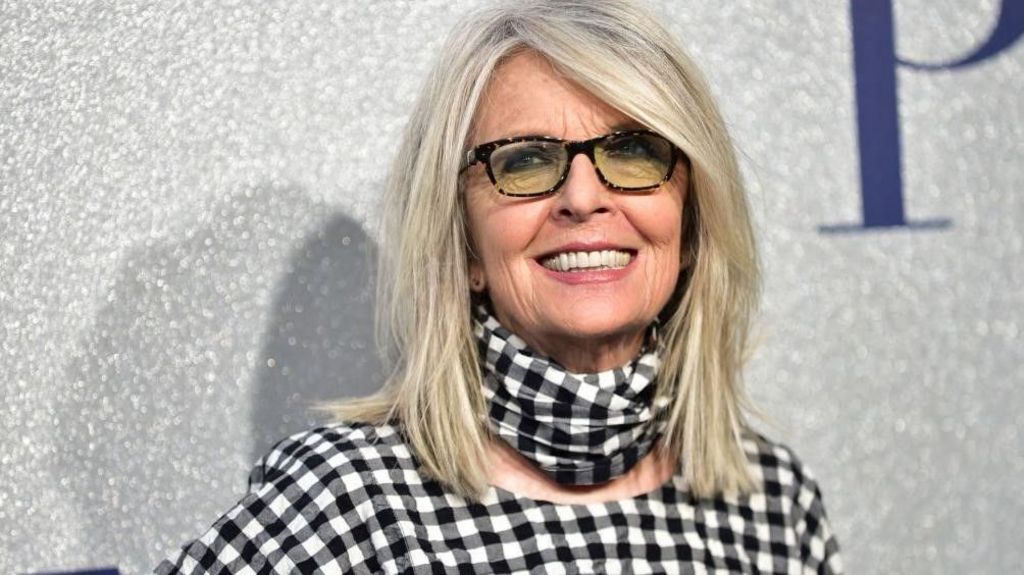
The entertainment world mourns the loss of Diane Keaton, the iconic Oscar-winning actress who passed away at the age of 79. Her longtime producer and friend, Dori Rath, confirmed the news to CBS News. Born in Los Angeles, Keaton rose to prominence in the 1970s with her unforgettable portrayal of Kay Adams-Corleone in *The Godfather* series. Her career, spanning over five decades, was marked by critically acclaimed performances in films such as *Annie Hall*, for which she won the Academy Award for Best Actress in 1978, *Father of the Bride*, and *First Wives Club*. Keaton’s unique style, often characterized by menswear and wide-brimmed hats, became a signature both on and off the screen. Beyond acting, she directed several films, including the 1995 Cannes-selected *Unstrung Heroes* and the 2000 comedy-drama *Hanging Up*. Tributes poured in from co-stars and fans, with Bette Midler calling her ‘brilliant, beautiful, and extraordinary,’ and Ben Stiller hailing her as ‘one of the greatest film actors ever.’ Keaton, who never married, adopted two children, Dexter and Duke, and often expressed her profound love for her family in her 2011 autobiography, *Then Again*. Her legacy as a trailblazer in Hollywood remains indelible.
标签: North America
北美洲
-
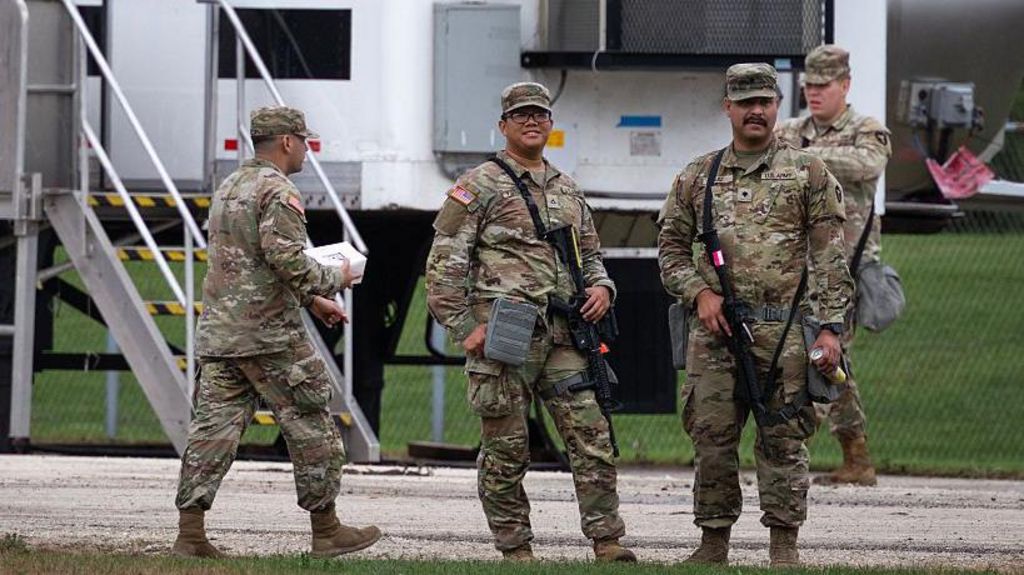
Trump cannot deploy National Guard to Illinois, appeals court rules
In a significant legal development, a federal appeals court has ruled against the Trump administration’s plan to deploy the National Guard in Illinois. The Chicago-based US Court of Appeals for the 7th Circuit issued the decision, which also stipulated that the National Guard would remain under federal control for the time being. This ruling partially upholds a previous decision by a lower court, which had blocked the deployment of troops in the Chicago area, citing concerns that such a move could incite civil unrest. President Trump has previously deployed the National Guard to cities like Los Angeles and Washington DC, justifying the action as necessary to combat illegal immigration and crime. The latest court decision underscores the ongoing legal and political tensions surrounding the administration’s use of military resources in domestic contexts.
-
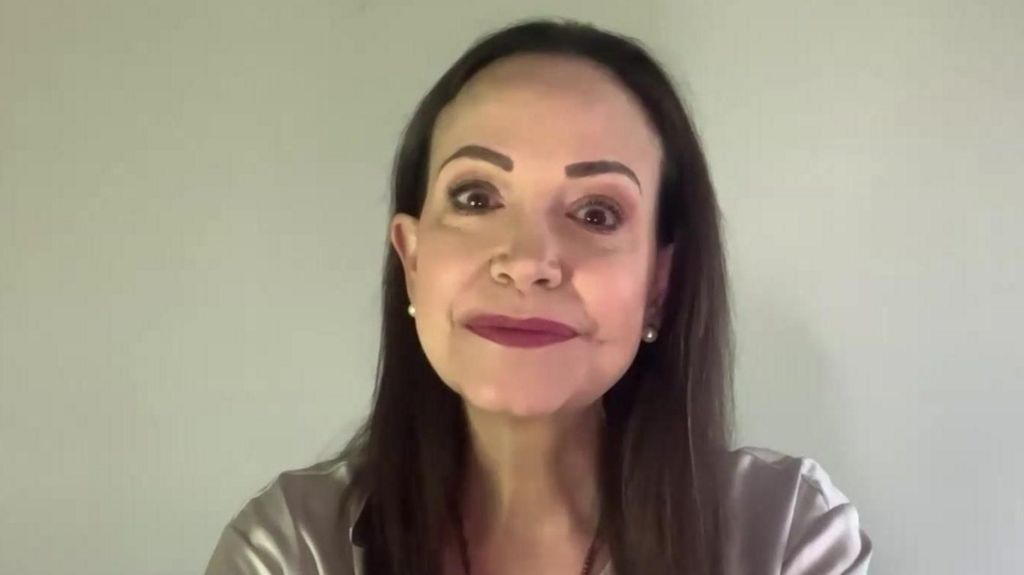
We’re grateful for what Trump is doing for peace, Nobel winner tells BBC
María Corina Machado, the Venezuelan opposition leader and 2025 Nobel Peace Prize winner, expressed her gratitude to former US President Donald Trump for his global efforts towards peace, freedom, and democracy. In an interview with BBC Mundo, Machado highlighted her appreciation for Trump’s actions, not only in the Americas but worldwide. She emphasized the importance of international support in combating the Maduro regime, which she described as a ‘criminal structure’ sustained by illicit activities such as drug trafficking and gold smuggling. Machado’s Nobel recognition was awarded for her relentless struggle to transition Venezuela from dictatorship to democracy, despite facing severe threats to her life. She has been a symbol of civilian courage, inspiring millions by remaining in Venezuela despite the dangers. Machado also acknowledged the role of the international community in weakening the Maduro regime by cutting off its financial lifelines. Recent US actions, including strikes on boats allegedly involved in drug trafficking, have further pressured the regime, though these actions have sparked controversy and legal debates. Machado’s Nobel Prize has energized her political movement, providing hope and strength to the Venezuelan people in their fight for democracy.
-
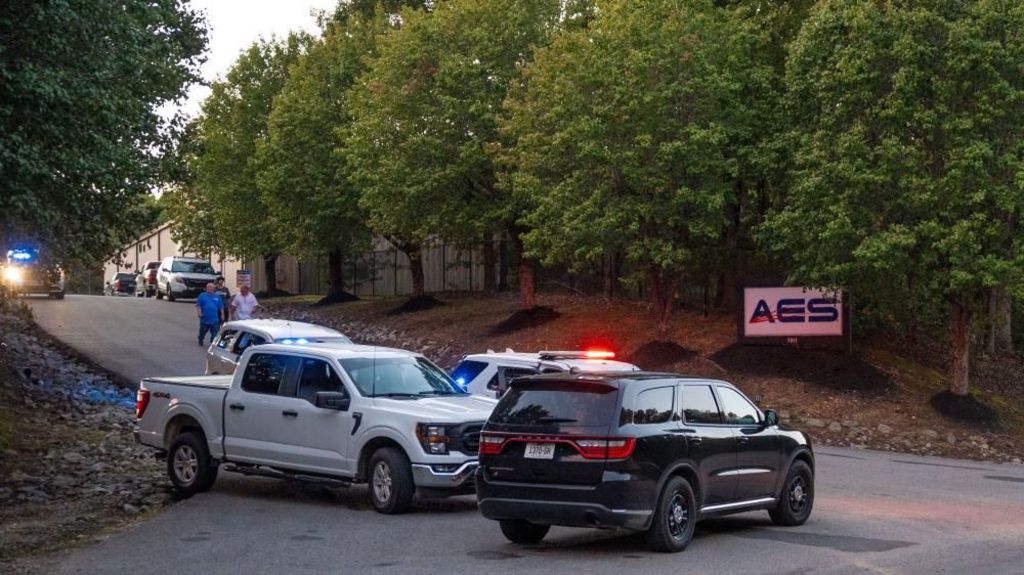
No survivors found after Tennessee explosives plant blast
A catastrophic explosion at a munitions factory in Bucksnort, Tennessee, has left 18 individuals unaccounted for, with recovery teams expressing little hope of finding survivors. The incident occurred on Friday at a facility operated by Accurate Energetic Systems, which specializes in the development, manufacture, handling, and storage of explosives. Located approximately 56 miles southwest of Nashville, the plant was engulfed in flames, with video footage revealing charred vehicles and thick smoke billowing from the destroyed structure. Debris was scattered across a half-mile radius, underscoring the severity of the blast. Humphreys County Sheriff Chris Davis, addressing the media on Saturday, described the situation as “even more devastating than we thought initially.” The cause of the explosion remains under investigation. This tragedy echoes a previous fatal explosion at the same site in 2014. The company has since suspended all operations at the facility.
-
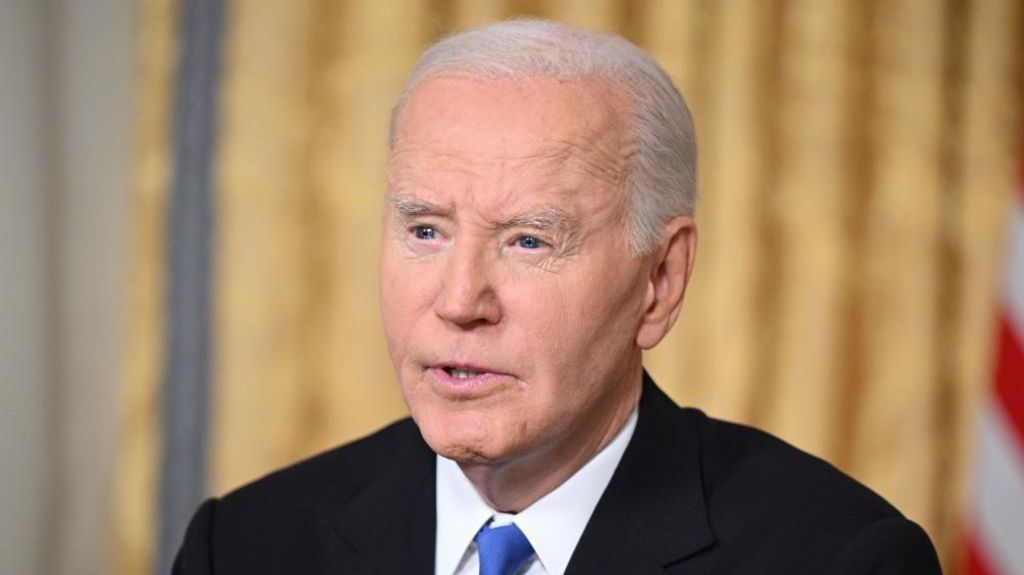
Biden receiving radiation therapy for prostate cancer
Former U.S. President Joe Biden has commenced radiation therapy as part of his ongoing treatment for prostate cancer, according to a statement from his spokesperson. The 82-year-old is also receiving hormone therapy, though specific details regarding this treatment remain undisclosed. A source familiar with the matter revealed to NBC News that the radiation therapy is expected to last five weeks, marking a significant phase in his medical care. Biden was diagnosed in May with an aggressive form of prostate cancer, which had metastasized to his bones. The diagnosis followed urinary symptoms that prompted medical examinations, leading to the discovery of a small nodule on his prostate. At the time, Biden’s office described the cancer as having a Gleason score of 9 (Grade Group 5), indicating a high-grade, fast-spreading form of the disease. However, the cancer is hormone-sensitive, which allows for effective management. Biden, who left office in January as the oldest serving U.S. president in history, faced persistent health concerns during his first term, ultimately leading him to withdraw from the 2024 re-election campaign. His former vice president, Kamala Harris, subsequently ran as the Democratic presidential candidate but lost to current President Donald Trump.
-

Four killed in mass shooting after Mississippi football game
A tragic mass shooting in Leland, Mississippi, has resulted in the deaths of four individuals and left twelve others injured, four of whom are in critical condition. The incident occurred around midnight on the town’s main street, approximately 120 miles northeast of the state capital, Jackson. Leland Mayor John Lee confirmed the details in an interview with CBS, a BBC US partner. Four of the wounded were urgently airlifted to nearby hospitals for treatment. As of now, no suspects have been apprehended, leaving the community in shock and seeking answers. The town was unusually bustling on Friday due to a local high school football game, part of the annual homecoming tradition in the United States. This event typically draws former students back to celebrate school spirit and community ties, making the timing of the shooting even more devastating. The incident adds to the ongoing national conversation about gun violence in the United States, highlighting the urgent need for solutions to prevent such tragedies.
-
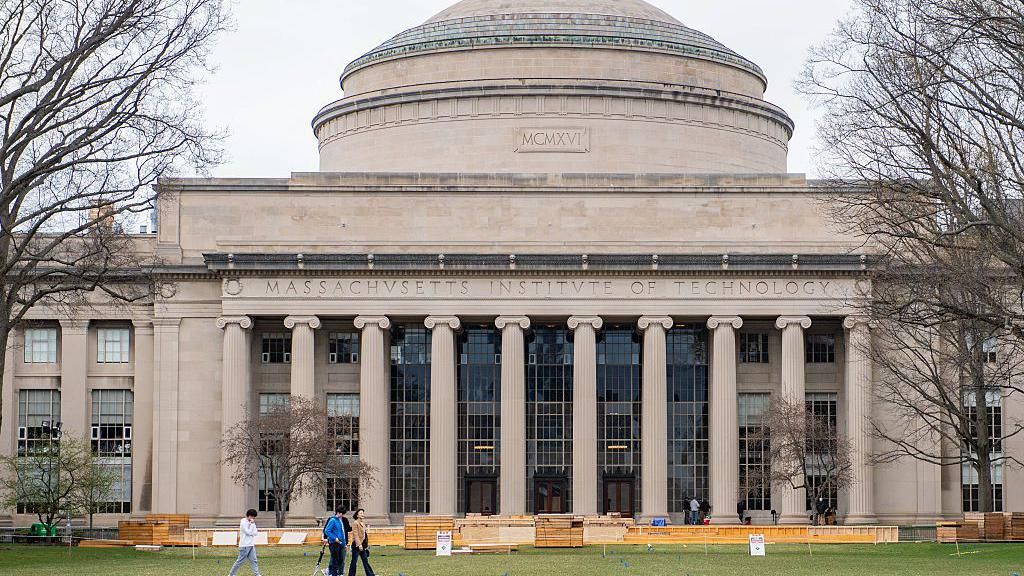
MIT rejects federal funding deal with Trump administration
The Massachusetts Institute of Technology (MIT) has firmly declined a proposal from the Trump administration that sought to impose specific policies in exchange for preferential access to federal funding. In a letter addressed to U.S. Education Secretary Linda McMahon, MIT President Sally Kornbluth stated that the proposal would ‘restrict freedom of expression’ on campus and conflict with the university’s foundational principles. The proposal, titled ‘Compact for Academic Excellence in Higher Education,’ was also presented to other prominent institutions, including Brown University, the University of Pennsylvania, and the University of Texas. The compact outlined a series of demands, such as capping foreign student admissions, limiting university leaders’ comments on political events, and adopting a binary definition of gender. Additionally, it required universities to use standardized tests for admissions, commit to using lawful force to manage campus protests, and ensure an environment conducive to conservative ideas. MIT, which already employs standardized tests and maintains an international enrollment of around 10%, rejected the proposal, emphasizing its commitment to independent thinking and scientific merit. Kornbluth argued that the compact’s principles were inconsistent with MIT’s core values and its mission to foster open competition for excellence. This decision follows MIT’s previous legal actions against the Trump administration, including a lawsuit over cuts to health research funding and support for Harvard University in similar disputes. Other universities approached by the government, such as the University of Arizona and Dartmouth College, have yet to publicly respond. Meanwhile, California Governor Gavin Newsom warned that any state university accepting the deal would face immediate cuts to state funding, including Cal Grants, as California refuses to support institutions that compromise academic freedom.
-
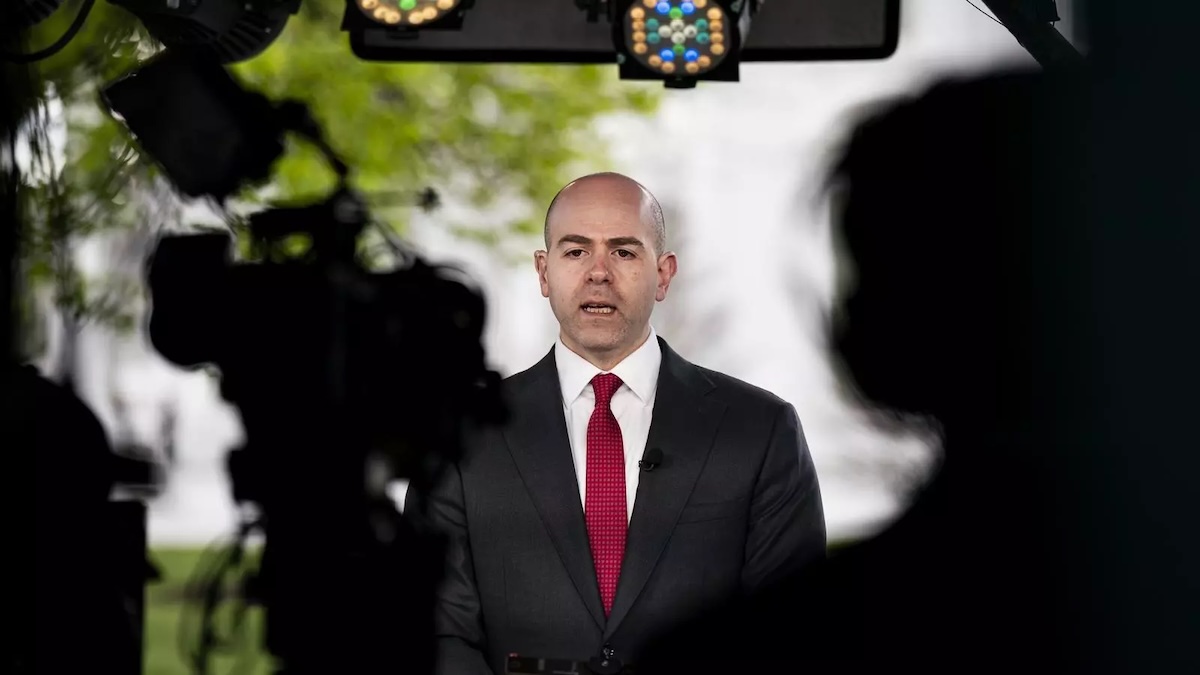
Trump appointee’s case for bigger rate cuts fails to move Fed
Stephen Miran, recently appointed to the Federal Reserve Board by President Trump, is pushing for more substantial and rapid interest-rate cuts than his colleagues. Miran, who joined the board last month and is currently on leave from his role as chair of Trump’s Council of Economic Advisors, argues that the federal funds rate should be significantly lower than its current range of 4% to 4.25%. While Trump has called for a three-percentage-point reduction, Miran advocates for a mid-2% range, about two points below today’s rate. His stance was evident during the Fed’s recent vote, where he was the sole dissenter against a modest quarter-point cut, instead favoring a half-point reduction. Miran’s projections, as indicated in the Fed’s September ‘dot plot,’ suggest a federal funds rate below 3% by year-end, a stark contrast to the majority forecast of 3.75%. His rationale centers on the ‘neutral rate of interest’ (r-star), which he believes is much lower than his peers estimate, warning that the Fed’s current policy risks exacerbating unemployment. Miran attributes his outlook to Trump’s policies, including tariffs, tax changes, and deregulation, which he claims will alter the supply and demand dynamics of money. However, his arguments face skepticism from economists and bond investors, with many questioning the feasibility of his projections. Despite his outlier position, Miran’s detailed justifications, supported by 28 footnotes, offer a rare depth in policy discourse. Yet, with inflation concerns and a softening job market, the Fed remains cautious, favoring gradual quarter-point cuts over Miran’s aggressive approach.
-
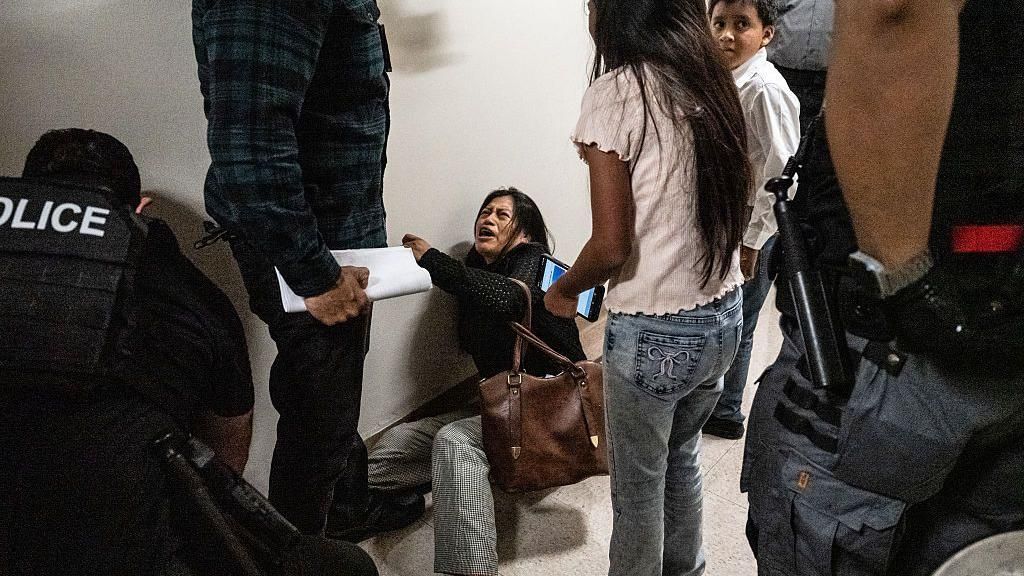
‘They treated us like animals’ – Inside the epicentre of deportations in New York City
Monica Moreta Galarza experienced a harrowing ordeal outside New York City’s 26 Federal Plaza immigration court when her husband, Rubén Abelardo Ortiz López, was abruptly detained by immigration officers. What began as a routine hearing ended in chaos as officers forcibly separated the couple, throwing Ms. Moreta Galarza to the ground. ‘They treated us like animals,’ she recounted in an interview with BBC News Mundo. The incident, captured on video and widely shared on social media, led to the temporary suspension of one officer but highlighted a broader pattern of aggressive enforcement at the courthouse.
-
‘It’s going to be really bad’: Fears over AI bubble bursting grow in Silicon Valley
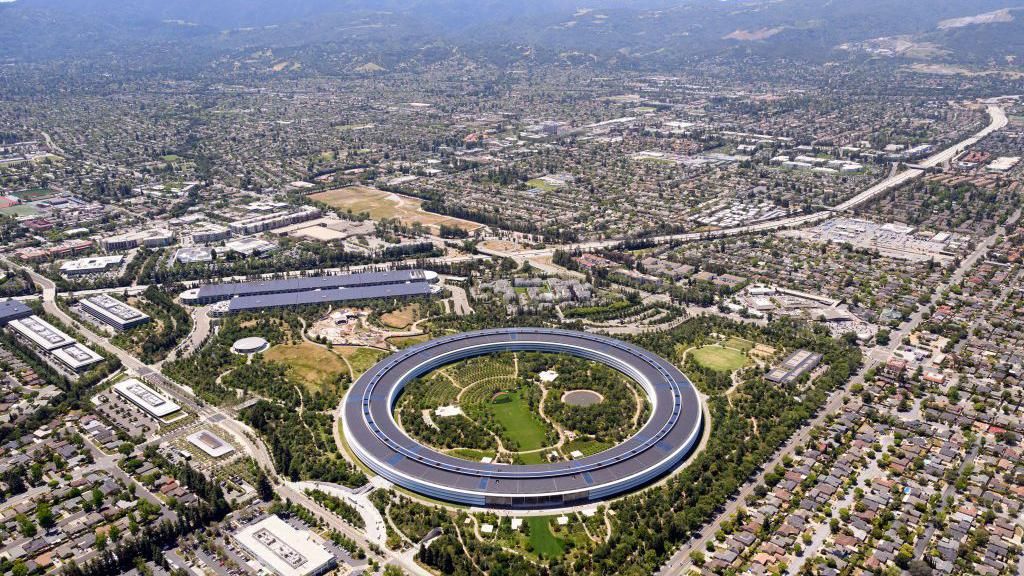
Silicon Valley, the global epicenter of technological innovation, is once again at the forefront of a heated debate: Is the artificial intelligence (AI) sector heading toward a bubble? At OpenAI’s DevDay event this week, CEO Sam Altman addressed concerns head-on, acknowledging the ‘bubbly’ aspects of AI while defending the industry’s potential. ‘There’s something real happening here,’ he asserted, flanked by his top executives. However, skepticism is growing, with critics questioning whether the skyrocketing valuations of AI companies are driven by ‘financial engineering’ rather than sustainable growth. The Bank of England, the International Monetary Fund, and JP Morgan CEO Jamie Dimon have all issued warnings, with Dimon emphasizing that ‘the level of uncertainty should be higher in most people’s minds.’ Early AI entrepreneur Jerry Kaplan, who has lived through four tech bubbles, expressed grave concerns about the current AI frenzy. ‘When [the bubble] breaks, it’s going to be really bad, and not just for people in AI,’ he warned at a panel discussion at Silicon Valley’s Computer History Museum. ‘It’s going to drag down the rest of the economy.’ Despite these warnings, the AI sector continues to attract unprecedented investments. OpenAI, the company behind ChatGPT, recently secured a $100 billion deal with chipmaker Nvidia and announced plans to purchase billions of dollars worth of equipment from Nvidia rival AMD. These complex financial arrangements, coupled with OpenAI’s ambitious Stargate project in Texas, have raised eyebrows. Some experts have labeled these deals as ‘circular financing,’ where companies invest in their own customers to sustain demand. Nvidia CEO Jensen Huang defended the arrangement, stating that OpenAI is not obligated to use Nvidia’s technology exclusively. ‘Our primary goal is just really to support them and help them grow – and grow the ecosystem,’ he said. Meanwhile, the surge in AMD stock suggests that retail investors are eager to capitalize on the AI boom. However, concerns about overinvestment and environmental impact persist. Kaplan warned of ‘enormous data centers in remote places like deserts, that will be rusting away and leaching bad things into the environment.’ Despite the risks, some remain optimistic. Jeff Boudier of Hugging Face likened the current AI infrastructure investments to the overinvestment in telecom infrastructure during the dot-com era. ‘If there is overinvestment into infrastructure for AI workloads, there may be financial risks tied to it,’ he said. ‘But it’s going to enable lots of great new products and experiences.’ As the AI sector continues to evolve, the question remains: Are we witnessing the birth of a transformative technology or the buildup of another financial bubble?