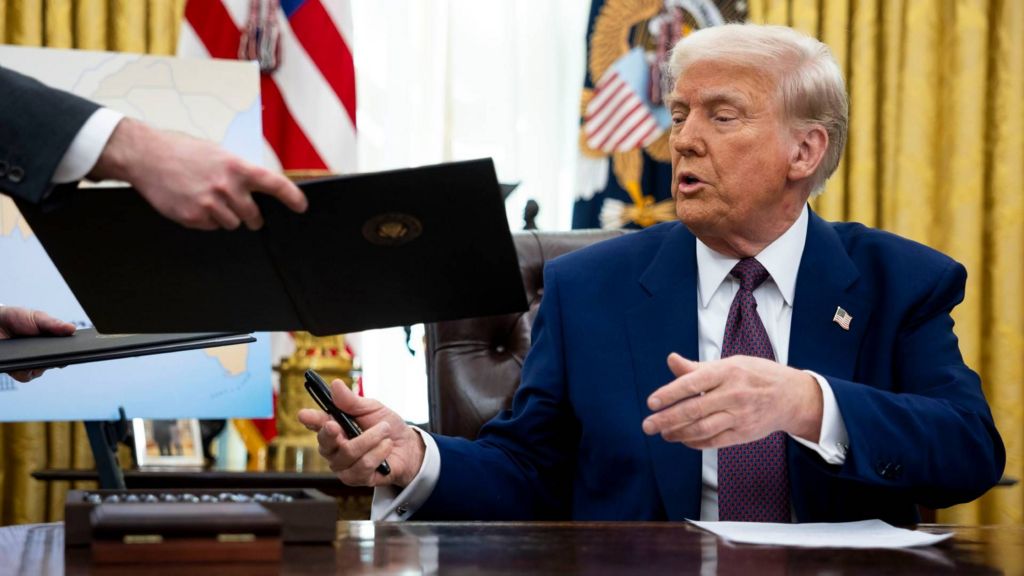
The legality of former President Donald Trump’s sweeping global tariffs is set to be determined by the US Supreme Court. The highest court in the nation will assess whether Trump’s use of emergency powers to impose these tariffs constitutes an overreach of presidential authority. A hearing is scheduled for November 5, following a federal appeals court ruling that declared the tariffs illegal. These tariffs, announced in April, imposed a flat 10% rate on imports from all countries, a move Trump argued was necessary to address ‘unfair’ trade relations with the US. The case reached the Supreme Court after two lower courts ruled that Trump lacked the authority to implement such broad tariffs. The appellate court’s 7-4 decision rejected Trump’s claim that the International Emergency Economic Powers Act (IEEPA) permitted these tariffs, stating that the law does not grant the president the power to impose tariffs or taxes. Trump criticized the ruling, calling it ‘highly partisan’ and a ‘disaster’ for the country. The case originated from legal challenges by small businesses and a group of 12 US states. The Supreme Court’s decision could have significant implications for Trump’s political legacy, the US economy, and global trade relations. If the court upholds the lower courts’ rulings, it could lead to uncertainty in financial markets and questions about the validity of existing trade deals. Conversely, a ruling in Trump’s favor could embolden future presidents to use the IEEPA more aggressively. The conservative majority on the Supreme Court has frequently sided with Trump, but the court has also been critical of presidential overreach. The ruling will specifically address Trump’s ‘reciprocal tariffs,’ which include various rates on imports from countries like China, Mexico, and Canada. Tariffs imposed under Section 232, aimed at protecting national security, remain unaffected by this case.
标签: North America
北美洲
-
Carney seeks to fortify Canada against tariffs shocks in first budget
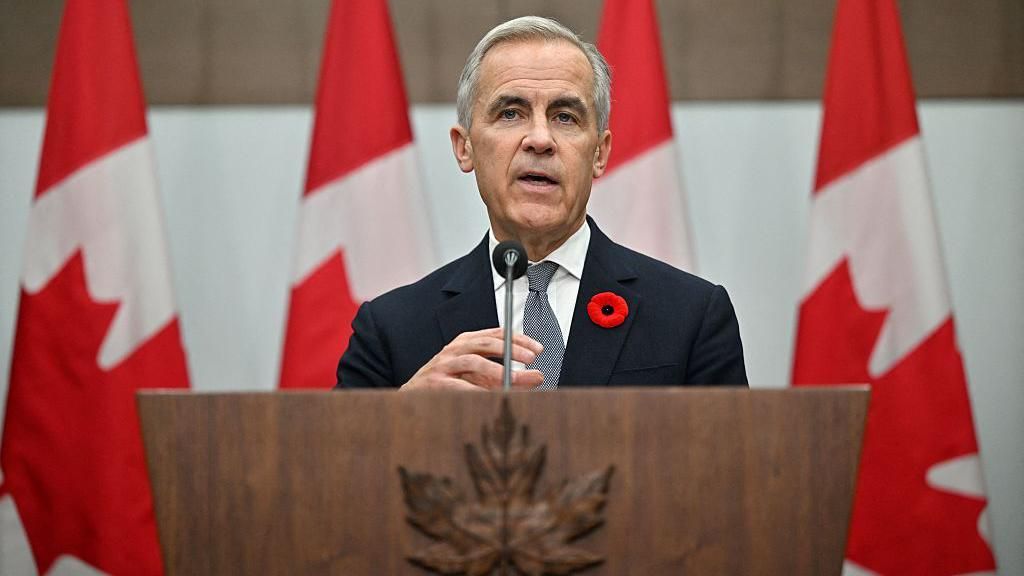
Prime Minister Mark Carney’s government has introduced its first federal budget, outlining a bold economic transformation plan to address the pressures of US tariffs and foster long-term growth. Dubbed an ‘investment budget,’ the fiscal blueprint increases Canada’s deficit to C$78 billion, up from C$51.7 billion, while aiming to attract C$1 trillion in investments over the next five years. Finance Minister François-Philippe Champagne presented the budget in the House of Commons, emphasizing the need for ‘bold and swift action’ during a period of profound change. The budget includes significant spending on infrastructure, defense, and artificial intelligence (AI), alongside cuts to the federal workforce and international aid. To counter US tariffs, which have already impacted sectors like steel, aluminum, and automobiles, the government plans to invest C$280 billion to enhance productivity, competitiveness, and resilience. This includes modernizing trade infrastructure and doubling exports to non-US markets. The budget also proposes C$30 billion in defense spending, aligning with NATO commitments, and nearly C$1 billion to advance AI integration. However, the plan faces political hurdles, as Carney’s Liberal government lacks a majority and requires support from other parties to pass the budget. Opposition leaders have expressed concerns over the deficit and austerity measures, raising the possibility of a federal election if the budget fails to gain approval.
-

OpenAI clarifies ChatGPT’s limits after viral claims about legal, medical advice
OpenAI has recently clarified the boundaries of its AI chatbot, ChatGPT, following widespread claims on social media and in various media outlets that the platform had ceased offering legal, medical, and financial advice. The company emphasized that while ChatGPT can provide explanations and general information, it is not designed to offer personalized advice or recommendations in these critical fields. This clarification aligns with OpenAI’s ongoing efforts to refine its policies, balancing user freedom with safety and accountability. The discussion gained traction after media outlet Nexta shared a post on X, stating that ChatGPT had been officially labeled an ‘educational tool’ and would no longer provide specific guidance on treatment, legal issues, or financial matters. OpenAI’s Usage Policies page, last updated on October 29, explicitly prohibits the provision of tailored advice in licensed fields without the involvement of a licensed professional. Karan Singhal, OpenAI’s head of health AI, addressed the confusion on X, stating that this was not a new change and that ChatGPT has always been a resource for understanding legal and health information, not a substitute for professional advice. OpenAI’s policies also restrict the automation of high-stakes decisions in sensitive areas without human review, including legal, medical, financial, housing, employment, and insurance matters. While no major lawsuits have emerged over ChatGPT’s advice, experts believe this clarification underscores the risks of AI in regulated fields. OpenAI’s stance also reflects a broader industry shift toward regulated and accountable AI use, as legal scrutiny on AI deepens. The company is already facing lawsuits from authors, publishers, and media organizations alleging unauthorized use of copyrighted material to train AI models. Experts continue to call for stronger AI regulation, arguing that clear frameworks are essential to prevent misuse in sensitive areas like healthcare, law, and finance. For users, the update reinforces that ChatGPT should be treated as an information aid, not a professional adviser. For regulators and businesses, it marks another step in the industry’s move toward clearer boundaries, as global conversations around AI safety, liability, and governance continue to evolve.
-
Former US VP Dick Cheney dead at 84, family confirms
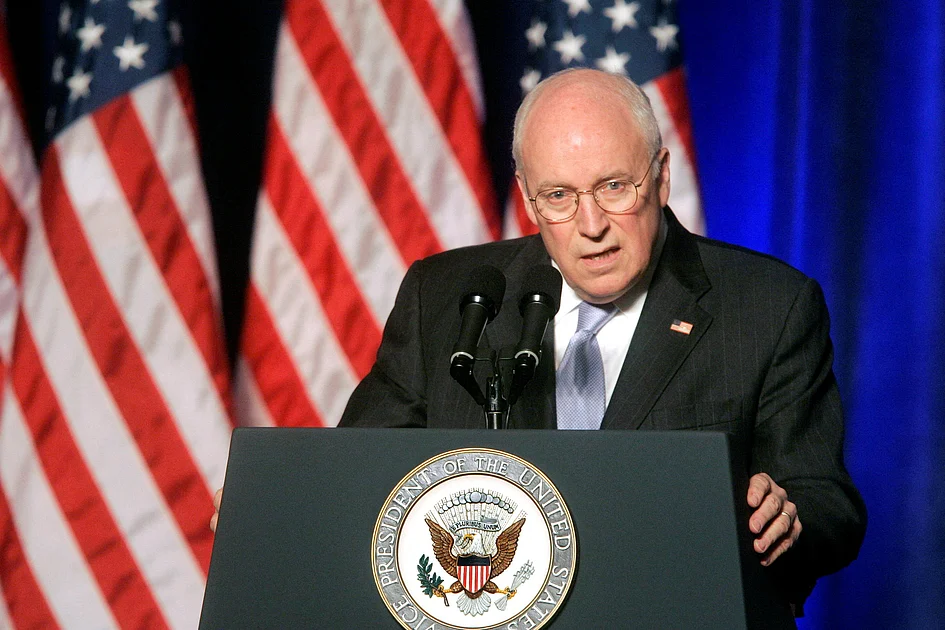
Dick Cheney, a pivotal figure in U.S. politics and one of the most powerful vice presidents in American history, has passed away at the age of 84. His family confirmed his death on Tuesday, attributing it to complications from pneumonia and cardiac and vascular disease. Cheney, who served as vice president under George W. Bush from 2001 to 2009, was a driving force behind the 2003 U.S. invasion of Iraq, a decision that remains highly controversial.
-
Heart attacks and hunting accidents: Five times Cheney became the story
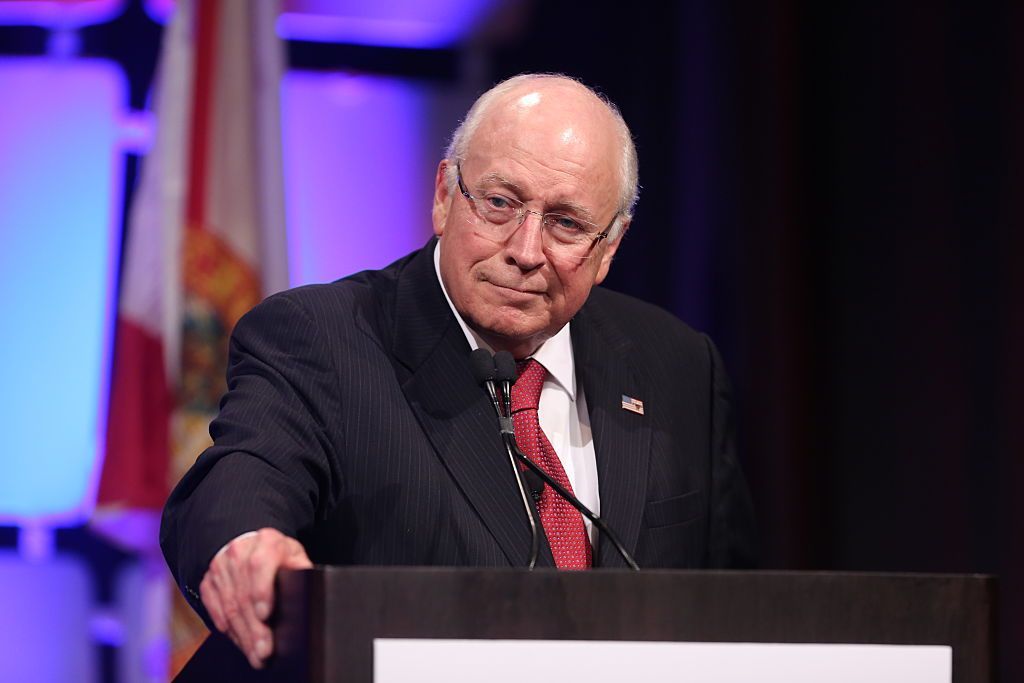
Dick Cheney, the former U.S. Vice President under George W. Bush, passed away at the age of 84, leaving behind a legacy marked by controversy, conviction, and significant influence in Washington. Known for his unorthodox approach to politics, Cheney often made headlines that overshadowed those of his boss. His career was defined by moments that showcased his willingness to break from the president when he deemed it necessary, as well as his ironclad belief in his decisions.
One of the most infamous incidents in Cheney’s career occurred in 2006 during a hunting trip in south Texas. While aiming at a bird, Cheney accidentally shot and injured 78-year-old Harry Whittington, who suffered a minor heart attack and injuries to his face, chest, and neck. Cheney initially remained silent about the incident but later admitted responsibility, stating, ‘I’m the guy that pulled the trigger.’ The event became a source of ridicule for late-night TV hosts, with David Letterman quipping, ‘Good news, ladies and gentlemen, we have finally located weapons of mass destruction: It’s Dick Cheney.’
Cheney’s health struggles also drew attention, particularly his decision to modify his heart pacemaker in 2007 to prevent potential hacking. This move sparked speculation among fans of the TV series ‘Homeland,’ which featured a plot where the vice president dies after terrorists hack into his pacemaker. Cheney’s doctor, Jonathan Reiner, explained that the modification was necessary to ensure the vice president’s safety.
In the aftermath of the September 11, 2001, attacks, Cheney was isolated in an ‘undisclosed location’ to secure the presidential succession in case George W. Bush was killed. From this hideout, Cheney issued the extraordinary order to shoot down any passenger jets thought to be hijacked if they headed toward the White House or the U.S. Capitol building. This decision underscored his role as a wartime leader operating from the shadows.
Cheney’s stance on gay marriage also set him apart from Bush. Despite Bush’s support for a constitutional amendment prohibiting same-sex marriage, Cheney openly supported gay marriage, stating, ‘Freedom means freedom for everyone.’ This position drew criticism from within their Republican party, with conservative groups urging Cheney to align with Bush’s stance.
Cheney’s disregard for Senate traditions was evident in 2004 when he used an expletive on the Senate floor in response to accusations of war profiteering from former Vermont Senator Patrick Leahy. Although using profanity on the Senate floor is against the rules, Cheney reportedly avoided reprimand as the Senate was not in session.
Dick Cheney’s career was marked by moments that highlighted his influence, conviction, and willingness to break from convention, leaving a lasting impact on American politics.
-
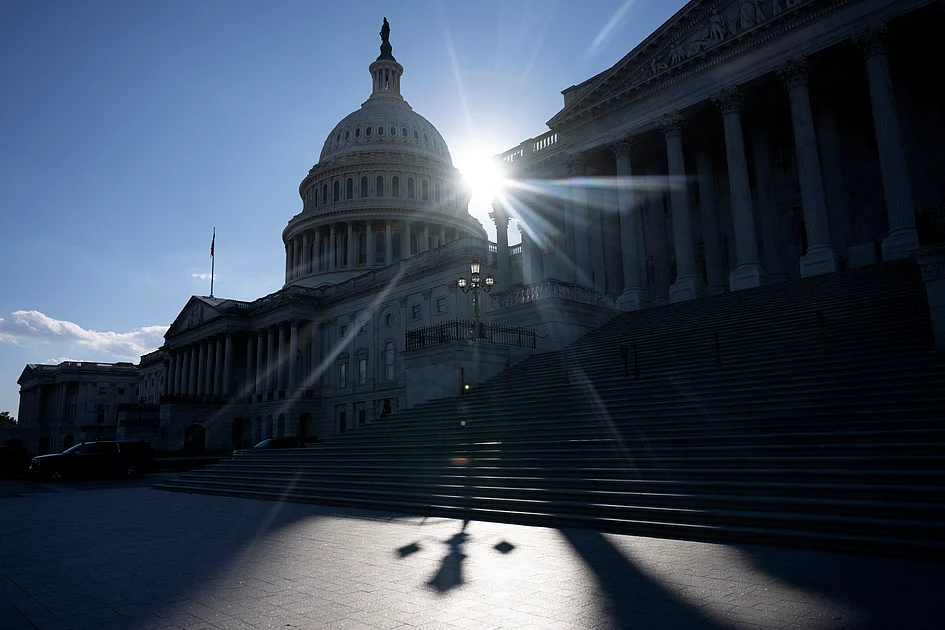
Day 35: Millions of Americans to get reduced food aid during shutdown
The ongoing U.S. government shutdown, now in its 35th day, is causing widespread hardship as millions of Americans face reduced food assistance. The White House has announced that only partial payments will be made to the 42 million individuals reliant on the Supplemental Nutrition Assistance Program (SNAP), commonly known as food stamps. This decision comes as the shutdown nears a record length, crippling essential public services. Federal courts recently ruled that the Trump administration must allocate $4.65 billion from an emergency fund to cover part of November’s SNAP costs, estimated at $9 billion. However, officials from the Agriculture Department confirmed they would not bridge the funding gap, leaving 50% of eligible households with reduced benefits. The shutdown has also jeopardized other critical programs, including WIC, which supports pregnant women and infants, and Head Start, which provides nutrition and family support to thousands of children. At the core of the political impasse is the expiration of Affordable Care Act subsidies, set to lapse at year’s end unless Congress intervenes. Democrats and Republicans remain deadlocked, with Democrats demanding a deal to extend health care subsidies and Republicans refusing to negotiate until the government reopens. President Trump has instructed government lawyers to explore legal avenues to fund SNAP, but delays are expected. Critics, including top Senate Democrat Patty Murray, have condemned the administration for failing to fully fund SNAP payments, calling the partial funding ‘not acceptable.’
-
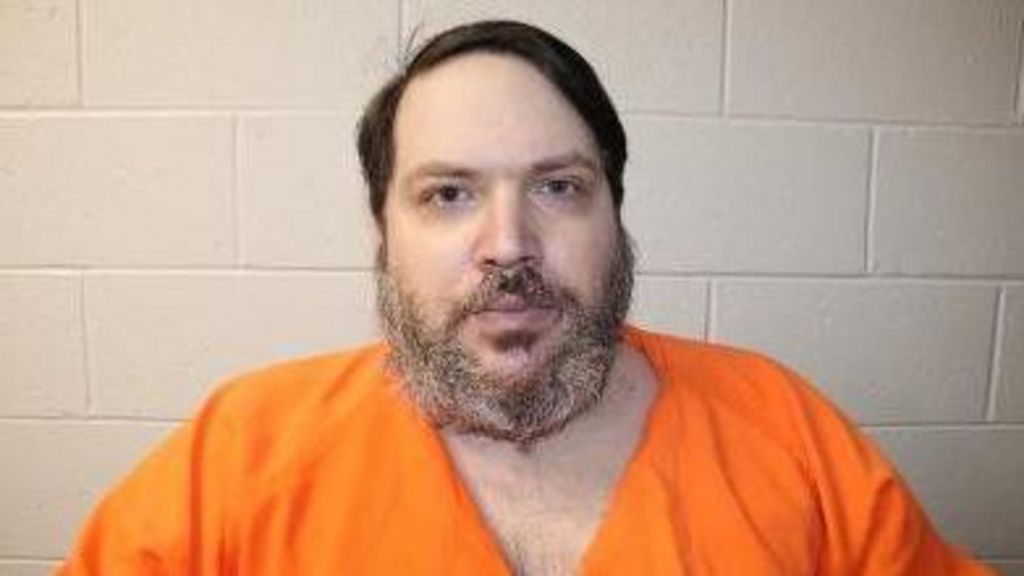
US fugitive Nicholas Rossi to serve at least 10 years in jail
Nicholas Rossi, a 38-year-old American fugitive who notoriously faked his own death and assumed a false identity to evade extradition from Scotland, has been sentenced to a minimum of 10 years in prison for raping two women in Utah in 2008. His elaborate attempts to escape justice captivated global attention after he was identified in a Glasgow hospital’s COVID ward in 2021. Despite claiming to be an Irish orphan named Arthur Knight, hospital staff recognized him from an Interpol notice due to his distinctive tattoos. Rossi’s charade continued through court hearings, where he appeared in an electric wheelchair, wearing an oxygen mask, and maintained his innocence. However, his claims were debunked, and he was extradited to the U.S. in January 2024. Following separate trials in August and September 2024, Rossi was convicted of both rapes. Utah’s indeterminate sentencing system means he could face life imprisonment, with the state’s parole board determining his final release date. During the trials, Rossi’s victims delivered emotional impact statements, describing the lifelong trauma he inflicted. Rossi, however, denied the allegations and vowed to appeal. His defense argued for concurrent sentences, but prosecutors highlighted his manipulative behavior, including thousands of unauthorized prison calls. Judge Derek Pullan labeled Rossi a serial sex offender and a danger to society. Born Nicholas Alahverdian in Rhode Island, Rossi had a troubled past, including time in foster care and a brief stint as a child welfare advocate. Reports of his death in 2020 were later revealed as a ruse to escape FBI investigations into alleged credit card fraud. His eventual capture and conviction mark the end of a long and bizarre saga of evasion and deception.
-

Watch: Sharjah announces discovery of additional gas reservoirs
In a significant development for the energy sector, the Sharjah National Oil Corporation (SNOC) has announced the discovery of additional gas reservoirs in the Hadebah Field, located north of the Sajaa Field. The discovery was made through the successful drilling and testing of the ‘Hadebah-02’ well, which reached a depth of 13,200 feet. This marks a new milestone in Sharjah’s ongoing exploration efforts. The well is part of the corporation’s evaluation and development work in the onshore Hadebah gas field. In the coming months, the well will be connected to the production line, and further drilling programs will continue to assess the full potential of the field’s reservoirs. The Hadebah Field is the fifth onshore gas and condensate field in Sharjah and the second discovery in the past five years, highlighting the emirate’s commitment to expanding its energy resources. The Sharjah Media Office emphasized that this achievement builds on the success of the ‘Hadebah-01’ well, discovered in 2024, which confirmed the presence of gas and associated liquids in the Thamama geological formations. This discovery is expected to bolster Sharjah’s energy production capabilities and contribute to the UAE’s broader energy strategy.
-
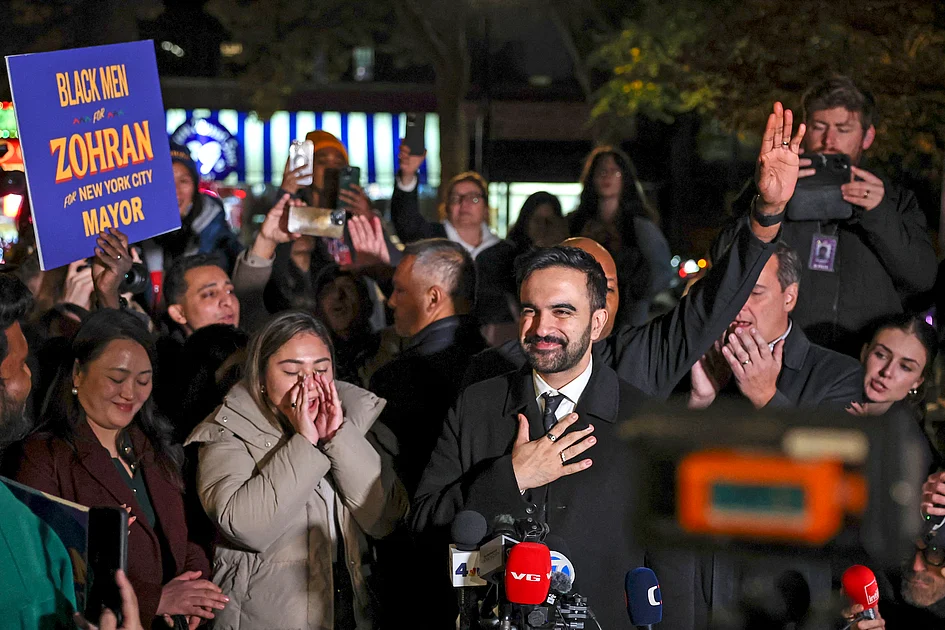
New Yorkers expected to pick Mamdani in stunning election
In a groundbreaking development, New Yorkers are projected to elect Zohran Mamdani, a self-proclaimed socialist, as their next mayor. This election, held on November 4, 2025, marks a significant shift in the political landscape, particularly as it signals a resurgence of the Democratic opposition ahead of the crucial midterm elections next year. Mamdani’s campaign, focused on reducing living costs for ordinary citizens, has resonated strongly with voters, as evidenced by his seven-point lead in the latest AtlasIntel poll, where he garnered 41% of the vote. His closest competitors, former state governor Andrew Cuomo and Republican Curtis Sliwa, trailed with 34% and 24%, respectively. The election has also drawn national attention, with President Donald Trump threatening to withhold federal funds from the city if Mamdani wins. Mamdani’s potential victory would make him New York’s first Muslim mayor, a milestone that has sparked both celebration and controversy. The race has centered on key issues such as the cost of living, crime, and the city’s relationship with the Trump administration. Meanwhile, off-year gubernatorial elections in Virginia and New Jersey are being closely watched as barometers of the national political mood. Democratic candidates in these states, Mikie Sherrill and Abigail Spanberger, are locked in tight races against their Republican opponents, with both sides receiving high-profile endorsements. Former President Barack Obama rallied support for the Democratic candidates but refrained from endorsing Mamdani, reflecting the ongoing internal debate within the party about its future direction. The outcomes of these elections could have far-reaching implications for the balance of power in Congress and the broader political trajectory of the United States.
-
Pizza Hut’s parent company explores sale of struggling chain
Yum! Brands, the parent company of Pizza Hut, is reportedly evaluating the potential sale of its iconic pizza chain as it grapples with declining sales and fierce competition in the fast-food industry. Pizza Hut has faced multiple quarters of falling same-store sales in the United States, a critical market that accounts for 42% of its global revenue. This downturn has overshadowed growth in other regions, prompting Yum! Brands to explore strategic alternatives. In a recent statement, CEO Chris Turner emphasized the need for decisive action to unlock Pizza Hut’s full potential, suggesting that the brand might thrive better under new ownership. The pizza division’s struggles contrast sharply with the performance of Yum!’s other major brands, KFC and Taco Bell, which have both demonstrated resilience. Taco Bell, known for its affordable offerings, saw a 7% increase in same-store sales last quarter, while KFC posted a 3% rise despite economic headwinds. Pizza Hut, however, reported a 1% decline in sales at existing outlets. The chain operates approximately 20,000 stores worldwide, with 6,500 in the U.S., but has lost ground to competitors like Domino’s and Papa Johns. Domino’s recently reported a 6% surge in quarterly sales, partly driven by promotional strategies. Yum! Brands, which derives about 11% of its operating profits from Pizza Hut, has not set a timeline for a decision on the brand’s future. The broader fast-food industry is also feeling the pinch of cautious consumer spending, exacerbated by inflation and labor market challenges. In the U.K., Pizza Hut is closing half of its restaurants as consumers increasingly favor more agile competitors. Despite these challenges, Turner described U.S. consumers as ‘cautious but incredibly resilient,’ noting that Taco Bell’s sales have remained stable amid macroeconomic pressures.