
In the remote Alaskan village of Kwethluk, Olga Michael, a Yup’ik woman known for her quiet generosity and compassion, has been canonized as the first female Orthodox saint from North America. Officially titled “St. Olga of Kwethluk, Matushka of All Alaska,” her sainthood marks a historic moment for the Orthodox Church, which has traditionally been led by male clergy. Olga, who passed away in 1979 at the age of 63, was a midwife, mother of 13, and a spiritual guide to many, particularly women who had endured abuse, miscarriage, or other personal traumas. Her legacy of kindness and piety has resonated far beyond her village, inspiring devotees across Alaska and beyond. Her canonization ceremony, held in her hometown, drew hundreds of worshippers from across the globe, celebrating her life and contributions. Metropolitan Tikhon, head of the Orthodox Church in America, emphasized the significance of recognizing women like St. Olga, stating that holiness is accessible to all, regardless of gender or background. St. Olga’s sainthood is especially meaningful as it highlights the role of lay women and mothers in the church, a departure from the traditional focus on nuns or ancient martyrs. Her canonization also underscores the deep connection between Orthodoxy and Alaska’s Indigenous cultures, where the faith has flourished since its introduction by Russian missionaries in the 18th century. St. Olga’s remains, now enshrined in Kwethluk’s St. Nicholas Orthodox Church, will serve as a pilgrimage site, honoring her enduring legacy as a beacon of hope and healing.
标签: North America
北美洲
-
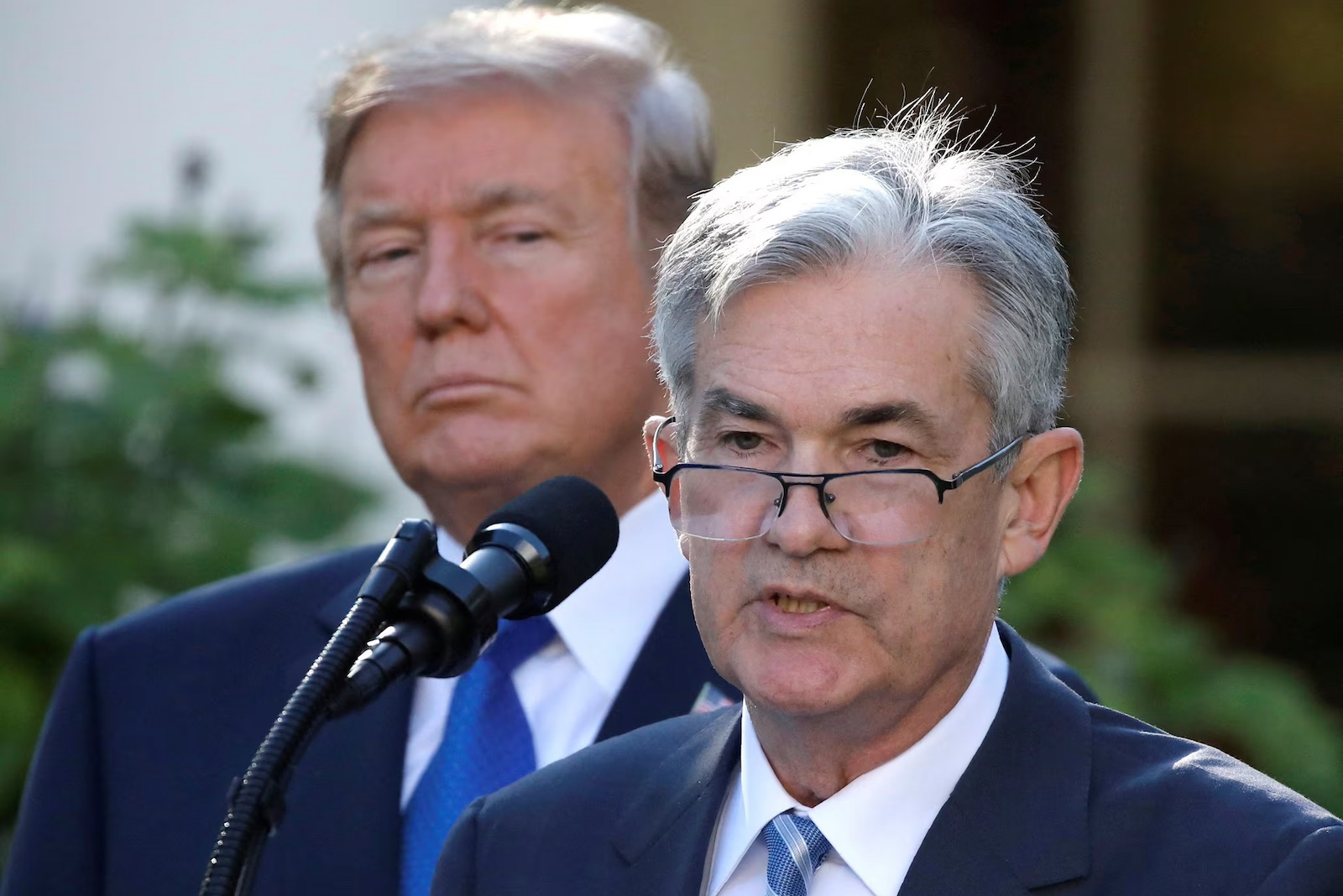
Trump vs Powell is the war that really matters
President Donald Trump’s ability to manage multiple high-stakes situations is currently under intense scrutiny as his administration navigates two significant challenges: one on the international stage and another within the United States. On the global front, Trump’s decision to authorize military strikes against Iran has sent shockwaves through global markets, creating uncertainty and volatility. Despite his announcement of a ceasefire between Iran and Israel, tensions remain high as both nations have reportedly violated the agreement, prompting sharp criticism from the President. Domestically, Trump’s ongoing feud with Federal Reserve Chair Jerome Powell is exacerbating economic anxieties, particularly in Asian markets. Trump and his key advisors have publicly criticized Powell for resisting calls to lower interest rates, further complicating the economic landscape. These dual battles highlight the complexities of Trump’s leadership style and the far-reaching consequences of his decisions.
-
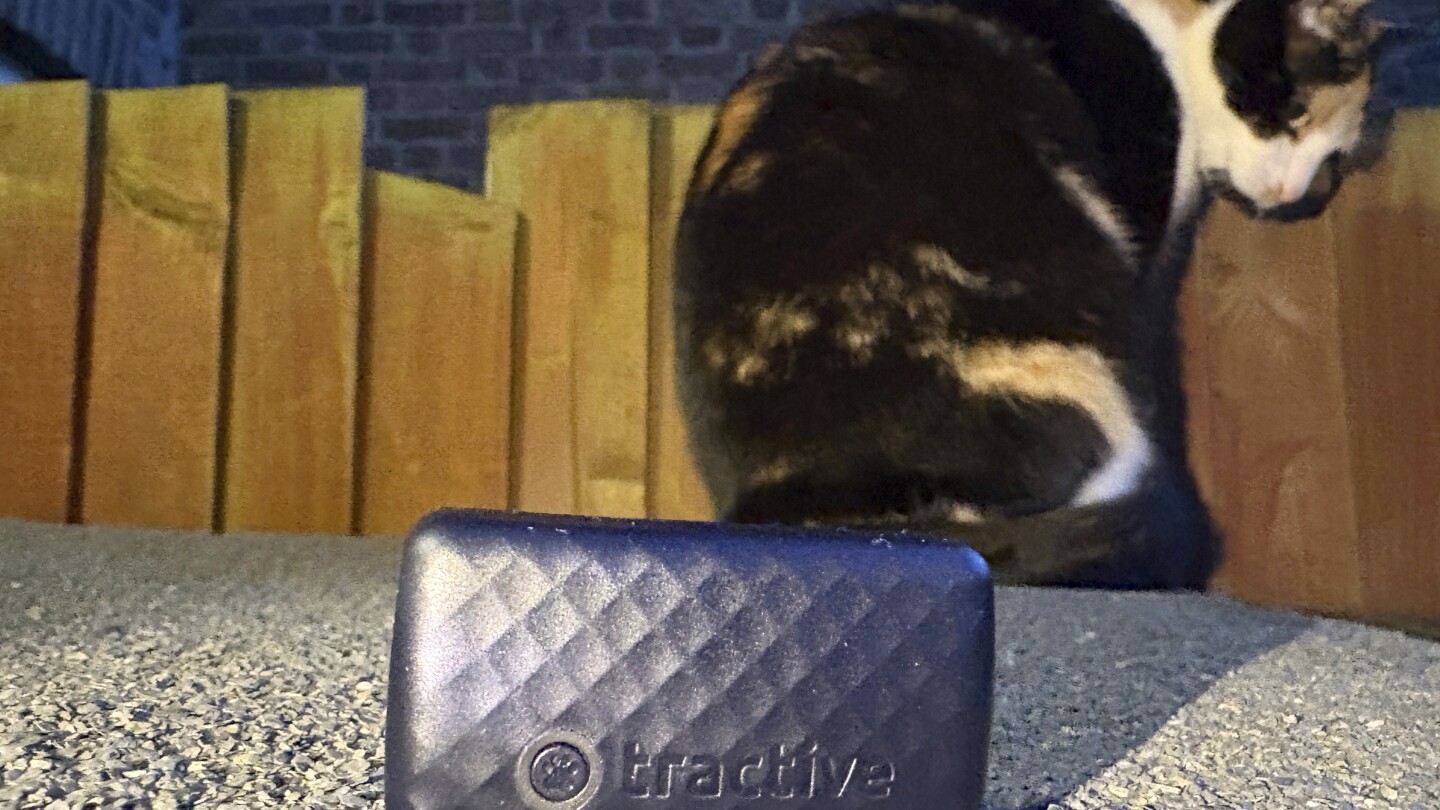
One Tech Tip: No more lost cats and dogs. Use tech to track your pet
In London, the question ‘Have you seen the cats?’ is a familiar one in many households, especially for pet owners like myself with free-roaming felines like Maple and Juniper. These cats, equipped with microchips, explore the neighborhood freely, but their adventures can sometimes lead to anxiety for their owners. Fortunately, advancements in pet technology offer solutions to keep track of our furry friends. Pet trackers, such as those from Tractive, Jiobit, and Pawfit, use GPS and 4G or Wi-Fi signals to relay the animal’s location to a smartphone app. These devices, tailored for both dogs and cats, allow owners to set safe zones and receive alerts if their pets wander beyond these boundaries. While the cost of these devices is generally under $100, subscription fees for cellular service can add up, but many find the peace of mind worth the expense. Battery life varies, with most lasting two to three days, though signal strength can impact this. Beyond location tracking, these apps offer health and activity monitoring, similar to fitness watches for humans. However, it’s important to note that these trackers won’t physically restrain pets; they merely alert owners when pets leave designated areas. For those who prefer alternatives, Bluetooth trackers like Apple’s Air Tags or Samsung’s SmartTags offer another option, though they are not specifically designed for pets and have limited range. Ultimately, whether through GPS trackers or microchips, technology is providing pet owners with innovative ways to ensure their pets’ safety and well-being.
-
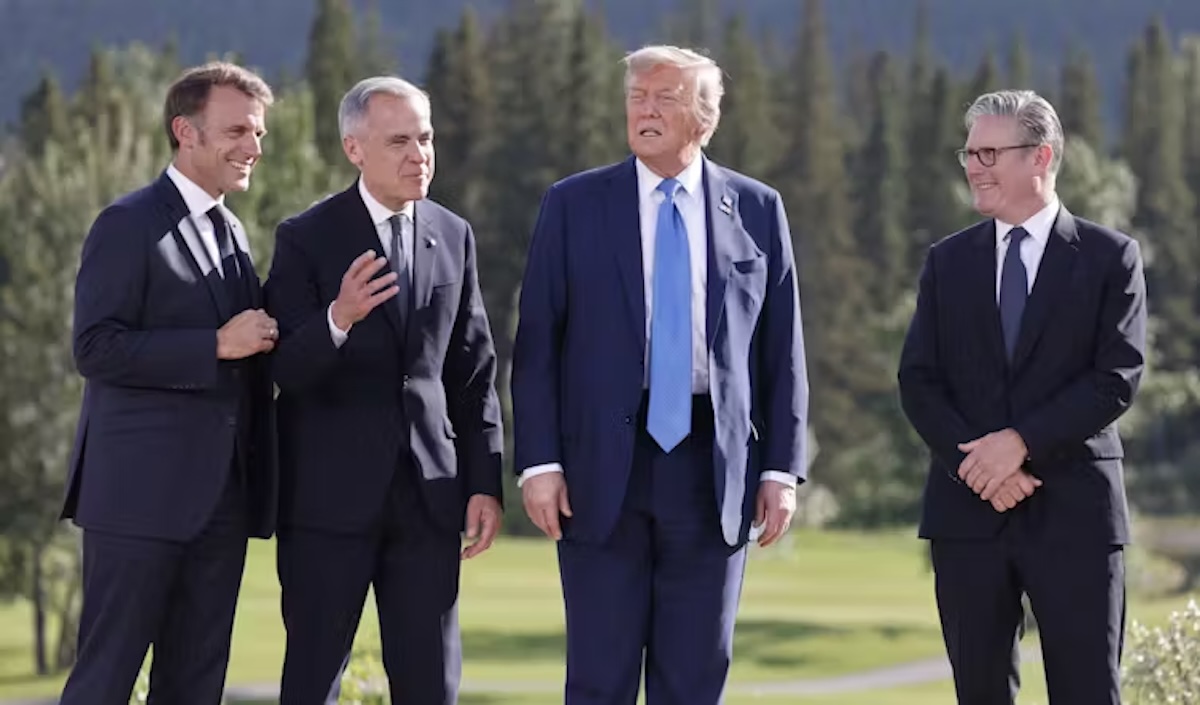
Trump made clear he does not fit in with G7, nor does he want to
President Donald Trump’s abrupt departure from the recent G7 summit in Canada has reignited concerns about his strained relationships with Western democratic allies. While French President Emmanuel Macron speculated that Trump’s exit was linked to the escalating tensions between Iran and Israel, the U.S. president offered no clear explanation, merely stating he left for “obvious reasons.” Trump later took to social media to criticize Macron, asserting that his departure was unrelated to a ceasefire and involved something “much bigger.” This cryptic behavior has fueled speculation about potential U.S. involvement in Israel’s military actions against Iran. Trump’s recent statements, including claiming “complete and total control of the skies over Iran” and demanding Tehran’s “unconditional surrender,” suggest a hardening stance. Israeli Prime Minister Benjamin Netanyahu appears to be leveraging Trump’s impulsive nature to secure advanced military support, such as the 30,000-pound “bunker buster” bomb and a B-2 bomber, to target Iran’s uranium enrichment sites. Trump’s actions have left U.S. allies scrambling to interpret his intentions, further straining transatlantic relations. His history of early departures from G7 meetings, skepticism toward NATO, and preference for bilateral deals over multilateral cooperation underscore his “America First” agenda. Trump’s call for Russia’s return to the G7 and his admiration for Vladimir Putin have also alarmed allies, raising questions about his commitment to collective security. As tensions in the Middle East escalate, Trump’s approach risks undermining global stability and deepening divisions among Western powers.
-

Japan records trade deficit as exports suffer from Trump’s tariffs
Japan’s export sector experienced a downturn in May, primarily driven by a significant 25% drop in automobile shipments to the United States. This decline is attributed to the heightened tariffs imposed by President Donald Trump. According to the Finance Ministry, overall exports decreased by 1.7% year-on-year, a figure that, while concerning, was less severe than the anticipated decline forecasted by analysts. Concurrently, imports plummeted by 7.7%, indicative of weakening domestic demand and marking a steeper fall compared to April’s 2% decrease. The trade deficit for May stood at 637.6 billion yen, equivalent to $4.4 billion. Despite ongoing discussions, Japan has yet to secure an agreement with the U.S. to resolve the tariff issue. Prime Minister Shigeru Ishiba, following a meeting with President Trump at the Group of Seven summit in Canada, noted that the two nations remain at odds on several key points. Trump has levied a 25% tariff on Japanese automobiles and a 24% tariff on other goods, with recent statements suggesting potential increases in auto tariffs. Ishiba has underscored Japan’s role as a crucial ally in the bilateral defense alliance with Washington, emphasizing efforts to safeguard national interests. The auto industry, a cornerstone of Japan’s economy, exports over a million vehicles to the U.S. annually. Tokyo has consistently highlighted the contributions of automakers like Toyota and Honda, which manufacture vehicles in North America, bolstering the economy and generating employment.
-

Two major US food producers to remove artificial dyes from products sold domestically
In a significant move toward healthier food production, two leading food manufacturers, Kraft Heinz and General Mills, have announced plans to eliminate artificial dyes from their U.S. products by 2027. This decision follows a recent call by U.S. health officials for the food industry to phase out petroleum-based synthetic colors. Kraft Heinz revealed on Tuesday that it will begin removing artificial dyes from its U.S. portfolio in 2027 and will cease introducing new products containing these additives. Shortly after, General Mills disclosed its strategy to eliminate artificial dyes from all U.S. cereals and K-12 school meals by mid-2026, with a complete removal from its retail products by the end of 2027. Kraft Heinz emphasized that nearly 90% of its U.S. products already exclude FD&C colors—synthetic additives approved by the FDA for use in food, drugs, and cosmetics. The remaining products, primarily in the beverage and dessert categories, including brands like Crystal Light, Kool-Aid, Jell-O, and Jet-Puffed, will transition to natural alternatives. General Mills noted that 85% of its retail products and nearly all K-12 school items are already dye-free. Both companies are aligning with consumer demand for cleaner ingredients, driven by health advocates who have raised concerns about potential neurobehavioral issues linked to artificial dyes in children. The FDA, while maintaining that approved dyes are safe, has supported voluntary industry efforts to reduce their use. This shift mirrors global trends, as many countries, including Canada and European nations, have adopted stricter regulations or warning labels for synthetic colors. In the U.S., states like California and West Virginia have enacted laws restricting artificial dyes, prompting food manufacturers to explore natural alternatives derived from sources like beets, algae, and vegetables.
-

How social media divided and broke America
The United States, once a symbol of unity and resilience, has been grappling with deep societal fractures since the early 2010s. While the economy has shown remarkable strength, with wealth surpassing pre-Great Recession levels and wages steadily rising, American society remains deeply unsettled. This paradox raises a critical question: Why is a nation with such economic prosperity so plagued by division and discontent? The answer, it seems, lies in the transformative impact of smartphones and social media. The 2010s marked the widespread adoption of these technologies, which fundamentally altered how Americans interact, perceive each other, and engage with societal issues. Social media platforms like Twitter, Facebook, and Instagram created a virtual space where geographic and ideological boundaries dissolved, forcing Americans into a constant, often contentious, dialogue. This digital revolution amplified existing fault lines—racial tensions, political polarization, and cultural divides—while introducing new challenges, such as declining mental health and institutional distrust. The rise of smartphone-enabled social media coincided with a sharp decline in perceptions of race relations, workplace sexism, and overall societal trust. Videos of police shootings, for instance, went viral, sparking nationwide protests and reigniting debates about systemic racism. Similarly, the MeToo movement gained momentum as social media provided a platform for marginalized voices. However, these platforms also fostered echo chambers, where extreme views were amplified, and constructive dialogue became increasingly rare. The result has been a society where anger and mistrust overshadow economic progress. Americans, once able to geographically sort themselves into like-minded communities, now find themselves in a digital town square, constantly exposed to opposing views and ideologies. This has led to a decline in happiness, particularly among educated liberals, who feel increasingly alienated in this new social landscape. The collapse of geographic sorting, once a release valve for societal tensions, has left Americans struggling to coexist in a hyperconnected world. As the nation navigates this digital age, the challenge remains: How can a society built on diversity and freedom adapt to a reality where everyone is constantly in each other’s virtual space?
-

Skier caught in an avalanche is the second person to die this season on Alaska’s Mount McKinley
A tragic incident unfolded on North America’s highest peak, Mount McKinley, as a skier lost his life in an avalanche, marking the second fatality of this year’s climbing season. Nicholas Vizzini, a 29-year-old from Washington state, and his snowboarding companion triggered the avalanche on Tuesday while descending the 20,310-foot (6,190-meter) mountain, according to a statement from Denali National Park and Preserve. The avalanche originated at approximately 16,600 feet (5,060 meters) and cascaded down to around 15,000 feet (4,572 meters).
Two mountaineering rangers swiftly responded after spotting Vizzini’s partner amidst the avalanche debris. Utilizing a beacon signal, they located Vizzini, who was largely buried under the wreckage. Despite immediate lifesaving efforts, he was pronounced dead later that evening. Vizzini’s body was subsequently recovered and transferred to the state medical examiner’s office, while his partner sustained minor injuries and was scheduled to leave the mountain on Wednesday.
This incident follows the death of Alex Chiu, a ski mountaineer from Seattle, who perished earlier this month after a 3,000-foot (about 900-meter) fall on the mountain’s West Buttress climbing route. The climbing season, which typically spans from early May to early July, currently hosts around 500 climbers on Mount McKinley. The park authorities continue to emphasize the inherent risks of high-altitude mountaineering.
-
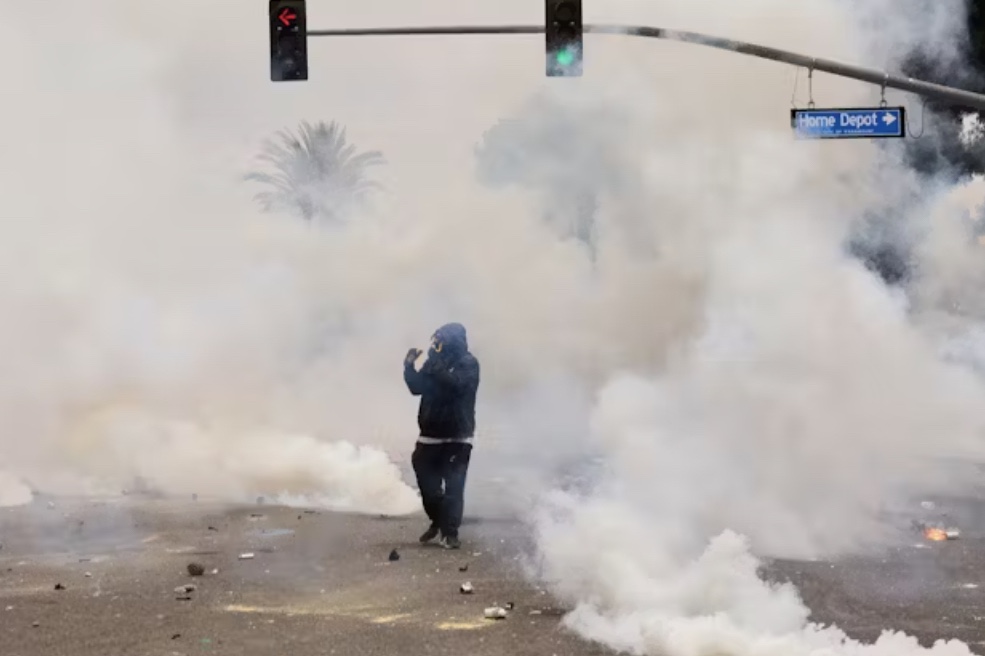
From Kent State to LA, using soldiers on civilians is high-risk
In response to escalating protests in Los Angeles against federal immigration enforcement raids, President Donald Trump ordered the deployment of 2,000 California National Guard troops on June 7, 2025. The move aimed to protect federal agents conducting the raids, with Trump also authorizing the Pentagon to dispatch regular U.S. troops if necessary. The president’s orders did not specify rules of engagement, raising concerns about the potential use of force. California Governor Gavin Newsom, who did not request the National Guard, criticized the decision as “inflammatory” and warned it could exacerbate tensions. The protests began on June 6, 2025, following immigration raids across the city. The deployment of the National Guard, a state militia typically under the command of governors, was federalized by Trump under Section 12406 of Title 10 of the U.S. Code, which allows mobilization in cases of rebellion or threats to federal authority. This decision has drawn comparisons to the Kent State tragedy of May 4, 1970, when National Guard troops opened fire on anti-war protesters at Kent State University, killing four students and wounding nine. Historians and experts warn that deploying military forces in civilian protests can lead to unpredictable and tragic outcomes, as seen in Kent State. The incident underscores the delicate balance between maintaining order and respecting civil liberties, with critics arguing that aggressive displays of force can escalate tensions rather than resolve them.
-

‘Lilo & Stitch’ cruises to No. 1 again; John Wick spinoff ‘Ballerina’ dances to 2nd place
In a weekend dominated by Disney’s ‘Lilo & Stitch,’ the highly anticipated John Wick spinoff ‘Ballerina’ fell short of expectations. The Disney juggernaut secured its third consecutive week at the top of the box office charts, adding $32.5 million domestically, bringing its North American total to $335.8 million and global earnings to $772.6 million. Meanwhile, ‘Ballerina,’ directed by Len Wiseman and starring Ana de Armas, debuted with $25 million from 3,409 theaters in the U.S. and Canada, significantly lower than initial projections of $35 to $40 million. Despite positive critic reviews and audience exit polls, the film’s performance was underwhelming. Internationally, ‘Ballerina’ earned $26 million from 82 countries, pushing its global opening to $51 million. With a reported production budget of $90 million, much of the cost was offset by foreign pre-sales. As the first spinoff in the John Wick franchise, ‘Ballerina’ recorded the second-lowest opening in the series, surpassing only the original 2014 film, which opened at $14 million. The franchise has collectively grossed over $1 billion worldwide. Paul Dergarabedian, senior media analyst for Comscore, noted that ‘Ballerina’ is playing like a true original rather than a typical franchise film, which could benefit its long-term performance. The film may see a stronger second weekend as it competes with family-focused ‘How to Train Your Dragon.’ Elsewhere, ‘Mission: Impossible – The Final Reckoning’ slid to third place with $15 million, while ‘Karate Kid: Legends’ and ‘Final Destination: Bloodlines’ rounded out the top five. Wes Anderson’s ‘The Phoenician Scheme’ expanded nationwide, earning $6.3 million, and the anime ‘Dan Da Dan: Evil Eye’ debuted in the top 10 with $3.1 million. Overall, the box office is up 26% compared to the same period in 2024.