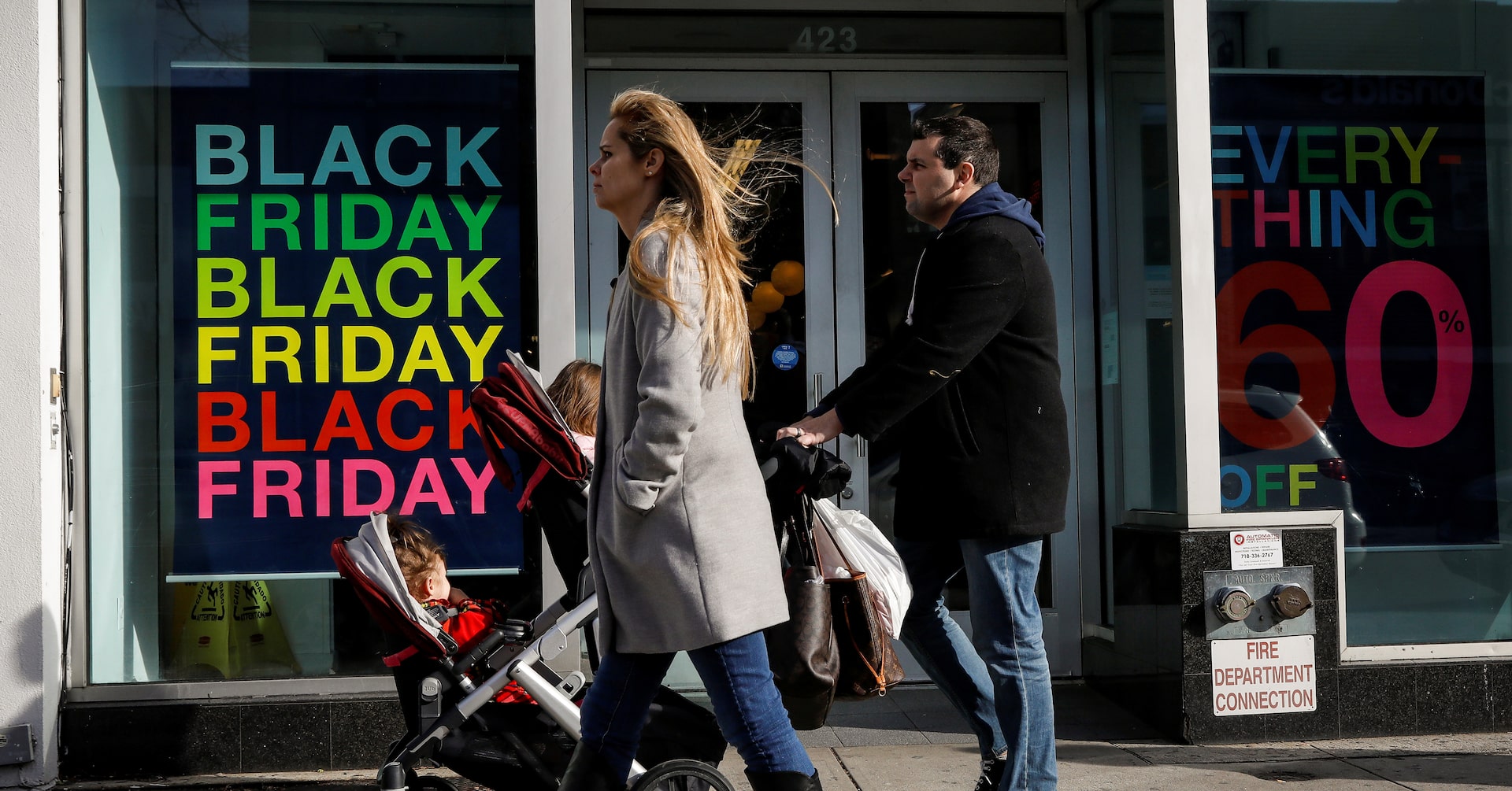
The U.S. holiday shopping season is anticipated to experience a moderated growth in sales this year, according to a recent forecast by Mastercard. The Mastercard Economics Institute projects a 3.6% increase in retail sales from November 1 to December 24, a decline from the 4.1% growth recorded during the same period last year. This slowdown is attributed to consumers prioritizing discounts and promotions in response to persistent inflation and broader macroeconomic uncertainties. The report highlights that the Trump administration’s fluctuating trade policies have escalated the costs of goods, further dampening consumer demand. Additionally, the shortened interval between Thanksgiving and Christmas this year, coupled with the early rollout of promotions, is expected to bolster online sales at the onset of December. Michelle Meyer, Chief Economist at Mastercard Economics Institute, emphasized that while the total spending may not differ significantly from last year, the composition of spending will shift, with pricing becoming a more critical factor due to the impact of tariffs. Online sales are forecasted to rise by 7.9%, a slight decrease from the 8.6% growth observed last year, while in-store sales are projected to grow by 2.3%, down from 2.8% in the 2024 holiday season. Mastercard’s forecast, derived from SpendingPulse insights, which track in-store and online retail sales across all payment methods excluding automotive sales, aligns with recent subdued projections from Salesforce and mixed forecasts from major retailers. Target and Best Buy have maintained their annual forecasts, whereas Walmart and Macy’s have raised theirs. Conversely, toymaker Mattel has reduced its forecast. As retailers navigate these challenges, the holiday shopping season remains a pivotal driver of annual sales, albeit under more constrained economic conditions.
标签: North America
北美洲
-
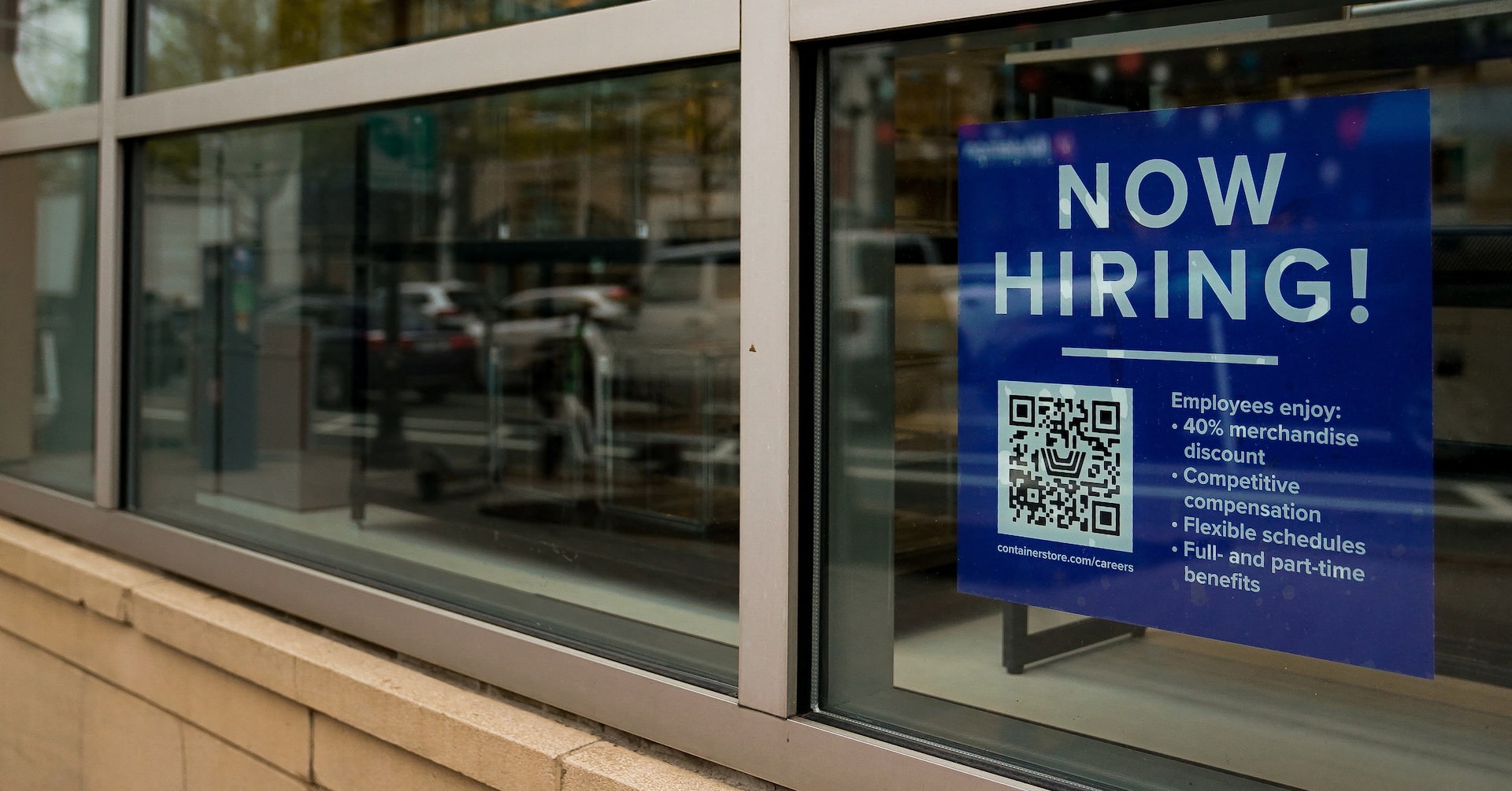
US weekly jobless claims fall, but labor market softening
The U.S. labor market is showing signs of softening as both the demand for and supply of workers have diminished, according to recent data. Initial claims for state unemployment benefits dropped by 33,000 to a seasonally adjusted 231,000 for the week ending September 13, partially reversing a surge from the previous week. However, the hiring side of the market has nearly stalled, with payrolls increasing by only 22,000 jobs in August and averaging 29,000 positions per month over the last three months. The unemployment rate is nearing a four-year high of 4.3%, and the average duration of joblessness has risen to 24.5 weeks, the longest since April 2022. Economists attribute the slowdown in hiring to uncertainty caused by import tariffs and a reduction in labor supply due to stricter immigration policies. Federal Reserve Chair Jerome Powell described the situation as a ‘curious balance,’ where both supply and demand have sharply declined. In response, the Fed cut its benchmark interest rate by a quarter-percentage-point to a 4.00%-4.25% range and projected further reductions for the rest of 2025 to support the labor market. Despite low layoffs, those who lose their jobs are facing prolonged unemployment due to the sluggish pace of hiring.
-
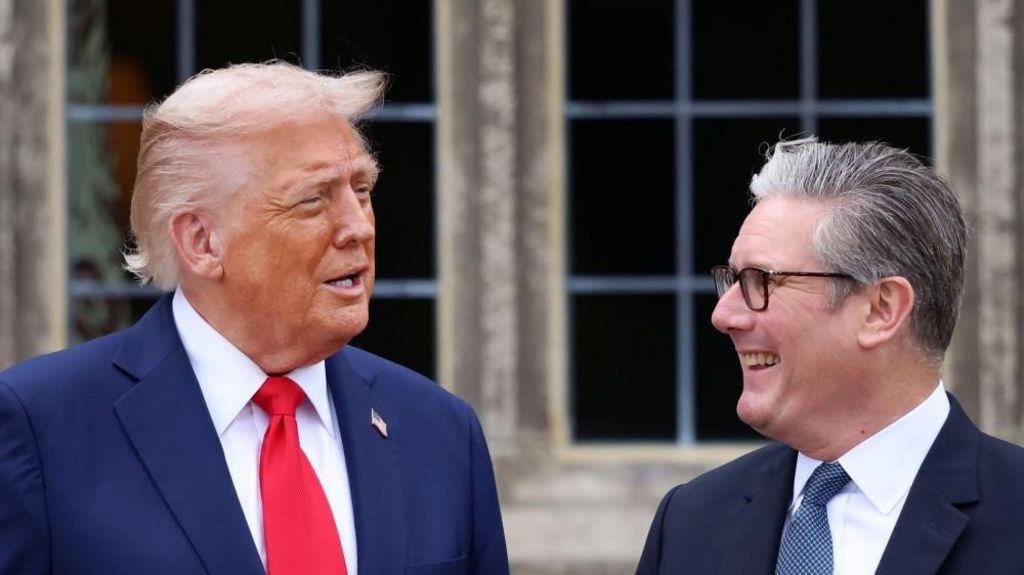
Sarah Smith: Trump visit showed UK’s warm relations – and limited influence
Donald Trump’s recent state visit to the United Kingdom was marked by grandeur, personal connections, and subtle diplomatic maneuvers. While the U.S. president appeared more captivated by his time at Windsor Castle with King Charles and Queen Camilla than his discussions with UK Prime Minister Sir Keir Starmer at Chequers, the visit underscored the enduring strength of the UK-US alliance. The trip, meticulously orchestrated, showcased the ceremonial aspects of diplomacy, from an aerial display by the British Army’s Red Devils to an elaborate banquet at Windsor Castle, which Trump described as the highlight of his journey. Despite the pomp, the visit also revealed the limits of personal rapport in influencing policy. During a joint news conference, Trump and Starmer addressed contentious issues such as UK plans to recognize Palestinian statehood and the dismissal of Peter Mandelson as UK ambassador to the US. While the leaders maintained a cordial tone, it was evident that their fundamental disagreements remained unchanged. Trump’s chief of staff, Susie Wiles, candidly stated that the visit would not alter US policy on trade, tariffs, or international affairs. Nevertheless, Starmer’s adept handling of the relationship ensured that the UK avoided the punitive trade tariffs imposed on other nations and maintained a respectful, if not influential, dialogue with the US president. The visit concluded with a sense of mutual respect, highlighting that while personal connections can ease tensions, they do not necessarily shift geopolitical stances.
-
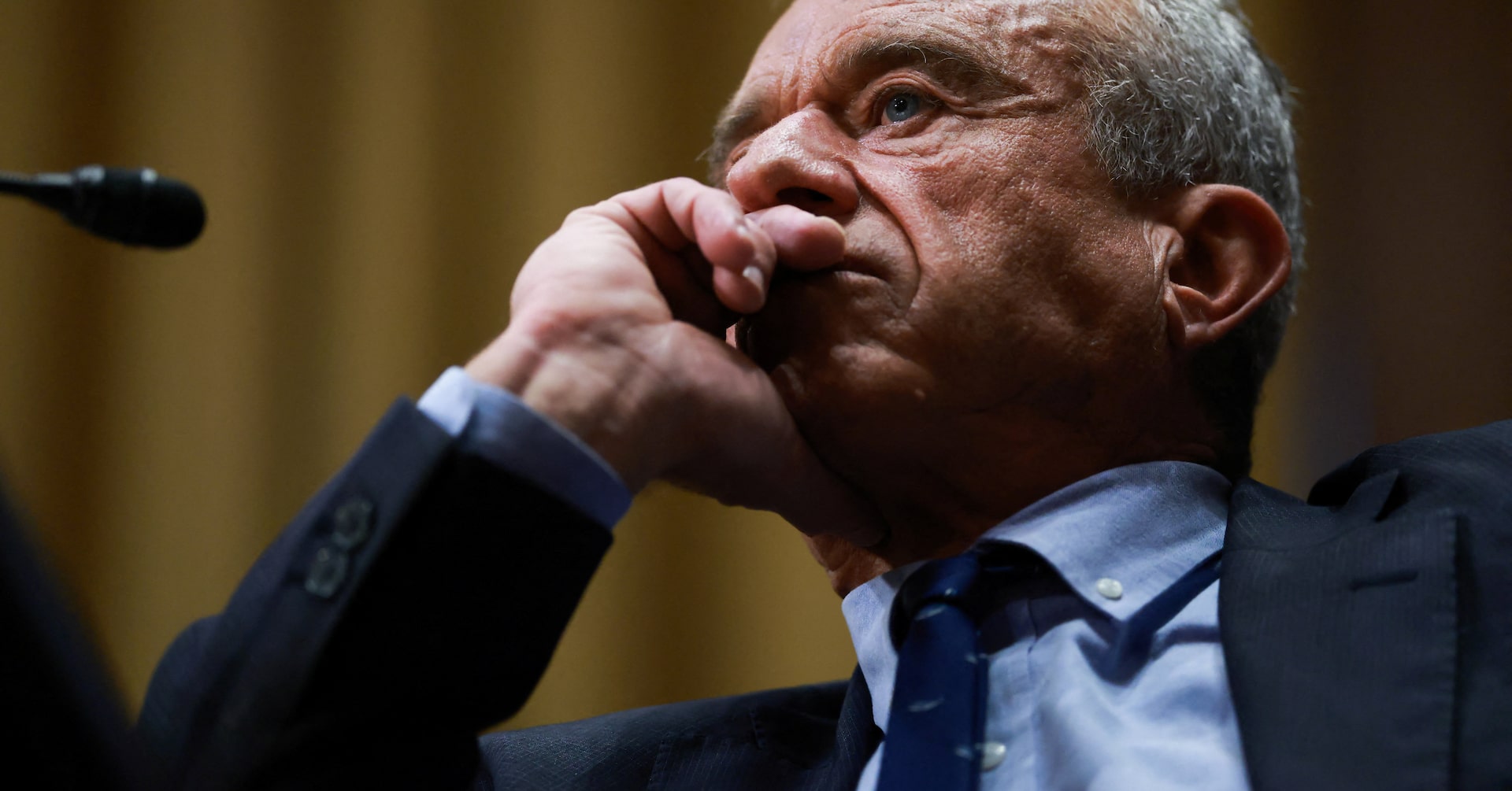
Kennedy’s hand-picked CDC committee to vote on hepatitis B and COVID shots
In a pivotal moment for U.S. public health policy, the Centers for Disease Control and Prevention (CDC) is poised to redefine its vaccination guidelines under the leadership of Health Secretary Robert F. Kennedy Jr. A newly appointed advisory committee, handpicked by Kennedy, is set to convene on September 18 and 19, 2025, to deliberate on critical vaccine recommendations, including those for hepatitis B, measles-mumps-rubella-varicella (MMRV), and COVID-19. This meeting follows Kennedy’s controversial decision earlier this year to dismiss all 17 members of the CDC’s Advisory Committee on Immunization Practices (ACIP) and replace them with a smaller, 12-member panel. The new committee, chaired by Martin Kulldorff, a biostatistician and epidemiologist known for his opposition to COVID-19 lockdowns, has already stirred debate. Among the key issues on the agenda is the potential delay of the hepatitis B vaccine for newborns, a move that has drawn criticism from medical experts who argue that the birth dose has been instrumental in reducing hepatitis B infections. The committee will also review the use of a combined MMRV vaccine, which has been linked to a higher risk of seizures in young children compared to separate MMR and varicella vaccines. The reshuffling of the CDC’s leadership and advisory panels has raised concerns among public health officials, with some accusing Kennedy of prioritizing ideology over science. The meeting comes amid broader turmoil at the CDC, including the resignation of several senior officials who cited fears that policy decisions were being predetermined without adequate scientific review. As the nation watches, the outcome of these deliberations could mark a significant shift in U.S. vaccination policy, with far-reaching implications for public health.
-
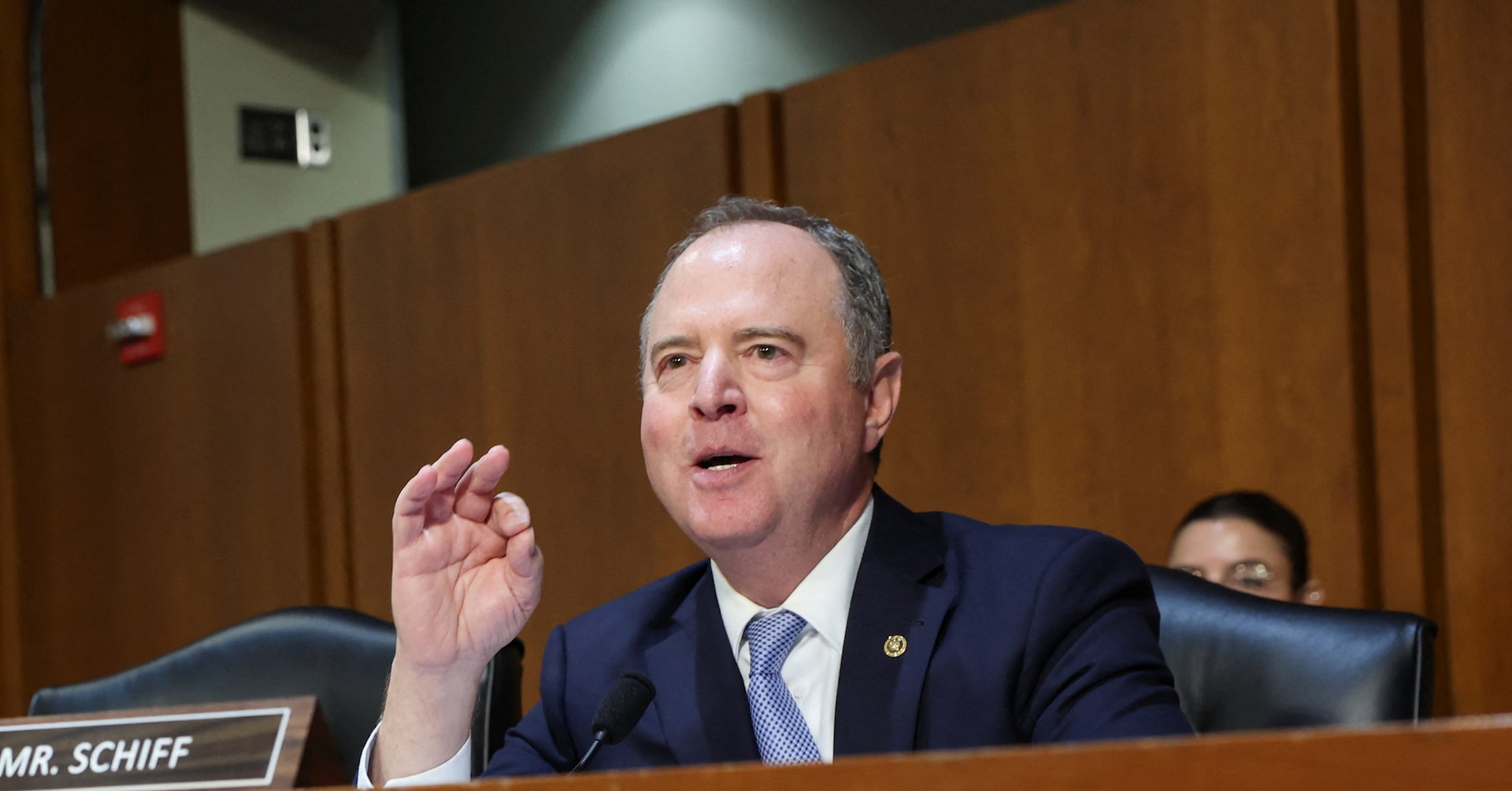
US Democratic Senator asks health insurers to commit to covering vaccines
U.S. Senator Adam Schiff (D-CA) has taken a proactive stance in ensuring continued access to routine vaccinations, sending letters to major health insurers ahead of a pivotal meeting of the CDC’s Advisory Committee on Immunization Practices (ACIP). In the letters, Schiff urged companies such as UnitedHealth Group, CVS Health, Elevance Health, Cigna, and Kaiser to publicly commit to covering vaccines for illnesses like measles and COVID-19, regardless of the committee’s recommendations. He emphasized that patients should not face out-of-pocket costs for these essential immunizations. Schiff’s move comes in response to recent changes within the ACIP, which have caused confusion among patients and healthcare providers. In May, Health and Human Services Secretary Robert F. Kennedy Jr., a known vaccine skeptic, announced that the CDC would no longer recommend the COVID-19 vaccine for healthy pregnant women and children. This decision, coupled with Kennedy’s replacement of ACIP members with less experienced or skeptical individuals, has raised concerns about the committee’s credibility. Schiff highlighted that the Affordable Care Act (ACA) mandates private insurers to cover vaccines recommended by the ACIP, but the statute did not anticipate the committee’s overhaul. In response, some states have allowed pharmacies to follow guidance from medical organizations like the American College of Obstetrics and Gynecology. Meanwhile, America’s Health Insurance Plans has assured that coverage for previously recommended vaccines will continue through the end of 2025. The ACIP is set to review recommendations for COVID-19, Hepatitis B, and the measles-mumps-rubella-varicella vaccines on September 18 and 19. Schiff’s initiative underscores the importance of maintaining evidence-based vaccine policies and ensuring public access to critical healthcare services.
-
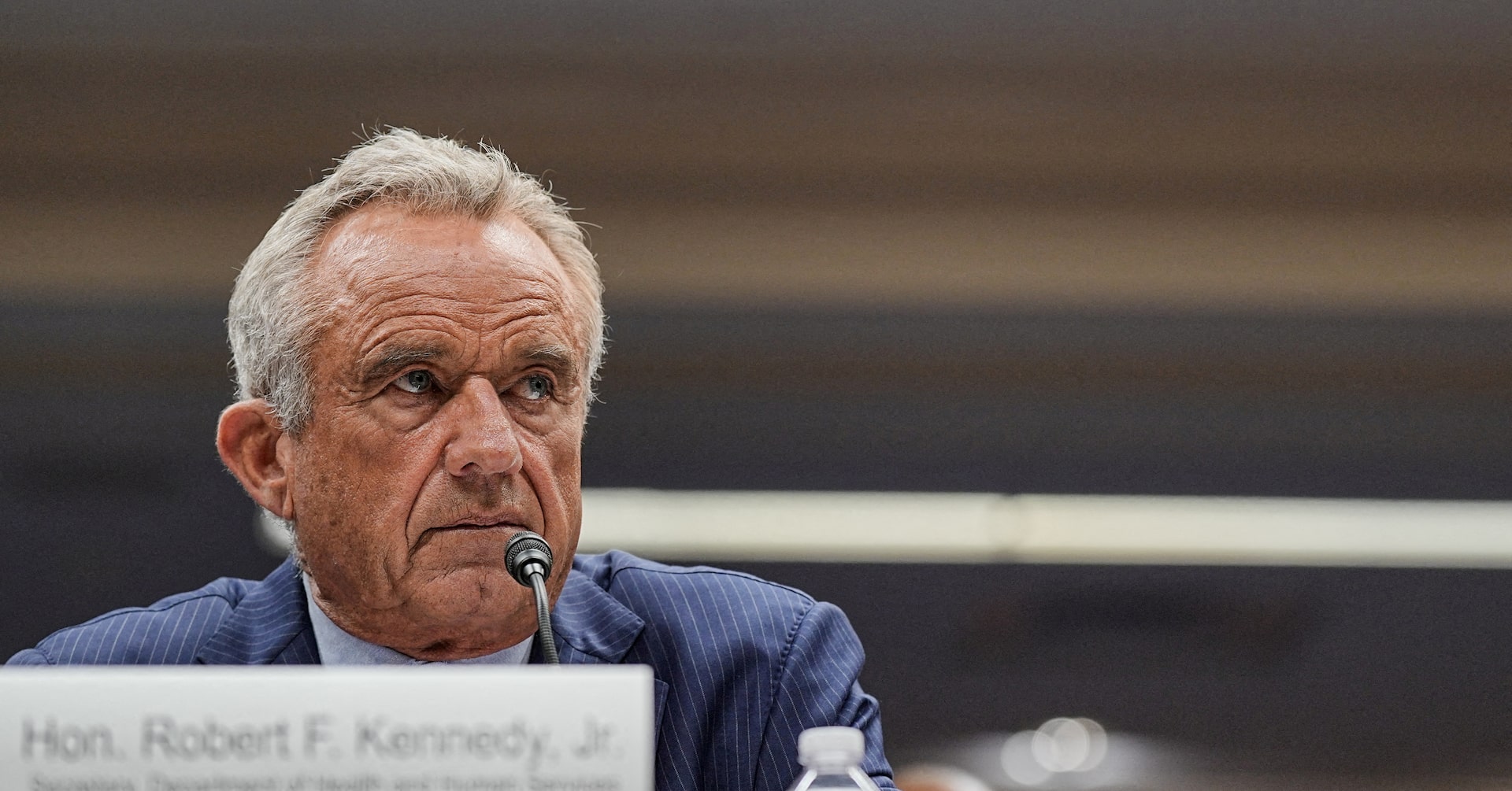
Kennedy is rewriting US vaccine policy — fast and on his terms
U.S. Health and Human Services Secretary Robert F. Kennedy Jr. is aggressively advancing sweeping changes to the nation’s vaccine policies, despite significant opposition from scientists, lawmakers, and public health experts. Since taking office, Kennedy has restricted eligibility for COVID-19 vaccines, removed the country’s top public health official, expanded federal support for state-level vaccine exemptions, dismantled the vaccine recommendation review process, and reshaped a national vaccine advisory board with like-minded experts. These actions have drawn sharp criticism from medical societies, Democrats in Congress, and even members of Kennedy’s own family, who have called for his removal. Public health leaders warn that his policies could restrict access to critical vaccines for children, potentially reversing decades of progress in immunization. Kennedy’s supporters, however, argue that his efforts aim to restore public trust in health agencies and promote greater scrutiny of vaccine safety. The ongoing debate comes as a Kennedy-appointed advisory board prepares to vote on potential changes to childhood vaccine recommendations, a decision that could have far-reaching implications for public health nationwide.
-
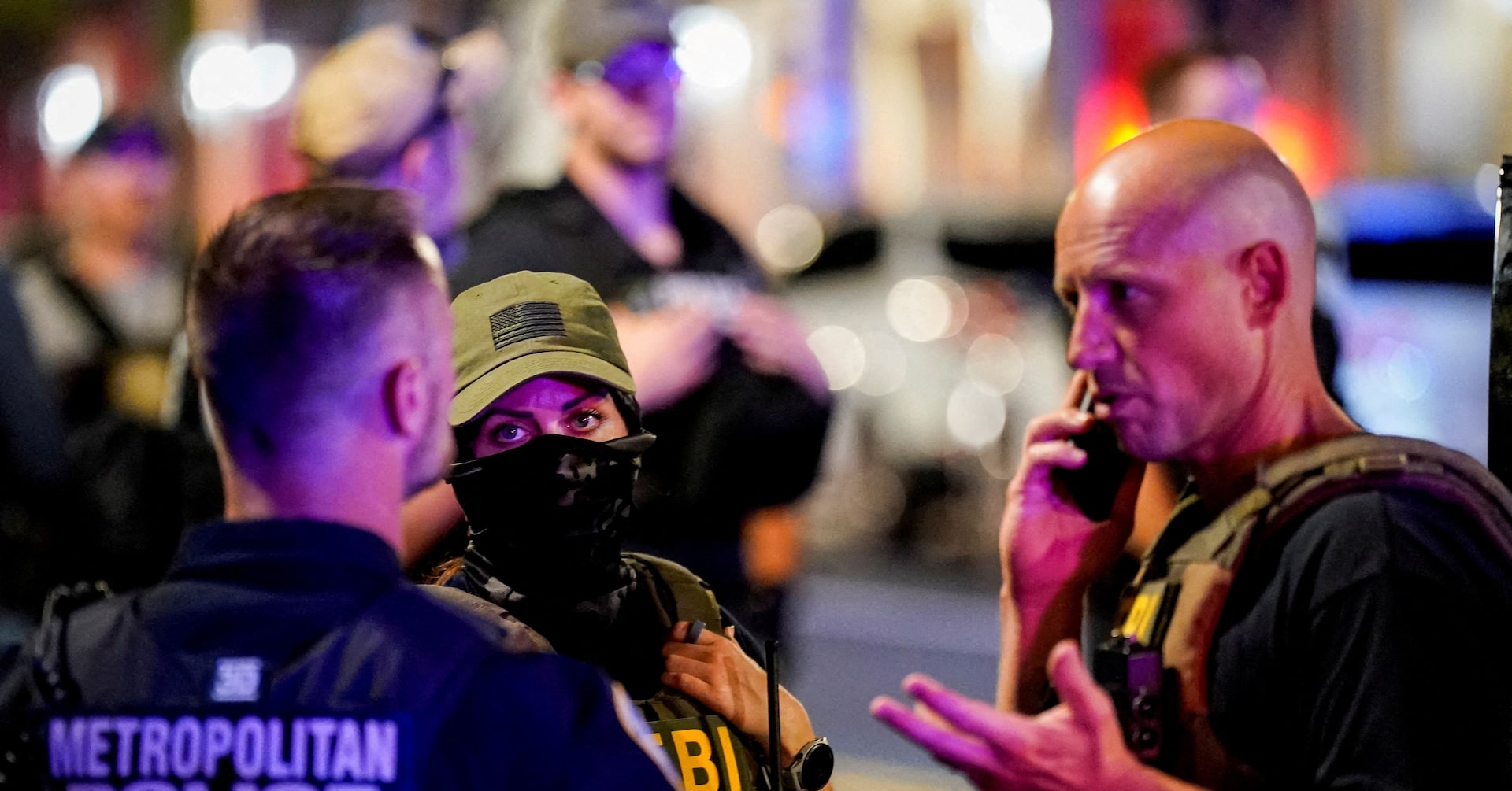
Exclusive: US probes people swept up in Trump Washington crackdown for benefits fraud
The U.S. Department of Health and Human Services (HHS) Inspector General’s office has launched an investigation into whether individuals detained during President Donald Trump’s intensified crime prevention efforts in Washington, D.C., are fraudulently enrolled in federal benefit programs. This probe, revealed through a government document and sources familiar with the matter, focuses on potential misuse of Medicare, Medicaid, and Temporary Assistance for Needy Families (TANF) programs by those caught in the crackdown. The initiative has diverted federal agents from high-impact cases, raising concerns about resource allocation. Since August 2025, Trump has deployed National Guard troops and federal law enforcement to curb crime in the capital, resulting in over 2,000 arrests. However, it remains unclear if any charges related to benefits fraud have been filed. The investigation also examines individuals questioned or detained but not arrested. Critics argue that involving specialized agents in this effort is inefficient, as it sidelines their expertise in recovering significant funds for the government. The HHS Inspector General’s office declined to comment, citing policy. Meanwhile, the crackdown has led to a notable decline in violent crime in D.C., with a 35% drop in 2024 and an additional 26% reduction in the first seven months of 2025. Trump has expressed plans to replicate this strategy in other cities, starting with Memphis, Tennessee.
-
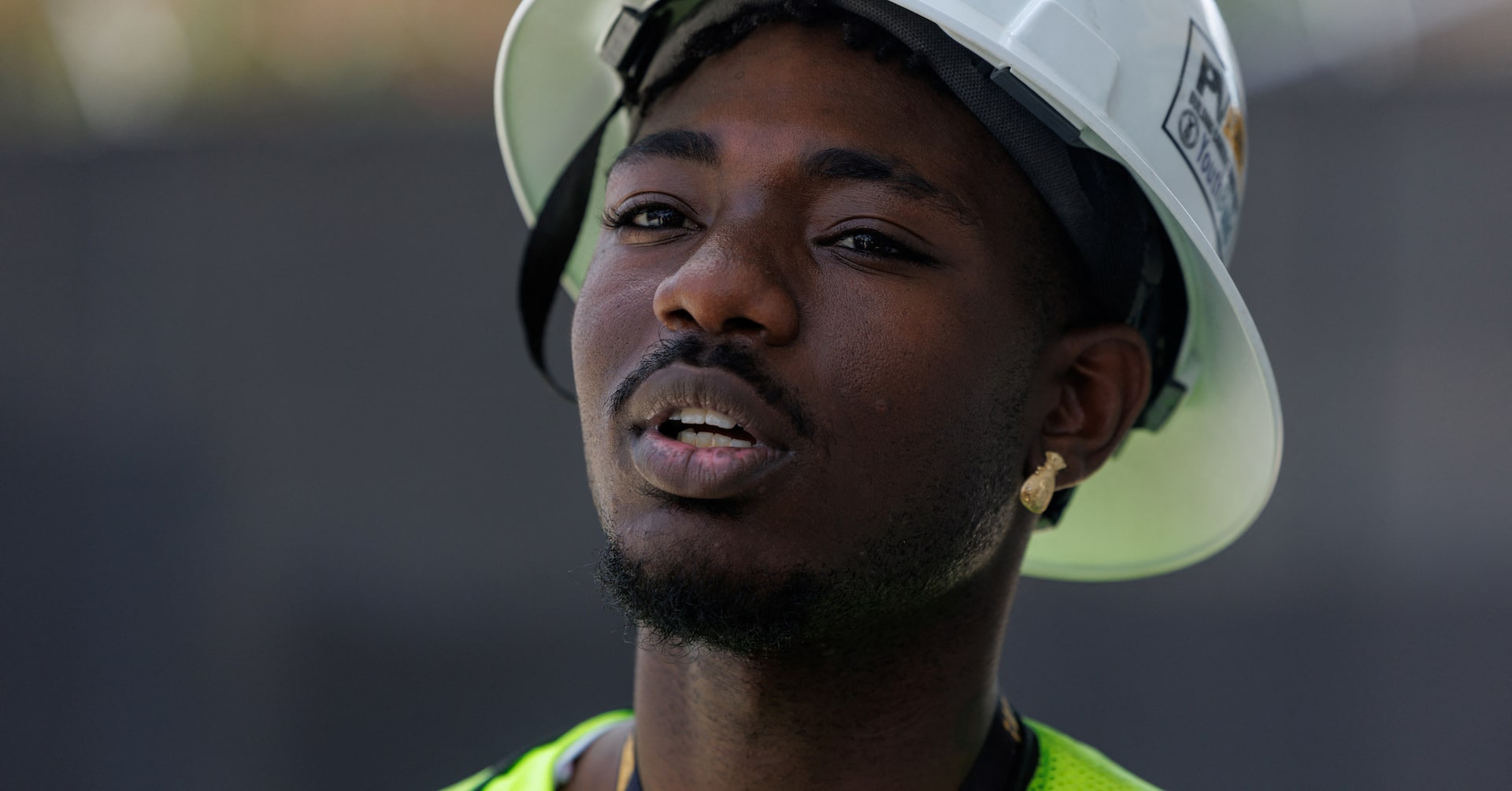
Following L.A. wildfires, rebuilding could turn to at-risk youth
In the aftermath of Los Angeles’ most devastating natural disaster, a unique initiative is transforming the lives of at-risk young adults while addressing the city’s urgent need for skilled construction workers. Tevin Banks, a 21-year-old from Watts, South Central L.A., is among the first participants in the SOAR (Strengthening Opportunities and Resistance) program, which aims to train 2,000 young people for entry-level construction jobs. The program, launched in June 2025 by the nonprofit Life Aid Research Institute, responds to the labor demands of rebuilding efforts following January’s wildfires, which destroyed or damaged approximately 13,000 homes. Banks, who was arrested for robbery two years ago, saw the program as a turning point. ‘When I was sitting in the cell, I was just thinking to myself, like, I’m young, and I really see myself doing something,’ he said. SOAR combines life skills mentorship with hands-on training in 14 construction trades, including carpentry, masonry, and flooring. The program’s founder, John Wordin, envisions it as a dual solution: providing career opportunities for marginalized youth while meeting the city’s rebuilding needs. Despite challenges, including securing $1 million in funding, SOAR has already begun to make an impact. Students like Banks are learning from instructors such as Edward Romero, a former inmate turned journeyman floor layer, who embodies the program’s mission of second chances. Local construction companies, including Shirley Construction, have expressed interest in hiring graduates, with owner David Shirley praising their work ethic. ‘They’ve had a tough start,’ he said. ‘So we’re happy to offer them greener pastures.’ As rebuilding efforts are expected to ramp up in 2026 and 2027, programs like SOAR are laying the foundation for both personal and community renewal.
-
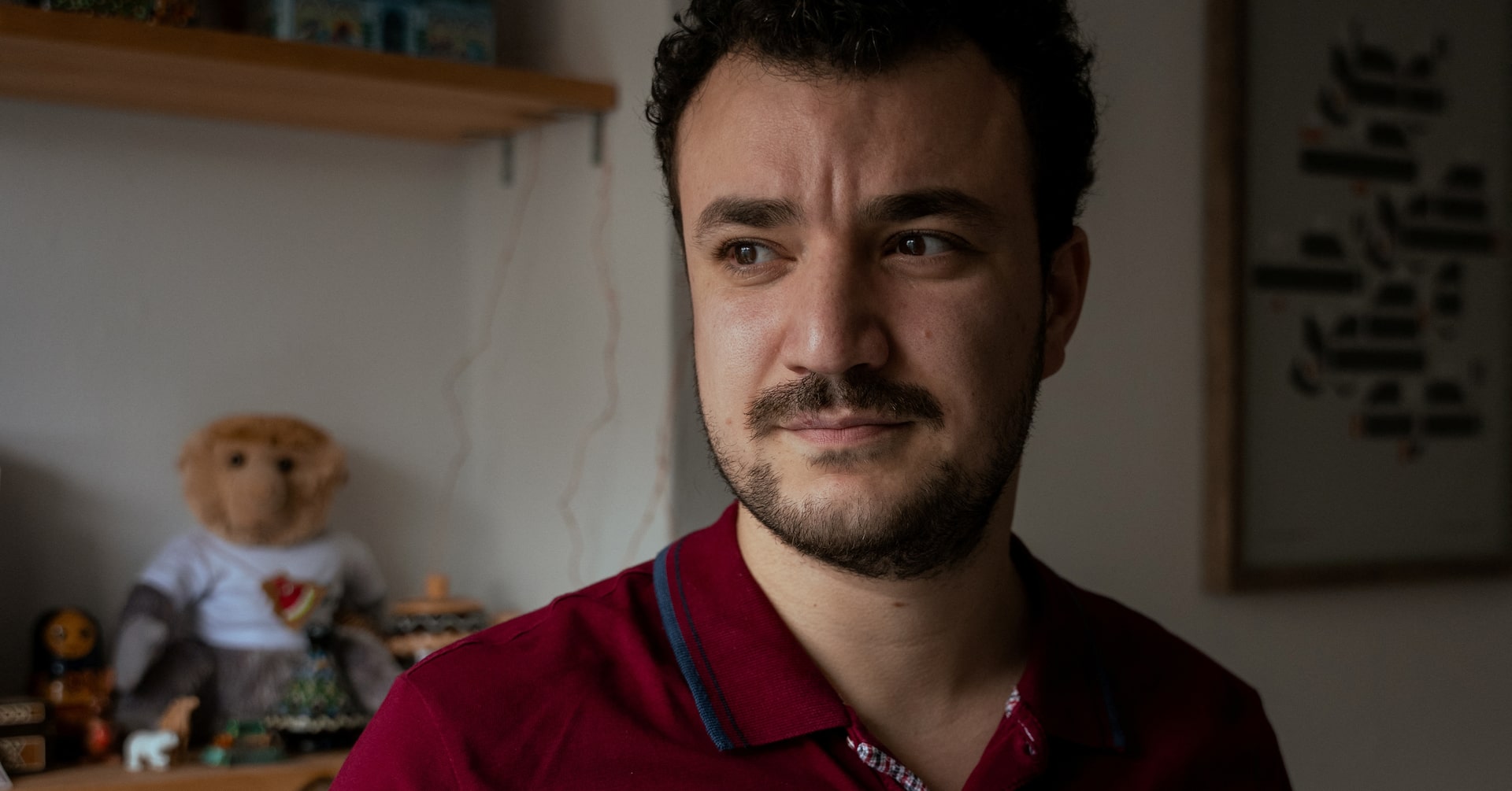
US immigration judge orders Khalil deportation, his lawyers say separate ruling protects him for now
In a controversial decision, a U.S. immigration judge has ordered the deportation of Mahmoud Khalil, a pro-Palestinian activist and Columbia University student, to either Algeria or Syria. The ruling, issued on September 17, 2025, stems from allegations that Khalil omitted critical information from his green card application. Immigration Judge Jamee Comans asserted that Khalil ‘willfully misrepresented material facts’ to bypass immigration protocols and increase his chances of approval. However, Khalil’s legal team has vowed to appeal the decision, citing ongoing federal court orders that prevent his immediate deportation or detention. Khalil, a 30-year-old permanent U.S. resident of Palestinian descent, was previously detained for over 100 days earlier this year under the Trump administration’s crackdown on pro-Palestinian activism. During his detention, Khalil missed the birth of his child, as his wife, a U.S. citizen, was pregnant at the time. He was eventually released on June 20 after U.S. District Judge Michael Farbiarz ruled that punishing Khalil for a civil immigration matter was unconstitutional. The Trump administration has labeled pro-Palestinian activists like Khalil as antisemitic and supporters of extremism, a characterization vehemently denied by protesters, including some Jewish groups. They argue that criticizing Israel’s actions in Gaza and advocating for Palestinian rights is unfairly equated with extremism. Khalil has accused the administration of retaliating against him for exercising his right to free speech, stating, ‘They resorted to fabricating baseless allegations to silence me.’ The case has sparked widespread concern among human rights advocates, who warn that such actions threaten free speech and due process. Columbia University, where Khalil is a student, was a focal point of last year’s protests calling for an end to Israel’s war and divestment from companies supporting Israel. The ongoing legal battle highlights the tension between immigration enforcement and constitutional rights in the U.S.
-
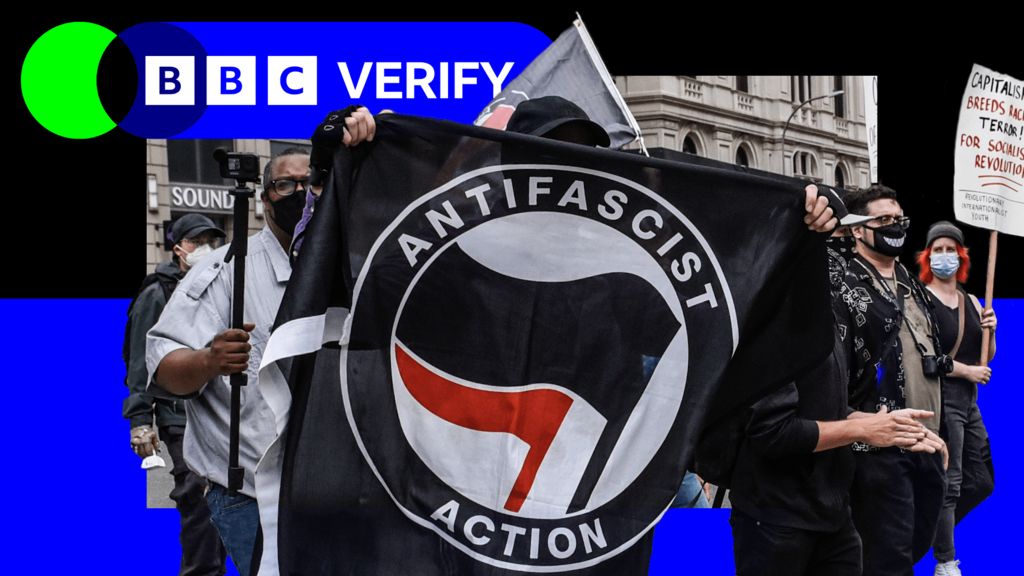
What is Antifa and why is President Trump targeting it?
Former US President Donald Trump has announced his intention to designate Antifa as a ‘major terrorist organization,’ targeting what he describes as the ‘radical left.’ This declaration follows the killing of conservative activist Charlie Kirk, which has intensified political divisions in the country. In a post on his Truth Social platform, Trump labeled Antifa as a ‘sick, dangerous, radical left disaster’ and pledged a thorough investigation into the group. Antifa, a decentralized, leftist movement opposing far-right, racist, and fascist groups, has long been a focal point of Trump’s criticism. However, experts question the feasibility of this designation, given Antifa’s lack of formal structure, leadership, or membership. In 2020, then-FBI Director Christopher Wray noted that Antifa is better understood as an ideology rather than an organization. Despite this, Antifa remains a contentious topic among right-wing influencers and politicians, who argue it is part of a broader left-wing network undermining US values. The movement, whose name derives from the German ‘antifaschistisch,’ gained prominence after Trump’s 2016 election and the 2017 Charlottesville rally. Activists associated with Antifa have frequently clashed with right-wing groups, both online and in physical confrontations. Critics highlight the movement’s willingness to use violence, which activists claim is in self-defense. Trump’s proposal to designate Antifa as a terrorist organization faces legal hurdles, as the US government can only designate foreign groups as Foreign Terror Organizations (FTOs). Legal experts emphasize that the First Amendment protects the right of association, complicating any efforts to label domestic groups as terrorist organizations. This is not the first time Trump has targeted Antifa; he made a similar pledge in 2020 but did not follow through. His latest move comes amid heightened political tensions, with the Department of Justice recently removing a study on political violence that highlighted far-right extremism as a significant threat. Experts warn that politicizing violence risks escalating tensions rather than reducing them.