
In a posthumous memoir titled *Nobody’s Girl: A Memoir of Surviving Abuse and Fighting for Justice*, Virginia Giuffre, a prominent accuser of convicted sex offender Jeffrey Epstein, details harrowing allegations against Prince Andrew, Duke of York. The book, co-written with author Amy Wallace, is set for release next week, nearly six months after Giuffre’s tragic suicide in April. The memoir recounts three instances where Giuffre claims she was forced into sexual encounters with Prince Andrew, including at Ghislaine Maxwell’s London residence, Epstein’s New York townhouse, and his private island in the US Virgin Islands. Giuffre describes Prince Andrew as ‘entitled,’ alleging he acted as if sexual relations with her were his ‘birthright.’ She also recalls a notorious photograph taken in London in 2001, where Prince Andrew, then 41, placed his arm around her waist while Epstein snapped the picture. The memoir further reveals Giuffre’s struggles with trauma, including her reliance on tranquilisers to cope with the abuse. Despite reaching a financial settlement with Giuffre in 2022, Prince Andrew has consistently denied all allegations, stating in a BBC Newsnight interview that he ‘categorically’ never met her or engaged in any sexual contact. The book sheds light on Epstein’s manipulative tactics, his circle of powerful associates, and the systemic exploitation of vulnerable young women. Epstein died by suicide in jail in 2019, while Maxwell is serving a prison sentence for sex trafficking. Giuffre’s memoir serves as a poignant testament to her fight for justice and the enduring impact of her experiences.
标签: North America
北美洲
-
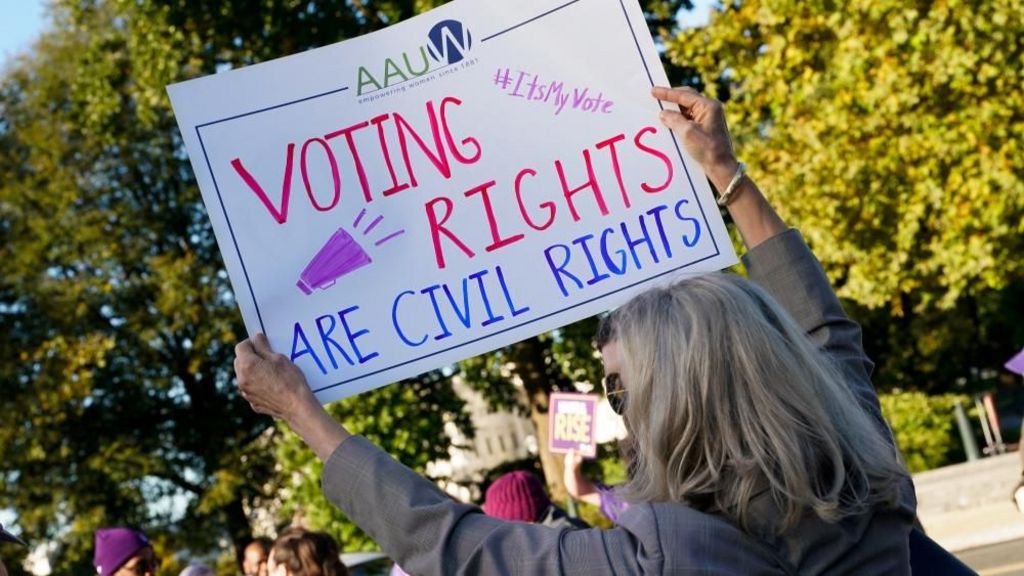
Supreme Court weighs ‘earthquake’ ruling that could reshape political map
The U.S. Supreme Court heard oral arguments on Wednesday in a landmark case that could significantly alter the electoral landscape of the American South. The case challenges a key provision of the 1965 Voting Rights Act, which was enacted to safeguard the voting rights of Black Americans against state-level discrimination. The session, initially slated for an hour, extended well beyond as the justices rigorously questioned the attorneys involved. The outcome could lead to a substantial reinterpretation of the law, potentially redrawing congressional districts across the South and shifting more than a dozen seats from Democratic to Republican control. This could provide President Donald Trump’s Republican Party with a decisive advantage in the upcoming midterm elections, given the current narrow partisan divide in the U.S. House of Representatives. The case originated from a lawsuit by Black voters in Louisiana, who sought to compel the state to create a second majority-Black congressional district to better reflect the state’s demographic composition. Section 2 of the Voting Rights Act prohibits states from denying or limiting voting rights based on race, color, or language. Over the years, the Supreme Court has interpreted this provision to require states to create ‘opportunity districts’ that allow minority populations to elect legislators in proportion to their share of the state’s population. Louisiana’s population is approximately 31% Black, yet only one of its six congressional districts has a Black majority. The conservative majority on the court has indicated a willingness to reconsider whether Section 2 violates the U.S. Constitution by mandating that states consider race when drawing congressional districts. Louisiana’s Republican officials, initially defending their state’s legislative map as compliant with the Voting Rights Act, have now asked the court to eliminate the law’s Black-district requirements entirely. The Trump administration has joined the case to make a similar request. Janai Nelson, representing the original group of Black Louisiana voters, warned that abandoning Voting Rights Act protections would be ‘pretty catastrophic,’ emphasizing the law’s role in diversifying leadership and ensuring minority voters have an equal opportunity to participate in the electoral process. Louisiana’s Solicitor General, J Benjamin Aguiñaga, countered that explicitly considering race when drawing legislative lines constitutes unacceptable discrimination, arguing that the Constitution does not tolerate government-mandated racial balancing. The Supreme Court is not expected to issue its decision for several months, but the oral arguments suggest a majority may favor discarding or significantly paring back the current Voting Rights Act requirements. Justice Brett Kavanaugh, a potential swing vote, expressed concerns about the duration of the law’s minority-district requirements. Chief Justice John Roberts, who authored a 2013 ruling striking down a separate provision of the Voting Rights Act, is also seen as a decisive vote in this case. The court’s decision could mark a significant shift in American political dynamics, potentially leading to a rush to redraw congressional lines and cement a House of Representatives majority.
-
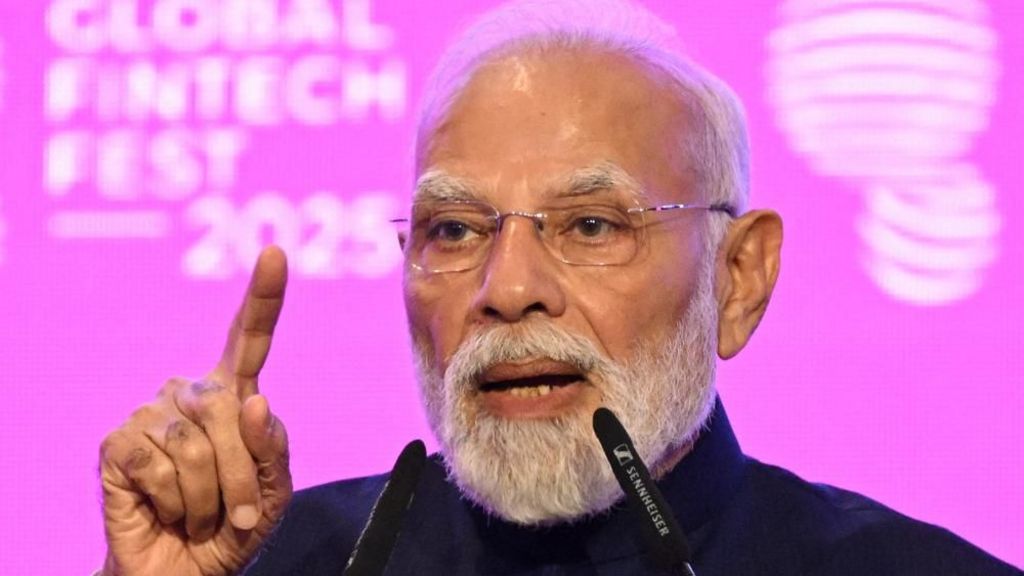
Trump says Modi has agreed to stop buying Russian oil
In a significant diplomatic development, former US President Donald Trump has asserted that Indian Prime Minister Narendra Modi has pledged to halt India’s purchases of Russian oil. This announcement comes as the US intensifies efforts to economically isolate Russia and curtail its funding for the ongoing conflict in Ukraine. Trump revealed that Modi assured him India would cease its oil imports from Russia “within a short period of time,” describing the move as “a big stop.” However, the Indian embassy in Washington DC has refrained from commenting on the matter. The US has been leveraging India’s reliance on Russian oil in its broader trade strategy, but New Delhi has consistently resisted, leading to diplomatic tensions. Russia’s oil and gas exports, primarily to China, India, and Turkey, are crucial to its economy. Trump also expressed his intention to persuade China to follow suit, emphasizing a global effort to disrupt Moscow’s energy revenue streams. He acknowledged that India’s transition away from Russian oil would be gradual but assured that the process would conclude swiftly. The Trump administration has imposed steep tariffs on Indian goods, including a 25% penalty for transactions with Russia, as part of its strategy to pressure New Delhi. Despite these measures, Modi has maintained India’s neutrality in the Russia-Ukraine conflict, citing the nation’s economic reliance on discounted Russian crude. The ongoing dispute has strained US-India relations, though Trump recently praised Modi as a “great man,” and both leaders have noted progress in trade negotiations.
-
IEA warns of looming oil glut as supply outpaces demand
The International Energy Agency (IEA) has issued a stark warning about a potential global oil surplus, projecting a significant imbalance between supply and demand by 2026. In its October Oil Market Report, the agency revised its supply growth estimates upward, forecasting an increase of 3.0 million barrels per day (bpd) in 2025, up from the previous 2.7 million bpd. This is expected to be followed by a further 2.4 million bpd rise in 2026. Meanwhile, demand growth is anticipated to remain sluggish, with the IEA trimming its 2025 estimate to 710,000 bpd and predicting a modest 700,000 bpd increase in 2026. This marks a sharp deceleration in oil consumption, attributed to macroeconomic challenges and the accelerating shift toward electrification in transportation. The IEA predicts that global supply could exceed demand by as much as 4 million bpd in 2026, a significant jump from its earlier forecast of a 3.3 million bpd surplus. This potential glut is driven by aggressive production increases from OPEC+ and non-OPEC+ producers, including the US, Canada, Brazil, and Guyana. In contrast, OPEC maintains a more optimistic outlook, expecting supply and demand to balance in 2026 due to stronger global consumption. Price forecasts reflect the uncertainty, with analysts predicting Brent crude to average $67.61 per barrel in 2025, while Barclays and Goldman Sachs have revised their projections downward, citing supply pressures. Despite the near-term challenges, some industry leaders anticipate a medium-term rebalancing as higher-cost producers reduce output. The IEA’s warning underscores the growing tension between production ambitions and the realities of the global energy transition.
-
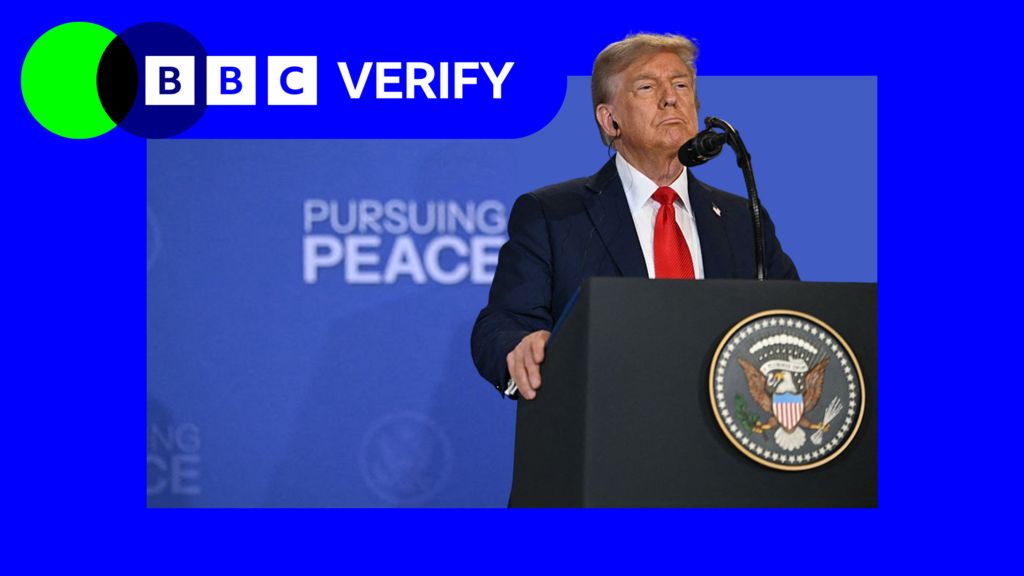
How many wars has President Trump really ended?
President Trump has recently asserted on social media that he has ‘ended 8 wars in just 8 months,’ dubbing himself ‘the president of peace.’ Among these, the most notable is the two-year conflict between Israel and Hamas. The other conflicts he claims to have resolved include those between Israel and Iran, Pakistan and India, Rwanda and the Democratic Republic of Congo, Thailand and Cambodia, Armenia and Azerbaijan, Egypt and Ethiopia, and Serbia and Kosovo. While some of these conflicts were short-lived, they stemmed from deep-rooted tensions, and in some cases, there was no active fighting to cease. The durability of these peace agreements remains uncertain. BBC Verify has scrutinized these conflicts to assess the extent of Trump’s involvement in their resolution. Trump has been widely praised for brokering a ceasefire between Israel and Hamas, which involved the exchange of Israeli hostages for Palestinian prisoners. However, achieving lasting peace in the region requires addressing complex issues such as Hamas disarming and establishing a new government in Gaza. Michael O’Hanlon, a defense and foreign policy expert at the Brookings Institution, acknowledges Trump’s efforts but emphasizes the fragility of these achievements. ‘This is only stage one,’ O’Hanlon notes, ‘and getting to a two-state solution will be even harder.’ Trump’s role in other conflicts, such as the 12-day war between Israel and Iran, has also been highlighted. The US carried out strikes on Iranian nuclear sites, which many believe hastened the conflict’s end. However, Iran’s Supreme Leader Ayatollah Ali Khamenei claimed a ‘decisive victory,’ and Israel has hinted at future strikes. Similarly, Trump’s mediation in the India-Pakistan conflict over Kashmir led to a ceasefire, though India downplayed US involvement. In the case of Rwanda and the Democratic Republic of Congo, a peace agreement was signed in Washington, but accusations of ceasefire violations persist. Trump’s intervention in the Thailand-Cambodia border dispute resulted in an immediate ceasefire, with both countries praising his efforts. However, the long-standing tensions between Armenia and Azerbaijan over Nagorno-Karabakh remain unresolved, despite Trump’s hosting of their leaders at the White House. The dispute between Egypt and Ethiopia over the Grand Ethiopian Renaissance Dam also remains unresolved, with Trump’s comments risking further tensions. Lastly, Trump’s claim to have prevented a war between Serbia and Kosovo is disputed, as no active conflict was occurring at the time. While Trump has made significant diplomatic efforts, the long-term success of these peace agreements is still in question.
-
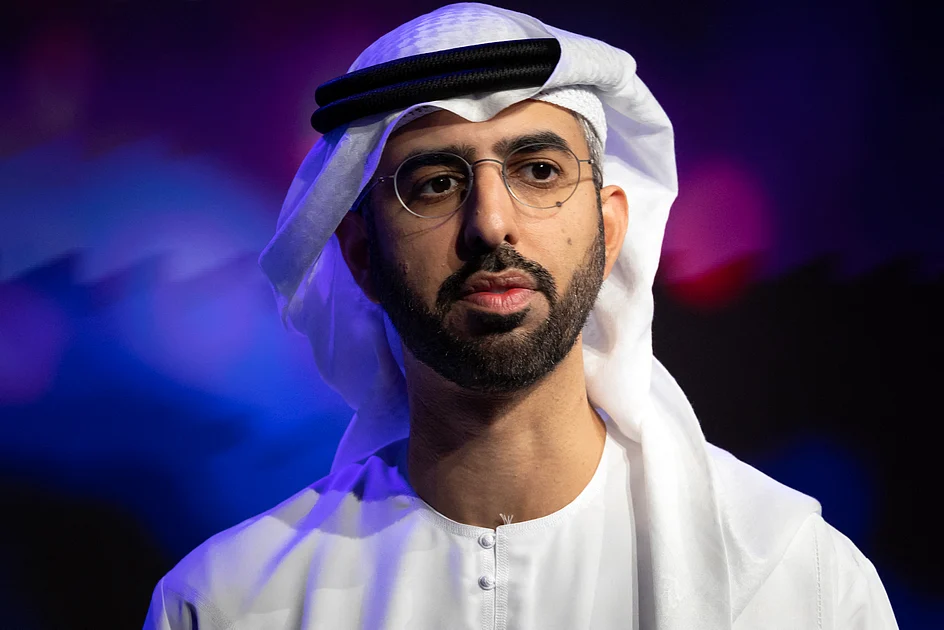
How UAE’s next decade will be run by digital-first natives with ‘more productivity’
The United Arab Emirates (UAE) is poised to lead the next decade with a generation of digital-first natives, according to Omar Sultan Al Olama, the UAE’s Minister of State for Artificial Intelligence, Digital Economy, and Remote Work Applications. Speaking at the World Economic Forum’s Annual Meetings of the Global Future Councils and Cybersecurity, Al Olama emphasized the transformative potential of this tech-savvy generation in addressing global challenges such as climate change and social inequality. He urged global leaders to adopt bold, forward-thinking strategies, rejecting the tendency to dwell on past limitations. Al Olama highlighted the UAE’s own journey, from a modest vision in 1991 to its current leadership in AI and blockchain innovation. He underscored the importance of audacious visions, citing the UAE’s success in creating a blockchain network that mobilized 20 gigawatts of power globally in just 12 years. Addressing concerns about AI, Al Olama provided data-driven optimism, noting that AI-generated content has plateaued at 52% online, countering fears of an AI takeover. He concluded by sharing a powerful lesson from Sheikh Mohammed bin Rashid Al Maktoum: ‘If you don’t have a vision, you will be part of someone else’s vision.’ The UAE’s commitment to innovation and its digital-first approach positions it as a global leader in shaping the future.
-
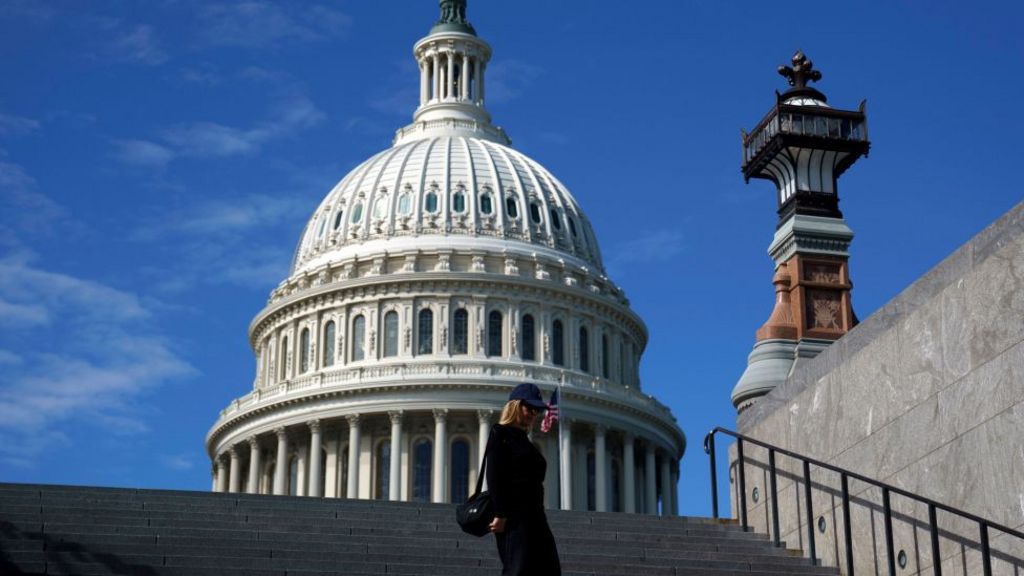
Judge orders Trump administration to pause shutdown layoffs
In a significant legal development, a federal judge has temporarily halted the Trump administration’s plans to lay off thousands of federal workers during the ongoing government shutdown. The decision, issued by US District Judge Susan Illston, came in response to a request from two major unions—the American Federation of Government Employees and AFL-CIO—seeking to prevent mass firings across more than 30 federal agencies. Judge Illston ruled that the administration’s actions appeared to be politically motivated and unlawfully exploited the funding lapse that began on October 1 to downsize the federal workforce. She cited public statements by President Donald Trump and White House Budget Chief Russell Vought, including Trump’s remarks about targeting ‘Democrat agencies,’ as evidence of these motivations. The Trump administration is expected to appeal the restraining order. Meanwhile, several key departments, including Treasury, Health and Human Services (HHS), and Homeland Security, had already begun issuing layoff notices. The Treasury Department alone planned to cut approximately 1,446 positions, while HHS initially notified 1,100 to 1,200 employees before scaling back to about half that number. Other agencies, such as Education, Housing and Urban Development, Commerce, and Energy, also announced significant workforce reductions. The unions argued that the shutdown does not justify mass firings, as most federal workers are already furloughed without pay. With the shutdown now in its third week, the Senate has repeatedly failed to pass a resolution to reopen the government, as Democrats push for measures to address rising healthcare costs for lower-income Americans.
-
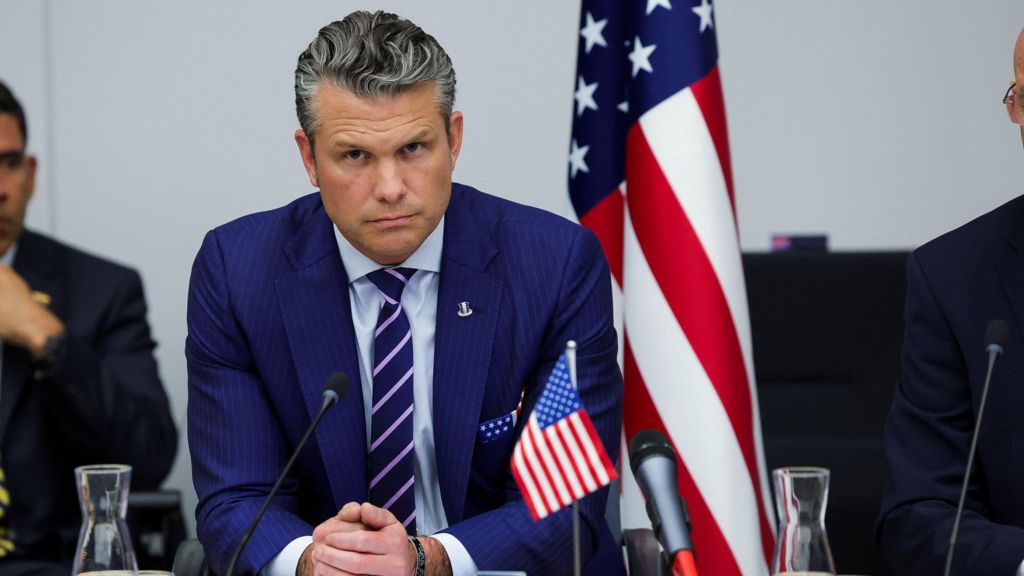
Cracked windscreen forces US defence secretary’s plane to land in UK
US Secretary of Defense Pete Hegseth’s aircraft was forced to make an unscheduled landing in the United Kingdom following the discovery of a crack in the windshield. The incident occurred during a return flight to the US after Hegseth attended a NATO Defense Minister meeting in Belgium. The Pentagon confirmed the event on X, stating that the landing was executed under standard safety protocols and that all passengers, including Secretary Hegseth, were unharmed. Hegseth later posted on social media, ‘All good. Thank God. Continue mission!’
BBC Verify, in collaboration with FlightRadar24, tracked the aircraft’s trajectory, revealing that it began descending off the southwest coast of Ireland before altering its course eastward. At an altitude of 10,000 feet, the plane transmitted a ‘7700 squawk code,’ an international signal indicating an onboard emergency. Such emergencies can range from mechanical failures to medical crises.
This incident follows a similar occurrence in February when a government plane carrying Secretary of State Marco Rubio had to abort its flight due to a cockpit window crack. The NATO meeting in Belgium, which Hegseth attended, focused on addressing security concerns in Ukraine. The emergency landing underscores the importance of stringent safety measures in aviation, particularly for high-profile government officials.
-
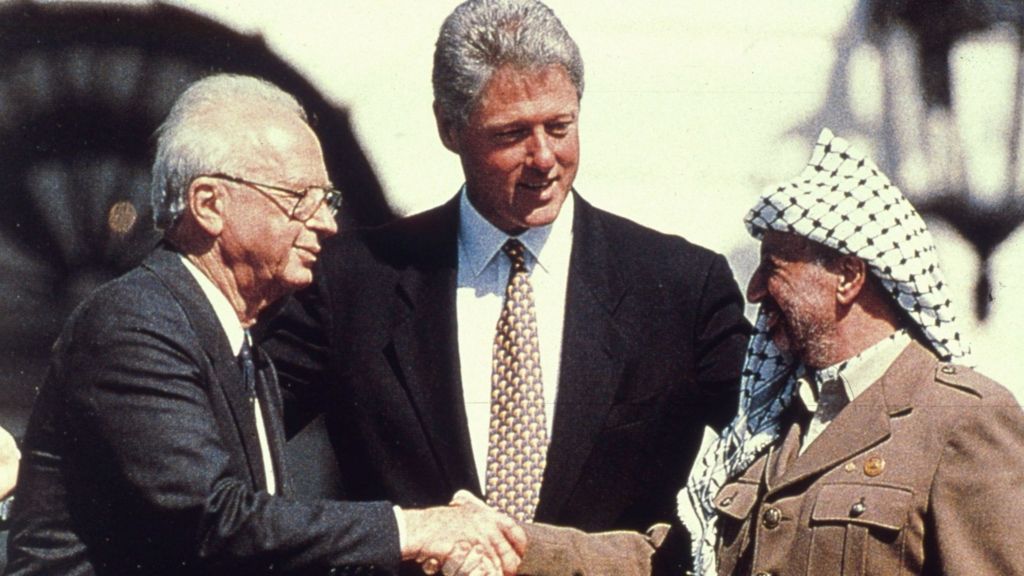
The US presidents who claimed Middle East breakthroughs before Trump
The quest for Middle East peace has been a recurring theme in U.S. presidential history, with several leaders attempting to broker breakthroughs before Donald Trump’s era. Bill Clinton’s ambitious peace plan, which aimed to resolve the Israeli-Palestinian conflict, was tragically derailed by the assassination of Israeli Prime Minister Yitzhak Rabin in 1995. This pivotal moment not only halted progress but also underscored the fragility of peace negotiations in the region. Other U.S. presidents, including Jimmy Carter and George H.W. Bush, also sought to mediate peace agreements, each facing unique challenges and setbacks. Carter’s Camp David Accords in 1978 marked a significant achievement, establishing a framework for peace between Israel and Egypt. However, subsequent efforts often faltered due to deep-seated animosities and shifting political landscapes. These historical attempts highlight the complexities of Middle East diplomacy and the enduring challenges faced by U.S. leaders in their pursuit of lasting peace.
-
US blasts China as ‘unreliable’ as trade tensions mount
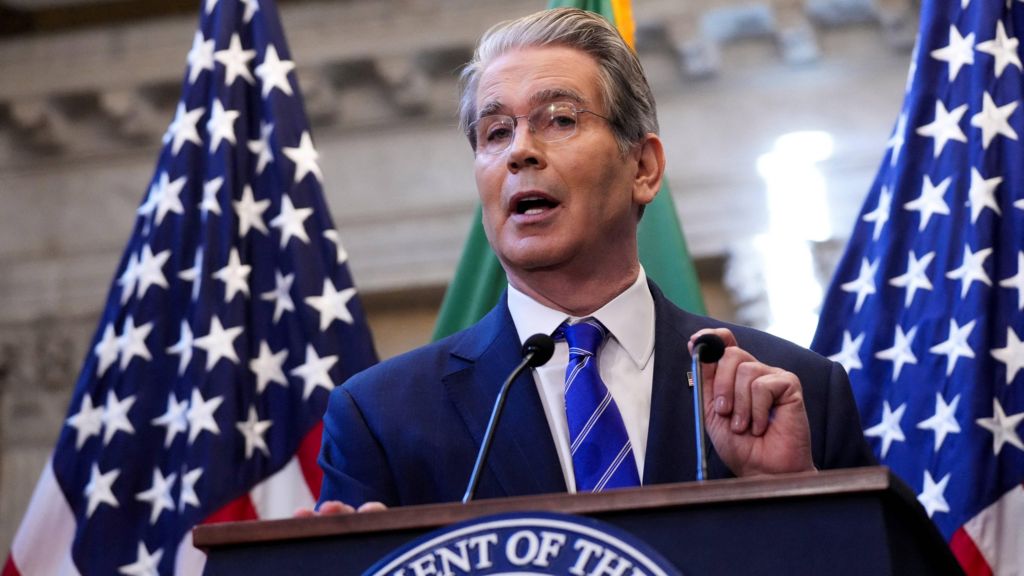
The fragile trade truce between the United States and China appears to be unraveling as top US officials accuse Beijing of undermining agreements reached earlier this year. In a highly orchestrated press conference, US Trade Representative Jamieson Greer and Treasury Secretary Scott Bessent condemned China’s recent moves to tighten export controls on rare earths, lithium batteries, and graphite, labeling them as “economic coercion” and a “global supply chain power grab.” Bessent warned, “If China wants to be an unreliable partner to the world, then the world will have to decouple.” However, he left room for negotiation, expressing optimism that the situation could be de-escalated through dialogue. China, which processes approximately 90% of the world’s rare earths and magnets, announced last week that foreign companies would need government approval to export products containing even minimal amounts of these critical materials. The US responded with threats of imposing a 100% tariff on Chinese imports starting next month, alongside potential export controls on critical software. The escalating tensions have raised fears of a return to an all-out trade war, jeopardizing the fragile truce established in May. Both nations have also introduced new port fees on each other’s ships, further straining relations. Bessent emphasized the need for the US and its allies to collaborate, calling China’s actions “unacceptable” and “highly provocative.” He asserted, “This is China versus the world. We and our allies will neither be commanded nor controlled.” Despite the rhetoric, both sides seem open to discussions, offering a glimmer of hope for resolution.